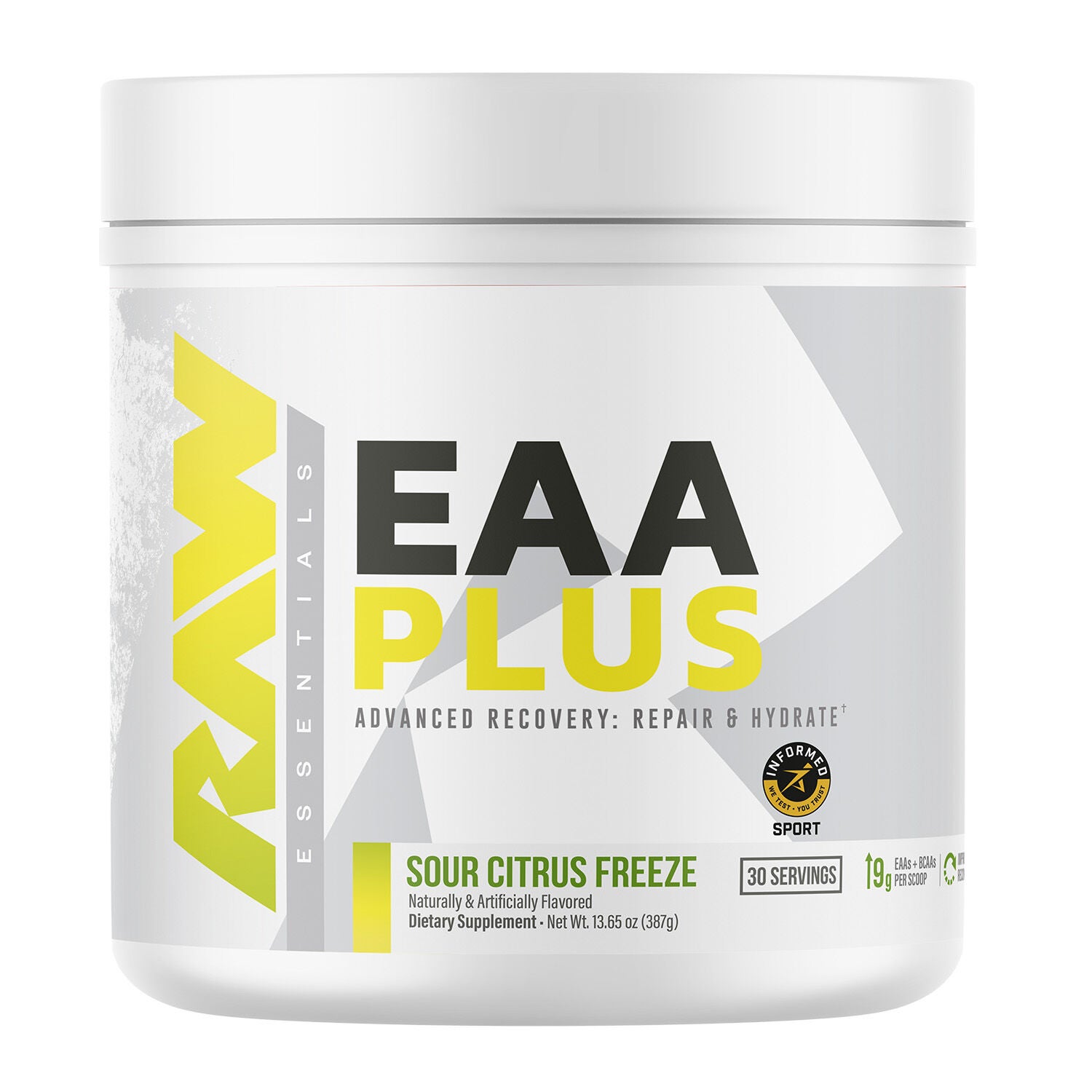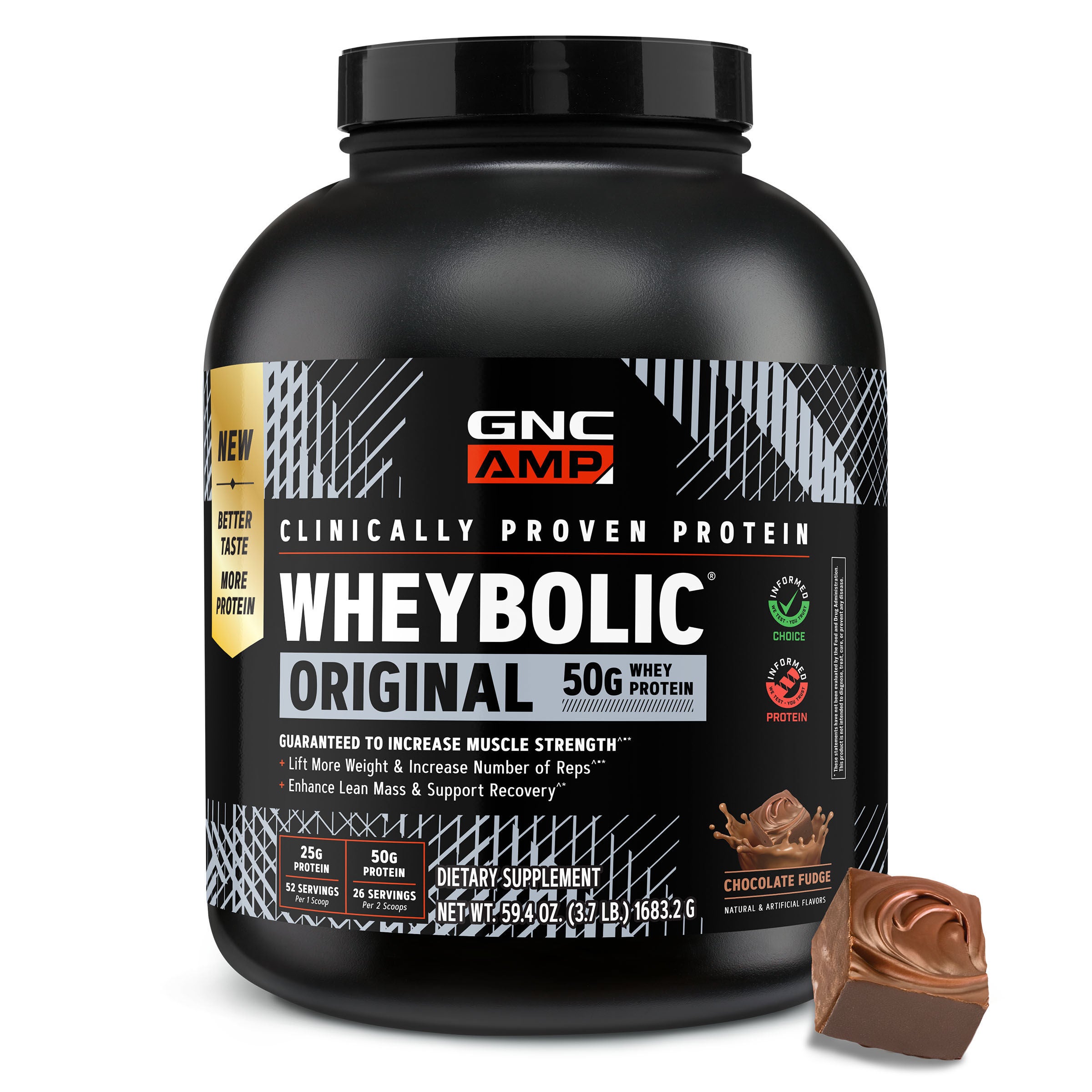


Amino Acid Protein Powders
(0 Results)
Amino acid protein powders may offer a convenient way to support your fitness and wellness goals. These supplements are designed to provide the body with the building blocks it needs for muscle growth, recovery, and overall health. Whether you're an athlete aiming to improve performance or someone looking to maintain a balanced diet, amino acid protein powders could be a valuable addition to your routine. Explore a variety of options that might help you achieve your desired outcomes while fitting seamlessly into your lifestyle.

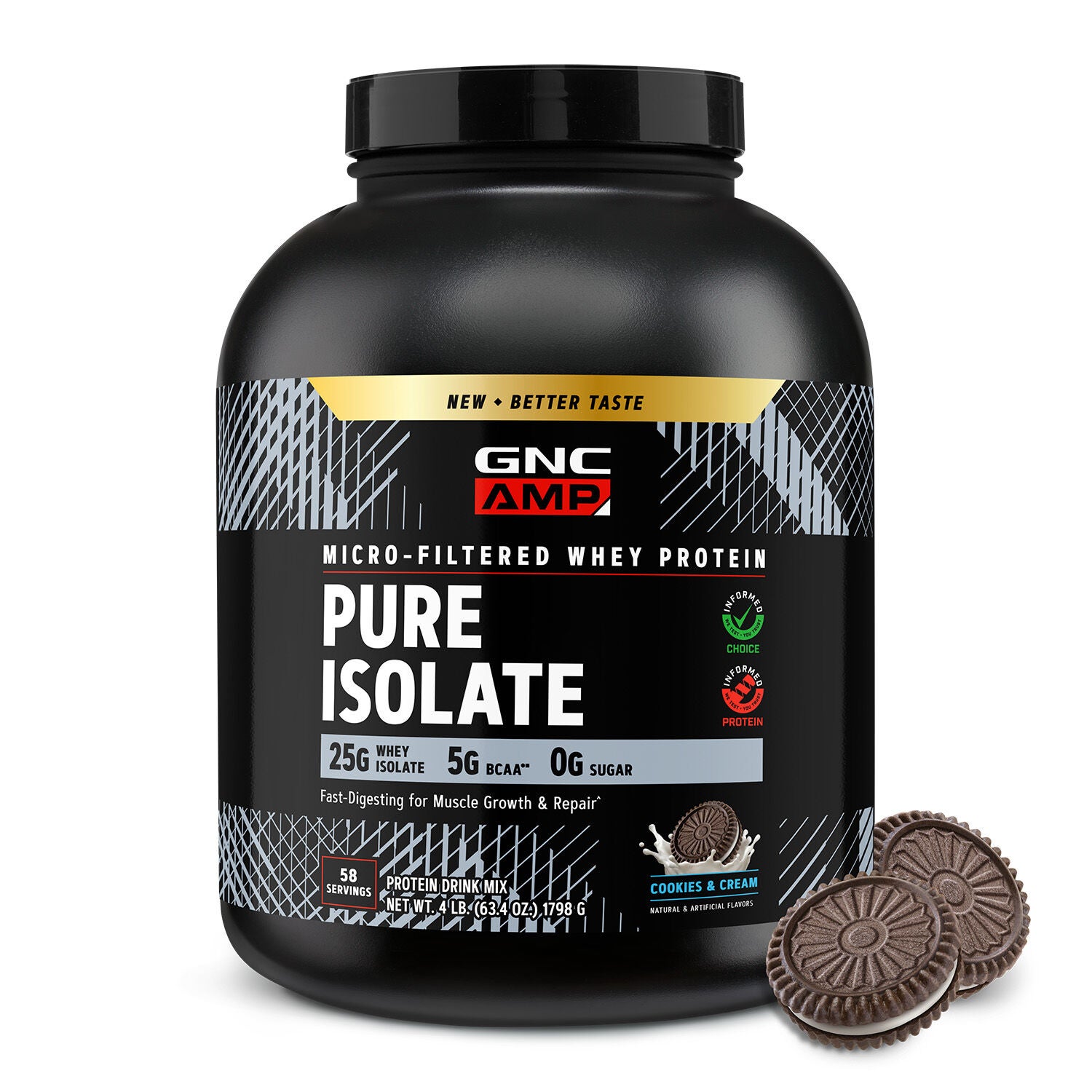
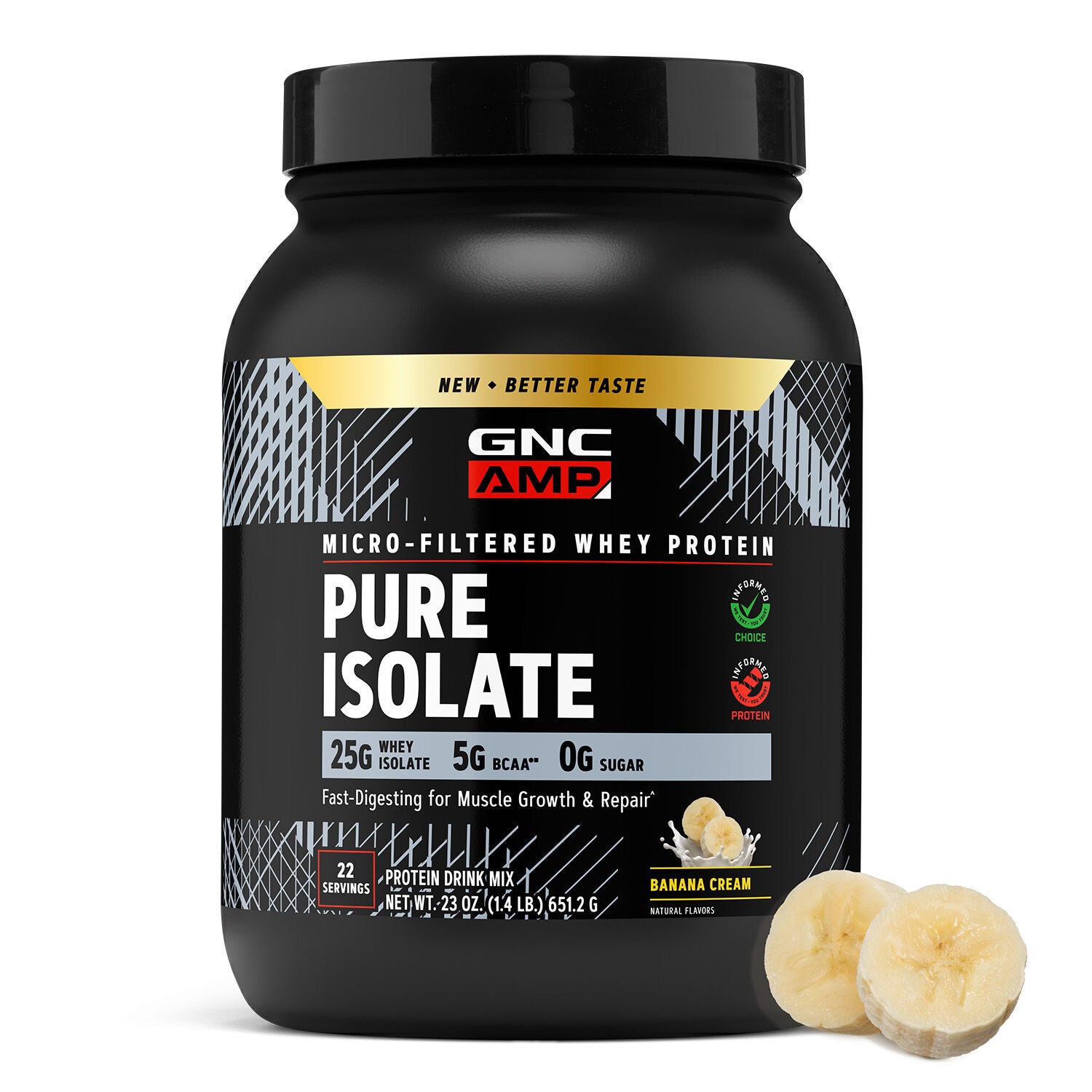
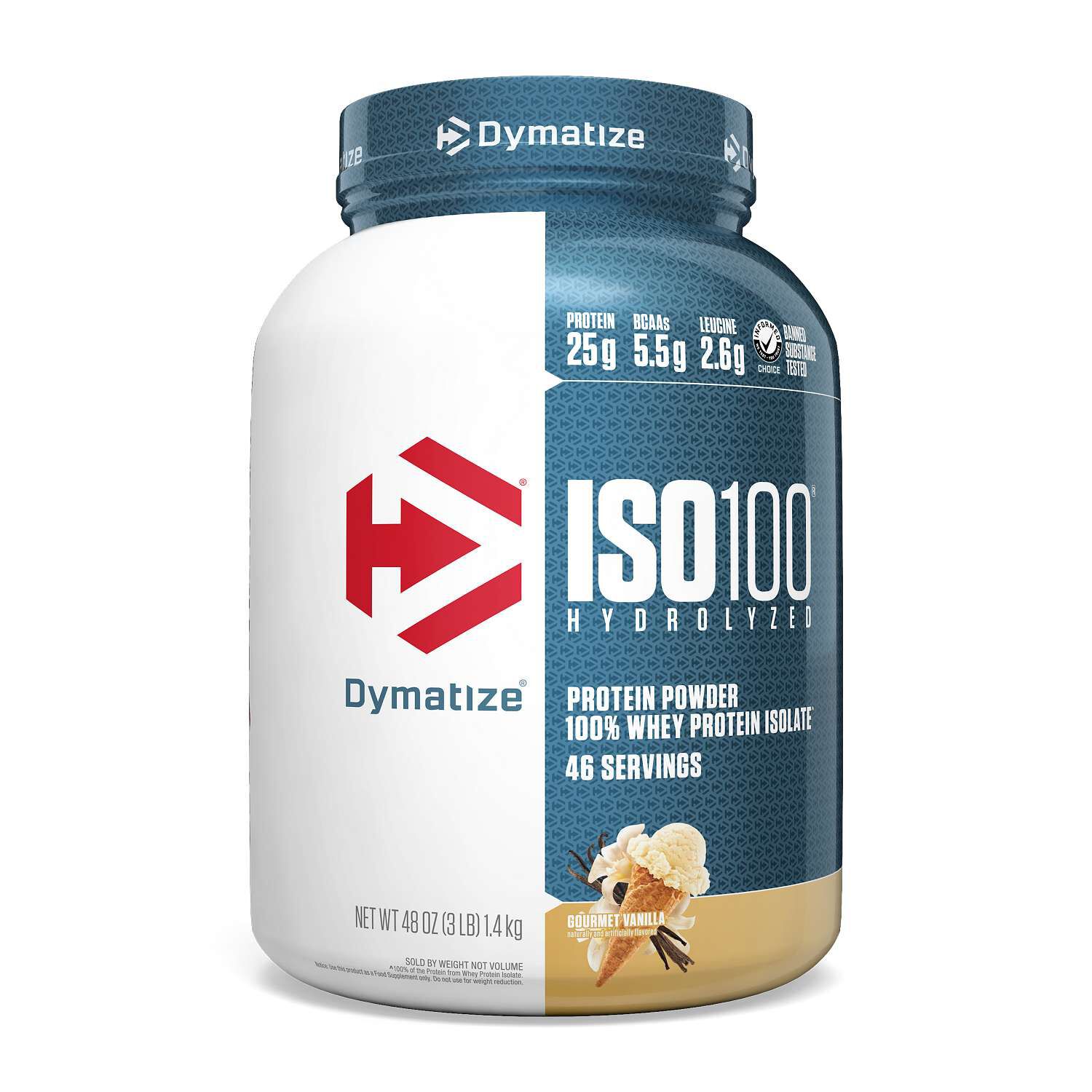
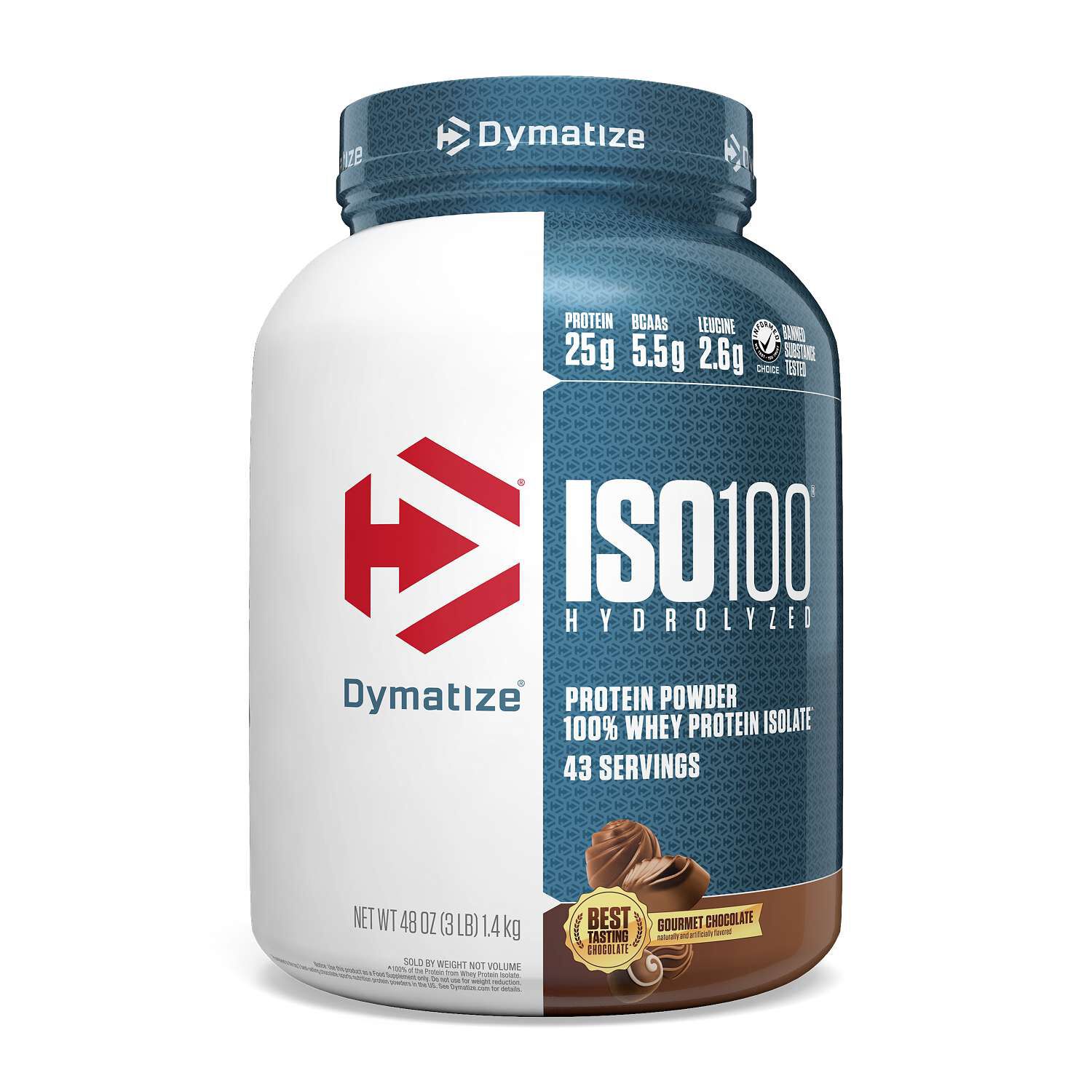
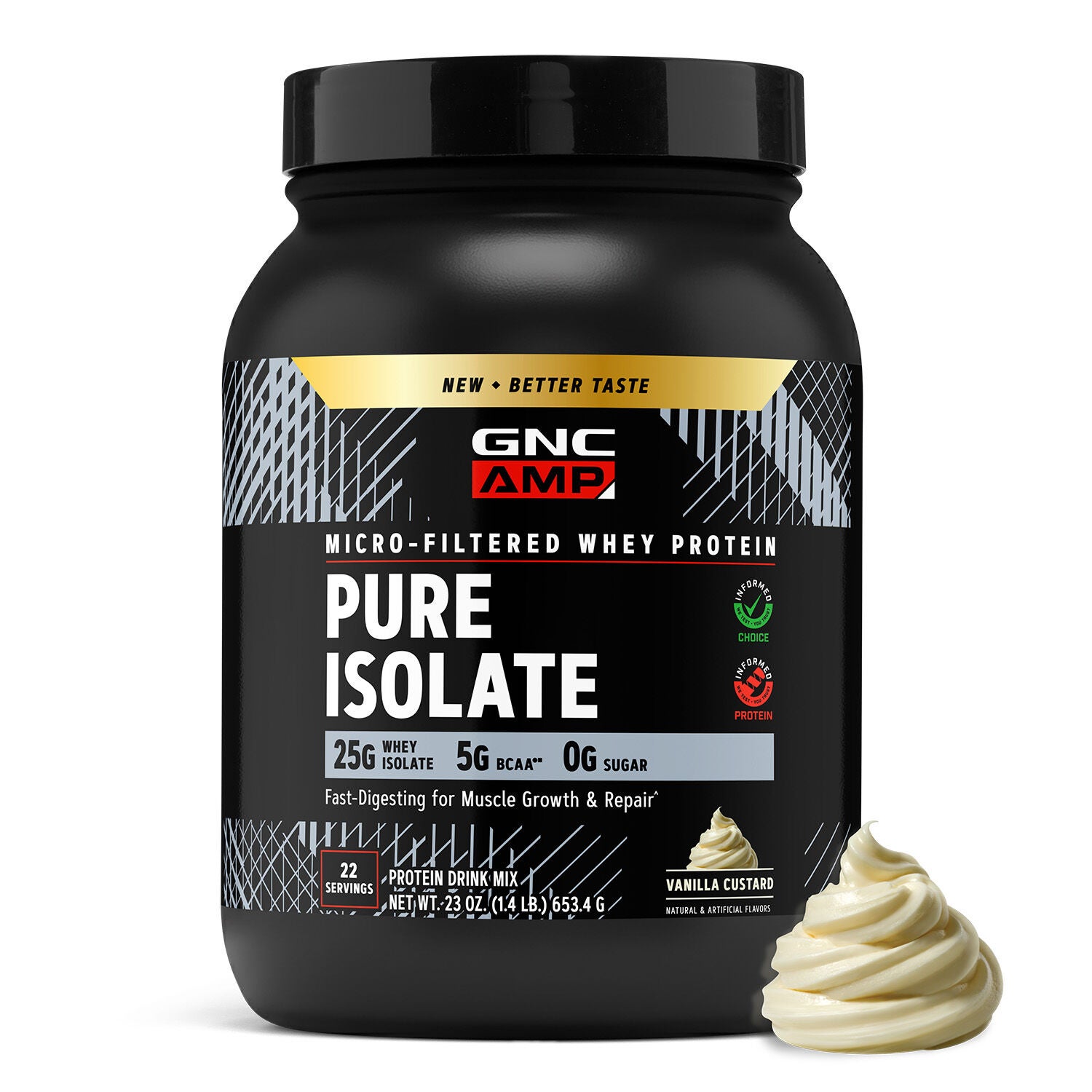


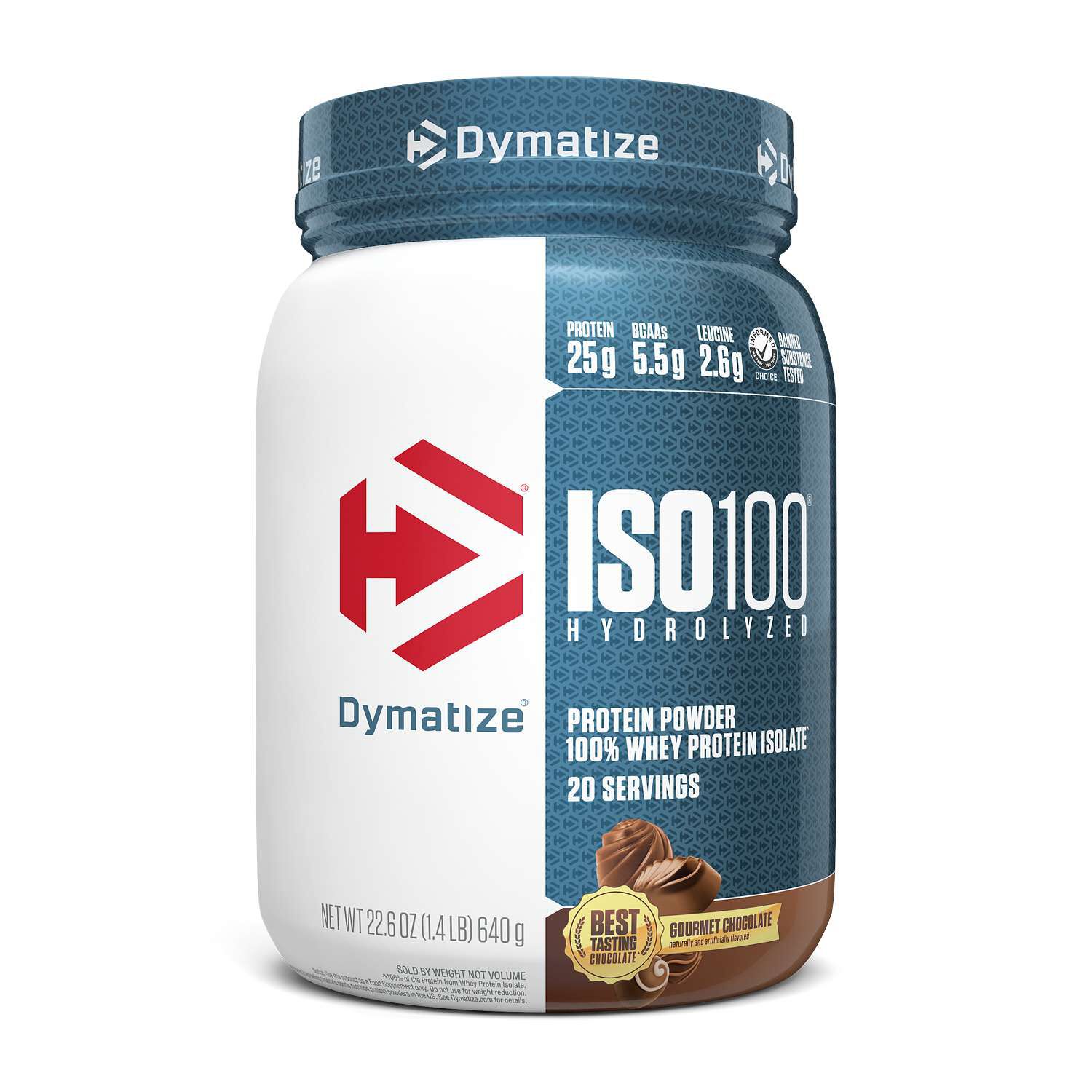


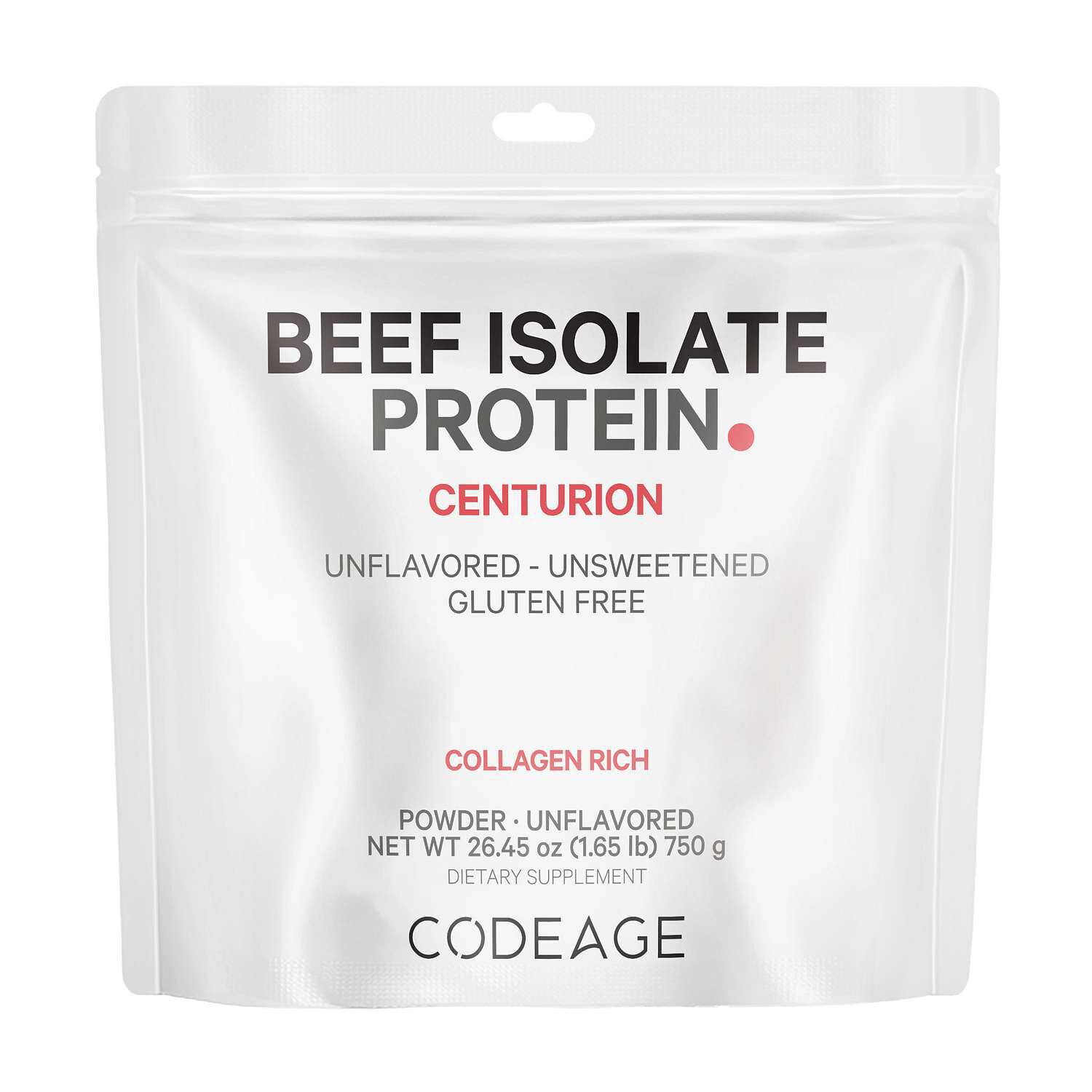


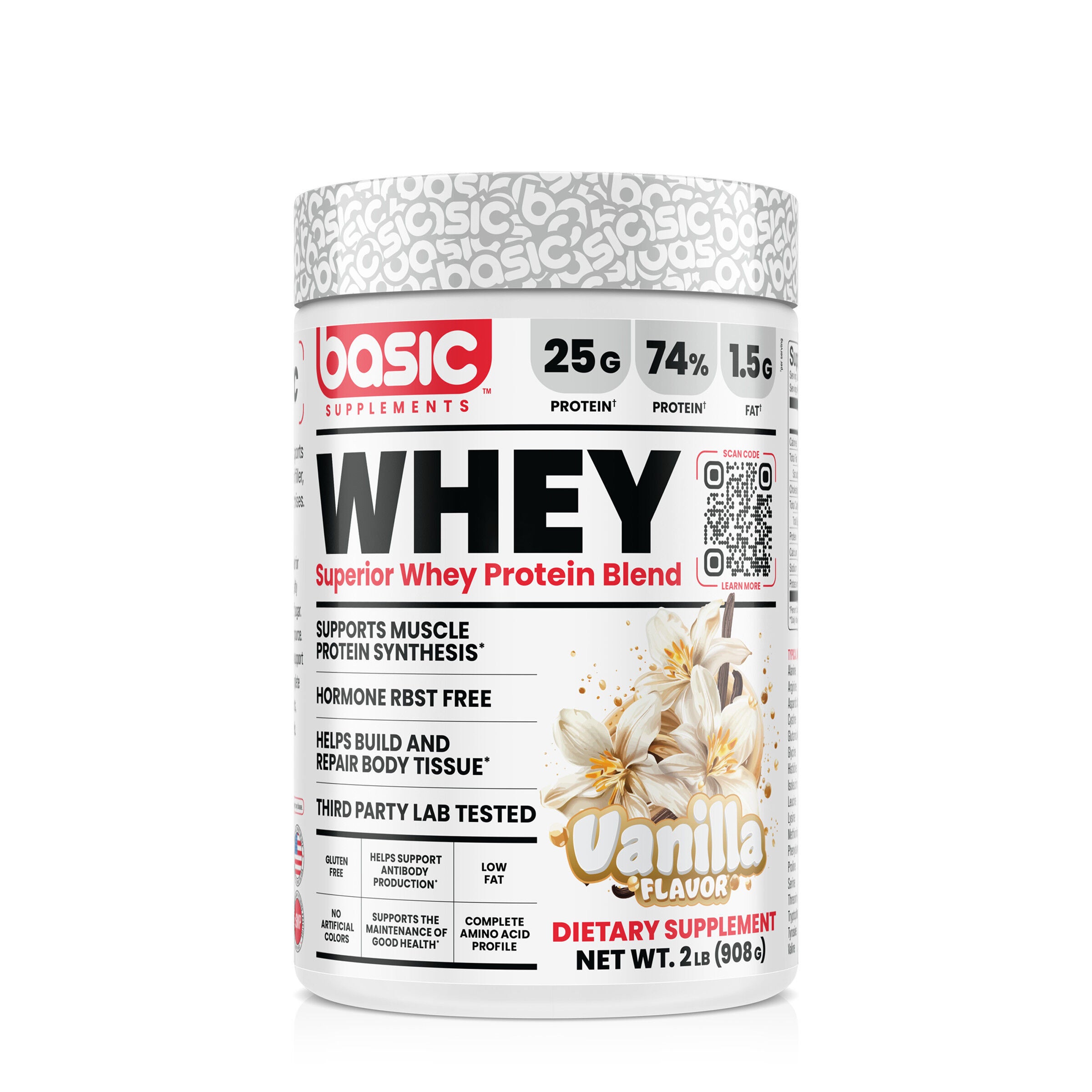

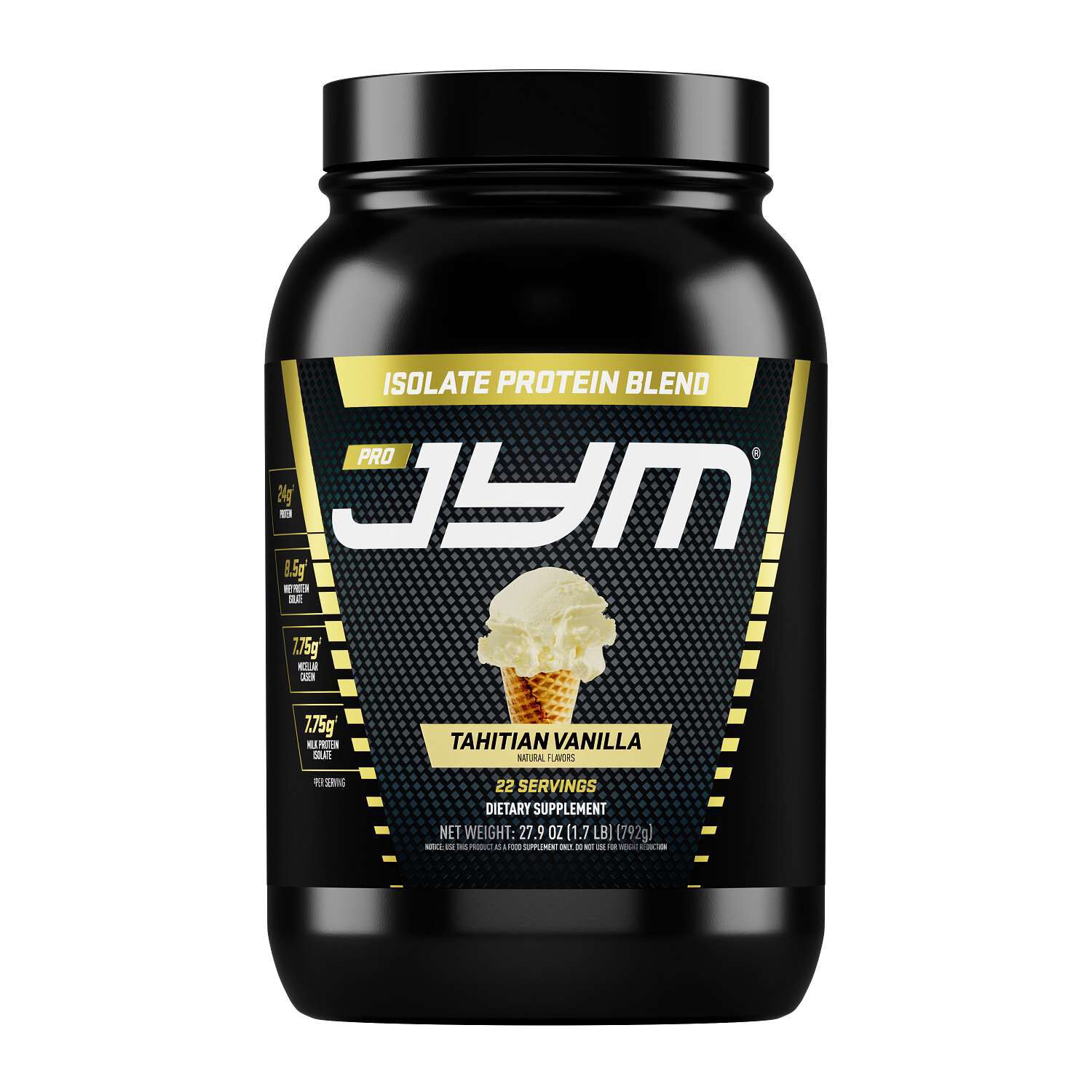
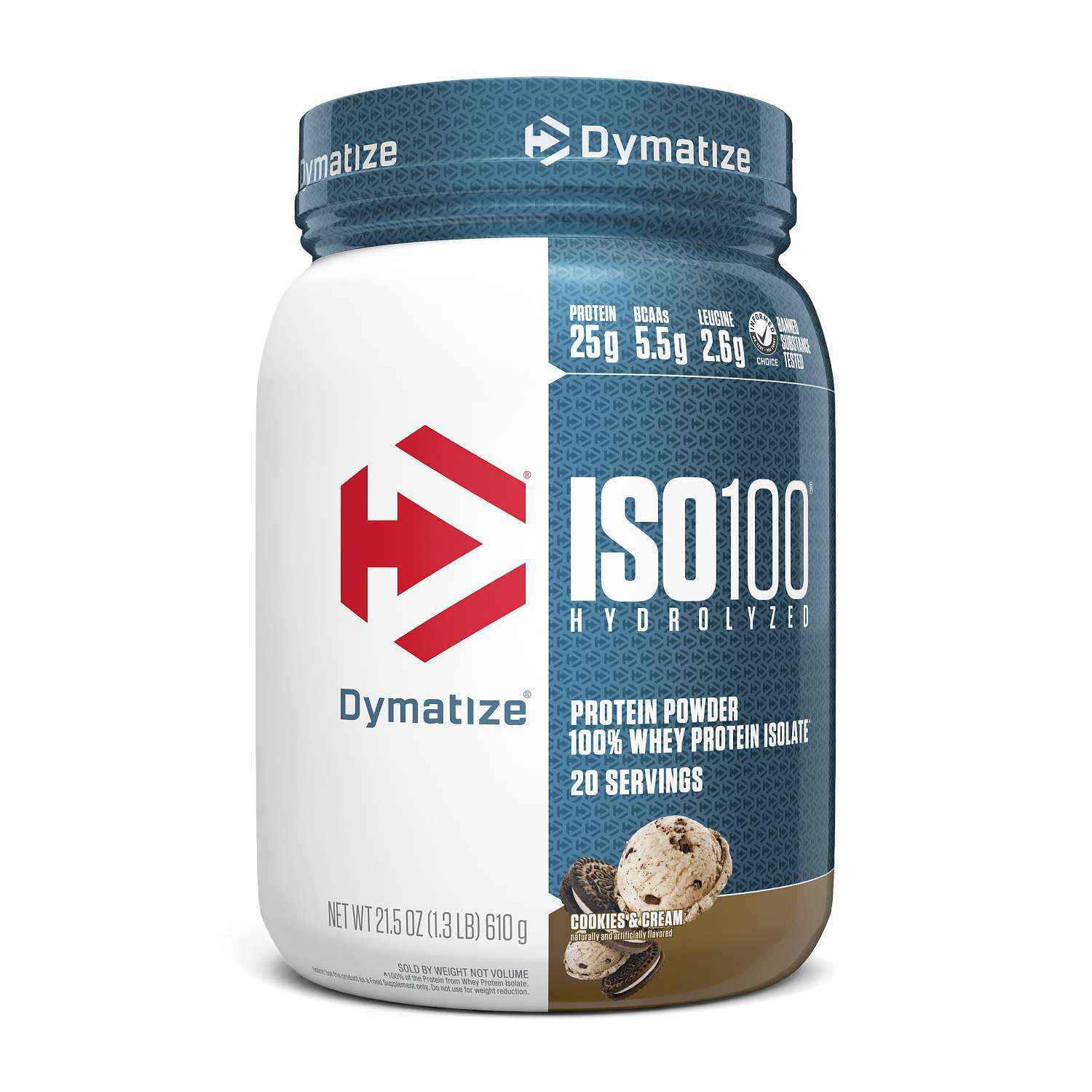


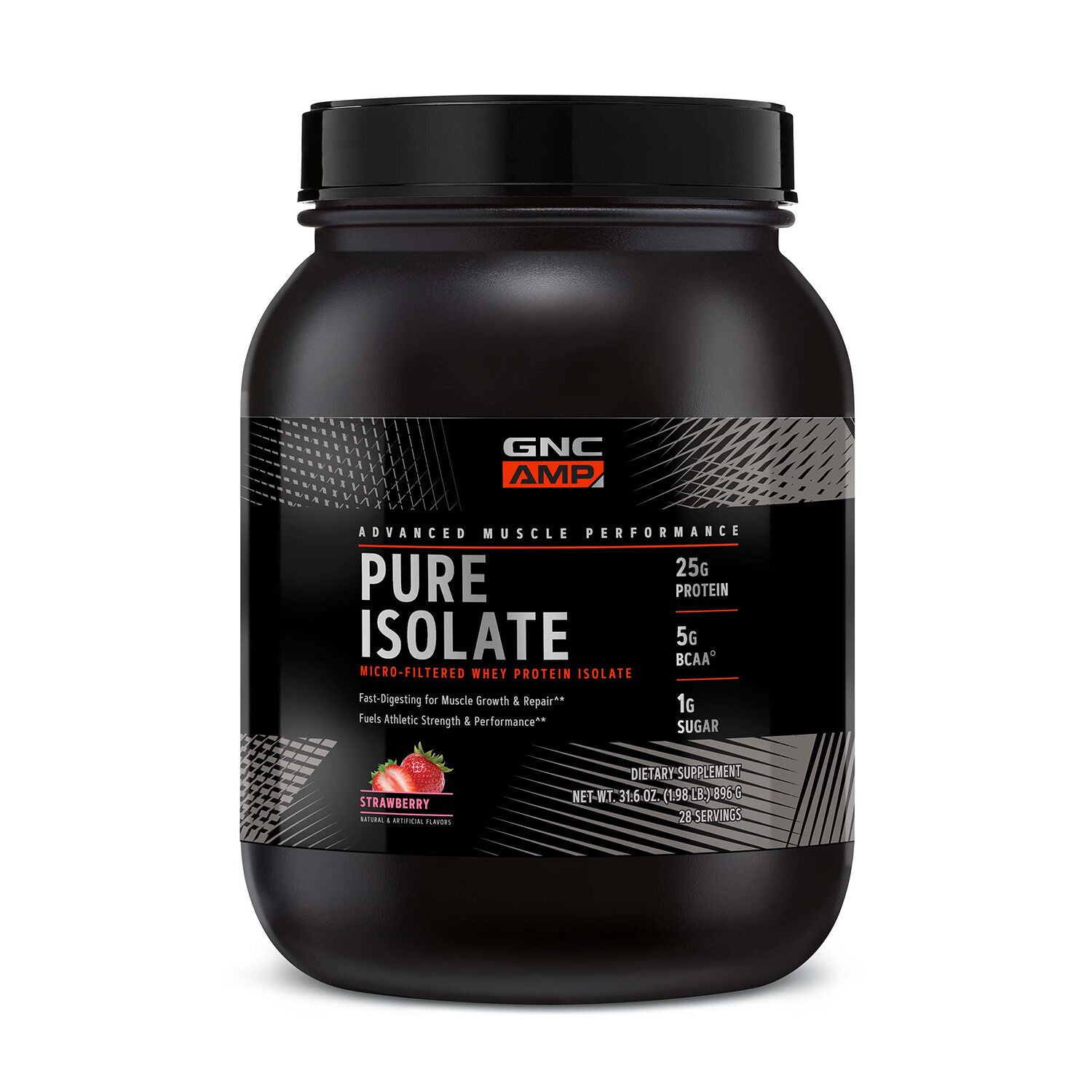

Amino acid protein powders bring together two familiar parts of sports nutrition: protein and the smaller building blocks that make up protein. Protein powders naturally contain amino acids, while some formulas place extra attention on branched-chain amino acids, often called BCAAs. These include leucine, isoleucine and valine, which may help support an active lifestyle when paired with regular movement and a balanced eating pattern. For shoppers comparing options, the first detail to check is the protein source. Whey isolate and whey concentrate come from milk and may suit people who enjoy dairy-based nutrition, while casein is another milk-derived option that is often chosen for its slower-digesting character. Soy, pea and rice proteins can work well for people who prefer plant-based ingredients. A blend of plant proteins may provide a broader amino acid profile, making it a useful choice for shoppers who avoid dairy or who simply like to vary their nutrition routine. Labels can also show the amount of protein and BCAAs per serving, the serving size, added sweeteners, flavoring, and any ingredients a shopper may wish to limit. Some powders provide a full serving of protein, while others focus more narrowly on amino acids and may be better suited to someone looking for a lighter addition to a beverage. Since formulas differ, reading the Supplement Facts panel and ingredient list can make it easier to match a powder with personal preferences, dietary habits and training plans.
These powders may fit into many routines, from a morning smoothie before a busy day to a shaker mixed after time at the gym. A scoop blended with milk or a plant-based beverage can create a creamy base for fruit, oats, yogurt or nut butter, while water offers a simple option when convenience matters. Some shoppers stir powder into a smoothie after a walk, strength session, cycling class or home workout; others may use it between meals when their usual schedule makes a sit-down snack difficult. The right serving pattern depends on the rest of the day’s food, the product directions and an individual’s nutrition goals, so it is wise to follow the label rather than assuming that more is better. Those choosing a powder for muscle-building goals may look for a protein serving that fits their routine, while someone focused on general active living may prefer a smaller serving or a formula centered on amino acids. People who enjoy training during the cooler months may appreciate a warm, familiar breakfast smoothie made with cinnamon, oats and fruit, while a chilled shake can remain appealing as indoor workouts and busy schedules continue. Amino acid protein powders may also suit runners, recreational athletes, students, travelers and anyone who likes having a portable pantry staple nearby. They are not limited to one type of workout or experience level; the most useful choice is often the one that fits naturally into meals, exercise habits and taste preferences.
An amino acid protein powder can make a thoughtful gift for a friend who has recently started strength training, a family member assembling a home workout space, or a coworker who brings smoothies to the office. A shaker cup, reusable storage container or smoothie ingredients can add a practical touch without assuming a specific fitness goal. When selecting a gift, consider flavor preferences, the person’s usual protein source and whether they prefer dairy-based or plant-based ingredients. It may also help to check for sweeteners, texture and serving size, since a powder that blends smoothly into a morning drink may be easier to enjoy than one that requires a more involved recipe. Shoppers with dietary restrictions should review allergen statements and ingredient lists, and anyone managing a health condition, following a specialized eating plan or taking medication may wish to consult a qualified healthcare professional before adding a new supplement. For those who prefer a ready-to-mix beverage rather than a powder, explore Amino Acid Drinks as another format to consider. Whether kept in a kitchen cabinet, gym bag or desk drawer, these products may offer a convenient way to include protein or amino acids in a familiar routine. Comparing the source, serving information, flavor, texture and ingredient list can help each shopper choose an option that feels practical for everyday use.