Amino Acid Powders For Summer Workouts
(0 Results)
Amino acid powders for summer workouts could be a great addition to your warm-weather fitness routine. Whether you’re hitting the gym, running outdoors, or enjoying group classes, these supplements might support your performance goals as temperatures rise. Explore options designed for active lifestyles and discover how amino acid powders for summer workouts may help you stay motivated and energized all season long.

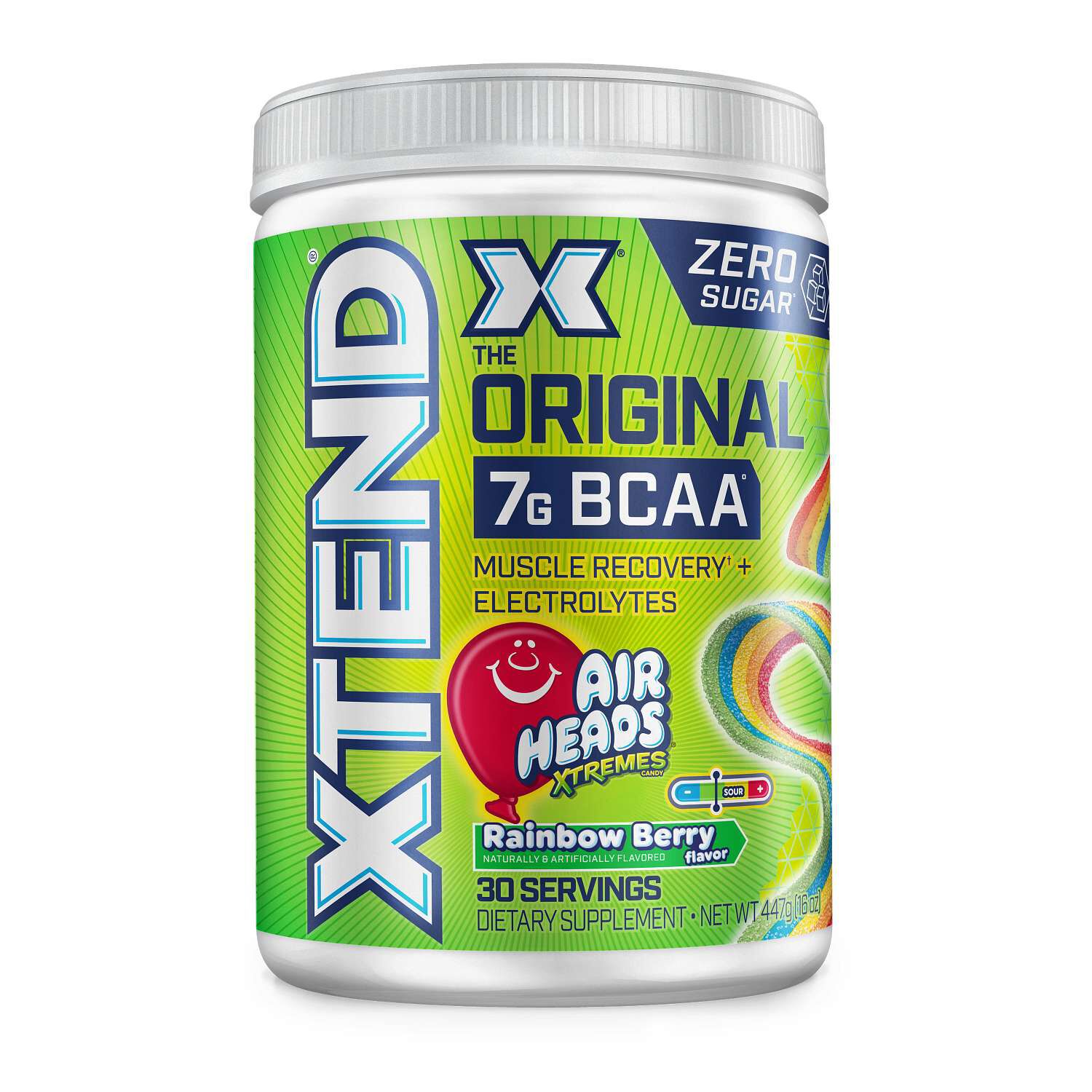
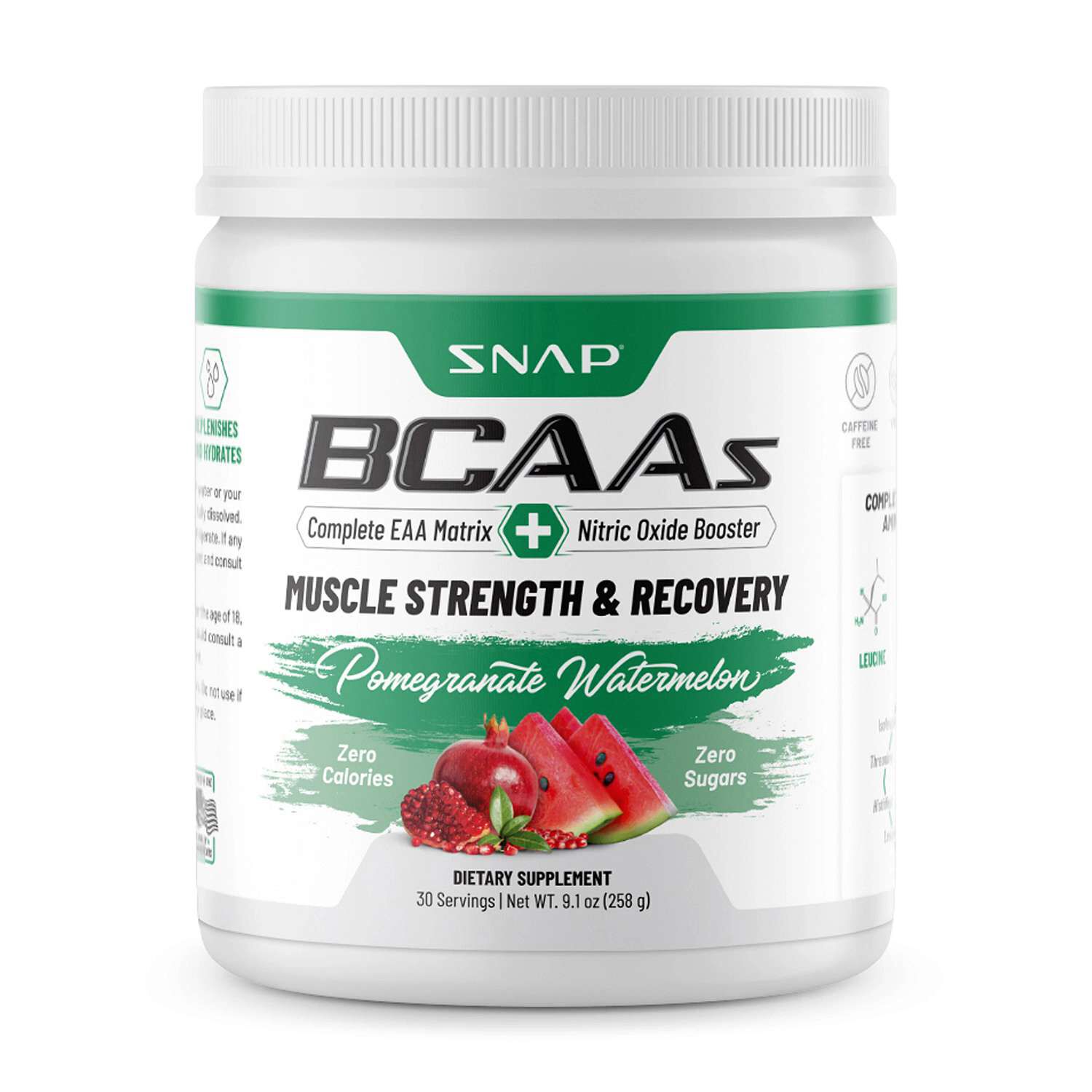


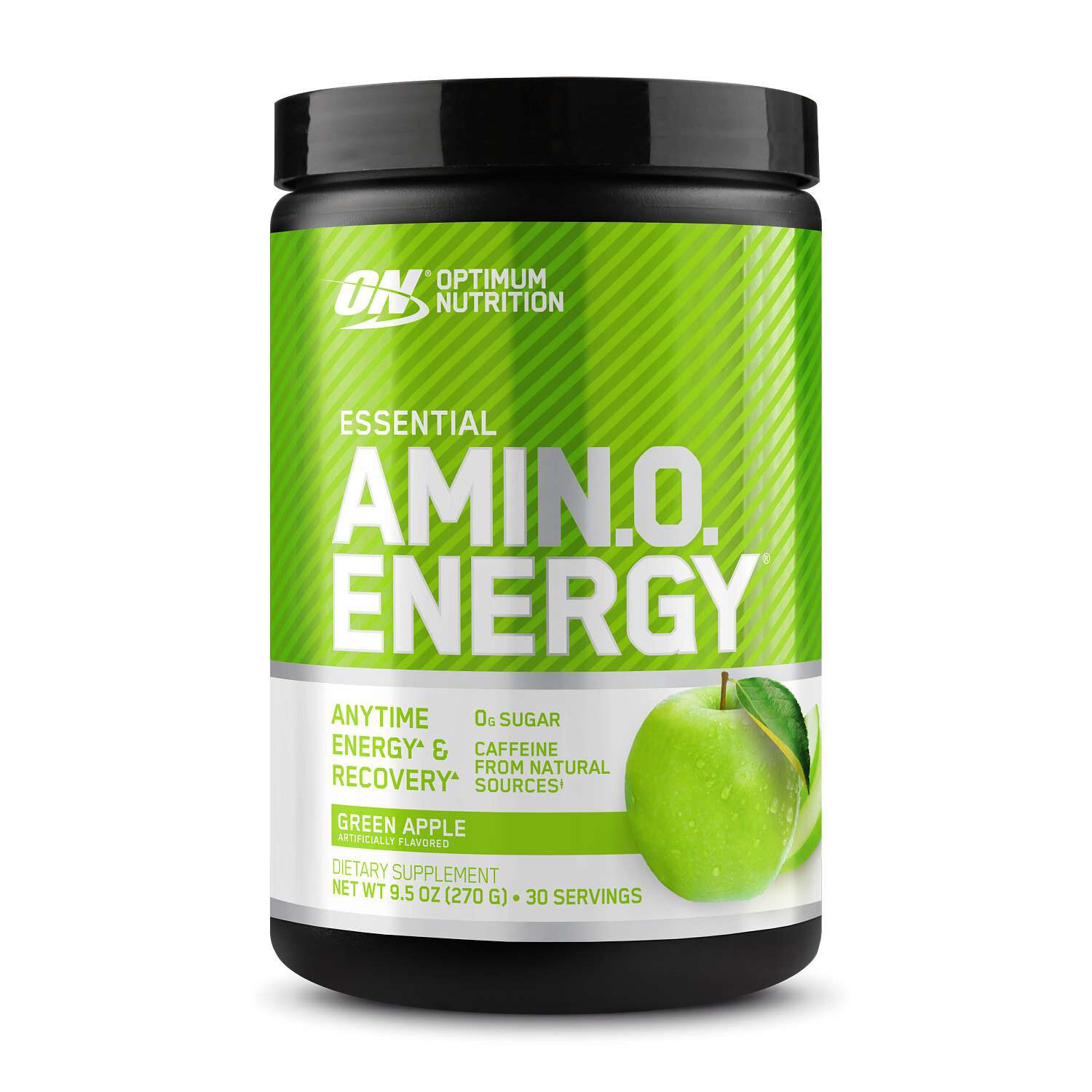

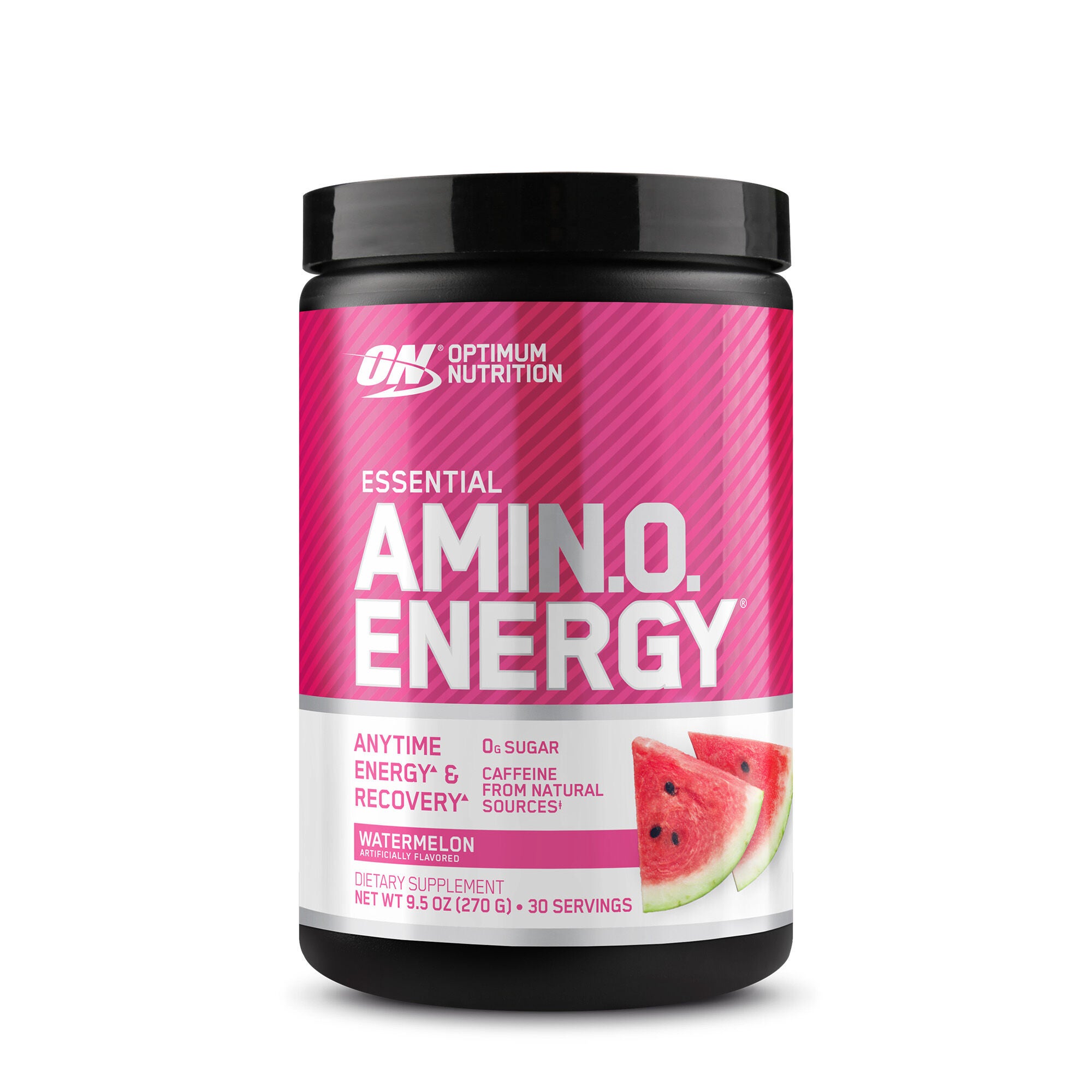
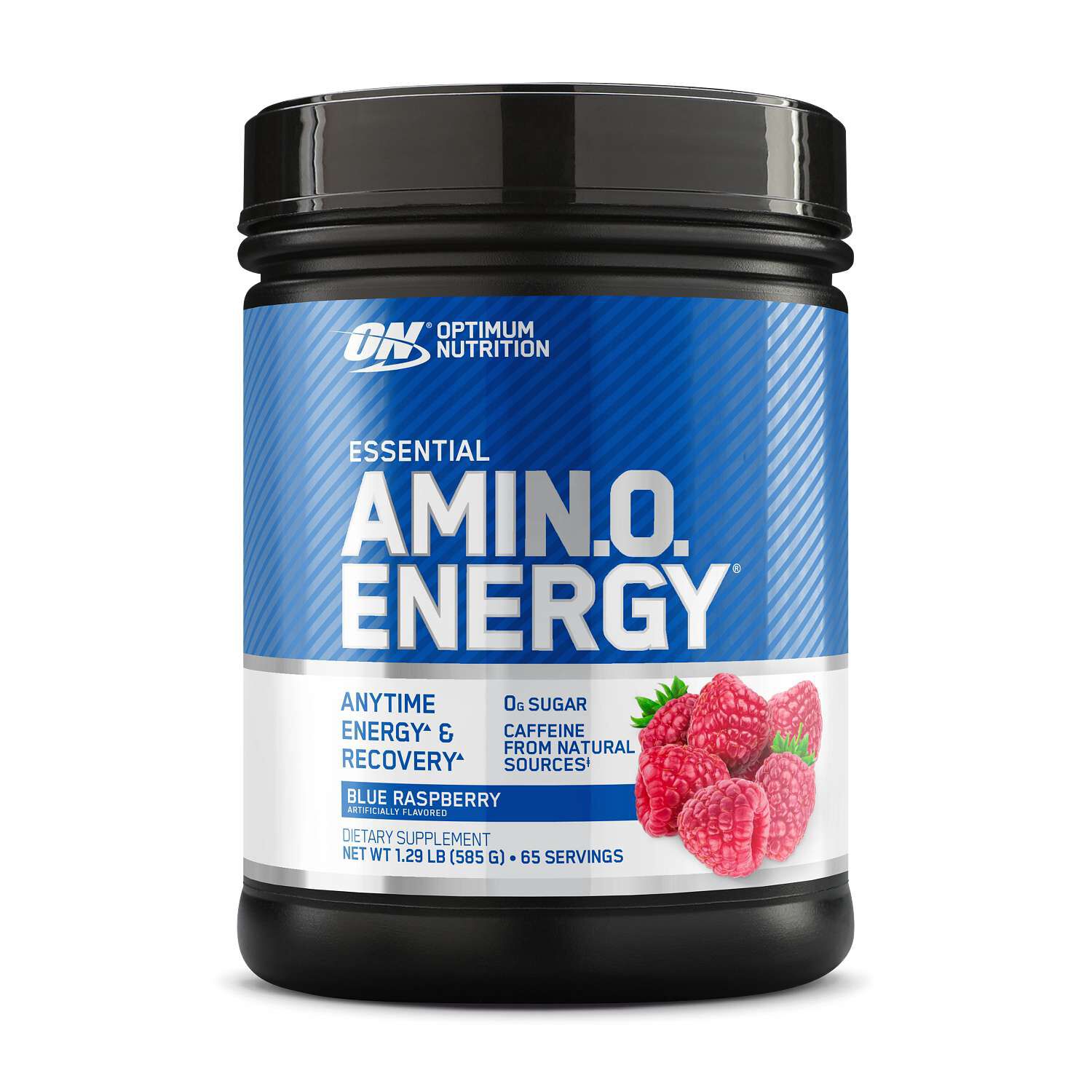

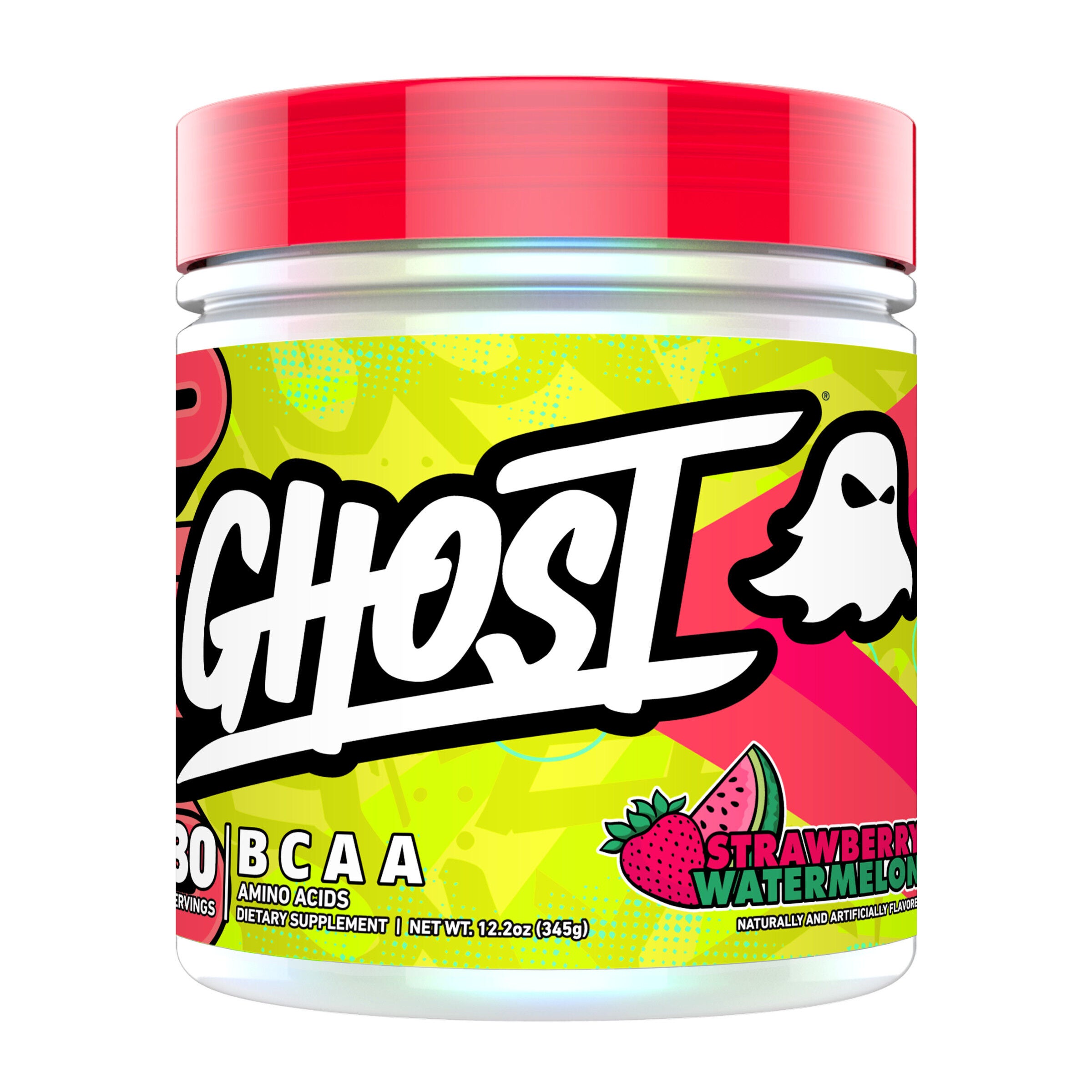
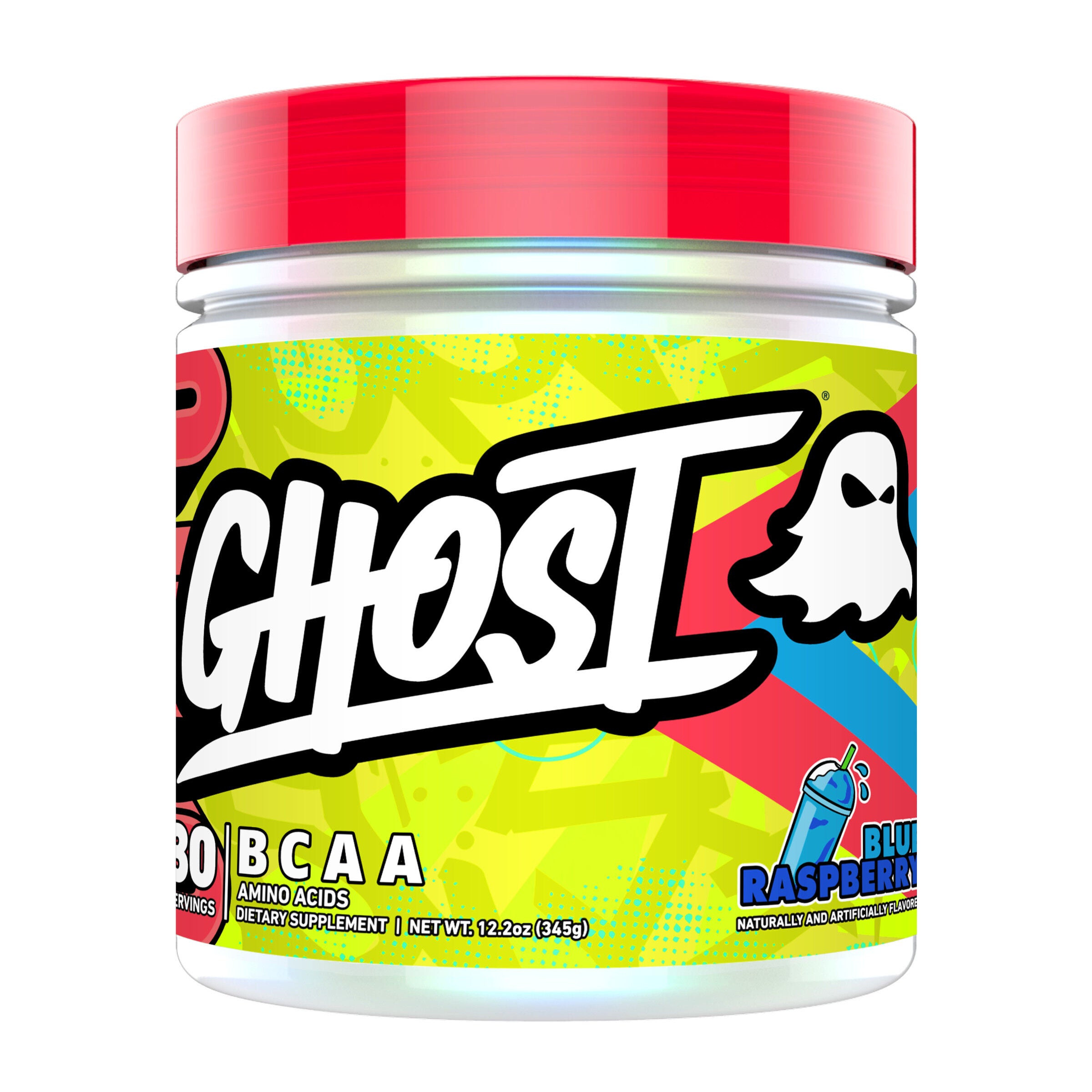
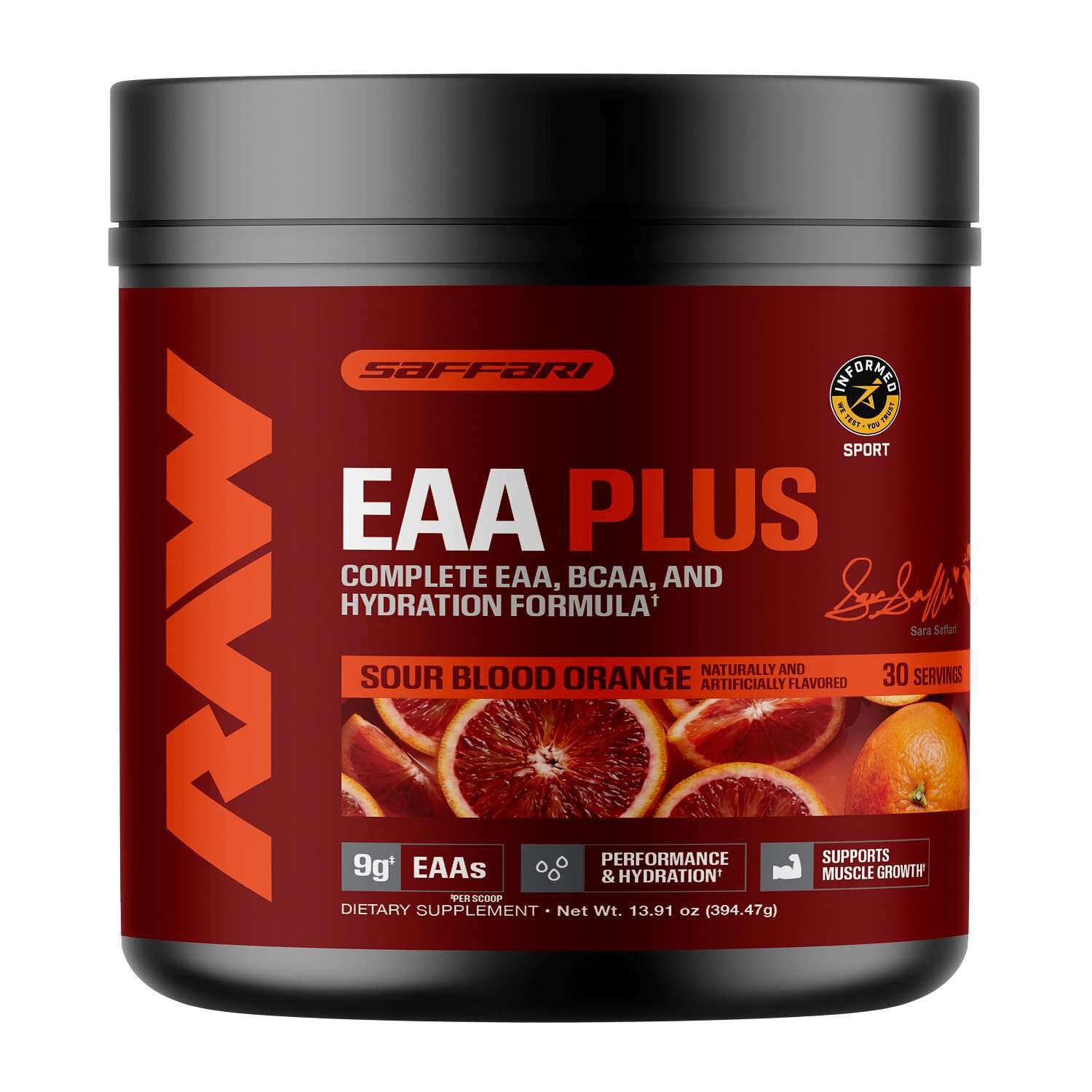
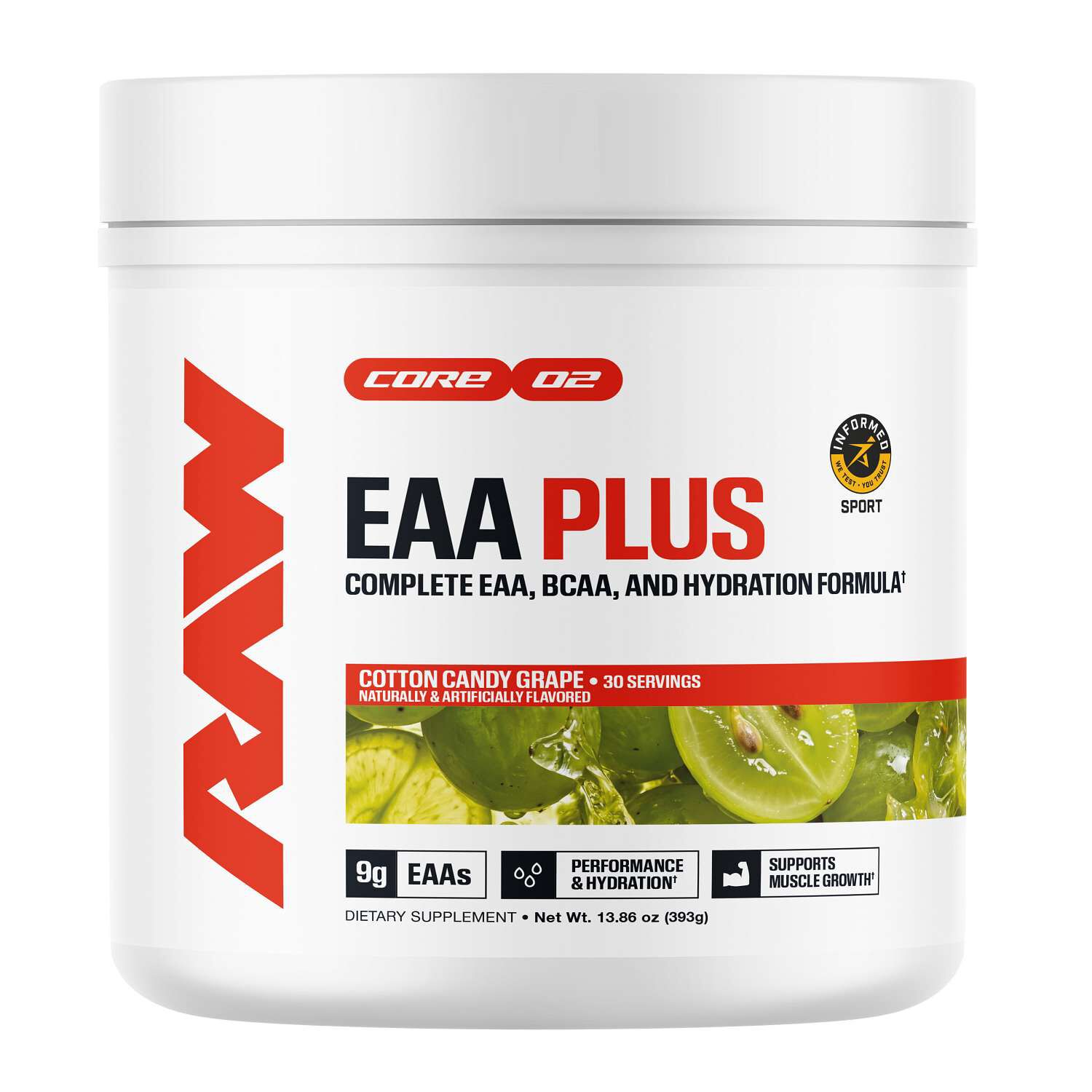
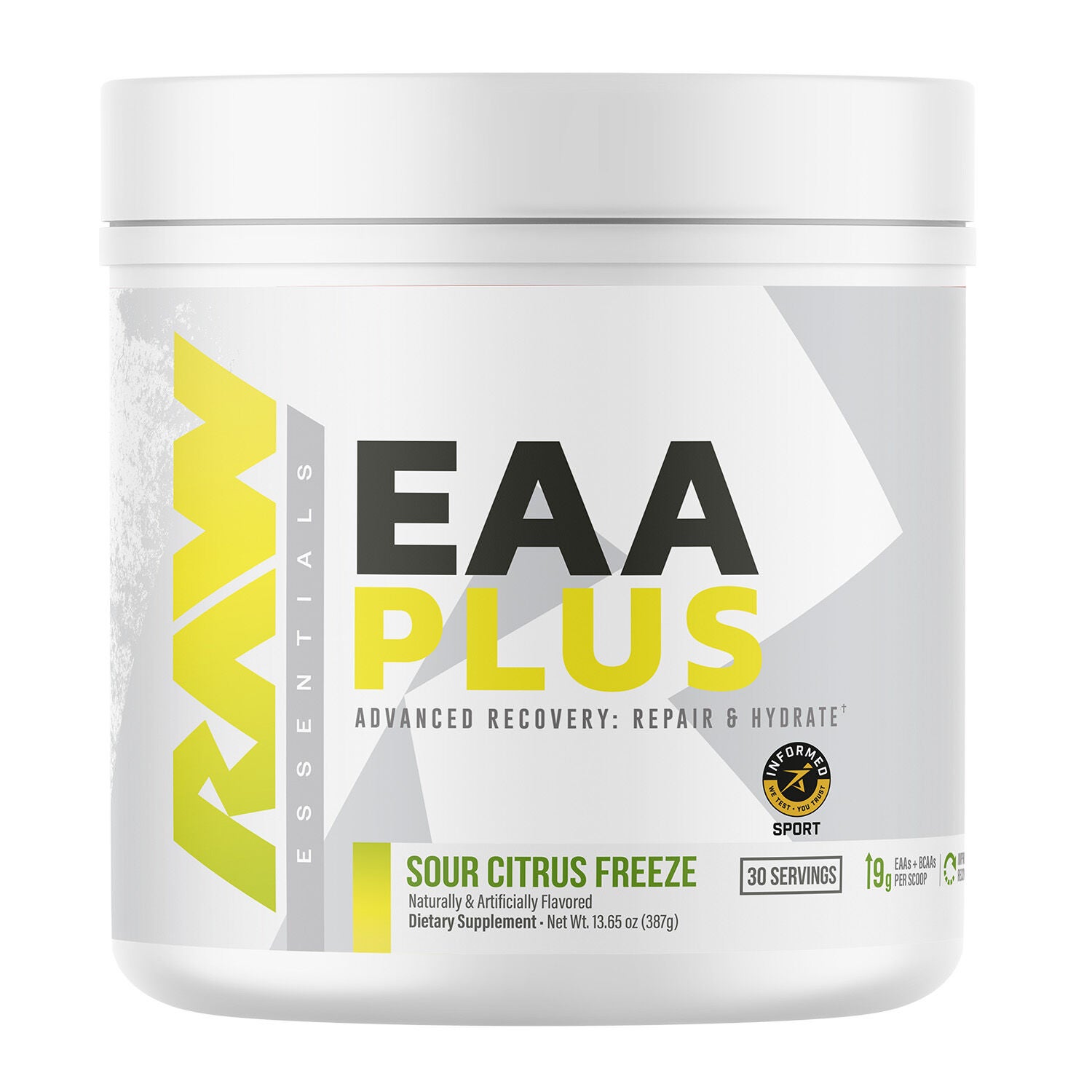
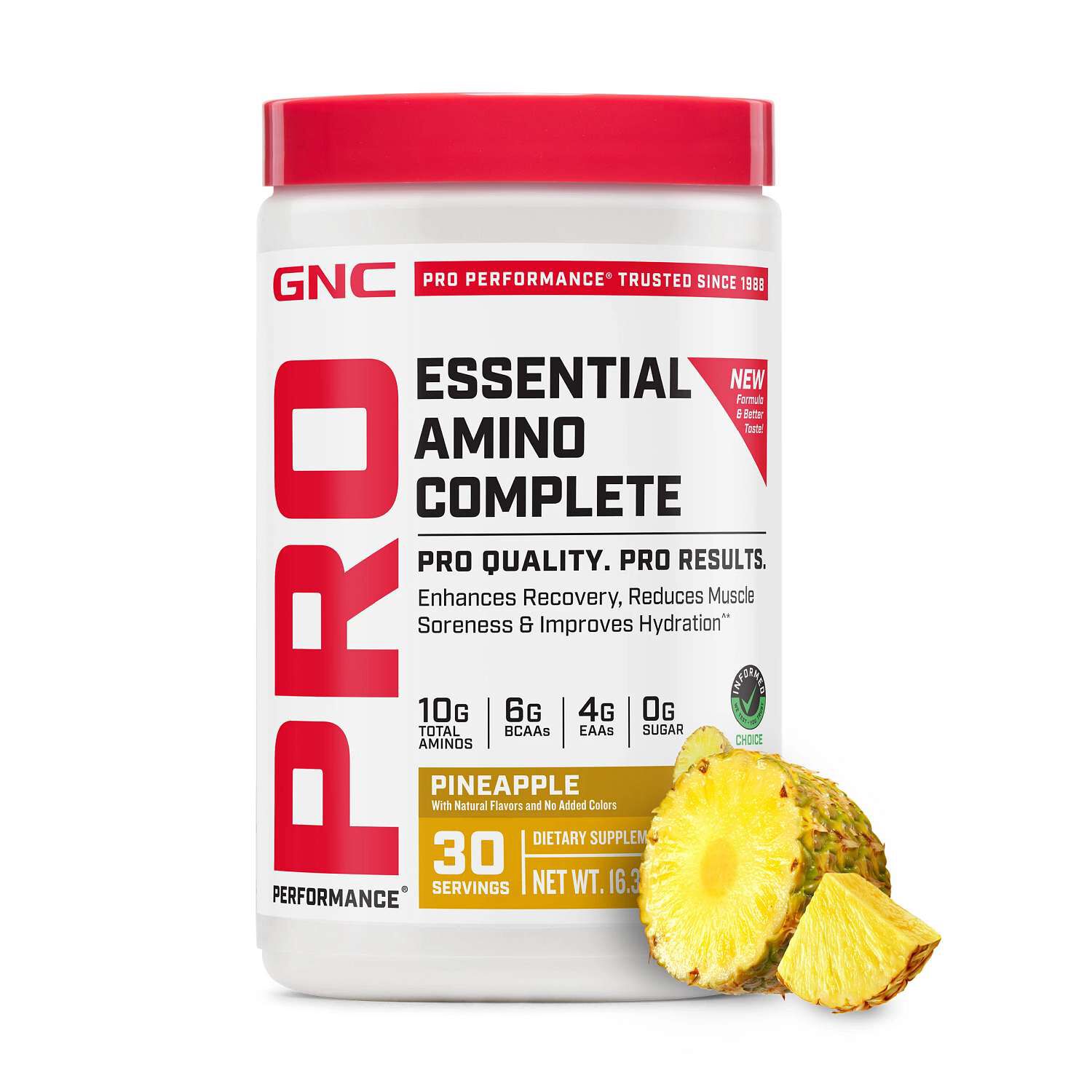
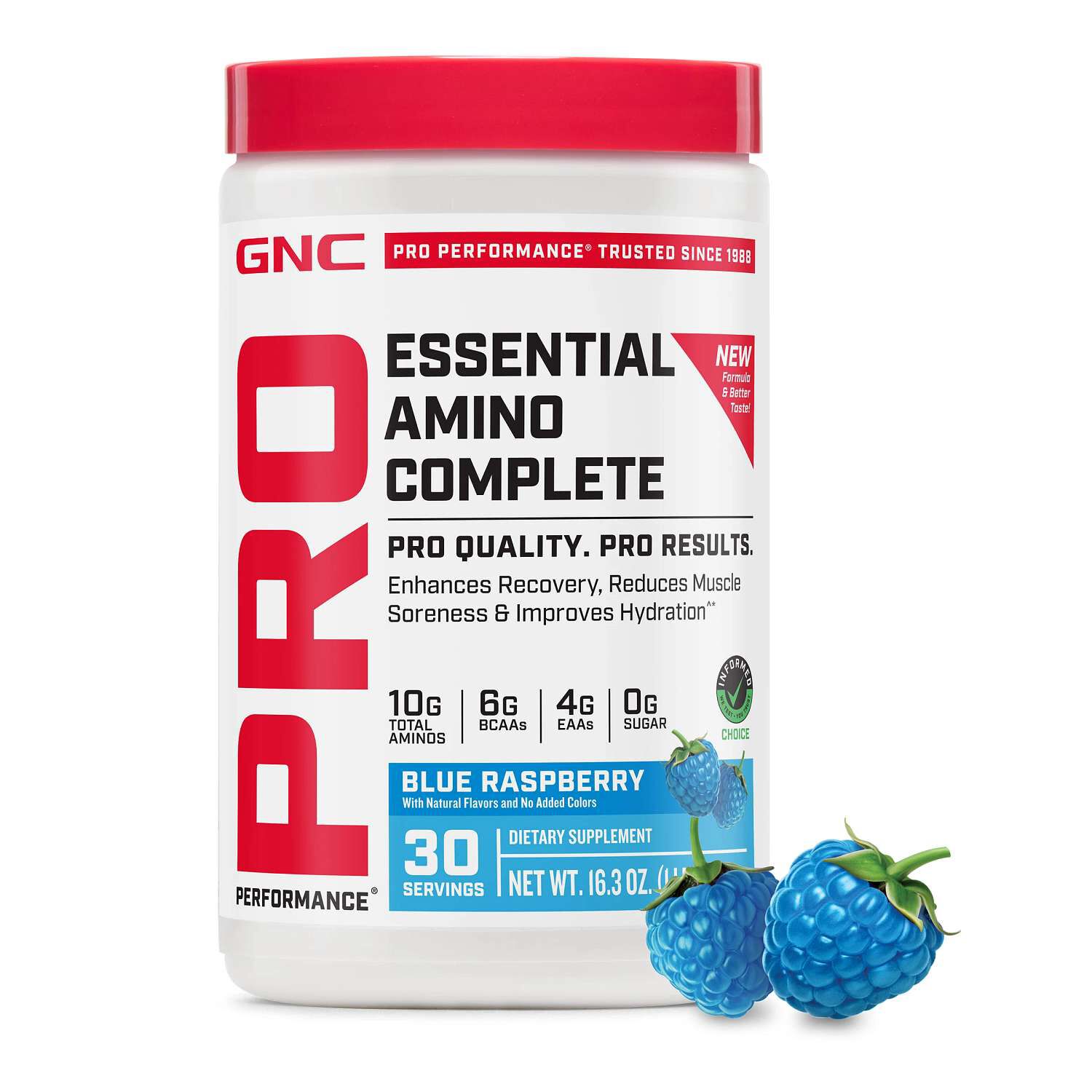
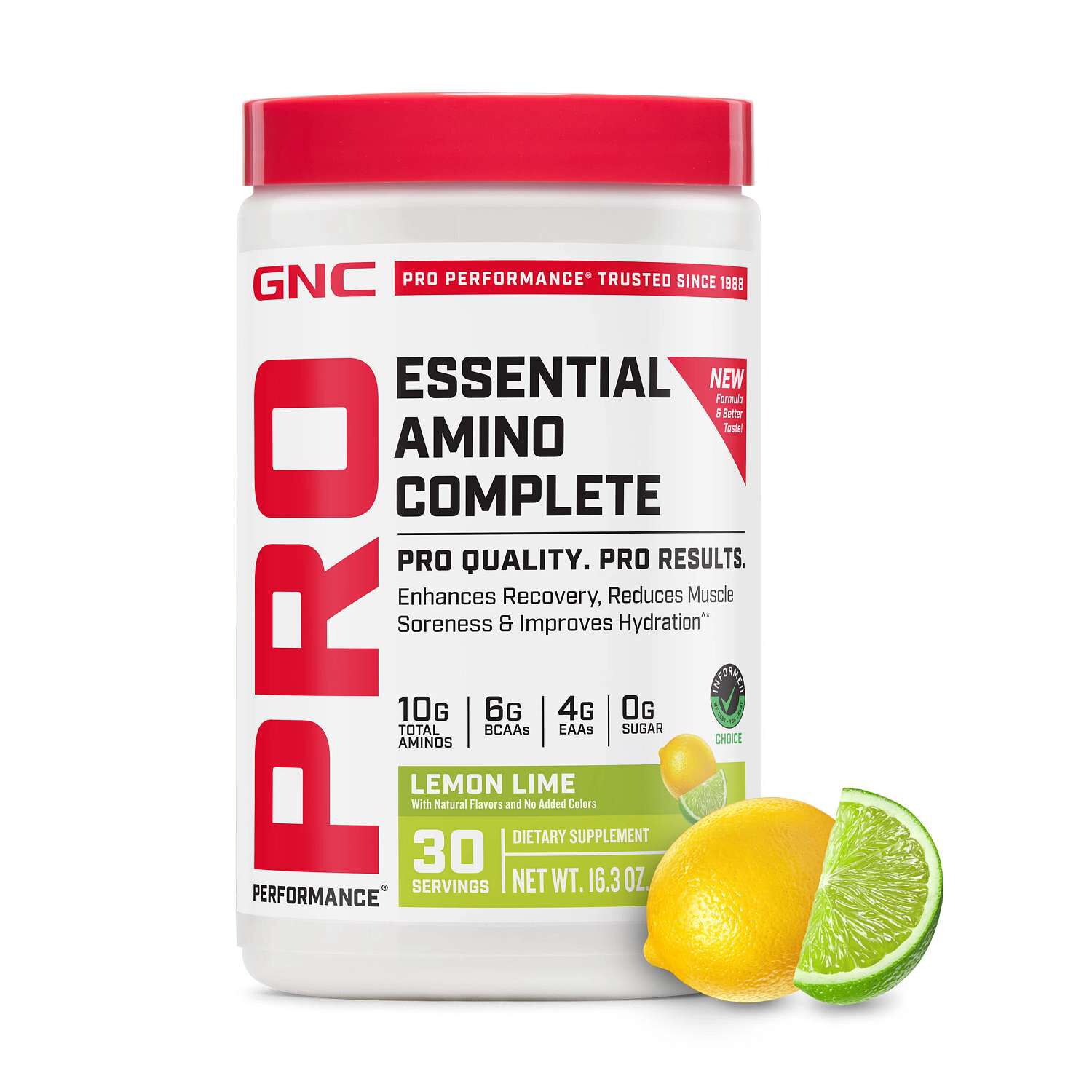
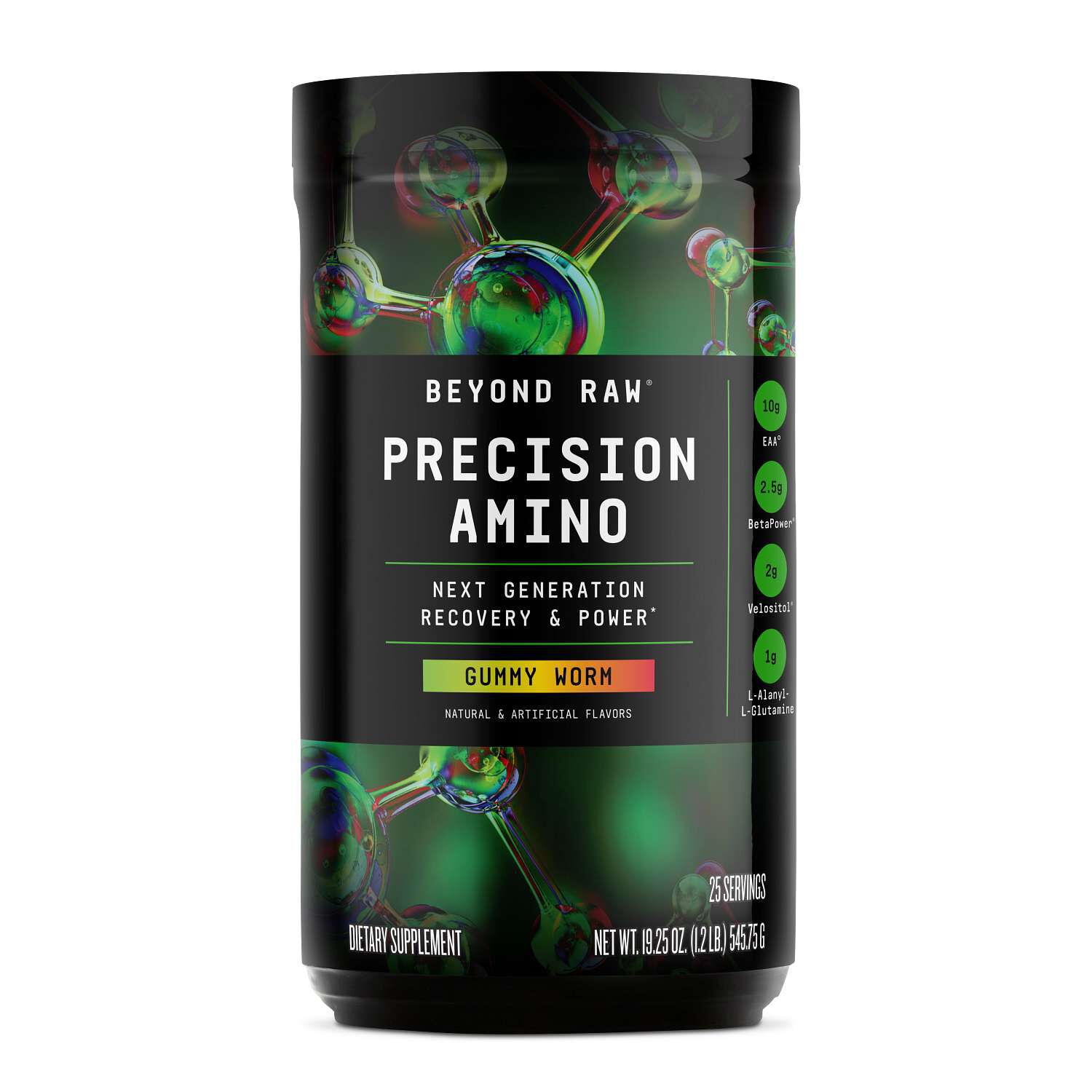
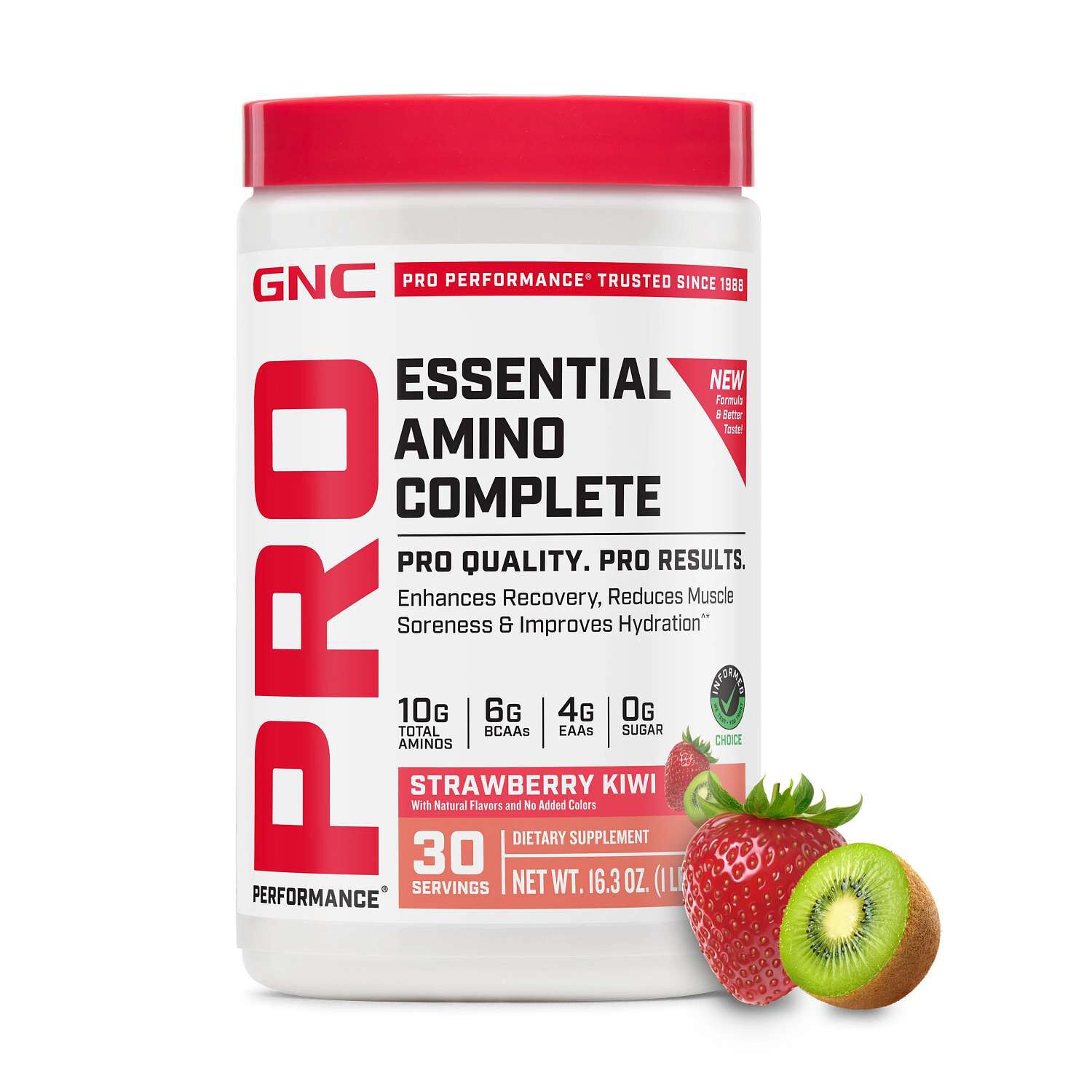


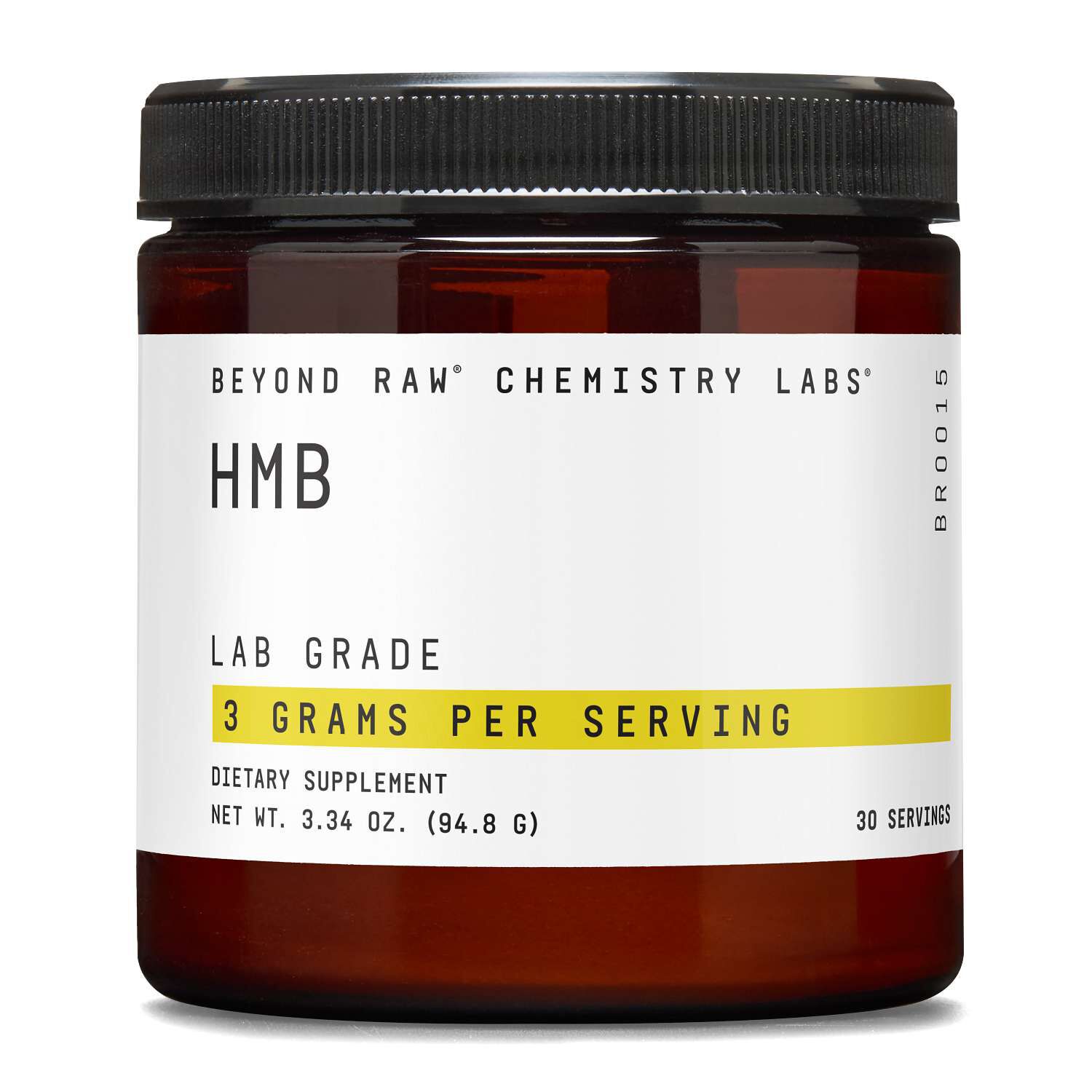
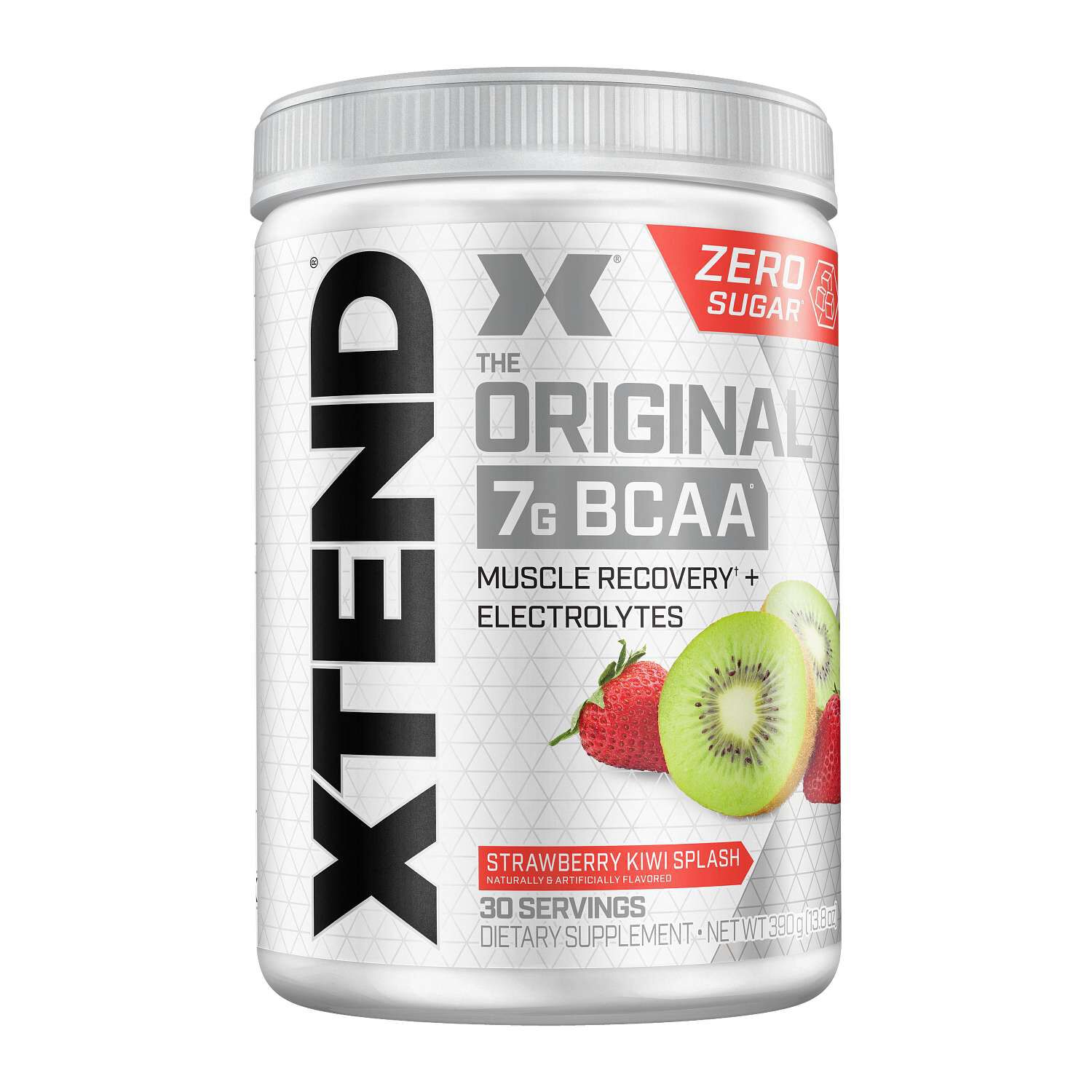
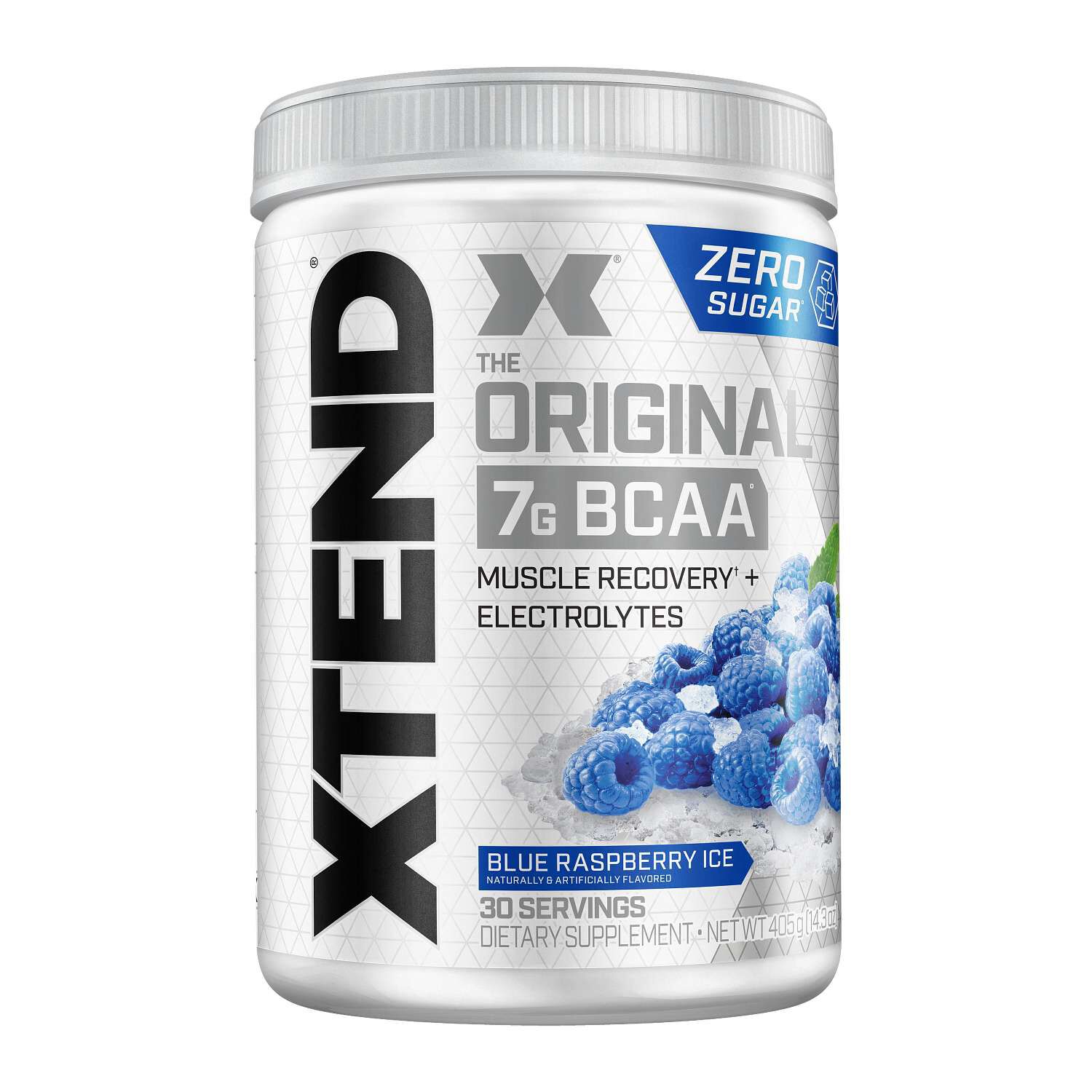
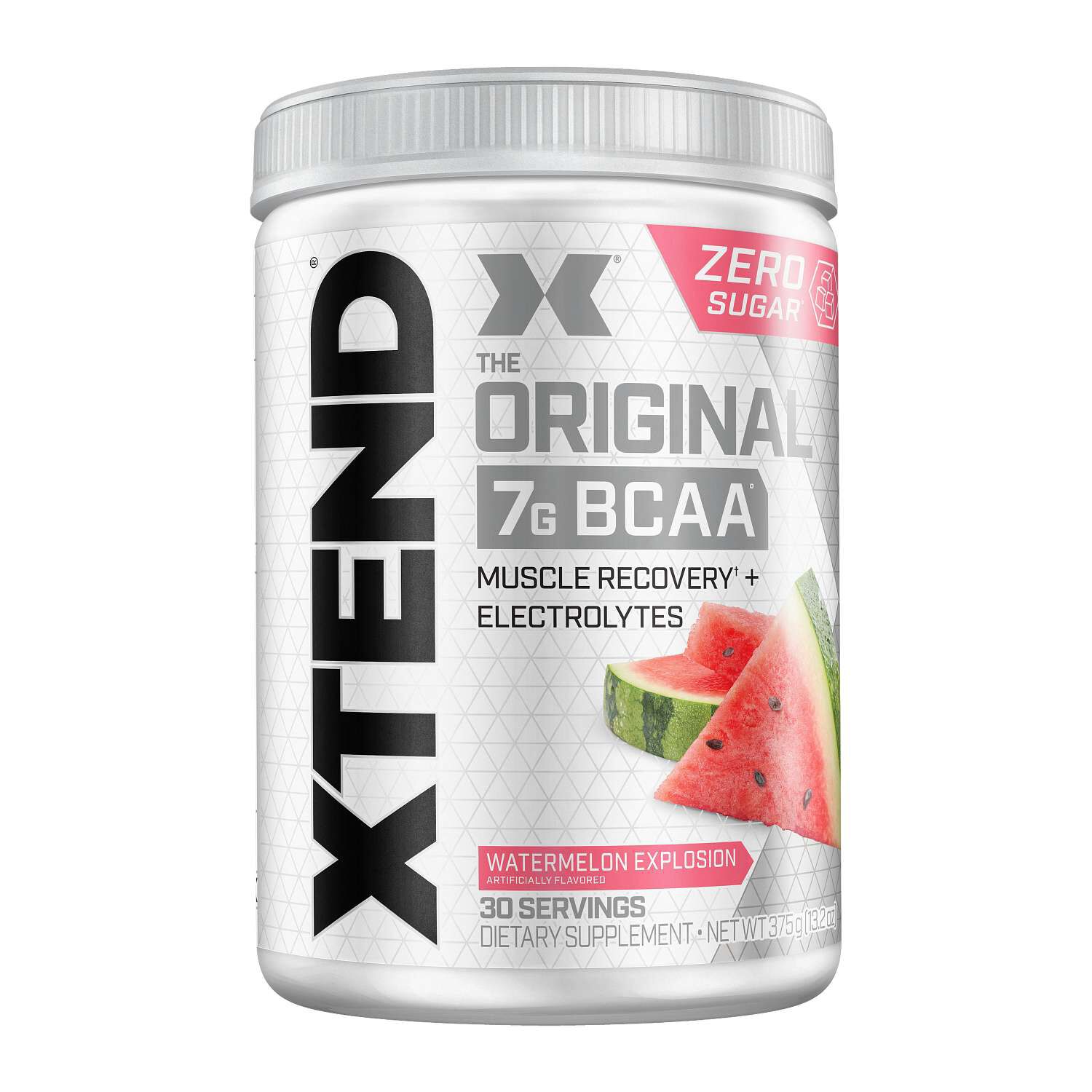
Amino acid powders for summer workouts are mixable sports nutrition supplements made with individual amino acids or combinations of them. They may support muscle recovery after exercise, while formulas with added electrolytes may also support hydration. The category includes a range of ingredient combinations, flavors, and serving formats for active adults, from people heading into an air-conditioned weight room to those packing a bottle for an outdoor training session. Amino acids are the building blocks of protein, and different blends contain different selections. Branched-chain amino acids, often called BCAAs, include leucine, isoleucine, and valine. Other blends contain all nine amino acids that the body cannot make on its own, while single-amino-acid powders focus on one ingredient. These distinctions matter more than a colorful label or a familiar flavor name: two powders with similar packaging can have quite different ingredient lists. Protein-containing foods also supply amino acids, so these supplements belong in the context of an everyday eating pattern rather than in place of meals. For someone whose summer exercise includes strength training, recreational sports, or longer gym sessions, the choice may come down to the amino acid combination, the amount per serving, and whether additional ingredients suit the intended use. A straightforward amino blend and a formula containing electrolytes are not interchangeable simply because both stir into water. Sodium and potassium are examples of electrolytes that may appear alongside amino acids, but their amounts vary. Likewise, a powder intended for use before exercise may differ from one labeled for use during or after a session. Reading the supplement facts and directions helps distinguish those purposes without assuming every formula serves the same role. The most useful comparison begins with what is actually in a serving, followed by how that serving fits the activities, meals, and other supplements already part of a training day. A short lifting session and an extended afternoon of recreational activity provide different contexts for that comparison, even when the preferred flavor stays the same.
Flavor, texture, and preparation deserve attention when choosing an amino acid powder for summer exercise. A tart citrus drink, a softer berry flavor, and a fruit-punch blend can taste quite different when mixed according to their respective directions. Sweeteners, acids, flavorings, and coloring ingredients also vary, making the full ingredient list useful for shoppers with particular preferences. Some powders contain sugar, while others use alternative sweeteners; neither detail tells the whole story about the amino acid content. Start comparisons with the labeled serving and water amount rather than assuming the same scoop size applies across different formulas. A smaller scoop does not necessarily mean a smaller serving by weight, and a larger container does not automatically represent more servings. Mixing instructions also matter. Some powders call for a shaker bottle, while others may be stirred into water, and the finished texture can range from light and clear to slightly cloudy. A bottle with enough room for both the recommended water and a little shaking space is a practical match for powder preparation. For a park workout followed by errands, a secure lid and a bottle that fits a bag’s side pocket can matter just as much as flavor preference. For a gym session, a wide opening makes adding powder and cleaning the bottle more convenient. Reusable bottles should be washed according to their care instructions, including removable seals and drinking spouts. Powder storage deserves similar attention: follow the container’s directions, keep the scoop dry, and close the lid after each use. Humidity, splashes from a sink, and a wet shaker rim can introduce moisture into an open container. Individually portioned packaging may be convenient for travel or a packed workout bag, while a larger container may suit preparation at home. In either format, keeping the original label accessible makes serving directions and ingredient information easier to check. These practical details help distinguish a powder that sounds appealing from one that suits the way a person actually prepares, carries, and drinks it.
Choosing among amino acid powders also involves looking beyond the amino acids themselves. Some blends contain caffeine or other added ingredients, while others keep the formula more focused. For someone who already drinks coffee or uses another sports nutrition supplement, checking those additions makes the comparison more meaningful. The amount listed per serving matters, as does whether the directions describe one scoop or several. Comparing amino acid amounts separately from sweeteners, electrolytes, and other additions gives a clearer picture than judging by the overall weight of a scoop. Timing should follow the product’s labeled intended use rather than an assumption that every amino drink belongs before a workout. A person who prefers to mix a drink at home may prioritize a tub and a familiar shaker, while someone traveling between a recreation center, a hotel gym, and weekend plans may favor portioned packaging. Summer workout settings vary, too: an indoor cycling class, an evening lifting session, and a casual beach volleyball game do not create identical demands or packing needs. Amino acid supplements are not substitutes for drinking water, eating meals, taking breaks, or adjusting outdoor plans to the conditions. Their place is narrower: they may complement an established approach to exercise nutrition. Shoppers comparing individual amino acids with broader blends may also explore L Arginine Supplements For Summer Workouts, paying attention to differences in ingredients, serving format, and intended use rather than treating the categories as equivalent. For a fitness-minded gift recipient who already uses amino powders, familiar flavor preferences and a known ingredient preference are more useful starting points than an unfamiliar combination of extras. Across the category, thoughtful selection comes back to readable labels, suitable serving formats, manageable preparation, and a taste the user enjoys. Those details give amino acid powders for summer workouts a practical context, whether the bottle is packed beside lifting straps, carried to a recreation league game, or mixed after a session at the gym.