Amino Acid Supplements For Weight Loss
(0 Results)
Amino acid supplements for weight loss are a popular choice for those looking to support their fitness journey and active lifestyle. These supplements may play a role in helping you reach your wellness goals when combined with regular exercise and balanced nutrition. Explore a wide selection of amino acid supplements for weight loss that could fit seamlessly into your daily routine, offering convenient options to help you stay motivated and on track.
-
-

-
-

-
-
-
-
-
-
-

-
-

-

-
-
-
 459$24.99
 -
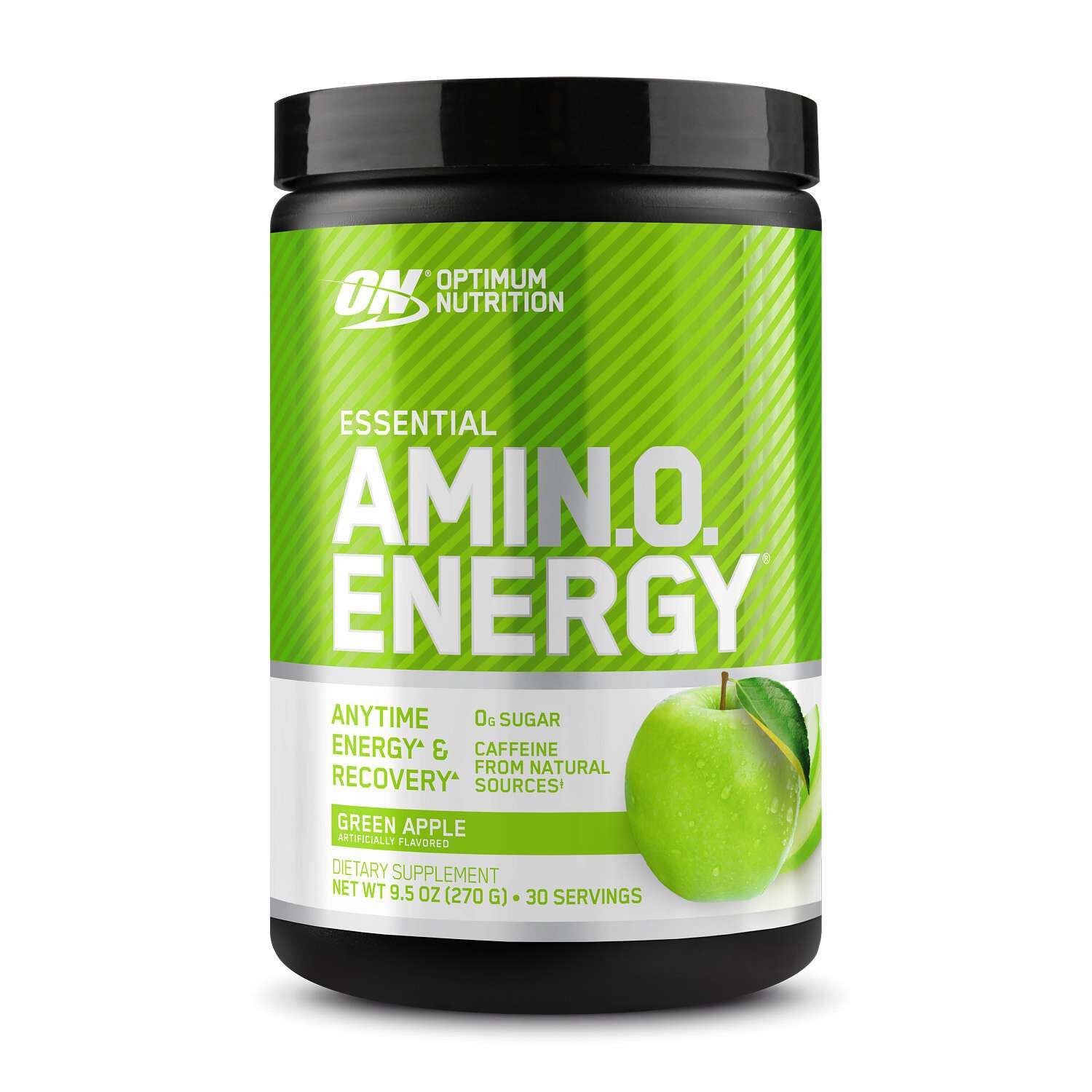
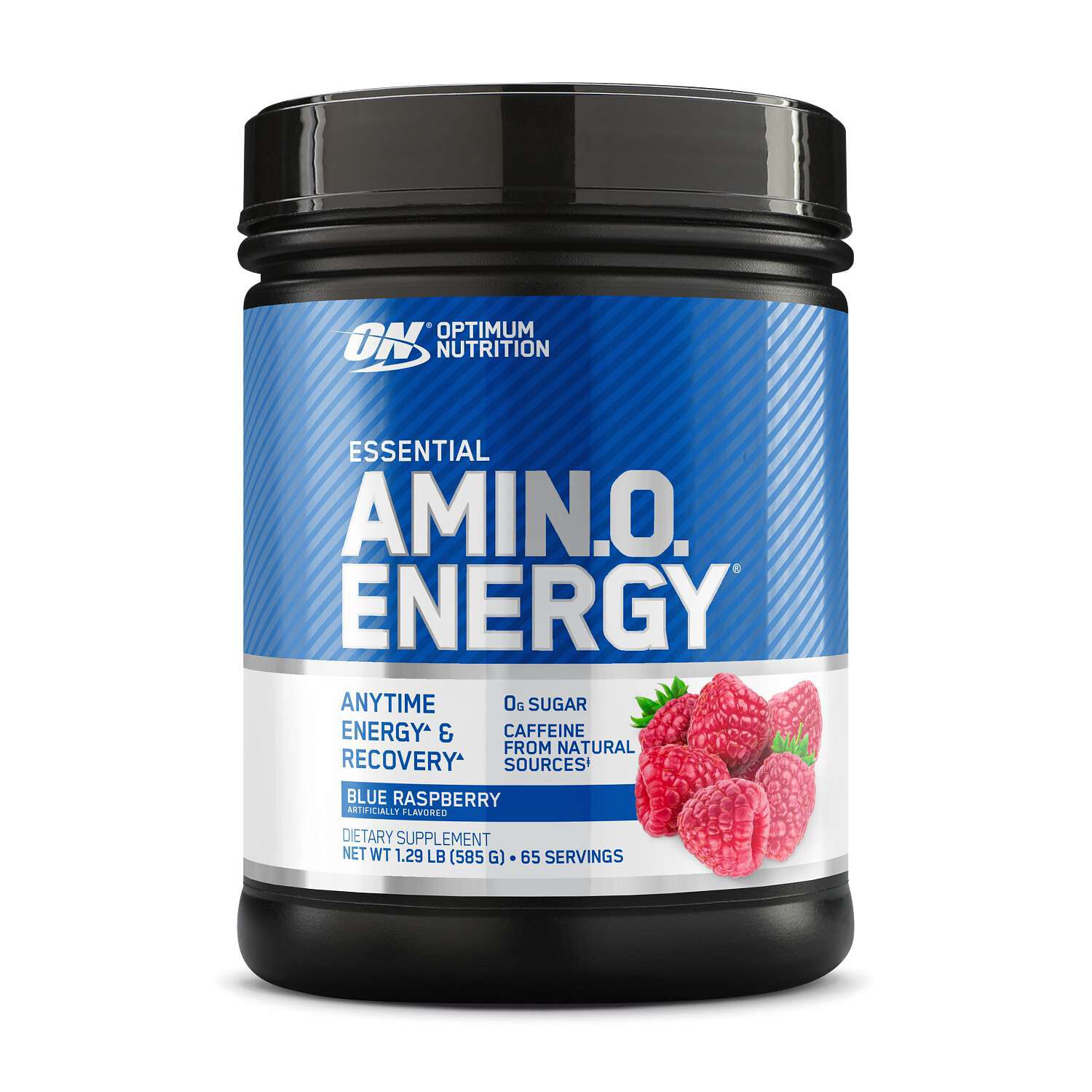
 Optimum Nutrition459$24.99
 -

-

-

-
-


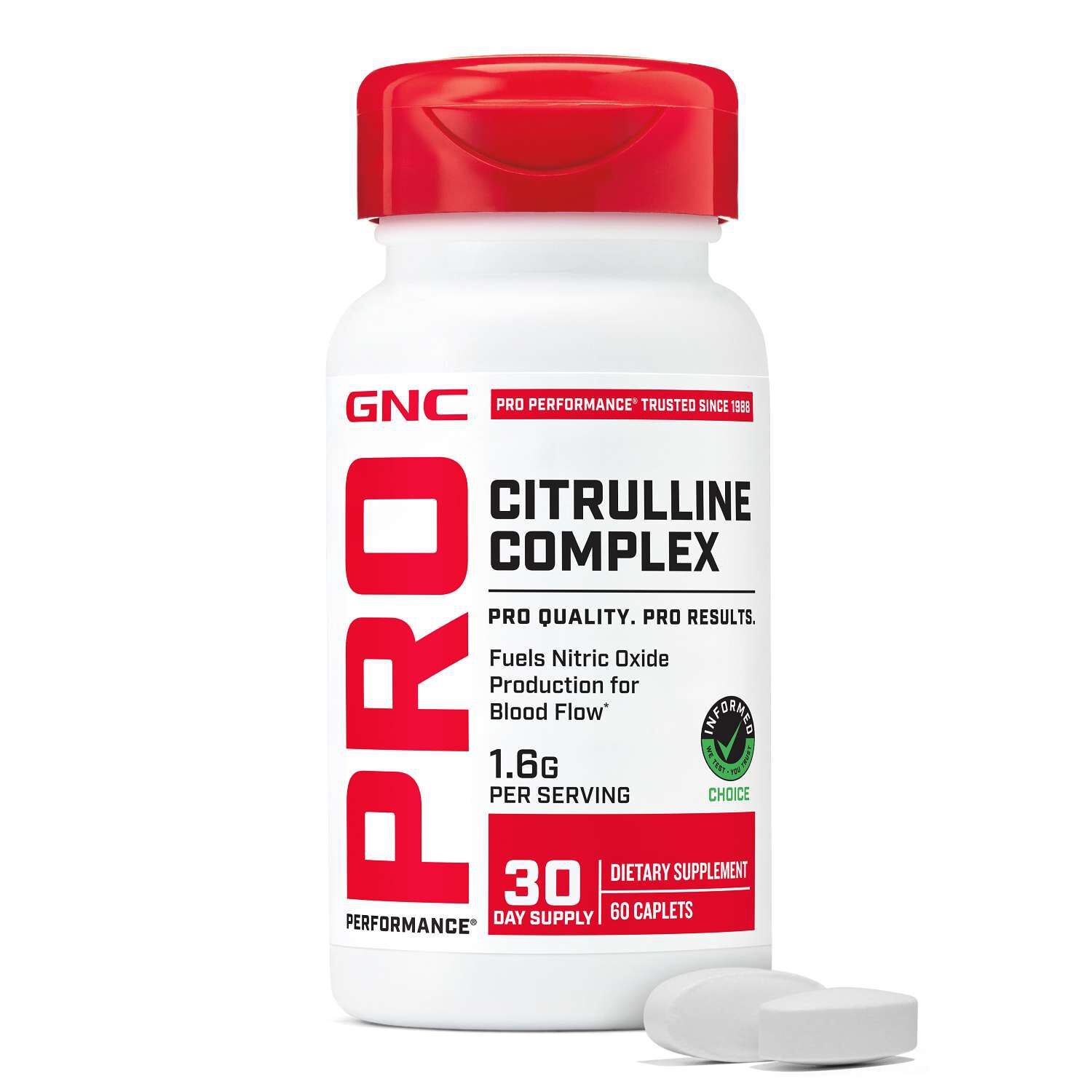
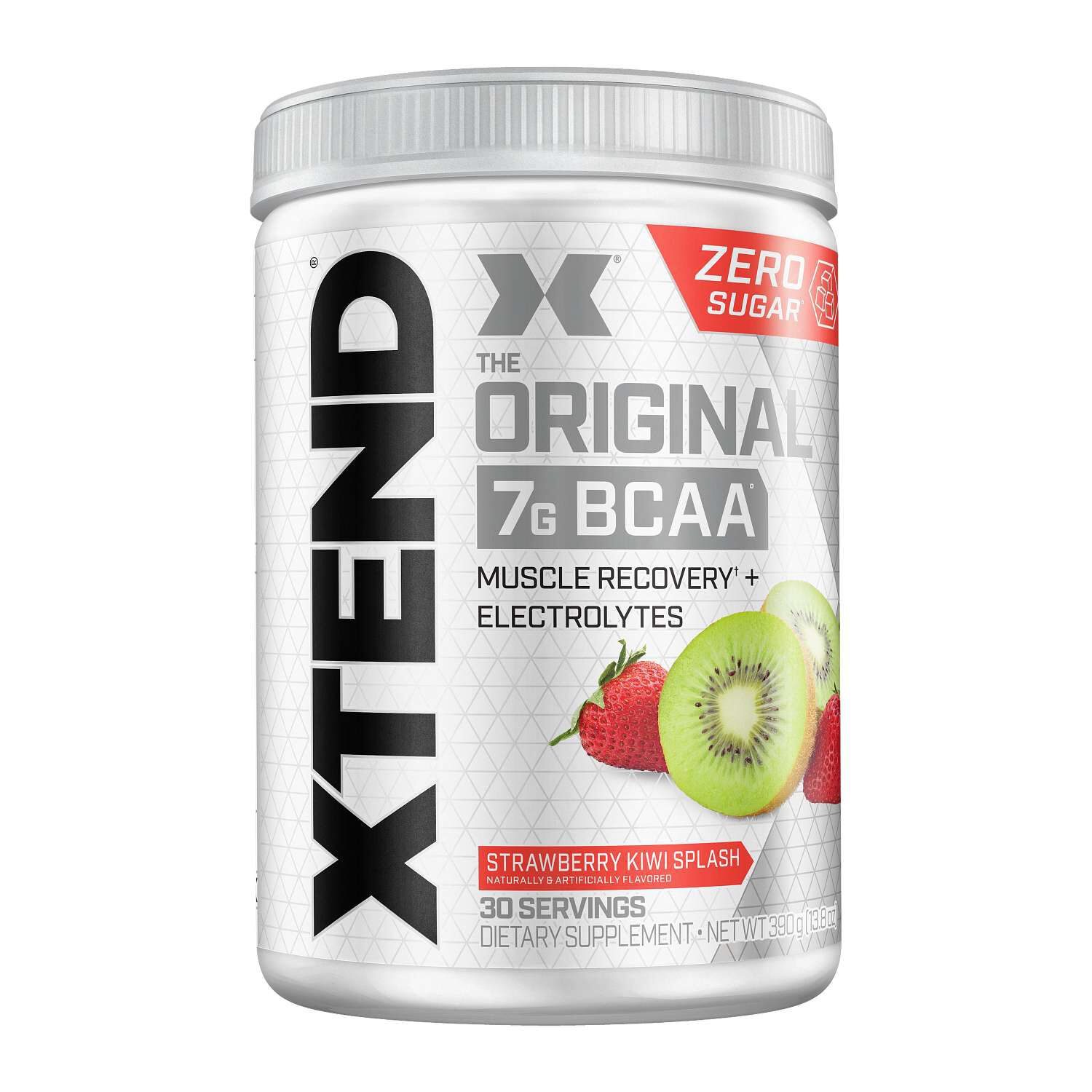
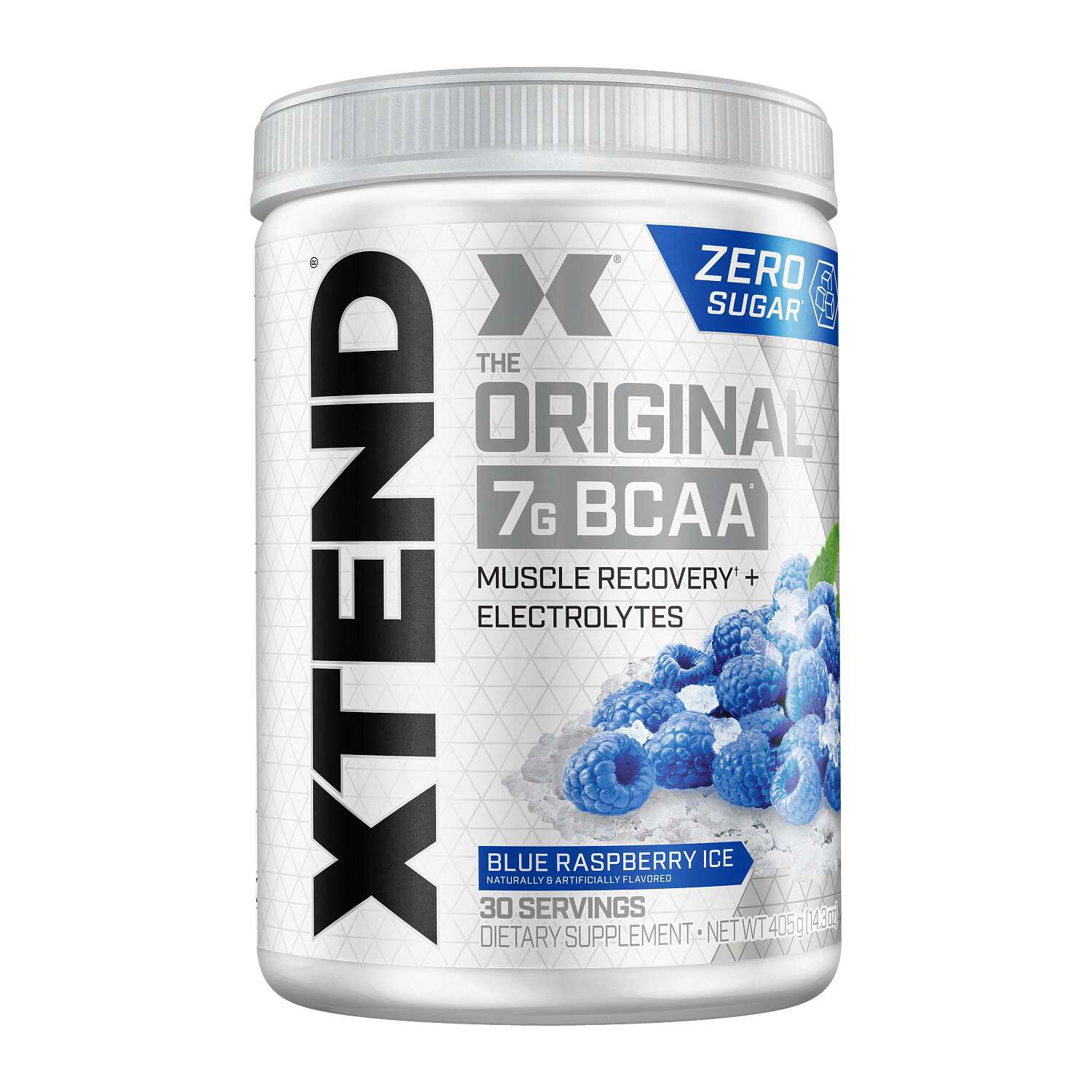
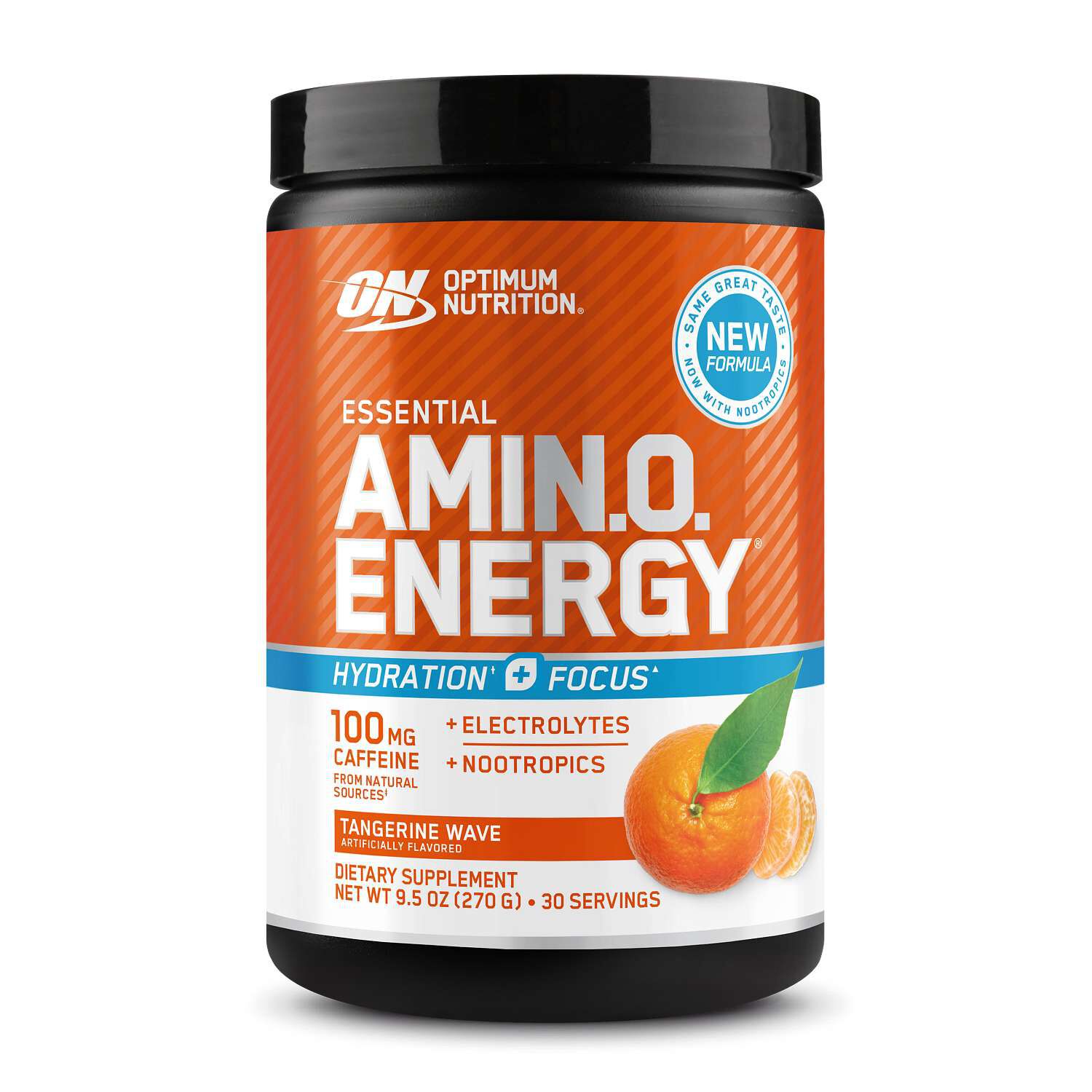
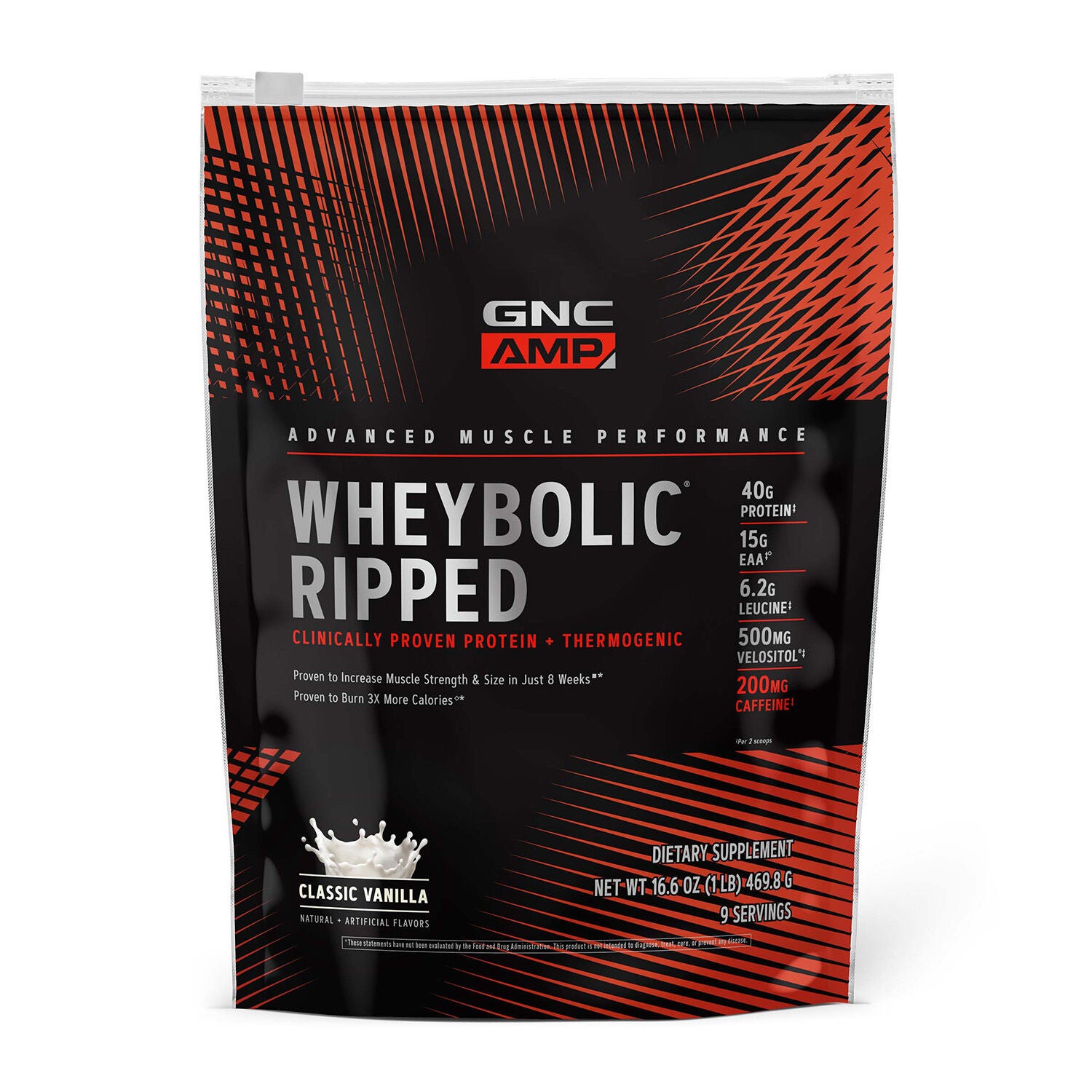
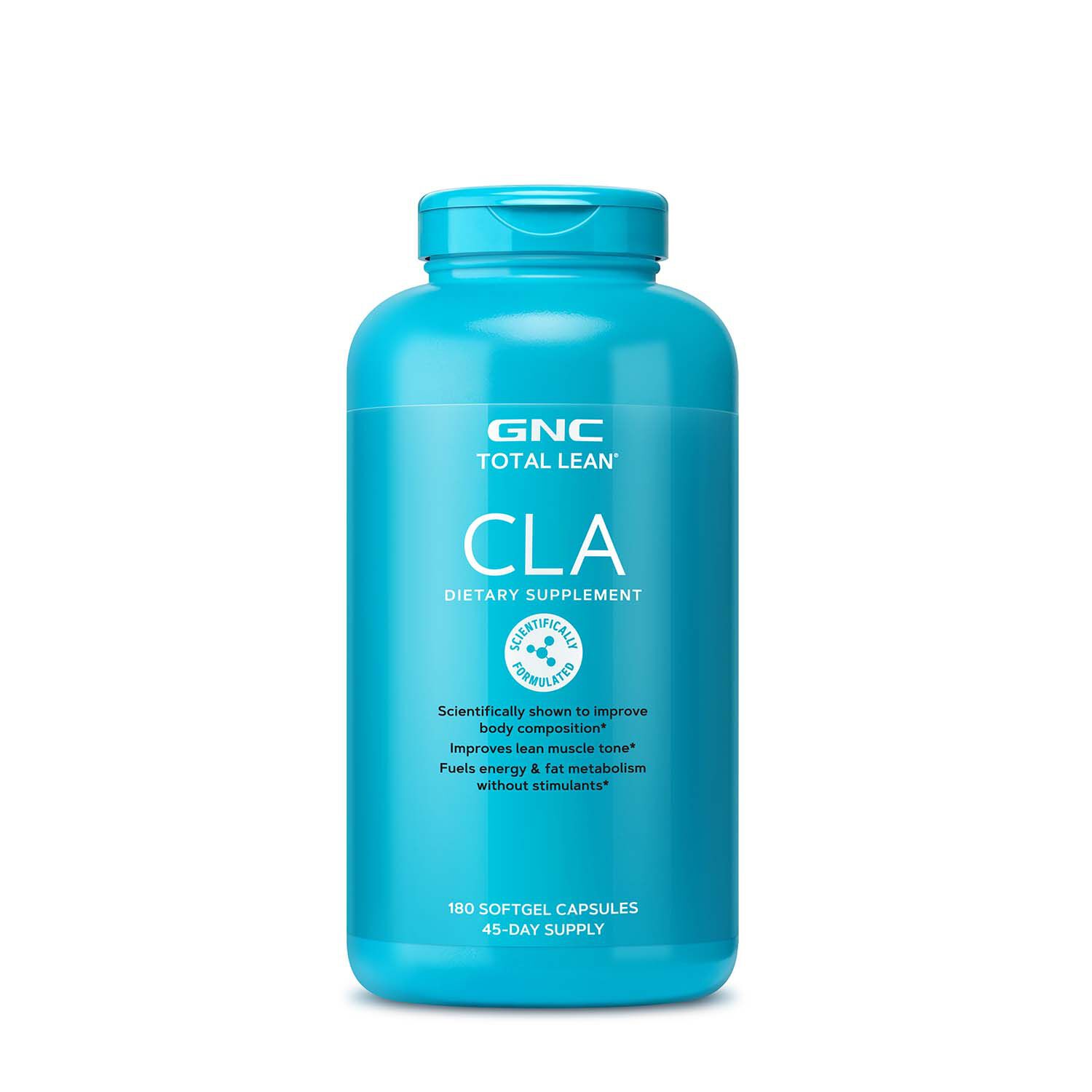
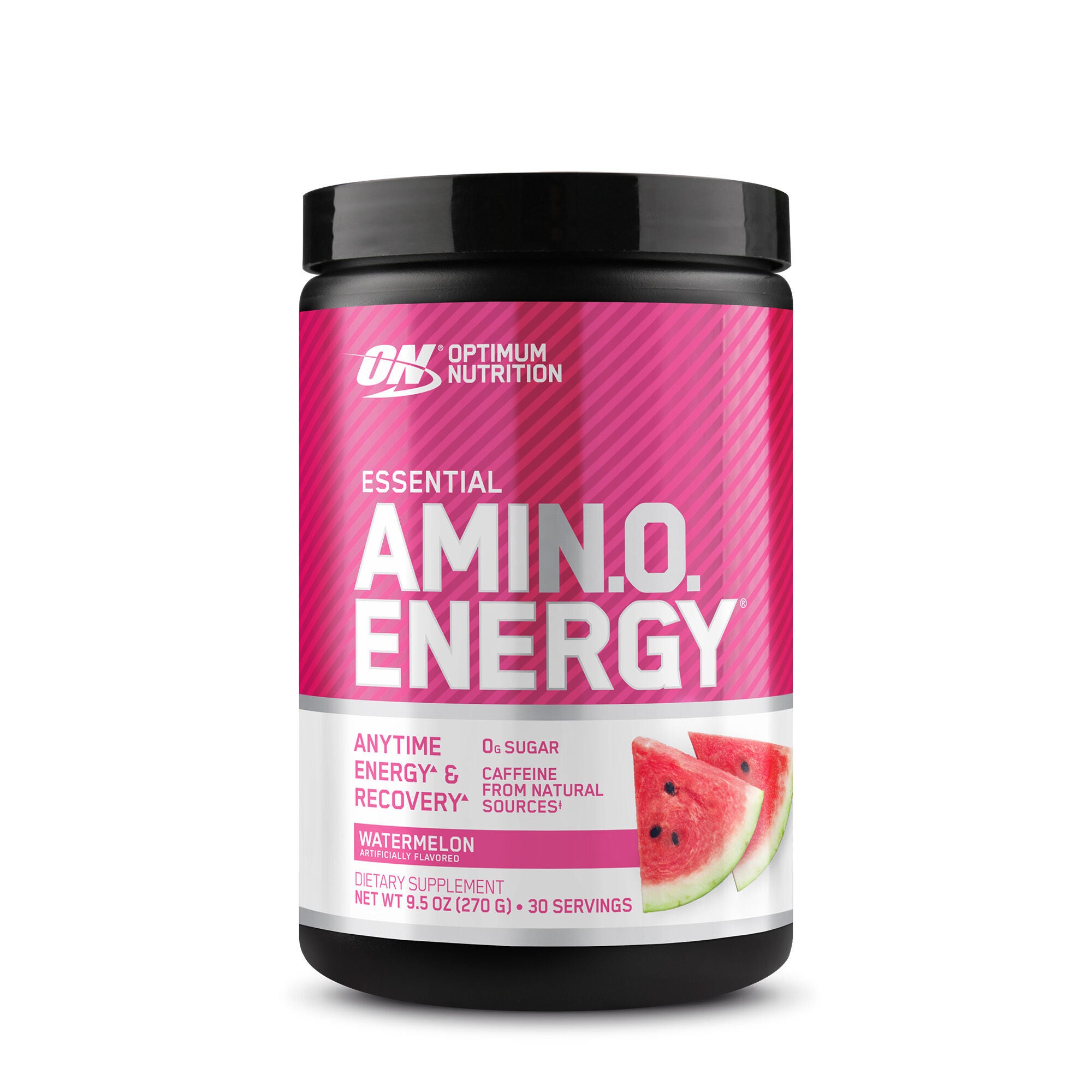
Amino acid supplements for weight loss belong to a broader conversation about nutrition, movement, and maintaining muscle while working toward body composition goals. These products are best understood as supplements to an eating and exercise routine, not as stand-alone weight loss solutions or substitutes for meals. Amino acids are the building blocks of protein, and foods such as eggs, fish, poultry, dairy, beans, and soy provide them in different amounts and combinations. In supplement form, they appear as individual ingredients or blends, commonly packaged as powders, capsules, tablets, or liquids. For active adults, an amino acid supplement may support muscle maintenance and exercise recovery alongside adequate nutrition and resistance training. That potential role is different from expecting a powder or capsule to produce a change in body weight by itself. The distinction matters when comparing products with similar fitness-oriented packaging but very different ingredient panels. Branched-chain amino acids, often labeled BCAAs, include leucine, isoleucine, and valine. Blends labeled EAAs contain a broader group of nine amino acids that the body must obtain through food. A BCAA formula and an EAA formula therefore are not interchangeable simply because both come in a fruit-flavored powder. Individual amino acid formulas differ again, making the ingredient list more informative than the imagery on the container. Someone who lifts weights before work may be interested in a drink mix that fits into an established gym routine, while someone who prefers a simpler supplement format may compare capsules. Neither format alone establishes how well a product fits a weight management goal. The useful comparison begins with the amino acids included, their amounts per serving, and the role the supplement would occupy alongside ordinary meals. Food choices, training habits, personal taste, and the practicality of daily preparation all belong in that comparison. A product that matches those details may be a more practical choice than one selected only for a familiar fitness term on the front label.
When comparing amino acid supplements, the serving information deserves as much attention as the flavor name. A scoop is a measuring tool, not a standardized amount across every formula, and one serving may call for more than one scoop or capsule. The amount of a blend in grams also differs from the amount of each amino acid within it. Labels that list individual quantities make those distinctions easier to see. Some BCAA powders display a ratio describing the relative proportions of leucine, isoleucine, and valine; that ratio does not, by itself, establish that a formula is better suited to weight loss. The full ingredient panel provides additional context, including sweeteners, colors, flavorings, and other added ingredients. Some formulas combine amino acids with caffeine or electrolytes, while others keep the ingredient list more focused. Those combinations are worth distinguishing when shopping for an afternoon workout drink, a supplement to pack for travel, or something to use within a routine that already includes other sports nutrition products. Calories, carbohydrates, and sugar can vary, so amino acid supplements should not automatically be treated as having none of these. Allergen statements and ingredient sourcing also matter for shoppers with dietary preferences. A capsule shell, for example, may be made from gelatin or a plant-derived material, and that detail is separate from the amino acids inside. Protein powders occupy a related but distinct category: they provide protein from sources such as milk, soy, peas, or other ingredients, rather than only a selected amino acid blend. For a closer look at that format, Amino Acid Protein Powders offers a related category to explore. Comparing the protein amount, amino acid information, serving size, and other ingredients may help clarify which format suits the intended use. A scoop mixed into a breakfast smoothie and a flavored amino drink packed for the gym serve different practical purposes, even when both sit within a sports nutrition routine. The distinction is about the contents and the occasion, not simply whether the product comes in a tub.
Everyday usability is another meaningful part of choosing amino acid supplements for weight loss routines. Powder formats involve a bottle or glass, liquid, and a little preparation, whereas capsules and tablets have their own serving directions and portion counts. For powders, the suggested mixing volume provides a useful reference for comparing how a serving would fit into the bottle already carried to the gym. Flavor descriptions offer another point of comparison: a bright citrus blend, a berry blend, and an unflavored powder create different drinking experiences. An unflavored formula is not necessarily without taste, and amino acid powders can have a noticeable bitter note. Texture and mixing characteristics vary as well, so directions about stirring or shaking are worth reading before choosing a format. A person heading from a workout to the office may value straightforward preparation and a tightly closing container; someone who keeps supplements at home may care more about storage space and the ease of measuring a serving. During the cooler months, when gym bags may also hold extra layers and a change of shoes, package size and a secure lid become especially practical considerations. Product care matters after purchase, too. Storage directions, the printed date, and packaging condition provide the relevant reference points, while a clean, dry scoop and a properly closed container are sensible handling practices. Powders belong in their intended packaging rather than an unlabeled kitchen jar, where serving directions and ingredient details could become separated from the contents. These products are personal nutrition choices, so selecting them for another adult works best when that person has already expressed a format, flavor, and ingredient preference. For personal use, the same specificity makes browsing more purposeful. A strength-training regular, a recreational runner, and an adult returning to a consistent exercise schedule may each prioritize different features. An amino acid supplement may complement those routines, but its place depends on the nutrition already supplied by food and the reason for adding it. Clear labeling, a suitable serving format, and realistic expectations provide a grounded basis for comparing the category.