Anti Aging Supplements For Men
(0 Results)
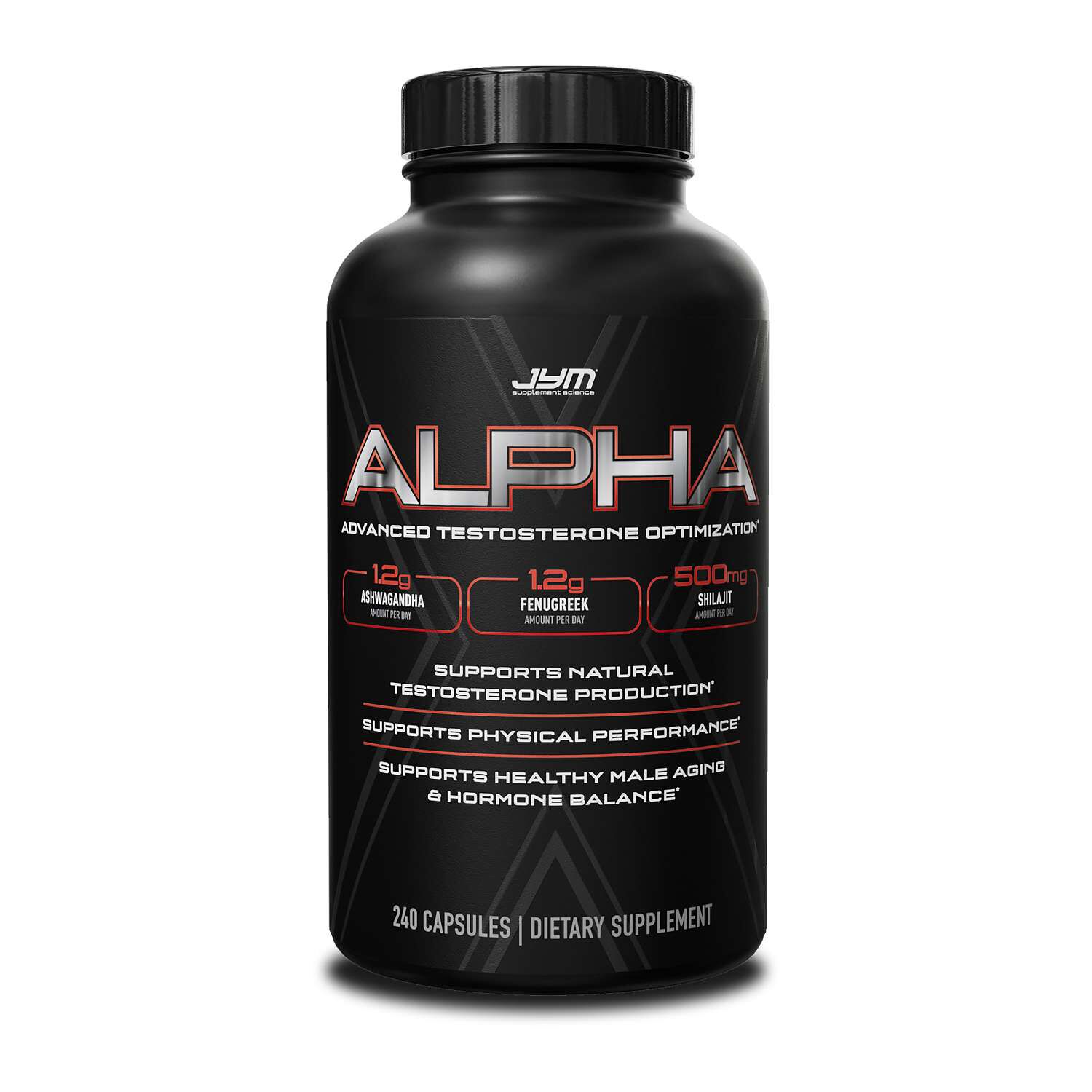
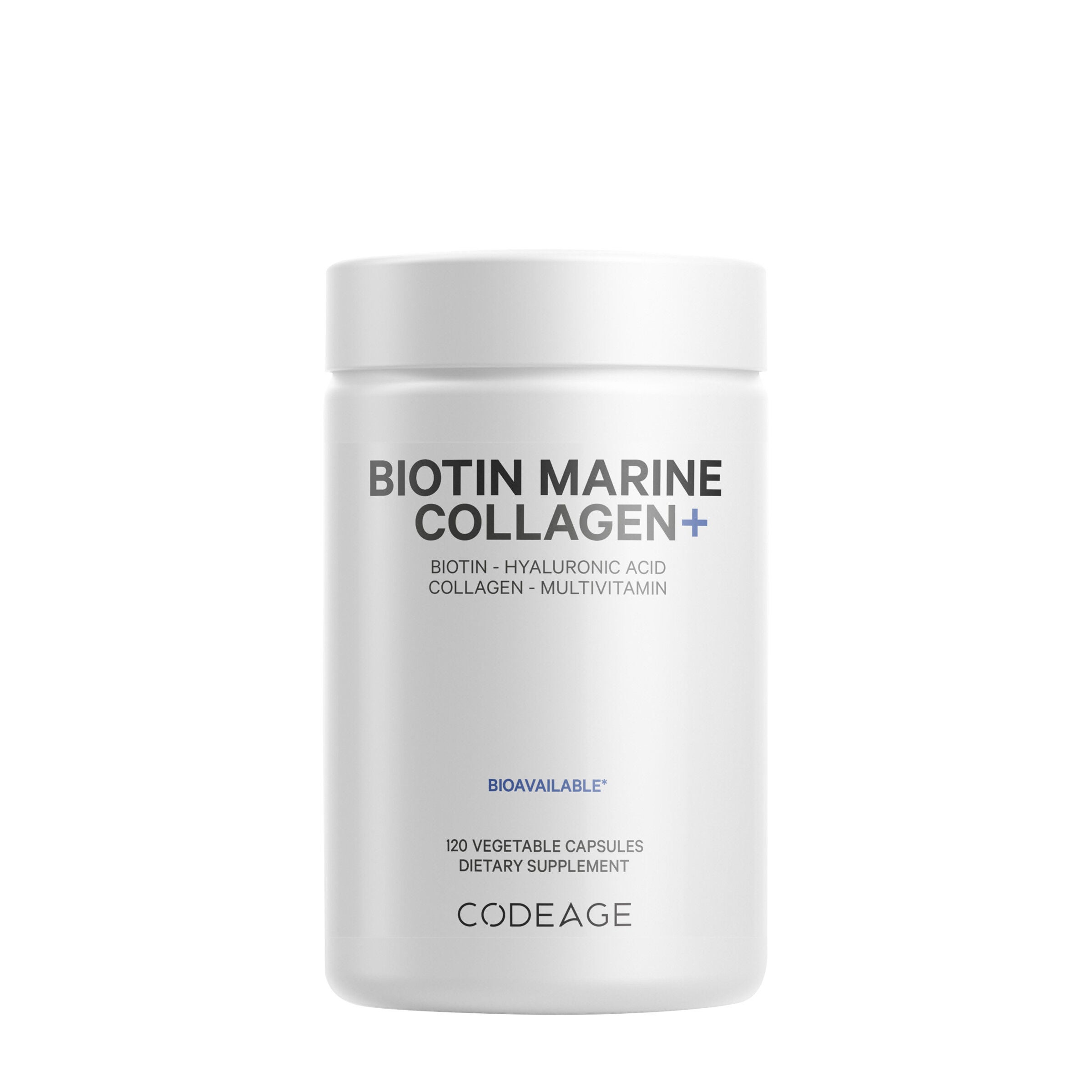
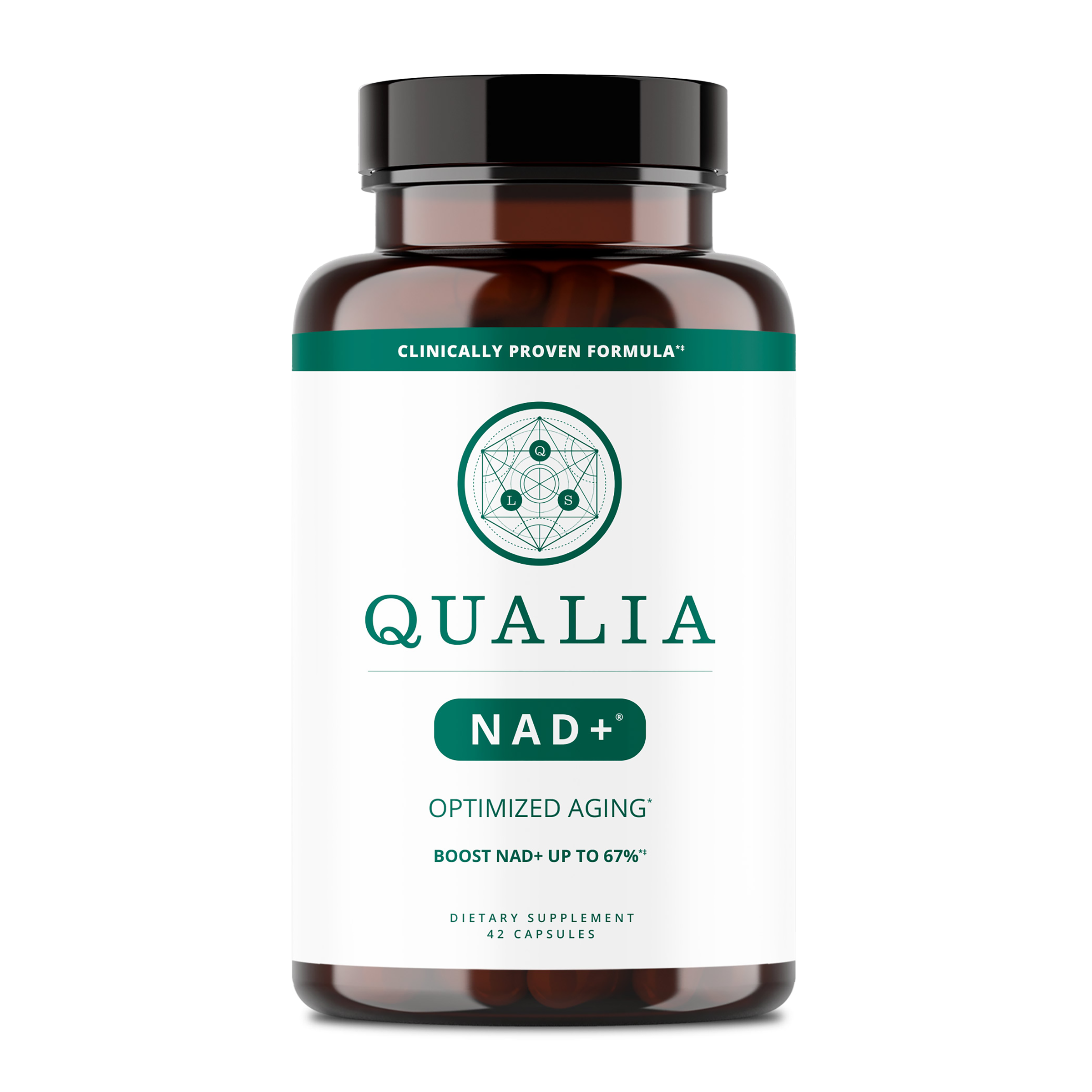
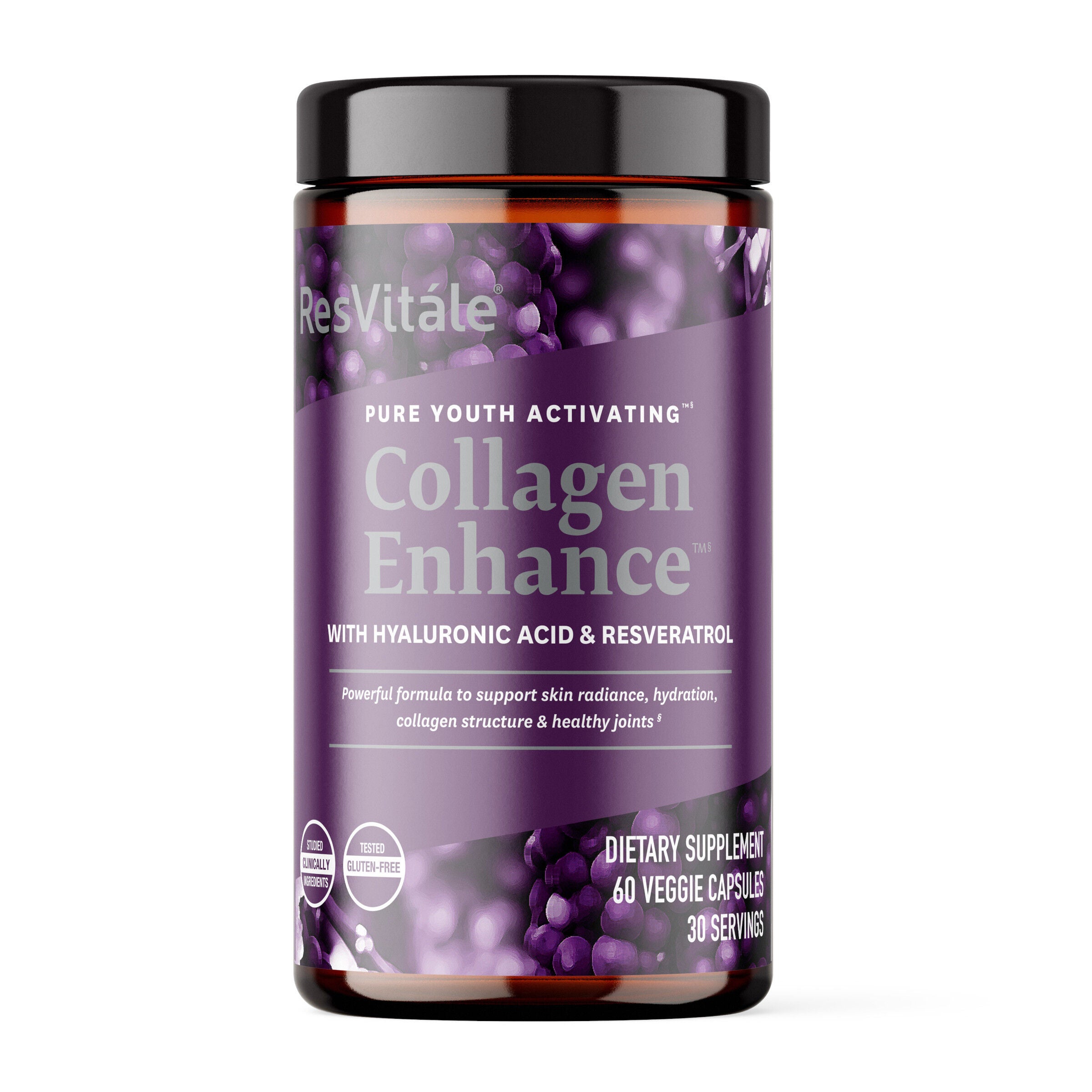
Anti aging supplements for men are designed to support overall well-being and help you feel your best at any age. With a variety of formulas that may include essential vitamins, minerals, antioxidants, and other nutrients, these supplements could be a valuable addition to your daily routine. Whether you're looking to maintain energy levels or simply want to support your body's natural processes, exploring anti aging supplements for men might be the next step in your wellness journey.
-
 2,035$119.99
 -
 57$54.99
 -

-
-

-
-

-

-

-
-

-
-
-
-
-

-

-
-

-
-
-

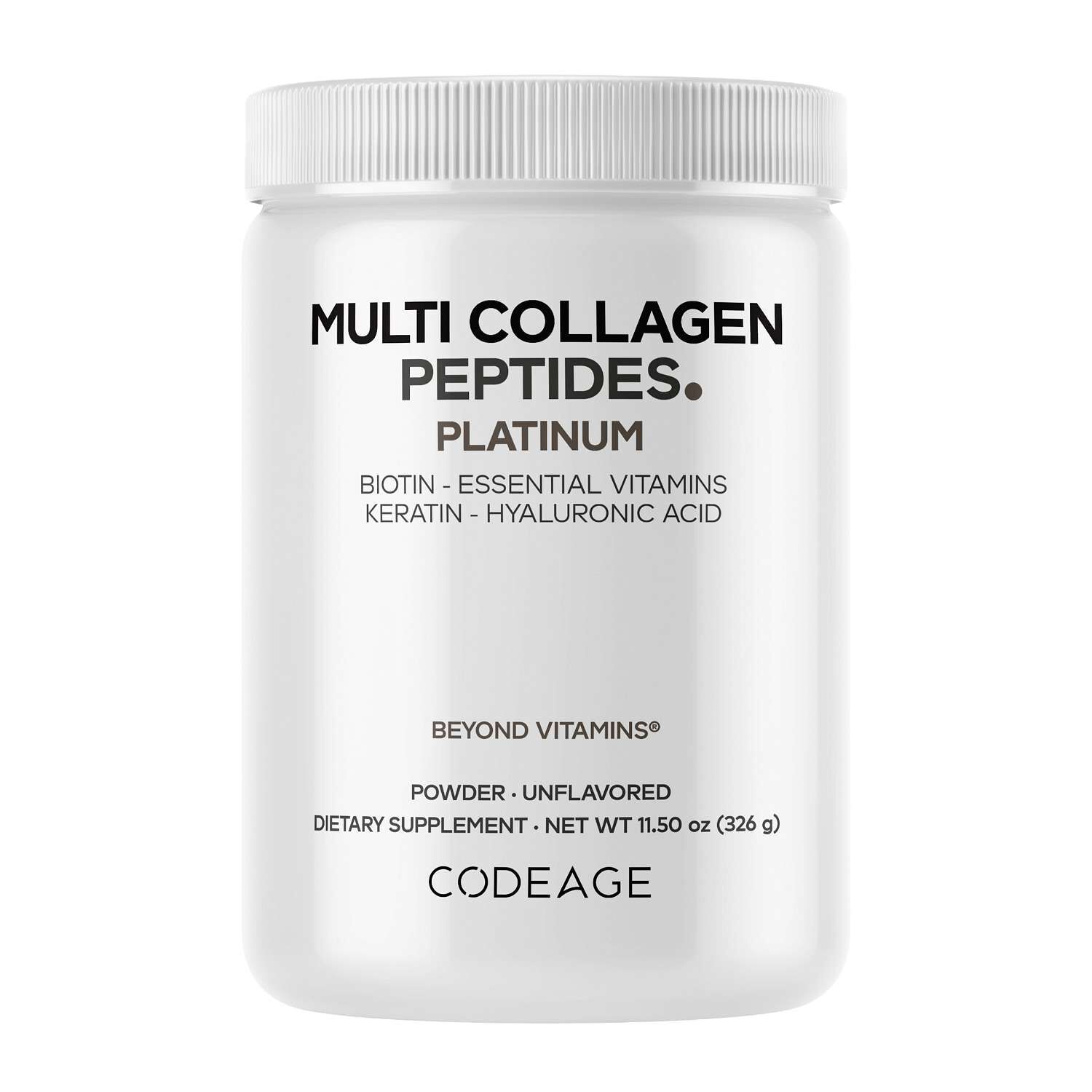

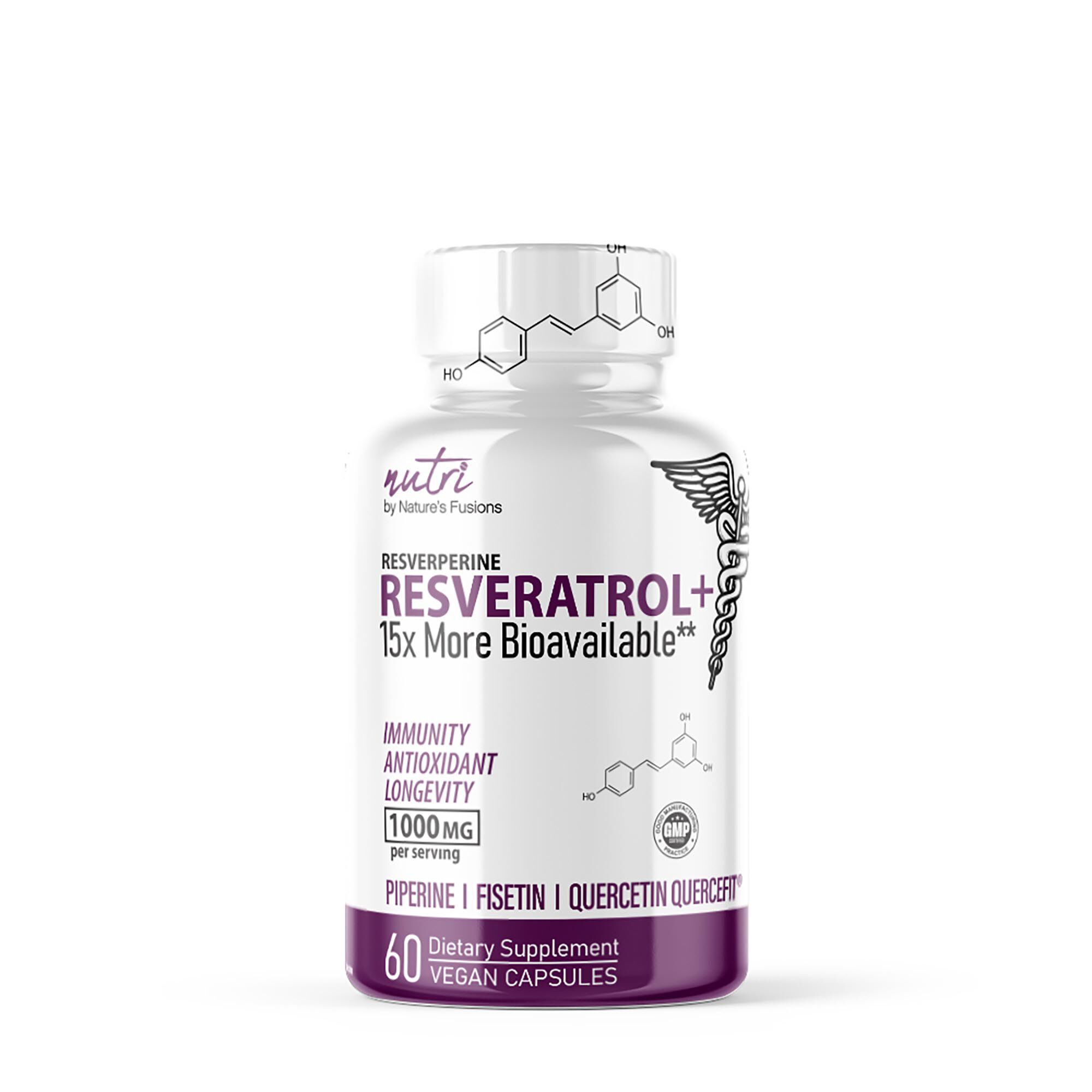
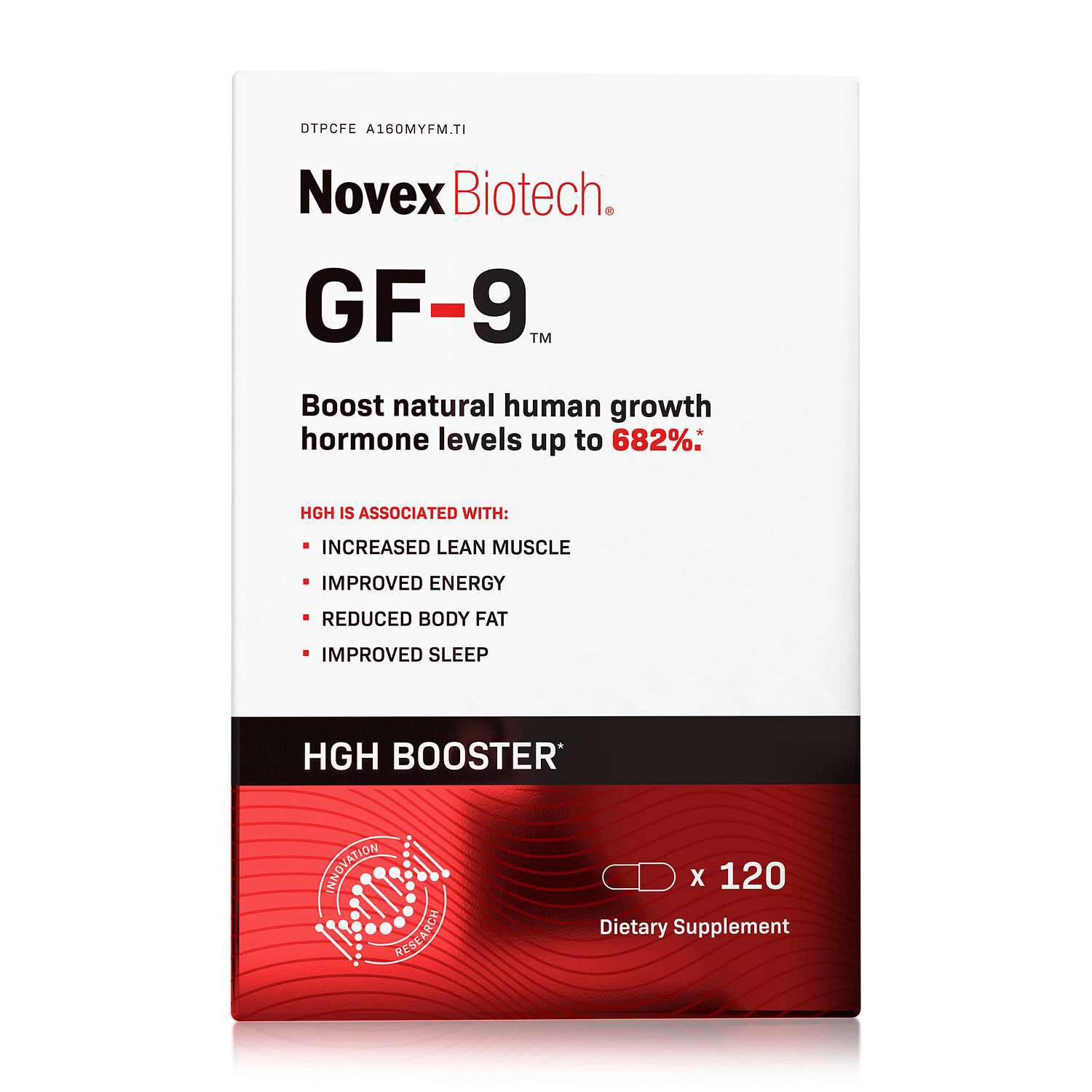
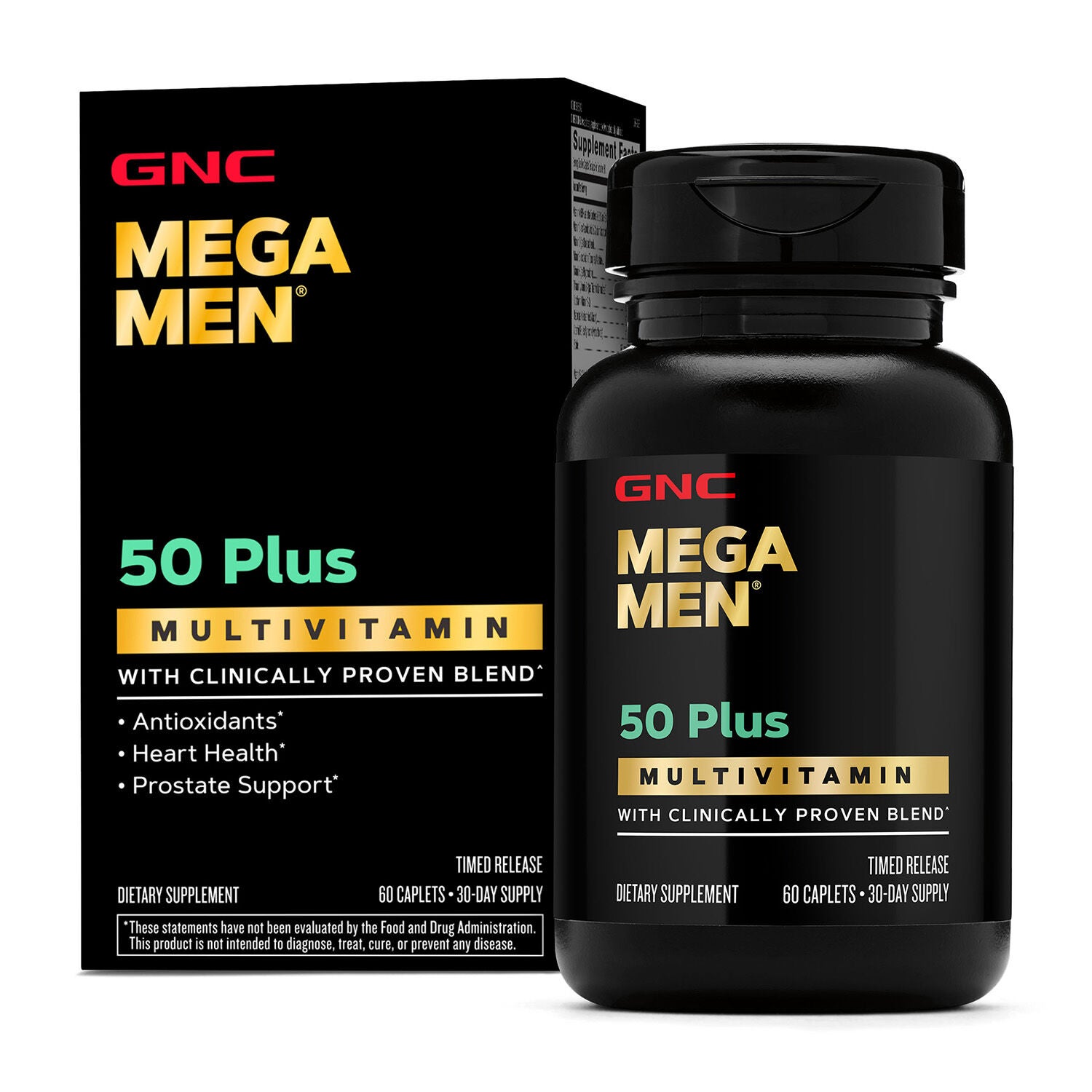
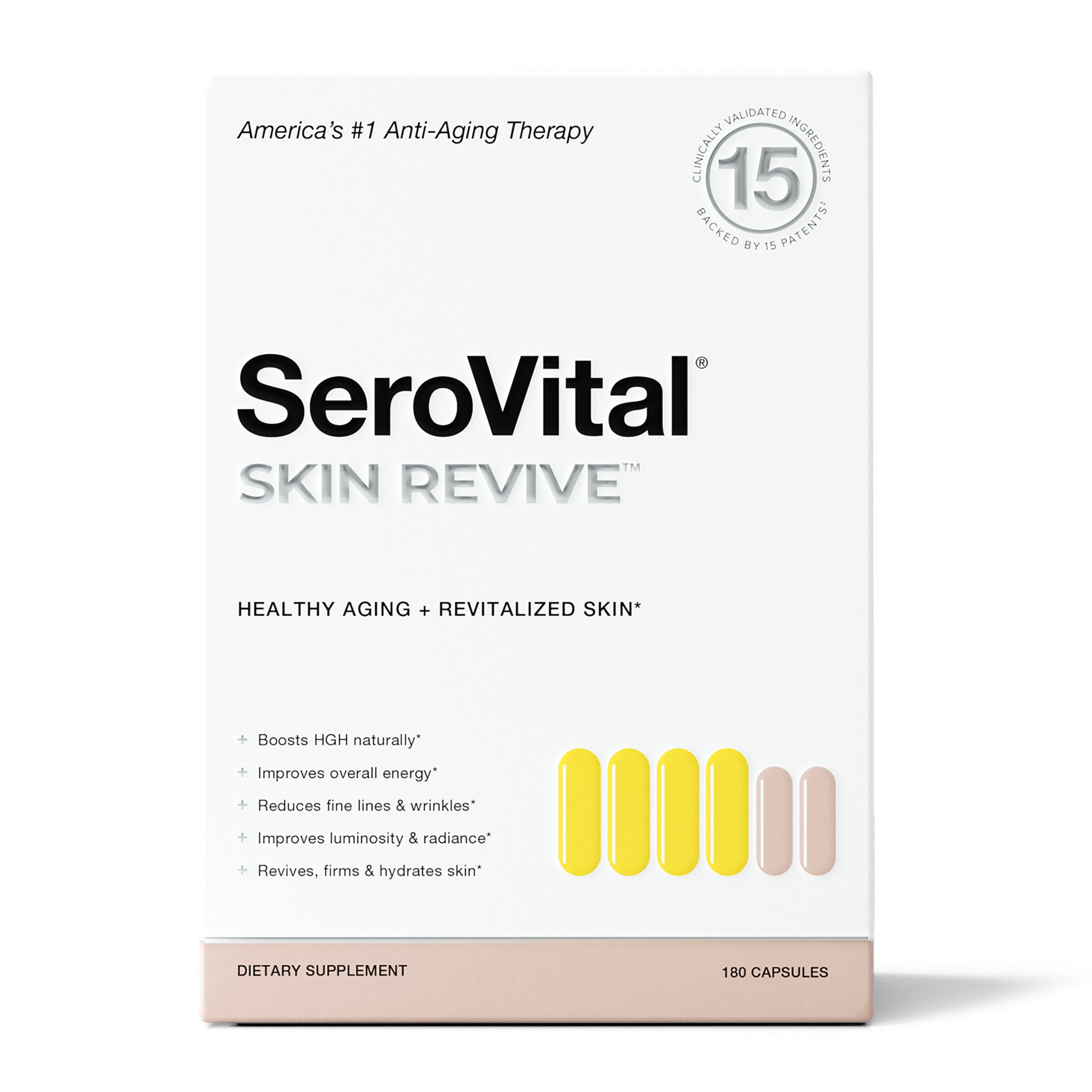
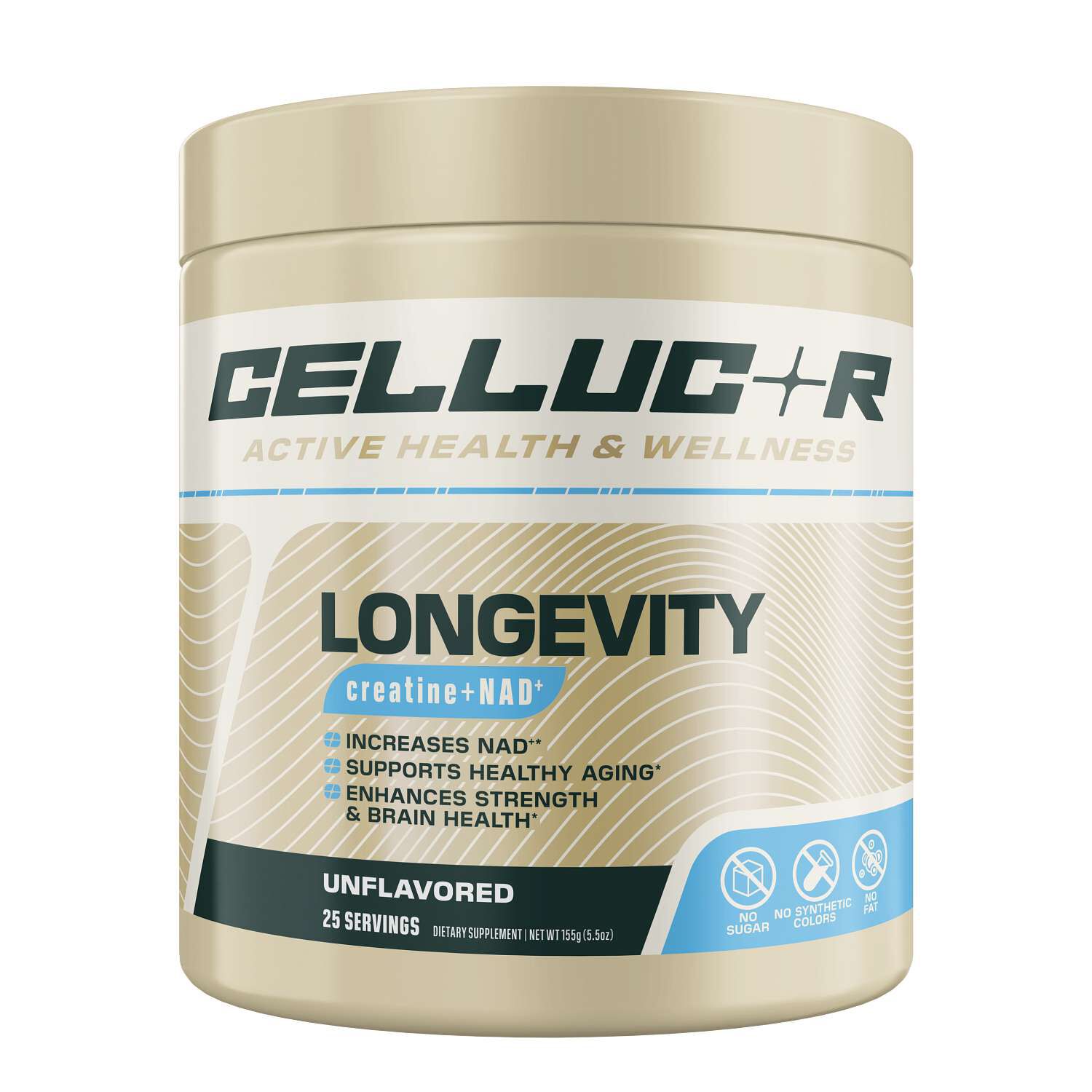
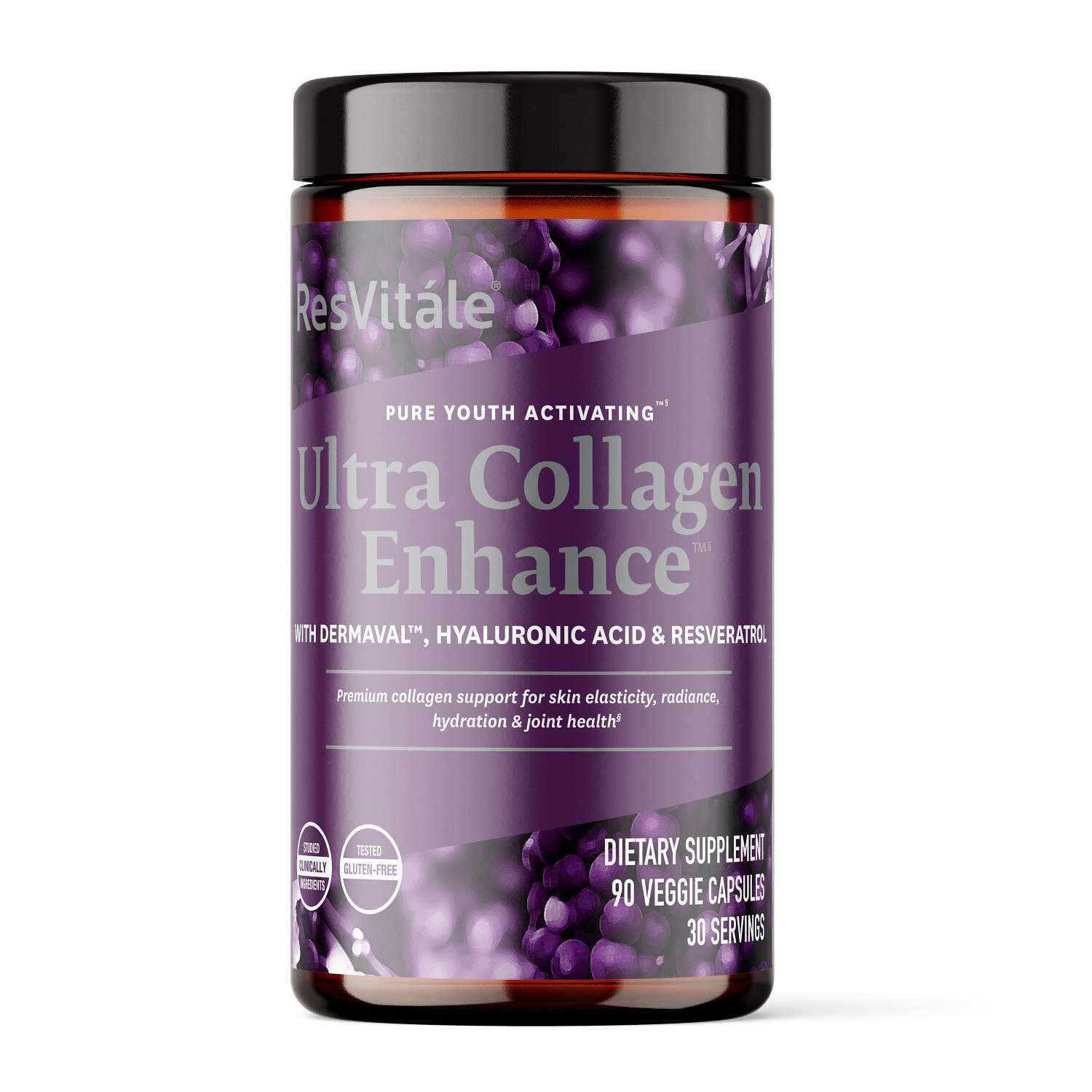
Anti-aging supplements for men bring together a broad range of nutritional products associated with healthy aging, from multivitamins and omega-3 fatty acids to coenzyme Q10, commonly called CoQ10, and nicotinamide adenine dinucleotide precursors, often described as NAD+ precursors. The category is not a single ingredient or a standardized formula. Instead, it reflects different approaches to nutrition as men get older, with options that vary in composition, serving size, format, and intended use. Some men are interested in a straightforward addition to a daily routine, while others prefer a formula centered on a particular nutrient or ingredient family. A man who enjoys weekend hikes may approach the selection differently from someone who spends much of the day at a desk, but both may value clear labeling and a format that fits comfortably into everyday life. The phrase “anti-aging” describes a shopping category rather than a specific result; a name on a bottle does not establish that its contents can turn back the clock. These products are best understood in the context of ordinary routines that also include meals, movement, and rest, not as a substitute for those habits. For shoppers comparing men’s healthy aging supplements, the meaningful distinctions are often more practical than the category name suggests: what each serving contains, how many capsules make up that serving, whether a powder has a noticeable flavor, and how the ingredient sources align with personal preferences. Age is one part of that picture, but it does not tell the whole story. Food choices, activity preferences, and comfort with different supplement formats can make two men of the same age interested in very different options. A useful assortment therefore includes room for both simpler formulas and combinations, without treating a longer ingredient list as an automatic sign of a better match.
Ingredient identity gives this category much of its variety. Omega-3 supplements can come from fish oil or algae, and their labels may distinguish between EPA and DHA rather than listing only the amount of oil in a serving. CoQ10 formulas may identify the ingredient as ubiquinone or ubiquinol, names that describe different forms of the same compound. NAD+ precursor products may feature nicotinamide riboside or nicotinamide mononucleotide; those ingredient names offer more precise information than a broad reference to longevity on the front of a package. Multivitamins generally combine several vitamins and minerals, while single-ingredient supplements take a narrower approach. Other formulas in the healthy aging category may feature collagen peptides or botanical ingredients. Their presence does not make these products interchangeable, and an ingredient’s association with aging research does not establish a particular outcome for the finished formula. Collagen powders, for example, differ from vitamin capsules in both composition and serving format, even when both appear within the same shopping theme. Source information can also matter. Marine-derived and bovine-derived ingredients have different origins, while capsule shells may use gelatin or plant-derived materials. For someone who follows a vegetarian eating pattern, those details can be more relevant than the visual design of the bottle. Blended formulas introduce another point of comparison: the amount of each ingredient per serving, not simply the number of ingredients named on the label. A product containing several familiar nutrients may overlap with a multivitamin already in the kitchen cabinet. The Supplement Facts panel makes that overlap visible and helps distinguish a focused formula from a broad nutritional blend. Ingredient lists, allergen statements, and clearly identified serving sizes provide useful context without relying on dramatic language about youthfulness. Documented third-party testing, where stated, is another attribute shoppers may consider when evaluating manufacturing and composition; it is separate from evidence about what someone might experience.
Format and everyday handling are equally relevant when choosing anti-aging supplements for men. Capsules and tablets offer a measured serving without mixing, though their dimensions and the number per serving can vary considerably. Softgels have a smooth outer shell and commonly contain oil-based ingredients. Powders involve a different kind of routine: a scoop, a glass or shaker, and attention to the preparation details on the label. An unflavored powder may suit someone who prefers adding it to a familiar drink, while a flavored option brings its own taste and texture. Gummies and chewables offer alternatives to capsules, with ingredient panels that may include sweeteners, colors, or other components used to create their finished form. None of these formats is inherently the right choice for every shopper. The person who packs breakfast before an early commute may appreciate a compact bottle, while someone with an unhurried morning routine may prefer measuring and mixing a powder at home. Packaging also matters beyond appearance. A securely closing lid, readable directions, and a clearly marked expiration date are practical attributes for products that may spend weeks in a cabinet. Storage instructions address factors such as moisture and light, and the original container keeps those instructions together with the ingredient information. For men comparing age-focused selections, Supplements For Anti Aging Over 50 offers a related category to explore alongside broader men’s formulas. An age designation describes the intended audience, but the actual ingredients and serving details remain the more informative comparison. Personal-use purchases often make the most sense in this category because dietary preferences and established routines are individual. When supplements are considered as a gift, familiarity with the recipient’s preferred format and ingredient choices matters more than novelty or elaborate packaging. Across the assortment, the strongest basis for comparison is clear, specific information: ingredient sources, amounts per serving, preparation requirements, and a realistic understanding of the category. Those details keep the focus on a considered nutritional purchase rather than an expectation of a different age in a bottle.
Best Sellers
-
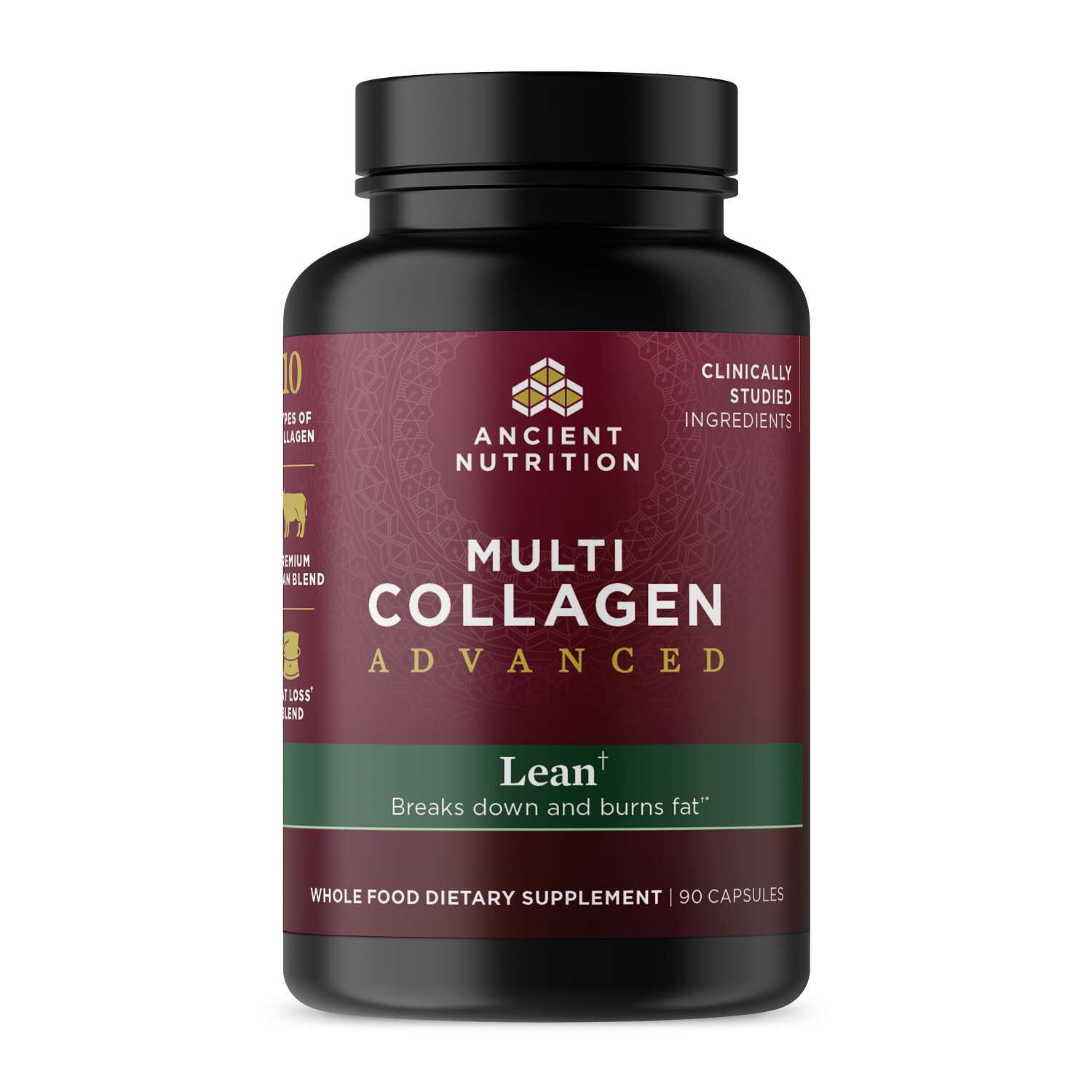 Ancient Nutrition
 -
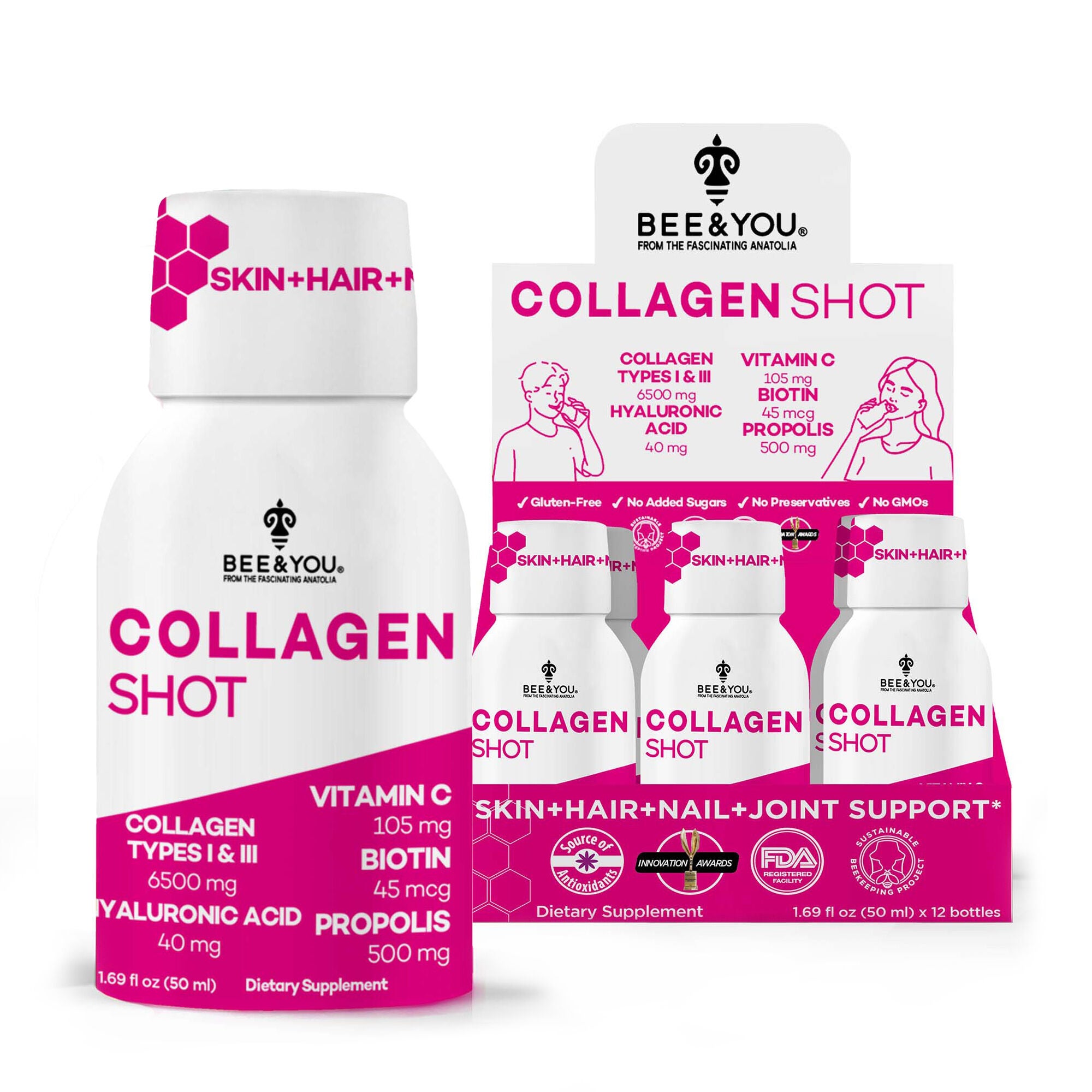
Bee And You