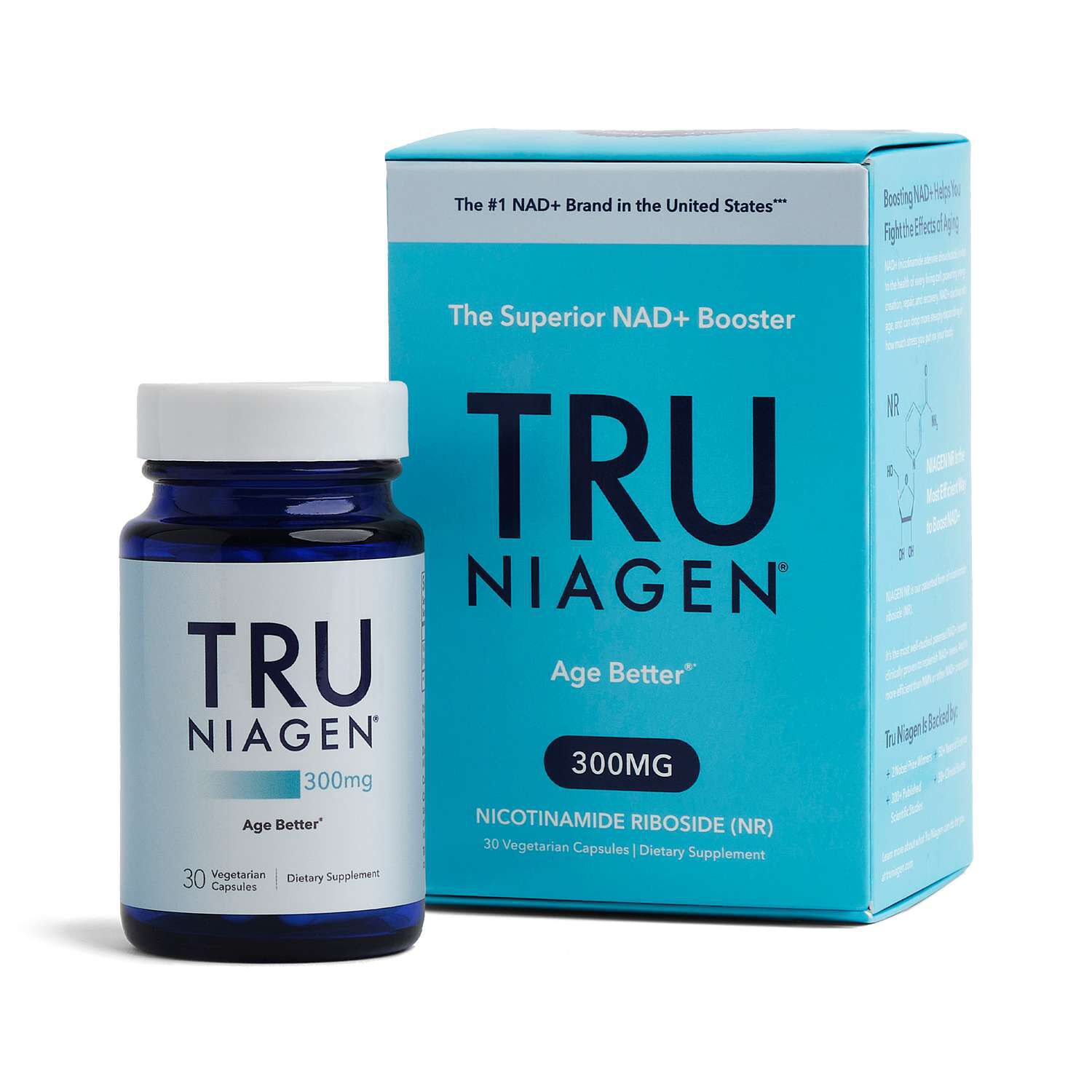
Astaxanthin Supplements For Healthy Heart Function
(0 Results)
Astaxanthin supplements for healthy heart function are a popular choice for those looking to support their overall wellness routine. Sourced from naturally occurring microalgae, astaxanthin is a powerful antioxidant that may play a role in promoting cardiovascular health. With convenient capsule and softgel options available, exploring astaxanthin supplements for healthy heart function could be a beneficial addition to your daily regimen. Discover a variety of formulas designed to fit your lifestyle and help you prioritize your heart health goals.
-

-

-
 $19.99
-

-
-
 $49.99
-
 $59.99
Astaxanthin supplements for healthy heart function bring a distinctive carotenoid into a category centered on everyday adult wellness. Astaxanthin is a red-orange pigment found in certain microalgae and aquatic organisms, and many supplement formulas use astaxanthin sourced from cultivated microalgae. It is often discussed in the context of antioxidant nutrition, although the ingredient name alone does not explain a formula’s composition, serving size, or intended use. For shoppers exploring this category, those details offer a more useful starting point than a bottle’s color or a bold front label. Softgels and capsules can differ in size, texture, and ingredient makeup, so personal preferences matter alongside the amount of astaxanthin listed per serving. Someone who prefers a small softgel may approach the selection differently from someone who looks first for a plant-derived capsule shell. An oil-based formula may include a carrier such as olive oil or another listed oil, while the capsule or softgel shell has its own ingredients. These components are part of the product’s design, not interchangeable details. Astaxanthin is fat-soluble, which helps explain why oils appear in many formulas; the label provides the directions that apply to each one. A serving may consist of one capsule or multiple capsules, and the amount shown on the front of a bottle may need context from the Supplement Facts panel. Looking at the stated amount per serving, the number of capsules in that serving, and the number of servings per container makes comparisons more meaningful. A higher number on a label is not, by itself, a reason to favor one formula over another. The aim is a format and ingredient profile that match the shopper’s preferences and the product’s labeled purpose, rather than an assumption that every astaxanthin supplement is alike.
Ingredient sourcing deserves a closer look, particularly for adults with established dietary preferences. An algae-derived astaxanthin ingredient does not automatically mean the finished supplement is vegetarian or vegan, because the shell, carrier oil, and other ingredients have separate sources. Gelatin-based softgels and plant-derived capsules represent different formulation choices, and the ingredient list is the place to distinguish them. Likewise, ocean imagery on packaging does not identify every ingredient’s origin or replace an allergen statement. Shoppers who pay attention to fish, shellfish, soy, or other ingredients can review the relevant label information rather than infer suitability from the main ingredient alone. The Supplement Facts panel and the other ingredients list work together: one describes the declared dietary ingredients and serving amounts, while the other identifies components such as capsule materials, oils, and ingredients used in manufacturing. Some formulas focus on astaxanthin, while others pair it with additional nutrients or oils. A combination formula calls for a broader comparison, especially when a multivitamin or another supplement is already part of the household routine. Two bottles with similar astaxanthin amounts may have quite different ingredient profiles once those additional components are considered. For a shopper who likes a short ingredient list, a focused formula may be the preferred format; another shopper may be interested in a blend with clearly identified components. Neither preference removes the value of reading each serving carefully. Quality information also benefits from a precise reading. A statement about ingredient identity is different from a statement about manufacturing practices, and a testing mark has meaning within the scope described by the organization behind it. Clear sourcing details, legible serving information, and specific explanations of any certifications make a package easier to evaluate. The rich color associated with astaxanthin is visually distinctive, but color alone is not a reliable way to compare ingredient amounts or manufacturing quality. Capsule dimensions and shell texture are practical distinctions, too, particularly for someone who has a strong preference based on past experience with supplements.
A practical match also takes account of where a supplement belongs in an adult’s daily routine. A bottle that requires several capsules per serving presents a different routine from one with a single-capsule serving, even when the front labels appear similar. Directions may also specify whether a serving belongs with a meal, making the full label more useful than a quick glance at the product name. For someone who organizes supplements around breakfast, the relevant details include serving directions, package design, and whether the container fits neatly in its designated storage space. For someone who travels often, retaining the original packaging keeps ingredient information, directions, lot details, and the printed date together. Storage is part of product care: the conditions printed on the container matter more than how attractive a bottle looks on an open counter. A shelf beside a steamy shower and a dry cupboard are different environments, so the labeled storage directions should guide placement. Closing the container after use and leaving any included packaging components as directed are straightforward parts of handling it. Astaxanthin supplements are generally presented as ingestible products rather than topical products, and their intended use comes from the individual label. Interest in healthy heart function may also sit alongside a broader interest in adult wellness and the nutritional choices associated with different stages of life. Shoppers considering that wider context can explore astaxanthin supplements as a related collection. Across either focus, the most useful distinctions remain concrete: the source of the astaxanthin, the amount per serving, the delivery format, the accompanying ingredients, and the directions for use and storage. These details turn a broad category into a more personal comparison without treating every formula as equivalent. A thoughtful selection rests on clearly stated product information and everyday preferences, with attention to what the supplement actually contains rather than assumptions about what its name suggests.
Best Sellers
-
 Rho Nutrition
-
 Rho Nutrition
-
 Doctors' Preferred