





Astaxanthin Supplements For Vegetarians
(0 Results)
Astaxanthin supplements for vegetarians offer a plant-based way to incorporate this unique carotenoid into your daily routine. Sourced from microalgae, these supplements are designed to align with vegetarian preferences while supporting an active lifestyle. Explore a variety of options that may fit seamlessly into your wellness journey, all crafted with vegetarian-friendly ingredients in mind.
-

-
 $19.99
-
 Purity Products$39.99
-

-

-
-

-
 $49.99
-
 $59.99

Astaxanthin supplements for vegetarians are distinguished by more than the source of the astaxanthin itself: the capsule shell, carrier oils, and other ingredients also determine whether a formula fits a vegetarian diet. Astaxanthin is a reddish-orange carotenoid, a type of naturally occurring pigment. A common source for supplements is Haematococcus pluvialis, a microscopic alga cultivated for its astaxanthin content. Algae-derived astaxanthin is not a fish ingredient, even though astaxanthin also occurs in aquatic animals and contributes to the coloration of certain seafood. That distinction matters when choosing supplements around a vegetarian eating pattern. An algae source can be suitable, while the finished formula may still contain animal-derived materials elsewhere in the ingredient list. Traditional softgels often use gelatin obtained from bovine or porcine sources, so an algae reference on the front of a bottle does not establish that its shell is vegetarian. Cellulose capsules and softgels made with plant-derived starches are alternatives worth looking for, with the manufacturer's vegetarian or vegan designation providing additional context. Fish oil blends require particular attention because their animal-derived oil does not fit a vegetarian diet, regardless of where the astaxanthin originated. Vegetarian and vegan descriptions are not interchangeable, either. Someone who includes dairy in a vegetarian diet may have different ingredient requirements from someone avoiding all animal-derived ingredients. A vegan designation addresses that broader preference, while a vegetarian designation should still be read alongside the ingredient statement. For a shopper accustomed to checking yogurt cultures, cheese ingredients, or capsule materials on other supplements, the same careful reading applies here. The strongest match is a formula whose astaxanthin source, shell composition, and accompanying ingredients all align with the intended eating pattern. Descriptions such as “natural” or “algae-derived” provide useful details, but neither replaces a review of the finished supplement. When the origin of an ingredient is unclear, information from the manufacturer is more useful than an assumption based on its name.
Capsule format and label details can make comparisons more practical once dietary suitability is established. Vegetarian astaxanthin may come in hard capsules or softgels, and the distinction involves both the shell and the contents inside it. Hard capsules commonly use cellulose-based materials, while vegetarian softgels may use starch-based shells around an oil-containing fill. Neither format alone establishes the origin of every ingredient. Astaxanthin is fat-soluble, meaning it dissolves in fats rather than water, and supplement formulas often pair it with a carrier oil. That oil is part of the formulation, not the source of the astaxanthin, so these are separate details to check. A plant-derived carrier can fit a vegetarian diet, but its identity may still matter to someone with particular ingredient preferences or dietary restrictions. The Supplement Facts panel also deserves a closer look than the large number on the front label. The listed amount may refer to one capsule or to a serving made up of multiple capsules. Comparing the astaxanthin amount per serving alongside the serving size creates a clearer picture than comparing front-label numbers alone. The weight of an algal extract is another detail to distinguish from the amount of astaxanthin it supplies; they are not necessarily the same figure. Single-ingredient formulas keep attention on astaxanthin, while blends introduce additional ingredients that need their own review. A longer ingredient list is not automatically a better match for a simple routine. Shoppers focusing on this particular format can explore Vegetarian Astaxanthin Capsules while comparing source information, shell materials, and serving directions. Capsule dimensions matter, too, especially for someone who prefers a smaller format. Product descriptions or manufacturer information may provide measurements that are difficult to judge from a bottle photograph. Clearly stated ingredients and straightforward serving information are useful points of comparison for both longtime supplement users and people considering astaxanthin for the first time. A familiar capsule format can be convenient, but the label remains the better reference for understanding what each serving contains.
Intended use is another part of finding a suitable vegetarian astaxanthin supplement. These products are dietary supplements, intended to accompany an eating pattern rather than stand in for varied meals. They may appeal to vegetarians interested in an algae-derived carotenoid, vegans checking every component of a capsule, or households trying to keep supplement choices consistent with shared dietary preferences. A practical routine starts with the product's own directions rather than a serving amount borrowed from a different bottle. Some labels specify use with food; a regular meal can provide a convenient reference point without requiring an elaborate schedule. For someone who already keeps several supplements beside breakfast dishes, the distinction between a one-capsule serving and a multiple-capsule serving is worth noting before adding another bottle. More capsules do not automatically make a formula a better fit, and a larger printed amount does not establish that it matches an individual's needs. Packaging and care matter after the purchase as well. Keep the supplement in its original, clearly labeled container, follow its storage directions, and close the lid securely after use. Protecting the contents from excess moisture and direct sunlight helps preserve the intended storage conditions. A bathroom shelf beside a steamy shower or a windowsill receiving strong sunlight is a less suitable location than a dry cabinet that meets the label's instructions. Check the date information and packaging condition, and retain any enclosed storage materials as directed. A travel organizer can be convenient, but the original bottle preserves the ingredient list, serving instructions, and identifying details for later reference. For households with different dietary preferences, keeping containers separate also makes it easier to distinguish a vegetarian formula from a similar-looking gelatin softgel. Thoughtful selection comes down to details that remain useful beyond the first purchase: a clearly identified algae source, suitable shell materials, transparent accompanying ingredients, readable serving information, and packaging that fits everyday storage. Together, those features make it easier to choose astaxanthin around a vegetarian lifestyle without relying on front-label wording alone.
Best Sellers
-
 Rho Nutrition
-
 Rho Nutrition
-
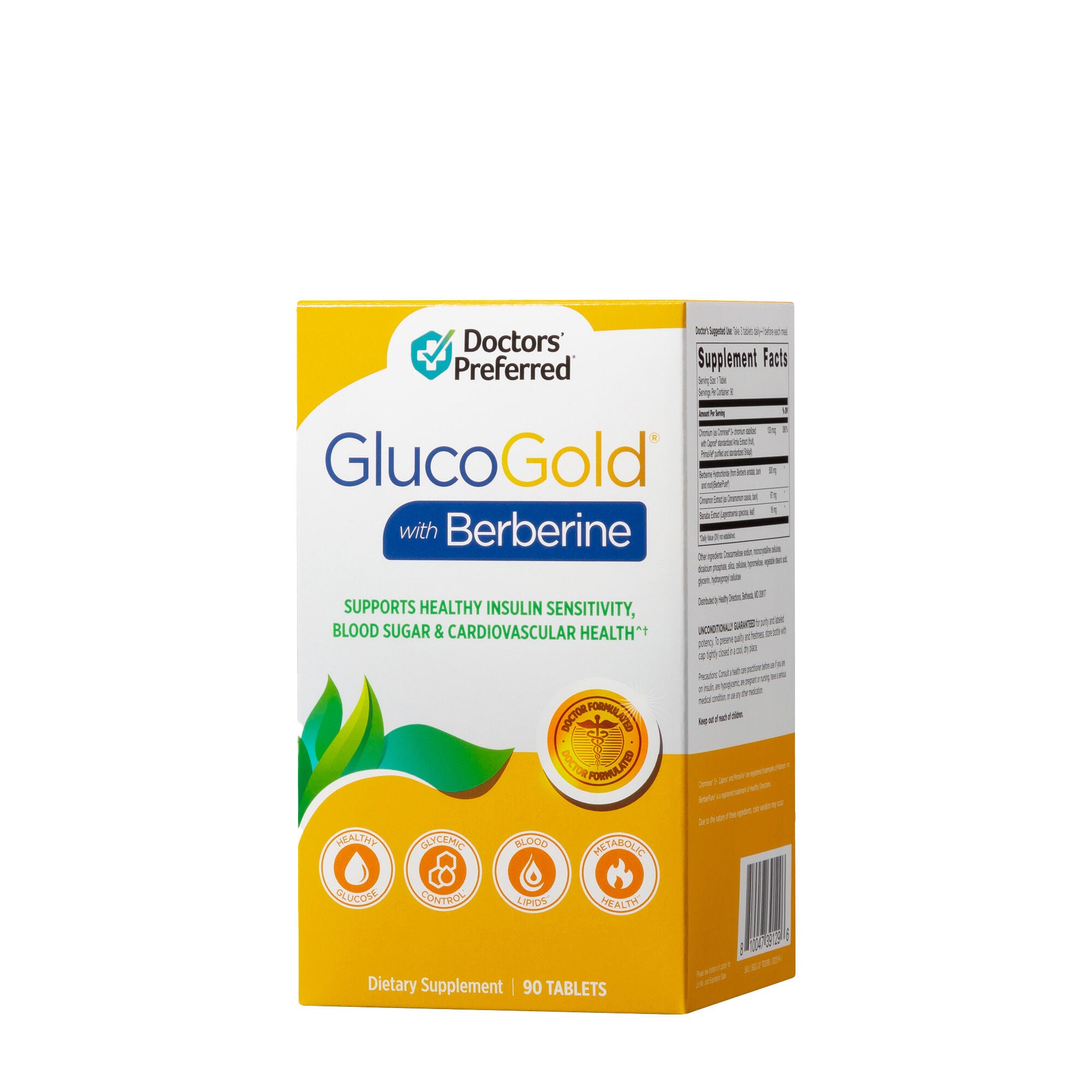 Doctors' Preferred
Related Pages
Top Collections
- Joint Mobility Supplement Packs
- Daily Collagen Supplements | Top Brands & Deals | GNC
- GLP 1 Support For Adults
- Zinc Supplements | Top Brands at Great Prices | GNC
- Supplements For Yoga Joint Flexibility
- Supplements For Balance
- Capsule Supplements For Energy And Stamina
- Adult Mobility Supplements
- Chronic Fatigue Supplements
- Vitamins For Hair Loss