Balanced Protein Blends
(0 Results)
Balanced protein blends offer a versatile and convenient way to support your nutritional goals. Perfect for those seeking to maintain or build muscle mass, these blends combine various protein sources to provide a comprehensive amino acid profile. Whether used as a meal replacement or a post-workout recovery option, balanced protein blends may help you meet your dietary needs with ease. Explore the range of options available to find the perfect blend that fits seamlessly into your lifestyle and supports your wellness journey.



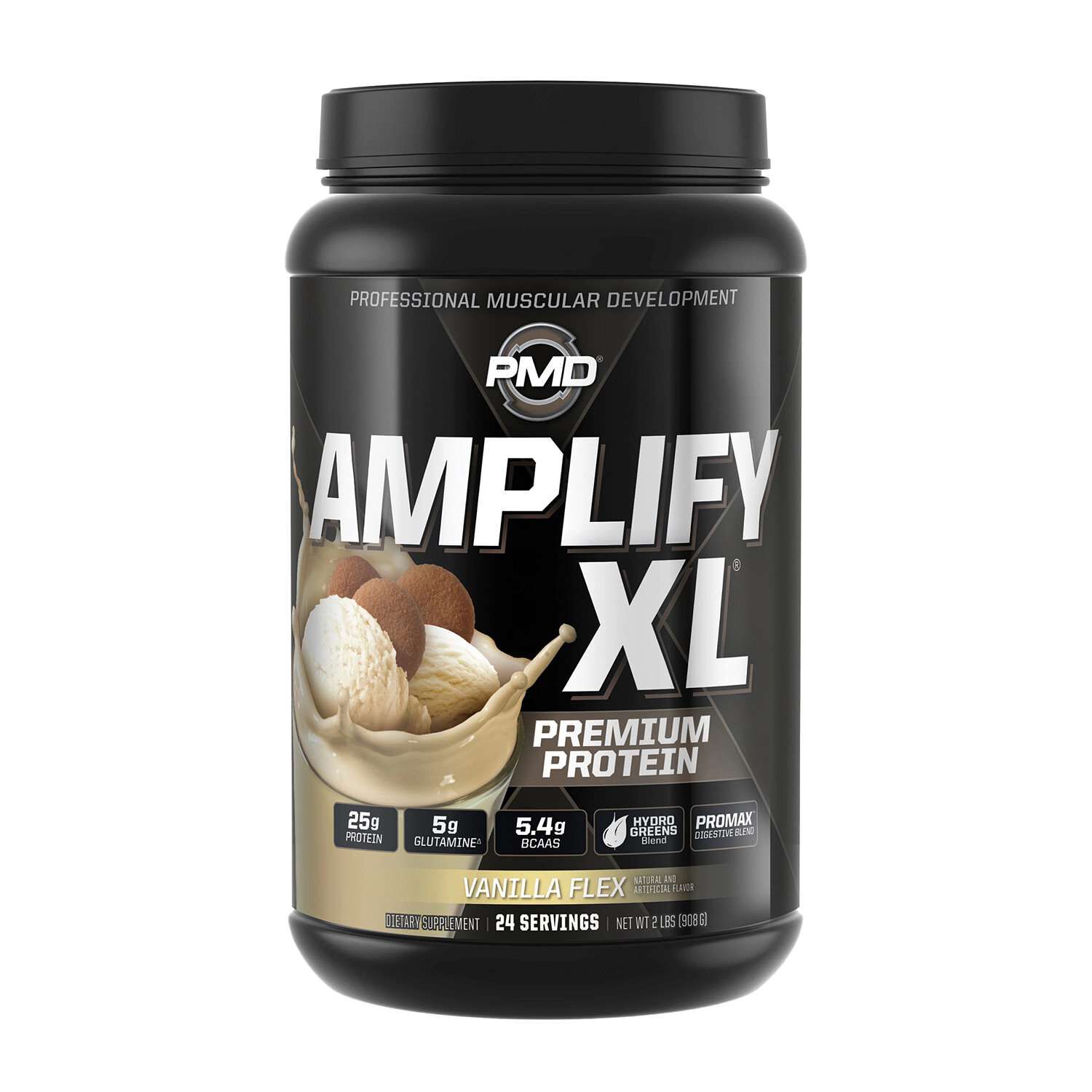
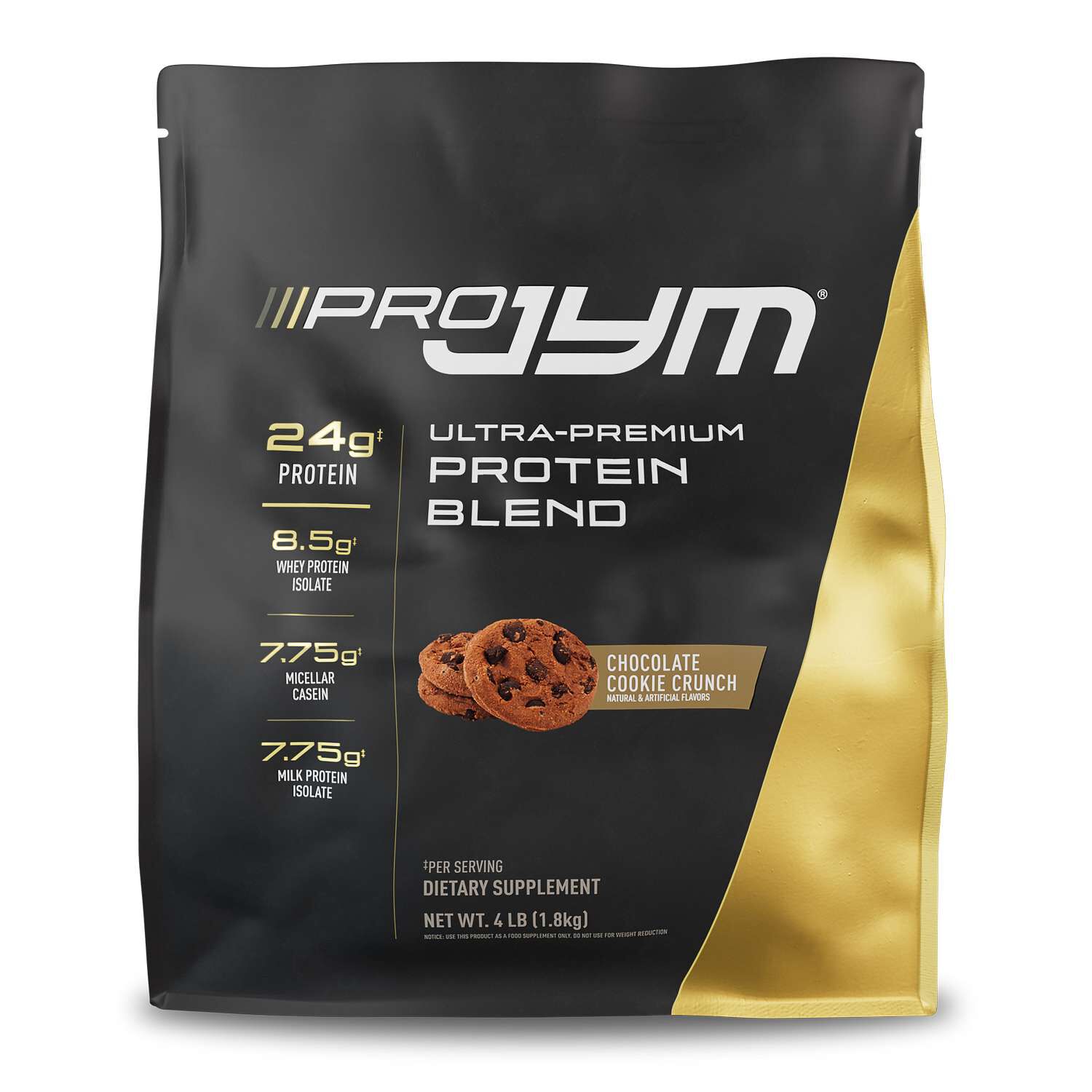


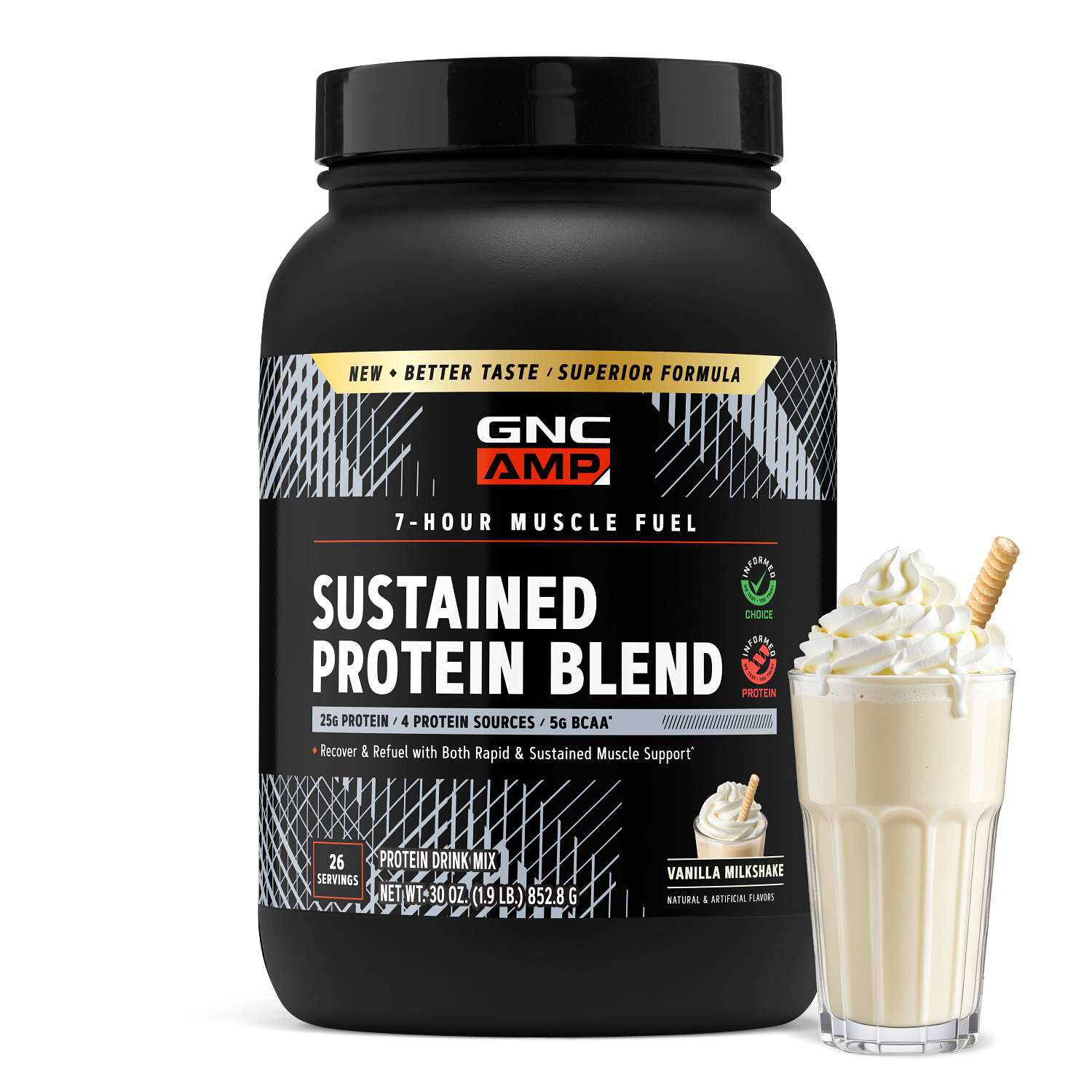
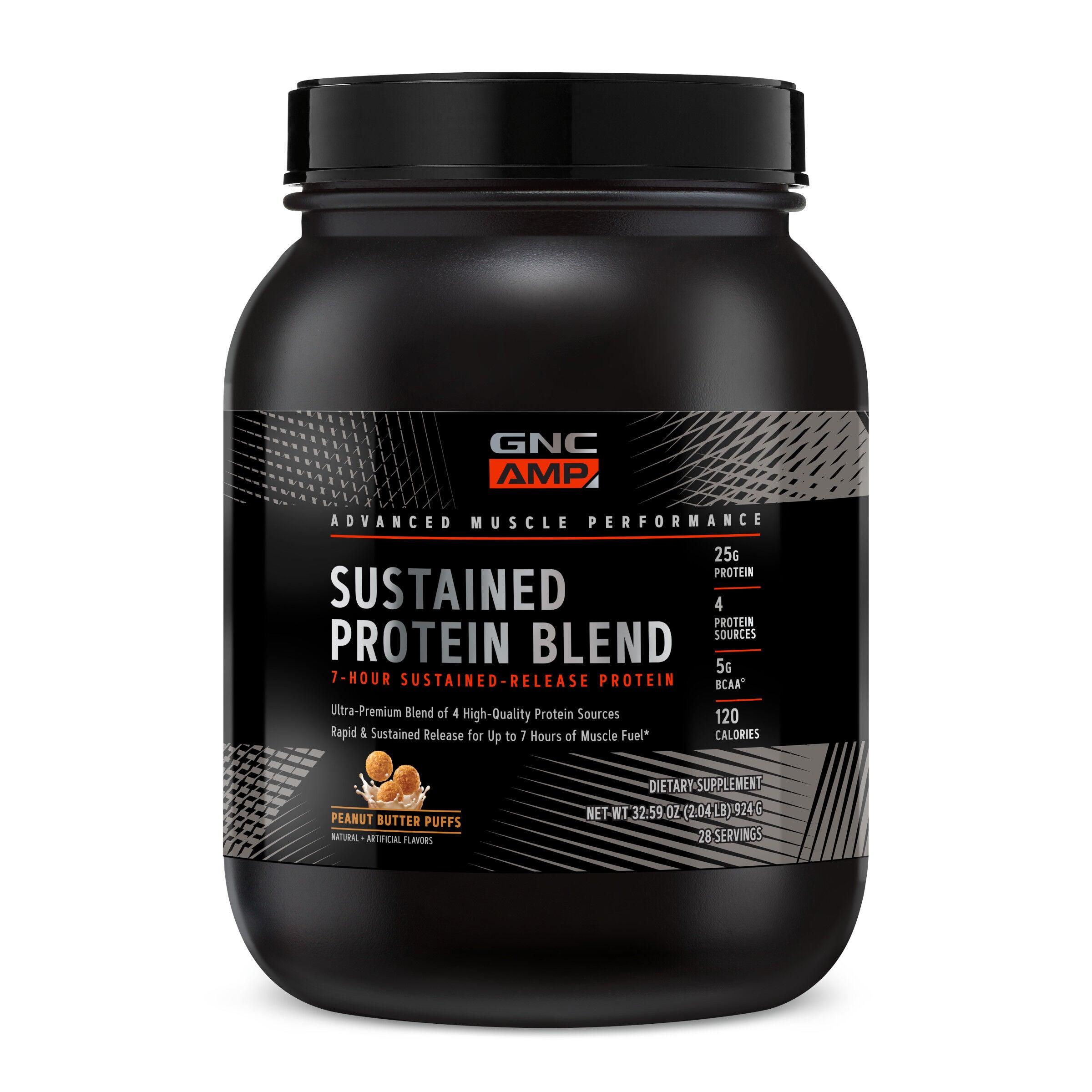

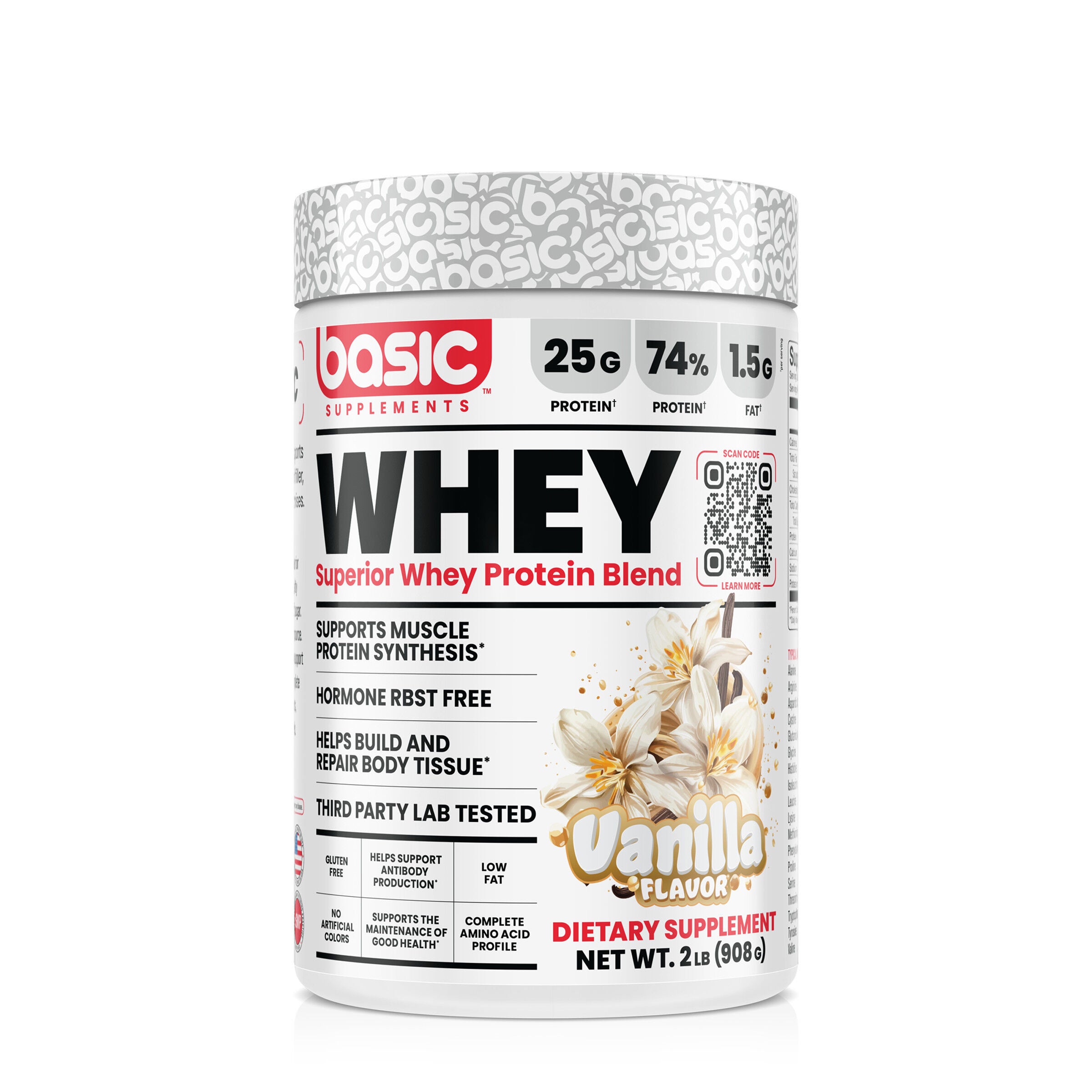


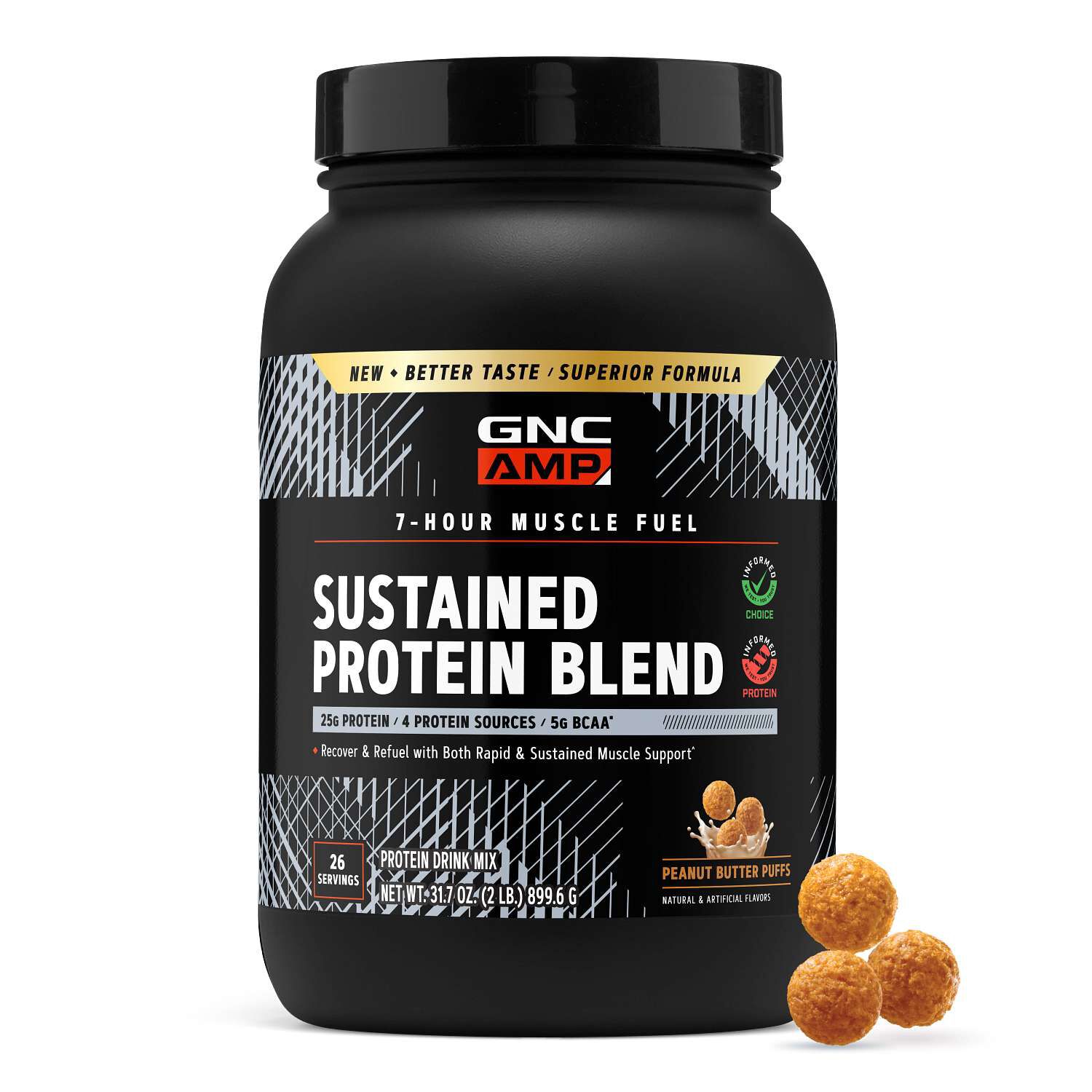

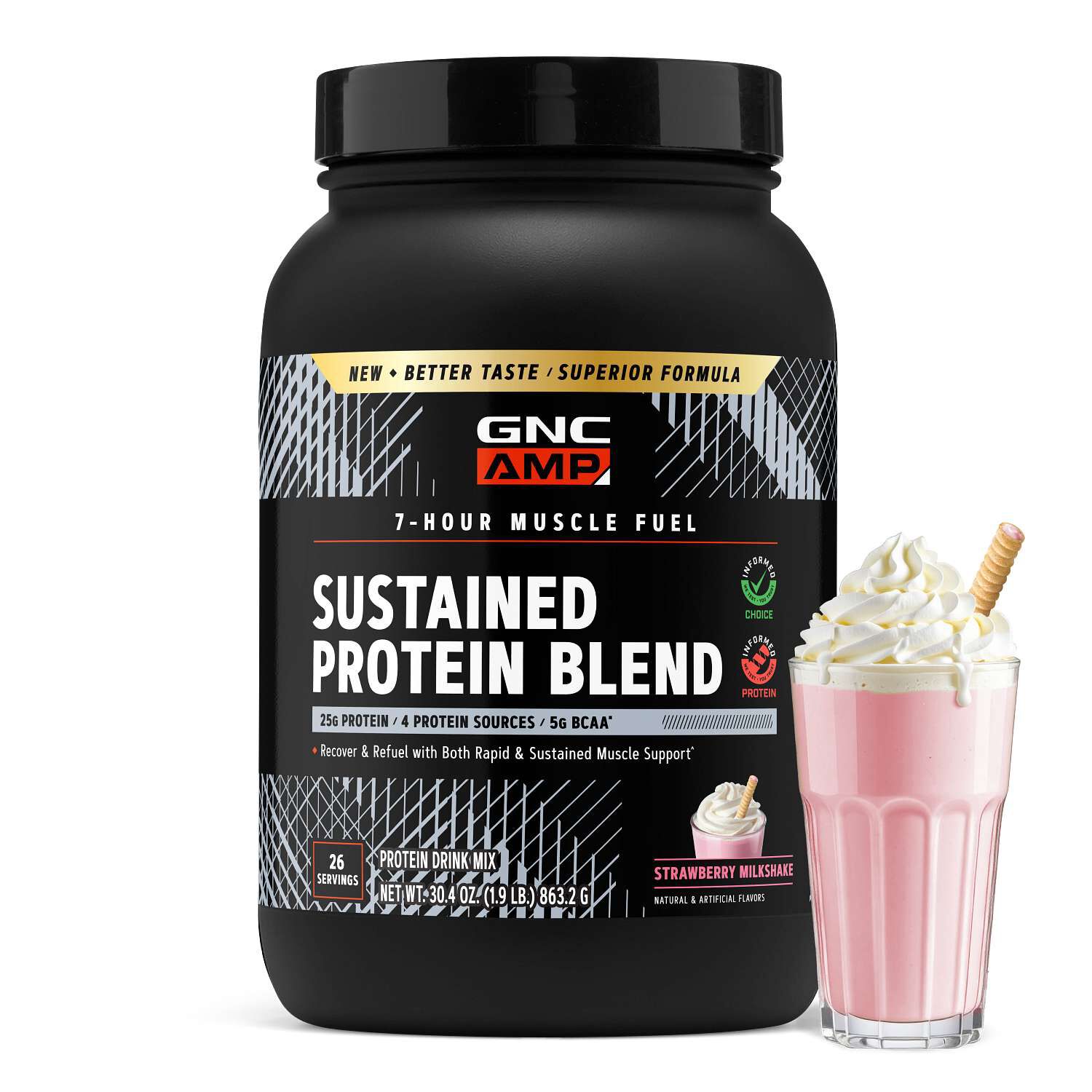
Balanced protein blends bring together different protein sources, or pair protein with ingredients such as fiber and fats, in a formula designed for everyday mixing. Dairy-based blends often combine whey, casein, or milk protein, while plant-based blends commonly feature combinations such as pea and rice protein. These ingredients contribute different characteristics, from amino acid composition to flavor and texture. Whey and casein may digest at different rates, and their proportions help distinguish one dairy blend from another. Plant proteins also contain amino acids in different proportions, making the actual combination more informative than the number of protein sources listed on the package. The word balanced does not describe one fixed recipe: some formulas emphasize a mix of proteins, while others include additional nutrients alongside protein. Comparing the ingredient list and Nutrition Facts panel gives a clearer picture of what each serving contains. Protein grams, serving size, carbohydrate content, fat, fiber, and added sugars all provide useful context, especially when a shake will accompany breakfast or become part of a regular workout routine. A larger scoop does not necessarily represent a more concentrated formula, so comparing equivalent serving amounts matters. Ingredient order can offer another point of reference, although it does not reveal the exact proportion of every protein source. For shoppers who prefer dairy ingredients, a whey-and-casein combination may suit their preferred taste and preparation style. For those choosing plant-based foods, a blend of pea, rice, or other plant proteins offers a different ingredient foundation. Milk, soy, and other allergen declarations deserve attention regardless of the flavor name or front-label description. Some blends also contain added vitamins, minerals, enzymes, or probiotic cultures; those additions distinguish formulations but do not make them interchangeable. The most useful comparison connects the formula’s stated purpose with the foods, drinks, and routines it will accompany, rather than treating every balanced protein powder as the same kind of product.
Taste and texture often determine whether a protein blend becomes a regular part of the kitchen routine. Dairy proteins can contribute a creamy character, while plant proteins may bring a more noticeable grain or earthy flavor, depending on processing and the rest of the recipe. Cocoa, vanilla, fruit flavorings, sweeteners, and thickening ingredients each shape the finished drink. A powder that tastes subtle in a smoothie may seem more pronounced when shaken with water alone, and the liquid used changes the drink’s nutritional composition as well as its consistency. Water keeps the preparation straightforward; milk or a plant-based beverage contributes its own flavor and nutrients. The package’s mixing directions provide a useful starting point because scoop sizes and recommended liquid amounts differ. A shaker bottle suits a quick drink between errands, while a countertop blender accommodates ingredients such as banana, oats, or nut butter. Adding the liquid before the powder may help the mixture disperse more evenly, and allowing enough room in the bottle makes shaking easier. If a blend seems thicker than expected, a small amount of additional liquid may create a consistency better suited to sipping. Shoppers who prioritize a creamy finish can also explore Smooth Protein Blends as another texture-focused category. Beyond shakes, some protein powders can be stirred into yogurt or incorporated into oatmeal, depending on the preparation directions. Baking requires more attention because protein ingredients can change moisture, structure, and browning; a powder is not automatically a direct substitute for flour. Vanilla may suit a fruit smoothie, while chocolate can pair with oats and nut butter. Unflavored formulas offer another approach, although unflavored does not mean tasteless. Sweetener choice also matters when a powder will be mixed into an already sweet beverage. Considering the whole recipe—the powder, liquid, and other ingredients—creates a more realistic comparison than judging flavor names alone. For repeated use, preparation effort is just as relevant as the first sip.
Balanced protein blends may fit a range of everyday routines, from a commuter’s breakfast accompaniment to a recreational athlete’s post-workout drink. Someone who eats a varied diet but wants a convenient protein option may prefer a simple formula that mixes in a bottle. A shopper who enjoys building smoothies might favor a blend whose flavor works with fruit, oats, and the beverage already kept in the refrigerator. For a person choosing more plant-based foods, the protein sources and other ingredients may matter more than a dessert-inspired flavor name. Intended use should remain clear: a protein powder and a product labeled as a meal replacement are different categories, and a blend’s protein content alone does not establish that it supplies the same range of nutrients as a meal. Serving directions also deserve attention when combining a powder with other packaged foods, since each ingredient contributes to the finished drink. Everyday practicality extends to packaging and care. A resealable pouch should close securely, and a tub needs a properly fitted lid after each use. Store the powder according to its label, with attention to moisture, direct sunlight, and the printed date. A clean, dry scoop helps keep water out of the container; leaving a damp scoop inside may cause clumping. Mixed drinks require different handling from dry powder, so follow the package’s preparation and storage directions rather than assuming a prepared shake can sit in a bag indefinitely. Washing shaker lids, mixing inserts, and seals after use removes residue from places that are easy to overlook. Container size and scoop access matter, too, particularly when the powder will sit on a narrow kitchen shelf or travel between home and work. As a gift, a protein blend is most appropriate when the recipient’s ingredient preferences, flavor choices, and allergen considerations are already known. For everyday use, the best match is a formula whose composition, texture, preparation requirements, and stated purpose align with the shopper’s routine.