





Bark Capsules
(0 Results)
Bark capsules offer a convenient way to explore the potential benefits of natural plant extracts in your daily routine. With a variety of options available, bark capsules may be a great addition for those interested in supporting their wellness journey. Discover different formulas and find the right fit for your lifestyle with our selection of bark capsules.
-

-
-
-
-
-

-
-

-
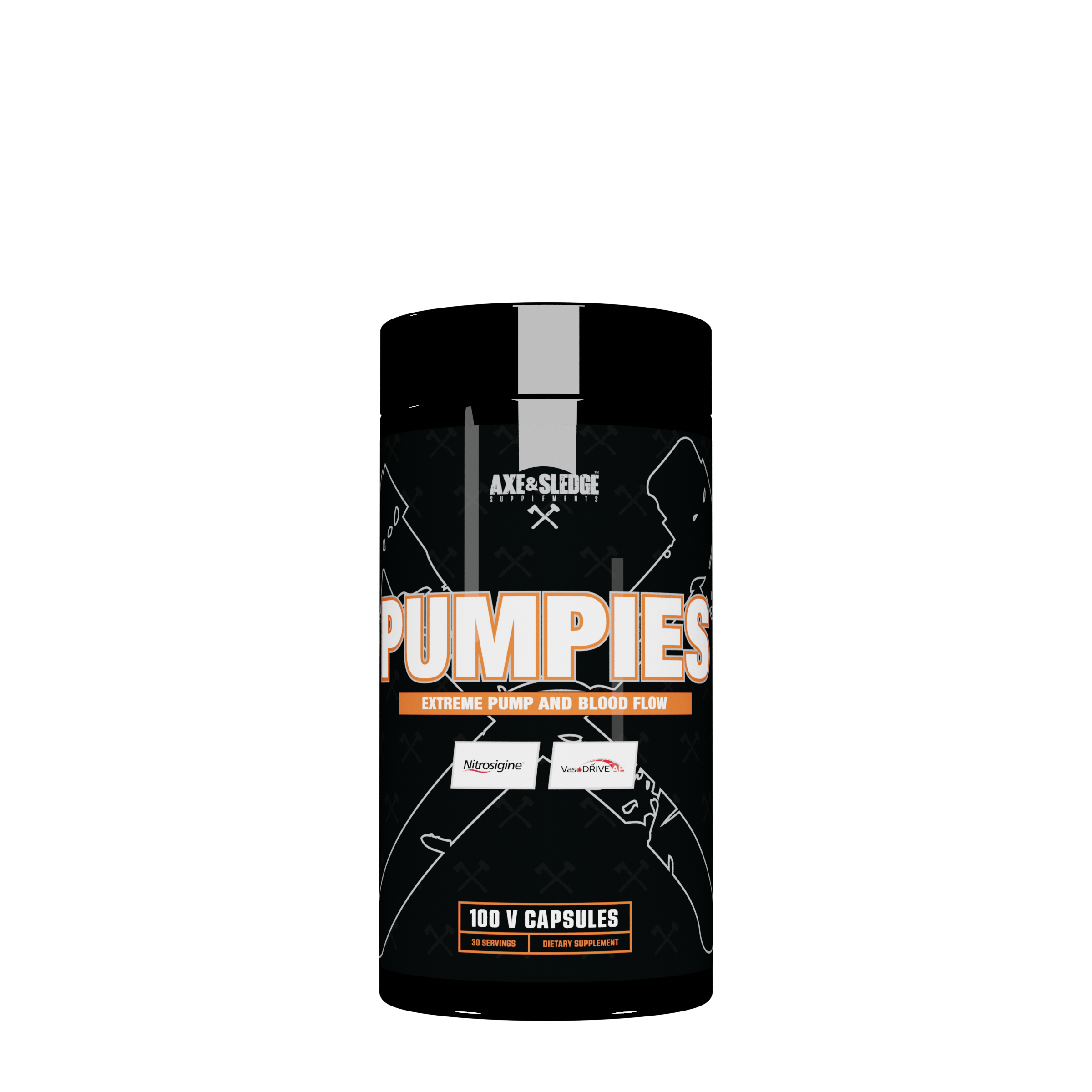 Axe & Sledge Supplements$49.99
-

-
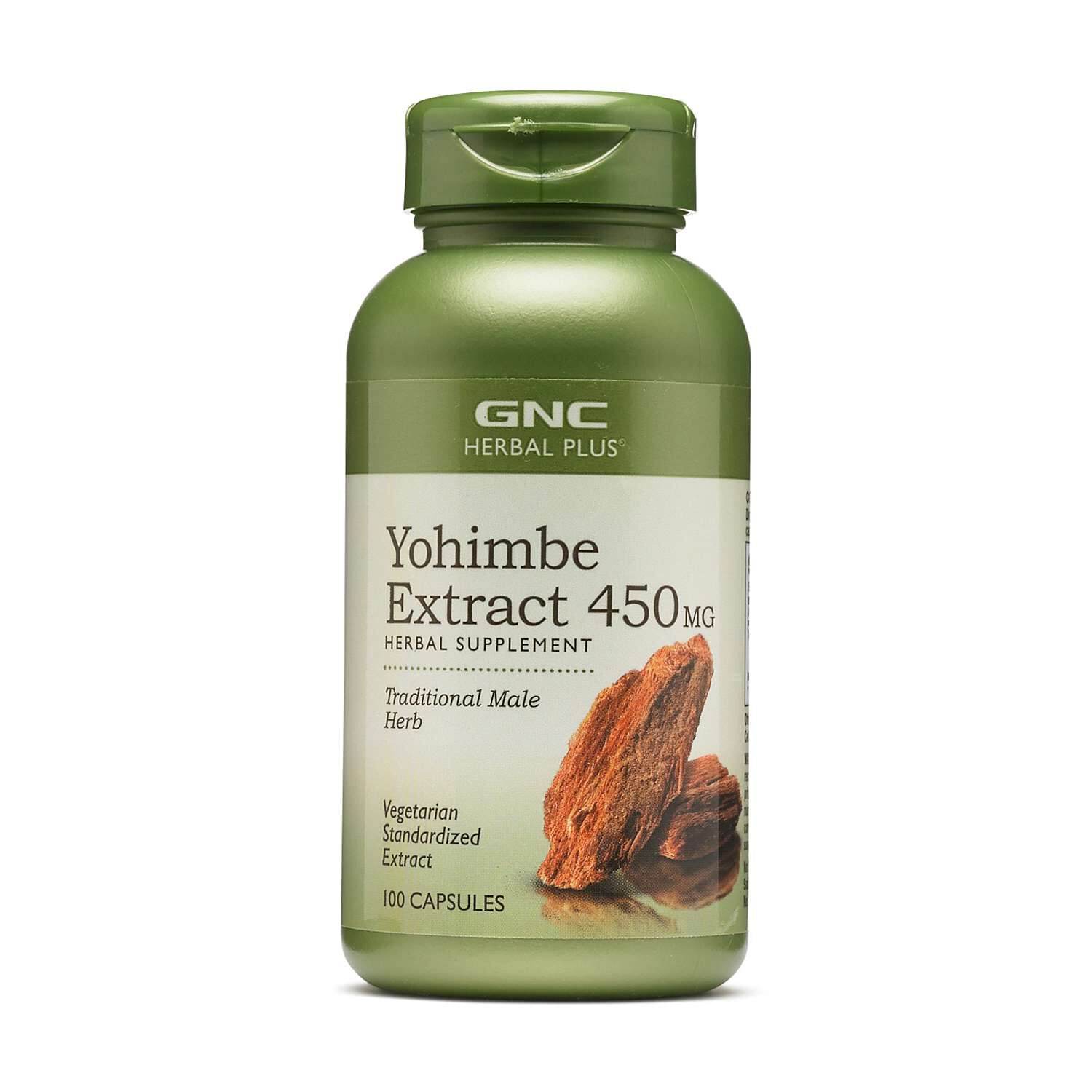
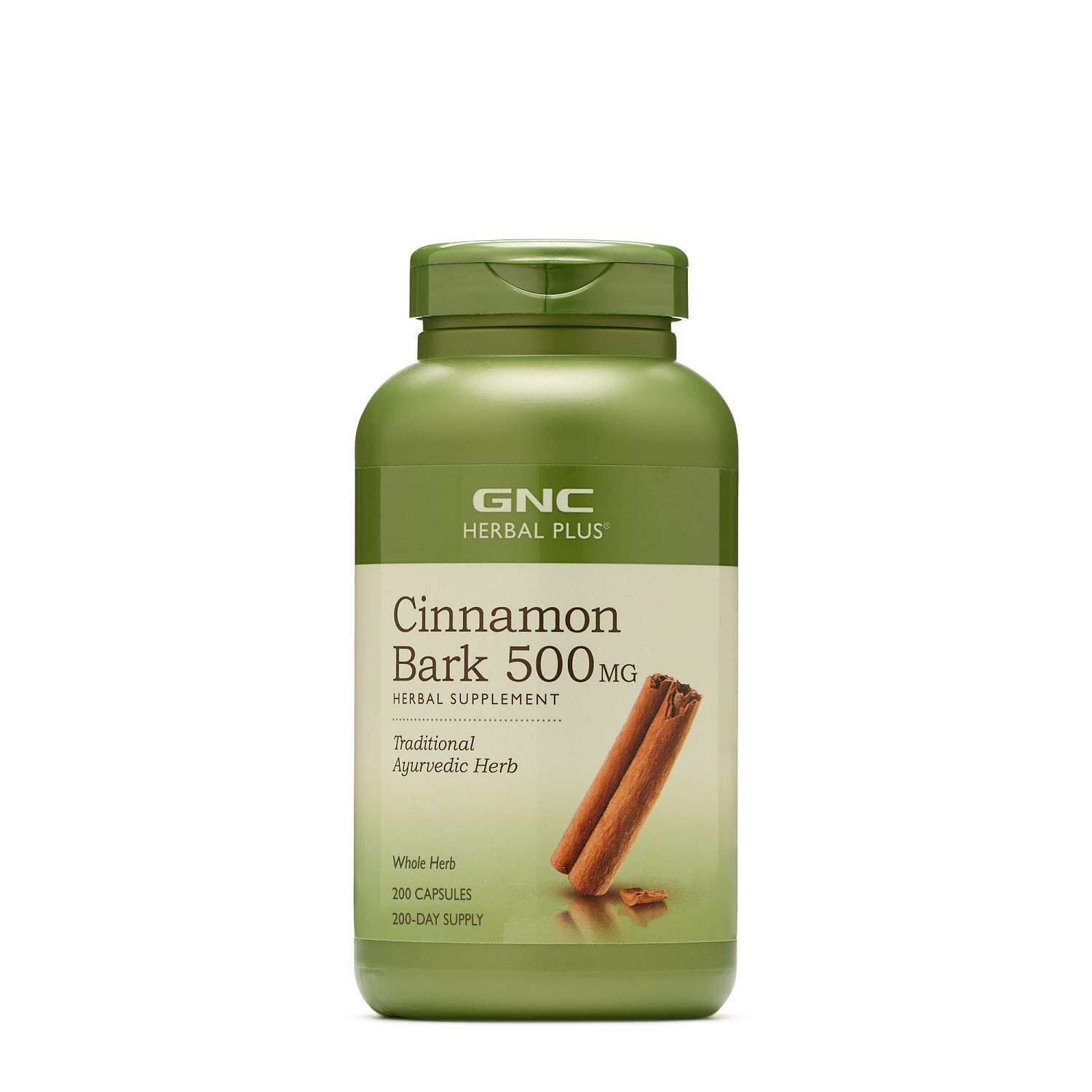
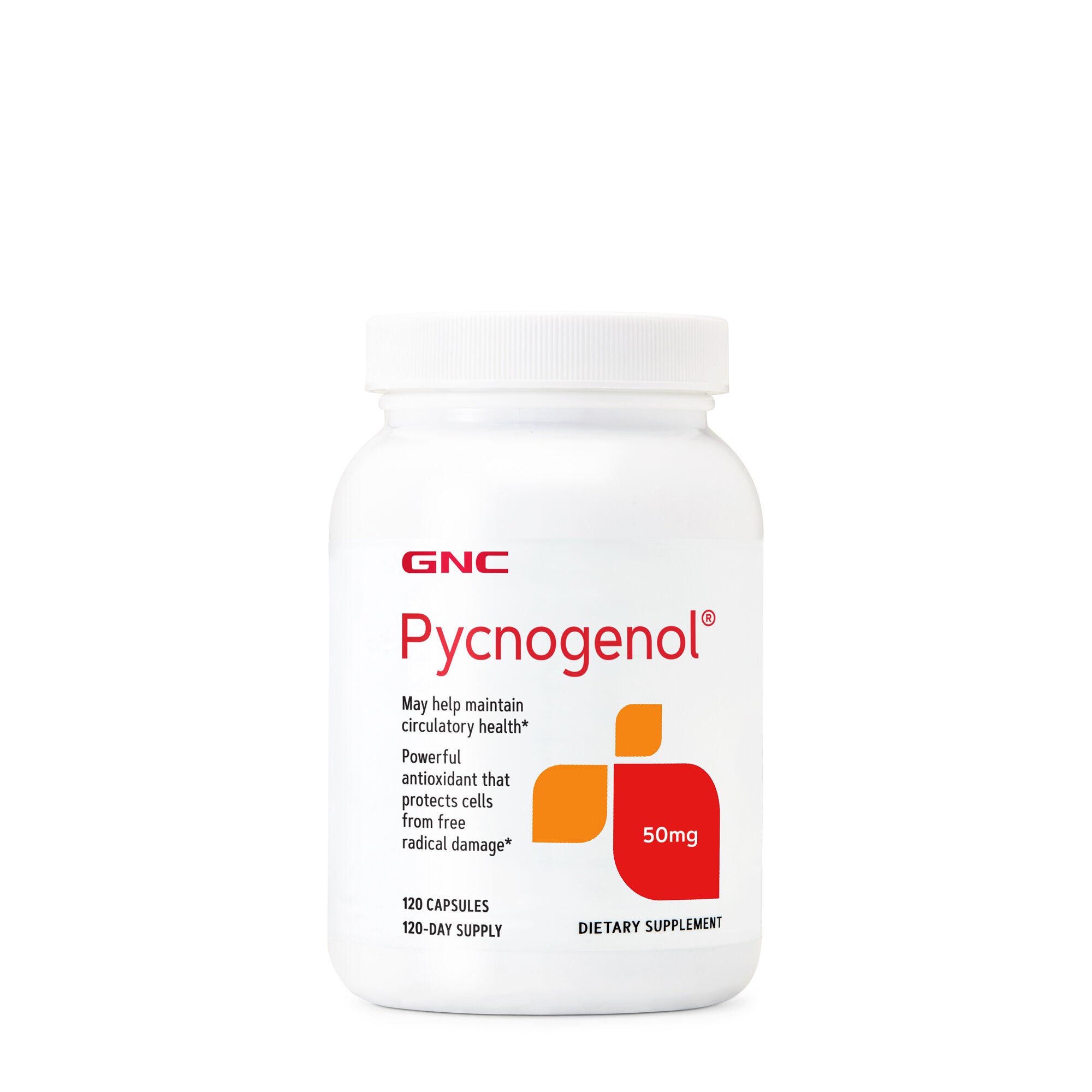
Bark capsules are dietary supplements made with bark-derived botanical ingredients, typically as dried powder, an extract, or a combination of the two. The name describes the plant part and capsule format, not a single ingredient or a uniform formula. Pine bark, cinnamon bark, and slippery elm bark are distinct botanicals, each with its own identity and preparation methods. Pine bark capsules often feature an extract, and a botanical name such as Pinus pinaster identifies the source species. Pine bark contains naturally occurring polyphenols, including proanthocyanidins, which may also appear in descriptions of an extract’s composition. Cinnamon bark capsules feature material from trees in the Cinnamomum genus; the species listed on the label helps distinguish one cinnamon ingredient from another. Slippery elm, identified botanically as Ulmus rubra, is associated with preparations made from the tree’s inner bark. These differences matter because a shared capsule format does not make the ingredients interchangeable. Whole-bark powder is generally produced by drying and milling the bark, while an extract involves processing that separates selected constituents from the starting material. Extract descriptions sometimes include a ratio or a stated percentage of a particular compound. Those details describe different aspects of the ingredient and should be read alongside the amount listed per serving. A larger milligram number alone does not establish that one formula is more concentrated or more appropriate than another. The amount of raw botanical material, the extraction method, and the composition of the finished ingredient all contribute to the distinction. For adults comparing bark supplements, the most useful starting point is the exact botanical name, the plant part used, and whether the contents are powder or extract. This makes a broad category easier to understand without treating every bottle labeled with the word “bark” as the same kind of supplement. It also helps separate familiar plant names from the more precise ingredient descriptions printed on the label.
The capsule itself is another part of the comparison. A bark supplement includes both the botanical filling and the shell surrounding it, along with any other listed ingredients used in manufacturing. Shells may be made from gelatin or plant-derived materials such as cellulose, so a botanical filling does not automatically mean the entire capsule meets a vegetarian preference. The other-ingredients section identifies shell materials and additional components, while dietary statements and allergen information offer further context for individual shopping preferences. A short ingredient list and a longer one describe different formulations; neither length alone establishes the quality or suitability of the contents. Single-botanical capsules center on one named plant ingredient, whereas blended formulas combine bark with other botanicals or nutrients. With a blend, the front label may highlight bark even though the Supplement Facts panel includes several ingredients, making that panel especially useful for understanding the formula. Serving size deserves the same attention. The amount printed prominently on a package may refer to a serving containing more than one capsule rather than to each capsule individually. Comparing bottles therefore involves matching the serving size to the stated ingredient amount and distinguishing capsule count from the number of servings. Capsule dimensions, shell type, and the manufacturer’s directions are also relevant to how the format fits an established routine. Someone accustomed to measuring loose botanical powder may prefer the portioned format of capsules, while another shopper may prioritize a particular shell material or a formula centered on one bark ingredient. Neither preference changes the importance of the botanical identity. A person searching specifically for pine bark extract, for example, is looking at a different ingredient from someone seeking cinnamon bark powder. Keeping the ingredient, preparation, and capsule construction in view creates a more meaningful comparison than relying on bottle size, label imagery, or a familiar plant name alone.
Packaging and everyday handling round out the practical details of bark capsules. The original container keeps the ingredient list, serving information, storage directions, lot identification, and expiration date together in one place. A readable label is particularly helpful when several supplement bottles share similar colors or botanical illustrations. For someone organizing a cabinet or packing a travel bag, the distinction between a pine bark extract and a cinnamon bark formula should remain easy to recognize without relying on the appearance of the capsules. If capsules are transferred to an organizer, retaining the original packaging preserves access to those details. Storage instructions vary by formula, but keeping the container closed and protecting its contents from moisture are common considerations. A bathroom shelf near a shower or an open bottle beside a kitchen sink exposes the packaging to conditions quite different from a dry cabinet. Capsule shells and powdered contents also have different physical characteristics, so exterior appearance is not a substitute for the printed ingredient information or handling directions. These are supplements rather than culinary seasonings, even when the botanical name is familiar from a pantry, and their intended use is described by the manufacturer’s labeling. For adults browsing botanical supplements more broadly, Strong Herb Capsules offers a related category to explore while keeping the same attention on plant identity, preparation, and serving information. Bark is only one plant part used in botanical formulas; other categories may feature roots, leaves, flowers, or seeds. That distinction gives useful context to the word “herbal,” which encompasses many ingredients rather than one consistent preparation. Within bark capsules, the clearest description remains specific: the named tree species, the bark portion when identified, the powder or extract form, the amount per serving, and the capsule materials. Together, those details describe what is in the bottle and how it is packaged, giving the category substance beyond a general botanical label.
Best Sellers
-
GNC Herbal Plus
-
GNC Herbal Plus
-
GNC Herbal Plus


