





BCAA Supplements For Athletes
(0 Results)
BCAA supplements for athletes are a popular choice for those looking to support their training routines and active lifestyles. Whether you’re focused on endurance, strength, or recovery, these supplements might fit seamlessly into your daily regimen. Explore a wide variety of options designed with athletes in mind and find the BCAA supplements that could align with your fitness goals.

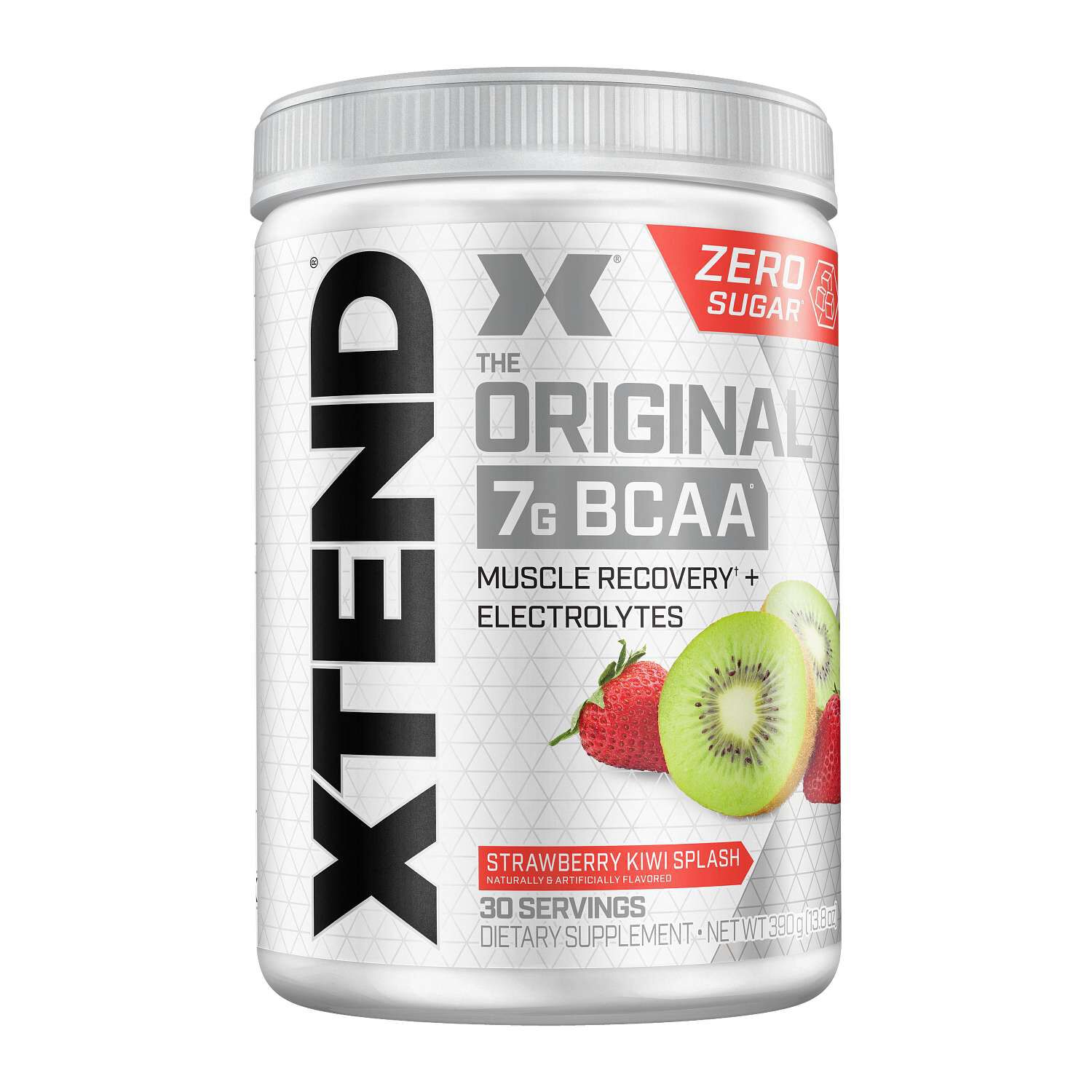
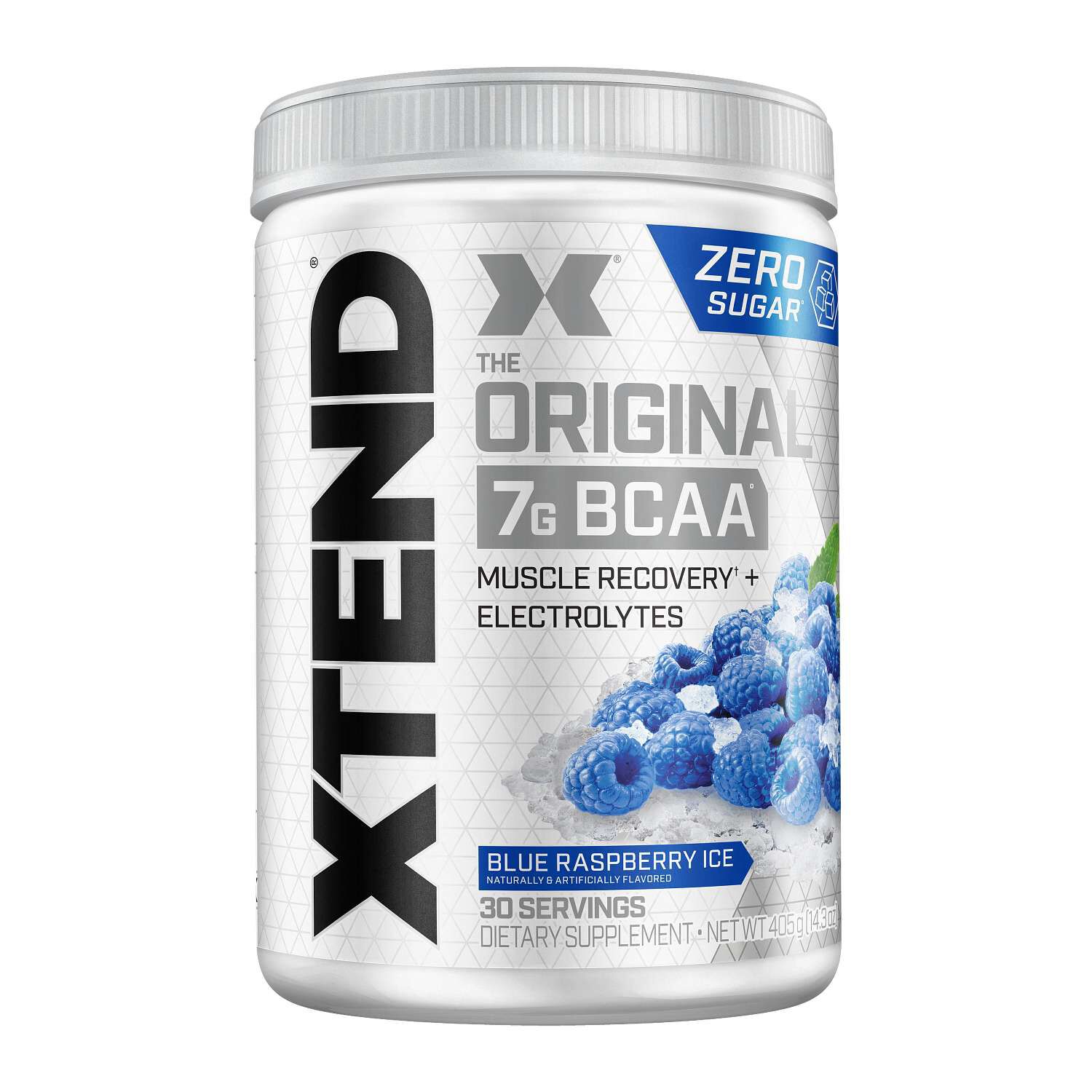
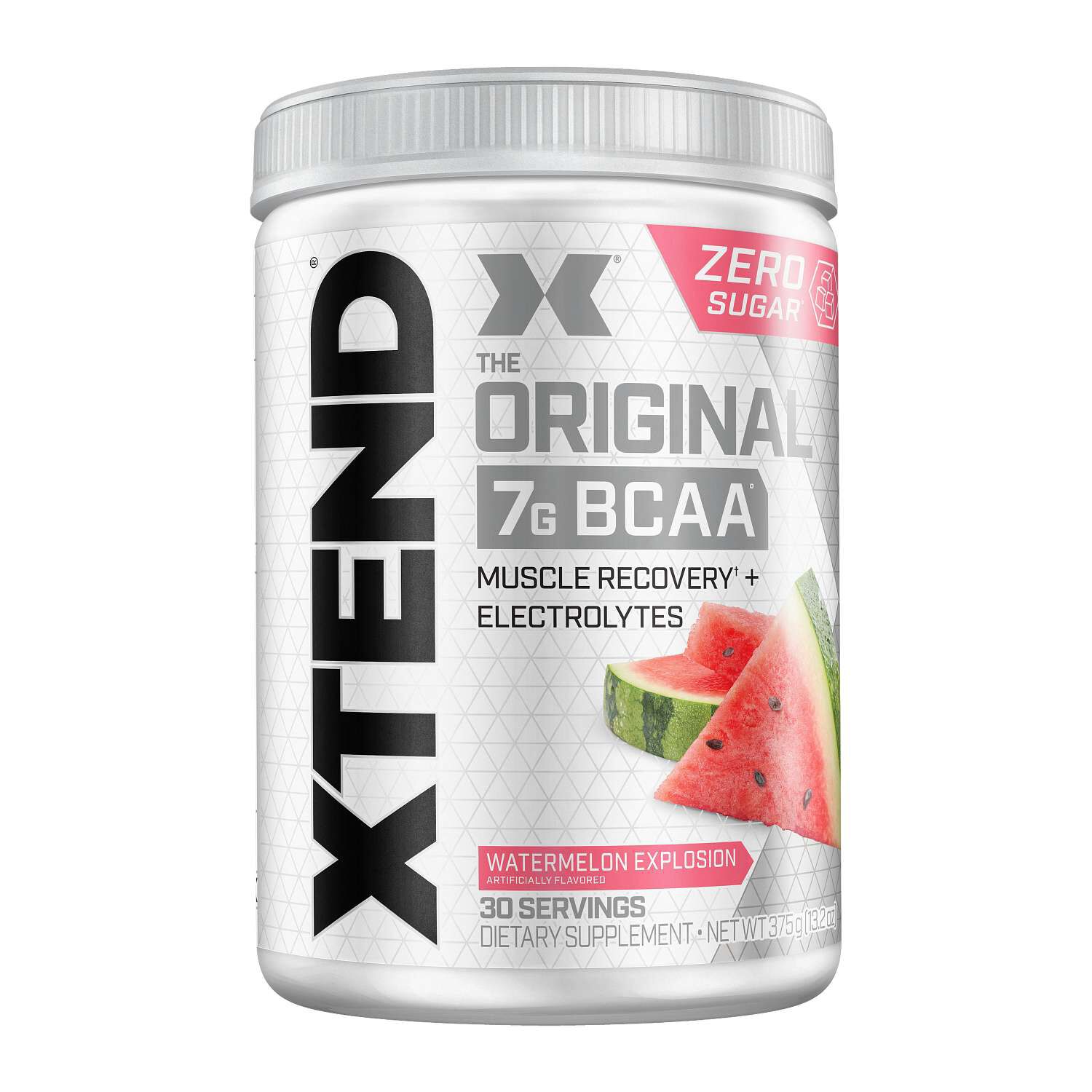
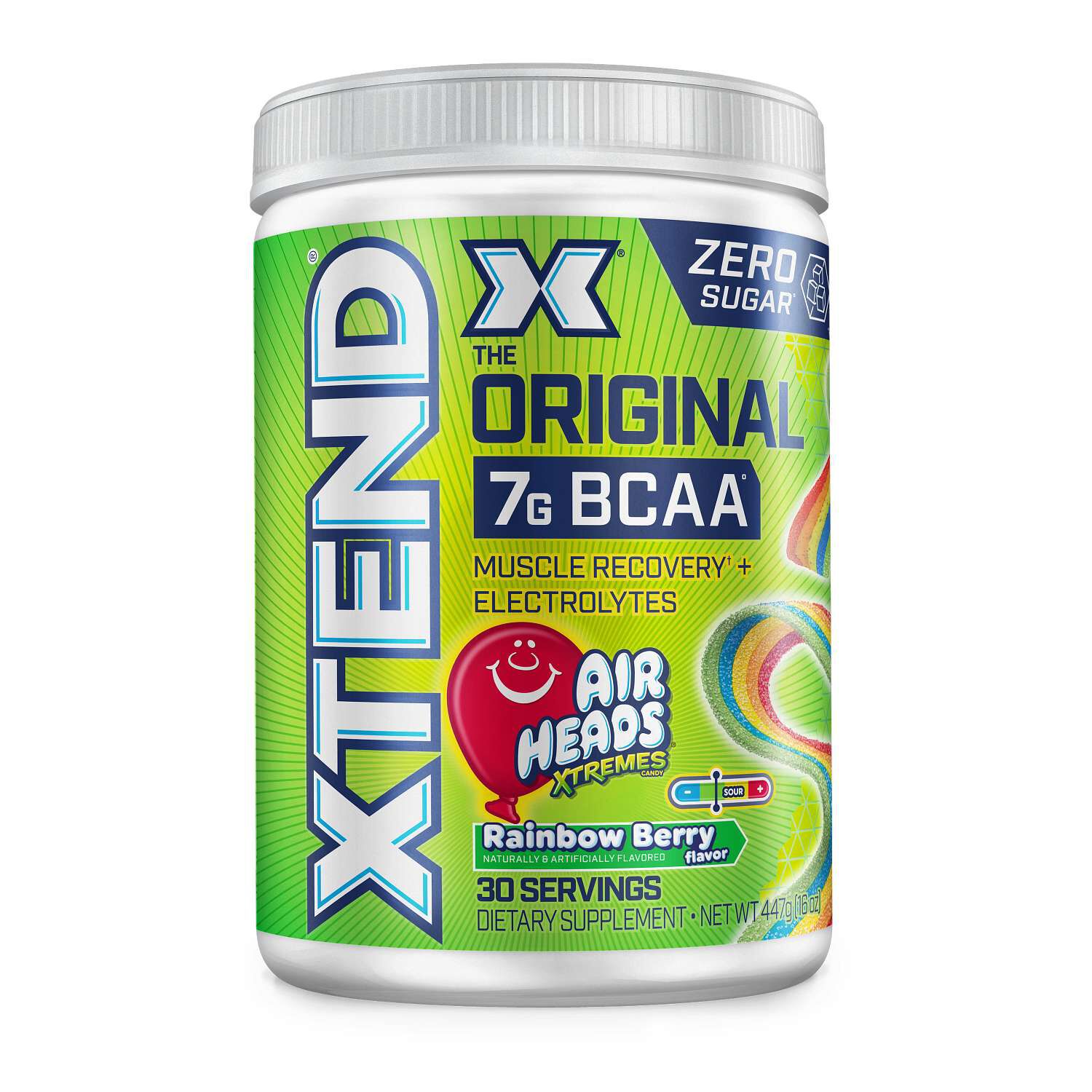
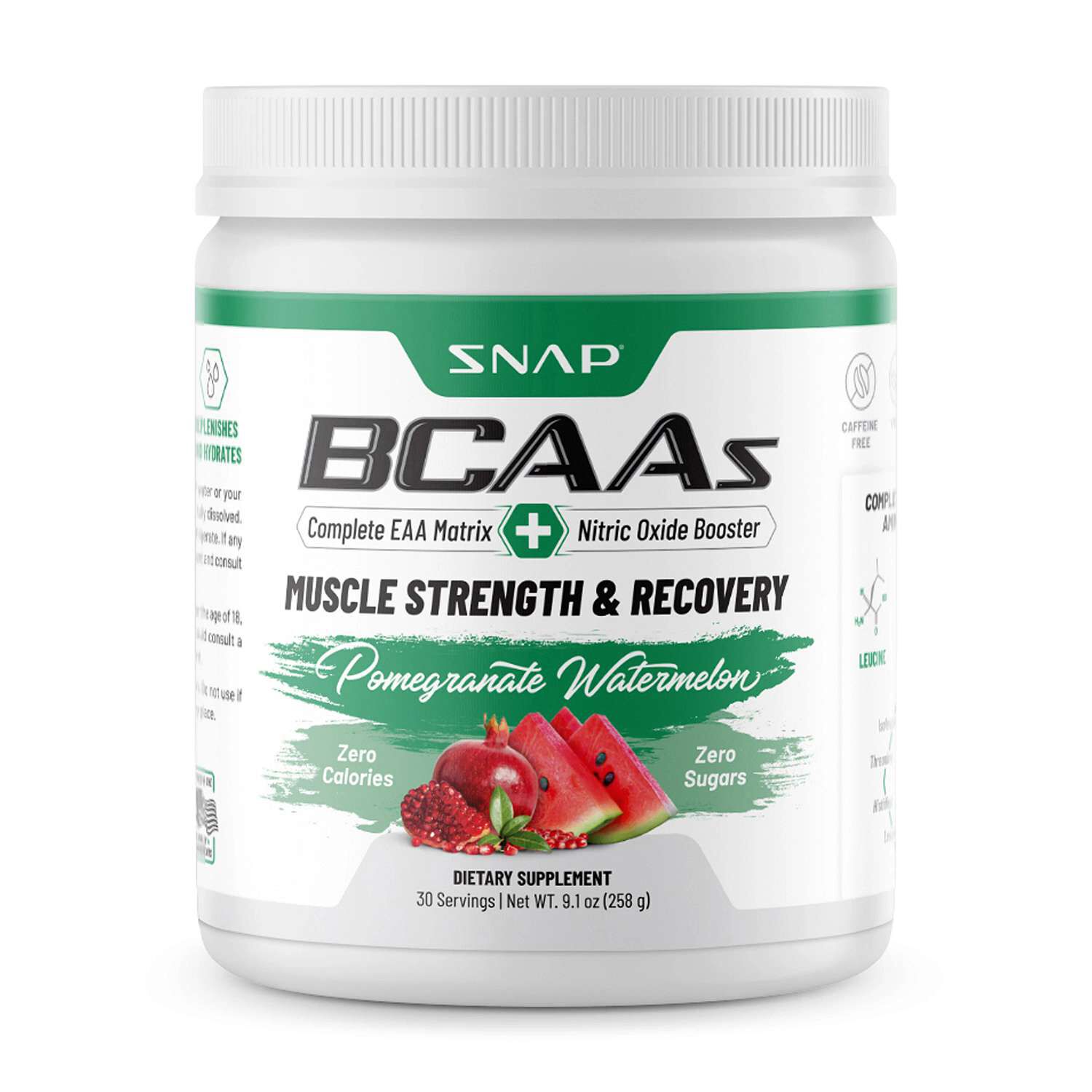

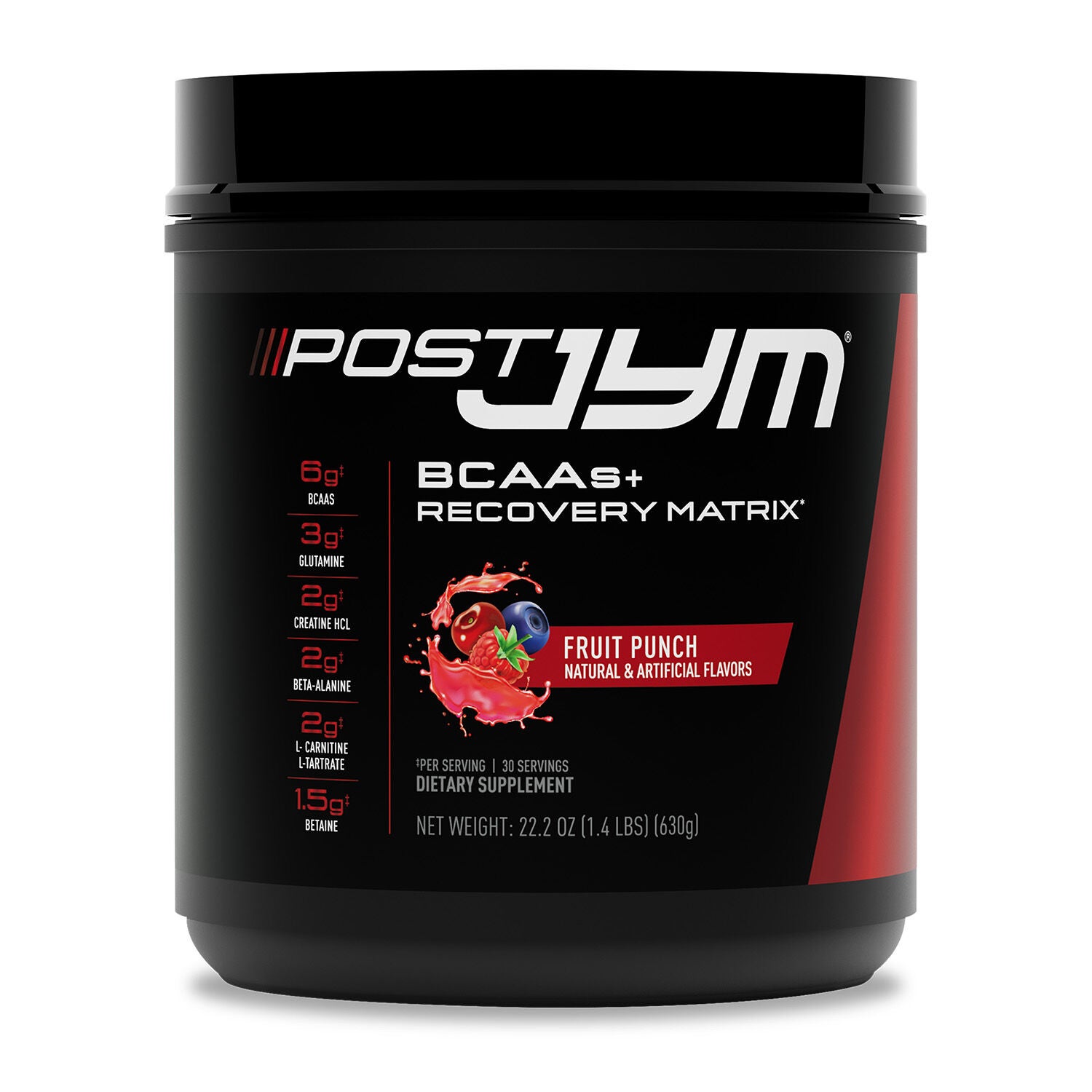
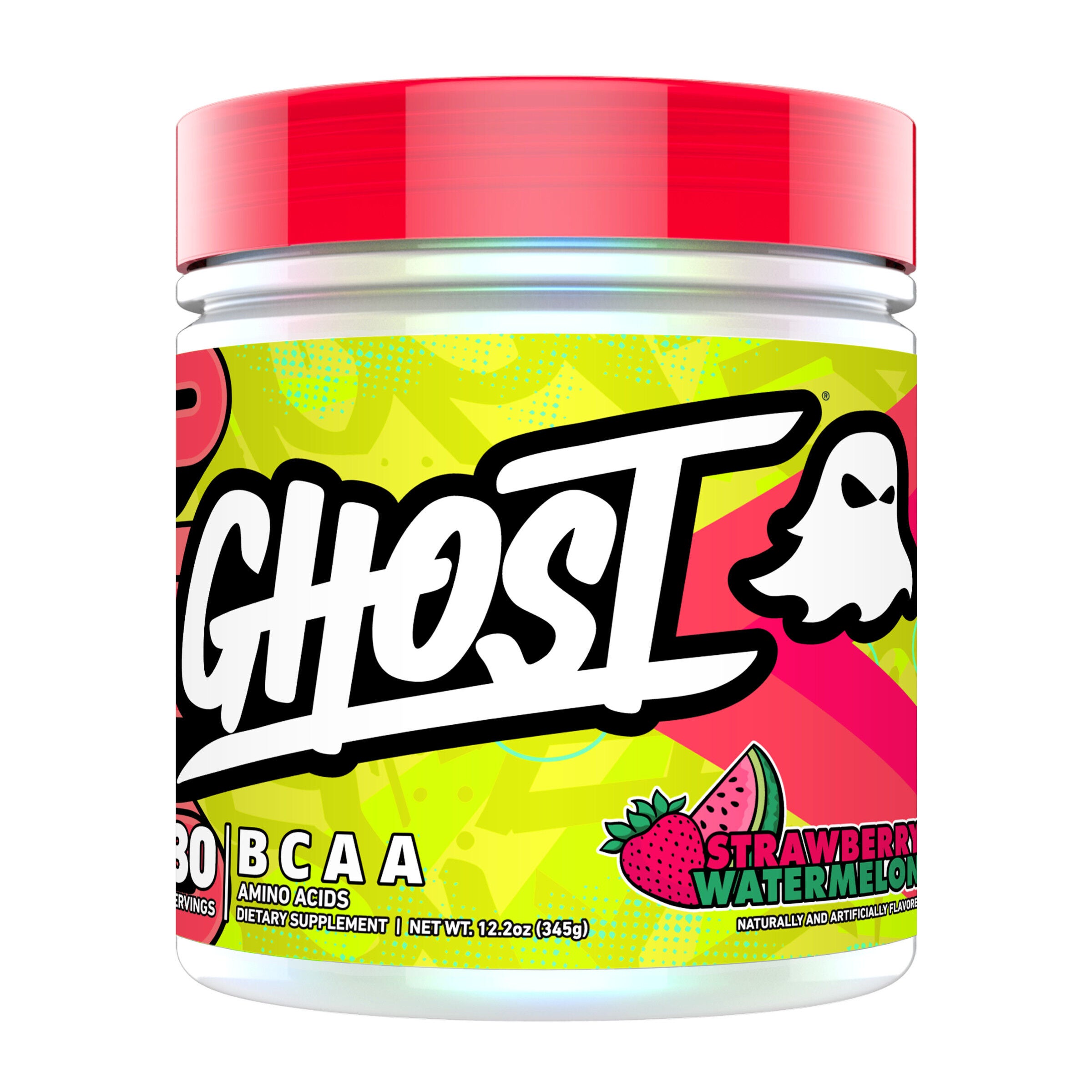
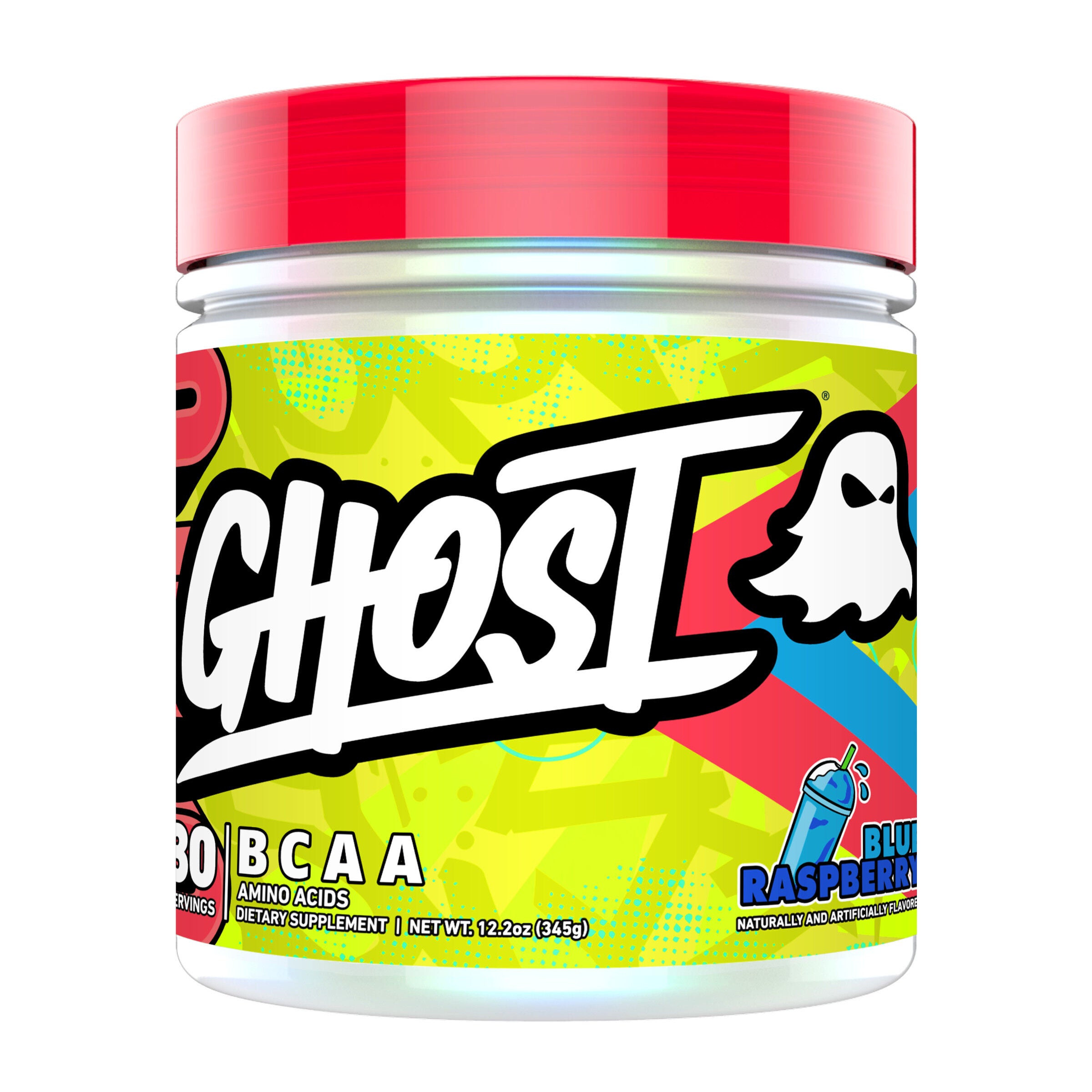
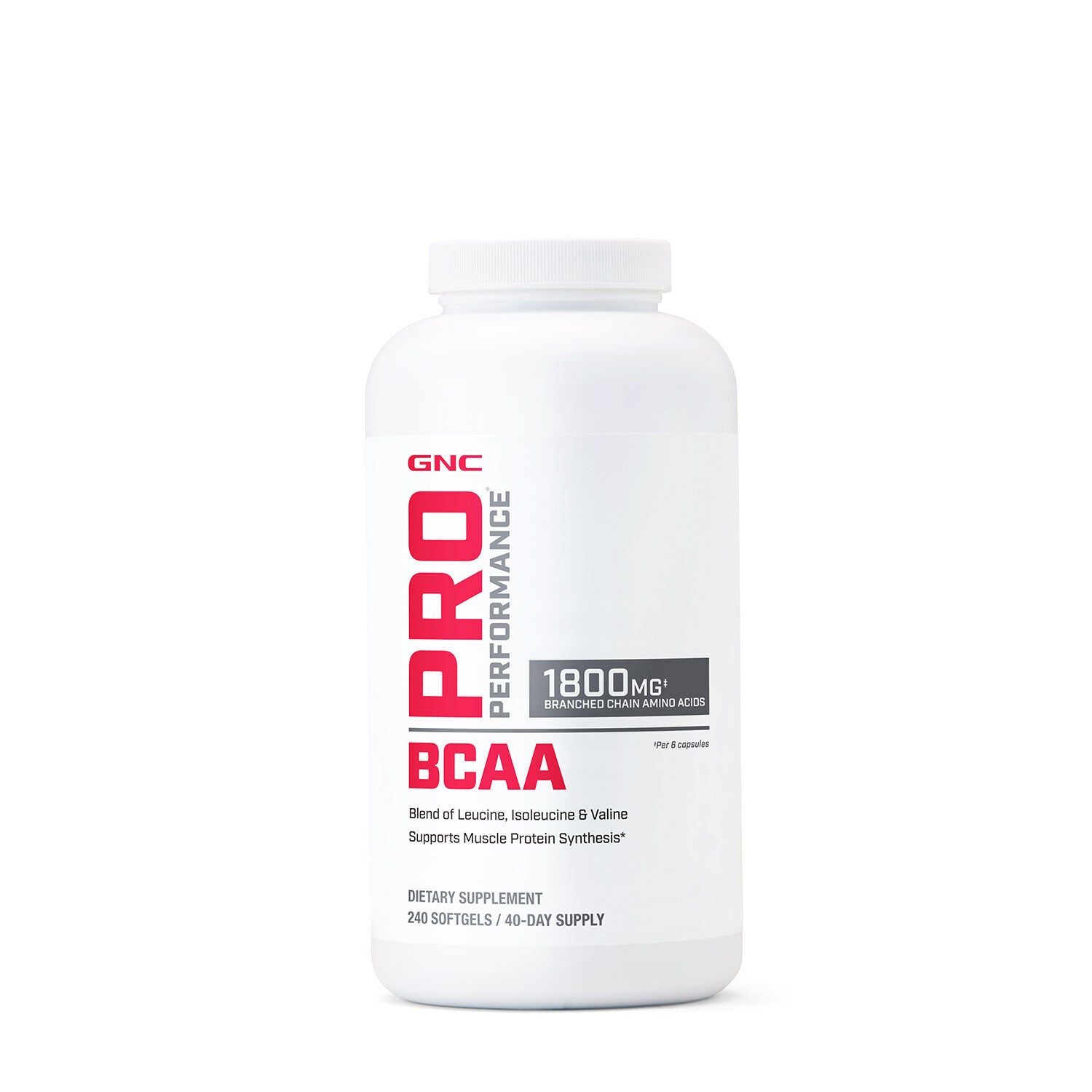
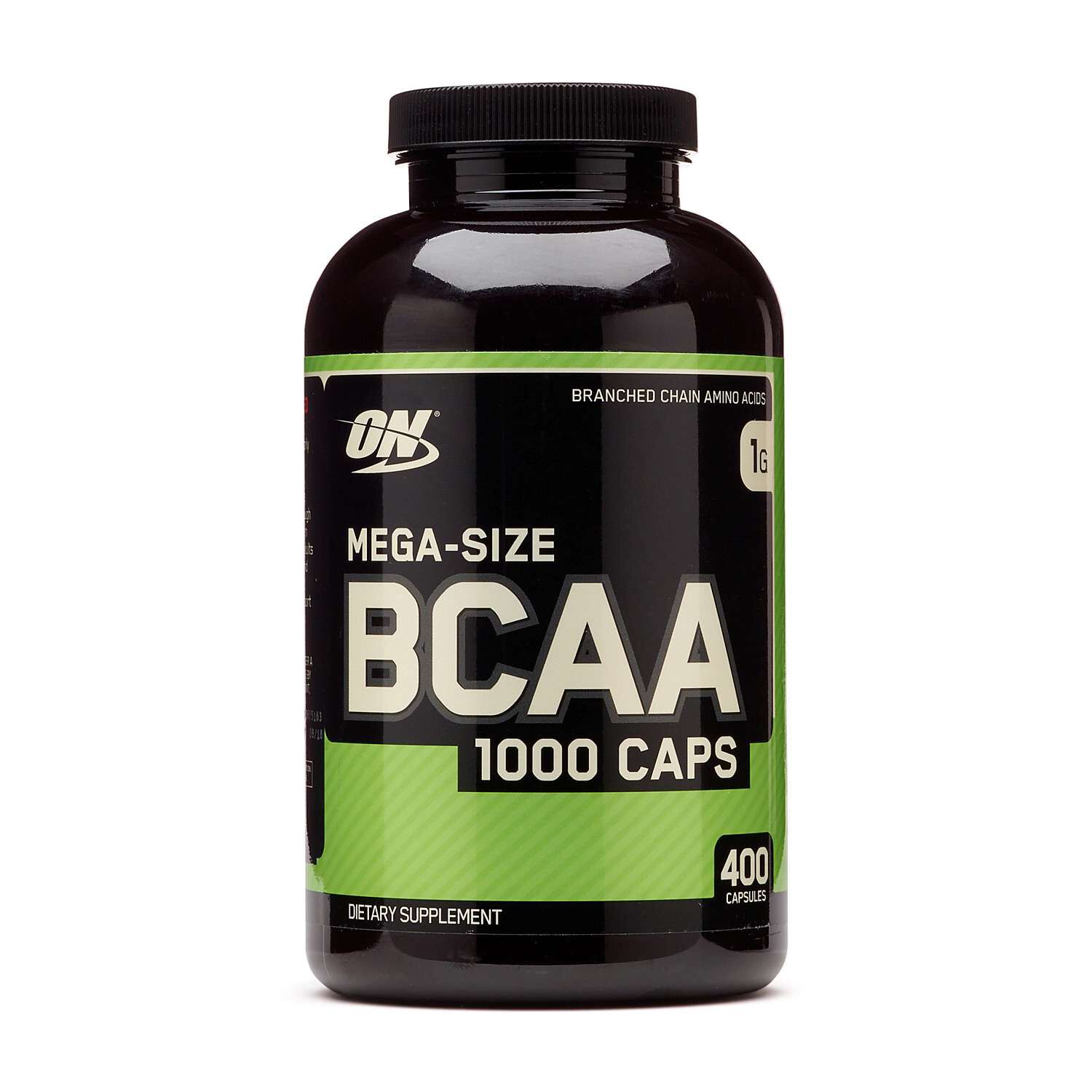


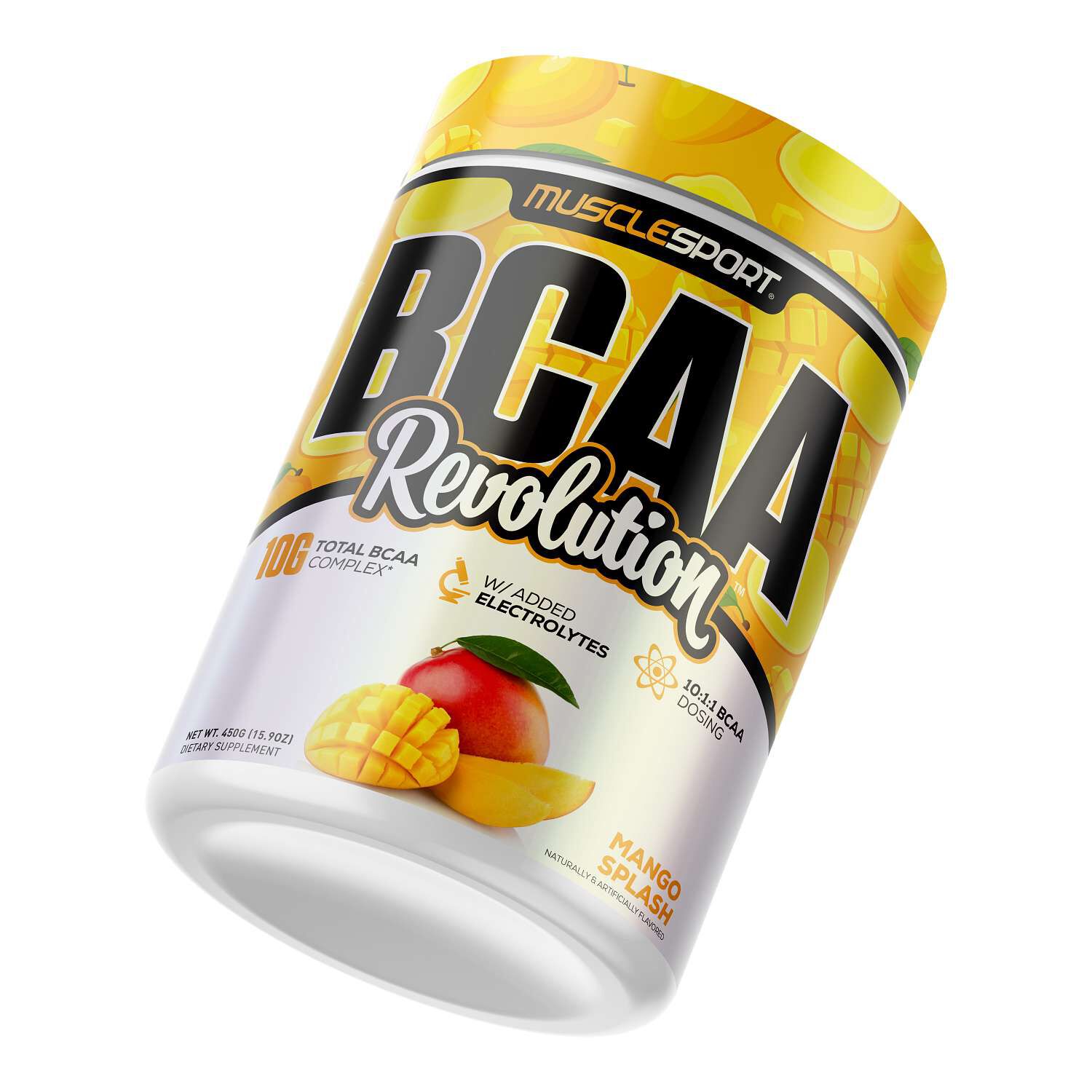
BCAA supplements for athletes center on three branched-chain amino acids: leucine, isoleucine, and valine. These amino acids occur naturally in protein-containing foods, and the body must obtain them through food or supplements because it does not make them on its own. In sports nutrition, BCAA powders, capsules, and tablets offer measured amounts of this trio in formats suited to different training routines. They are often considered by adults who lift weights, run, cycle, swim, or participate in team sports and want an amino acid option alongside their regular meals. A BCAA supplement may support muscle recovery after exercise, but its role depends on the broader diet, the demands of the activity, and the individual athlete. It is not a replacement for protein-rich food or a varied eating pattern. BCAAs represent three of the nine amino acids that must come from the diet; dietary proteins supply a wider range of amino acids. Eggs, dairy foods, meat, fish, soy, and combinations of plant proteins all belong in that broader nutrition picture. For someone already eating enough protein, adding BCAAs might offer little additional value, so more is not automatically better. The distinction between a BCAA supplement and a protein powder also matters: a BCAA formula highlights selected amino acids, while a protein powder generally provides a broader amino acid profile. Within an athlete’s routine, the appeal is often practical. A measured powder portion fits a shaker bottle headed to the gym, while capsules suit someone who prefers not to add another flavored drink to the day. Neither format determines training results. Workout consistency, balanced meals, and adequate rest remain important parts of the picture. These products occupy a specific place in sports nutrition rather than serving as a shortcut to a stronger lift, a faster mile, or a more demanding practice.
Differences among BCAA supplements extend beyond flavor and container size. The Supplement Facts panel identifies the serving size and the amount of each amino acid, details that matter more than the size of the scoop alone. A commonly seen 2:1:1 ratio refers to two parts leucine for every one part isoleucine and one part valine by weight. That ratio describes the formula; it does not establish that one product will produce better athletic results than another. Other ratios emphasize different proportions, making the actual listed amounts useful points of comparison. Some formulas contain only the three BCAAs, while others include additional amino acids, minerals, caffeine, or other ingredients. An athlete who also uses a pre-workout drink, protein powder, or multivitamin has a different purchasing context from someone choosing a single supplement. Ingredient overlap, serving directions, and personal dietary preferences all deserve attention. Powder formats bring their own practical details, including sweetness, flavor intensity, texture, and the amount of liquid specified for mixing. A strong fruit flavor may appeal after a lifting session but feel less appealing during a long practice, while an unflavored option has a different place in an established beverage routine. Capsule and tablet formats involve considerations such as serving count, capsule material, and whether the daily directions fit comfortably into an existing schedule. Dietary preferences also make ingredient sourcing, capsule shells, and allergen statements relevant. Packaging and care matter for powders carried between home, work, and the gym: a securely closed lid, a dry scoop, and storage according to the label help maintain suitable storage conditions. Exposure to moisture may change a powder’s texture, and leaving an open container in a damp gym bag is different from keeping it in a dry cabinet. Clearly printed directions, a readable date, and packaging suited to repeated use are practical details that matter long after the first serving.
For athletes who compete under organized sport rules, supplement selection also involves the requirements of their governing organization. Independent sport-focused certification, where present, offers information about testing beyond the ingredient list, though testing programs differ in scope. Certification details belong alongside the exact formula and serving information rather than replacing a careful reading of the label. Product testing and evidence of athletic benefit are separate considerations. A supplement’s suitability for competition does not establish that it will improve strength, endurance, or recovery. Everyday convenience is another consideration, especially when training shares space with work, school, and travel. A recreational lifter heading from an office to an evening session may prefer a format that fits neatly beside a shaker bottle and a change of clothes. A runner who already carries several beverages may prefer fewer flavors in the routine. A team athlete packing for an away game may place more importance on a securely sealed container, readable labeling, and a format that travels neatly. These are differences in intended use, not reasons to expect a particular outcome. Timing is similarly individual: BCAA products are used around exercise, but directions vary by formula, and the surrounding pattern of meals and protein intake matters more than treating any single moment as decisive. The right fit is a product format that makes sense within the athlete’s established nutrition habits, with serving instructions that are clear and ingredients that match personal preferences. For a broader look at this category beyond structured athletic training, BCAA Supplements For Healthy Living offers a related shopping focus. Across both contexts, the most useful distinctions remain concrete: which amino acids are included, how much is provided per serving, what else is in the formula, and how the format fits daily life. Those details keep the choice grounded in the product itself rather than ambitious language about what a supplement might accomplish.
What are BCAA supplements?
BCAA supplements typically contain branched-chain amino acids, which include leucine, isoleucine, and valine. These are amino acids that the body may use in various ways during exercise and recovery.
When do athletes usually take BCAA supplements?
Athletes might choose to take BCAA supplements before, during, or after workouts, depending on their individual routines and preferences.
Are there different forms of BCAA supplements available?
Yes, BCAA supplements can come in several forms such as powders, capsules, and tablets to suit different preferences.
Can BCAA supplements be mixed with other workout products?
Many people choose to mix BCAA powders with water or combine them with other workout products like pre-workout or post-workout drinks.
Do BCAA supplements have flavors?
BCAA supplements are often available in a variety of flavors, making it easy for athletes to find an option that suits their taste.
Best Sellers
Related Pages
Top Collections
- Zinc Supplements | Top Brands at Great Prices | GNC
- Cortisol Supplements
- Joint Mobility Supplement Packs
- NAD+ Supplement Tablets
- Best Brand of Magnesium Glycinate
- Top Rated Collagen | Shop Customer Favorites | GNC
- Iron Supplements
- Peptide Supplements
- Protein Powders For Muscle Growth Support
- Vitamins That Help Support Weight Gain