

Beauty Supplements For College Students
(0 Results)
Beauty supplements for college students could be a convenient addition to your daily routine, supporting your wellness goals as you navigate busy schedules and campus life. Balancing classes, studying, and extracurricular activities might make it challenging to focus on self-care, but incorporating targeted supplements may help you prioritize your beauty and well-being from within. Explore options designed to fit seamlessly into student life and discover how beauty supplements for college students could complement your personal care journey.
-
-

-

-
-

-

-
 Purity Products$19.99
 -
 Angry Supplements$24.99
 -
 $14.99
 -
-

-
-

-
-
-
-
-

-
-

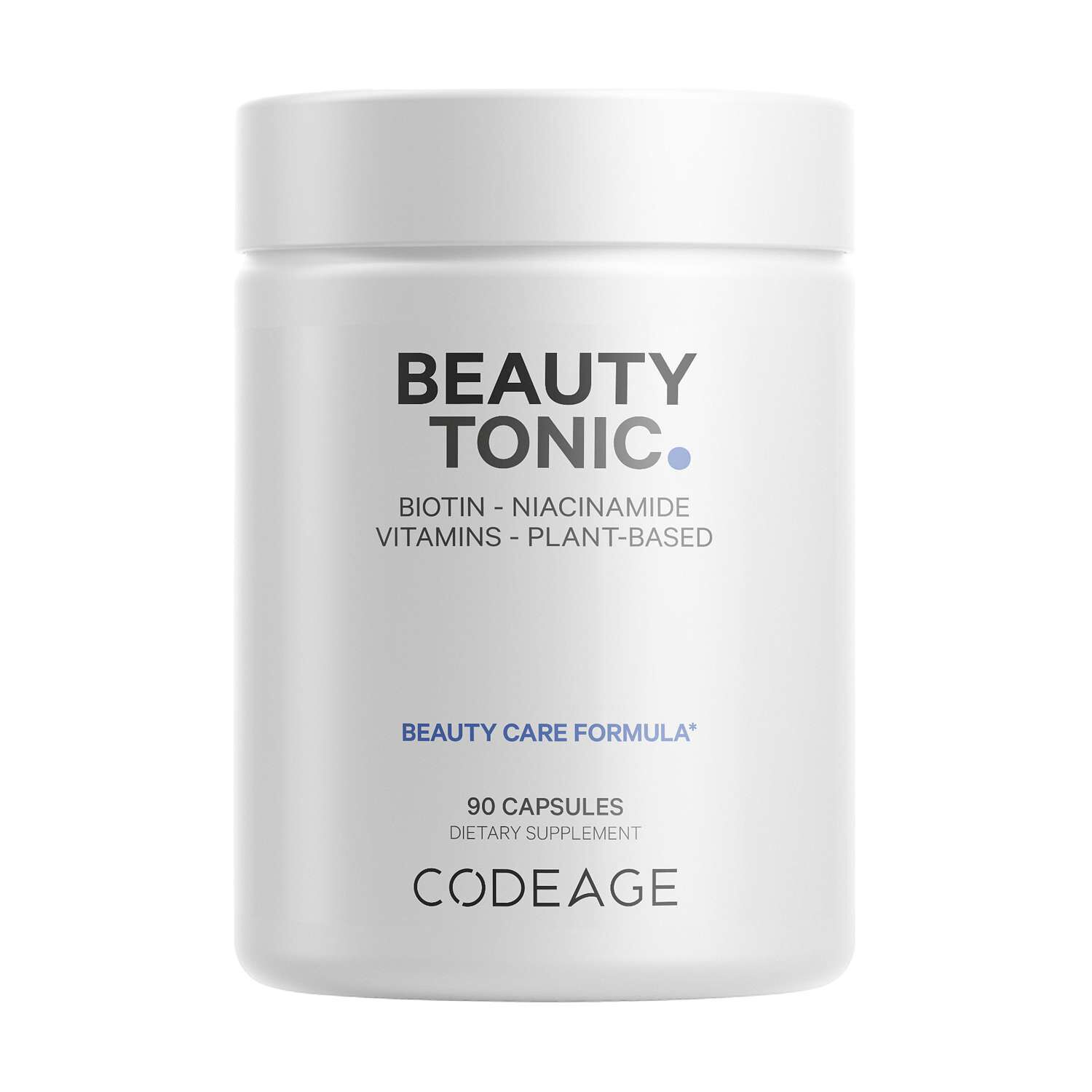
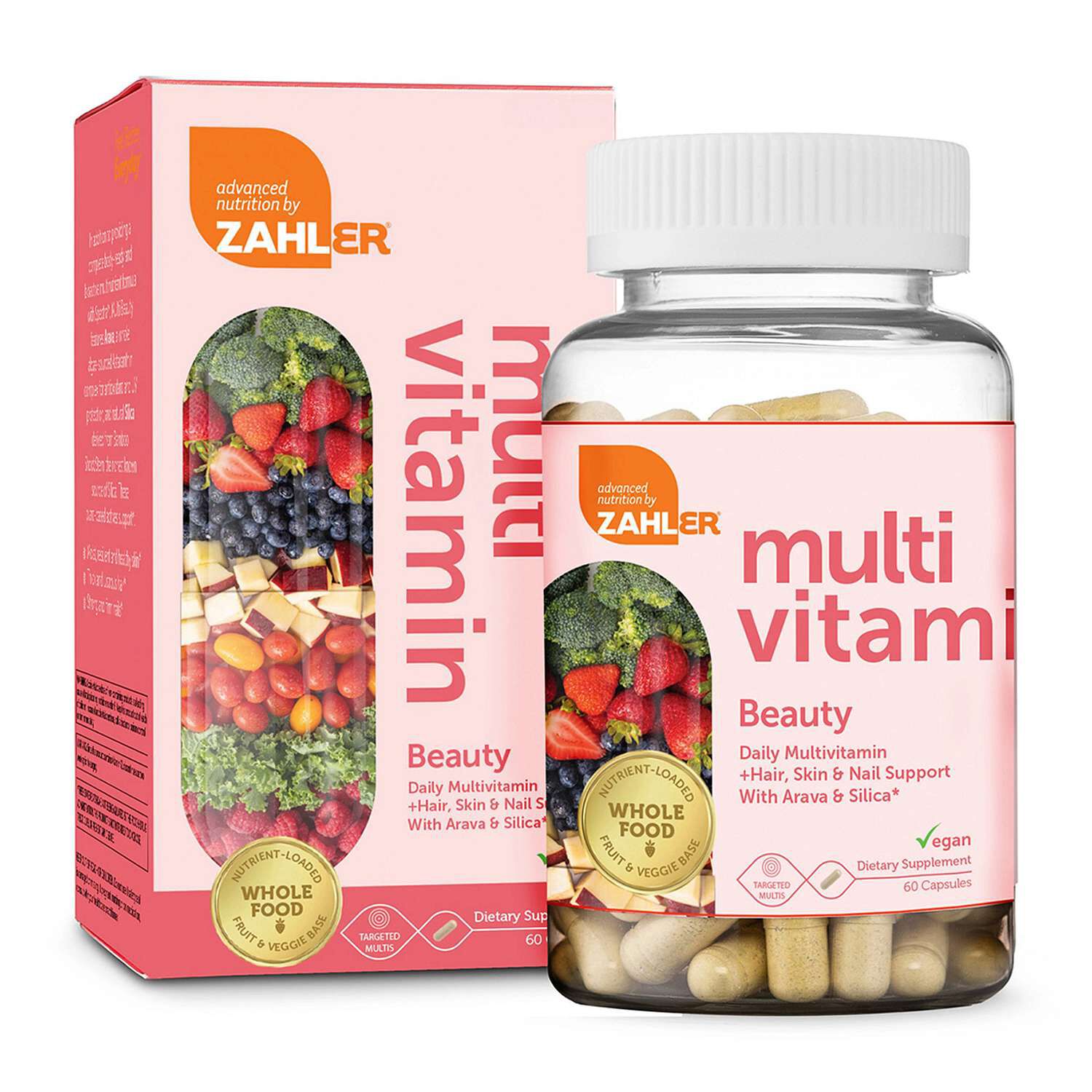
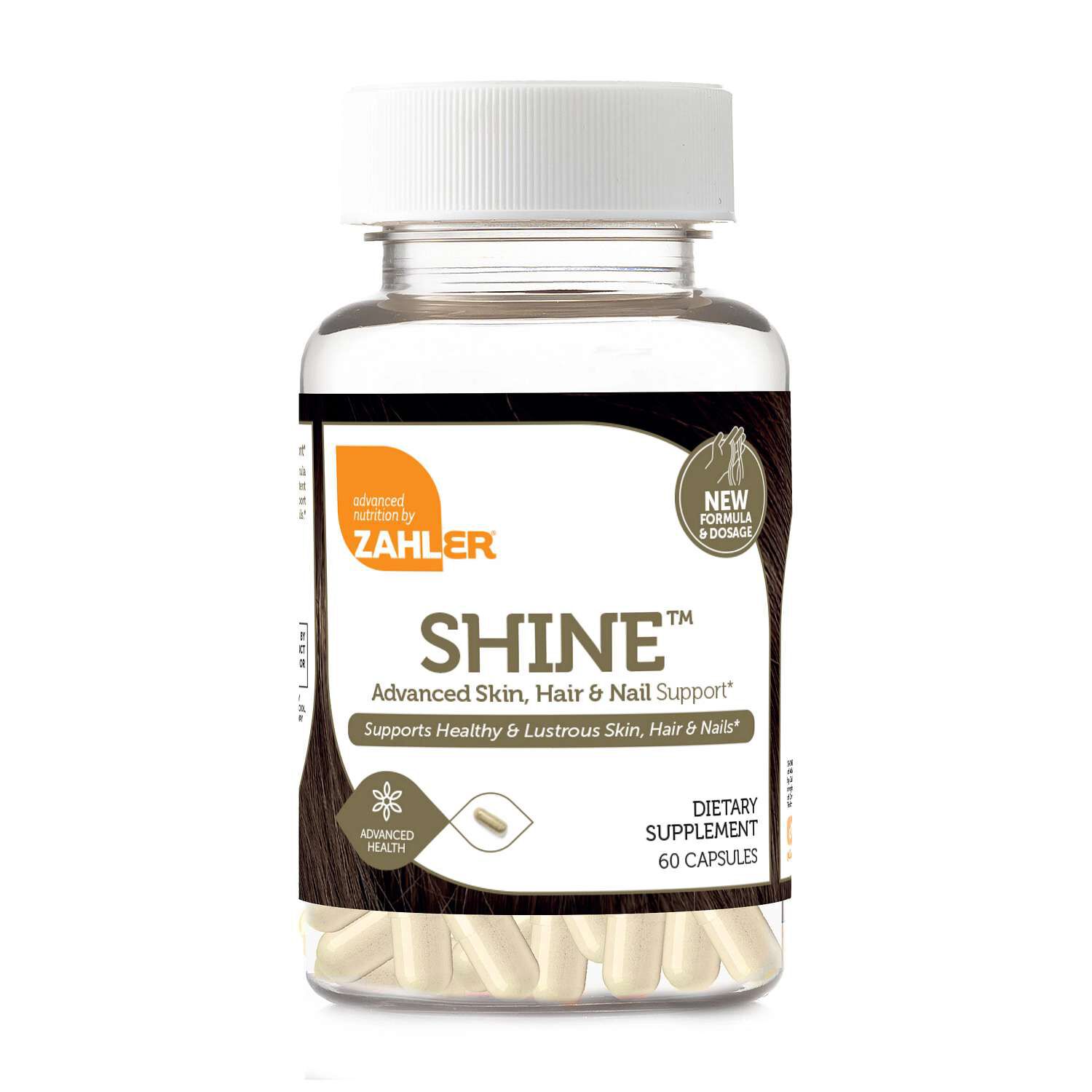
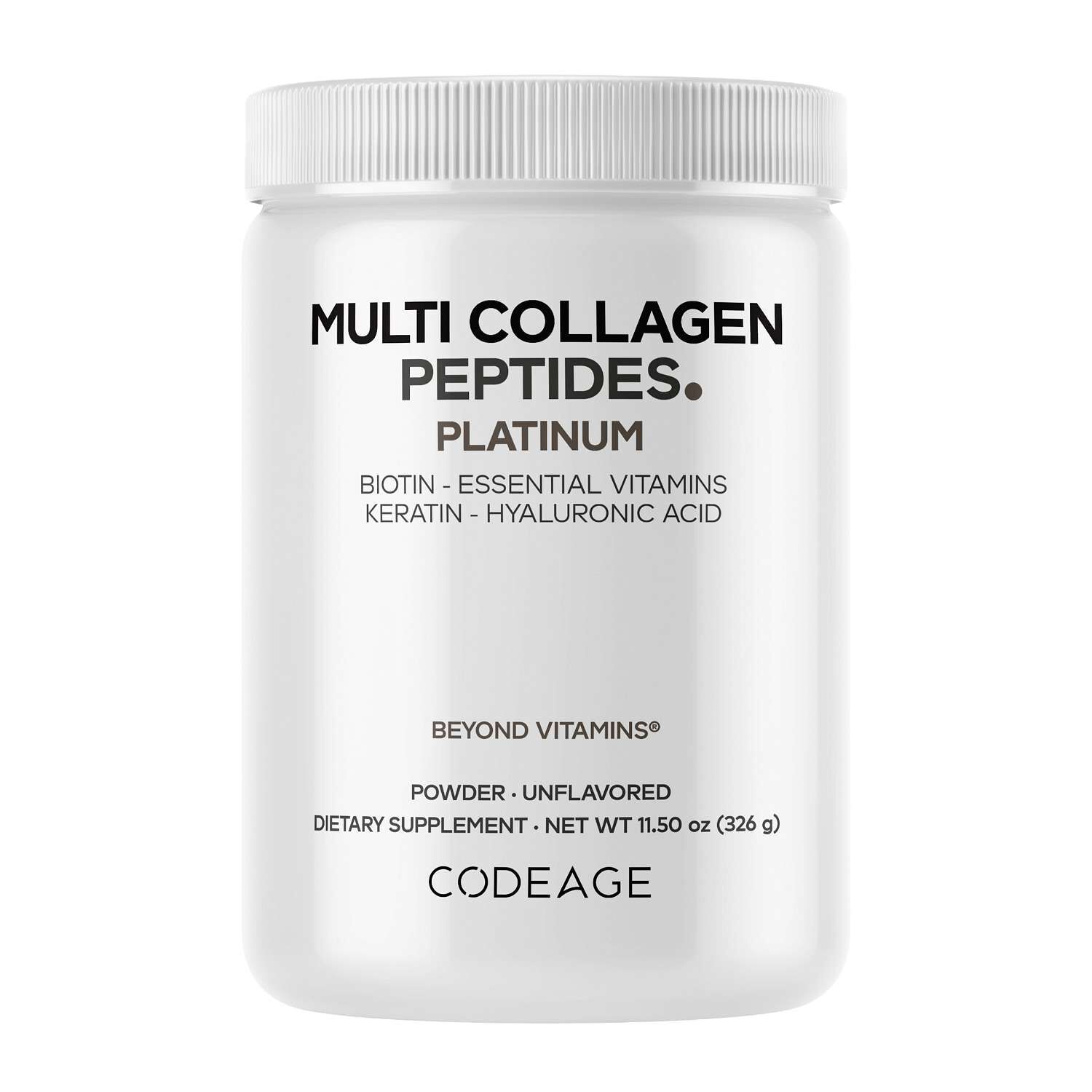
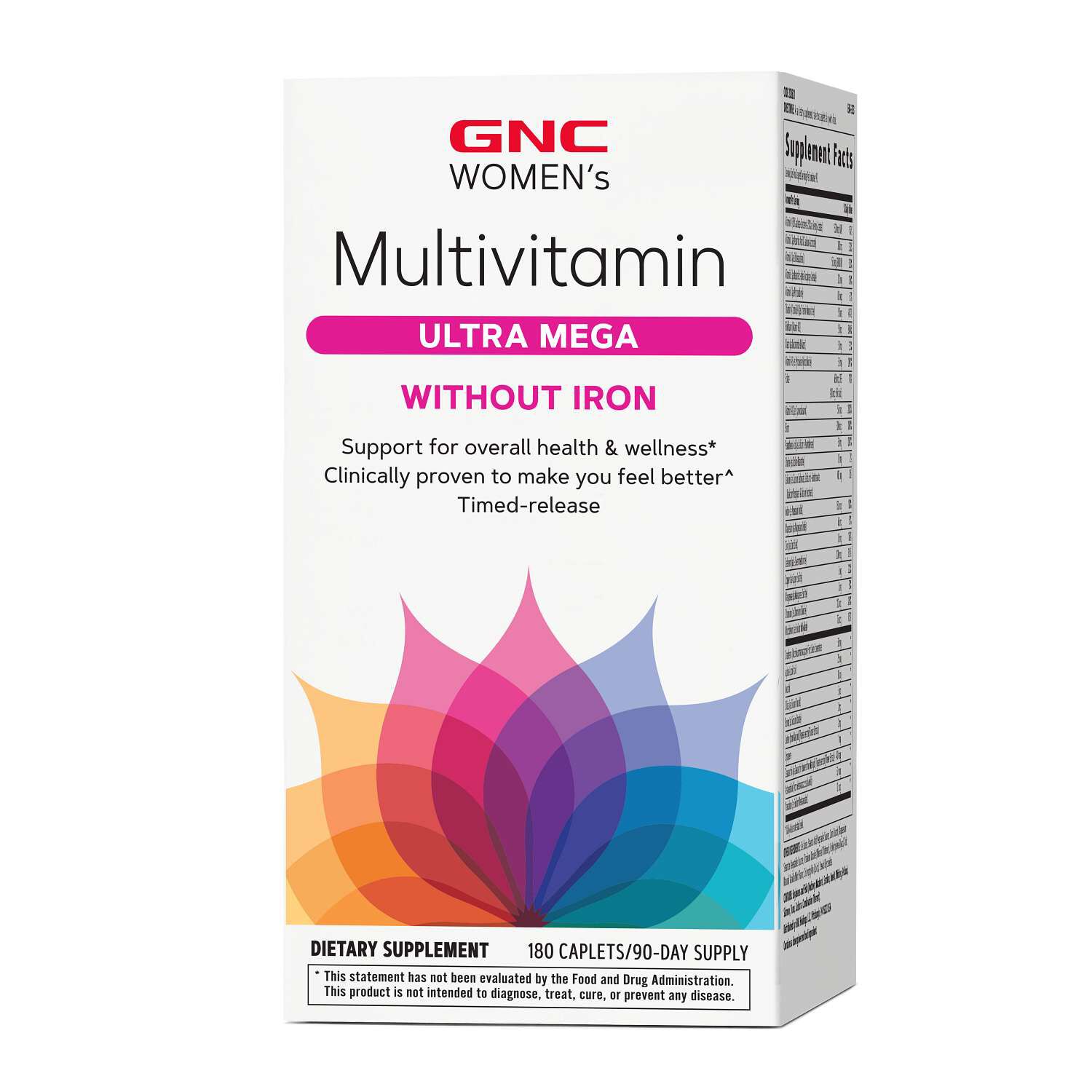
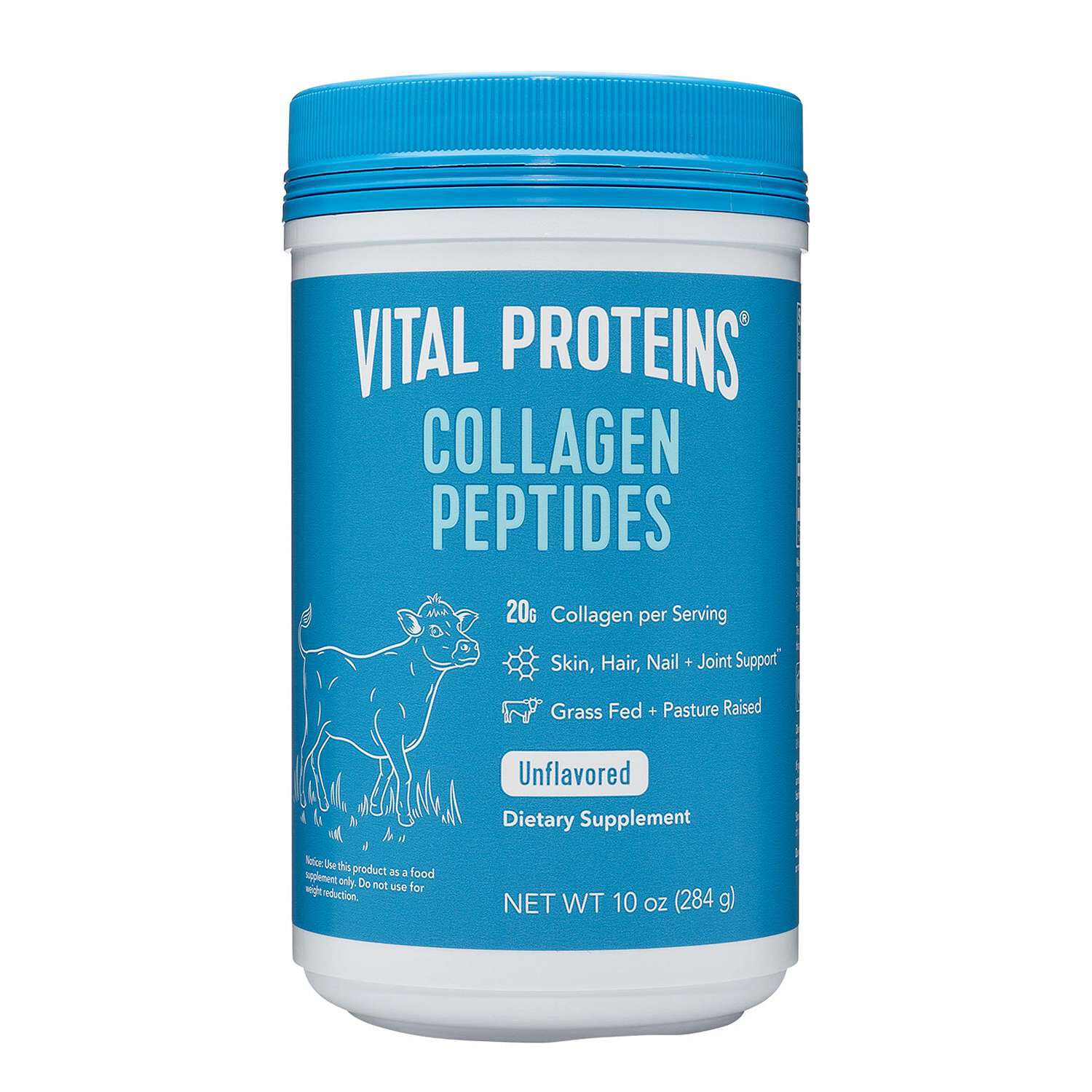
Beauty supplements for college students bring together vitamins, minerals, and other ingredients in formats suited to everyday campus routines, with an emphasis on the appearance of hair, skin, and nails. The category includes gummies, capsules, tablets, powders, and liquids, giving adult students different ways to match a supplement to their preferences and living arrangements. Common ingredients include biotin, vitamin C, collagen peptides, and omega-3 fatty acids, although formulas vary considerably in their composition and intended use. Some focus on a single ingredient, while others combine several nutrients in a hair, skin, and nail formula. These distinctions matter more than a bottle’s appearance or a familiar ingredient on the front label: the Supplement Facts panel shows the amounts per serving, and the ingredient list provides a closer look at the formula. For a student moving between morning lectures, an afternoon campus job, and an evening study group, the appeal is often a straightforward addition to an established personal-care routine. A capsule stored beside a breakfast bowl offers a different experience from a powder measured into a smoothie, even when both belong to the same broad category. Beauty supplements are separate from topical products such as moisturizers and hair conditioners, and their labeling reflects that difference. They are not substitutes for varied meals, adequate rest, or everyday personal care. Nor does a busy semester, on its own, establish a need for any particular nutrient. Students drawn to this category may be exploring a new grooming routine, comparing ingredient sources, or looking for a format that suits shared housing. The most useful distinctions are practical and specific: what the formula contains, how the serving is measured, whether its dietary attributes match personal preferences, and what its storage directions require. That makes beauty supplements a category where a closer look at the details is more informative than broad expectations about appearance.
Format plays a large part in how a supplement fits into college life. Gummies have a chewable texture and often a fruit flavor, with differences in sweetness, coatings, and the number included in a labeled serving. Some contain gelatin, while others use pectin; that distinction can matter to shoppers with vegetarian preferences. Capsules and tablets generally have less emphasis on flavor, but dimensions, coatings, and serving counts differ. A serving is not necessarily one capsule or one gummy, so package counts alone do not describe how many servings a container holds. Powders bring another set of considerations, including flavor, texture, mixing directions, and the utensils needed for preparation. A student with a blender and a kitchen counter has a different setup from someone using a small shaker cup at a residence hall desk. An unflavored powder is not necessarily without a noticeable taste or texture, and a flavored option adds its own character to a drink. Liquids may involve a measuring device and storage directions that deserve attention before finding a place on a shelf. Across formats, ingredient sources are worth comparing. Collagen may come from bovine or marine sources, while omega-3 ingredients may come from fish or algae. Capsule shells, flavorings, sweeteners, and other ingredients also contribute to whether a formula matches a shopper’s preferences. Biotin and vitamin C appear in different combinations, so the presence of either ingredient does not make two formulas interchangeable. Allergen statements and dietary labeling offer additional context without requiring assumptions based on the product’s name. For students who already use other supplements, viewing the ingredient panels together makes overlapping ingredients easier to identify. The broader collection of Supplements For Busy College Students provides another way to browse around campus routines while keeping each formula’s intended use and labeled directions in view.
Storage and packaging are especially relevant in small, shared spaces, where a desk may double as a dining table and a bathroom shelf may serve several roommates. Unlike a cosmetic bag or a reusable bottle, a supplement’s condition depends on its packaging, storage requirements, and expiration date rather than on wear resistance. Original containers keep ingredient information, serving directions, and handling details close at hand. Lids, seals, scoops, and measuring caps are functional parts of the package, not just presentation details. A wide powder tub requires a different amount of shelf space from a narrow capsule bottle, while a liquid container may have specific requirements after opening. Label directions should determine the storage location; an open shelf, a shared refrigerator, and a bag carried across campus are not automatically equivalent settings. For powder formats, the care instructions for a shaker or mixing cup are a separate consideration from the supplement’s own handling directions. These small details are easy to overlook when browsing, yet they shape the day-to-day experience much more than decorative packaging. Portability also involves more than container size. A format that needs a scoop, a beverage, and cleanup has different requirements from one that does not need mixing. Beauty supplements may also be considered for an adult student’s care package, particularly when the recipient has already expressed interest in a certain format or ingredient. Personal preferences matter here: a familiar flavor, suitable ingredient source, and manageable container are more thoughtful considerations than an assumption about someone’s appearance. For self-purchases and gifts alike, restrained expectations belong alongside careful label reading. No single formula captures every student’s preferences, and an elaborate assortment is not necessary to make the category worth exploring. A clear ingredient list, understandable serving information, and a format suited to the recipient’s actual routine offer a grounded starting point for comparing beauty supplements within the realities of college life.
Best Sellers
-
Vital Proteins
-
GNC Women's