





Caffeine Supplements For Adults
(0 Results)
Discover a wide selection of caffeine supplements for adults designed to fit a variety of lifestyles and wellness routines. Whether you’re looking to support your focus during busy days or seeking an alternative to traditional caffeinated beverages, these options may offer a convenient way to incorporate caffeine into your daily regimen. Explore different forms, strengths, and blends to find the right fit for your needs and preferences.
-
-
-
-

-
-
 Optimum Nutrition461$24.99
-

-
-

-
-

-

-

-

-
-

-
 53$39.99
-
-

-
-
-

-

-
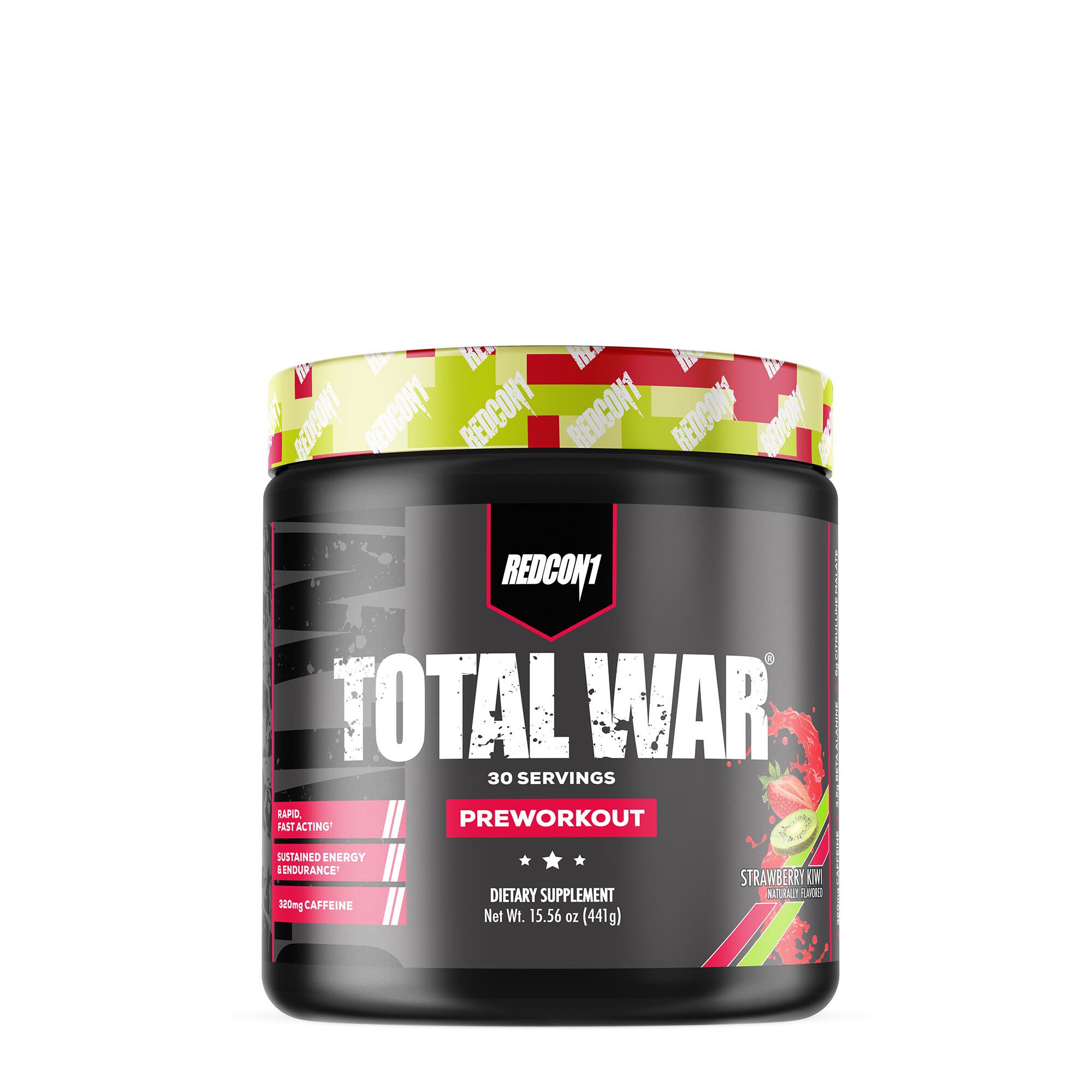
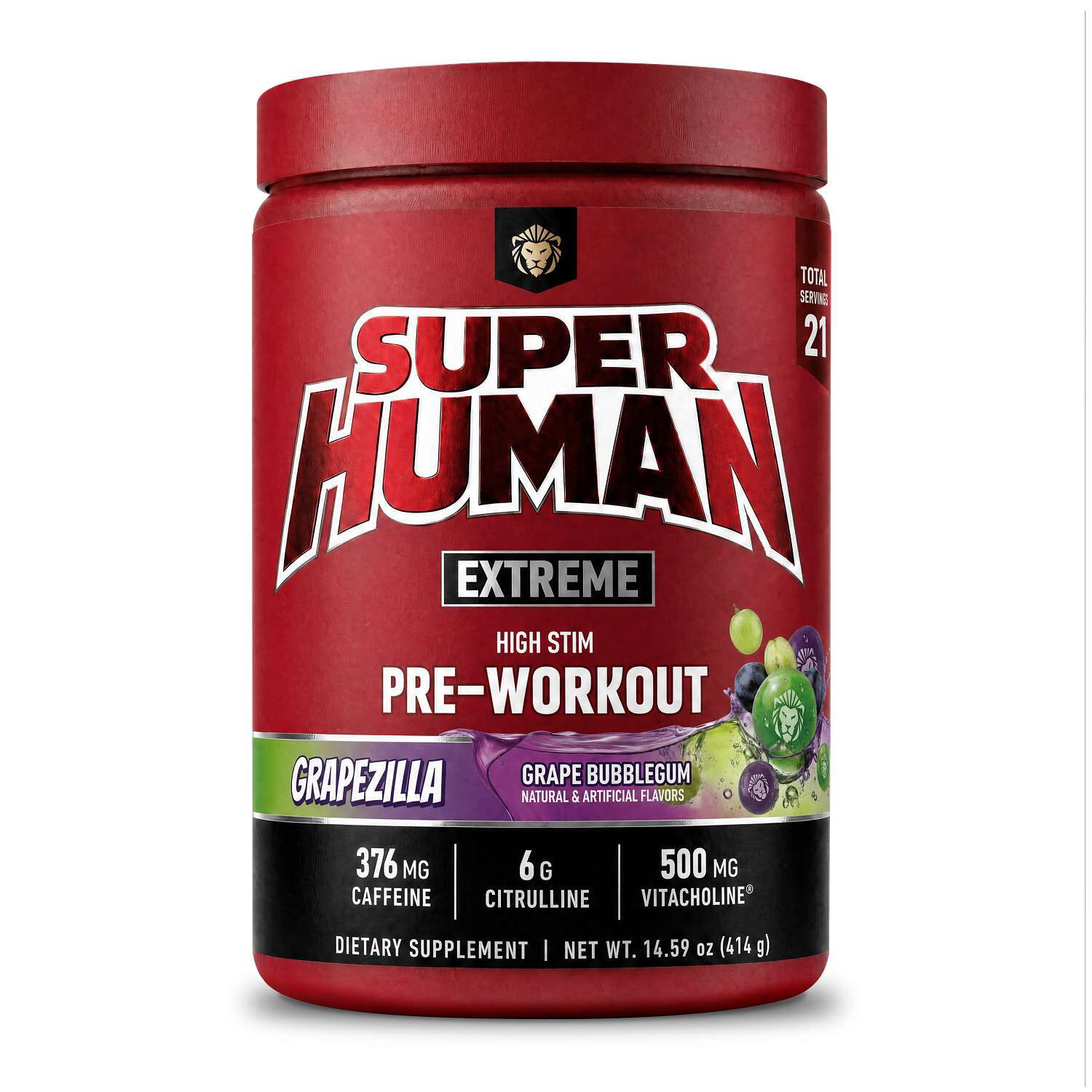
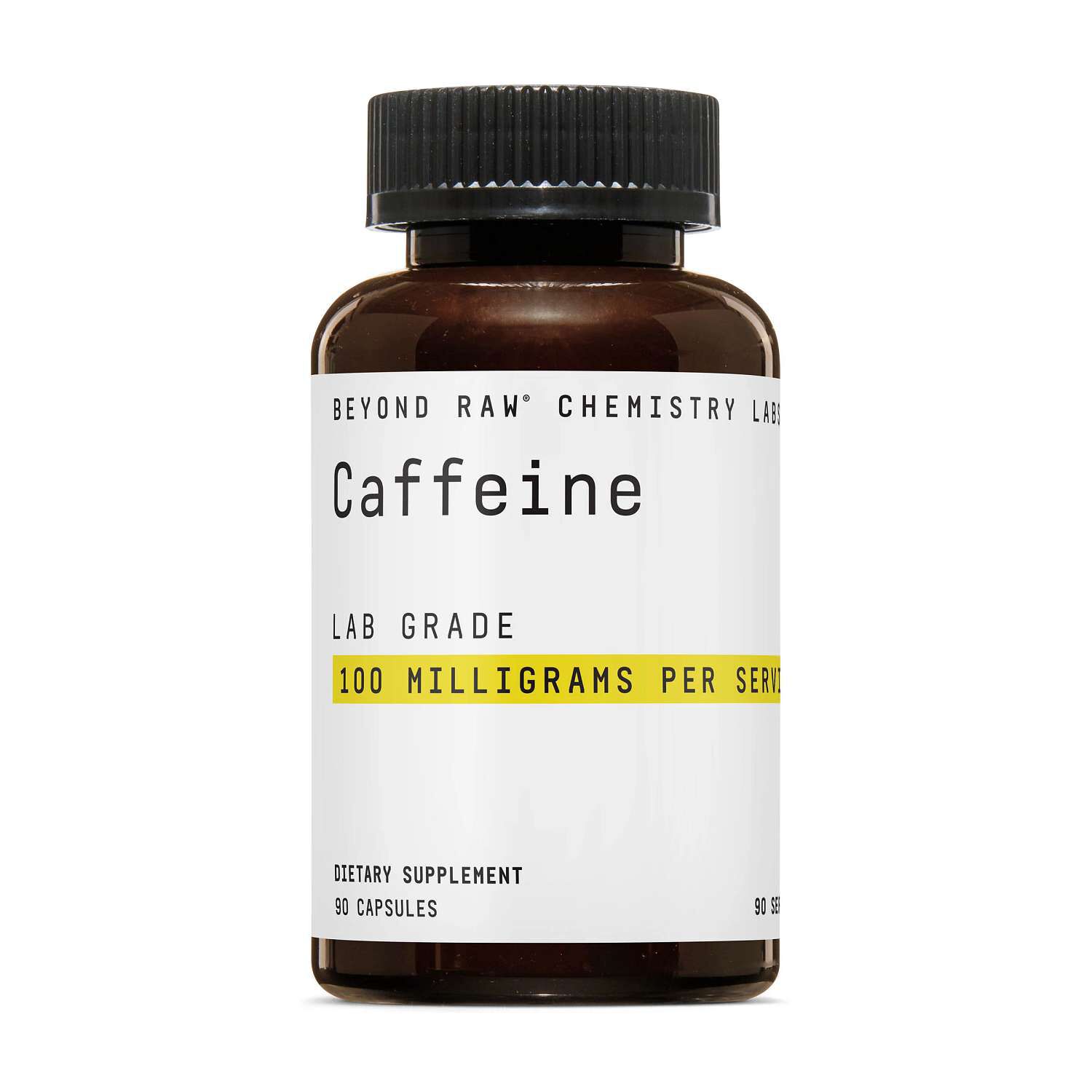
Caffeine supplements for adults are dietary supplements that contain a labeled amount of caffeine and may support alertness, focus, or a more energized feeling. Common formats include tablets, capsules, chewables, and powdered blends, with different serving sizes and ingredient combinations across the category. Many tablet and capsule formulas list approximately 100 to 200 milligrams of caffeine per serving, although the amount varies and the label remains the source for a particular formula’s caffeine content. That number refers to a serving, which is not necessarily the same as one capsule, tablet, or scoop. A two-capsule serving, for example, can make the front-label amount look different from the amount in each capsule. Adults browsing this category may be considering a compact alternative to another cup of coffee, a supplement for an established exercise routine, or a format that does not require preparing a beverage. Tablets and capsules have little connection to flavor preferences, while chewables and drink mixes bring taste, texture, and sometimes sweeteners into the decision. A powdered blend also involves a mixing container and the preparation described on its package, whereas a bottled format has different handling requirements. These distinctions matter in ordinary settings, whether that means a desk with limited space, a work bag already holding lunch and a water bottle, or a gym bag packed before an early start. Caffeine from a supplement also contributes to daily intake alongside coffee, tea, soda, energy drinks, and other caffeine-containing supplements. The clearest comparisons therefore look beyond the largest number on the front of the bottle to consider the serving size, caffeine amount, accompanying ingredients, and intended use together. A higher amount is not automatically a better match for every adult or every routine, and similarly sized packages can contain very different numbers of servings. Even a familiar-looking capsule bottle can have directions and serving information that differ from another formula.
The caffeine source and the rest of the ingredient list add another layer of distinction. Caffeine anhydrous is a dry form of caffeine commonly used as a supplement ingredient; other formulas contain caffeine sourced from coffee beans, tea, or botanical extracts. A plant name alone does not communicate the caffeine amount. For botanical formulas, the extract quantity and the stated caffeine content describe different things, so a label that identifies both offers a clearer picture of what a serving contains. Botanical sourcing also does not, by itself, establish how a supplement might feel compared with another caffeine source. Some formulas pair caffeine with L-theanine, an amino acid, while others include B vitamins, additional plant ingredients, or components associated with exercise nutrition. These combinations create different ingredient profiles rather than interchangeable versions of the same supplement. Adults seeking a straightforward formula may prefer a shorter ingredient list; those comparing blends may place more importance on the amount and purpose of each listed component. Capsule shells can contain gelatin or plant-derived cellulose, and tablets may include binders or coatings that affect their physical characteristics. Chewables and powders can contain flavorings, sweeteners, colors, and texture-related ingredients, all of which belong in a thoughtful comparison alongside caffeine content. Dietary preferences and labeled allergen information can narrow the selection further without making assumptions based on a package’s appearance. Capsule dimensions, tablet shape, and serving count can also influence how well a format fits an established supplement routine. Some labels identify immediate-release or extended-release formulations, but those descriptions should not be treated as a fixed timetable for how every person might experience the product. Clearly stated ingredient amounts, readable directions, and accessible manufacturer information offer useful context. When a package displays independent testing information, the particular certification and what it covers matter more than a broad quality statement. These details help distinguish formulas that otherwise look similar on a category page.
Day-to-day practicality is another part of choosing among adult caffeine supplements. A capsule bottle, a chewable container, and a tub of drink mix each occupy space differently and involve different preparation, storage, and cleanup. Someone who already carries a shaker may find a powdered blend compatible with that routine, while someone who prefers fewer accessories may be more interested in tablets or capsules. Flavor can matter just as much as format when a supplement is mixed into water: sweetness, tartness, serving volume, and the texture described on the label can all shape the drinking experience. For bottles and tubs, a secure closure, legible label, and packaging that holds up to repeated handling are practical considerations. Keeping supplements in their original containers preserves access to directions, caution statements, ingredient information, lot details, and the printed date. Dry storage away from moisture and direct sunlight helps protect the condition of the contents and packaging; specific storage directions belong to the individual label. Adult supplements also need storage out of children’s reach, including when a bottle travels between home, work, and a gym bag. Beyond packaging, personal schedules differ. An early workday, an afternoon training session, and an evening study session create different contexts for considering caffeine, and the same formula may not feel the same to every adult. Product directions and caution statements remain relevant regardless of how familiar caffeine seems from beverages. Supplements are not substitutes for sleep, meals, or hydration, and a compact format does not change the importance of considering caffeine from every source. Explore Caffeine Supplements For Energy. Across formats, the most meaningful distinctions remain concrete: caffeine per serving, the number of pieces or scoops in that serving, accompanying ingredients, dietary attributes, and the preparation the product requires. Those details give adults a more useful basis for comparison than package size, a bold front label, or the assumption that all caffeine supplements are alike.
Best Sellers


Related Pages


Top Collections
- Chronic Fatigue Supplements
- Vitamins For Hair Loss
- Capsule Supplements For Energy And Stamina
- Supplements For Yoga Joint Flexibility
- Zinc Supplements For Men
- Best Brand of Magnesium Glycinate
- Cortisol Supplements
- Supplements For Energy And Wellness
- Joint Mobility Supplement Packs
- Peptide Supplements