Caffeine Supplements For Women
(0 Results)
Looking to support your active lifestyle or boost your daily routine? Caffeine supplements for women offer a convenient way to incorporate energy support into your wellness plan. With a range of options designed to fit busy schedules and unique needs, these supplements may be a helpful addition for those seeking focus and alertness throughout the day. Explore caffeine supplements for women and discover choices that could complement your personal goals.
-
-
-

-

-
-
-
-

-

-
-

-
-

-
-
-

-
-
 459$24.99
-
 Optimum Nutrition459$24.99
-

-
-
-
-

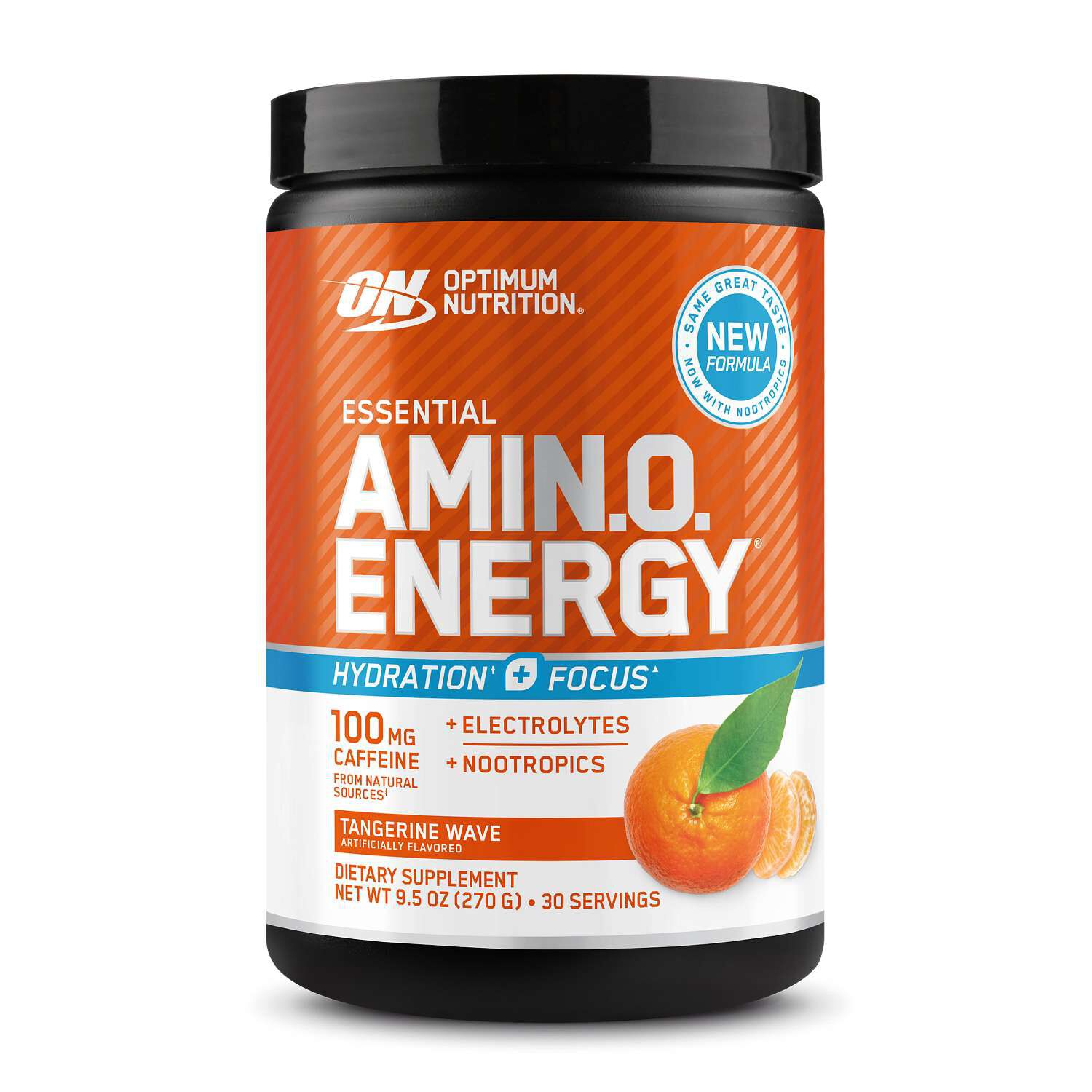
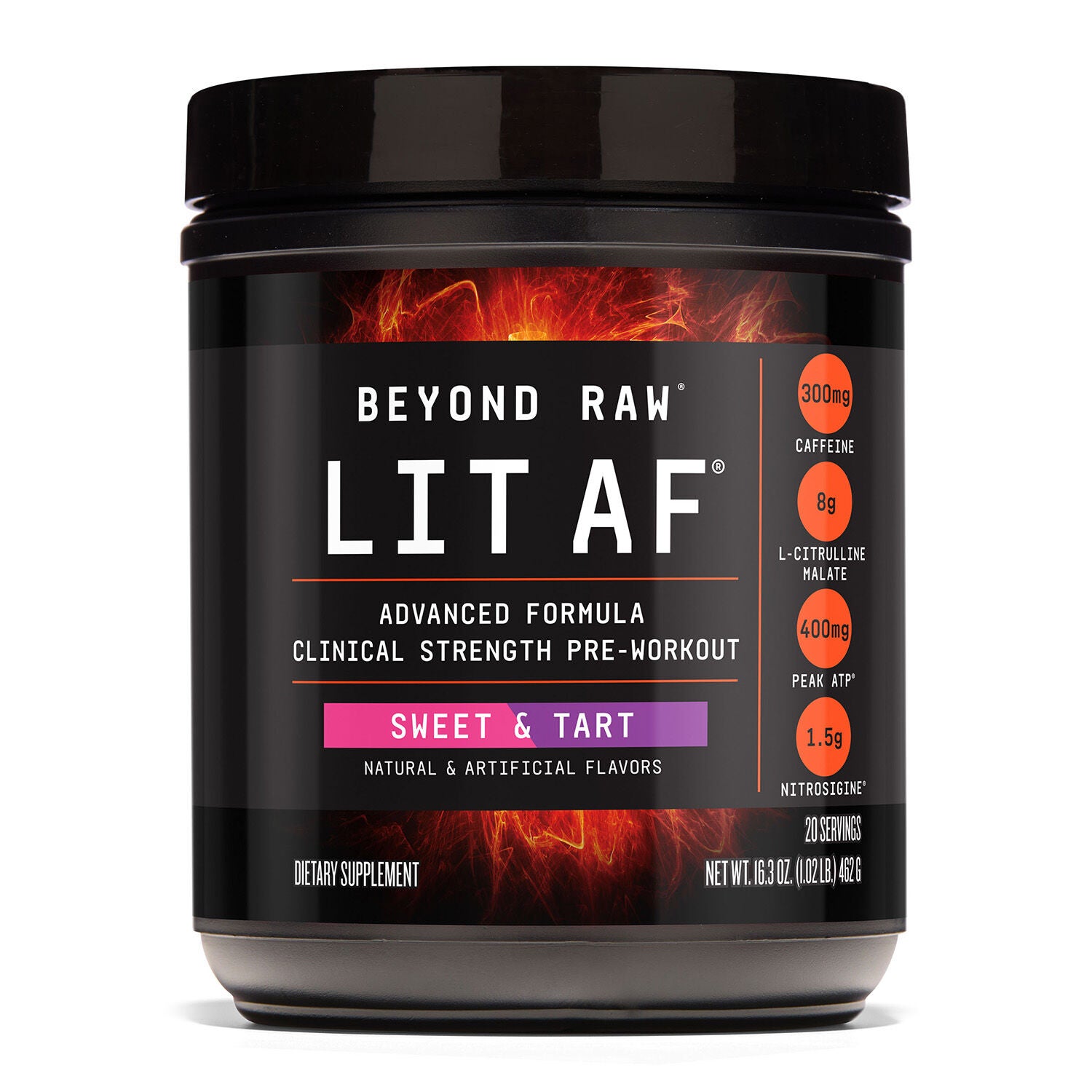
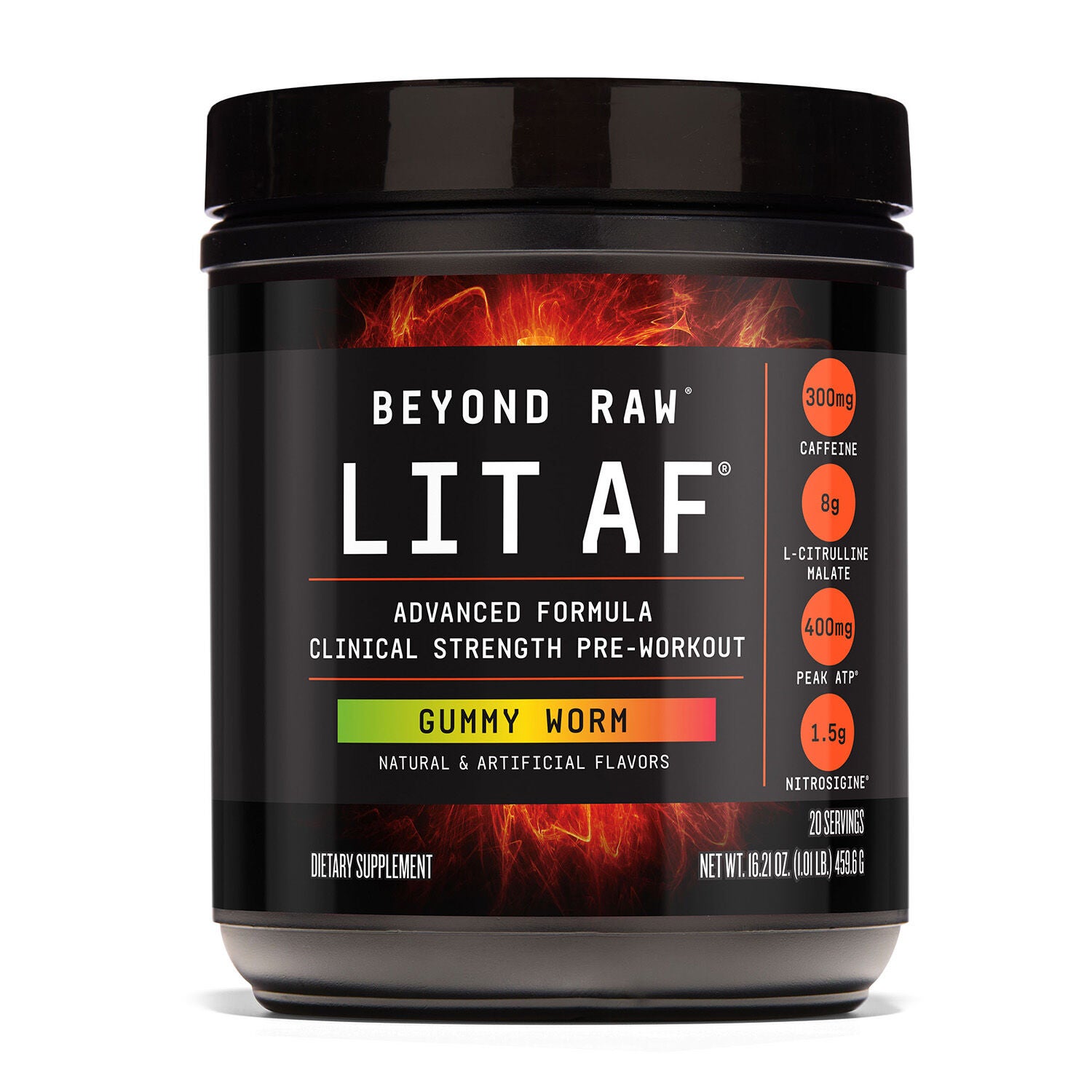
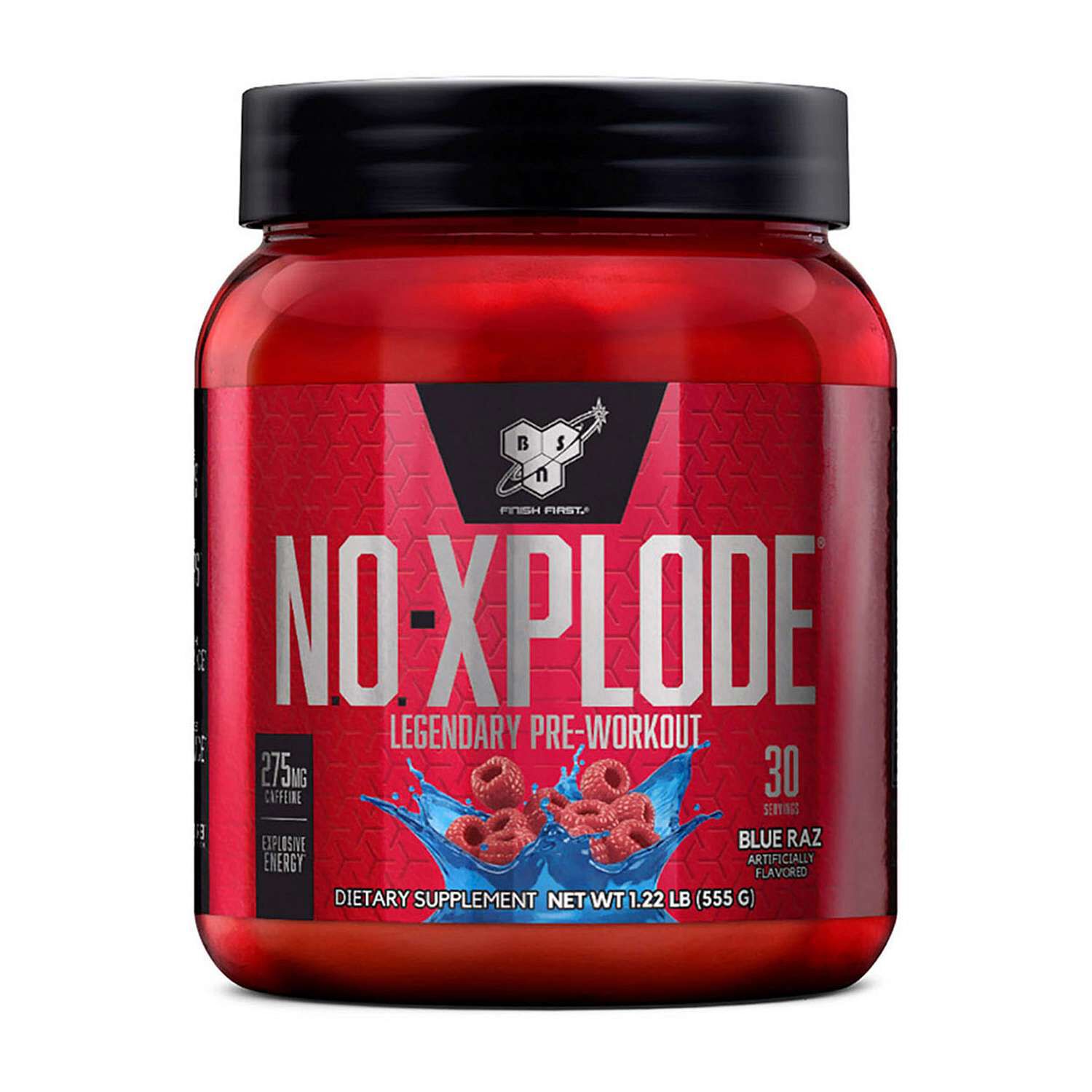
Caffeine supplements for women bring together several formats and ingredient combinations for adults looking for a measured source of caffeine beyond a cup of coffee or tea. Caffeine may support alertness, concentration, and exercise performance, although individual experiences vary. Many formulas contain approximately 100 to 200 milligrams of caffeine per serving, while others contain smaller amounts or use a different serving size. The amount shown on the Supplement Facts panel is more informative than the size of a capsule or a description on the front of the package. A serving can consist of one tablet, two capsules, or a measured portion of powder, so the number of servings and the number of pieces in a container are not necessarily the same. Women-focused labeling also does not establish a standard caffeine amount or mean that every formula has the same purpose. Some options center on caffeine alone; others pair it with amino acids, vitamins, or additional ingredients. For a woman with an early commute, a long afternoon of desk work, or a regularly scheduled workout, the distinction often comes down to format, ingredient preferences, and how a supplement fits into an existing routine. Capsules and tablets offer a compact format without a beverage to prepare. Chewable formats bring flavor and texture into the decision, while drink mixes involve a serving of liquid and a little more preparation. These differences matter in ordinary settings: a crowded gym bag, a desk drawer shared with office supplies, or a kitchen counter where coffee is already part of the morning. The most useful comparison is not simply which package emphasizes women, but what the formula contains, how its serving is defined, and whether its intended use matches the occasion. A straightforward ingredient list may appeal to someone who wants caffeine as a single ingredient, while a combination formula may suit someone seeking several named ingredients in one serving.
Ingredient sources add another layer of distinction within caffeine supplements for women. Caffeine anhydrous is a dry form of caffeine commonly used in tablets, capsules, and powders. Other formulas identify sources such as coffee beans, tea leaves, or guarana. A botanical source can contribute caffeine alongside other naturally occurring compounds, making the declared caffeine amount and the full ingredient list useful points of comparison. Words associated with plants do not, by themselves, establish how a formula might feel or whether its caffeine content is lower. Caffeine paired with L-theanine is another familiar combination; L-theanine is an amino acid found in tea and is also used as a supplement ingredient. The amount of each ingredient matters more than the presence of both names on a package, and a blend description does not always reveal the quantity of every component. Some formulas also include B vitamins, which have established roles in normal energy metabolism. Their inclusion is a separate formulation detail, not another measure of caffeine content. Release format is distinct from ingredient source as well. Extended-release descriptions refer to a formulation designed to release caffeine over a longer period, rather than simply describing a larger serving. That distinction may matter to someone comparing a supplement intended for a particular activity with one positioned around a longer stretch of the day. Flavorings, sweeteners, colors, capsule materials, and other ingredients can also shape the selection. Someone who prefers a vegetarian capsule may look closely at the capsule shell, while a shopper comparing drink mixes may place more emphasis on taste, mixing directions, and the amount of liquid involved. For a broader look at formats organized around a related purpose, Caffeine Supplements For Energy provides another category to explore. Across these choices, the clearest distinctions remain the stated caffeine amount, serving size, supporting ingredients, and intended use—not assumptions based on packaging style.
Everyday fit extends beyond the formula itself. A compact bottle may be convenient for a work bag, but its closure, label readability, and storage directions also deserve attention. Individually packaged servings can separate portions for travel, while a larger container has different space and handling considerations. Powder requires a measuring method and a suitable drinking vessel; a tablet or capsule has no mixing step. Chewable options have their own flavor, texture, and storage characteristics. Unlike clothing or equipment, these products are not judged by years of wear: expiration dating, package condition, and the storage conditions stated on the label are more relevant measures of keeping them in suitable condition. A bag left in a parked car, a damp bathroom shelf, and a dry cupboard present different storage environments, which is why the package directions are part of the practical comparison. Daily context matters just as much. Coffee, tea, energy drinks, and some workout formulas also contain caffeine, so a supplement serving does not describe a person’s caffeine intake from every source. A woman who enjoys a large morning coffee has a different starting routine from someone who rarely chooses caffeinated beverages. Timing can also influence how well a format fits a schedule, particularly when an afternoon workout sits close to an evening wind-down. Caffeine may affect sleep, and personal sensitivity can differ even among people with similar routines. Gender alone does not resolve those differences, and a women-focused description is not a substitute for the directions and warnings on the package. For that reason, caffeine supplements are a personal selection rather than an automatic addition to a wellness gift basket. The category offers different ways to compare caffeine amounts, ingredient combinations, and formats without treating every woman’s day as interchangeable. Whether the setting is a morning commute, a study session, or planned exercise, a thoughtful match centers on transparent labeling, practical handling, and a clearly understood serving.