

Caffeine Supplements For Metabolism
(0 Results)
Looking for a potential energy boost to support your active lifestyle? Caffeine supplements for metabolism could be a convenient option for those seeking to stay alert and focused throughout the day. With a variety of formats and strengths available, these supplements may fit seamlessly into different wellness routines. Explore options that might align with your personal goals and discover how caffeine supplements for metabolism could be incorporated into your daily regimen.
-
-

-
-
-
 Optimum Nutrition459$24.99
 -

-
-

-

-
-
-

-

-
-
-

-
-
-
-

-

-

-

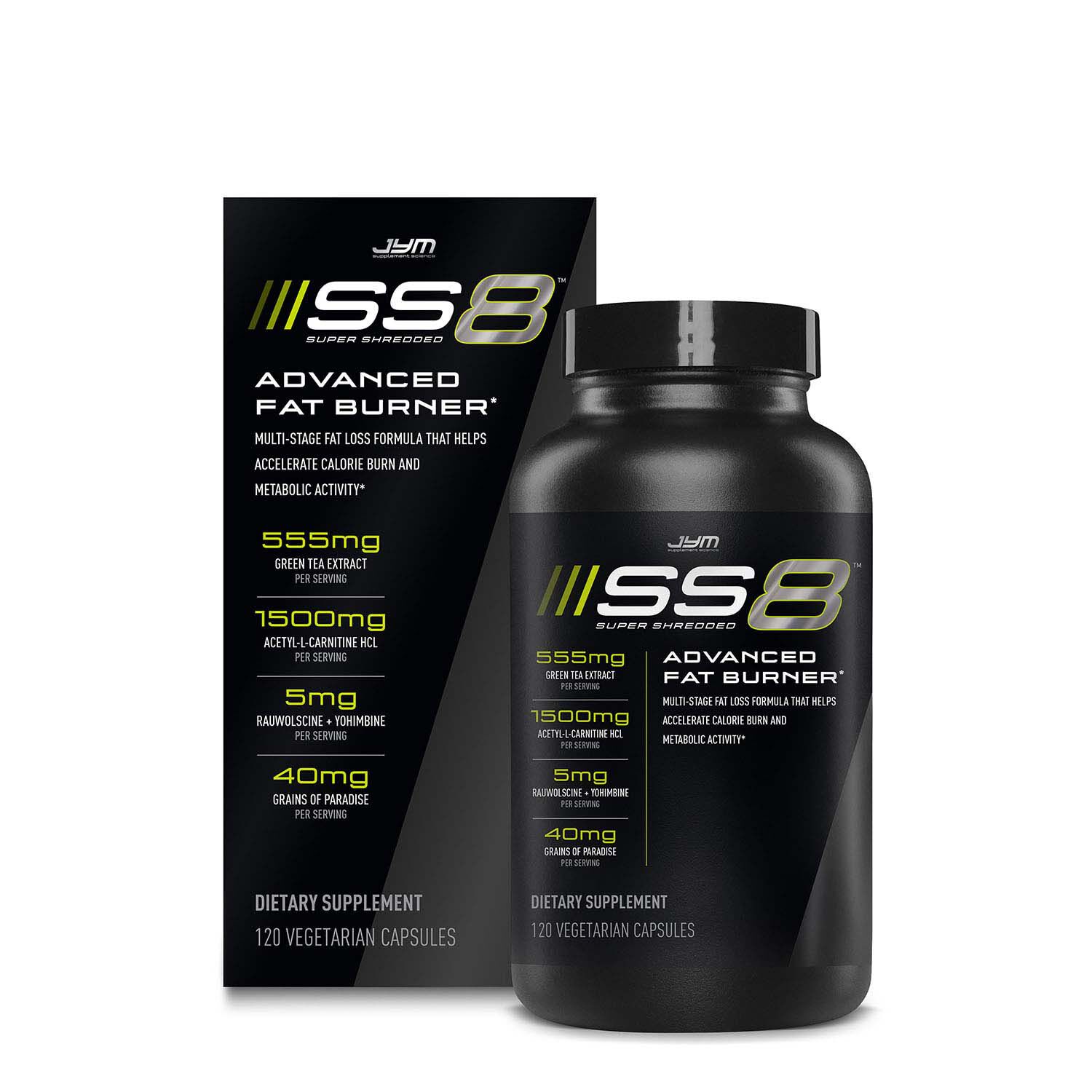
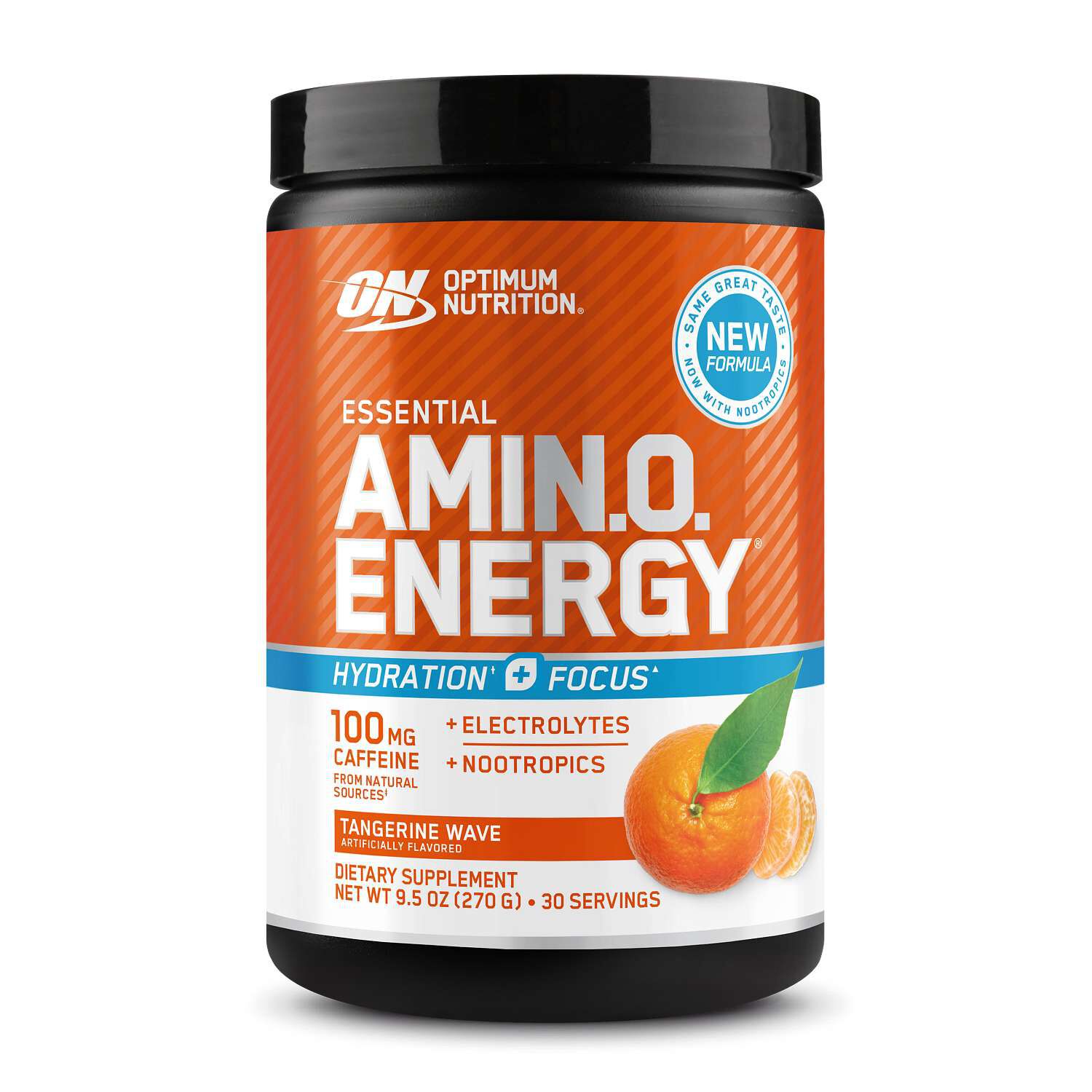
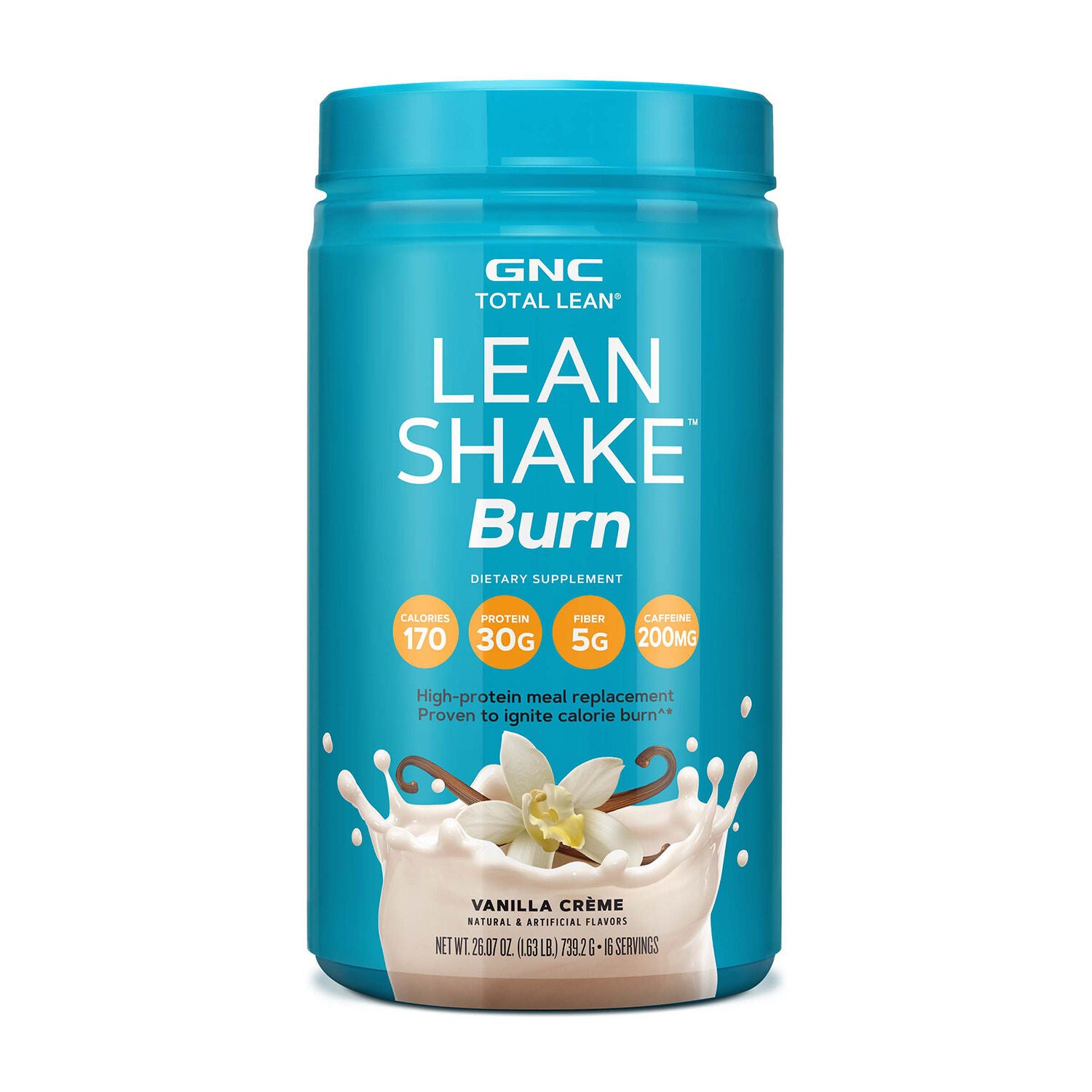
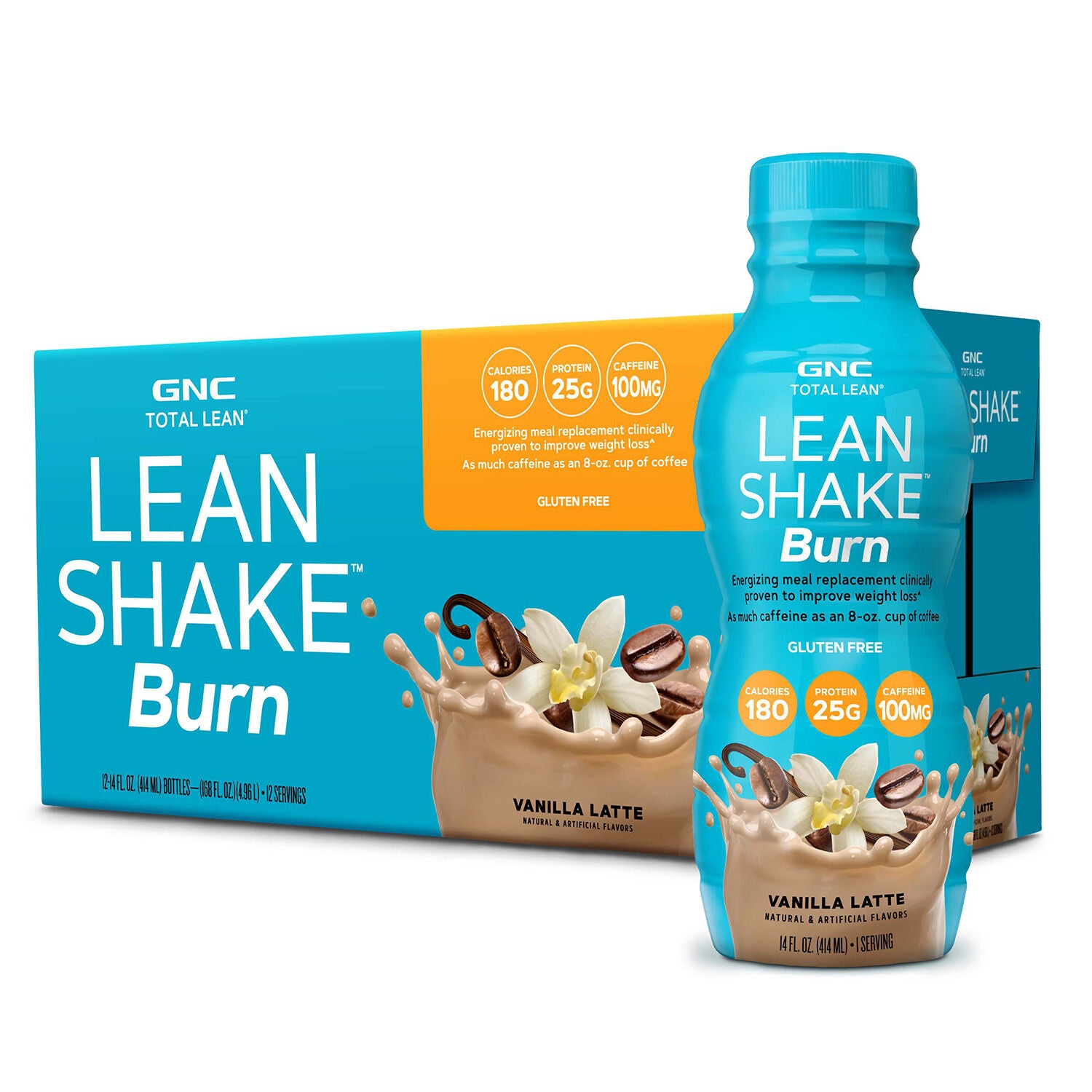
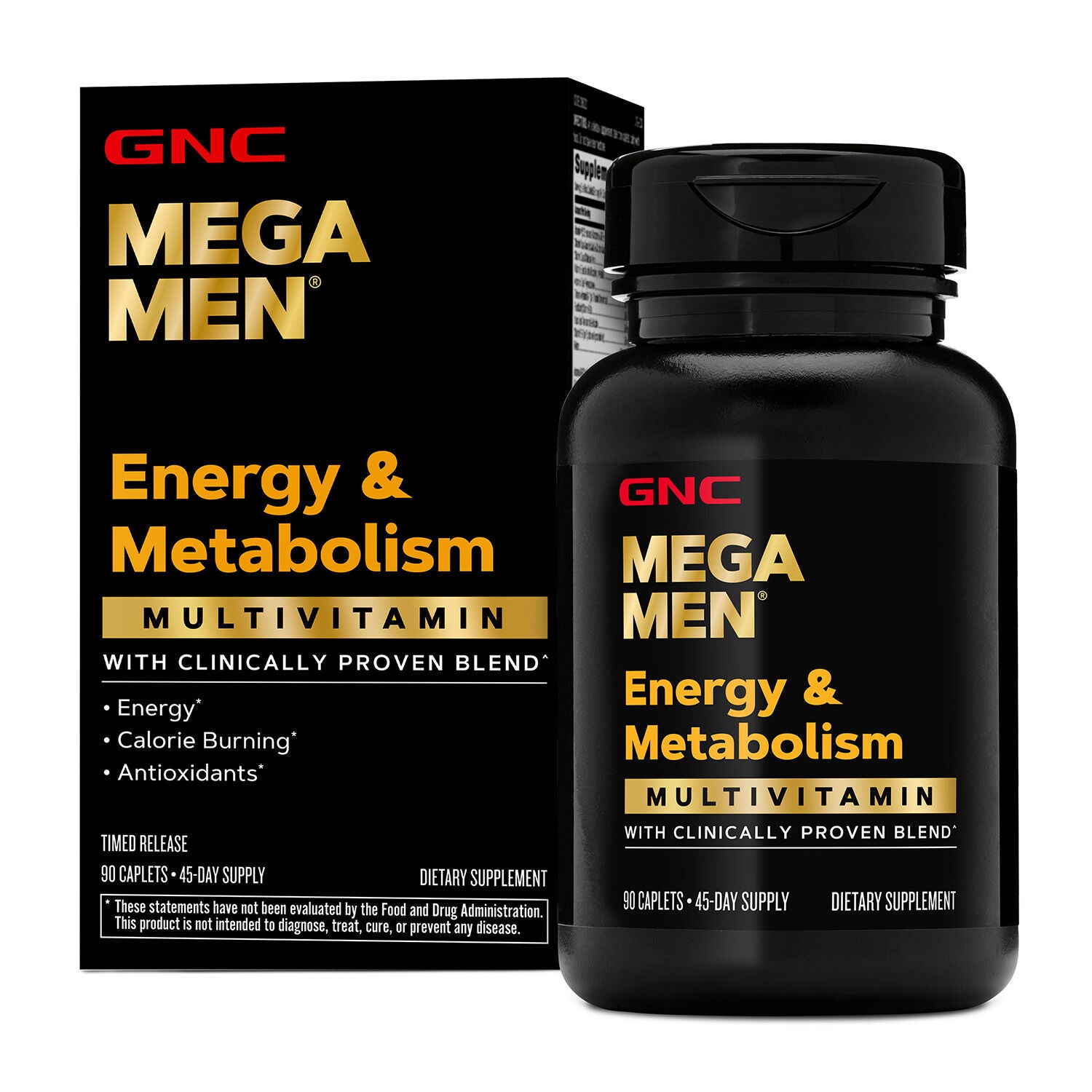
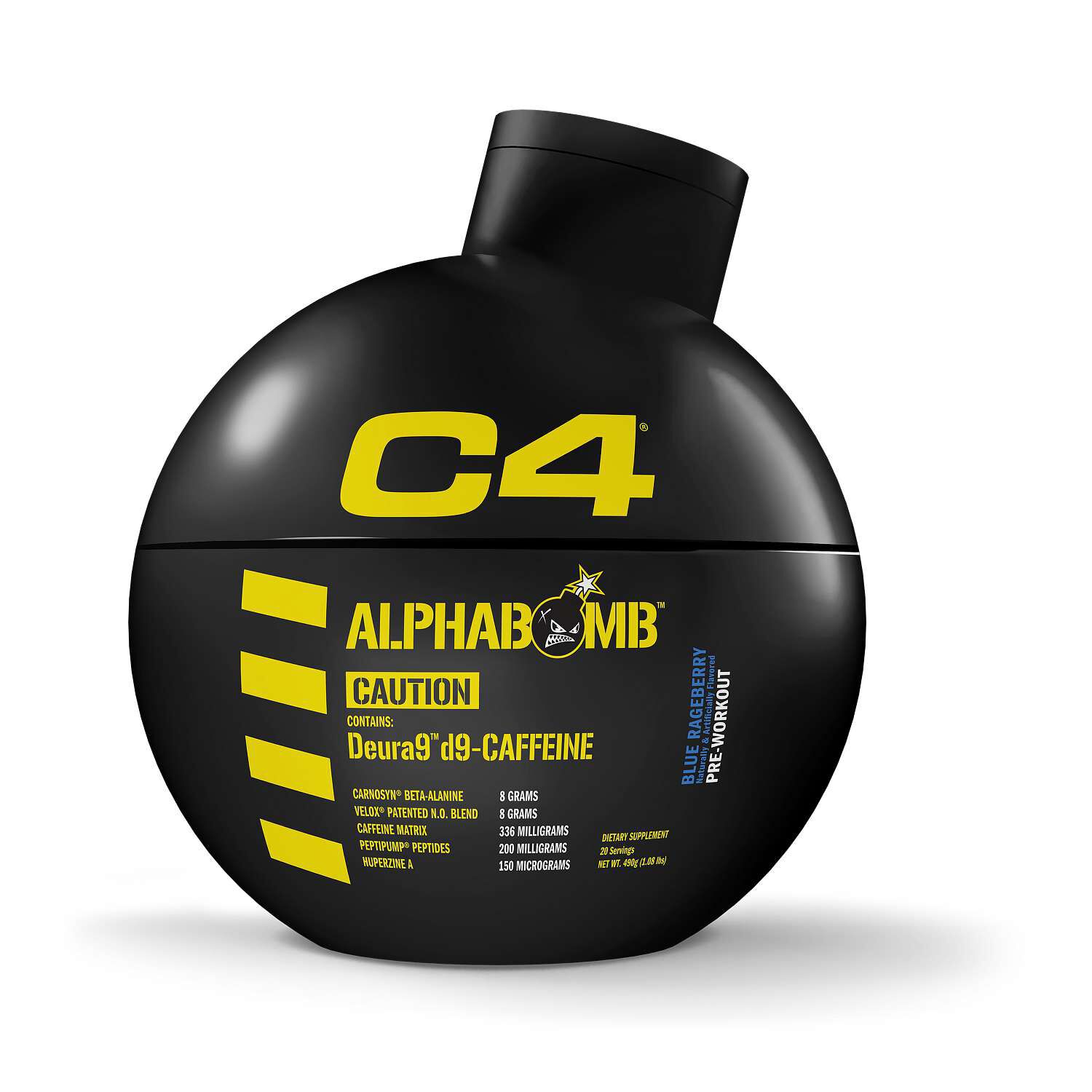
Caffeine supplements for metabolism are designed for shoppers who want a measured, convenient source of caffeine in a capsule, tablet, powder, or multi-ingredient formula. Caffeine may support alertness and focus while also modestly increasing resting metabolic rate through thermogenesis, the process by which the body produces heat. It may also encourage the release of stored fatty acids for use during movement, although physical activity could still play the central role in using that energy. These products are best viewed as one part of a broader routine that may include balanced meals, regular movement, hydration, and consistent sleep. A supplement could fit into a morning walk, a gym session, a busy commute, or an afternoon when coffee is not convenient, but it should not be treated as a substitute for everyday habits. Someone who has relied on coffee for years may notice a different experience from a person who rarely consumes caffeine, since regular use might reduce its noticeable effects over time. For shoppers comparing formulas, the label can offer helpful context: check the amount of caffeine per serving, serving size, directions, other sources of caffeine, and any added ingredients intended for energy or thermogenesis. A simple caffeine formula may appeal to someone who prefers a short ingredient list, while a blended formula could suit shoppers looking for several complementary ingredients in one serving. Reading the label carefully may make it easier to choose a product that fits an established routine rather than adding an unexpected amount to coffee, tea, soda, pre-workout, or energy drinks.
When choosing caffeine supplements for metabolism, consider personal habits, timing, and sensitivity as closely as the ingredient list. Caffeine taken earlier in the day may be a more comfortable choice for people who want to protect their evening rest, while taking a serving late in the afternoon or at night could make it harder to settle into a normal sleep routine. A supplement may feel stronger when taken on an empty stomach, and some shoppers may prefer to use it with a meal according to the product label. The amount from every source matters, so adding the supplement to coffee, tea, pre-workout, or energy drinks could bring daily consumption higher than expected. Widely cited guidance for healthy adults often places daily caffeine consumption at no more than 400 milligrams, though personal circumstances and sensitivity may call for a different amount. Anyone who is pregnant, nursing, managing a health condition, taking prescription products, or unsure how caffeine fits into their routine should speak with a qualified healthcare professional before using a caffeine supplement. New users may choose a lower serving than the maximum listed on the label and pay attention to how their body responds, without combining several stimulant products at once. Too much caffeine could contribute to restlessness, shakiness, digestive discomfort, or a racing feeling, and these experiences are a sign to pause use and seek professional guidance when appropriate. Checking serving directions, avoiding unnecessary combinations, and keeping a simple record of coffee, tea, and supplement use may help shoppers make more informed choices. For people comparing stronger formulas, the selection of High Caffeine Supplements may provide another place to browse products by caffeine concentration and intended use.
These supplements may appeal to early risers, active adults, commuters, students, travelers, and anyone who appreciates a portable alternative to brewing a cup of coffee. A capsule can fit neatly into a gym bag or desk drawer, while a powder may work well for someone who already prepares a shaker before a walk or workout. Some shoppers choose caffeine supplements for personal use during demanding workdays or training sessions; others may give them as part of a practical wellness gift for a friend who enjoys fitness, hiking, cycling, or organized morning routines. Because preferences vary, gift buyers may want to look for clearly displayed caffeine amounts, straightforward directions, and a format that matches the recipient’s habits instead of choosing the strongest option available. During warmer weather, a portable serving may be convenient when carrying hot coffee is less appealing, while during cooler months it could complement a morning routine before heading outdoors. The most useful product may be the one that fits naturally into a person’s schedule, supports consistent use according to the label, and does not interfere with meals or sleep. Caffeine supplements may offer a modest metabolic contribution and a convenient source of alertness, but sustainable fitness goals generally depend on the steady combination of nourishing food, movement, recovery, and realistic routines. Comparing caffeine amounts, ingredient panels, serving directions, format, and timing can help shoppers select a product that feels appropriate for their lifestyle and makes sense alongside the caffeine they already consume.