





High Caffeine Supplements
(0 Results)
High caffeine supplements could be the ideal choice for those seeking an extra energy kick to fuel their day. Designed to potentially support enhanced focus and stamina, these supplements might offer a convenient way to integrate caffeine into your routine. Whether preparing for a workout or needing a mid-afternoon pick-me-up, high caffeine supplements may provide the needed edge. Explore a variety of options that could align with your lifestyle and wellness goals.
-
-
 Portions Master$24.99
-

-

-
-
-

-

-

-

-
-

-
-

-

-
-
 Basic Supplements$14.97
-
-
 Basic Supplements$14.97
-

-

-
-

-

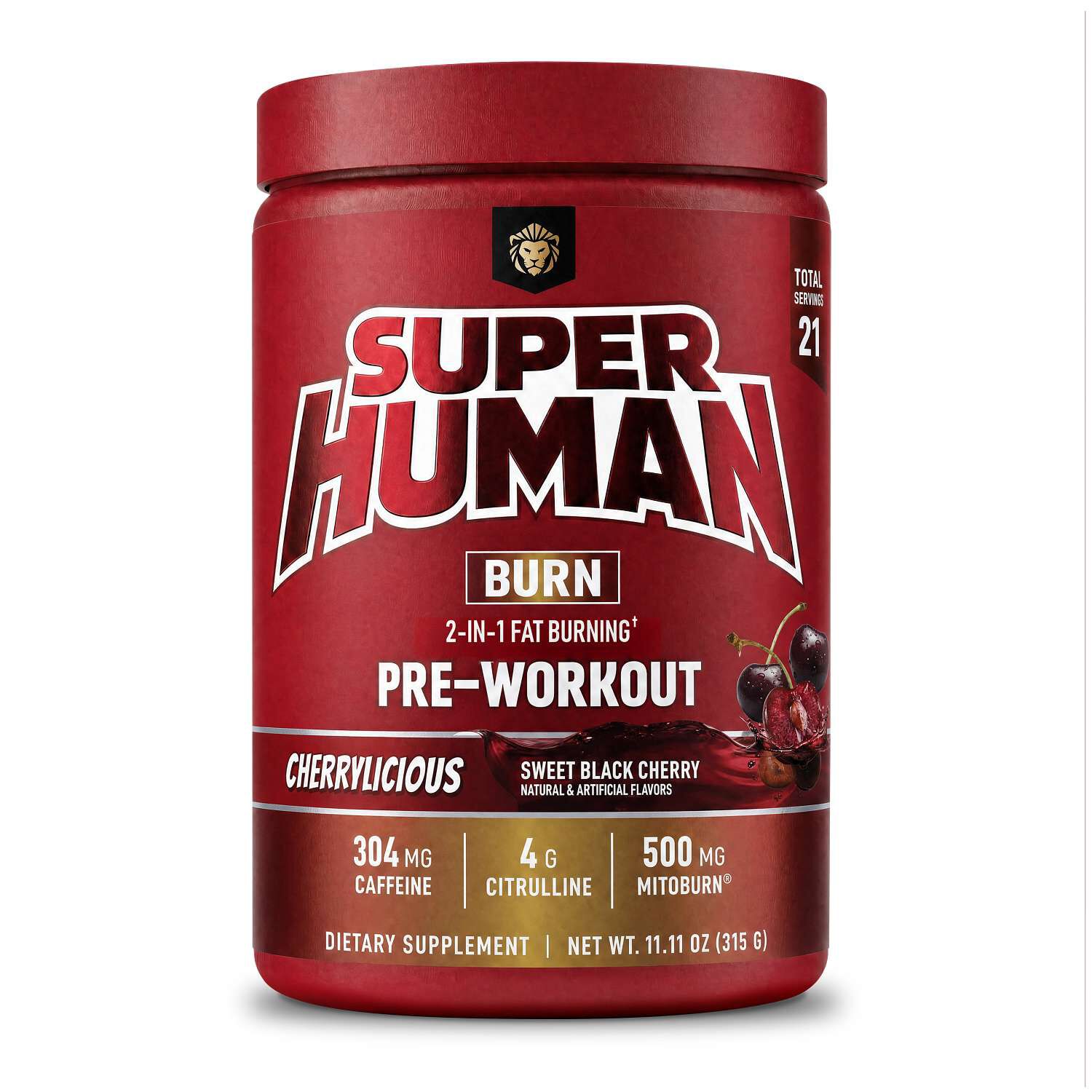
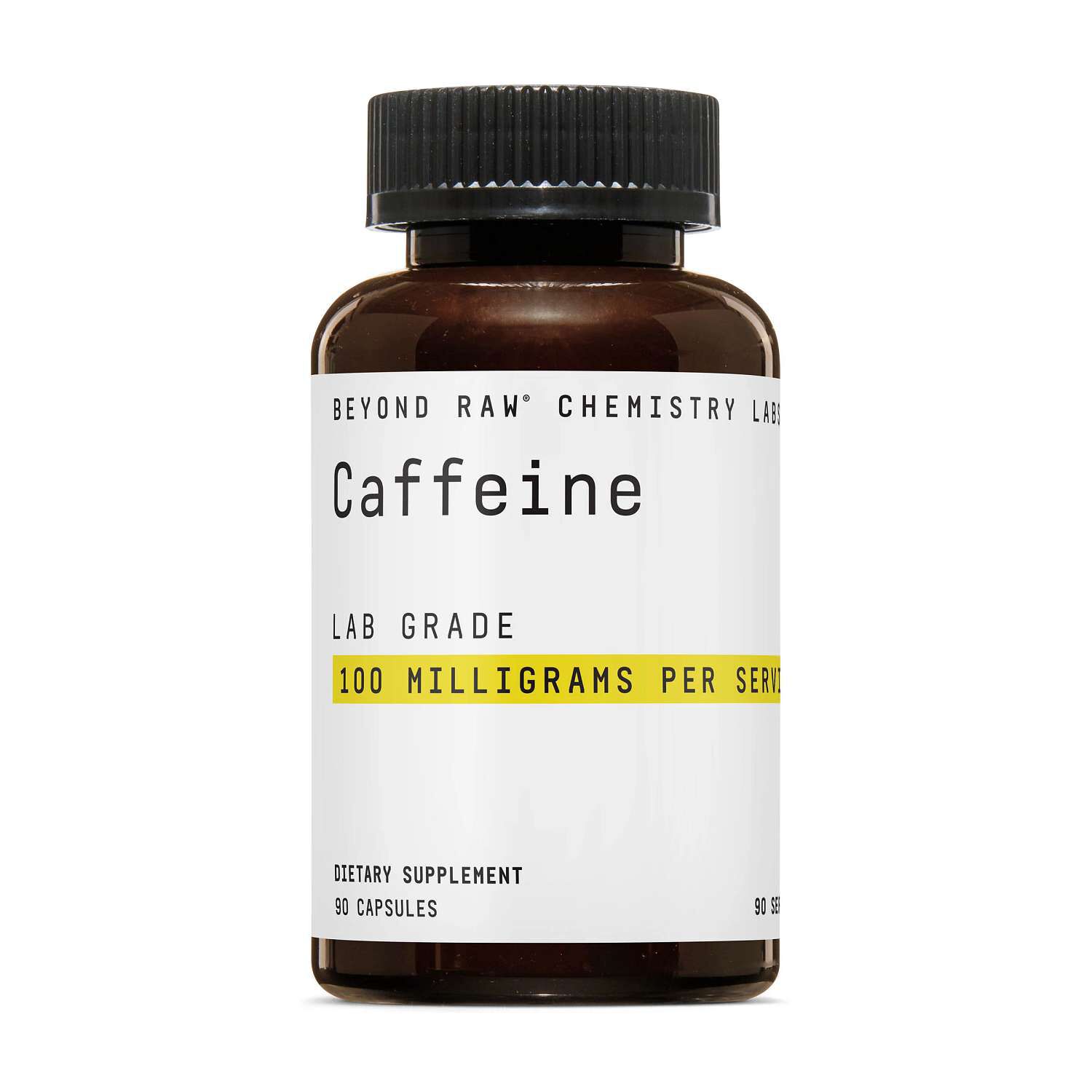
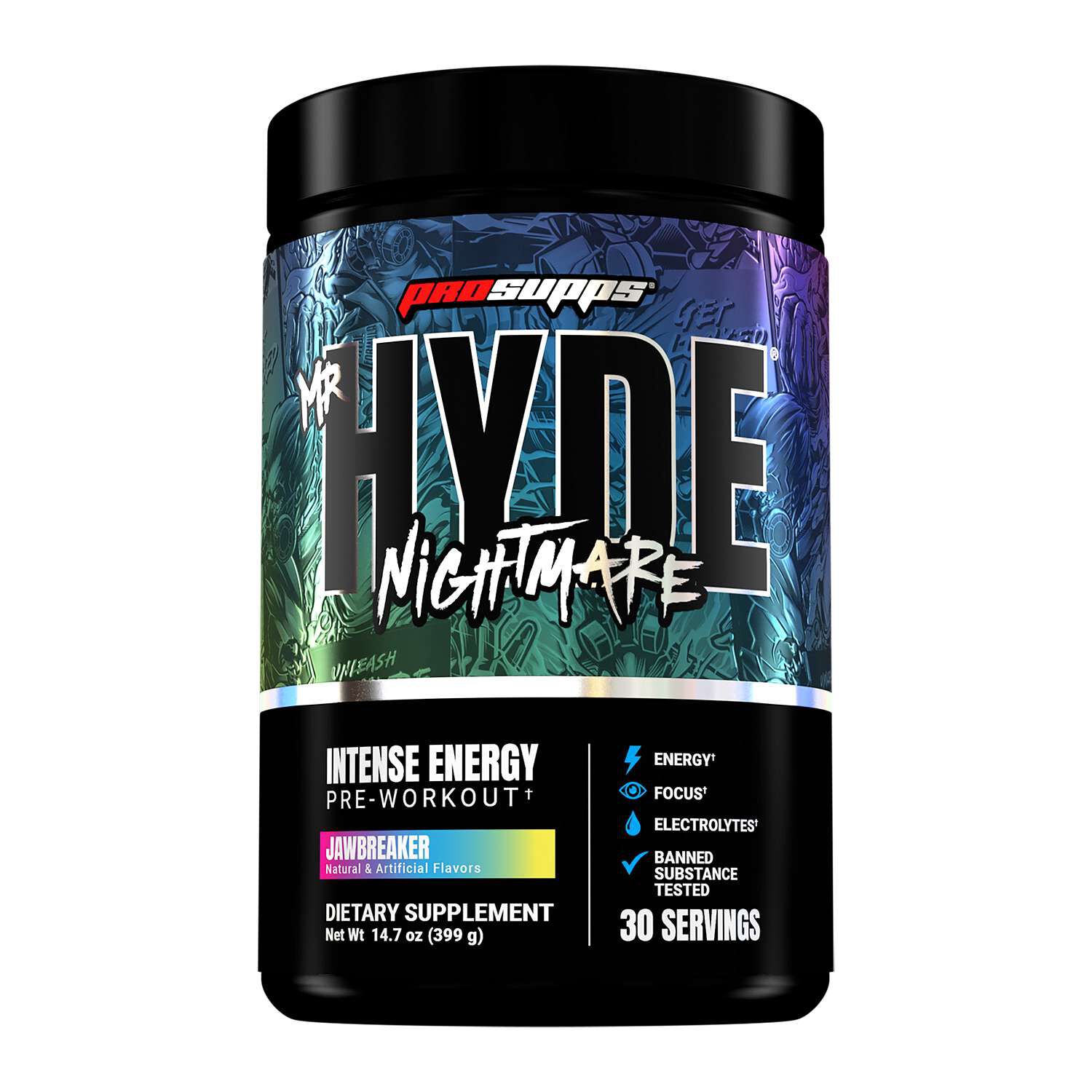
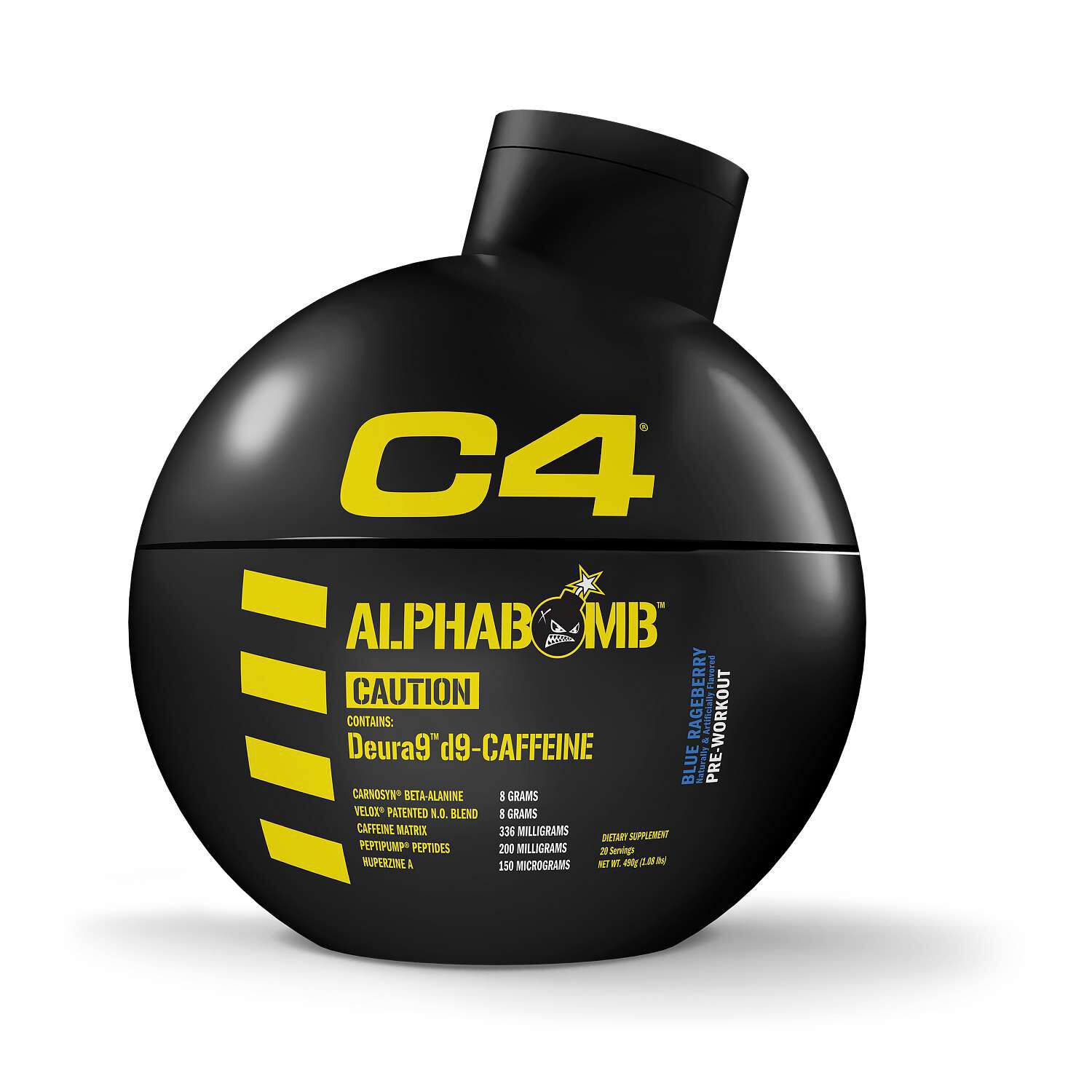
High caffeine supplements are concentrated caffeine products offered as tablets, capsules, and formulated drink mixes. Many tablet and capsule formulas provide about 100 to 200 milligrams of caffeine per labeled serving, although amounts vary and some formulas contain more than 200 milligrams. The term “high caffeine” does not identify one universal serving amount, so the milligram amount and serving size provide more meaningful detail than the description alone. A serving containing two capsules with 200 milligrams of caffeine is different from a single capsule containing 200 milligrams. That distinction matters when comparing containers with similar front labels but different serving instructions. Caffeine anhydrous, a dried form of caffeine, is a common ingredient in these products. Coffee extracts, tea extracts, and guarana may also contribute caffeine, depending on the formula. A plant-derived source does not, by itself, indicate a smaller caffeine amount; the stated milligrams remain the relevant comparison. Some formulas contain caffeine as the main active ingredient, while others pair it with amino acids, vitamins, botanical ingredients, or ingredients associated with sports nutrition. The amount of an extract is not necessarily the amount of caffeine it provides, making clearly stated caffeine content particularly useful. High caffeine supplements may support alertness and focus, but the product format, ingredient list, and labeled directions are separate considerations from those possible effects. For an adult comparing a compact capsule with a flavored powder, the decision involves more than the largest number on the package. Serving count, ingredient transparency, preparation requirements, and the caffeine already present in everyday beverages all contribute to the comparison. Coffee, tea, energy drinks, and other supplements belong in that same accounting. A higher caffeine amount is not automatically a better match, and a familiar format does not mean that two formulas contain equivalent amounts.
Tablets and capsules offer a compact format without a flavor to choose or a drink to prepare. Their dimensions and shapes vary, so a small capsule and a large compressed tablet represent different preferences even when their labeled caffeine amounts are similar. Capsule shells may contain gelatin or plant-derived materials, while tablets often include ingredients used for binding, coating, or maintaining their shape. Those details matter to shoppers with dietary preferences, as do allergen statements and the full ingredient list. A formula centered on caffeine may have a relatively short ingredient list; a flavored drink mix generally includes additional ingredients for taste, texture, and mixing. Sweetened and unsweetened options create different beverage experiences, and citrus, fruit, or neutral flavor profiles may suit different preferences. Powdered drink mixes also involve preparation details that solid formats do not: the specified serving measure, the stated amount of water, and the mixing directions. A scoop is a measuring accessory tied to its own formula, not a universal measure shared across containers. For someone carrying a shaker to a gym, the container’s closure, serving information, and preparation requirements are part of its everyday practicality. For someone keeping tablets in a desk drawer, packaging dimensions and readable labeling may matter more. Care is about preserving the product as directed rather than treating it like a durable accessory. Storage instructions, the printed date, and an intact container remain relevant across formats. Dry hands and a dry measuring utensil are practical considerations for powdered products, especially when preparation happens beside a sink or after washing a shaker. Original packaging keeps the ingredient list, serving instructions, and caution statements with the product. A container with a readable label offers a clearer reference than an unmarked bag or a loose serving tucked into a gym pocket. Packaging condition is also distinct from caffeine content: a substantial bottle or oversized tub does not establish the amount contained in each labeled serving.
Adults considering high caffeine supplements often have a particular setting in mind, such as a planned workout, a morning spent on detailed desk work, or a preference for a measured supplement format rather than another flavored beverage. These settings explain the appeal of different formats without making stronger caffeine synonymous with a better experience. A capsule requires no beverage preparation beyond its labeled directions, while a drink mix brings flavor and a mixing step into the routine. Timing deserves attention alongside format, especially when coffee, tea, or another caffeinated product is already part of the day. The caffeine amount in a supplement is only one part of that broader picture, and a convenient package does not make its contents interchangeable with a familiar cup of coffee. Shoppers exploring Caffeine Supplements For Men can compare the same concrete details: milligrams per serving, units per serving, caffeine sources, accompanying ingredients, and preparation requirements. A product name or audience label does not replace those particulars. Sports-oriented formulas may contain several ingredients beyond caffeine, whereas simpler formulas place more emphasis on a short ingredient list and a straightforward serving format. Neither presentation, on its own, establishes how well a product fits an individual’s preferences. Readable caution statements, clearly identified ingredients, and specific serving directions provide a firmer basis for comparison than dramatic packaging language. Adult-use statements and other label restrictions also remain part of the product description, not details separate from it. Personal caffeine familiarity, preferred format, dietary preferences, and the rest of the day’s caffeinated foods and drinks all belong in the selection process. A thoughtful match is defined by understandable product information and an appropriate intended use, not by choosing the highest number in a collection. Across high caffeine supplements, the most informative details remain straightforward: what the formula contains, how much caffeine the labeled serving supplies, how that serving is measured, and what handling and preparation the format requires.
Best Sellers


Related Pages

Top Collections
- Chronic Fatigue Supplements
- Vitamins For Hair Loss
- Capsule Supplements For Energy And Stamina
- Supplements For Yoga Joint Flexibility
- Zinc Supplements For Men
- Best Brand of Magnesium Glycinate
- Cortisol Supplements
- Supplements For Energy And Wellness
- Joint Mobility Supplement Packs
- Peptide Supplements