





Caffeine Supplements For Healthy Metabolism
(0 Results)
Exploring caffeine supplements for healthy metabolism could be a great way to support your wellness routine. Featuring a range of convenient options, these supplements may fit seamlessly into your daily schedule and help you stay energized throughout the day. Whether you're looking for an extra boost before a workout or seeking support for your active lifestyle, caffeine supplements for healthy metabolism might be just what you need to help you reach your goals.
-
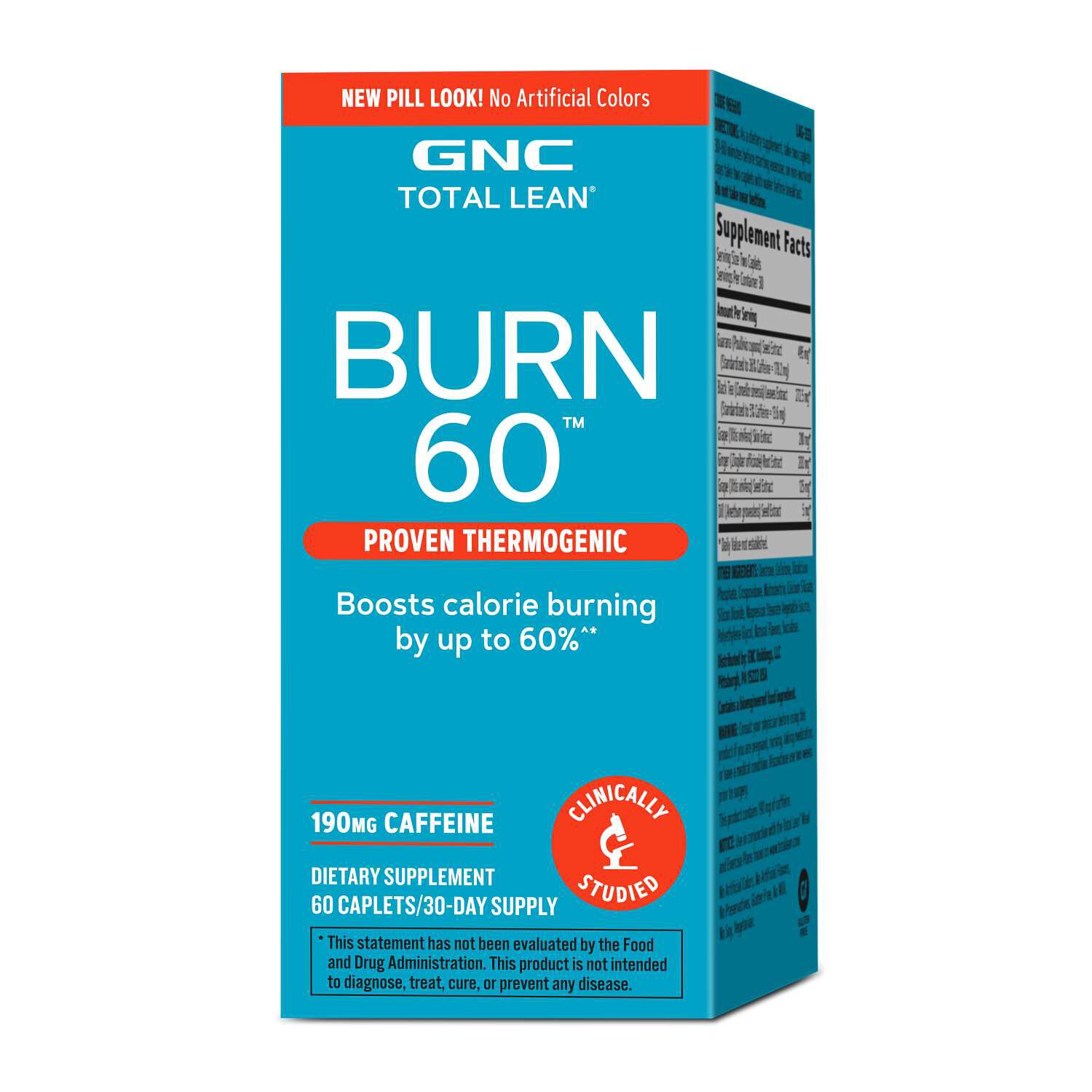
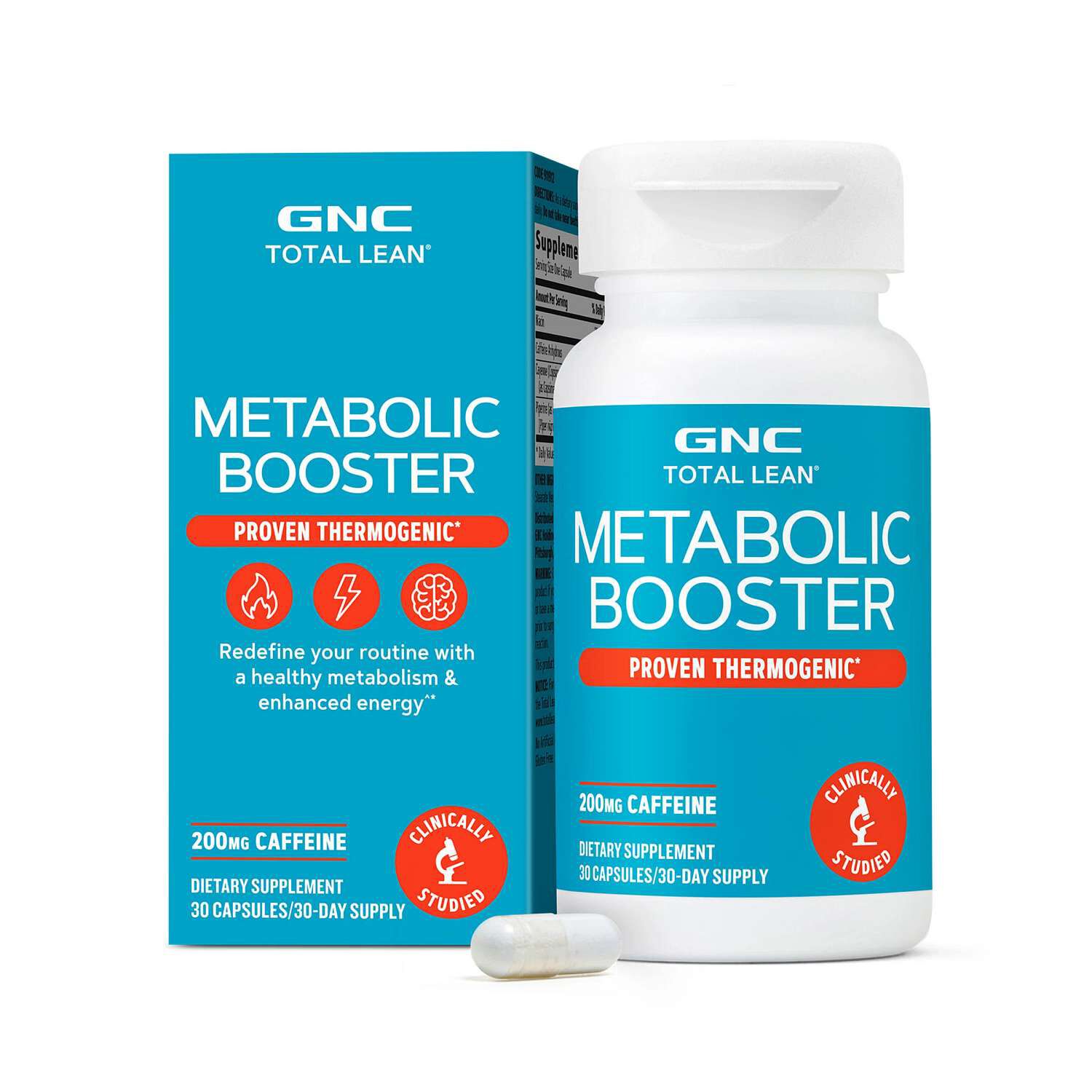 GNC Total Lean$29.99
-
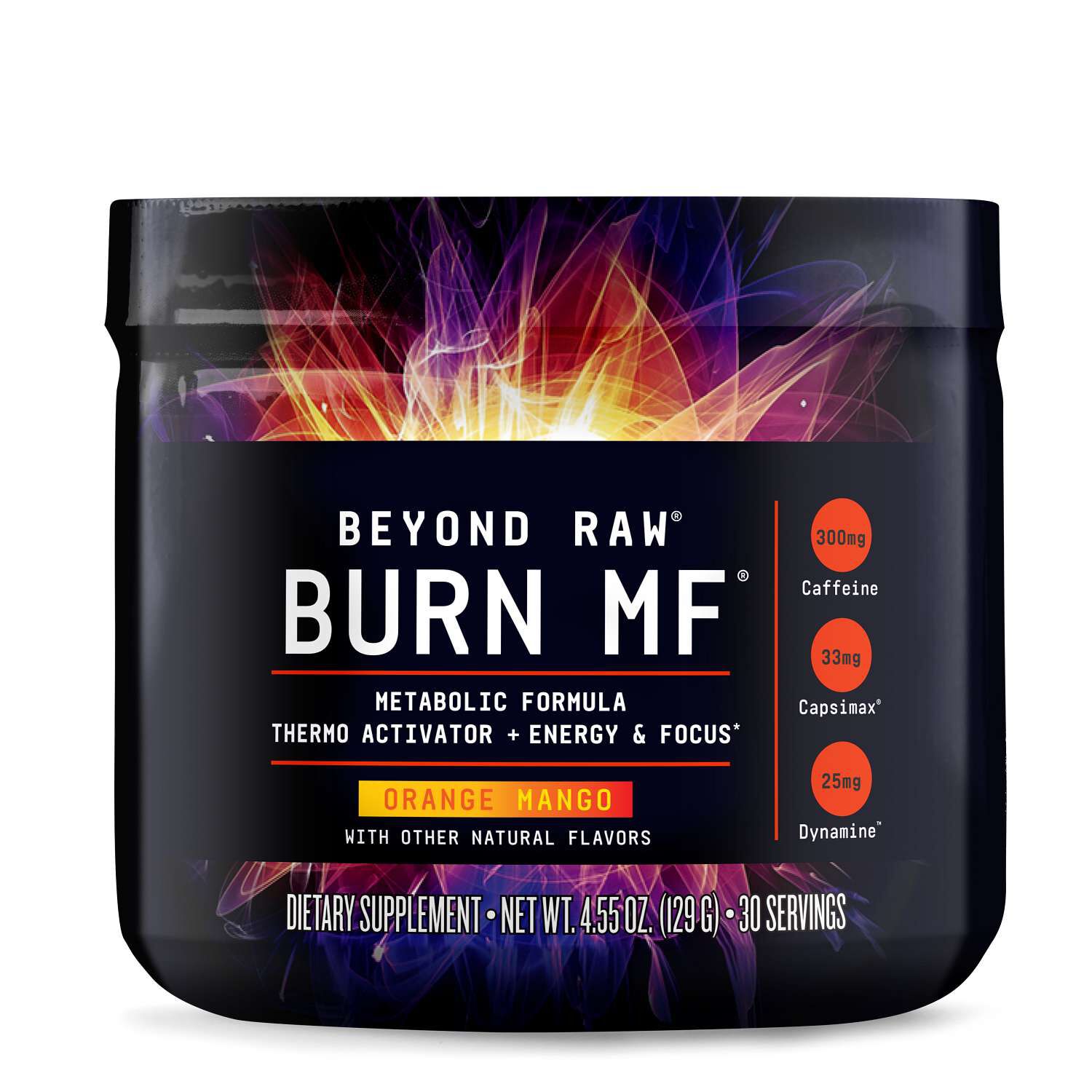
-
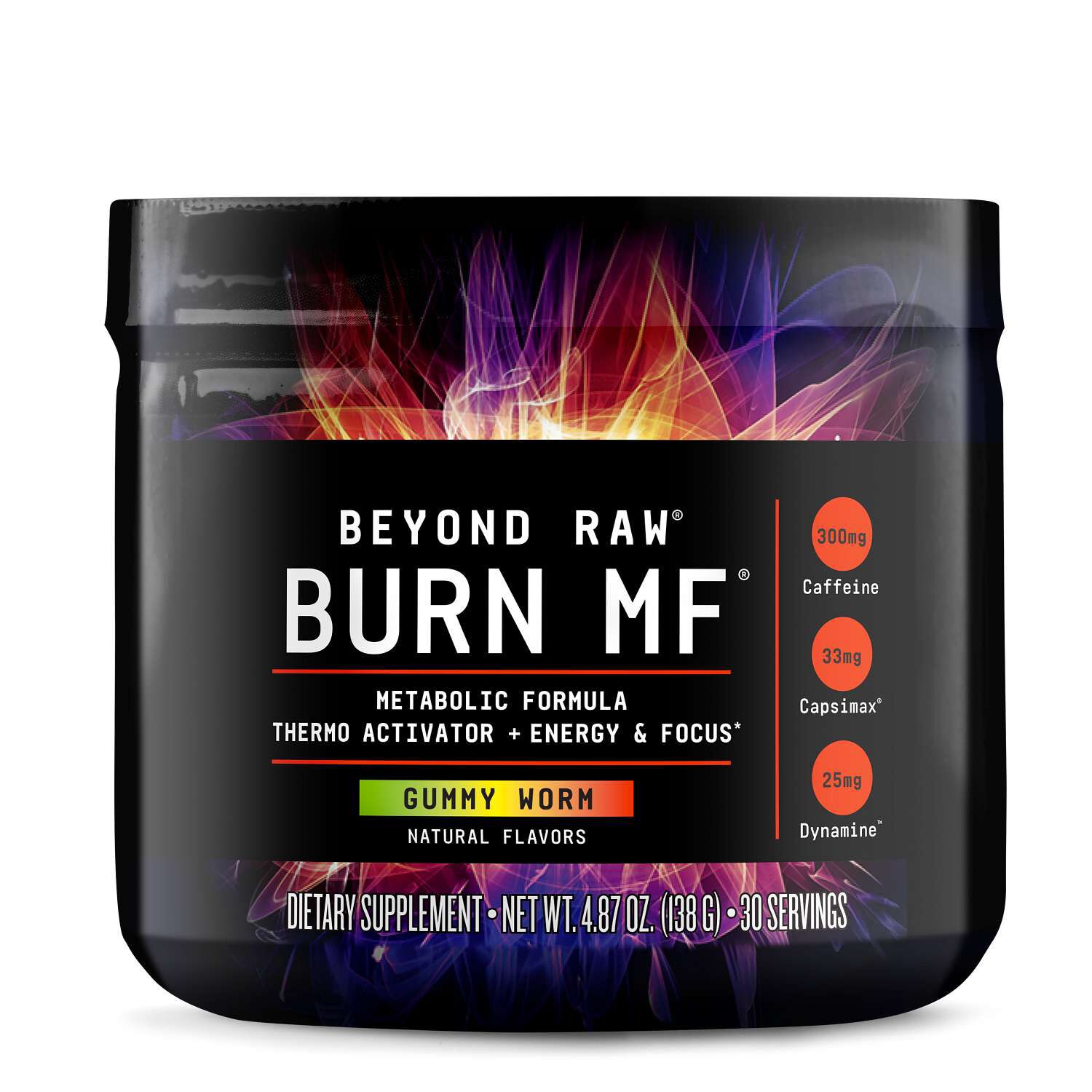
-
 Basic Supplements$29.99
-
 $12.97
-
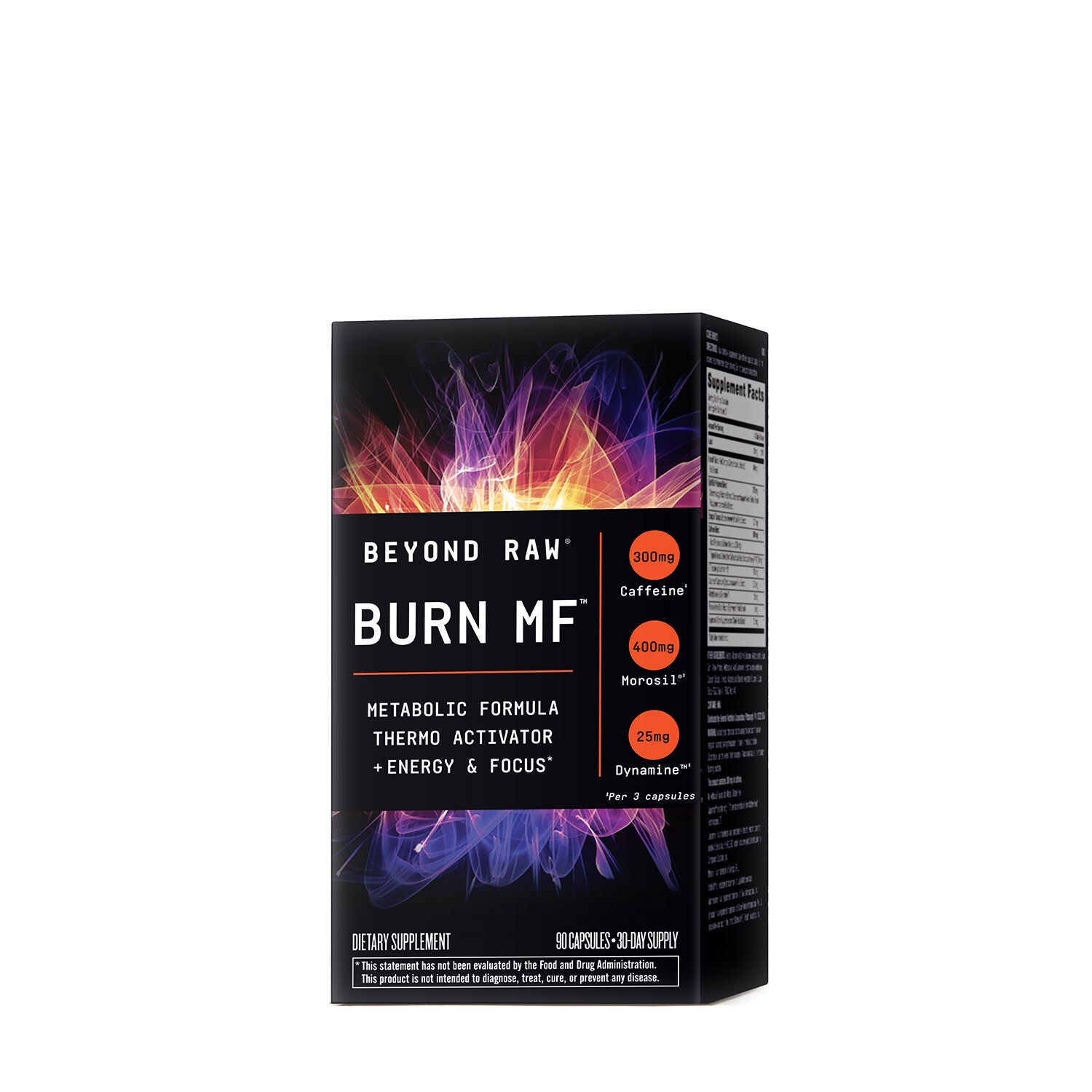
-
 Basic Supplements$29.99
-
 Portions Master$24.99
-

-
-

-

-

-

-
 NDS Nutrition$69.99
-

-

-
-

-

-
-
-

Caffeine supplements for healthy metabolism bring together products intended for adults interested in caffeine as part of an active, balanced routine. Metabolism is the ongoing work of converting nutrients into energy and using that energy for everyday functions, from breathing to walking across a room. Caffeine may temporarily increase energy expenditure and support alertness, but those effects can vary from person to person. A temporary change in energy use is not the same as a lasting change in body weight or body composition. Regular meals, physical activity, and adequate rest remain part of the broader context, rather than details a supplement can replace. That distinction matters when browsing this category: the most useful product information describes what a formula contains, how much caffeine is in a labeled serving, and what format that serving takes. Caffeine occurs naturally in coffee beans, tea leaves, and other plants, while supplement formulas can also contain caffeine anhydrous, a dried form of caffeine. The ingredient source and the amount per serving are separate details, and both deserve space in a clear product description. Plant-derived wording alone does not establish how concentrated a formula is or how someone might experience it. For someone whose morning already includes coffee, a caffeine supplement belongs in a different context than it does for someone who rarely consumes caffeinated beverages. Familiarity with caffeine, preferred timing, and the rest of a daily routine can all shape that context. The category is therefore less about finding the strongest-looking label and more about understanding the relationship between the stated serving, the ingredient list, and intended use. A clearly described formula offers a more meaningful basis for comparison than dramatic language about metabolism or a particular physique.
Format is one of the most practical differences among caffeine supplements. Capsules and tablets offer compact options without the preparation involved in brewing a drink, while powders involve measuring and mixing according to their labeling. Capsule dimensions, tablet coatings, powder texture, and flavor descriptions can matter just as much as the headline ingredient when considering everyday use. Someone who prefers an unflavored capsule may have different priorities from someone who enjoys a flavored drink alongside breakfast. Serving size also deserves careful distinction from package count: a bottle containing a certain number of capsules does not necessarily contain that same number of labeled servings. The Supplement Facts panel identifies the serving size and listed ingredient amounts, while directions describe the intended preparation or use. Together, these details help explain what a serving actually includes. Some formulas center on caffeine alone; others pair caffeine with vitamins, amino acids, or botanical ingredients. A longer ingredient list does not automatically make a formula a better match, and the presence of an ingredient does not establish what someone will notice from it. Where caffeine comes from several ingredients, the disclosed caffeine amount is more informative than the name of any one plant source. Other label details can include capsule materials, sweeteners, flavors, colors, and allergen statements. These are useful distinctions for shoppers with dietary preferences or a preference for a particular texture or taste. Container design matters, too, especially when a bottle will share space with other supplements in a kitchen cabinet or gym bag. Readable labeling, a secure closure, and clearly printed storage information contribute to the practical experience of owning the product. For powders, the stated serving measure and preparation directions are particularly relevant because scoop size, mixing volume, and finished flavor can differ across formulas. None of these features determines a metabolic outcome, but each can make the differences between formats easier to understand.
Intended use provides another way to distinguish caffeine supplements for healthy metabolism from the many other products associated with active living. An adult browsing before-workout options may be interested in a different format than someone looking for a measured alternative to another cup of coffee. Neither scenario makes a supplement necessary; it simply explains why caffeine amount, serving format, and timing appear so prominently in product descriptions. A morning that includes brewed coffee, an afternoon tea, and a caffeinated workout formula can involve caffeine from several sources, so a supplement label is only one part of that picture. Caffeine may also affect sleep, making evening routines a relevant consideration rather than an afterthought. There is no need to treat a noticeable sensation as proof of a meaningful metabolic change. How a supplement might feel and what it might contribute to a routine are separate questions, and neither is settled by bold packaging. Shoppers whose main interest is everyday alertness rather than metabolism can also explore Caffeine Supplements For Energy for a related category perspective. Across either theme, straightforward ingredient information and clearly stated serving amounts provide useful common ground. Care and storage are practical parts of the purchase as well: the original container carries directions, storage conditions, and the expiration date, while its closure helps keep the contents contained between uses. Moisture exposure can affect the condition of powders and some solid formats, so the package’s storage information matters throughout use. A supplement kept for occasional use also has a different place in a household than one incorporated into a regular routine, making package size and labeled serving count relevant considerations. The most meaningful comparison brings these ordinary details together with realistic expectations. Caffeine may play a limited, temporary role in energy expenditure or alertness, while the product’s format, composition, and labeling determine what is actually being purchased. That clear distinction keeps the focus on understandable choices rather than dramatic outcomes.
Best Sellers

Related Pages
Top Collections
- Zinc Supplements | Top Brands at Great Prices | GNC
- Cortisol Supplements
- Joint Mobility Supplement Packs
- NAD+ Supplement Tablets
- Best Brand of Magnesium Glycinate
- Top Rated Collagen | Shop Customer Favorites | GNC
- Iron Supplements
- Peptide Supplements
- Protein Powders For Muscle Growth Support
- Vitamins That Help Support Weight Gain