





Calcium 1000 Mg Tablets
(0 Results)
Calcium is an integral mineral that plays a crucial role in supporting bone health and overall wellness. With calcium being a vital component for maintaining strong bones and teeth, calcium supplements like calcium tablets could be an effective addition to daily routines. These convenient calcium tablets may help support healthy bones, while also potentially contributing to muscle function and nerve transmission. Whether you're looking to complement your diet or seeking additional support for your active lifestyle, explore the benefits that calcium tablets might offer.


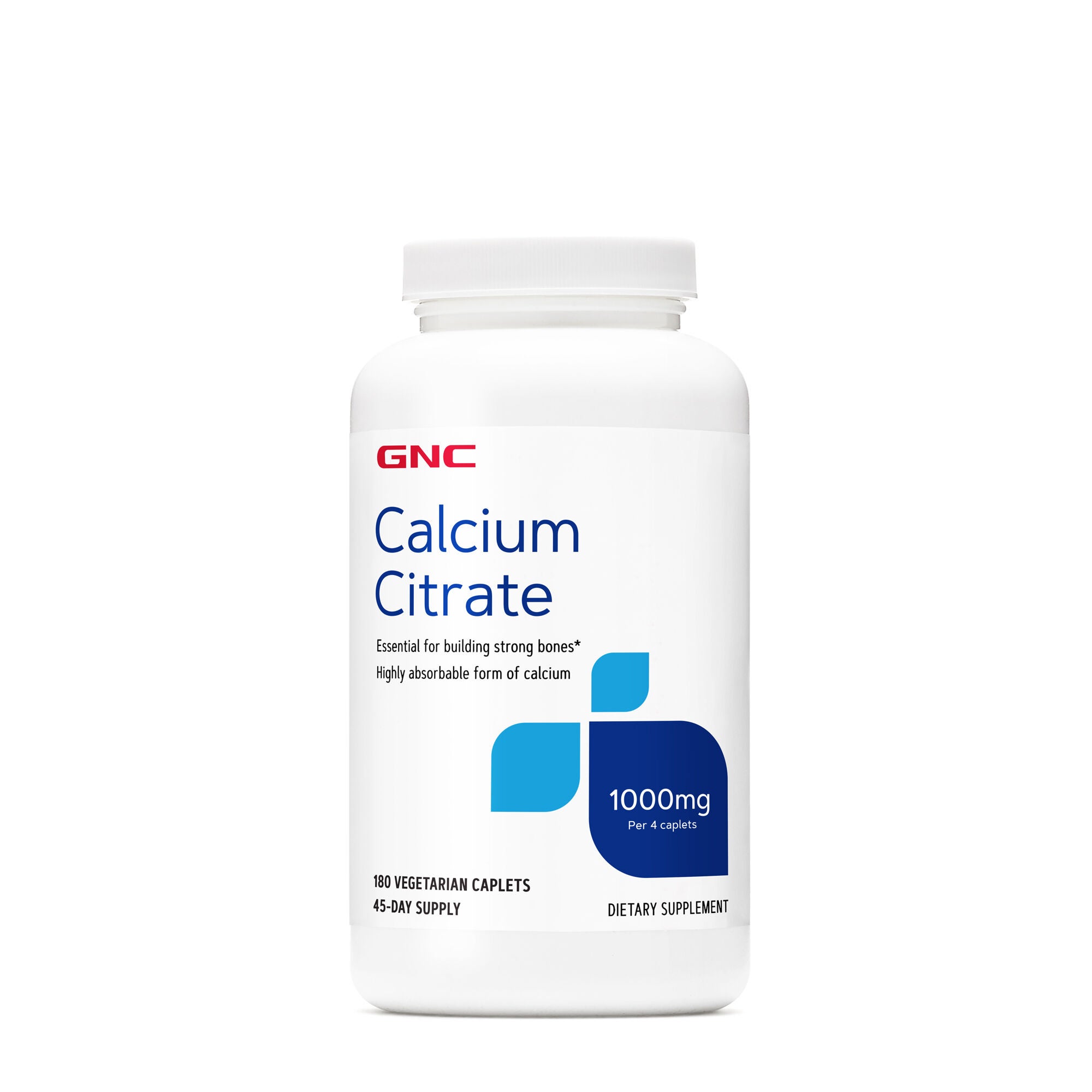

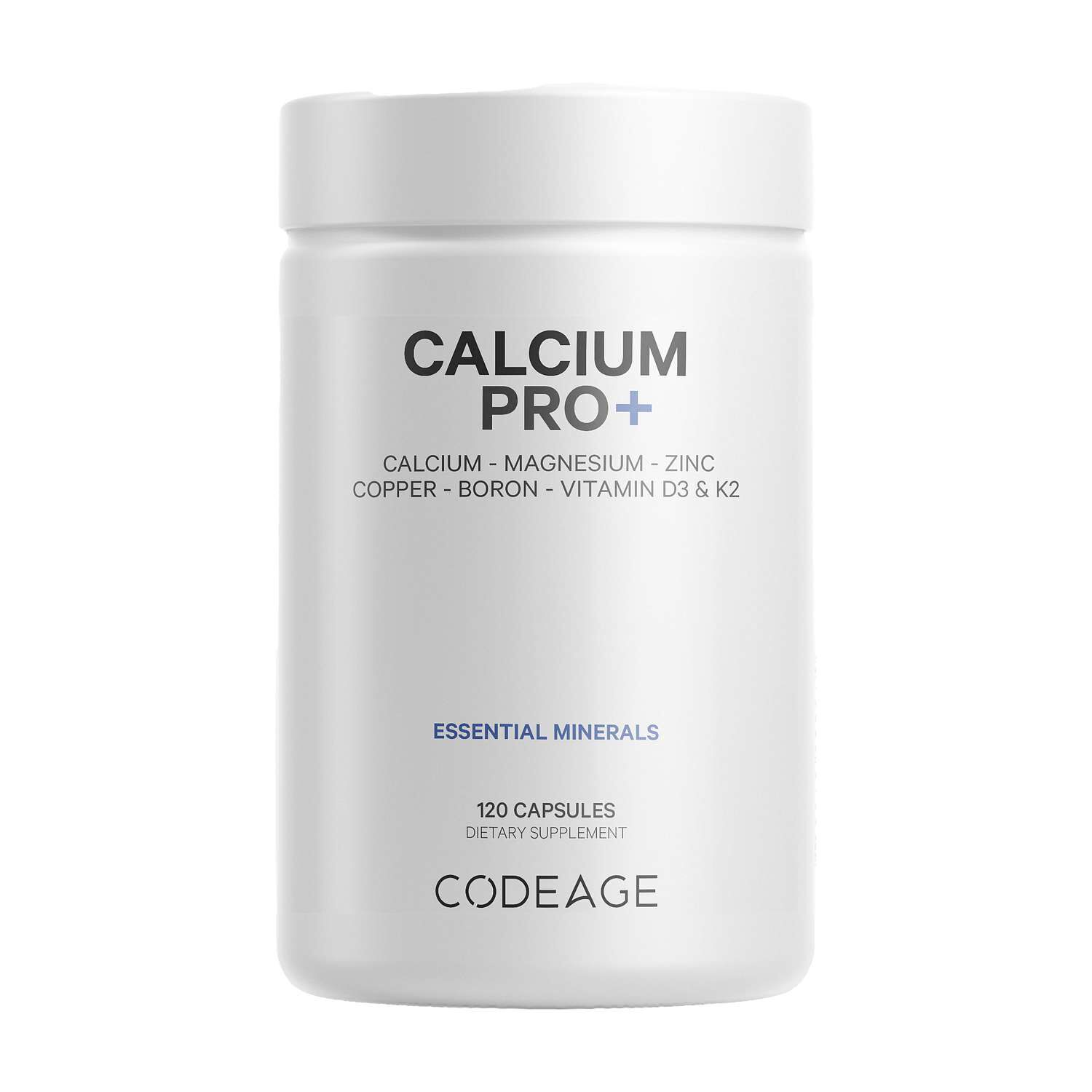

Calcium 1000 mg tablets bring a familiar dietary mineral into a measured tablet format, with differences in serving size, calcium source, and accompanying ingredients that matter when comparing labels. Calcium occurs naturally in foods such as milk, yogurt, cheese, and certain leafy greens, and it is also added to some beverages and other fortified foods. A tablet offers another format for including calcium in an adult nutrition routine, but the amount printed on the front of a bottle needs context. In this category, “1000 mg” may describe the calcium provided by a full serving rather than by one tablet. A serving might consist of two or more tablets, so the serving size and calcium entry on the Supplement Facts panel belong together. Milligrams describe the amount of the nutrient, not the physical size or weight of the tablet. The listed calcium amount represents elemental calcium—the calcium itself—rather than the weight of the entire calcium-containing compound. That distinction helps explain why a tablet’s ingredient list and nutrient panel show related but different information. The tablet count on the package is another separate detail: a bottle containing a certain number of tablets does not necessarily contain that same number of servings. For example, a hypothetical 90-tablet container with a three-tablet serving contains 30 labeled servings. The percent Daily Value offers a standardized reference for interpreting the nutrient panel; it is not a personalized assessment of someone’s dietary needs. A 1000 mg label statement likewise describes the formula, not an amount that applies automatically to every adult. Calcium 1000 mg tablets sit within the broader category of Adult Calcium Tablets, where mineral form, serving size, and tablet characteristics provide more meaningful context than the front-label number alone. These details distinguish formulas that otherwise look similar at a glance, especially when the same calcium amount appears on packages with different tablet counts and serving descriptions.
Calcium carbonate and calcium citrate are two common calcium sources used in tablet formulas. Their names identify the compounds supplying the mineral, while the calcium line in Supplement Facts identifies the calcium amount per labeled serving. Different compounds contain different proportions of elemental calcium, which is one reason tablet size and serving count can vary between formulas with the same stated nutrient amount. Neither the compound name nor the 1000 mg description establishes the number of tablets in a serving. Package directions also differ: calcium carbonate labels commonly specify use with a meal, while calcium citrate labels may describe use with or without food. Those directions belong to the individual formula rather than to every tablet in the category. Some formulas contain calcium alone, while others pair it with vitamin D, magnesium, or additional nutrients. Combination formulas may appeal to adults who prefer several nutrients in one format, although each ingredient has its own amount and labeling details. The presence of vitamin D or magnesium does not change what the calcium figure represents. Beyond the nutrient panel, the other ingredients describe the tablet’s construction. Binders hold ingredients together, and coatings give some tablets a smoother exterior. Round, oval, oblong, coated, and uncoated formats can feel quite different in everyday handling, even when their calcium amounts match. A photograph does not always communicate tablet dimensions, and a higher milligram statement does not automatically mean a larger individual tablet. Serving count, ingredient proportions, and tablet construction all contribute to the finished format. Dietary preferences add another layer of comparison. The mineral source alone does not establish whether an entire formula suits a vegetarian or vegan eating pattern, because coatings and other ingredients also matter. Allergen statements and ingredient lists provide product-specific information for shoppers reviewing ingredients such as milk, soy, or wheat. Straightforward packaging descriptions, readable nutrient panels, and clearly stated serving directions make the distinctions between these tablet formats easier to understand.
The practical fit of calcium 1000 mg tablets often comes down to the details of an established routine. An adult comparing calcium formats might prefer a straightforward calcium-only formula, while another might be reviewing a combination formula alongside an existing multivitamin. In either situation, the calcium amount is only one part of the comparison; the other nutrients, serving size, and directions provide the rest of the context. A smaller tablet with a multiple-tablet serving presents a different everyday experience from a larger tablet with fewer tablets per serving. Neither format is automatically the better match for every shopper. Someone who keeps nutrition products beside breakfast dishes may notice the bottle’s footprint and label readability, while someone carrying a labeled container between home and an office may focus more on closure design and package dimensions. Tablet care is also part of the category. Package storage directions describe the conditions intended for that formula, and the original container keeps those directions, ingredient details, lot information, and expiration date together. Moisture exposure, an unsecured lid, or damaged packaging can make a container less suitable for ordinary storage, regardless of the calcium amount on its label. Tablets are a dry, premeasured format, but their appearance and handling characteristics still depend on their ingredients and packaging. A coating, for example, is a physical feature rather than a measure of calcium content. Likewise, a larger bottle does not establish a longer supply without the serving count, and a familiar-looking tablet does not establish that two formulas have identical ingredients. The most useful distinctions remain concrete: how much calcium appears per serving, how many tablets make up that serving, which calcium compound supplies the mineral, what else the formula contains, and how the package describes intended use and storage. Together, those details give calcium 1000 mg tablets a clearer place among adult nutrition products without treating every bottle with the same front-label amount as interchangeable.
Best Sellers


Related Pages


Top Collections
- Zinc Supplements | Top Brands at Great Prices | GNC
- Joint Mobility Supplement Packs
- Daily Collagen Supplements | Top Brands & Deals | GNC
- Cortisol Supplements
- Supplements For Yoga Joint Flexibility
- NAD+ Supplement Tablets
- Iron Supplements
- Best Brand of Magnesium Glycinate
- Chronic Fatigue Supplements
- Peptide Supplements