





Calcium 500mg Supplements
(0 Results)
Calcium is an essential mineral that plays a crucial role in maintaining strong bones and teeth, as well as supporting proper muscle function and nerve signaling. Our Calcium supplements provide a convenient way to ensure you are meeting your daily calcium needs, especially if you have dietary restrictions or struggle to consume enough calcium-rich foods. With each serving containing a reliable dose of calcium, our supplements are designed to support your overall bone health and wellness. Explore our selection of Calcium supplements to find a product that fits seamlessly into your daily routine.
-
-
 $20.99
-

-
 Portions Master$29.99
-


Calcium 500 mg supplements may complement everyday eating habits that include calcium-containing foods such as yogurt, milk, fortified beverages, calcium-set tofu, and certain leafy greens. Calcium is a mineral naturally present in bones and teeth, and supplements offer another format for including it in a nutrition routine. Within this category, the differences extend beyond the number on the front of a bottle. Calcium source, serving size, tablet or capsule format, additional nutrients, and ingredient preferences all distinguish one formula from another. On a Supplement Facts panel, a calcium amount listed as 500 mg describes the elemental calcium in the stated serving, rather than the weight of the entire calcium compound or finished tablet. That distinction matters because the compound also contains components other than calcium. The serving size provides another important piece of context: a labeled serving might consist of one tablet, two capsules, or another quantity. A bottle count and a serving count therefore describe different things, even when the containers appear similar. The 500 mg amount also describes the formula rather than a universal daily target. Adults comparing calcium supplements may have very different eating patterns, whether breakfast regularly includes yogurt, a household uses fortified plant beverages, or dairy rarely appears on the menu. Those differences make the supplement label more informative than the front-panel number alone. The calcium content of fortified foods can vary as well, so familiar foods do not always contribute identical amounts. For shoppers seeking a clearly labeled mineral supplement, this category brings together options with a shared calcium amount while leaving room for preferences about format, ingredients, and packaging. A meaningful comparison accounts for the stated serving and the amount of calcium in that serving, not simply the size of the bottle or the appearance of the tablets. This creates a clearer picture of what each formula contains without treating every 500 mg option as interchangeable.
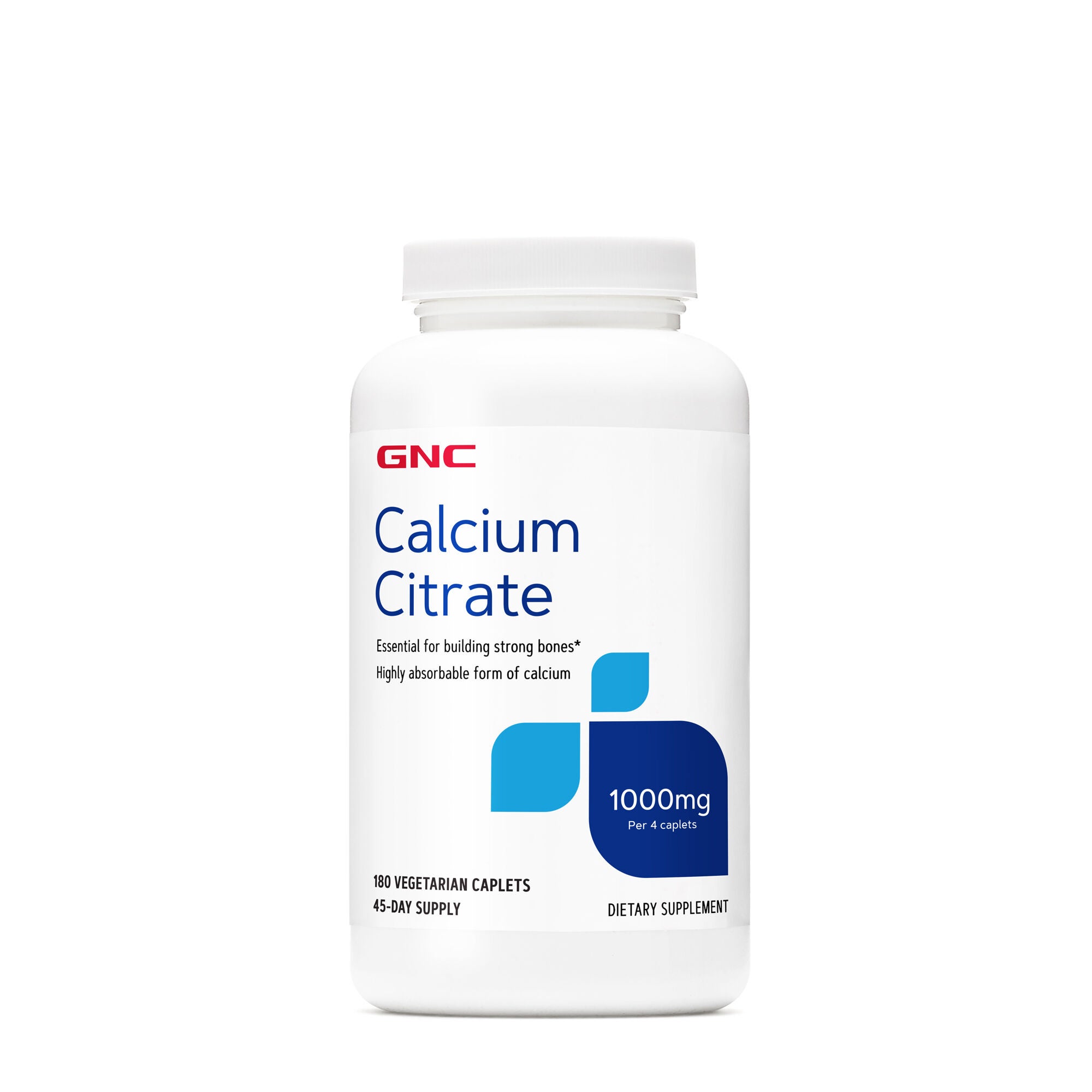
Calcium carbonate and calcium citrate are two common forms found in calcium supplements. They contain different proportions of elemental calcium, so equal amounts of these compounds do not represent equal amounts of calcium. Calcium carbonate contains a greater proportion of elemental calcium by weight than calcium citrate, although the dimensions of a finished tablet or capsule also depend on the other ingredients and the manufacturing process. The calcium source is usually identified in the Supplement Facts panel, often in parentheses after the mineral name. Some formulas use one source, while others combine sources. Meal-related directions can differ by formulation, making the directions another distinction between otherwise similar-looking labels. Format adds a practical consideration. Tablets have a compressed structure and may have a coating; capsules have a shell surrounding the contents; chewable formats introduce texture and flavor as additional characteristics. A shopper who prefers an unflavored capsule may evaluate a formula differently from someone who prefers a fruit-flavored chewable. Neither the calcium amount nor the product photograph necessarily reveals the dimensions of an individual serving, so descriptions of tablet size, capsule size, and serving quantity provide useful context. Other ingredients may include binders, coatings, capsule materials, flavors, and sweeteners, depending on the format. Capsule shells may contain gelatin or plant-derived materials, while the source of the calcium itself is a separate sourcing consideration. A plant-derived shell does not establish the sourcing of every ingredient inside it. Some calcium 500 mg supplements also contain vitamin D, magnesium, or other nutrients. These combinations may suit shoppers who prefer several listed nutrients in one formula, while calcium-focused options may appeal to those seeking a shorter nutrient list. The amounts of accompanying nutrients can vary independently of the calcium amount. Allergen statements, ingredient lists, and dietary designations add further detail for people comparing formulas around established food preferences. Flavor names alone do not convey every ingredient, just as a capsule’s appearance does not reveal its shell material.
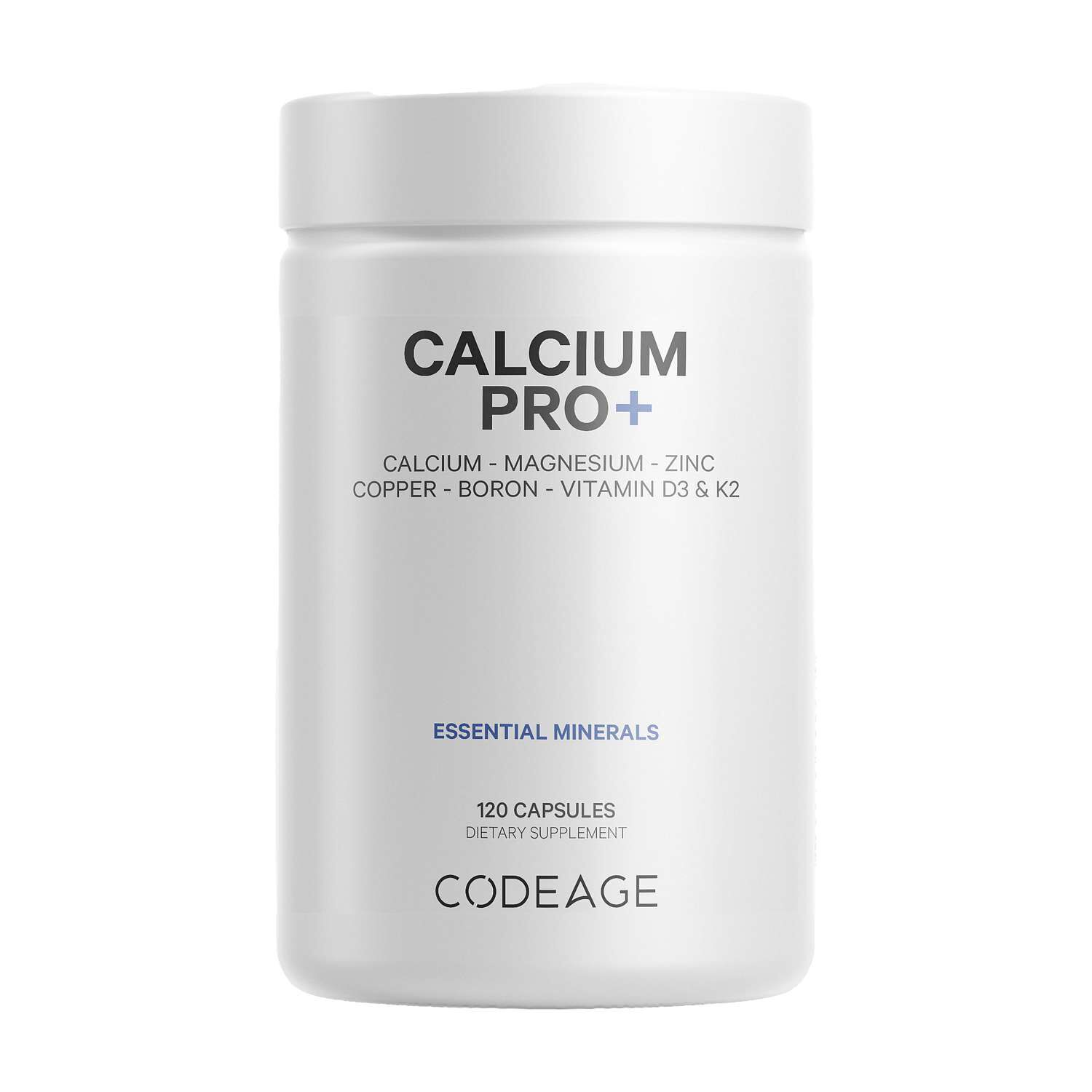
Package size, labeling, and storage details round out the comparison of calcium 500 mg supplements. A larger capsule count does not necessarily represent more servings than a smaller tablet count, because the number of pieces in each serving can differ. For shoppers comparing bottle formats, 120 Capsule Calcium Supplements provides a related category centered on capsule count. That count remains distinct from the calcium amount per serving, and both details belong in a side-by-side comparison. Container dimensions may also matter in an everyday setting: a tall bottle occupies a different space in a kitchen cabinet than a compact container, while cap design and label readability affect handling and identification. Packaging features vary, including closure style, protective seals, and the placement of directions. The original container keeps the ingredient list, serving information, lot identification, and date marking together, which is useful when several supplements share a shelf. Storage instructions describe the conditions intended for the formula and packaging; a location beside a steamy sink presents different conditions from a dry cabinet. Moisture exposure and an improperly closed lid may affect the condition of tablets or capsules, making packaging care part of the ownership experience rather than an afterthought. Date markings and handling directions also provide more relevant context than assumptions based on how sturdy a tablet looks. For people comparing several supplements within an existing routine, the full nutrient panels reveal where ingredients overlap, including vitamin D or magnesium in combination formulas. Straightforward labeling may make that comparison easier. A familiar capsule format, a manageable serving quantity, a preferred calcium source, or a clearly documented ingredient list may each influence the final selection. The most relevant distinctions remain concrete: elemental calcium per serving, the number of tablets or capsules in that serving, the other ingredients, and the handling information on the package. Together, those details give calcium 500 mg supplements a more specific identity than a front-label number alone can provide.
Best Sellers


Related Pages


Top Collections
- Zinc Supplements | Top Brands at Great Prices | GNC
- Cortisol Supplements
- Joint Mobility Supplement Packs
- NAD+ Supplement Tablets
- Best Brand of Magnesium Glycinate
- Top Rated Collagen | Shop Customer Favorites | GNC
- Iron Supplements
- Peptide Supplements
- Protein Powders For Muscle Growth Support
- Vitamins That Help Support Weight Gain