





Calcium For Spring
(0 Results)
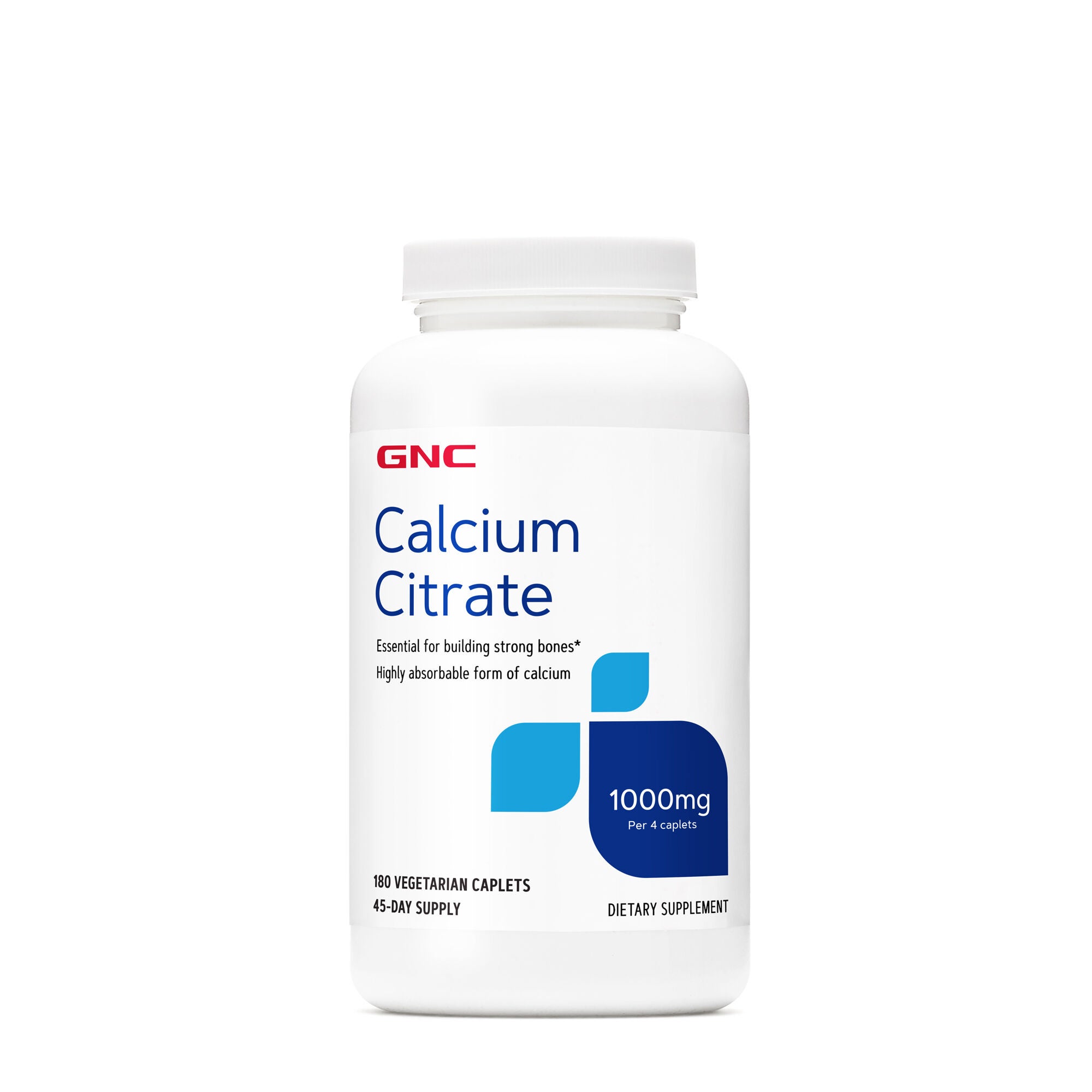
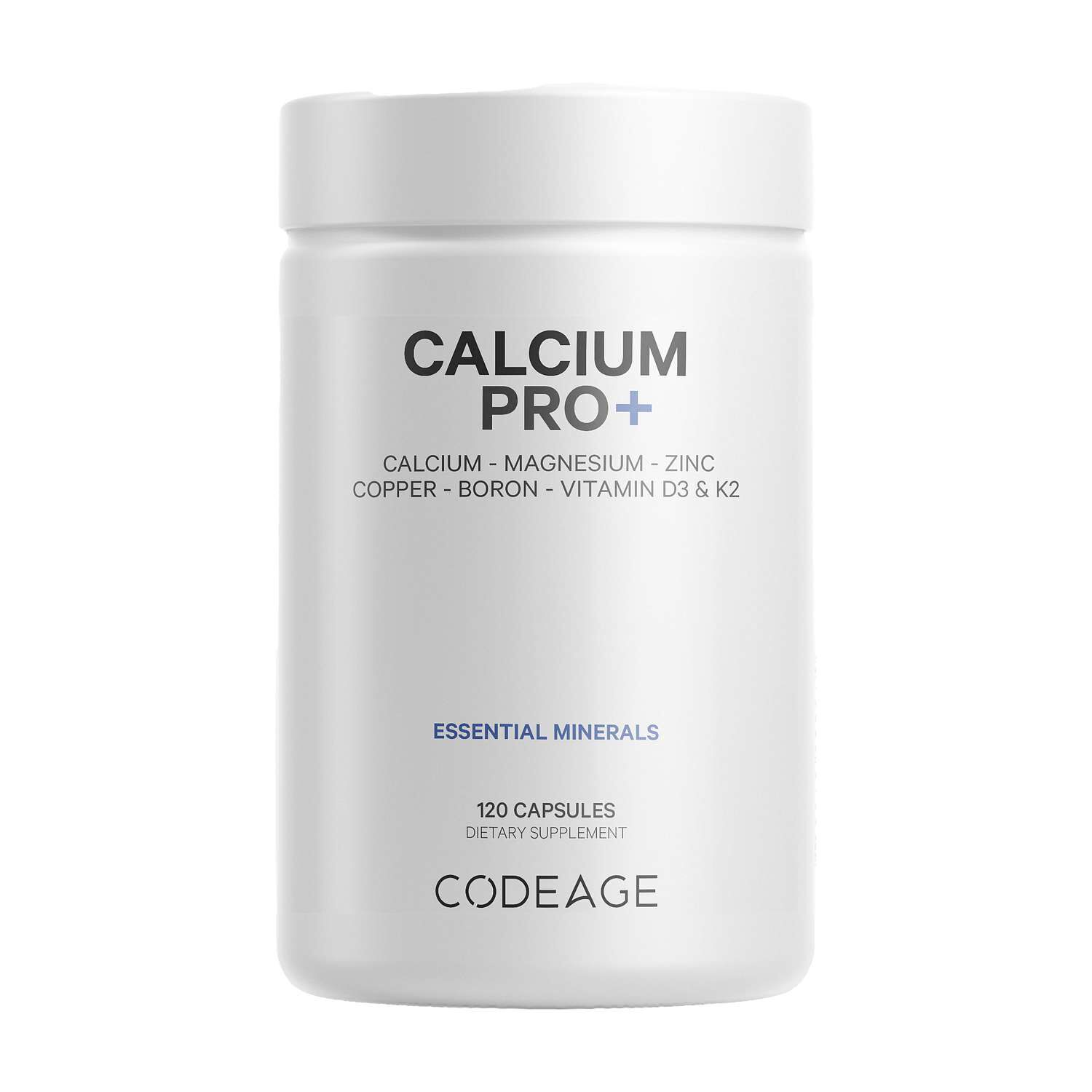
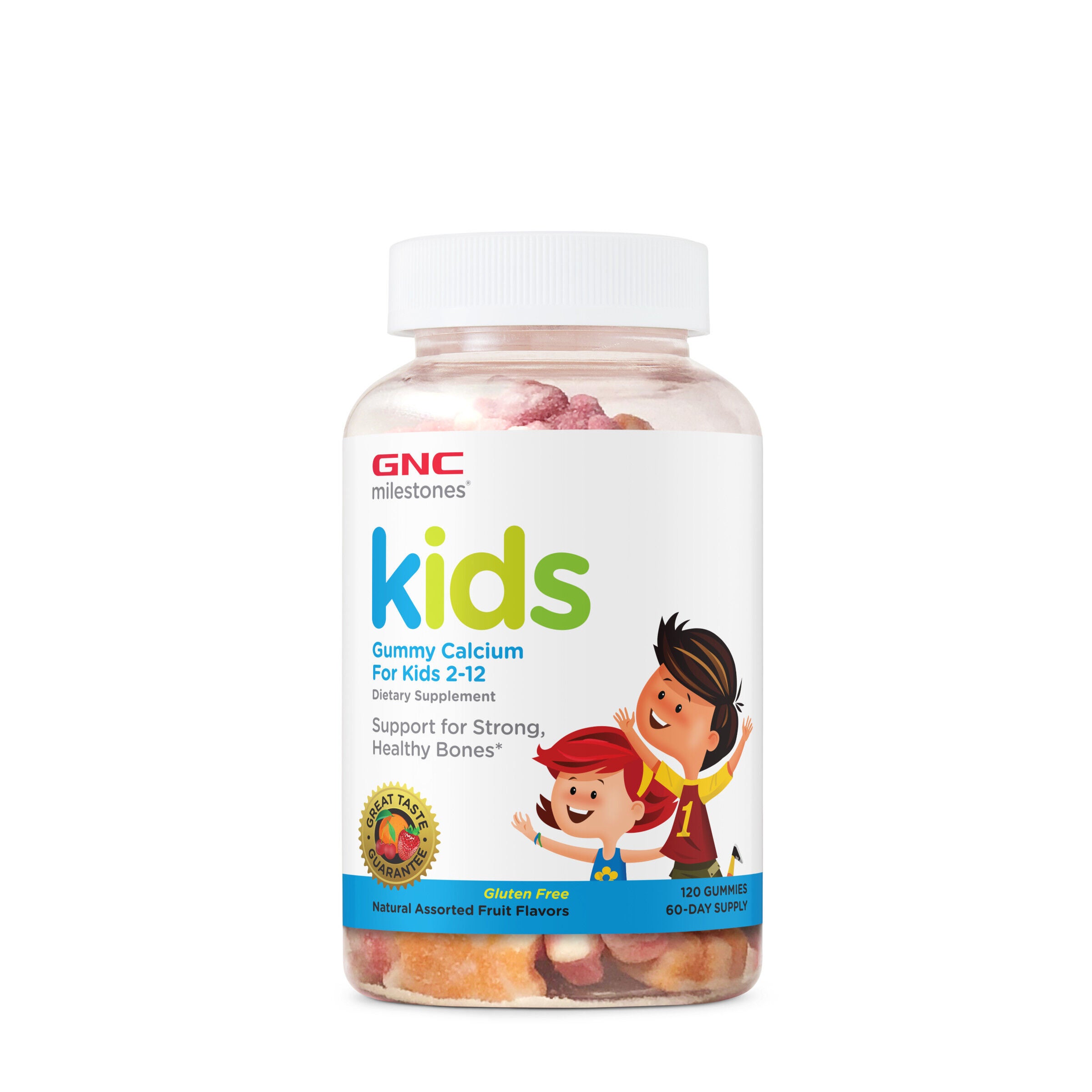
Calcium for spring is a great way to support your wellness routine as the seasons change. With longer days and more opportunities to enjoy outdoor activities, many people look for ways to help maintain their daily intake of important nutrients. Explore a variety of calcium options that may fit your lifestyle and nutritional preferences this spring. Whether you’re adding to your routine or trying something new, discover choices designed to make it easy to prioritize your wellness goals.
-

-
-
-

-

-

-

-

-
 Portions Master$29.99
-

-

-
-
 $39.99
-
 $20.99
-
 $20.99


Calcium for spring belongs alongside the everyday details of a nutrition routine: breakfast before a morning walk, lunch packed for a day outdoors, or dinner after an afternoon in the garden. Calcium is a mineral found in foods such as milk, yogurt, cheese, certain leafy greens, and some fortified beverages. Dietary supplements offer another format for shoppers considering calcium as part of their personal nutrition choices. These products are intended for people, rather than for use as calcium amendments in garden soil. Within the supplement category, tablets, capsules, soft chews, gummies, powders, and liquids bring different textures, serving sizes, and packaging considerations. A tablet offers a measured solid format, while a powder involves measuring and preparation according to its label. Chewable options have their own flavors and textures, and liquid formats require attention to the measuring instructions and any directions for shaking or refrigeration. For an adult whose spring calendar includes early departures, weekend outings, or meals away from home, those practical differences may matter as much as the presentation on the front of a bottle. Someone who prefers an unflavored routine may look closely at capsules or tablets, while someone who enjoys a flavored format may be more interested in a chewable option. Preferences also extend to the size and shape of a serving, whether it involves one piece or several, and how it fits into an established daily schedule. Food remains relevant to that context: a breakfast with yogurt, a sandwich with cheese, or a meal containing a fortified beverage each has its own nutritional composition. The calcium listed on a food label reflects that particular food and serving, rather than every food in the same category. Spring shopping for calcium is therefore about more than a seasonal label; it includes the ordinary details of format, ingredients, portions, and intended use that distinguish one type of dietary supplement from another.
The Supplement Facts panel provides concrete details for comparing calcium supplements without relying on package size or flavor alone. Calcium carbonate and calcium citrate are two commonly used forms, and the ingredient list identifies the form included in a particular formula. The calcium amount shown in the Supplement Facts panel refers to elemental calcium, not the weight of the entire calcium-containing compound. That distinction matters when two packages describe their contents differently. Serving size deserves equal attention: an amount listed per serving may correspond to multiple tablets, capsules, or chewable pieces rather than a single piece. The number of servings per container is another separate detail, so bottle count and serving count are not always interchangeable. Some formulas contain calcium by itself, while others also list vitamin D, magnesium, or additional nutrients. Each ingredient and its stated amount belongs to that particular formula; similar packaging does not mean identical composition. Beyond the nutrient panel, the other ingredients describe much of the product experience. Gummies may contain pectin or gelatin, sweeteners, colors, and flavoring ingredients. Capsules have shell materials, and tablets may include coatings or ingredients used to hold their shape. Powders and liquids have their own ingredient lists, along with preparation or measuring directions. These details are particularly relevant to shoppers with vegetarian preferences, dietary restrictions, or a preference for certain sweeteners and textures. A fruit flavor does not establish the source of every ingredient, and a plain-looking tablet does not establish its coating or composition. Package descriptions and ingredient statements offer more specific information than appearance alone. For flavored formats, texture is another useful distinction: a gummy, a firm chewable tablet, and a soft chew are different experiences even when their flavor names sound similar. Larger containers also require a look at the dimensions of the package and its closure, especially when storage space is limited. A narrow kitchen cabinet, a shared pantry shelf, and a small travel bag each place different demands on packaging, making the physical details part of the comparison rather than an afterthought.
Spring outings add a practical setting for thinking about product care. A bottle stored at home has different surroundings from a container carried to a vacation rental or tucked into a bag for a weekend visit. Storage directions remain specific to the product, including any instructions concerning temperature, moisture, light, or refrigeration after opening. A windowsill, parked car, or damp bathroom shelf may not match those directions. The original packaging keeps the ingredient information, serving directions, date marking, and product identification together, while a securely closed lid helps protect the contents from ordinary spills and exposure during handling. Any desiccant packet belongs to the packaging rather than the serving. Powders also involve keeping measuring utensils clean and dry, and liquids require the measuring method stated on the label rather than an assumed household spoonful. For chewable formats, the storage instructions matter just as much as the flavor description; texture and appearance alone do not establish whether storage conditions were appropriate. These are everyday product-care considerations, whether spring plans involve a picnic, a road trip, a garden project, or an overnight stay with family. When shopping for another adult, familiar format and ingredient preferences are more useful than treating a supplement as an interchangeable seasonal gift. A person accustomed to capsules may have different preferences from someone who uses a measured liquid, and package directions may differ even between products that look alike. Calcium also sits within a broader assortment of nutrition categories, making Springtime Supplements a related place to browse while keeping the details of each formula separate. The most meaningful distinctions remain specific and tangible: what form the calcium takes, what else appears in the ingredient list, how a serving is defined, and what care the package requires. Those details give calcium for spring a place in everyday shopping, with attention to personal preferences and the routines that continue beyond any single outing.
Best Sellers
Related Pages

Top Collections
- Zinc Supplements | Top Brands at Great Prices | GNC
- Cortisol Supplements
- Joint Mobility Supplement Packs
- NAD+ Supplement Tablets
- Best Brand of Magnesium Glycinate
- Top Rated Collagen | Shop Customer Favorites | GNC
- Iron Supplements
- Peptide Supplements
- Protein Powders For Muscle Growth Support
- Vitamins That Help Support Weight Gain