





Spring Proteins
(0 Results)
Spring is the perfect time to refresh your wellness routine, and spring proteins could be just what you need to support your goals. Whether you're looking for options to complement an active lifestyle or simply seeking a convenient way to add more protein to your daily meals, the spring proteins selection offers a variety of choices. Explore different flavors, textures, and formats that might fit seamlessly into your routine as you embrace the energy of the new season.
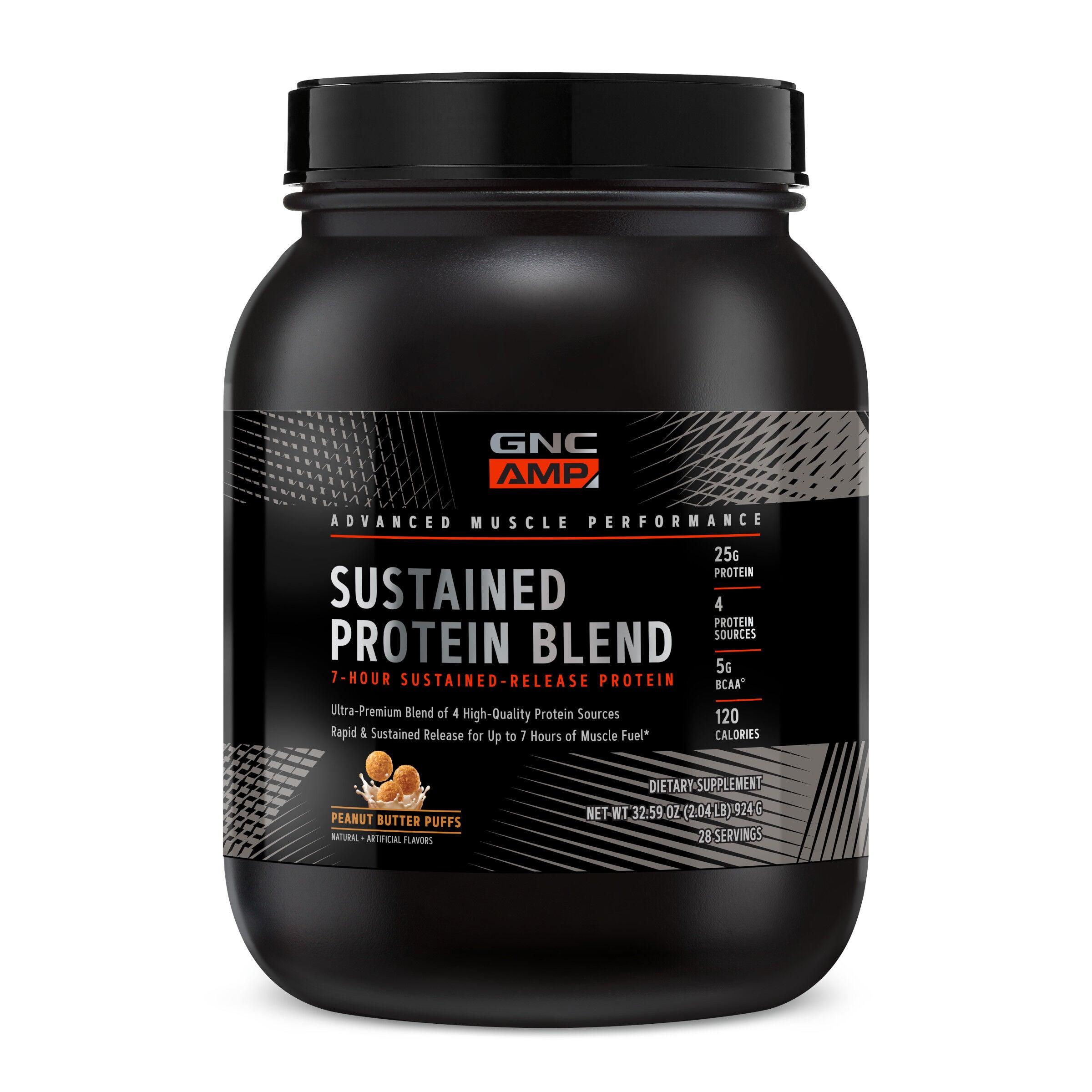


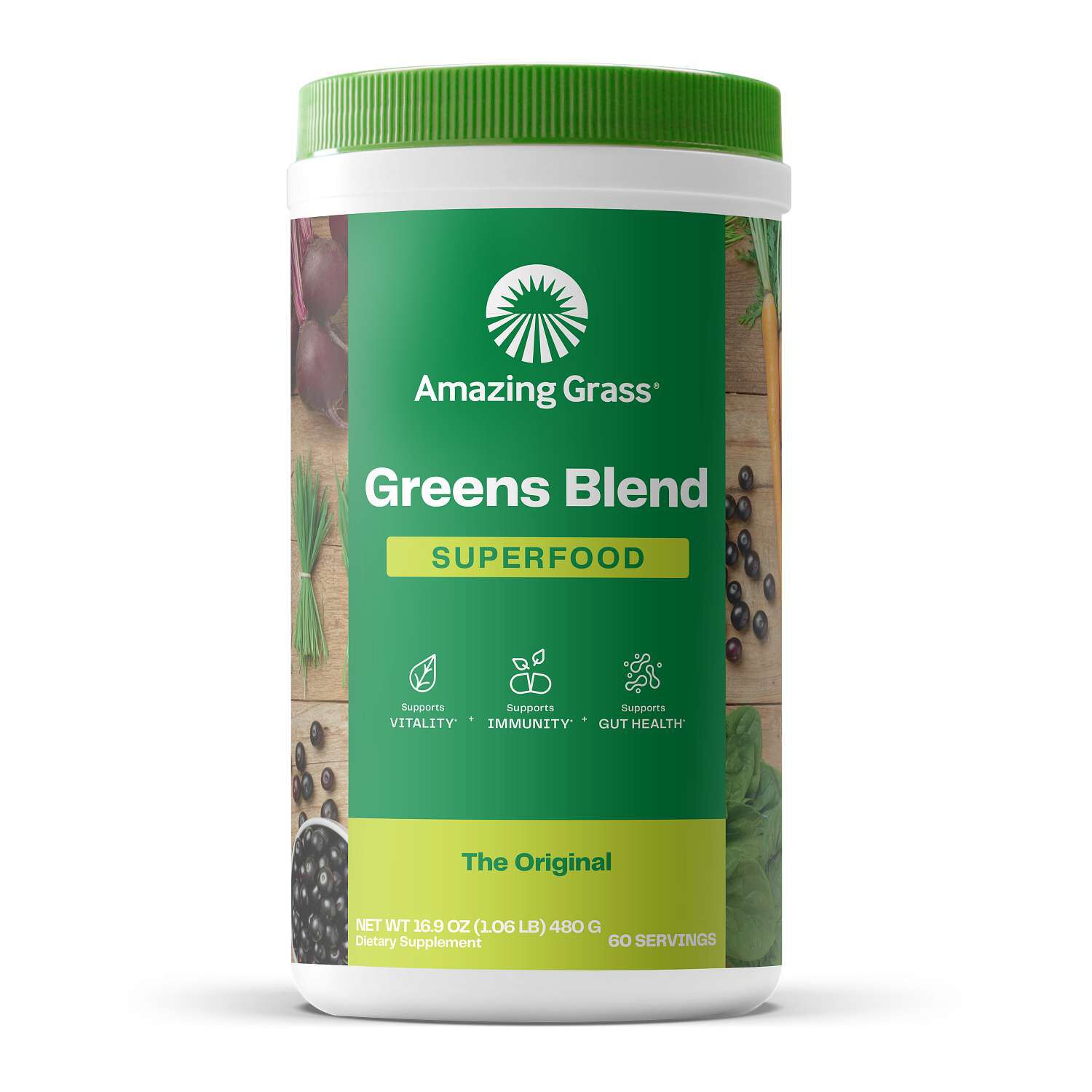

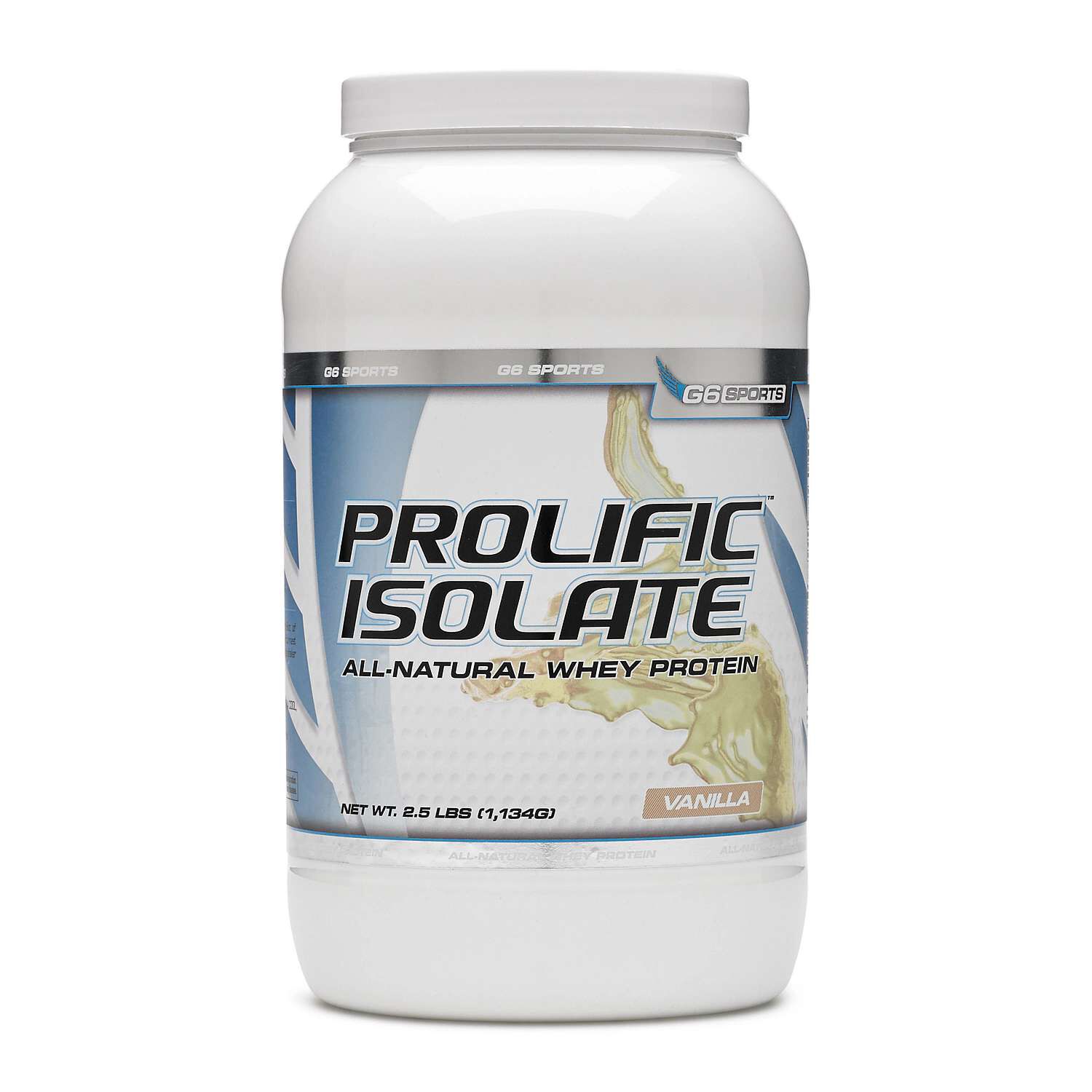

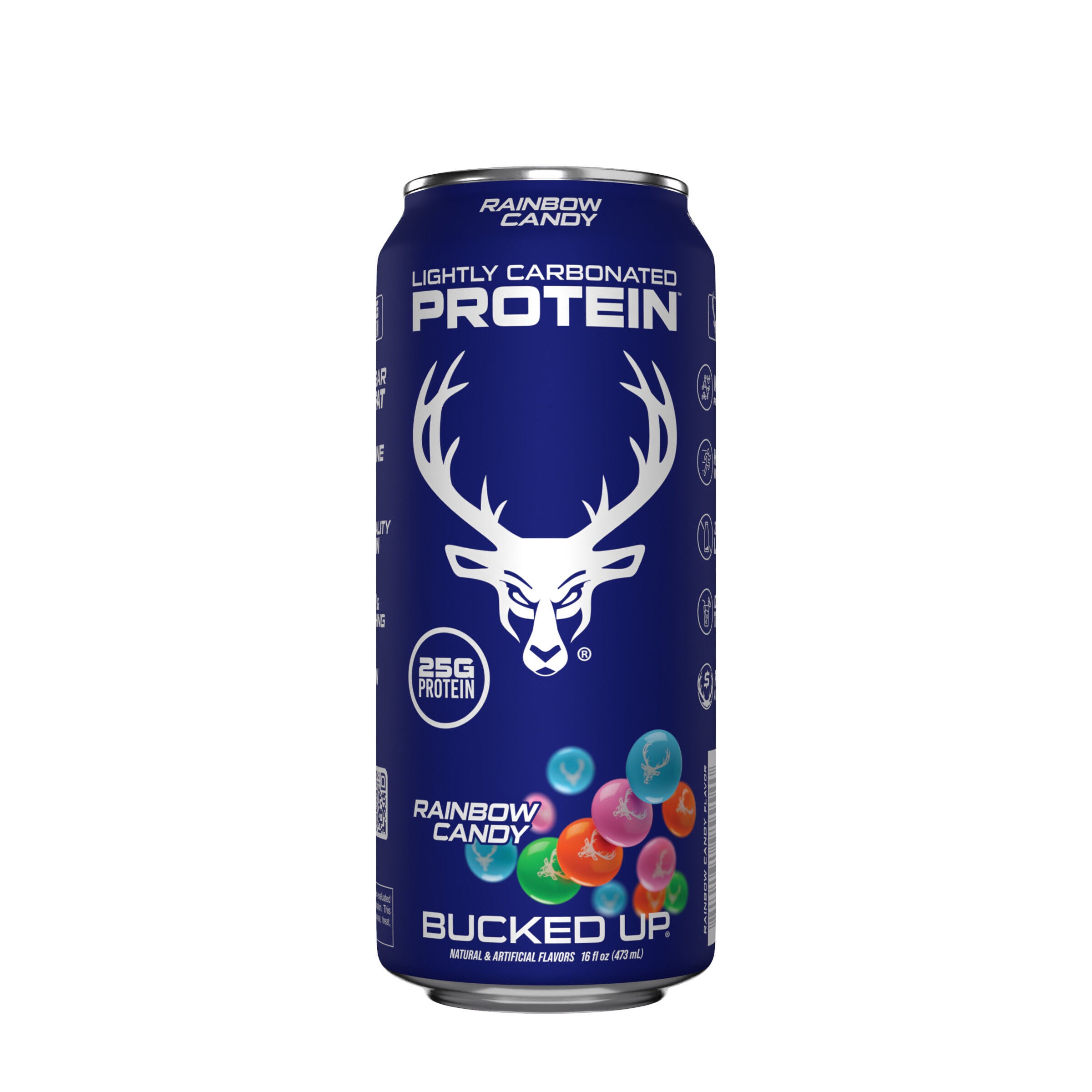


Spring proteins bring a seasonal focus to protein powders, ready-to-drink shakes, and protein snacks, with flavors and formats that suit spring menus and everyday routines. The term also has a place in the kitchen, where eggs, fish, poultry, beans, lentils, and peas appear alongside tender greens, asparagus, fresh herbs, and strawberries. For a supplement collection, the focus is on convenient protein formats rather than a particular seasonal ingredient. Whey, casein, egg, soy, pea, and rice are among the sources found in protein supplements, and each gives shoppers a different starting point for comparing ingredients and preparation styles. Whey and casein come from milk, while pea, soy, and rice offer plant-based alternatives. Some powders combine several protein sources in one formula. The source name alone does not describe every ingredient in the container, so the ingredient list matters just as much as the front label. A shopper looking for a dairy-based powder for breakfast smoothies may have different preferences from someone choosing a plant-based shake to pack with lunch. Spring flavors provide another point of comparison: vanilla with strawberries, chocolate with cherries, or an unflavored powder mixed into a recipe where other ingredients take the lead. These combinations connect protein supplements with familiar foods without making every meal revolve around a shake. A spring protein routine might include a fruit smoothie on a busy morning, a packaged snack tucked beside lunch, or a chilled drink packed for the trip home from a recreational outing. The useful distinction is between the protein source, the finished format, and the occasion it is meant to fit. A powder requires mixing, a bottled shake comes prepared, and a bar has its own texture and ingredient profile. Those differences are often more relevant to everyday use than seasonal wording on a label, particularly when breakfast happens at a desk or a snack needs to travel in a small bag.
Taste, texture, and preparation deserve close attention when comparing spring protein options. A powder mixed with water may taste different from the same powder blended with milk or a plant-based beverage, and fruit, oats, yogurt, or nut butter may change the consistency further. Strawberries and vanilla make a familiar pairing for a spring breakfast, while cocoa and banana offer another direction for shoppers who prefer richer flavors. An unflavored formula may suit a recipe where the taste of fruit or other ingredients should remain more noticeable, although unflavored does not necessarily mean without a recognizable taste. Some powders may produce a thicker mixture than others, and the amount of liquid listed in the preparation directions provides a useful starting point. A shaker bottle suits simple mixtures, while a blender is better suited to recipes containing frozen fruit or other solid ingredients. Adding powder to a smoothie is a different use from baking with it: changing the dry ingredients in pancakes, muffins, or baked oats may alter moisture and texture, so a recipe written for protein powder is a more practical reference than a direct swap for flour. Ready-to-drink shakes remove the mixing step, but package size, storage directions, and flavor still matter. Protein bars and other packaged snacks vary in chewiness, coatings, sweetness, and portion size. A dense, chewy bar may suit someone who wants a substantial snack, while another shopper may prefer a drink alongside a sandwich or salad. These are matters of taste and intended use rather than a single best choice for everyone. For a spring picnic or a day spent between errands and an outdoor gathering, packaging and temperature requirements also become part of the decision. A shelf-stable container may have different storage instructions before and after opening, and a coated snack may need protection from direct sunlight. Choosing a format that suits the setting may make it easier to include in an ordinary day without adding unnecessary preparation or cleanup.
Label details help distinguish protein products that look similar at first glance. Protein grams per serving are one consideration, but serving size, servings per container, calories, added sugars, sweeteners, and the full ingredient list provide additional context. A scoop is not a universal unit: its size and the number of scoops in a labeled serving differ among formulas. Comparing the stated serving rather than the appearance of the scoop keeps the comparison meaningful. Shoppers with dietary preferences may also look for milk, soy, egg, wheat, peanuts, or tree nuts in the ingredient and allergen statements, including any information about shared manufacturing equipment. A plant-based protein source does not by itself describe every other ingredient or manufacturing condition. For someone who prefers a shorter ingredient list, flavorings, thickeners, and sweeteners may be deciding factors; another shopper may place more importance on a particular taste or mixing style. Container size deserves the same practical attention. A large tub requires cupboard space and a consistent preparation routine, while smaller packages may suit occasional use, travel, or a shared kitchen with limited storage. Keep powders closed as directed, use a clean, dry scoop, and follow the package instructions for storage and use after opening. Prepared drinks and mixed shakes have their own handling requirements, so the directions for the finished product matter even when the ingredients seem familiar. For gifting, a modest assortment may suit an adult who already enjoys protein shakes or packaged protein snacks, provided the flavors and ingredients match known preferences. A familiar format is generally a more personal choice than an unfamiliar formula selected only for its spring packaging. The related Spring Diet Supplements collection provides another seasonal browsing destination. Within spring proteins, the most useful comparisons remain grounded in the product itself: what it contains, how it is prepared, how it tastes, how it travels, and where it fits alongside regular meals and snacks. Those details give the seasonal theme a practical connection to everyday shopping.
Best Sellers

Related Pages


Top Collections
- Supplements For Yoga Joint Flexibility
- GLP 1 Support For Adults
- Joint Mobility Supplement Packs
- Chronic Fatigue Supplements
- Adult Mobility Supplements
- Supplements For Balance
- Supplements For Anxiety Relief Support
- Capsule Supplements For Energy And Stamina
- Zinc Supplements | Top Brands at Great Prices | GNC
- Anti Aging Supplements For Women