





Calcium Magnesium Vitamin D3 For Joint Health
(0 Results)
Calcium magnesium vitamin d3 for joint health offers a convenient way to support your daily wellness routine. These nutrients are often chosen by those looking to maintain an active lifestyle and prioritize overall well-being. With a variety of options available, finding the right combination may help you stay on track with your personal health goals. Explore selections that fit your needs and discover how calcium magnesium vitamin d3 for joint health could be a valuable addition to your supplement regimen.
-

-
-

-
 $39.99
-
 $20.99
-
 Trace Minerals$29.99
-

-

-

-

-

-
-

-
-
 _Front.jpg?sw=305&sh=305&sm=fit "Magnesium: Bioactive Magensium Citrate - 120 Capsules (120 Servings) | GNC")
-

-

-

-

-
 _Front.jpg?sw=305&sh=305&sm=fit "Magnesium: Bioactive Magensium Citrate - 60 Capsules (60 Servings) | GNC")
-

-


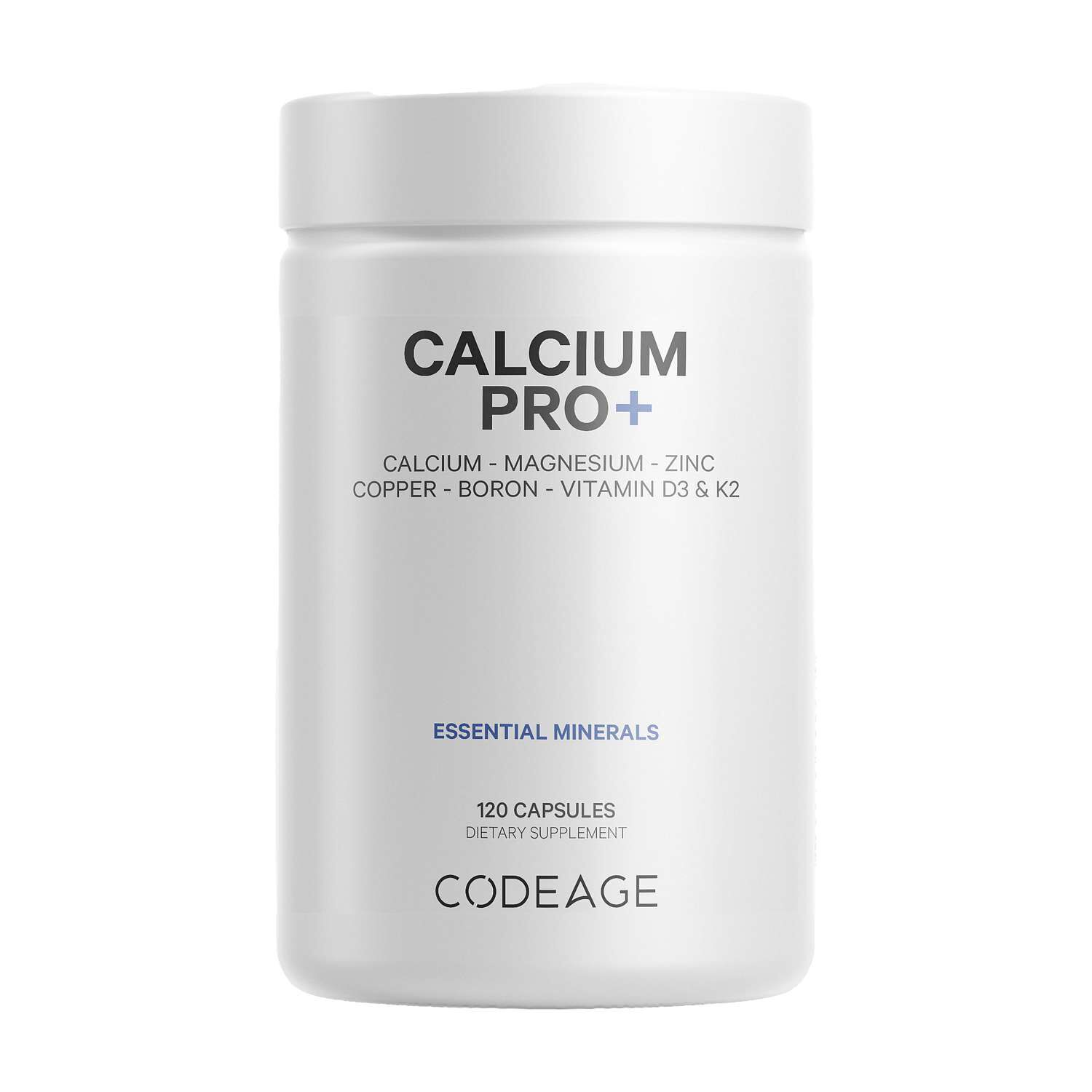
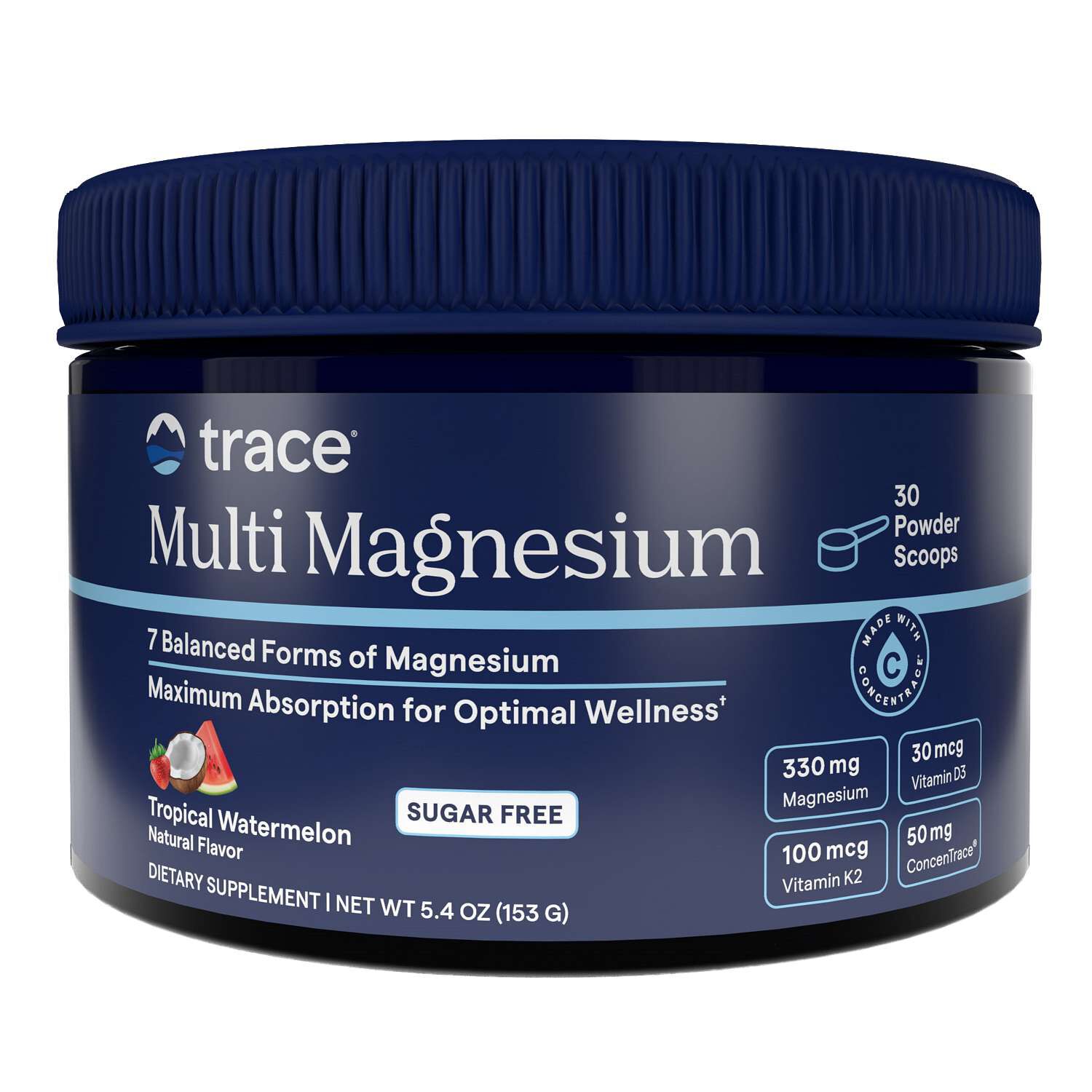
Calcium, magnesium, and vitamin D3 supplements may fit a joint health routine through their connection to bone health and normal muscle function. Calcium may help maintain bone structure, magnesium may support normal muscle function, and vitamin D3 may help the body absorb calcium. For shoppers exploring calcium, magnesium, and vitamin D3 for joint health, that distinction matters: these nutrients are generally associated with nutritional support for bones and muscles, rather than a direct effect on joint cartilage. Bones, muscles, and joints have different roles in everyday movement, even though shopping language sometimes groups them together. A combination formula may offer a convenient way to include all three nutrients in a daily supplement routine, but the presence of these ingredients does not make every blend interchangeable. The amounts, mineral forms, serving size, and additional ingredients can differ considerably. Someone who enjoys neighborhood walks, tends a garden, or spends weekends on home projects might consider this category as part of a broader interest in everyday mobility and skeletal wellness. Other shoppers may simply prefer a combined formula over separate bottles of calcium, magnesium, and vitamin D3. Food remains part of the context: dairy foods, fortified beverages, leafy vegetables, nuts, and seeds can contribute different nutrients, while supplements may complement an existing eating pattern. A supplement label describes what a formula contains, not everything a person consumes throughout the day. Looking at that broader picture makes the category easier to understand without treating a single nutrient combination as the answer to every joint health goal. Descriptions centered on bone and muscle support are more relevant here than language suggesting changes to cartilage. The most meaningful comparisons begin with the actual nutrient amounts and format, followed by how clearly the label explains the intended use.
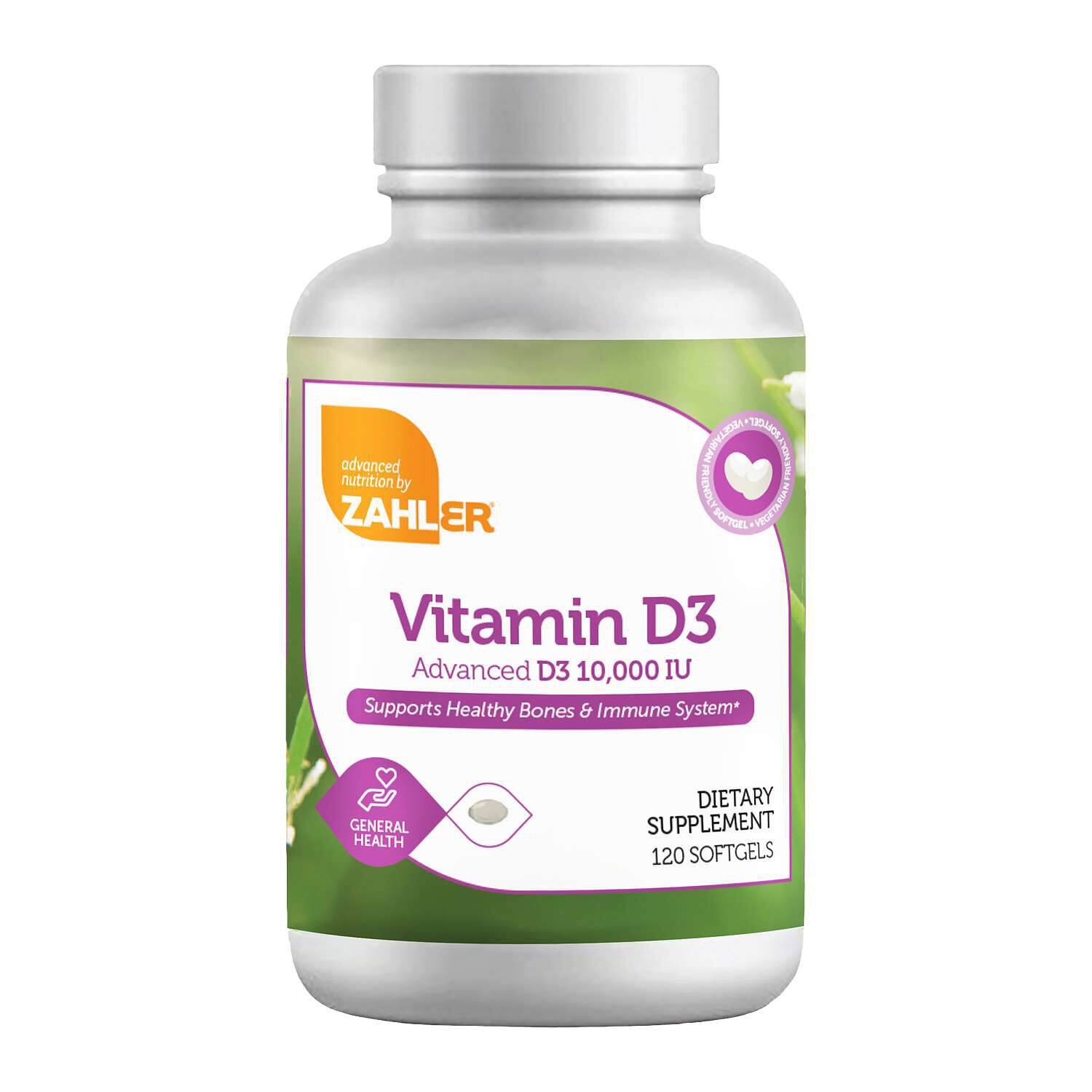
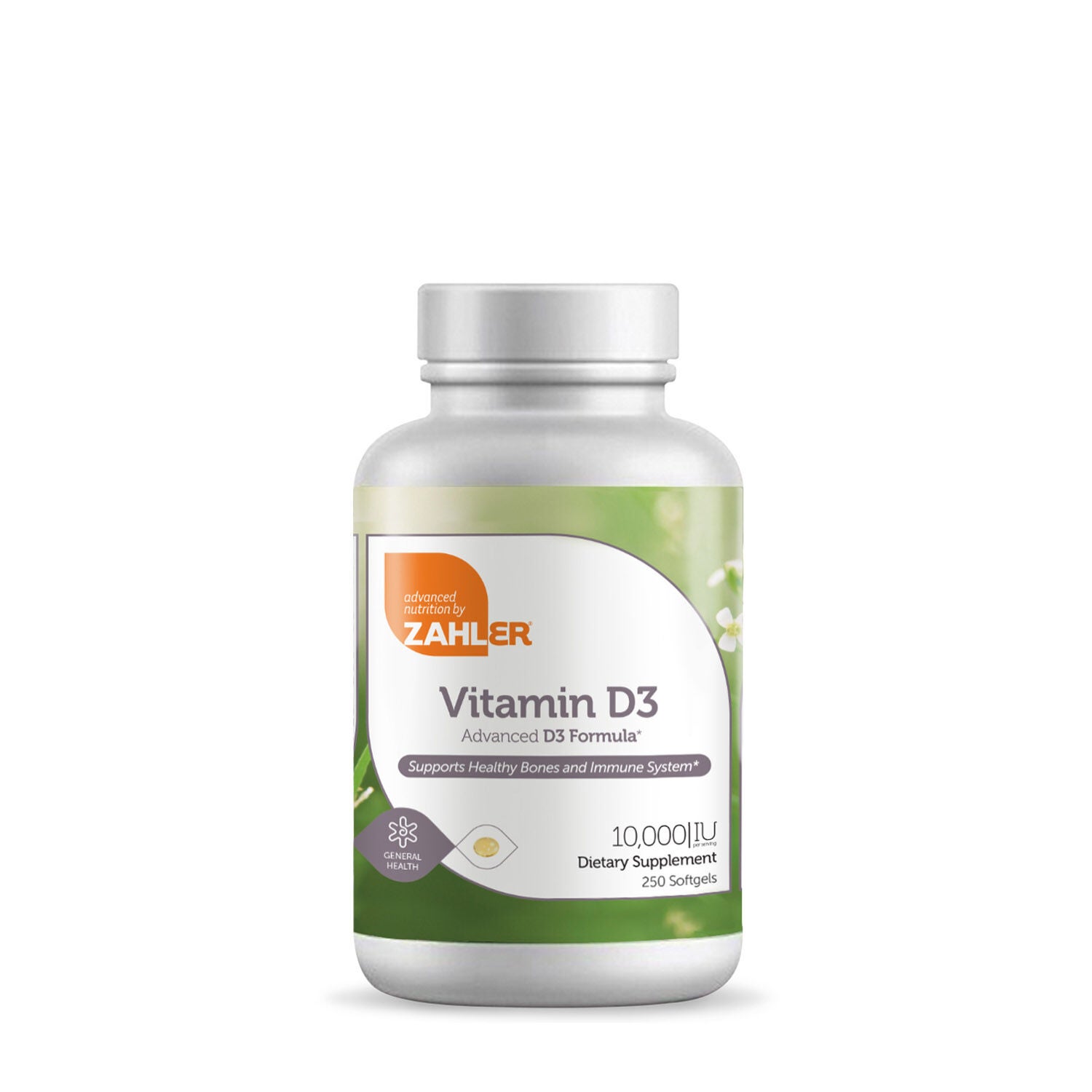
The Supplement Facts panel provides a useful starting point when comparing calcium, magnesium, and vitamin D3 formulas. Serving size deserves particular attention because the listed nutrient amounts may refer to several tablets or capsules rather than one. Two bottles with similar front-label descriptions can therefore represent quite different daily routines. Calcium citrate and calcium carbonate are examples of calcium forms that may appear on ingredient lists; magnesium citrate, magnesium oxide, and magnesium glycinate are among the magnesium forms shoppers may encounter. These names identify the ingredient forms, while the calcium and magnesium amounts in the Supplement Facts panel indicate the quantities of the minerals themselves. Comparing those declared amounts is more informative than comparing the weight of a mineral compound mentioned elsewhere on the package. Some formulas use a calcium-to-magnesium ratio of 2:1, meaning twice as much calcium as magnesium by weight. That ratio describes the proportions in a formula; it is not a universal requirement or a measure of suitability for every shopper. Vitamin D3 may be listed in micrograms, with international units also shown. One microgram of vitamin D equals 40 international units, so labels using different units can describe the same quantity. Additional ingredients, such as vitamin K2, zinc, or boron, create further differences between blends, but a longer ingredient list does not automatically make a formula a closer match for a particular routine. The same careful comparison applies when another daily supplement already contains calcium, magnesium, or vitamin D. Beyond the nutrient panel, the other ingredients section can clarify capsule materials, sweeteners, flavors, and ingredients relevant to dietary preferences. Capsules may use gelatin or plant-derived materials, and vitamin D3 sources can include lanolin or lichen. When ingredient sourcing matters, an explicit statement on the label is more useful than an assumption based on the product name. These details give shoppers concrete points of comparison without relying on broad front-label language alone.
Format is another practical consideration, especially for a supplement intended for regular use. Tablets, capsules, softgels, chewables, powders, and liquids involve different textures, portioning methods, and storage needs. A person who prefers a familiar pill organizer may compare tablet dimensions and the number of units per serving, while someone who dislikes larger tablets may be more interested in a chewable or liquid format. Chewables can contain added sugars or alternative sweeteners, and flavored liquids and powders have ingredient lists worth reviewing alongside their nutrient amounts. Powders may require measuring and mixing, while liquids may call for shaking or refrigeration after opening when specified on the label. A smaller container may be easier to pack, but container size alone says little about the number of servings inside. For daily use at home, a clearly marked serving size and packaging that closes securely can matter more than an elaborate presentation. Storage directions and the printed date also deserve attention; moisture, an open lid, or storage outside the stated conditions can affect product quality. Keeping the original label with the supplement preserves access to its ingredient information and directions. Shoppers comparing formulas organized around women’s nutrition can also explore Calcium Magnesium Vitamin D3 For Women, while continuing to compare the actual nutrient amounts, forms, and serving instructions rather than relying on the audience named on the package. Intended age range and other label details remain relevant even when two formulas share the same three headline ingredients. Across this category, a practical match comes down to a straightforward combination of clearly identified nutrients, an appropriate format, and directions that fit the intended use. Calcium, magnesium, and vitamin D3 may contribute to a broader bone and muscle wellness routine, while careful attention to the label keeps the focus on what each formula actually contains.
Best Sellers
Related Pages


Top Collections
- Zinc Supplements | Top Brands at Great Prices | GNC
- Cortisol Supplements
- Joint Mobility Supplement Packs
- NAD+ Supplement Tablets
- Best Brand of Magnesium Glycinate
- Top Rated Collagen | Shop Customer Favorites | GNC
- Iron Supplements
- Peptide Supplements
- Protein Powders For Muscle Growth Support
- Vitamins That Help Support Weight Gain