Calcium Magnesium Vitamin D3 For Vacation Travel
(0 Results)
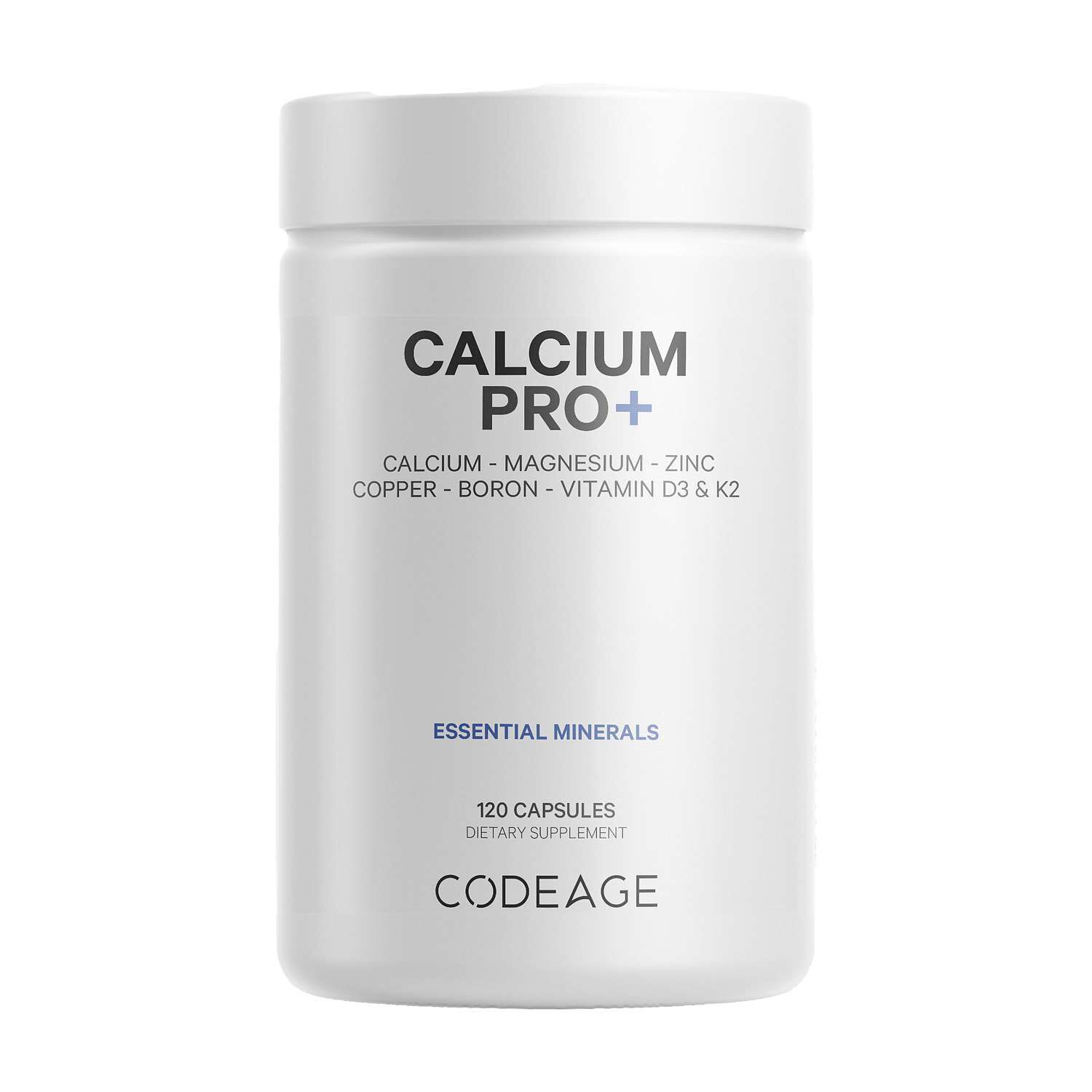
Planning your next getaway? Packing calcium magnesium vitamin d3 for vacation travel could be a smart addition to your suitcase. Whether you’re exploring new destinations or relaxing by the beach, these supplements may support your wellness routine while you’re on the go. Enjoy peace of mind knowing you have options designed for travelers looking to maintain their daily supplement regimen away from home.
-

-
-

-
-

-
-

-

-

-

-

-

-
 $39.99
 -
 $29.99
 -
 Portions Master$29.99
 -
 $20.99


Planning a vacation often means balancing a full itinerary with the small routines that help you feel prepared from departure to return. A calcium, magnesium, and vitamin D3 supplement may suit travelers who want to keep familiar nutrition habits close while exploring a new place. Calcium may support bones and teeth, magnesium may support normal muscle function and relaxation, and vitamin D3 may help the body absorb and use calcium. These nutrients are often grouped together because they can complement one another as part of a well-rounded daily routine, though each person’s needs and preferred formulas may differ. Someone spending long days on walking tours, visiting museums, exploring outdoor markets, or taking scenic hikes might appreciate a convenient option that fits neatly into a carry-on. The same product type could make a thoughtful gift for a frequent traveler, a parent preparing for a family getaway, or a friend who enjoys active vacations and likes to bring familiar supplements from home. It may also suit travelers who prefer a simple routine rather than packing several separate bottles. Before choosing, review the Supplement Facts panel, serving size, form, and number of servings, then compare those details with your usual routine. Some formulas come as tablets, capsules, chewables, or compact packets, so texture, swallowing preference, and available space can all shape the best choice. Travelers who already use other supplements may want to check ingredient panels carefully to avoid overlapping nutrients, and anyone with a specific health concern, dietary restriction, or supplement question could speak with a qualified healthcare professional before adding something new.
The right format can make a difference when every pocket and compartment has a purpose. For a short trip, a compact bottle or travel pack may fit well beside toiletries, sunglasses, and a charging cable; for a longer stay, a larger serving count may reduce the need to repack during the journey. A small pill organizer may help separate daily servings, while keeping the original label or a clear photo of it may make the routine easier to identify while away. Solid vitamins are generally permitted through airport security in the United States, although travelers may want to review the latest Transportation Security Administration guidance and the rules for their destination before leaving. Packing supplements in a carry-on may keep them accessible during transit and may help avoid exposure to extreme temperatures found in checked baggage or a vehicle trunk. Store them in a cool, dry place away from direct sunlight, steam, and humidity; a bathroom near a hot shower may not be the best location at a hotel or rental home. Keeping the container closed between uses may also help protect the contents. It is useful to pack enough for the planned stay, along with a small amount for travel delays, while following the serving directions on the label rather than changing the amount to match a busy itinerary. A phone reminder, luggage pouch, or dedicated section of a personal bag may make it easier to keep the routine consistent after a late arrival, an early departure, or a full day spent outdoors. Travelers looking for additional options can browse Vitamins For Travel to compare formats suited to different packing styles and trip lengths.
Vacation activity can look different from one person to the next, and that context may guide the choice. A city traveler who expects to walk several miles each day may value a compact bottle that slips into a day bag, while someone taking a road trip may prefer a larger container that stays organized in a personal travel kit. A beach holiday, cabin stay, cruise, or visit with family may call for extra attention to storage conditions, especially in warm, damp, or changing environments. For cooler-season travel, layered clothing and heavier luggage can leave less room for personal items, making a streamlined format especially practical. Some people may choose a calcium, magnesium, and vitamin D3 supplement as part of a broader routine that includes balanced meals, water, movement, and adequate rest; it is not intended to replace varied food choices or individualized guidance. Calcium-rich foods, magnesium-containing foods, and vitamin D sources may already be part of a person’s everyday eating pattern, so checking the label and considering the full routine can help with an informed selection. Gift-givers may find this category especially fitting for someone heading on a walking-focused trip, studying abroad, visiting relatives, or preparing for an itinerary filled with sightseeing. A travel pouch paired with a clearly labeled supplement can feel practical without taking up much space, and a compact format may be useful long after the trip ends. Whether packed for an active getaway or kept in a home cabinet for future travel, these products may offer a convenient way to carry familiar nutritional support wherever the itinerary leads.