





Vitamin D3 5000 Iu For Summer Travel
(0 Results)
Vitamin D3 5000 IU for summer travel may be a convenient option for those looking to support their wellness routine while on the go. Whether you’re heading to sunny destinations or spending time indoors, these supplements could help you maintain your daily intake during busy travel days. Explore a variety of vitamin D3 5000 IU options that might fit easily into your luggage and suit your summer adventures.
-

-

-

-
-
 $13.99
-

-

-

-

-


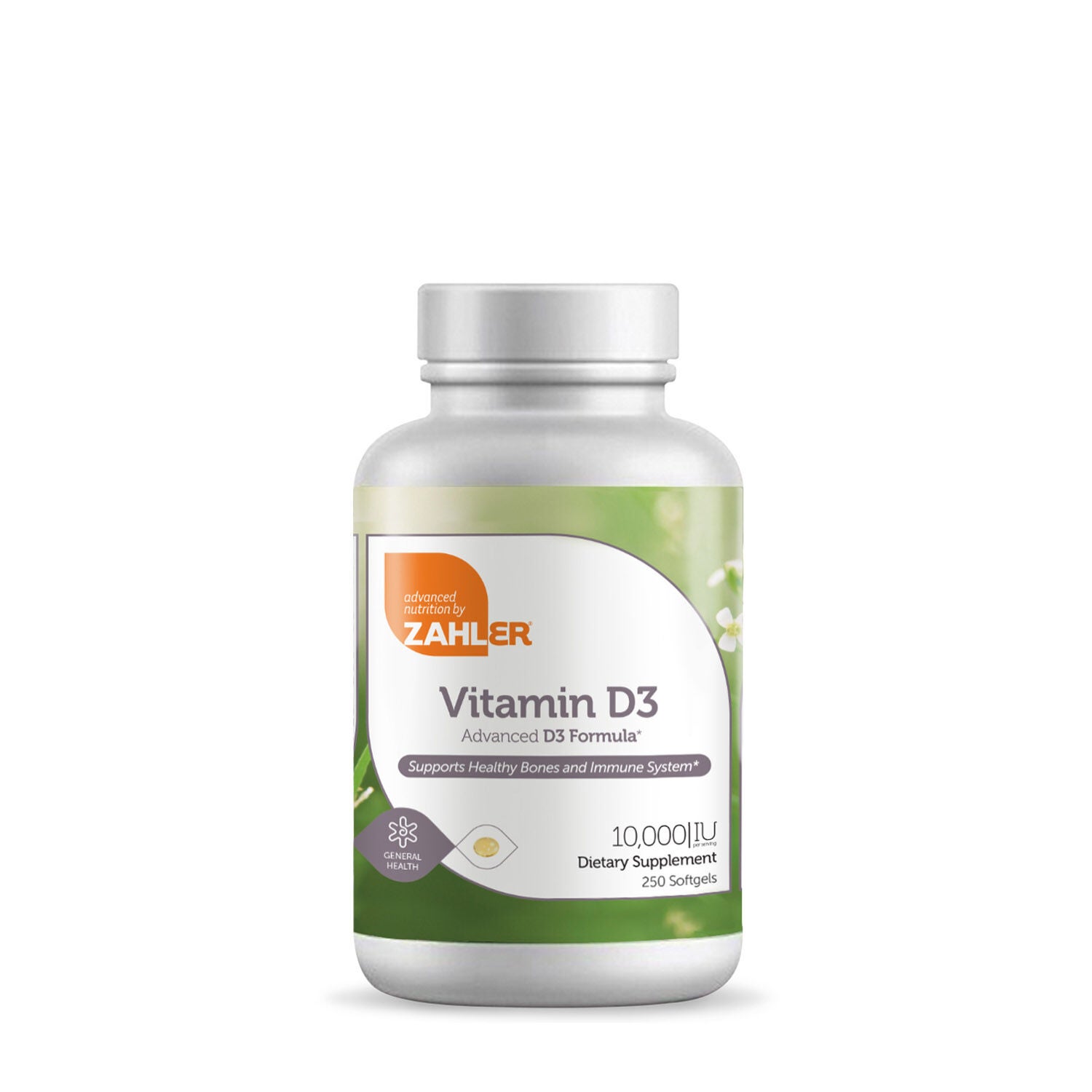
Summer travel can mean early airport departures, long drives, and breakfasts somewhere other than the kitchen table. Vitamin D3 5000 IU is a higher-strength supplement format that some adults already include in their established nutrition routines, and travel-oriented comparisons often center on labeling, packaging, and portability rather than destination. On a Supplement Facts panel, 5,000 IU of vitamin D3 corresponds to 125 micrograms, which may appear as 125 mcg. These are two ways of expressing the same amount, not two separate ingredients. The amount per serving is also distinct from the amount per capsule, tablet, or drop, since a serving can contain more than one unit. Vitamin D3 is also known as cholecalciferol, so either name may appear in the ingredient information. It is a fat-soluble vitamin, and softgels often pair it with a carrier oil; capsules, tablets, chewables, and liquid formats use different ingredient combinations. A summer itinerary does not establish an individual need for a higher-strength supplement, and time spent at a beach or pool is not a product-selection standard. Comparing clearly stated product details with an existing routine offers context without treating a larger number on the bottle as a better fit for every traveler. Someone who already uses a particular format may value familiar serving information while staying in a rental home or moving between hotels. Another traveler may be comparing bottle dimensions and closure styles before a longer stay with relatives. In either case, the strength printed on the front is only part of the description. Serving size, ingredient source, suggested use, and storage directions add context that a front-label number cannot provide. A clearly printed expiration date and legible directions also matter when a bottle will spend time in a toiletry pouch rather than its usual place at home.
Format changes the way a vitamin D3 supplement occupies luggage space. Softgels have a smooth outer shell and commonly contain an oil-based filling, while tablets are compressed solids and capsules have shells with different material options. Tablet size, capsule dimensions, and serving count all matter when comparing packages; two bottles with the same stated strength can contain very different numbers of servings. A smaller bottle may fit more easily beside a toothbrush case, while a wider container could be less convenient in a narrow pouch. For travelers with dietary preferences, capsule and softgel shells deserve the same attention as the vitamin source. Gelatin can come from different animal sources, while some capsule shells use plant-derived materials. Vitamin D3 itself can come from lanolin or lichen, depending on the formulation, so a plant-based preference involves more than the capsule description alone. Other label details include carrier oils, sweeteners, flavors, color ingredients, and allergen statements. Chewable formats have their own texture and flavor considerations, while liquids involve an amount measured by the supplied dispenser. A drop, a dropperful, and a milliliter are not interchangeable descriptions. Liquid packaging also introduces closure design and leak protection as practical travel considerations. For any format, storage directions remain relevant beyond the kitchen cabinet. A parked car, a dashboard, or a bag left beside a sunny window can expose a container to heat, and bathroom counters can expose it to moisture. A sturdy original bottle with its label intact keeps product information attached to the contents; a separate protective pouch may help contain spills from nearby toiletries. Moisture, direct sunlight, and rough handling are packaging concerns rather than reasons to assume every format travels the same way. A product’s stated storage conditions, container design, and closure quality offer more useful context than treating any small bottle as automatically suited to a beach tote or an afternoon in a hot trunk.
For air travel in the United States, solid supplements generally are permitted in carry-on and checked bags, while liquid supplements are subject to applicable liquid-screening rules. International entry requirements are a separate consideration, and an airline’s baggage rules do not establish what a destination permits. Original packaging keeps the ingredient list, serving information, and product identity together, which may be useful when a trip crosses borders. A pocket organizer may take up less room, but it separates the contents from those details unless the labeling is retained elsewhere. Container size and the number of servings are therefore different shopping considerations: a bottle that looks compact can still hold more than a short trip requires, while a serving containing several capsules means fewer servings than the capsule count alone might suggest. Package information describes the contents without establishing how an individual travel routine should look. The same distinction applies when comparing vitamin D3 on its own with formulas that combine several nutrients. A single-nutrient product centers the label on vitamin D3, while a combination formula includes other amounts and serving details to consider. The Calcium Magnesium Vitamin D3 for Vacation Travel collection offers a related category for comparing how multiple nutrients are presented within one formula; it is distinct from standalone vitamin D3 5000 IU supplements. Across either category, overlapping ingredients in multivitamins and other supplements are part of the label comparison, not a reason to assume that more products belong in the same routine. Whether the itinerary involves a carry-on for a long weekend, a road-trip duffel, or a suitcase for an extended visit, practical differences remain concrete: readable labeling, an intact closure, a suitable container shape, and storage requirements that match the setting. Those details keep the focus on what is actually in the package and how it fits an established summer travel routine.
Best Sellers


Related Pages


Top Collections
- Joint Mobility Supplement Packs
- Daily Collagen Supplements | Top Brands & Deals | GNC
- GLP 1 Support For Adults
- Zinc Supplements | Top Brands at Great Prices | GNC
- Supplements For Yoga Joint Flexibility
- Supplements For Balance
- Capsule Supplements For Energy And Stamina
- Adult Mobility Supplements
- Chronic Fatigue Supplements
- Vitamins For Hair Loss