





Calcium D Supplements
(0 Results)
Discover the potential benefits of calcium d supplements, designed to support your overall health and wellness. These supplements may play a crucial role in maintaining strong bones and teeth, as well as supporting muscle function. Whether you're looking to fill nutritional gaps or support your active lifestyle, calcium d supplements could be an excellent addition to your daily routine. Explore our selection and find the right option to help you achieve your health goals.
-

-

-

-
 Portions Master$29.99
 -

-

-
 $20.99
 -

-
 $39.99
 -
-
 $20.99
 -

-
-

-
-
 $17.99
 -

-
-


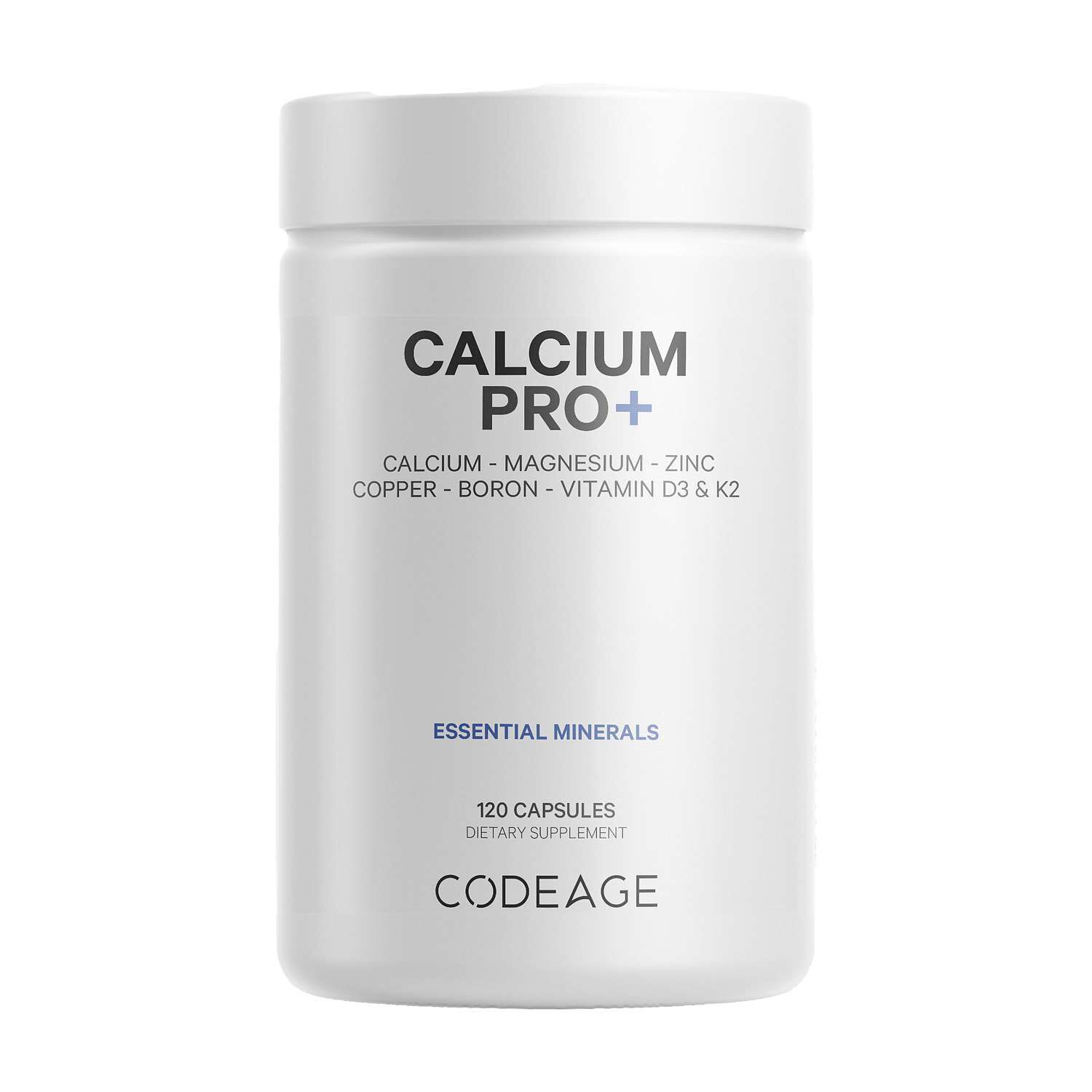
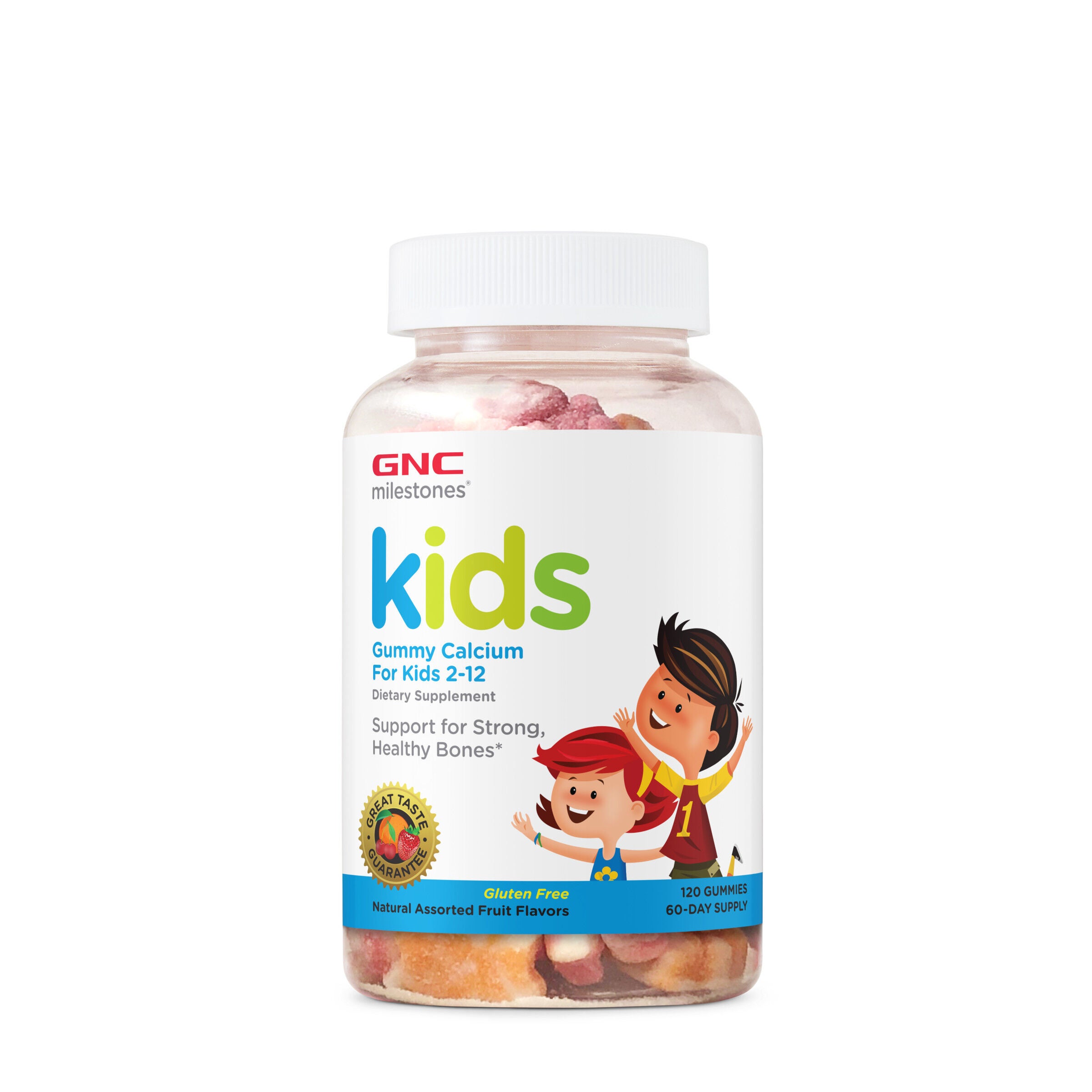
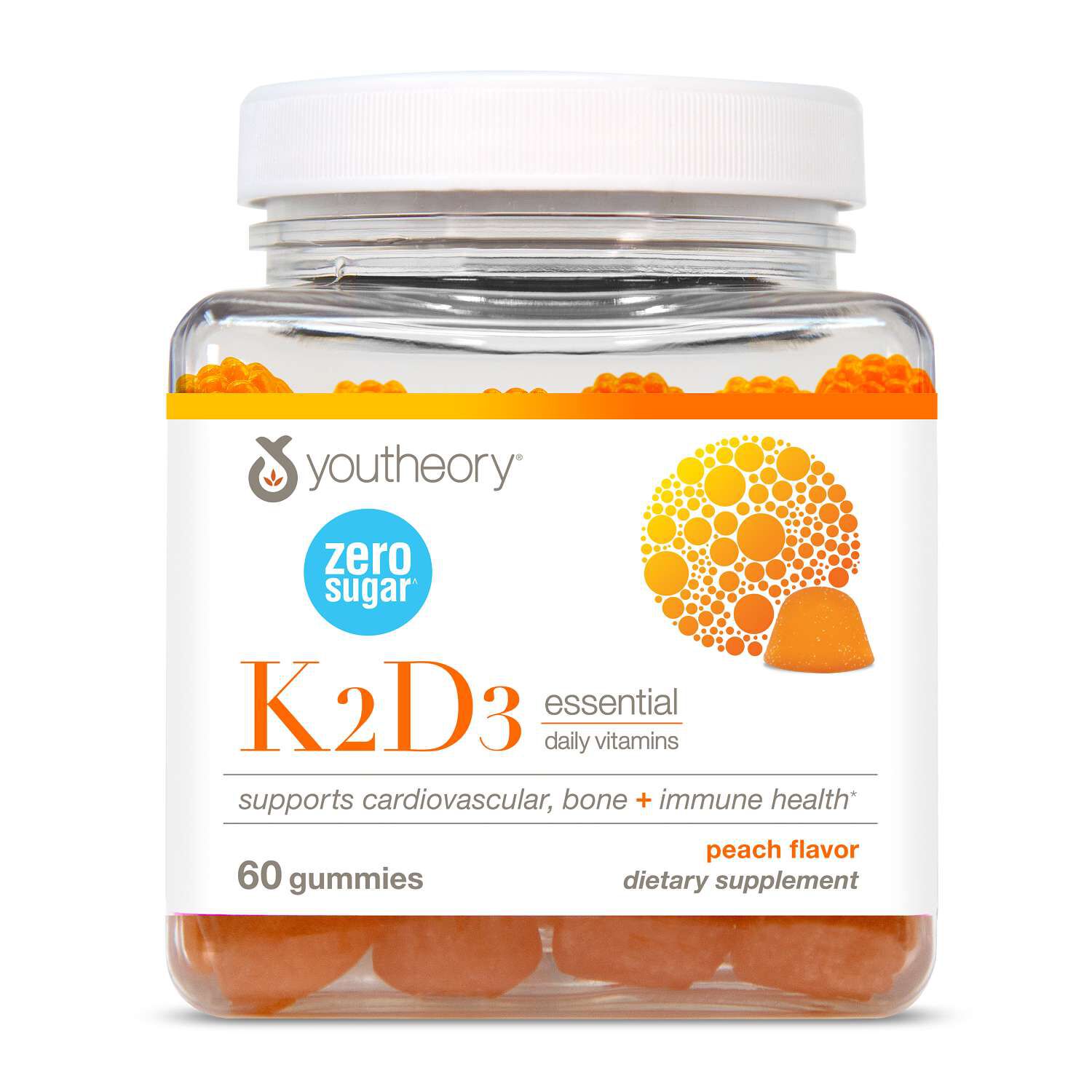
Calcium and vitamin D supplements are often considered together because the two nutrients are commonly featured in one formula. Calcium may support normal bone maintenance, while vitamin D may help the body use calcium as part of a balanced nutrition routine. Shoppers browsing this category may be looking for a convenient addition to their daily regimen, especially when meals do not consistently include calcium-rich foods such as dairy products, fortified beverages, leafy greens, tofu, or canned fish with edible bones. These supplements may also appeal to adults who prefer a simple, once-daily format or to families seeking a thoughtful wellness gift for a parent, grandparent, or loved one. As cooler weather settles in and time outdoors changes, a calcium and vitamin D formula may fit naturally into routines built around breakfast, a midday meal, or an evening wind-down. It may be helpful to think of these products as one part of a broader lifestyle that includes varied meals and regular movement, rather than as a substitute for those habits. Since nutritional needs can differ by age, diet, activity, and personal health history, shoppers may wish to review the Supplement Facts panel and discuss their selection with a qualified healthcare professional. Adults between 19 and 50 are often provided a daily calcium reference amount of 1,000 milligrams, while women 51 and older and adults over 70 are often provided a reference amount of 1,200 milligrams. A commonly listed vitamin D reference amount is 600 IU for adults through age 70 and 800 IU for adults over 70. These figures are general reference points, not individualized recommendations, and the amount supplied by a supplement may vary according to the formula and serving size.
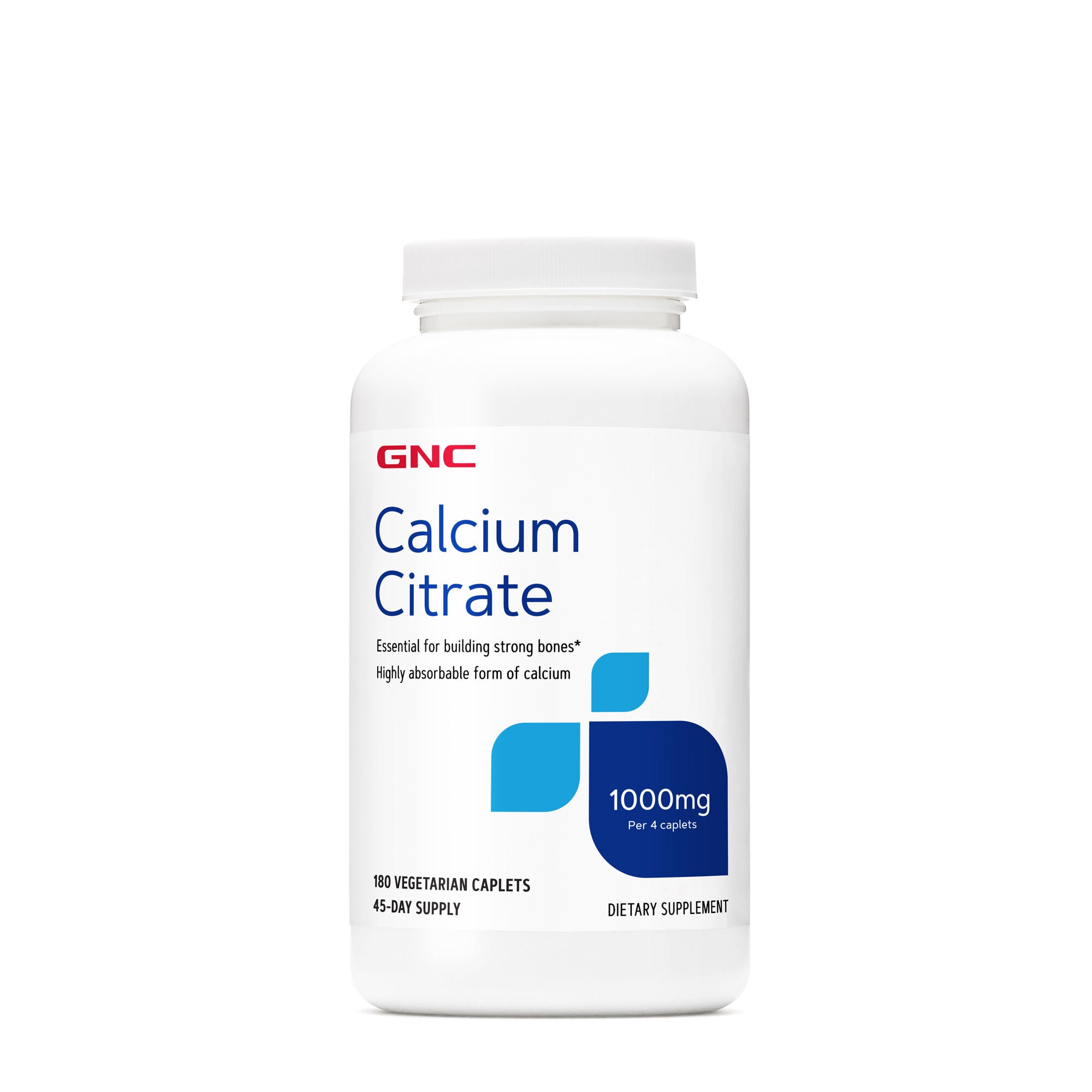
When comparing calcium and vitamin D supplements, start with the form of calcium, the amount per serving, the vitamin D amount, and the suggested use printed on the label. Calcium carbonate contains a higher proportion of elemental calcium by weight and is commonly taken with food, while calcium citrate may be used with or without food and may suit shoppers who prefer that format. The term “elemental calcium” refers to the actual calcium supplied by the compound, so it offers a useful point of comparison between labels. Serving size also deserves a close look: some formulas provide one large serving, while others divide the daily amount across multiple tablets or chews. Many nutrition references note that the body may handle calcium more efficiently when an individual serving contains no more than 500 milligrams, which makes the directions and serving details worth reviewing before purchase. Tablet size, chewable texture, capsule count, flavor, and the presence of added ingredients can all shape whether a product feels comfortable in an everyday routine. Shoppers may also compare vitamin D forms, including D2 and D3, along with the source of calcium and any dietary preferences listed on the package. People who follow vegetarian, vegan, lactose-free, or other eating patterns may want to check the ingredient list and other label statements carefully. A supplement organizer beside a coffee mug, a bottle kept with breakfast items, or a travel-friendly container can make consistent use more convenient, although products should be used according to the package directions. For a gift, a clearly labeled formula paired with a reusable pill case or a handwritten note about taking time for personal wellness may feel considerate without assuming a recipient’s specific needs.
Before adding a calcium and vitamin D supplement, shoppers may want to consider their full daily intake from food, beverages, and other supplements. Calcium can affect how some prescription medicines are taken, including certain antibiotics, thyroid treatments, and medicines used for heart or blood pressure concerns, so a pharmacist or healthcare professional may help identify suitable spacing and product choices. Those with a history of kidney concerns, changes in bone health, digestive sensitivities, or other ongoing health considerations may also benefit from professional guidance before choosing a higher-potency formula. Taking more than the label directs may not provide added value and could create unwanted nutritional overlap when several products contain calcium or vitamin D. Reading the serving size, checking the amount per serving, and keeping a record of other supplements may make comparison easier. The Calcium and Vitamin D Supplements collection brings together options for shoppers comparing formats, serving amounts, and ingredient details in one place. Whether selected for a personal routine or as a practical wellness gift during the cooler months, the best choice may be the one that fits comfortably with existing habits, dietary preferences, and guidance from a qualified professional. A calm review of the label, an awareness of personal needs, and attention to daily consistency may help shoppers choose with greater confidence.
Best Sellers
Related Pages


Top Collections
- Daily Collagen Supplements | Top Brands & Deals | GNC
- Natural Collagen Supplements | Top Brands & Deals | GNC
- Top Rated Collagen | Shop Customer Favorites | GNC
- Cortisol Supplements
- Vitamins For Hair Loss
- Spirulina Tablets
- NAD+ Supplement Tablets
- Peptide Supplements
- Best Brand of Magnesium Glycinate
- Vitamins That Help Support Weight Gain