





Capsules For Joint Support In Winter
(0 Results)
Capsules for joint support in winter offer a convenient way to prioritize your wellness routine as temperatures drop and days grow colder. The winter months may bring unique challenges, and many people look for ways to help maintain flexibility and comfort. Explore a variety of options designed to fit seamlessly into your daily regimen, so you can stay active and support your joints throughout the season.
-
-

-

-

-

-
-

-
-

-

-

-

-

-

-

-

-
 You Matter Wellness1$39.99
-
 Divine Health$54.99
-
 Angry Supplements$14.99
-

-
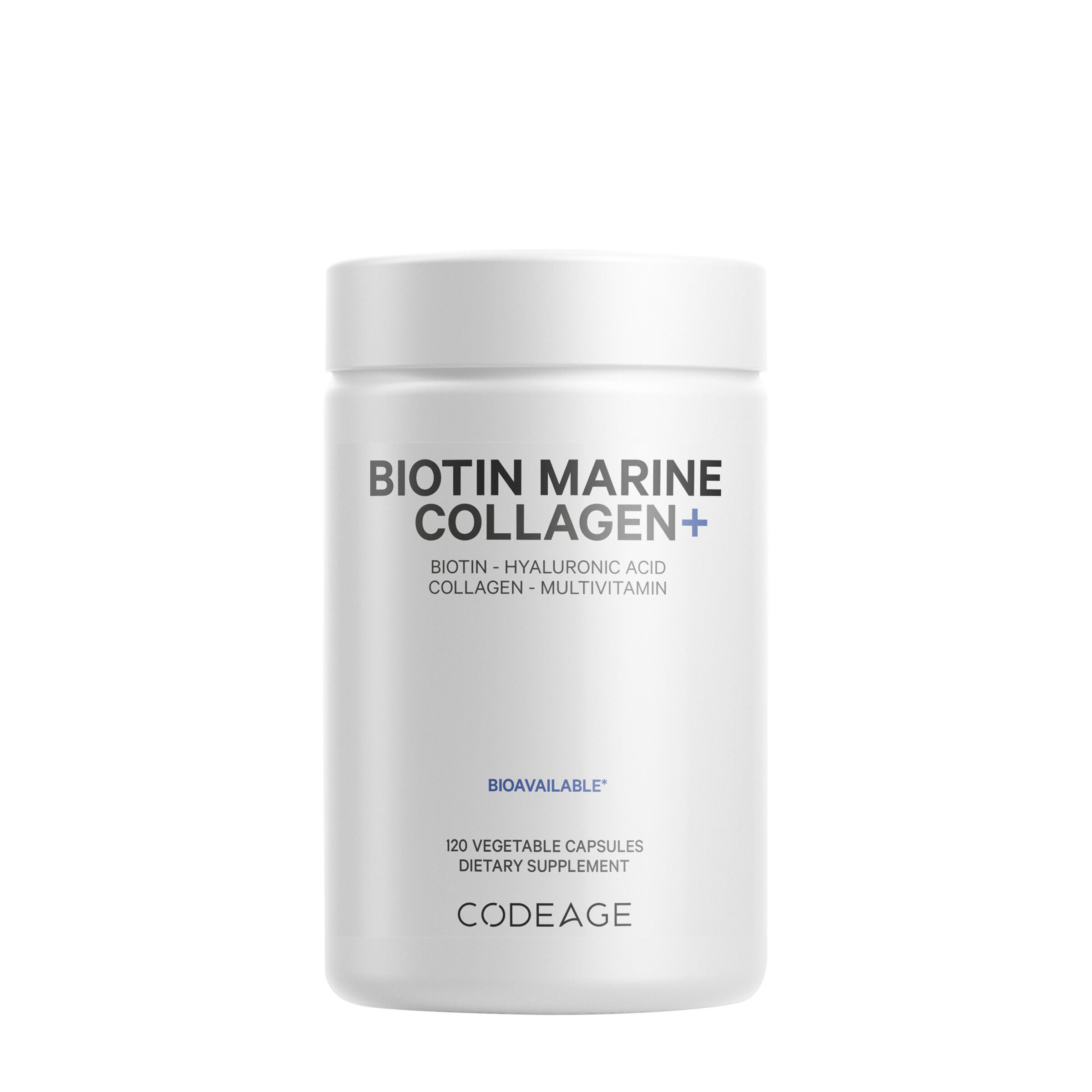


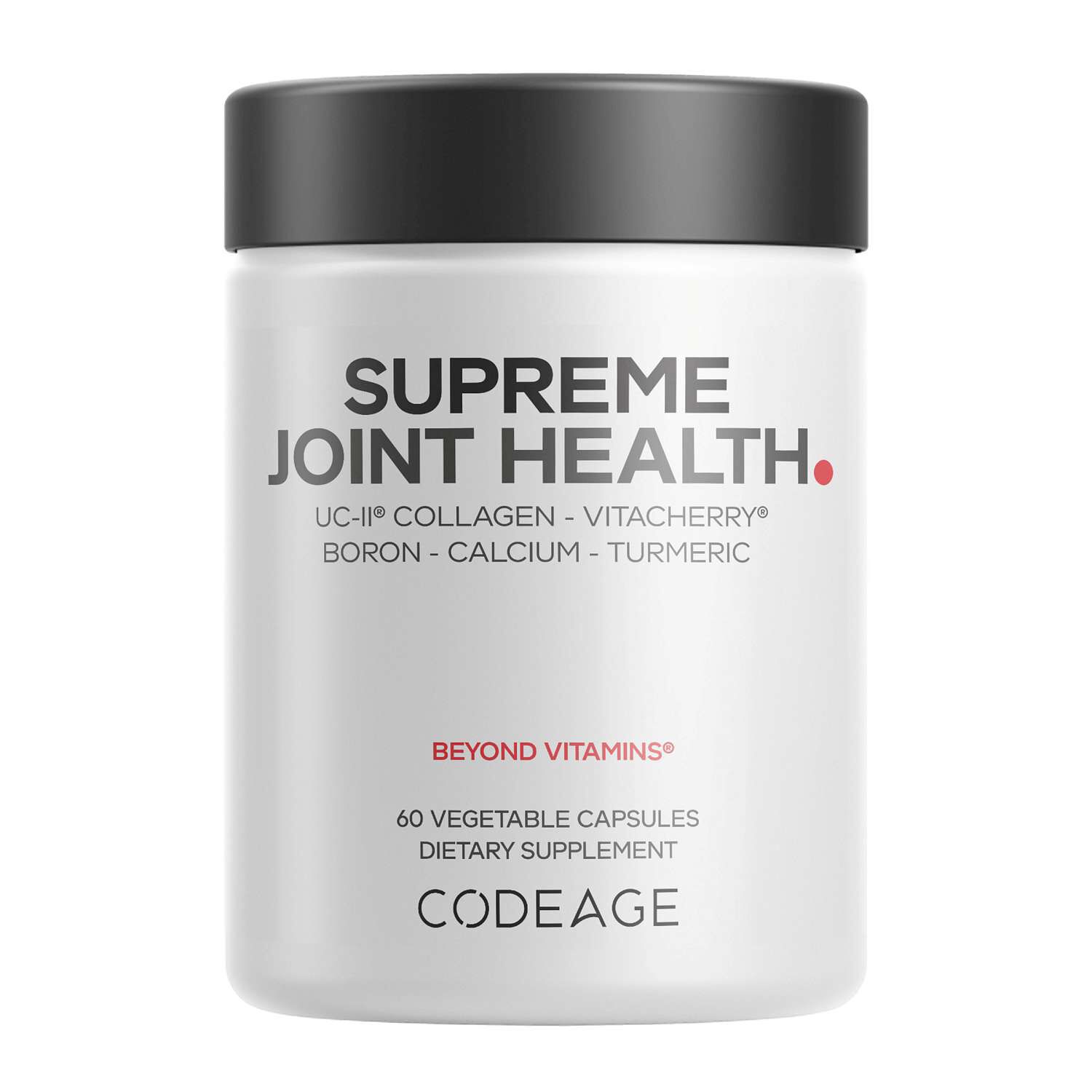
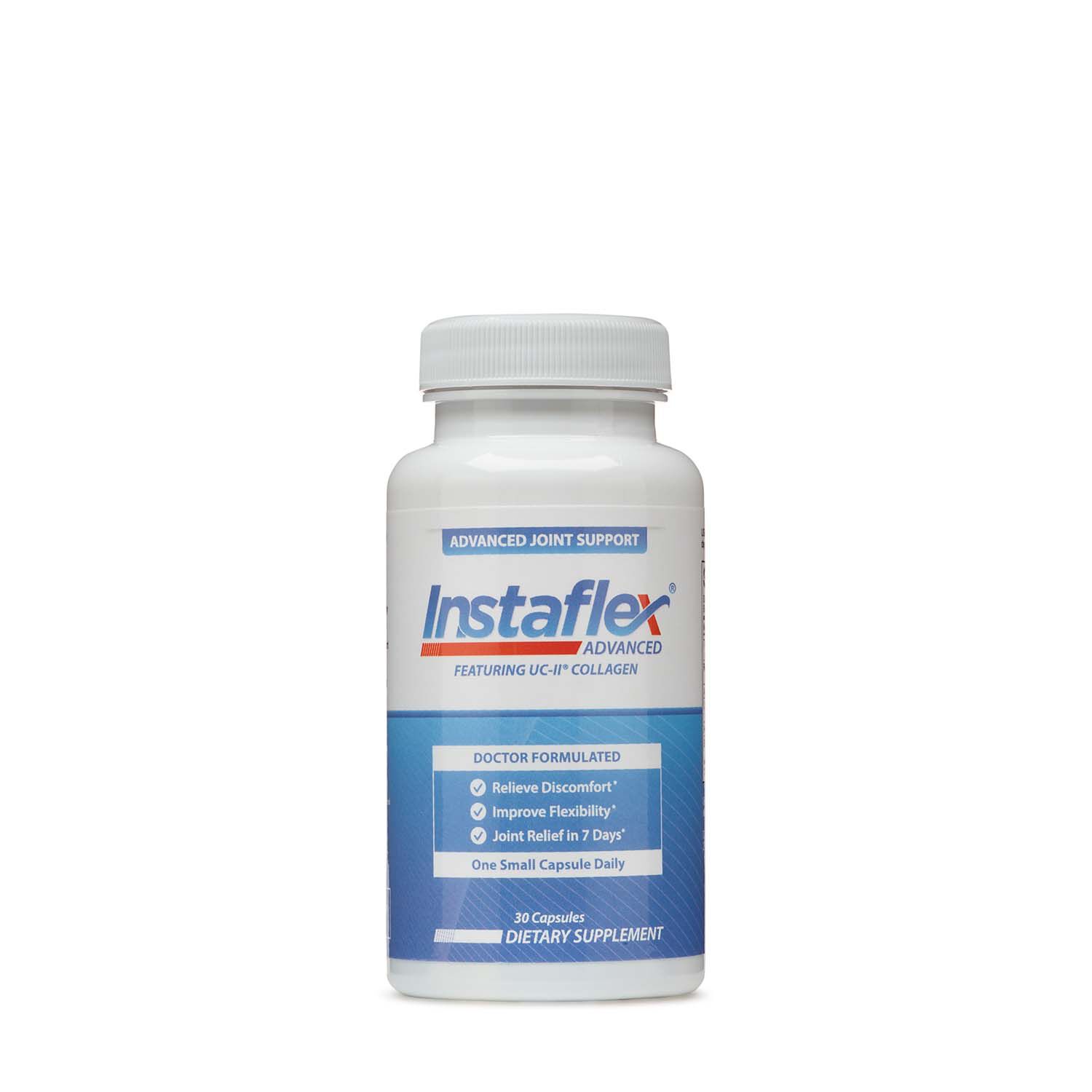
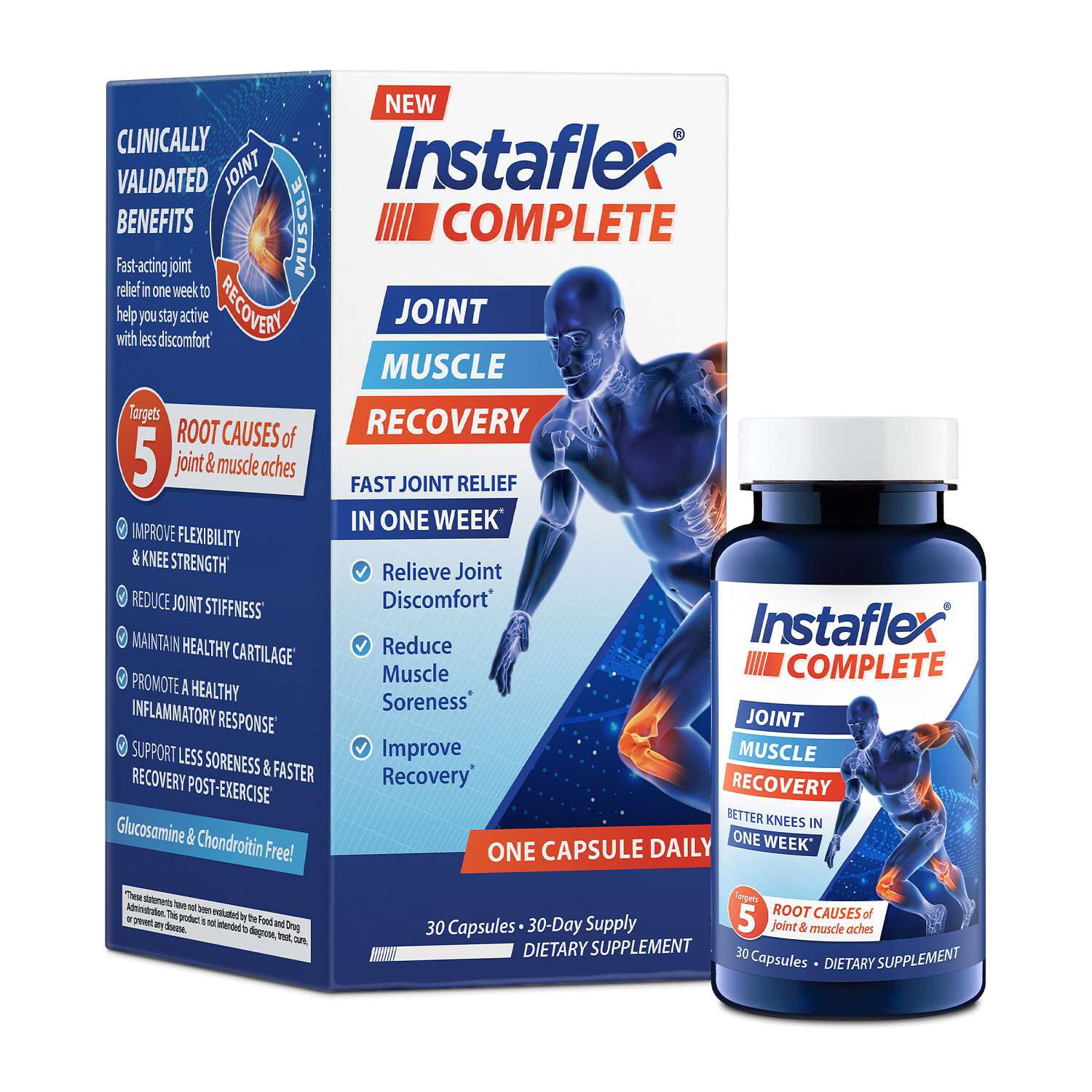
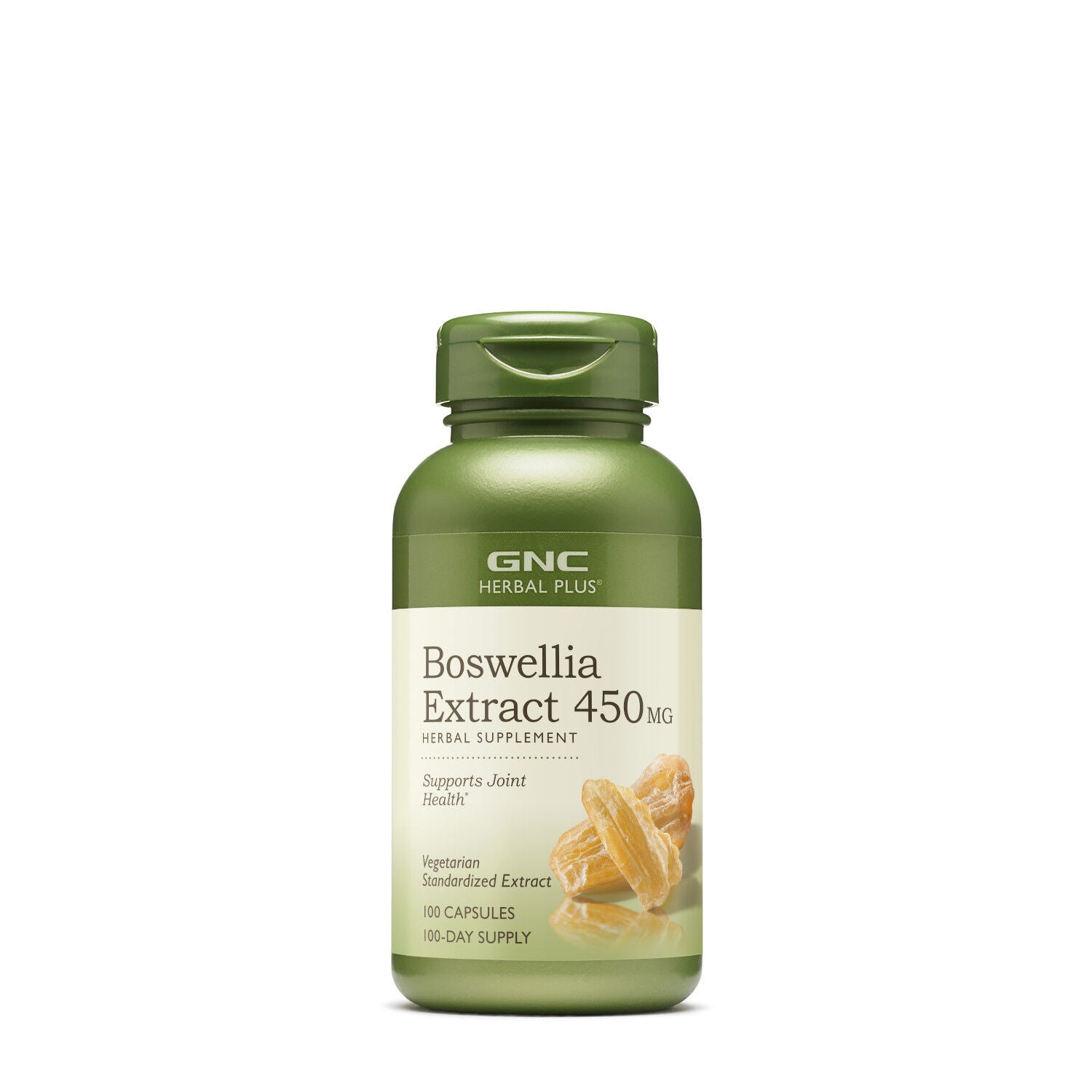
Capsules for joint support in winter are dietary supplements for adults interested in supporting everyday movement through a familiar, measured format. A winter routine might include neighborhood walks in insulated boots, indoor cycling, weekend outings, or long stretches at a desk between errands. Joint support formulas may complement those routines by supporting joint comfort, flexibility, or cartilage maintenance, depending on their ingredients. The category includes several distinct ingredient families rather than one uniform formula. Glucosamine and chondroitin are often paired in supplements intended for cartilage support; these compounds also occur naturally in the body. Methylsulfonylmethane, usually listed as MSM, is a sulfur-containing compound found in some formulas that may support connective tissue health. Collagen is a structural protein found in cartilage and other connective tissues, and different collagen preparations have different characteristics. Turmeric extracts contain curcuminoids, while boswellia extracts contain boswellic acids; both appear in botanical joint support blends. Some broader formulas include vitamin D, a nutrient that may support normal bone and muscle function. Fish-derived omega-3 ingredients also appear within the wider joint care category, although oil-based supplements commonly use softgel shells rather than two-piece powder capsules. These ingredient groups are not interchangeable, and a longer ingredient list does not necessarily make a formula a better match. Someone interested in a straightforward ingredient profile may prefer a focused formula, while another person may value several ingredients in the same serving. Winter is a useful context for considering how a supplement fits an established routine, not evidence that everyone needs a different formula when temperatures fall. A label’s stated purpose, ingredient sources, and serving details offer more meaningful distinctions than seasonal imagery on the package. The same care applies whether the routine centers on brisk outdoor walks, a regular gym visit, or ordinary movement around the house. The most useful comparison begins with what a formula contains and how its intended use aligns with the shopper’s preferences.
Capsule construction and label details can matter just as much as the featured ingredients. Two-piece capsules typically enclose dry powders or extracts in shells made from gelatin or plant-derived materials such as cellulose. Gelatin commonly comes from animal sources, while a plant-derived shell describes the capsule itself, not necessarily everything inside it. Glucosamine may come from shellfish or fermentation, chondroitin commonly comes from animal tissues, and collagen can have bovine, marine, or chicken origins. A vegetarian capsule shell therefore does not establish that an entire formula is vegetarian. Ingredient and allergen statements provide more specific information for shoppers with dietary preferences or ingredient exclusions. The Supplement Facts panel also distinguishes the amount in a serving from the amount in one capsule. A serving may consist of several capsules, so bottles with similar capsule counts can represent different numbers of servings. Amounts listed for a named ingredient should be considered separately from the weight of a blend, which may combine several components under one figure. Botanical descriptions can add another distinction: turmeric root powder and a standardized turmeric extract are different preparations, and extract labels may identify the measured constituent content. Collagen descriptions deserve similar attention because hydrolyzed collagen and undenatured type II collagen are different forms, not matching ingredients simply because both use the word collagen. Physical preferences matter, too. Capsule dimensions, the number required per serving, and any directions about taking them with food can affect how comfortably a format fits a daily schedule. Someone packing a small work bag may value a compact container, while someone keeping supplements at home may care more about clear labeling and a closure that is easy to handle. Published information about ingredient identity, manufacturing practices, and independent testing may add useful context when supplied by the manufacturer. Such details describe different aspects of a supplement; they do not establish that every adult will have the same experience. Comparing the same serving basis across formulas keeps the differences easier to understand without treating capsule count, extract weight, and ingredient amount as though they mean the same thing.
For winter use, practical storage and a repeatable routine deserve attention alongside the formula. A bottle kept beside a steaming shower, on a sunny windowsill, or in a vehicle exposed to temperature swings may encounter conditions outside its labeled storage directions. Capsule shells and their contents can be sensitive to moisture and temperature, making the original container, a securely closed lid, and the stated storage conditions relevant to everyday care. Any enclosed moisture-control packet belongs with the packaging rather than among the capsules being taken. For a weekend away, retaining the labeled container preserves access to the ingredient list, serving directions, and lot information. A kitchen cabinet away from the stove may be a more suitable location than a spot next to a kettle, provided it matches the package directions and remains out of children’s reach. The rhythm of a winter day also shapes format preferences. Breakfast before an early commute, lunch after a community-center class, or a quiet meal following a walk can each provide a familiar point in the day, where consistent with the label’s suggested use. Capsules do not need to become the centerpiece of that routine; they may sit alongside varied meals and established activity habits. Shoppers comparing seasonal categories can also explore Supplements For Joint Care In Autumn for a related view of joint care formats and ingredients. When considering capsules as a gift, a recipient’s expressed preferences matter more than assumptions about age, fitness, or how often someone spends time outdoors. A supplement that has been specifically requested is a more personal choice than an unexpected formula selected on someone else’s behalf. Across the category, the clearest match comes from understanding ingredient sources, capsule materials, serving size, intended use, and storage requirements. Those details keep the focus on the supplement itself and how it may fit into an adult’s winter routine, without assuming that a seasonal label describes a different nutritional need for every shopper.
Best Sellers
Related Pages


Top Collections
- GLP 1 Support For Adults
- Supplements For Yoga Joint Flexibility
- Supplements For Balance
- Joint Mobility Supplement Packs
- Zinc Supplements | Top Brands at Great Prices | GNC
- Capsule Supplements For Energy And Stamina
- Supplements For Anxiety Relief Support
- Chronic Fatigue Supplements
- Zinc Supplements For Men
- Iron Supplements