Carb Free Proteins
(0 Results)
Carb zero proteins offer a convenient option for those looking to support their nutrition goals while maintaining a low-carb lifestyle. With a variety of options available, carb zero proteins may fit into different meal plans and routines. Explore choices that could help you meet your daily protein needs without adding extra carbohydrates to your diet. Whether you’re focused on fitness, wellness, or simply seeking new ways to enjoy protein, carb zero proteins may be the right addition to your routine.
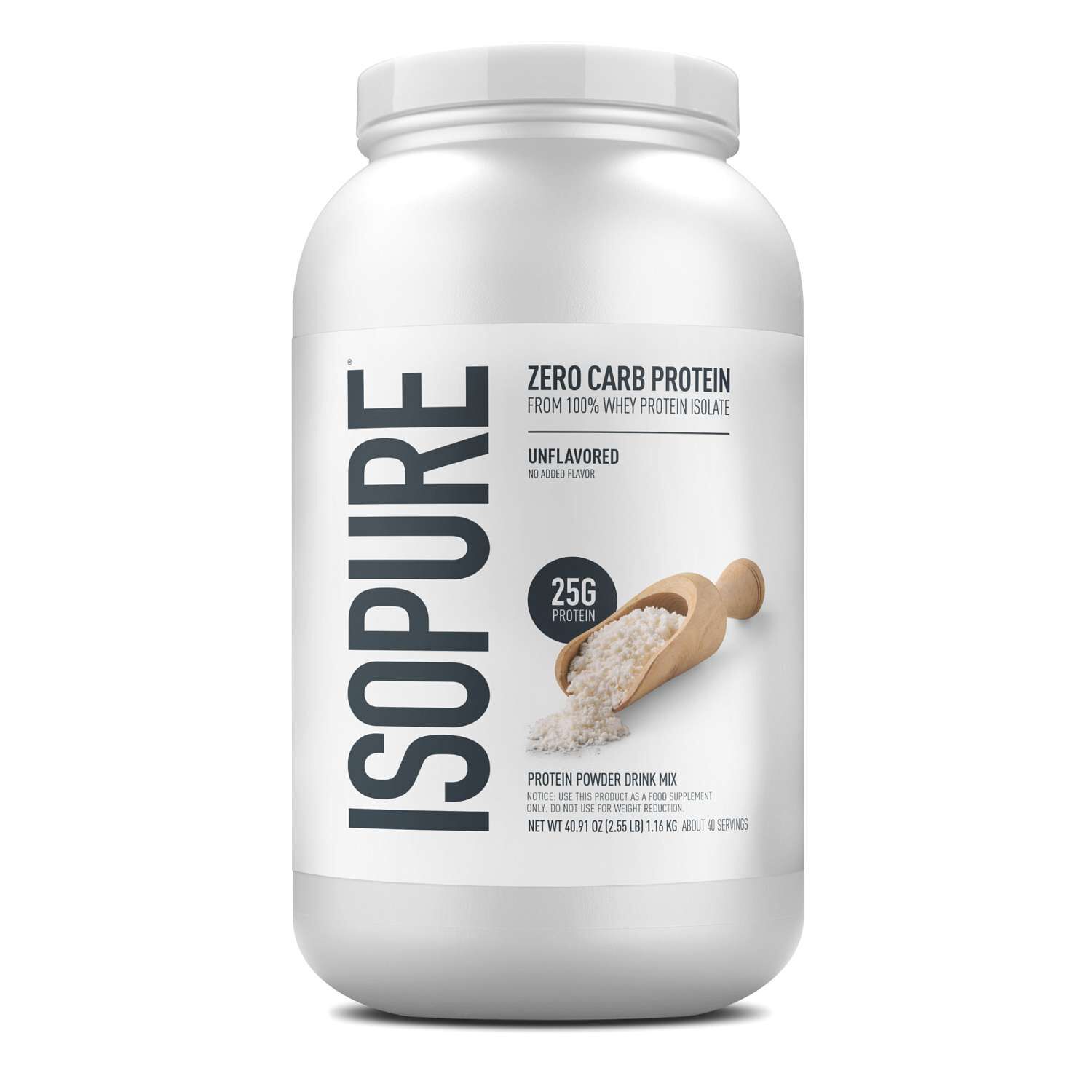
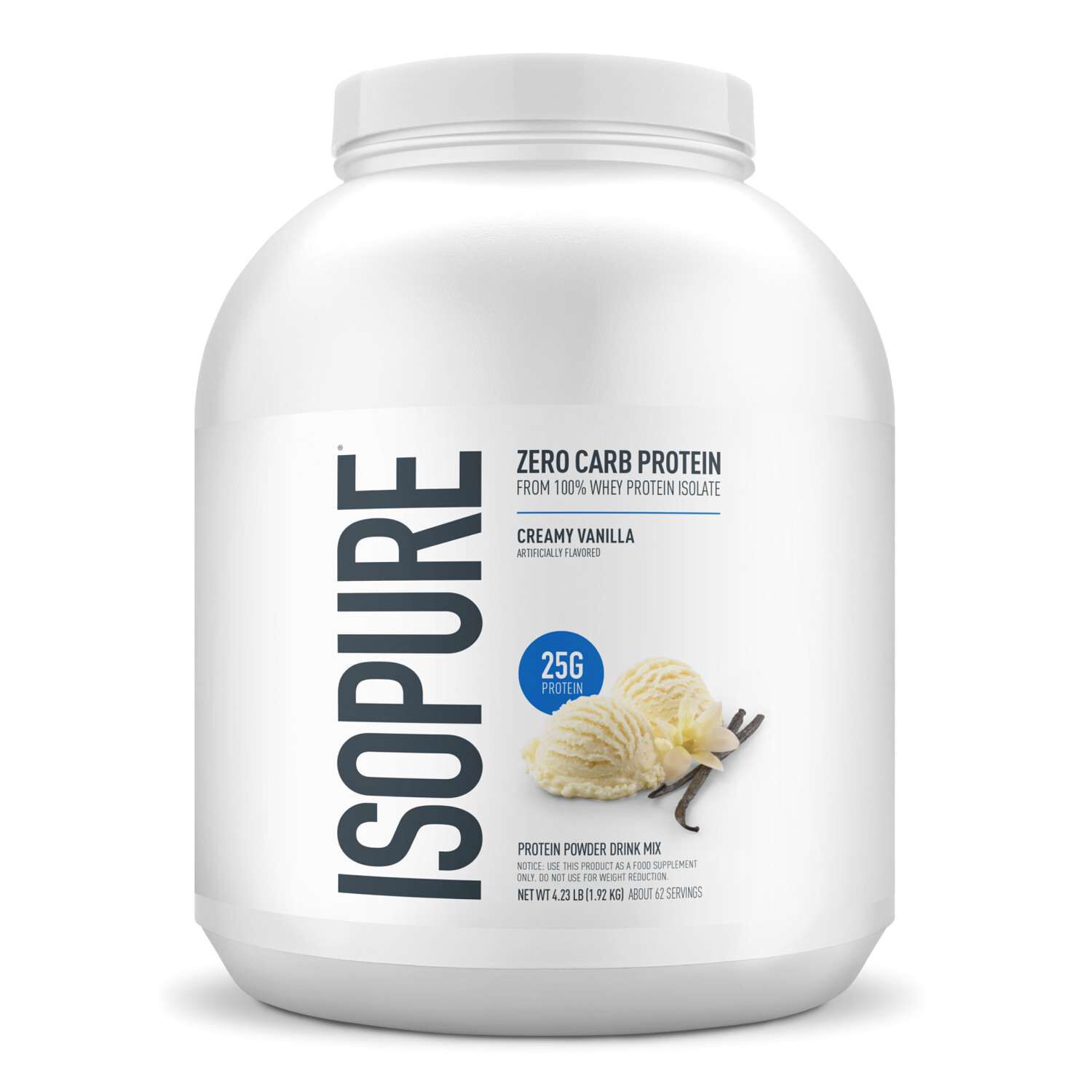
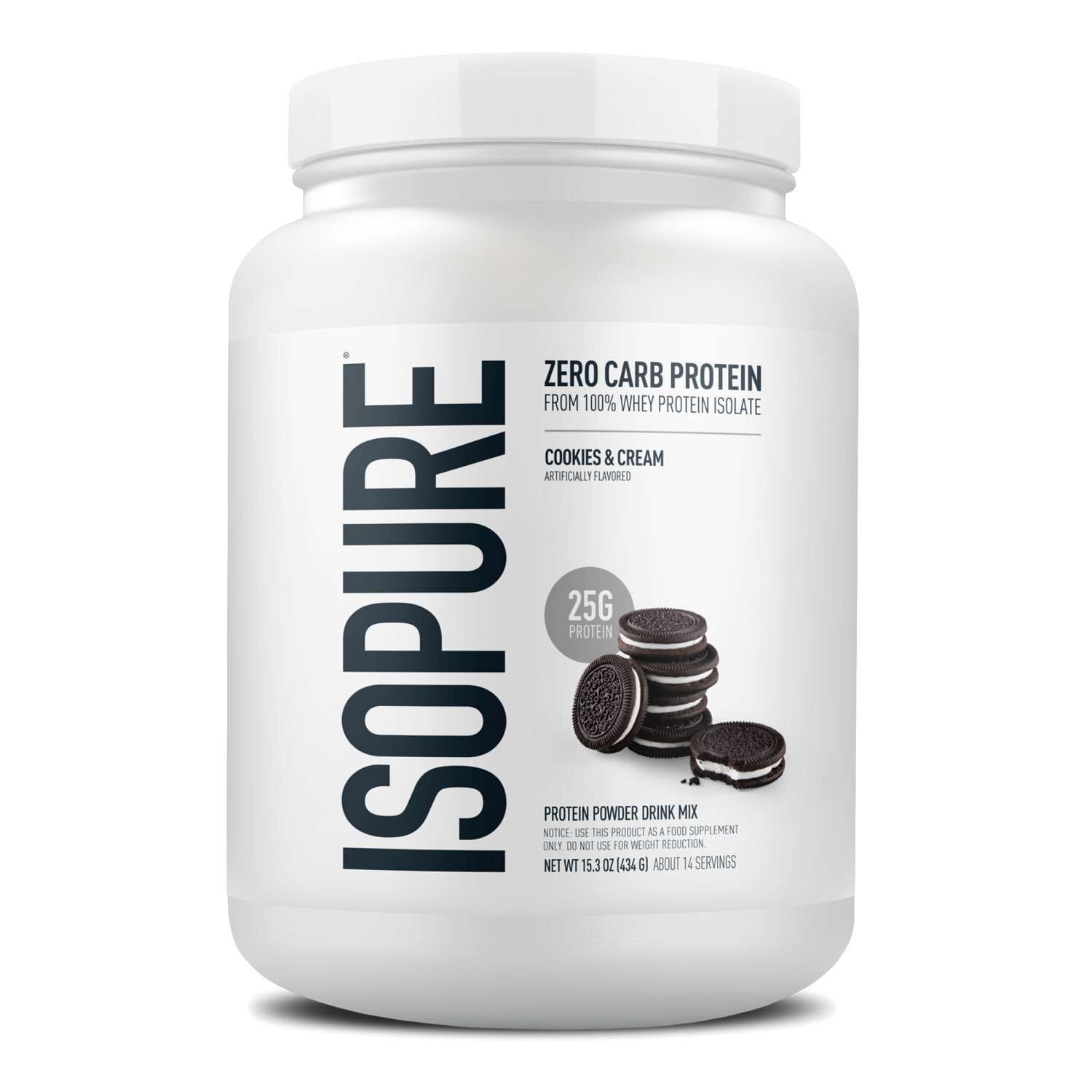
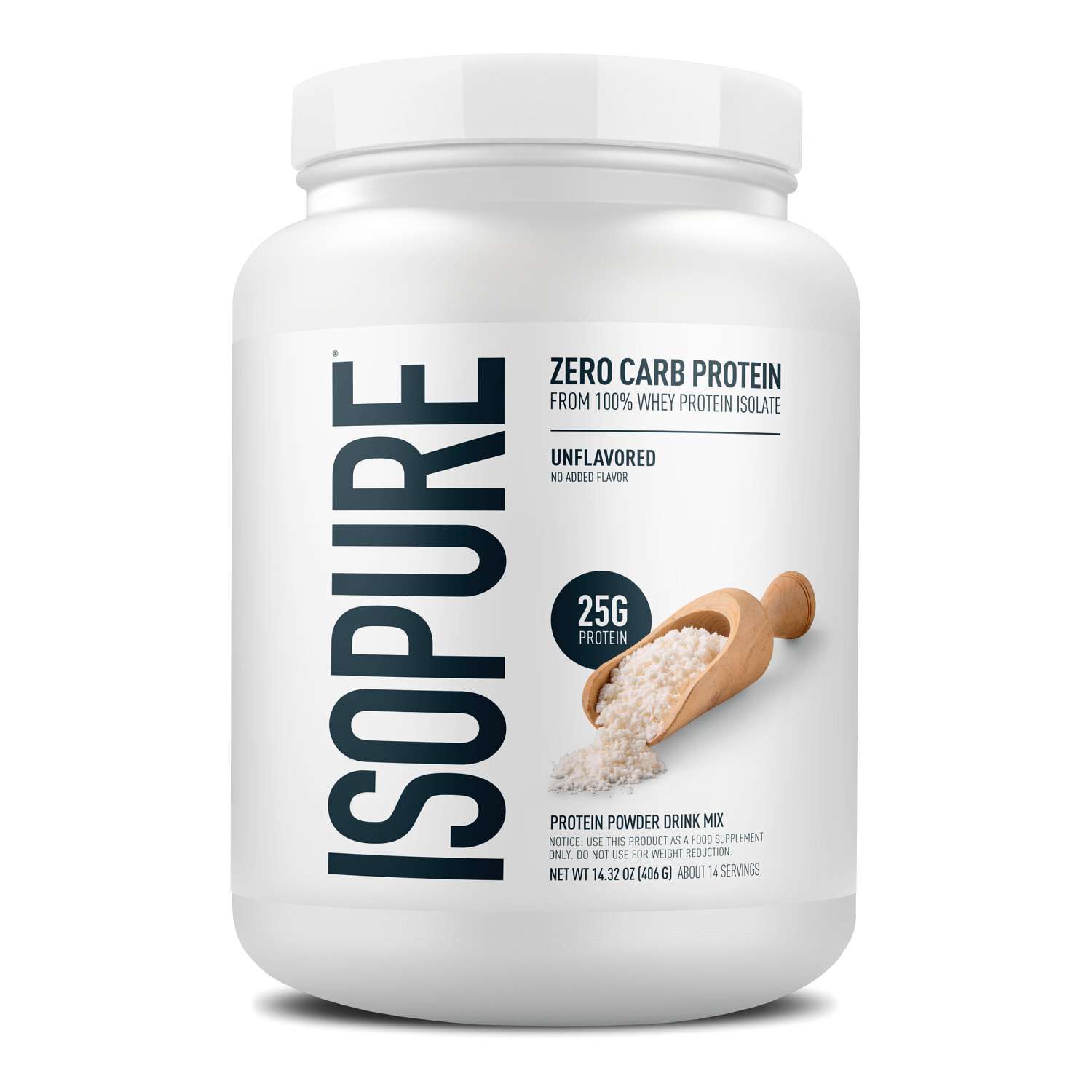
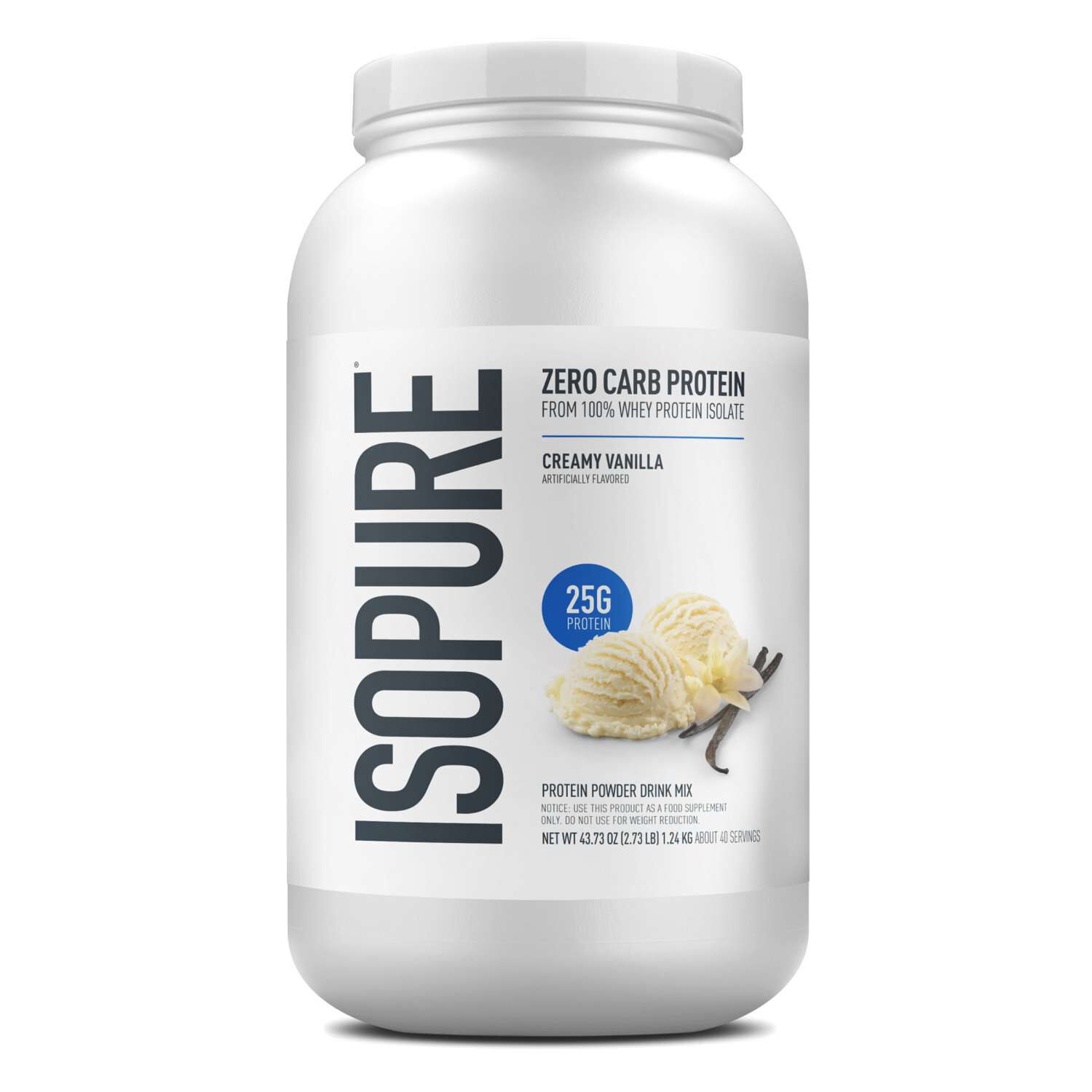

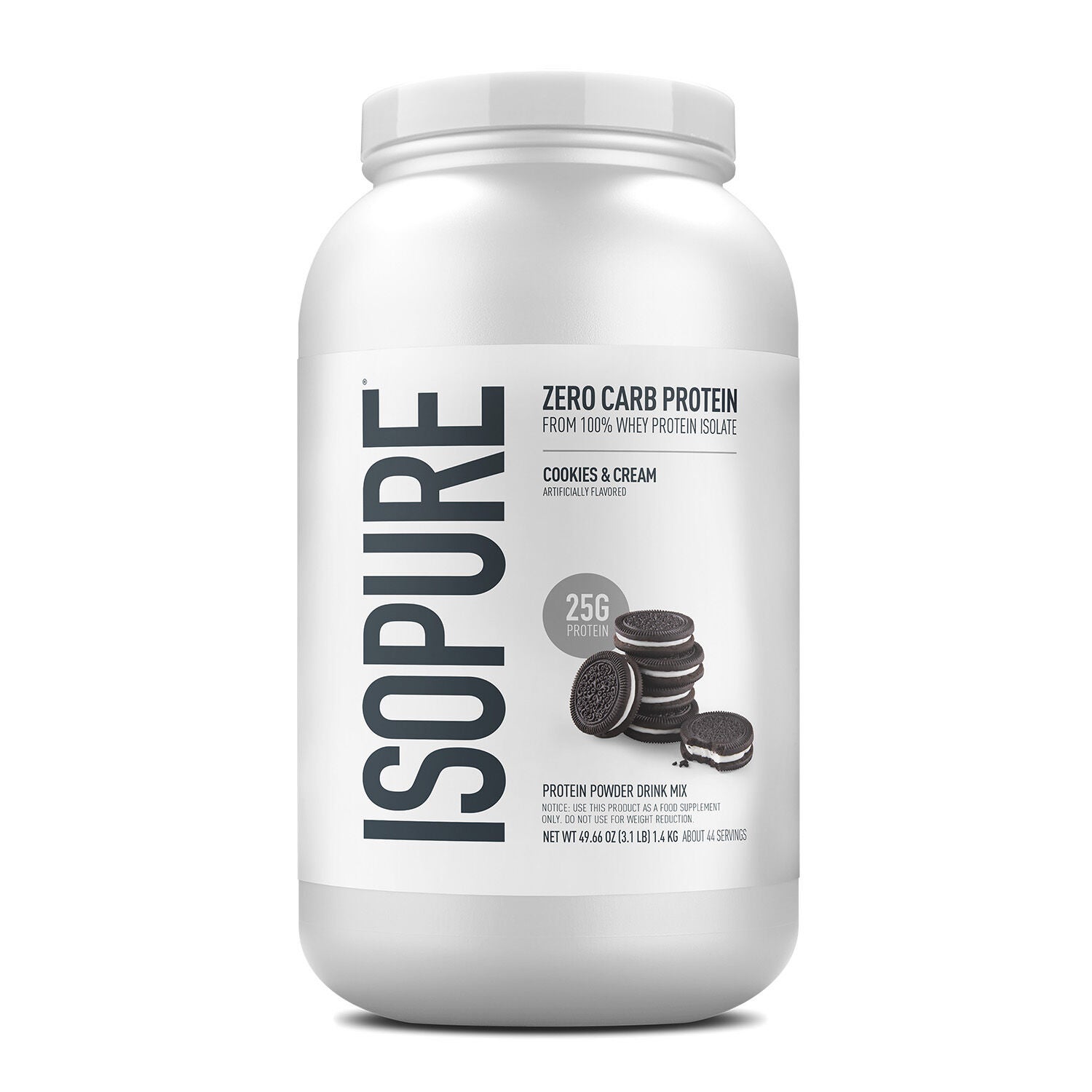
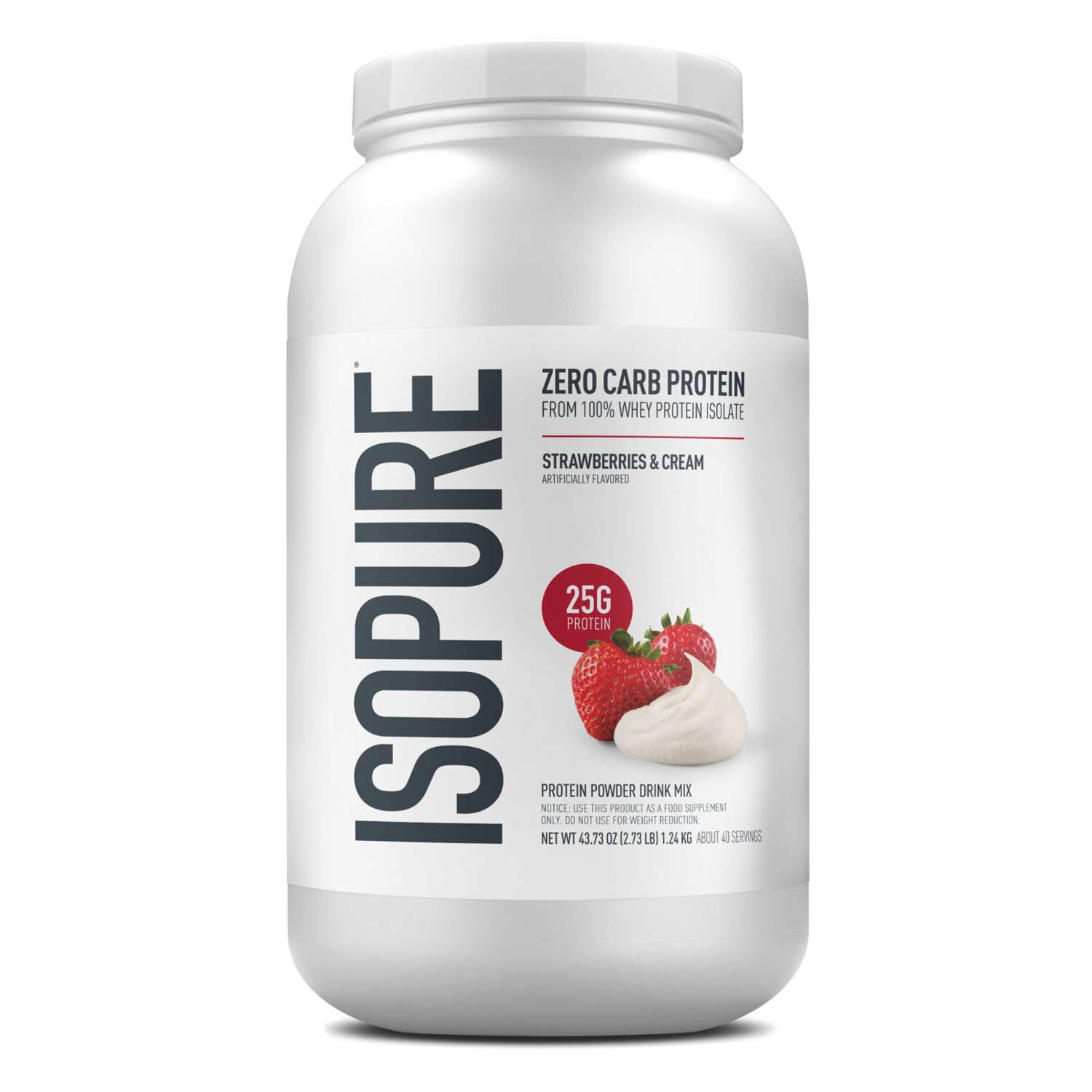
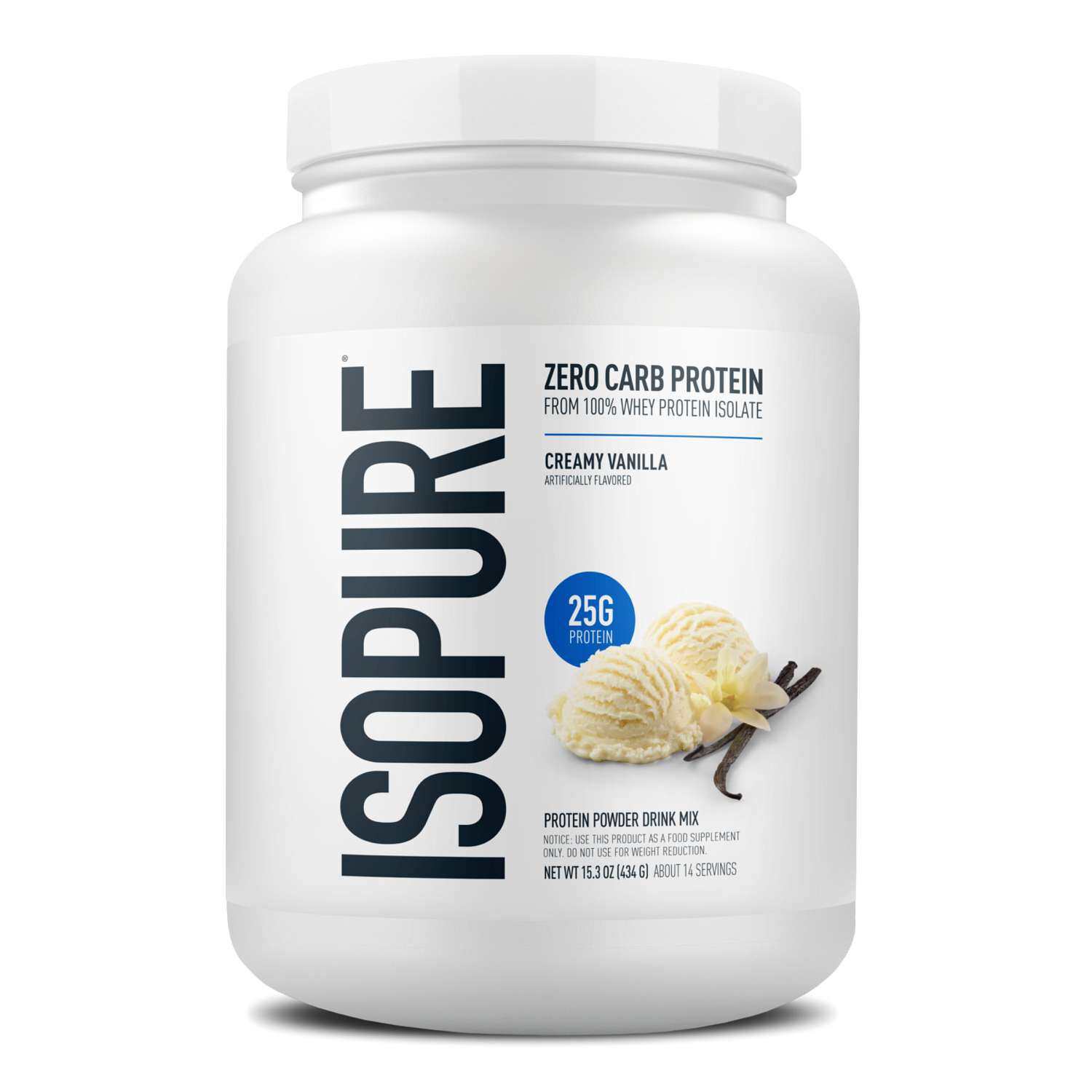


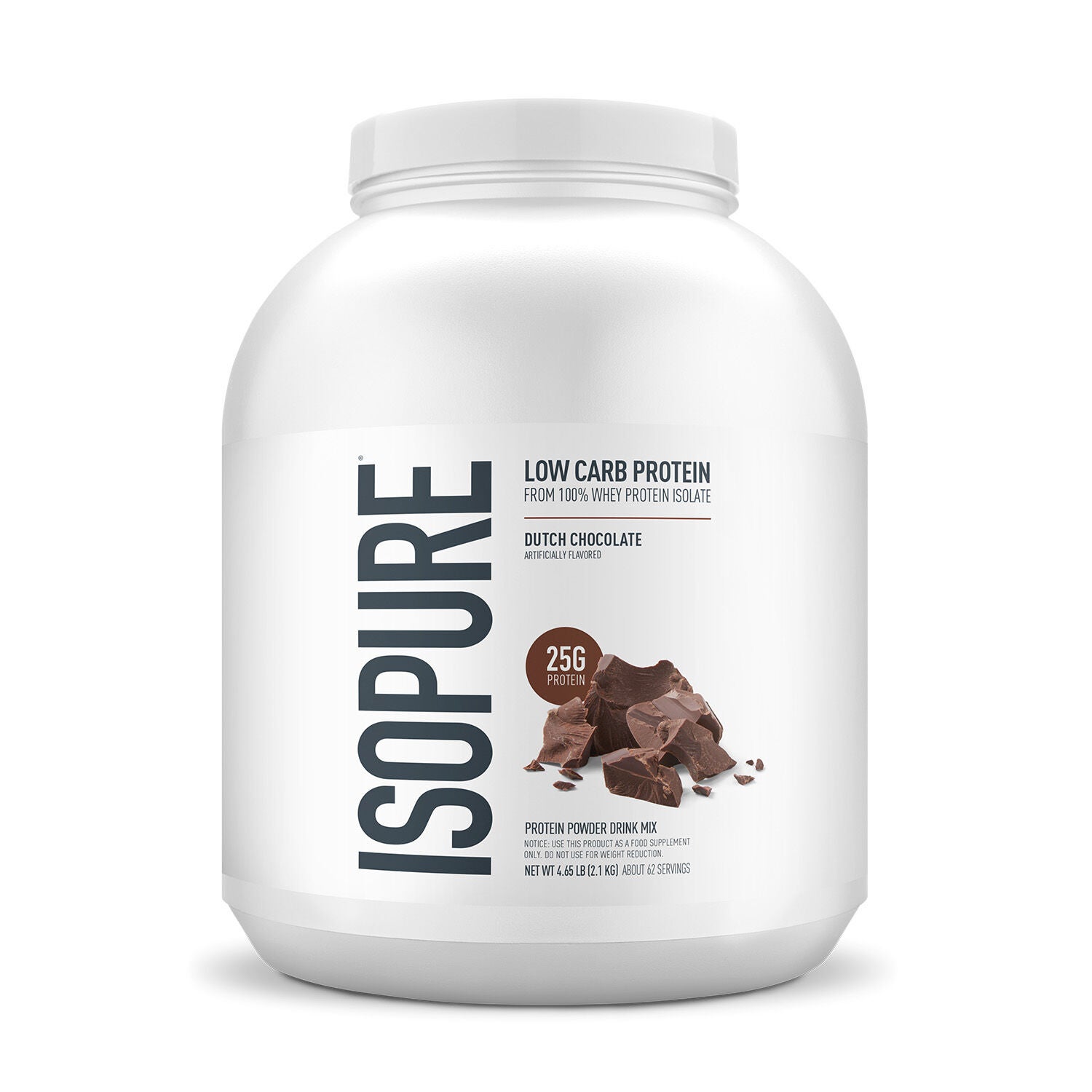


Zero-carb protein powders are formulas labeled with 0 grams of carbohydrate per stated serving. They are distinct from low-carb protein powders, which may contain a small amount of carbohydrate, and from powders labeled with 0 grams of sugar, which may still contain carbohydrates from other ingredients. For shoppers comparing protein options around a particular eating pattern, those differences matter more than the wording on the front of a container. The Nutrition Facts or Supplement Facts panel identifies the serving size, protein amount, carbohydrate amount, and calories for the formula. Some zero-carb powders provide about 20 to 25 grams of protein per serving, although the amount varies with the ingredients and serving weight. Zero carbohydrate does not mean zero calories: protein itself contributes calories, and some formulas also contain fat. Whey protein isolate is a common ingredient in this category. It comes from milk and undergoes processing that separates much of the carbohydrate and fat from the protein. However, whey isolate is not automatically a zero-carb product, since the finished formula determines the carbohydrate amount shown on the label. Flavor ingredients, sweeteners, and other additions also distinguish one formula from another. Whey remains milk-derived after filtration, and a zero-carb statement does not establish that a powder is appropriate for someone avoiding milk. Egg-based and plant-based proteins have different ingredient profiles, and their carbohydrate amounts require the same serving-by-serving comparison. Labeling rules also allow very small carbohydrate amounts to be rounded, so a listed 0 grams does not always mean an absolute absence of carbohydrate. For someone tracking grams closely, the stated serving weight and the amount actually measured into a shaker are important details. These powders are one category of protein supplement, not a replacement for the variety of foods that make up an eating pattern. Their intended use is straightforward: a measured protein serving with a labeled carbohydrate amount that suits the shopper’s preferences.
Flavor, texture, and preparation are meaningful parts of choosing a zero-carb protein powder, especially when a shake is part of an everyday routine. A powder mixed with water has a different character from the same powder blended with milk or a plant-based beverage. The carbohydrate amount of the prepared drink also depends on the liquid and any additions, rather than on the powder alone. A scoop stirred into yogurt or blended with fruit belongs to a different nutritional combination than a scoop shaken with water, even when the powder carries the same 0-gram carbohydrate statement. Someone who prefers a straightforward drink after a workout may favor a formula intended for mixing in a shaker, while someone preparing breakfast at home may prefer a texture suited to a blender. Neither preparation requires an elaborate recipe, but the suggested liquid amount provides useful context for the intended consistency. A concentrated mixture generally tastes stronger and feels thicker than one prepared with more liquid. Flavor descriptions are another useful point of comparison: cocoa, vanilla, coffee, and fruit-inspired profiles suggest different tastes, but the ingredient list supplies the details behind them. Sweeteners differ in sweetness and aftertaste, and a powder described as unsweetened is not necessarily unflavored. Thickeners and emulsifiers also contribute to the character of a mixed drink. A clear-style protein beverage has a different texture from a creamy shake, even when both have similar protein and carbohydrate amounts. Unflavored powders have their own taste as well, particularly when mixed with plain water. For shoppers planning to use protein in food preparation, preparation directions matter because heat and mixing methods influence texture. A powder intended primarily for drinks is not automatically interchangeable with flour or other ingredients in cooking. These distinctions help describe how a formula belongs in a kitchen or gym-bag routine without suggesting that every zero-carb option tastes, mixes, or behaves alike.
Practical fit extends beyond the nutrition panel to packaging, portioning, storage, and the circumstances in which a protein supplement will be used. A resealable container belongs naturally in a kitchen cabinet, while individually portioned formats may suit a commute, a desk drawer, or a gym bag. Package size and serving size are separate measurements: two containers with similar weights may provide different numbers of servings because their recommended portions differ. Scoop sizes also vary between formulas, making the serving weight printed on the label a more consistent comparison point than the appearance of a scoop. Storage directions deserve similar attention. Dry powder is generally stored in its closed container, away from moisture and direct sunlight, with a clean, dry utensil used for portioning. Keeping the closure secure helps limit exposure to humidity and surrounding odors. Once powder is mixed with liquid, the original dry-storage directions no longer describe the prepared drink; preparation and storage instructions on the package remain the relevant reference. A reusable shaker also needs routine washing, including its lid, seal, and mixing insert. For a person comparing carbohydrate targets, protein sources, and preferred drink styles, the related category Low Carb Protein Powders | Top Brands & Deals | GNC offers another point of comparison beyond formulas labeled with 0 grams of carbohydrate. A small carbohydrate difference may matter to one shopper and be less important to another whose main priorities are flavor, ingredient source, or preparation. Someone choosing protein as a gift has additional considerations, including the recipient’s preferred flavors, dietary restrictions, and familiarity with supplements. A familiar protein source and a clearly understood ingredient list are more useful reference points than packaging alone. Across these choices, the most informative details remain consistent: the stated carbohydrate amount, protein per serving, ingredient list, allergen statement, mixing directions, and storage instructions. Together, they describe what the powder contains and how it is intended to be used.