





Cellular Detox Supplements
(0 Results)
Achieving optimal health and wellness could be more attainable with the right support, and cellular detox supplements might be just what you need. These supplements are designed to assist your body's natural detoxification processes, potentially helping to cleanse at the cellular level. Explore a range of options that may support your journey towards a healthier, revitalized you. Whether you're looking to complement your daily routine or seeking a fresh start, cellular detox supplements could offer the benefits you're searching for.

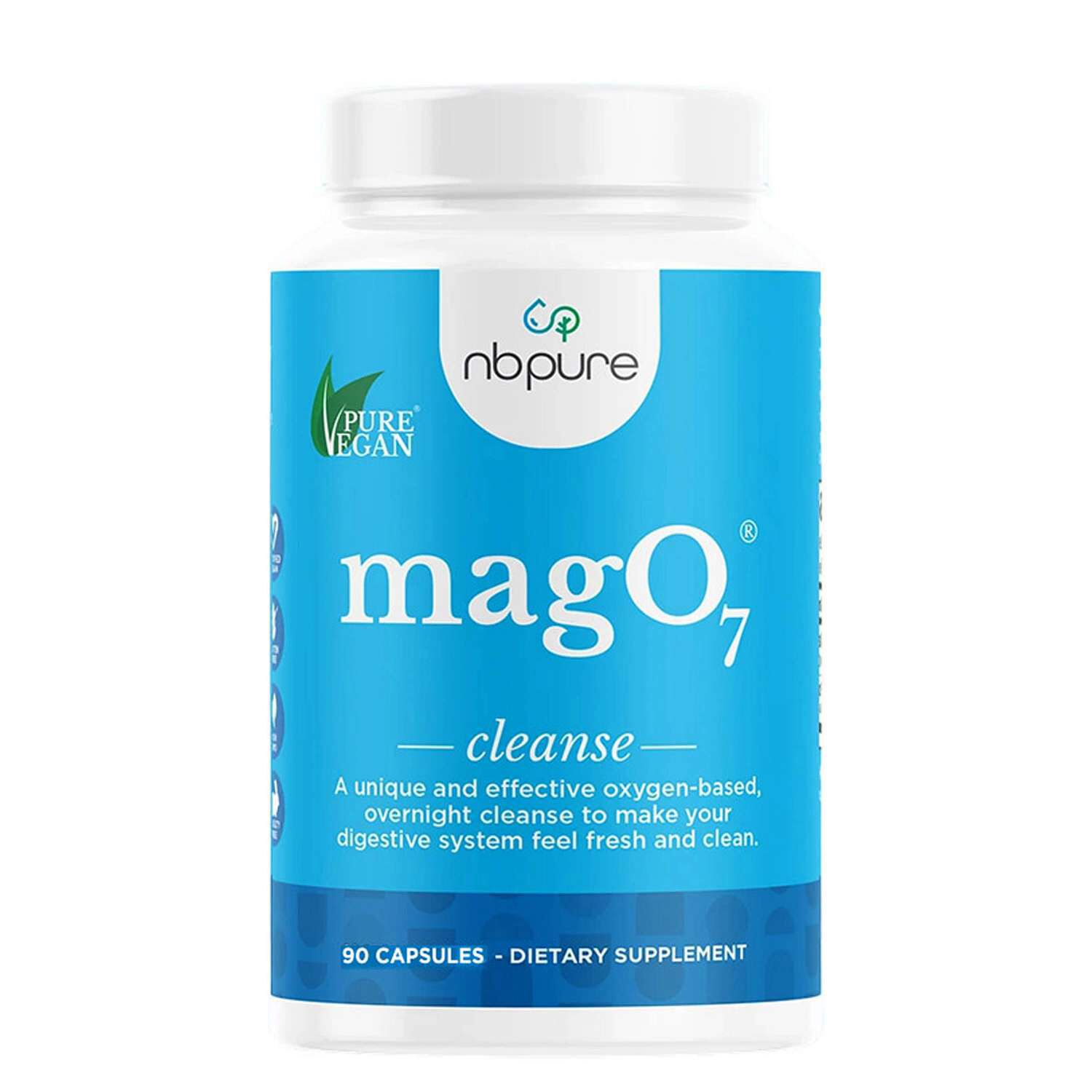


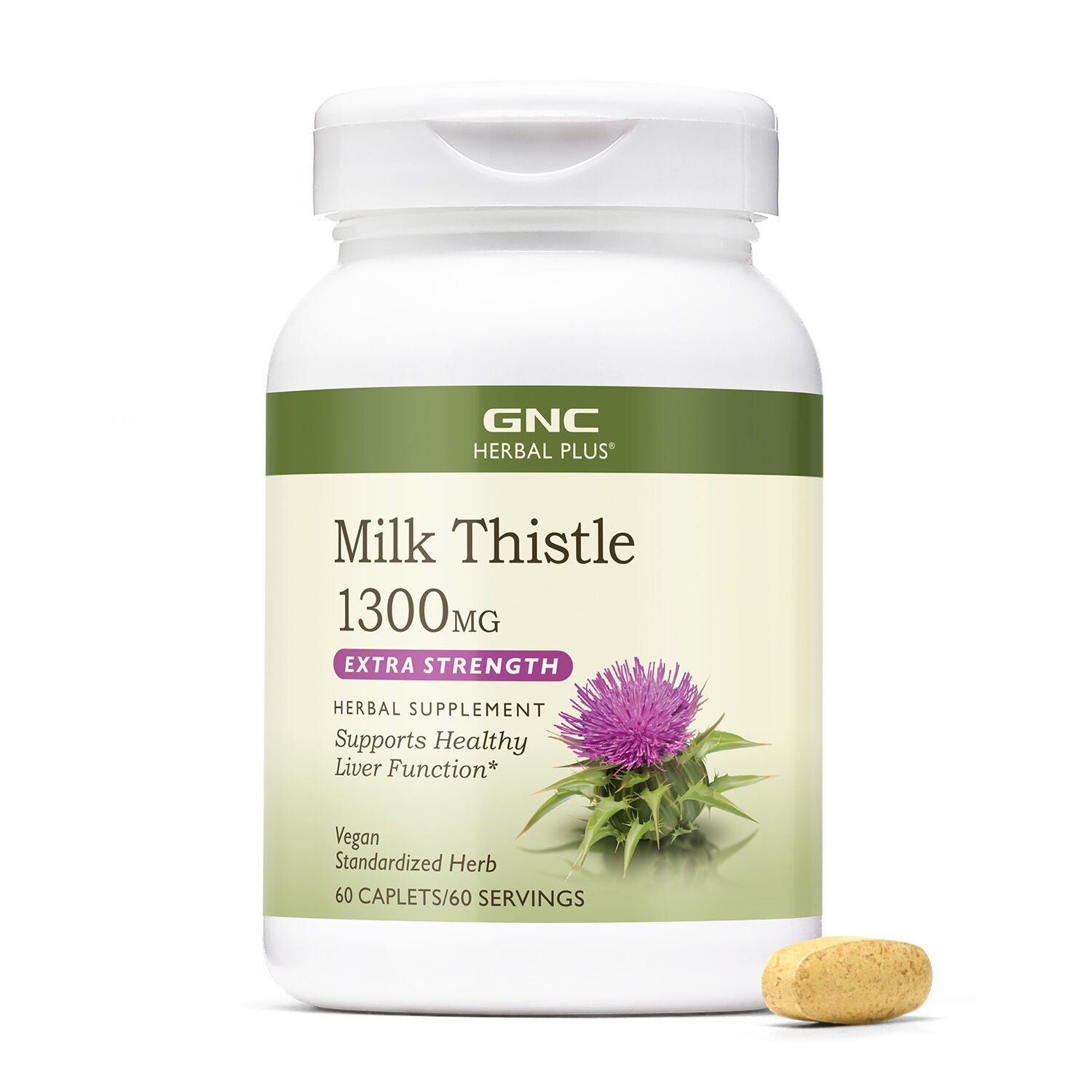


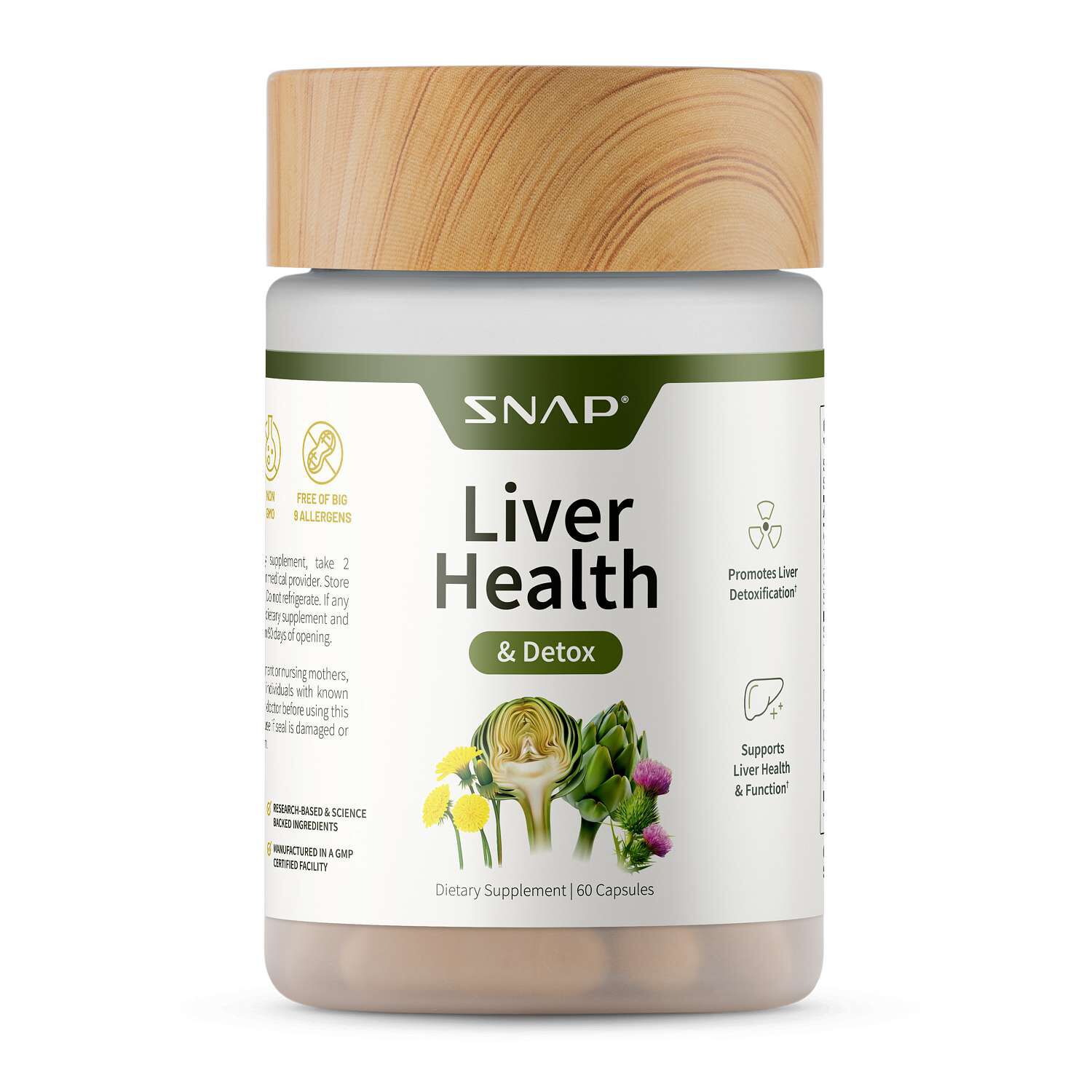


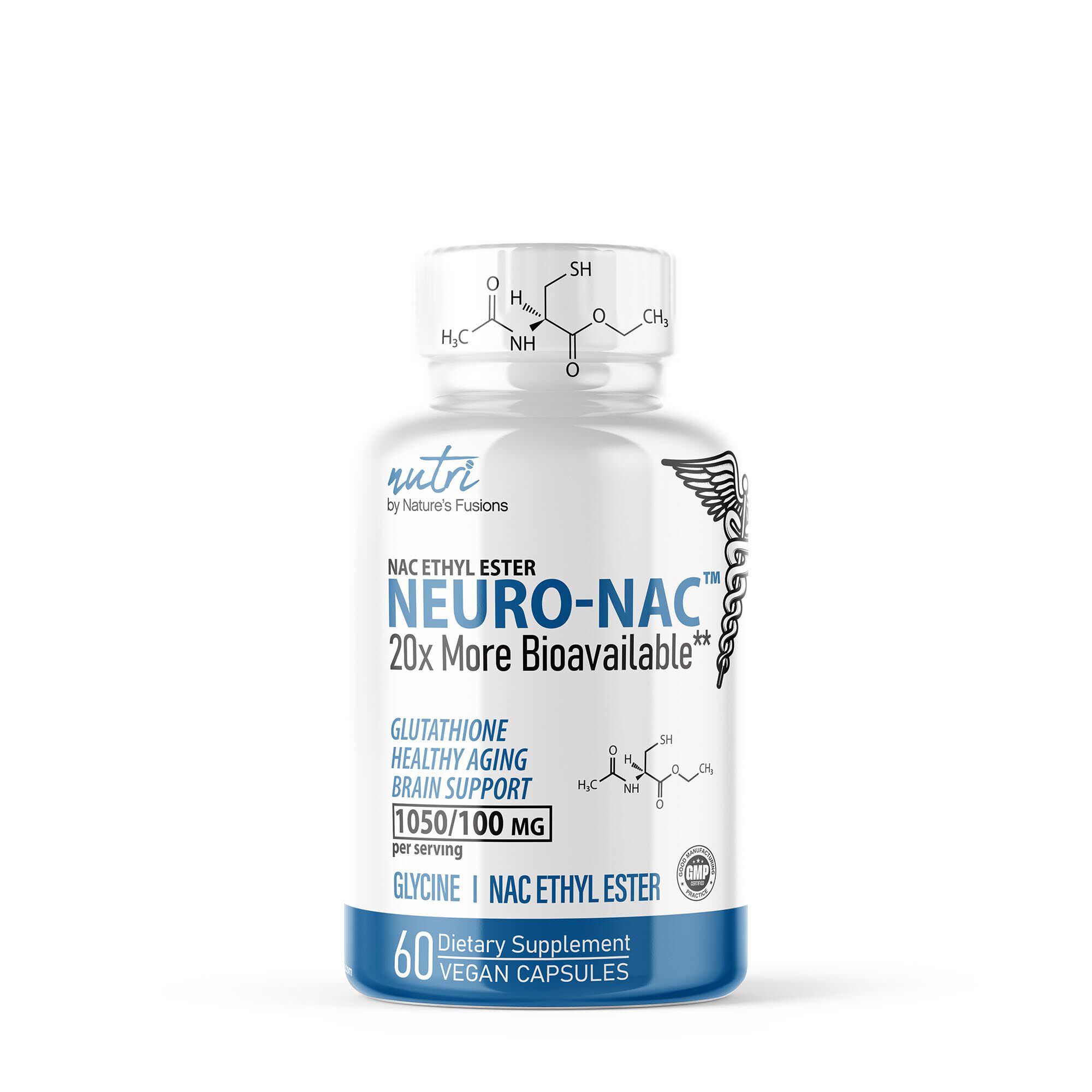


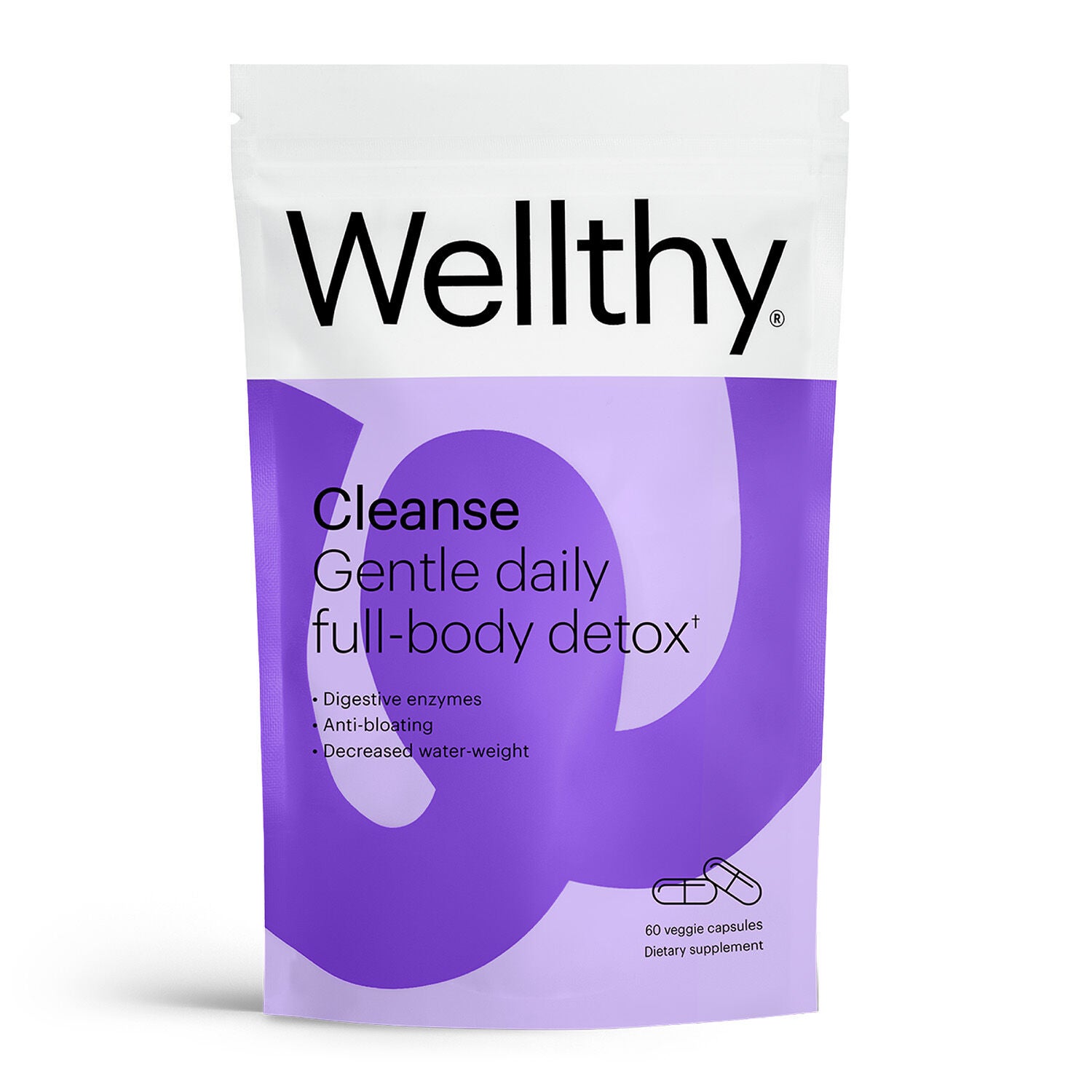
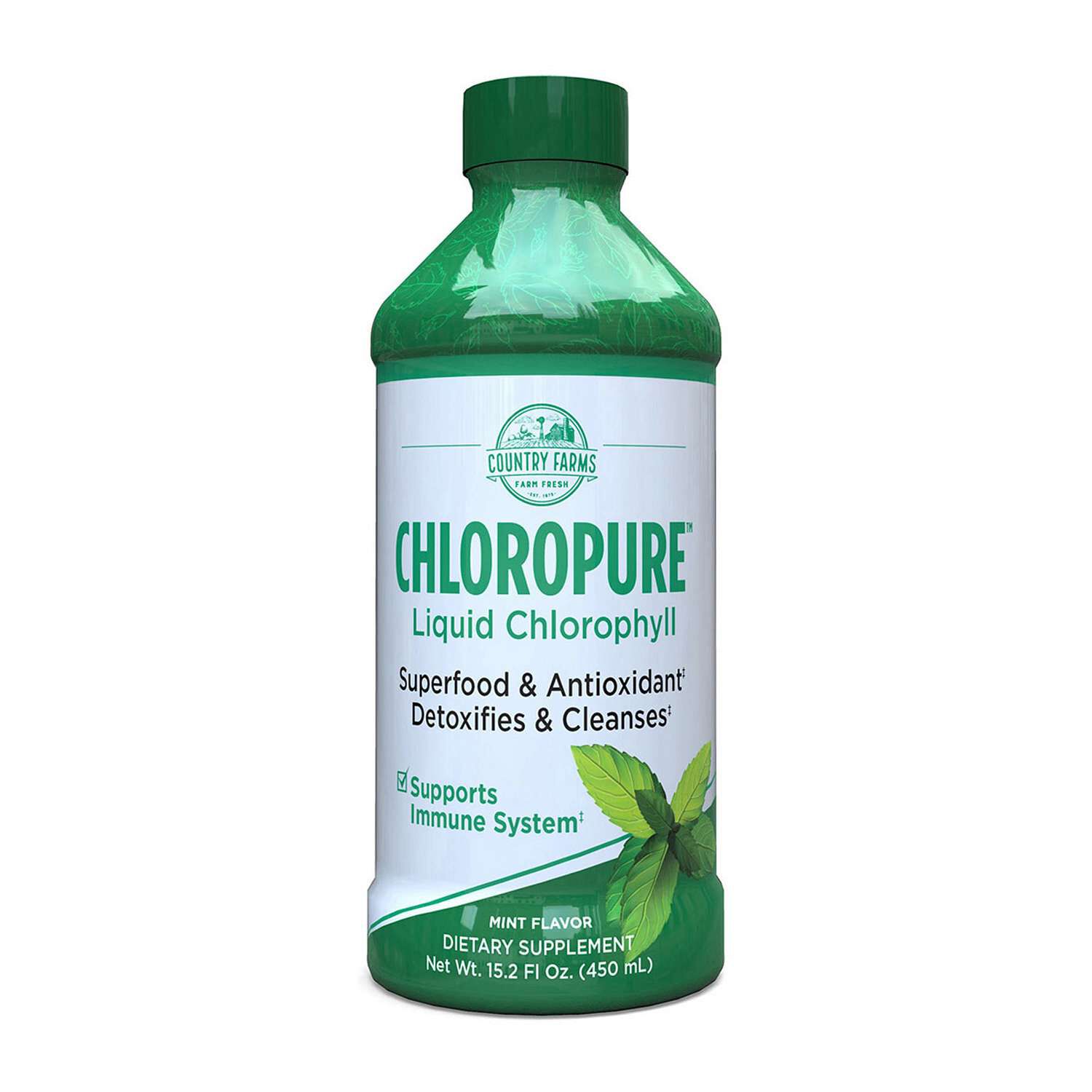


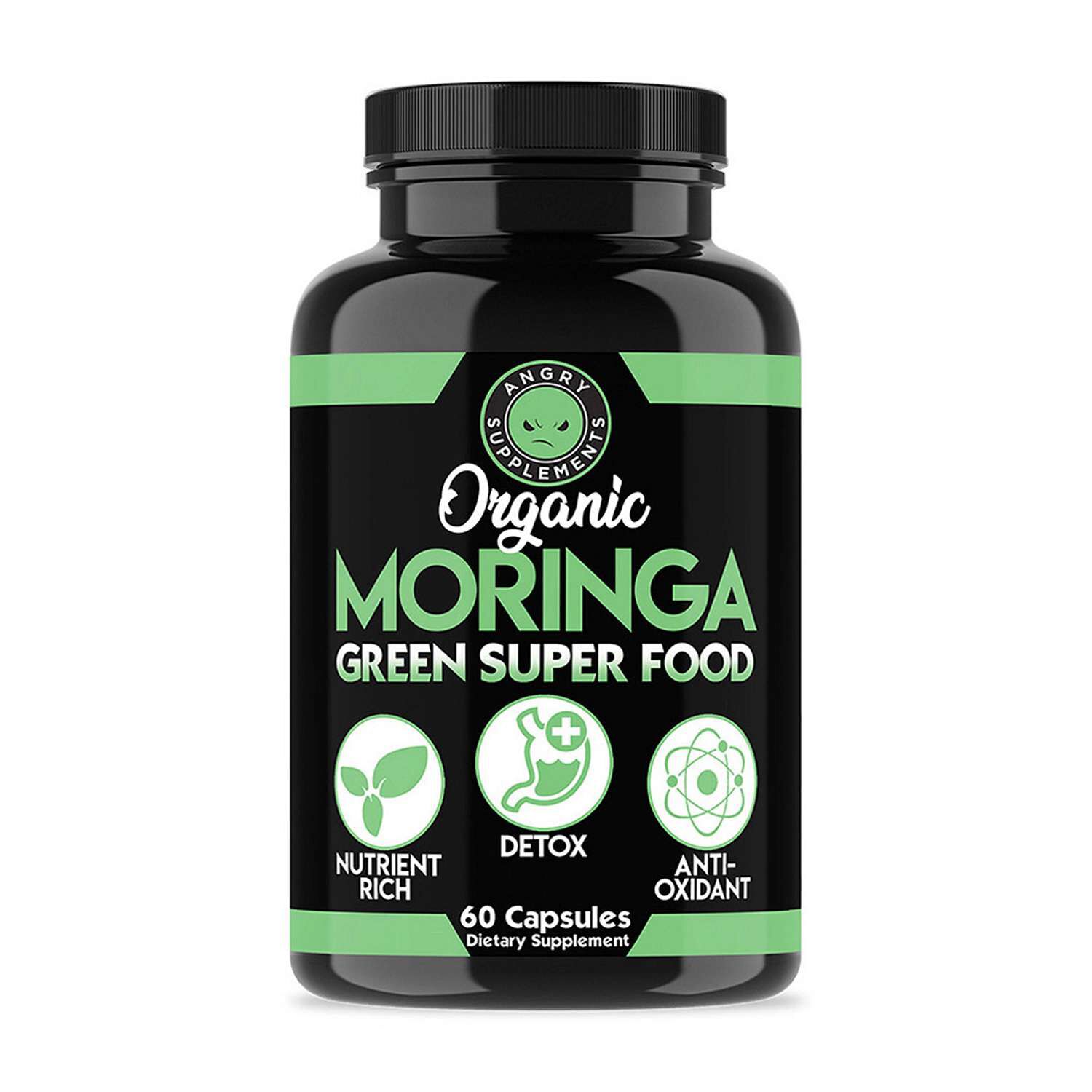

Cellular detox supplements are dietary supplements grouped under a broad name, not a single type of formula. The category can include blends of vitamins and minerals, formulas built around compounds associated with antioxidants, and products that feature plant extracts. The name draws on a basic part of human biology: the body is always processing materials. The liver processes many substances, the kidneys filter blood and remove waste in urine, and cells have their own systems for breaking down and recycling components. Those processes are part of normal body function, not a description of what a supplement does. In this category, the Supplement Facts panel is more useful than the word “detox” for understanding what is in a formula. One label might list N-acetyl cysteine, often shortened to NAC, while another might list glutathione, a compound the body makes, or superoxide dismutase (SOD), an enzyme found in cells. Among plant-derived ingredients, a broccoli sprout extract may be listed alongside a stated amount of sulforaphane, while a turmeric extract may specify curcuminoids. Green tea extract and resveratrol are other names that can appear in antioxidant-focused formulas. Shoppers interested in that part of the category can browse High Antioxidant Detox Supplements and compare how ingredients are identified on each label. Other blends may feature botanicals such as milk thistle, dandelion root, or burdock root. The plant name is only one detail: a root powder and an extract from that same root are not necessarily interchangeable entries on a label. The plant part, the ingredient form, and any named compounds give a clearer picture of what two formulas have in common and where they differ.
A useful label comparison starts with the serving size, especially when two formulas highlight the same ingredient. A capsule count describes what is in the container, while servings per container describes how many label-defined servings it holds. A bottle with 60 capsules, for example, represents 30 servings if the label lists two capsules per serving. That distinction also matters when comparing amounts: a number printed for a two-capsule serving is not the amount in each capsule. A blend can add another wrinkle. When several ingredients are grouped under one stated weight, the number refers to the blend as a whole; it does not tell the shopper how much of each ingredient is present. For someone who already keeps a multivitamin in the cupboard, placing both labels side by side can reveal repeated entries such as B vitamins, magnesium, zinc, or selenium. The units matter as much as the numerals, since a figure in micrograms does not mean the same thing as that figure in milligrams. There is also a difference between the Supplement Facts panel and the Other Ingredients list. The latter can identify materials used in a capsule shell, such as gelatin or plant-derived cellulose, as well as tablet coatings, binders, or flavorings. A bottle described mainly by its botanical blend might still use a gelatin capsule, so the source of the featured ingredients does not necessarily determine what the shell is made from. Likewise, a powder with a short list of featured ingredients can have a separate list of ingredients for flavor or texture. For shoppers with specific dietary preferences, both parts of the label offer details that the front of the package may not show.
Format is often where the comparison becomes practical. Capsules and tablets come in individual pieces, though the listed serving may call for more than one. A powder adds a measuring and mixing step, and the label can show whether the serving is given by scoop, weight, or both. An adult comparing formats for a routine at home might have room to keep a mixing cup and scoop together near the breakfast dishes. Someone with less counter space might prefer a bottle that fits easily in a cabinet, while a shopper who notices the taste or texture of mixed powders might want to compare those details before settling on a format. The dimensions of a tablet or capsule, when listed, can also be more useful than its appearance in a package photo. Storage is part of that everyday fit. A spot beside the sink might be convenient, but a dry cupboard makes more sense when the package calls for dry storage. For powders, a dry scoop and a lid that closes snugly can help keep moisture out between uses. Keeping the original container also keeps the serving information, storage directions, lot number, and any printed date together, so those details are easy to find later. Package size can make a difference here, too: a wide tub needs more shelf room than a narrow bottle, and the number of servings may be less obvious from the package size than it first appears. Whether the starting point is a particular botanical, a named antioxidant ingredient, or a preference for capsules over a drink mix, the most useful distinctions are often the plainest ones: what the label lists, how it defines a serving, what else is in the formula, and what the format is like to measure, mix, or store.

