

Child Friendly Health Gummies
(0 Results)
Child friendly health gummies offer a convenient and enjoyable way to support your child's nutritional needs. These tasty, chewable supplements may provide an array of vitamins and minerals that are crucial for growing bodies. With fun shapes and delicious flavors, child friendly health gummies could make it easier for kids to get the nutrients they need. Explore our wide selection of options designed to help promote overall wellness in a format that children might actually look forward to taking every day.

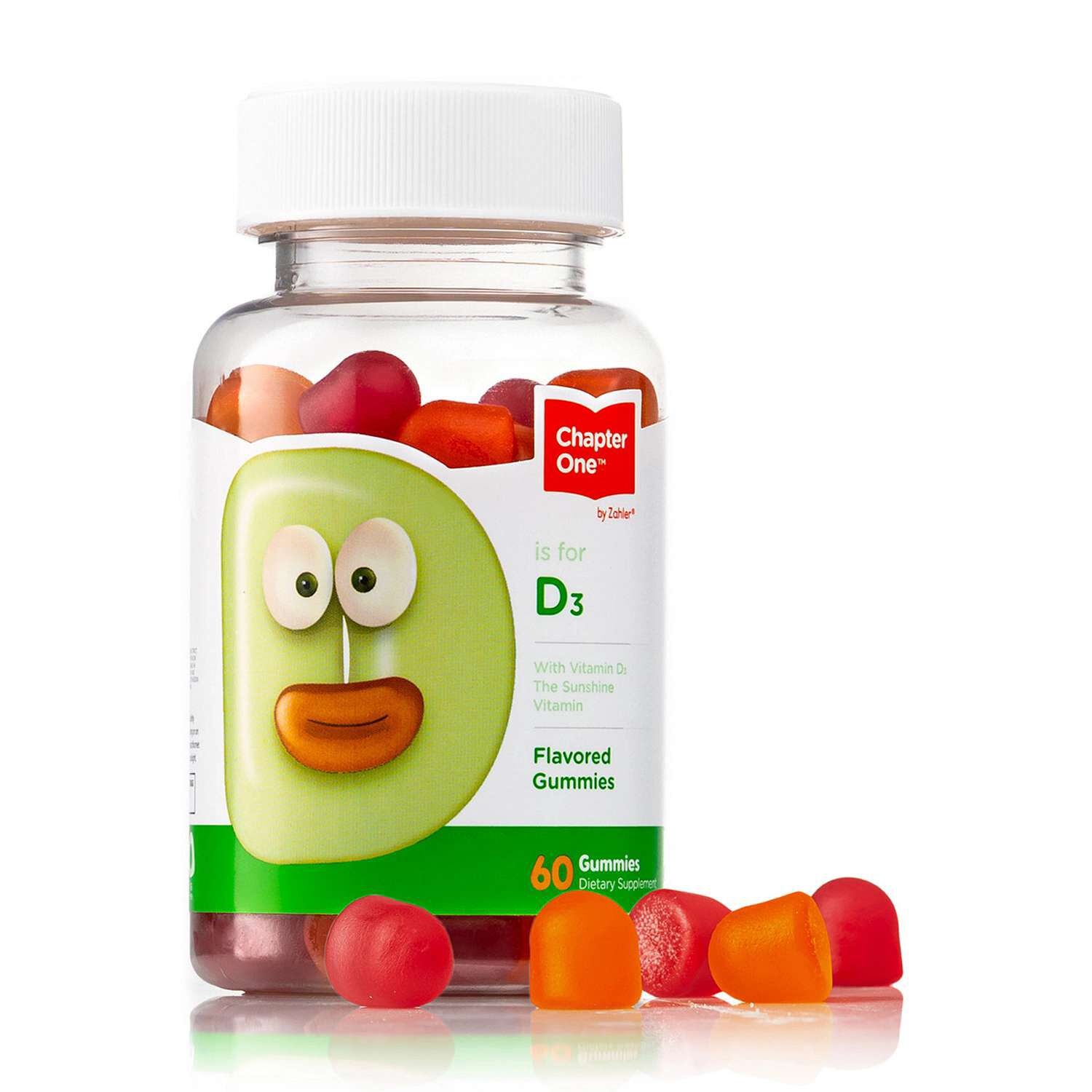
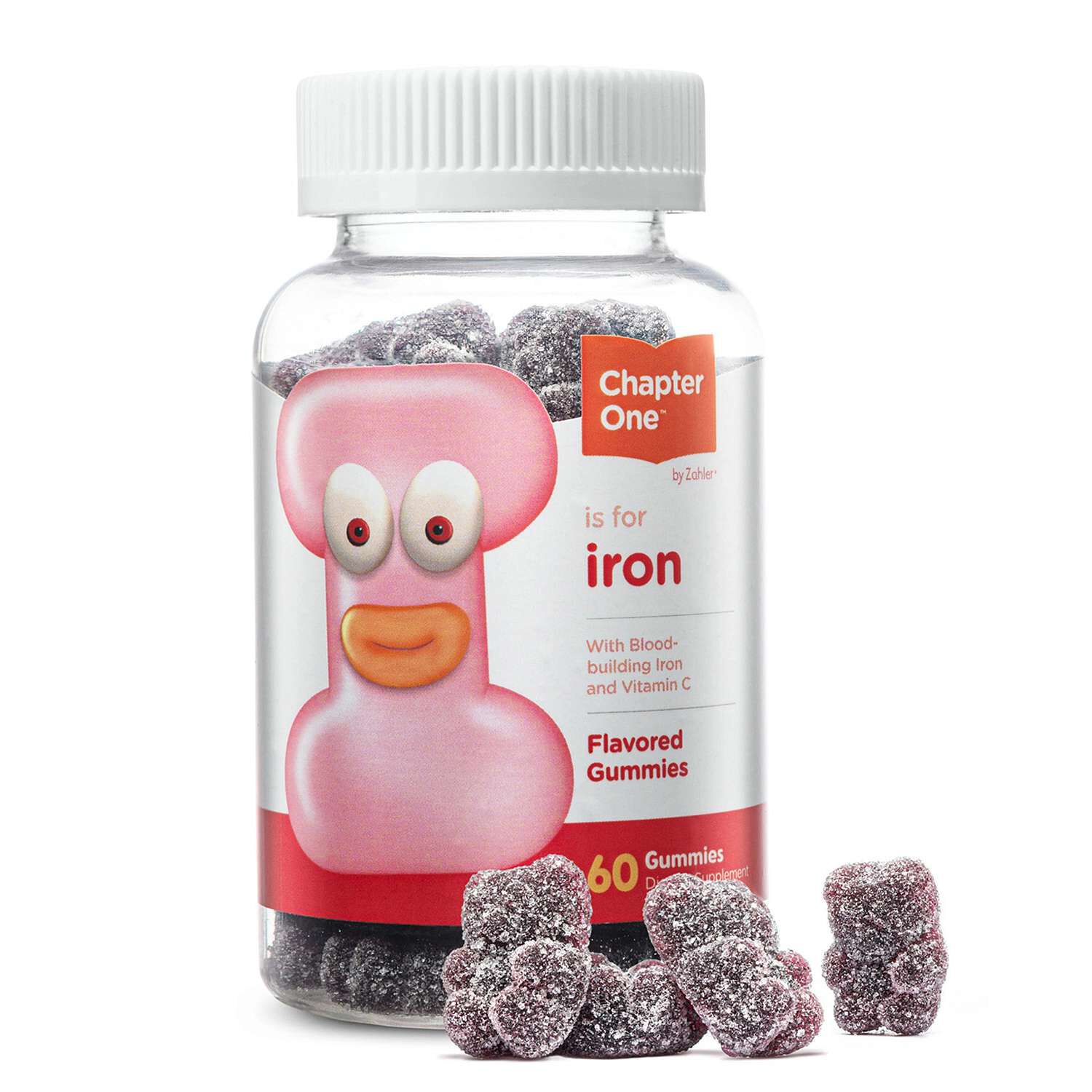
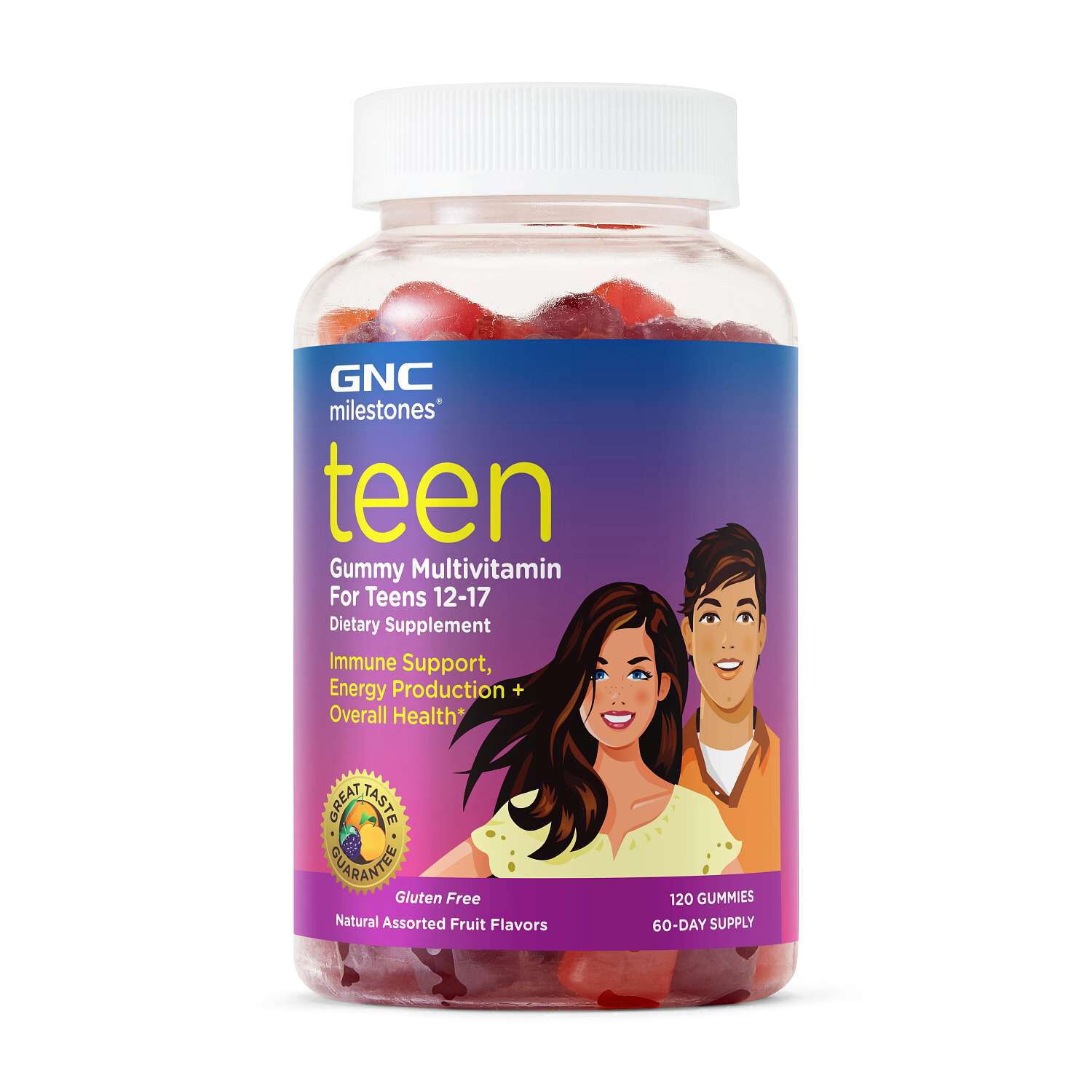


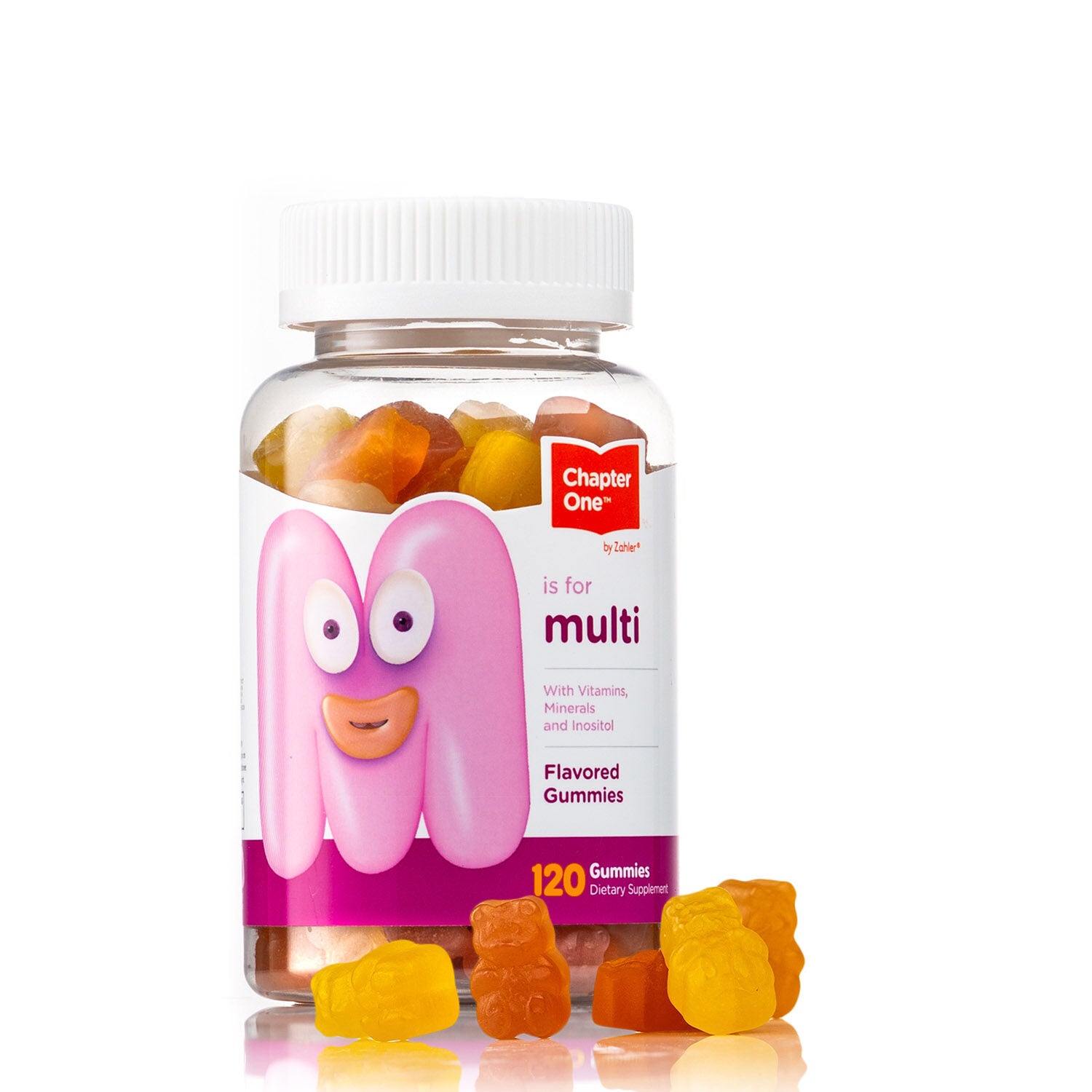

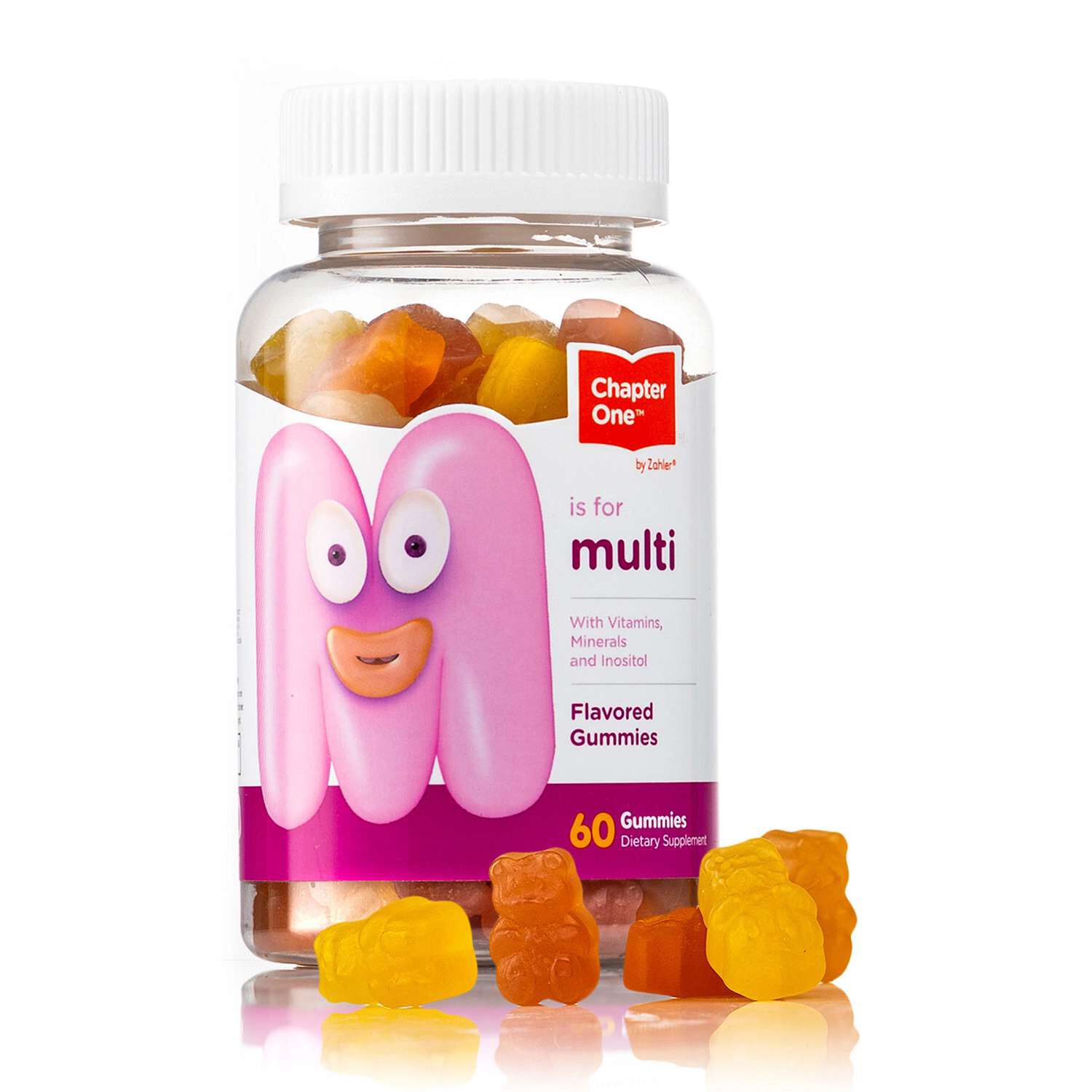

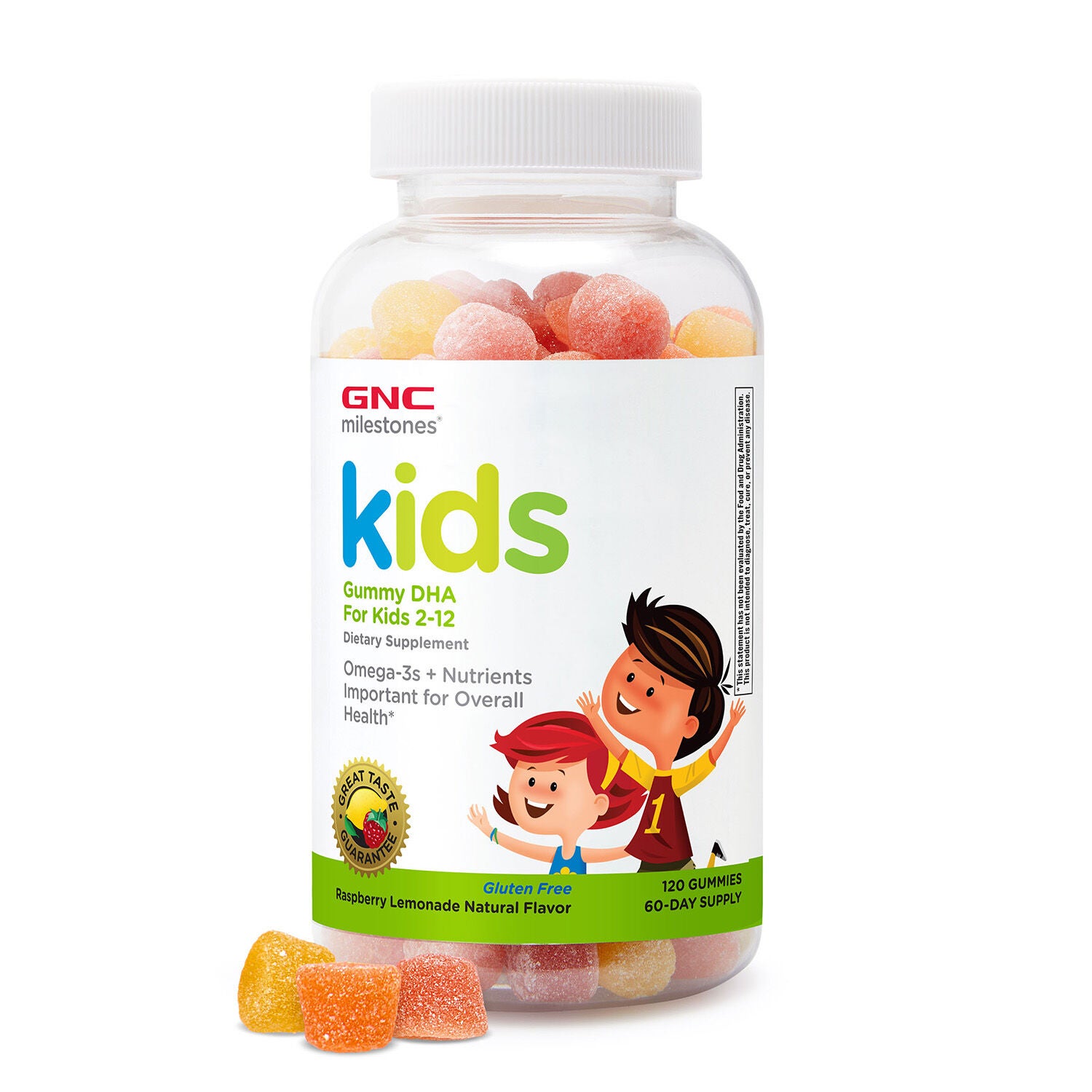


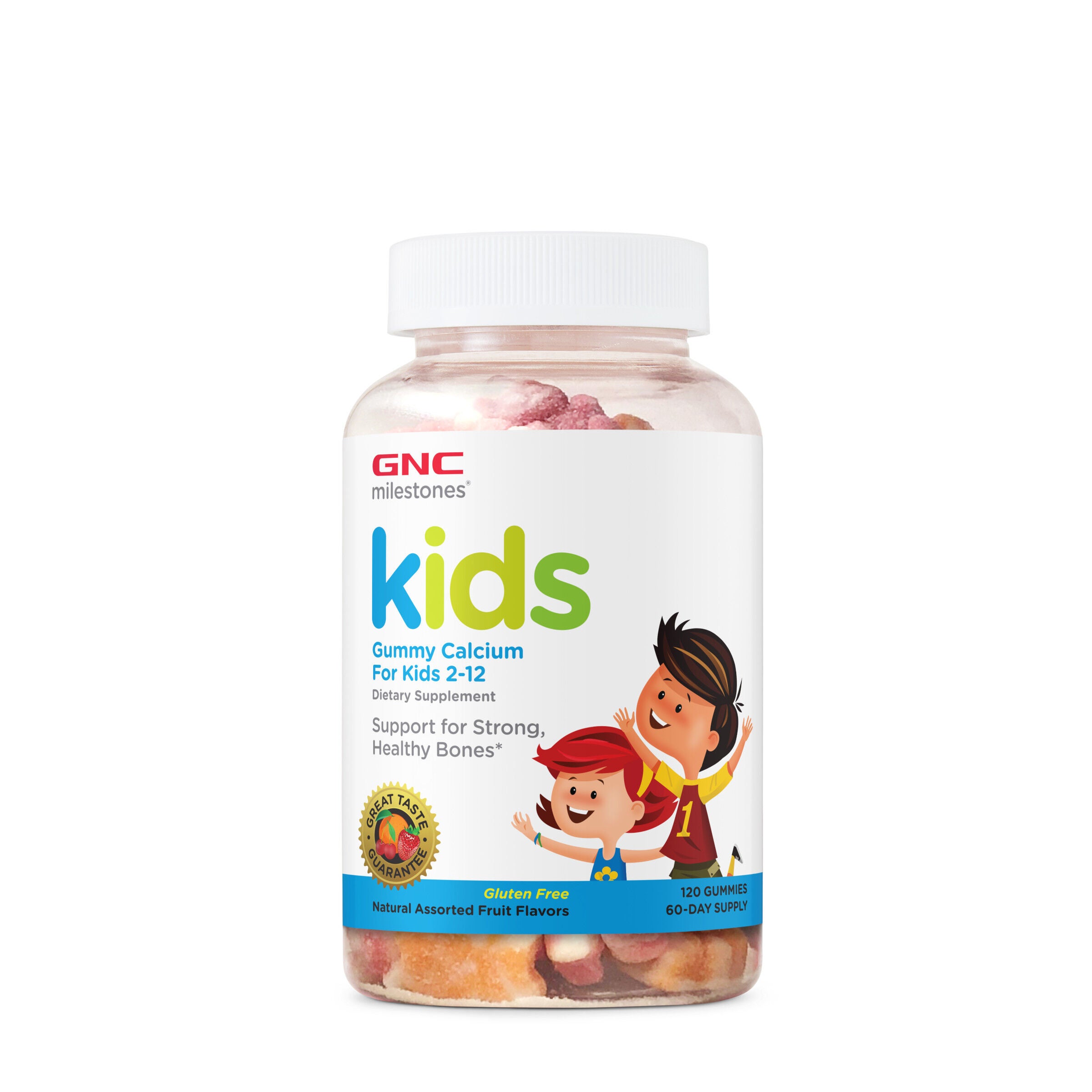


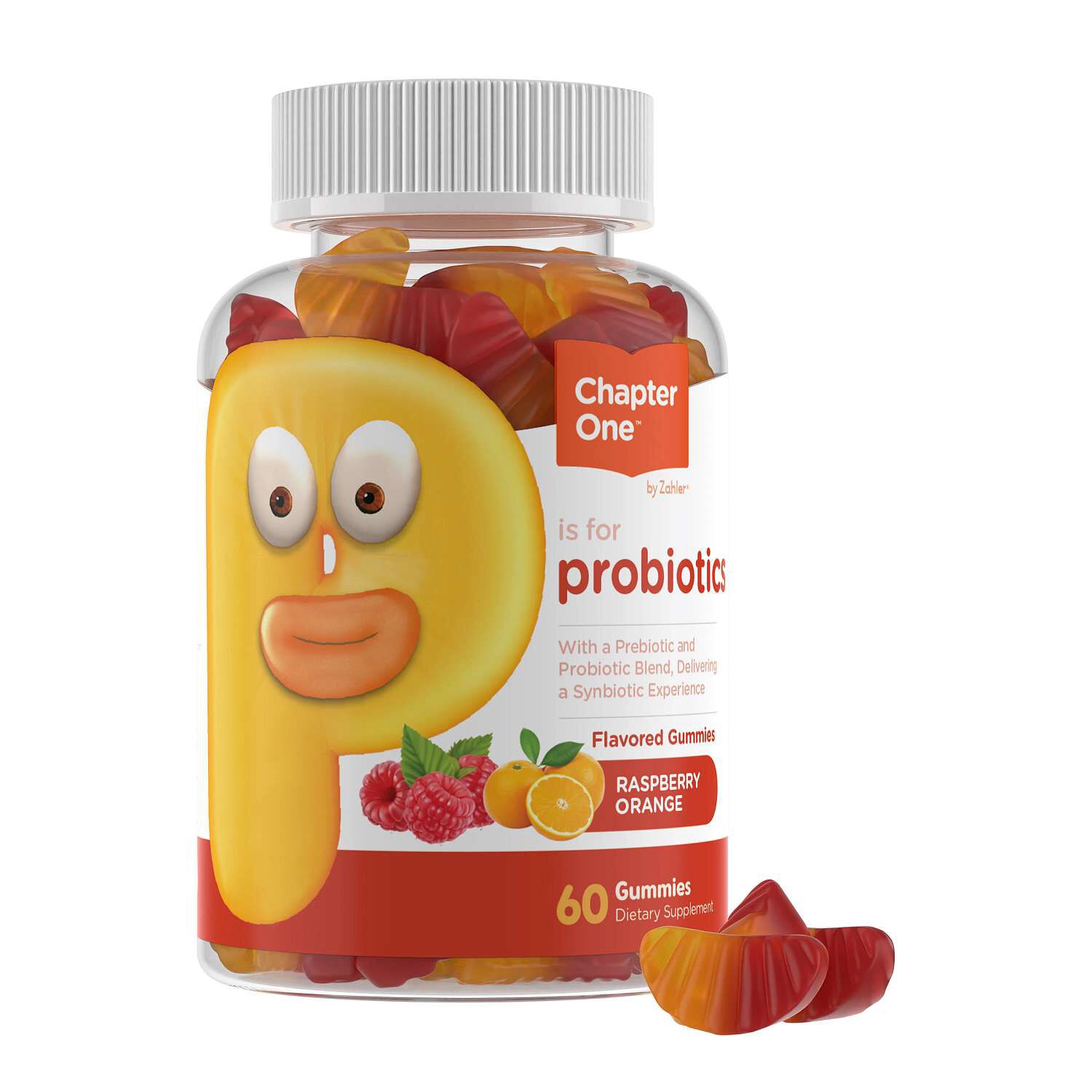

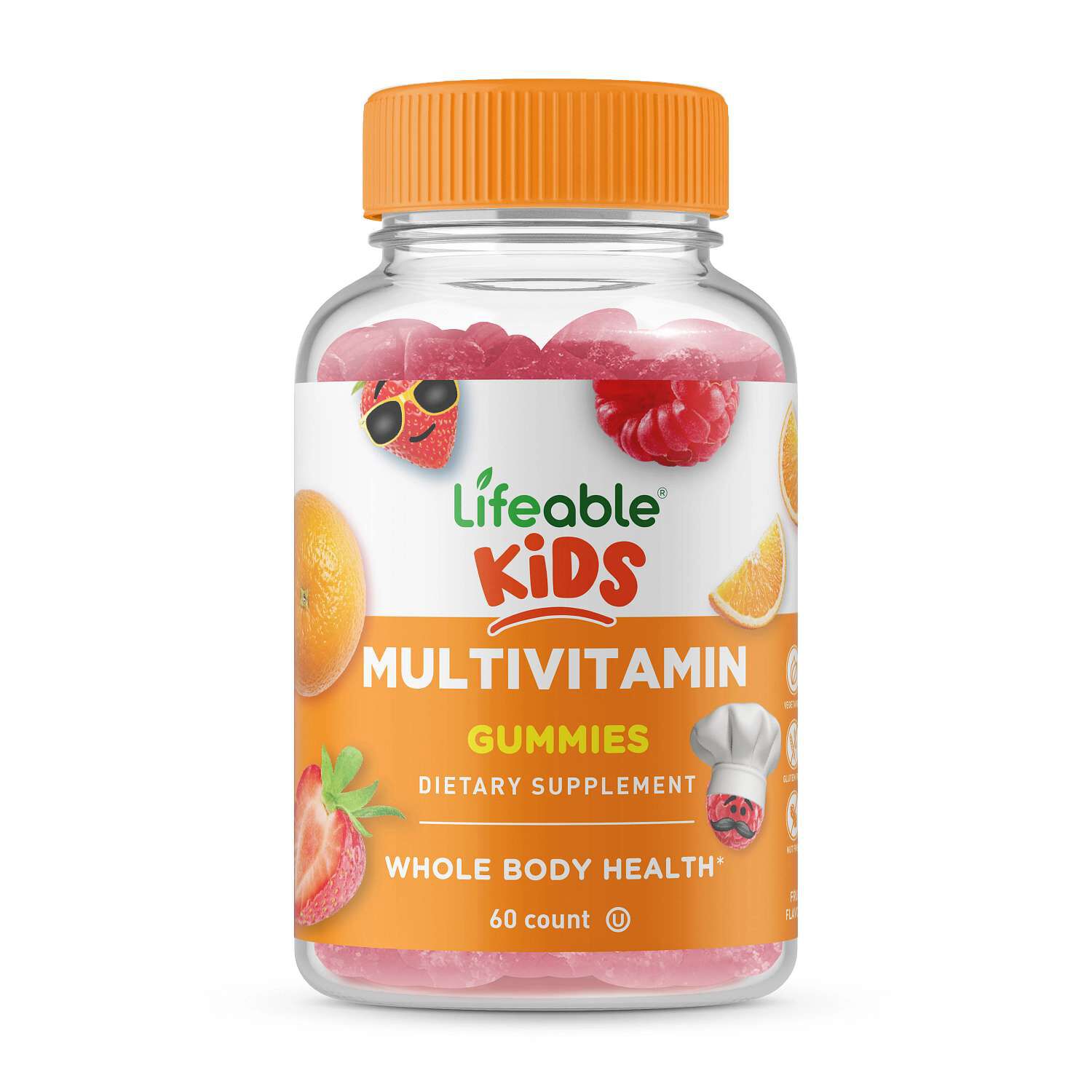


Child-friendly health gummies are chewable dietary supplements made for children within the age ranges listed on their labels. They pair nutrients or other dietary ingredients with flavors and a soft, chewy format. For some families, that format may make a parent-supervised supplement routine more approachable than a tablet or capsule. Gummies are intended to complement meals and snacks, not replace a varied diet or serve as candy. The category includes children’s multivitamin gummies, formulas featuring individual vitamins, and options made with probiotics or omega-3 ingredients such as DHA. Multivitamin formulas often contain a selection of vitamins A, C, D, E, and B vitamins, although the combination and amounts differ by formula. A gummy format does not mean every nutrient is included, and two bottles with similar fruit flavors can have very different contents. The Supplement Facts panel provides a clearer picture than the shape or color of the gummy: it identifies the dietary ingredients, the amount per serving, and the number of gummies that make up that serving. The labeled age range matters just as much, since products intended for older children are not necessarily intended for younger siblings. Families browsing Kids Wellness Gummies can compare these details alongside flavor, ingredient preferences, and packaging. A parent shopping for a child who prefers berry flavors may focus on a different format than a caregiver looking for a citrus option with a plant-based gummy base. Those everyday preferences help distinguish otherwise similar choices without relying on colorful packaging alone. During the cooler months, when school mornings and indoor activities shape the household schedule, a familiar format may fit into an established family routine. The useful distinction is between a supplement that matches its labeled intended use and one that simply looks appealing. Flavor and presentation are part of the experience, but the age designation, ingredient list, and serving information give the category its practical context.
The ingredients that create a gummy’s texture deserve attention alongside the nutrients inside it. Many gummies use gelatin, while others use pectin, a plant-derived ingredient commonly used to create a gel. These bases can produce different textures, from a firmer chew to a softer bite, although the finished texture also depends on the rest of the formula. A pectin base alone does not establish that every ingredient meets a family’s dietary preferences; flavorings, color sources, coatings, and other components still matter. Omega-3 formulas, for example, can contain ingredients derived from fish or algae, so the source is a meaningful comparison point. Probiotic formulas can identify their contents by genus, species, and strain, rather than by a vitamin amount. These are different types of supplements, even when the gummies look much alike. Ingredient lists also show whether a formula contains sugar, syrups, sugar alcohols, or other sweeteners. The amount of added sugar is listed per serving when present, which makes the serving size important when comparing labels. A serving of one gummy cannot be compared directly with a serving of several gummies by looking at the appearance of a single piece. Fruit names and bright colors describe the eating experience, not a serving of fruit, and a fruit-flavored gummy is not nutritionally interchangeable with the food pictured on its bottle. For households with ingredient restrictions, the allergen statement and any dietary certifications provide additional details beyond front-label wording. Texture is another practical consideration, but chewiness should never stand in for the manufacturer’s age guidance. A small bear shape, a smooth fruit shape, and a sugar-coated piece may have different textures without having different intended age groups. Matching the label to the intended user keeps the comparison grounded in more than taste. Clear ingredient information is especially useful when different caregivers shop for the same child or when siblings have different dietary preferences.
Packaging and storage also shape how children’s gummy supplements fit into everyday life. A bottle with a readable label and a closure that can be secured after each use keeps serving and storage information close at hand. Gummies can be sensitive to heat and moisture, and their texture may change if the container is left open or stored somewhere unsuitable. The printed storage directions and expiration date are the appropriate references for each formula. A sunny windowsill, a humid bathroom shelf, or a bag left in a warm car may not meet those directions. Keeping gummies in their original container preserves the connection between the contents and their ingredient list, serving directions, age range, and other label details. Moving them into a candy jar or an unlabeled snack pouch removes that context and makes them harder to distinguish from treats. Because their flavors and shapes can resemble sweets, gummy supplements belong out of children’s reach, with an adult managing access according to the package directions. A child-resistant closure is a packaging feature, not a substitute for secure storage. For a household where one adult handles breakfast and another manages the afternoon routine, a shared record of what has already been served may make communication simpler. The label remains the reference for the serving size; an appealing flavor is not a reason to offer extra pieces. Travel and overnight visits bring similar practical considerations. Original packaging gives the supervising adult the information needed to identify the supplement, while a sealed container helps protect the contents during transport under the stated storage conditions. A bottle should be treated as a dietary supplement rather than a lunchbox sweet, party favor, or casual gift for another child. Across this category, thoughtful comparisons come down to a few concrete details: the intended age group, the ingredients and amounts per serving, the gummy base, the flavor, and the care required after opening. Together, those details help families distinguish among children’s health gummies while keeping food, clear labeling, and adult supervision at the center of the routine.


 Chewable Tablets_Front.jpg?sw=305&sh=305&sm=fit "ChildCalm - 60 Chewable Tablets (30 Servings) | GNC")