

Kids Wellness Gummies
(0 Results)
Kids wellness gummies offer a fun and tasty way to support your child's health journey. Packed with a variety of nutrients, these gummies could be an excellent addition to a balanced diet. Easy to chew and deliciously flavored, they might make daily supplementation something your kids look forward to. Explore how these delightful gummies may contribute to your little one's overall well-being and help fill nutritional gaps in their diet.
-

-
-
-

-

-

-
-
-
-

-

-
-

-
-

-
 $14.99
 -
 $14.99
 -
 $13.99
 -
 $18.99
 -
 $22.99
 -
 $20.99
 -
 $15.99

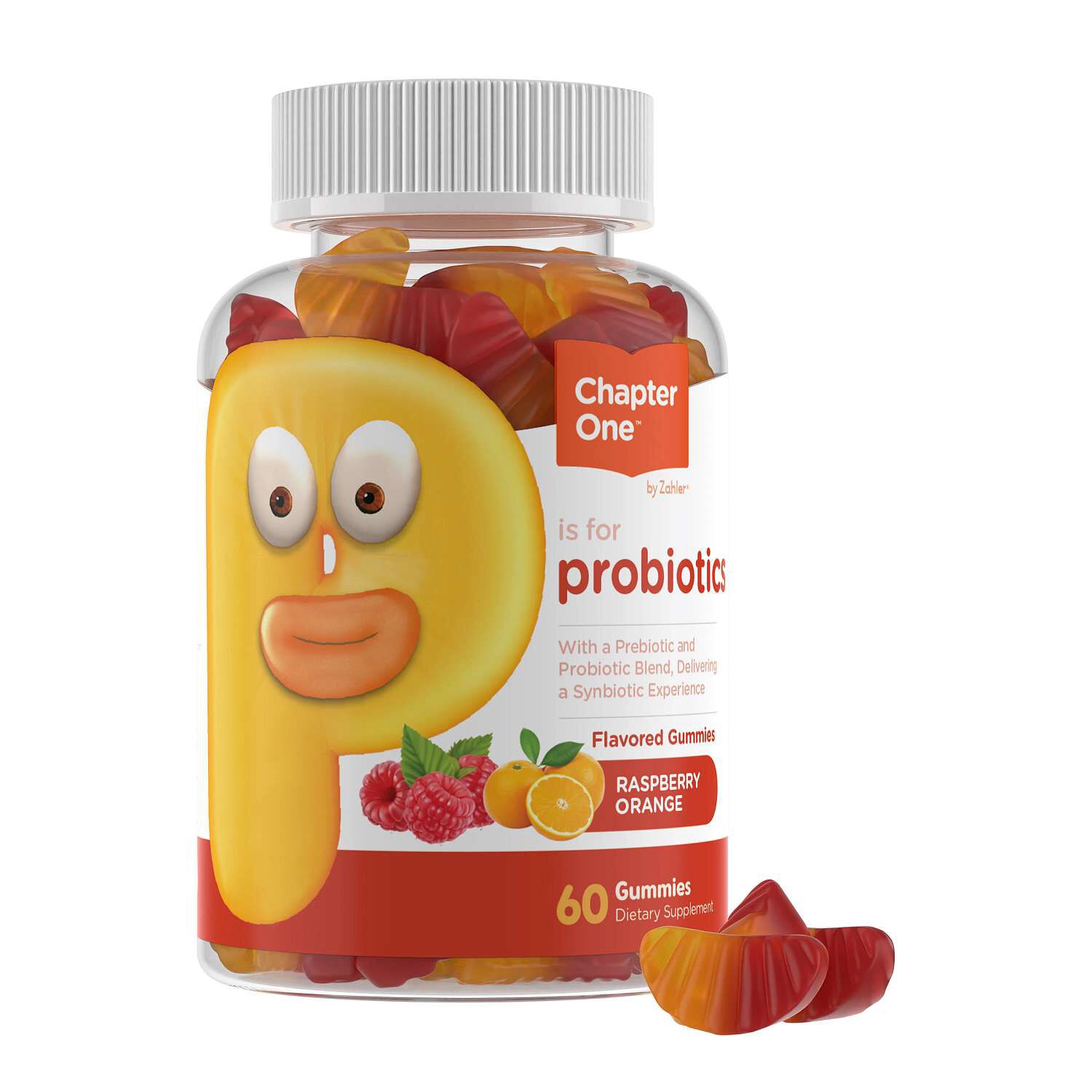
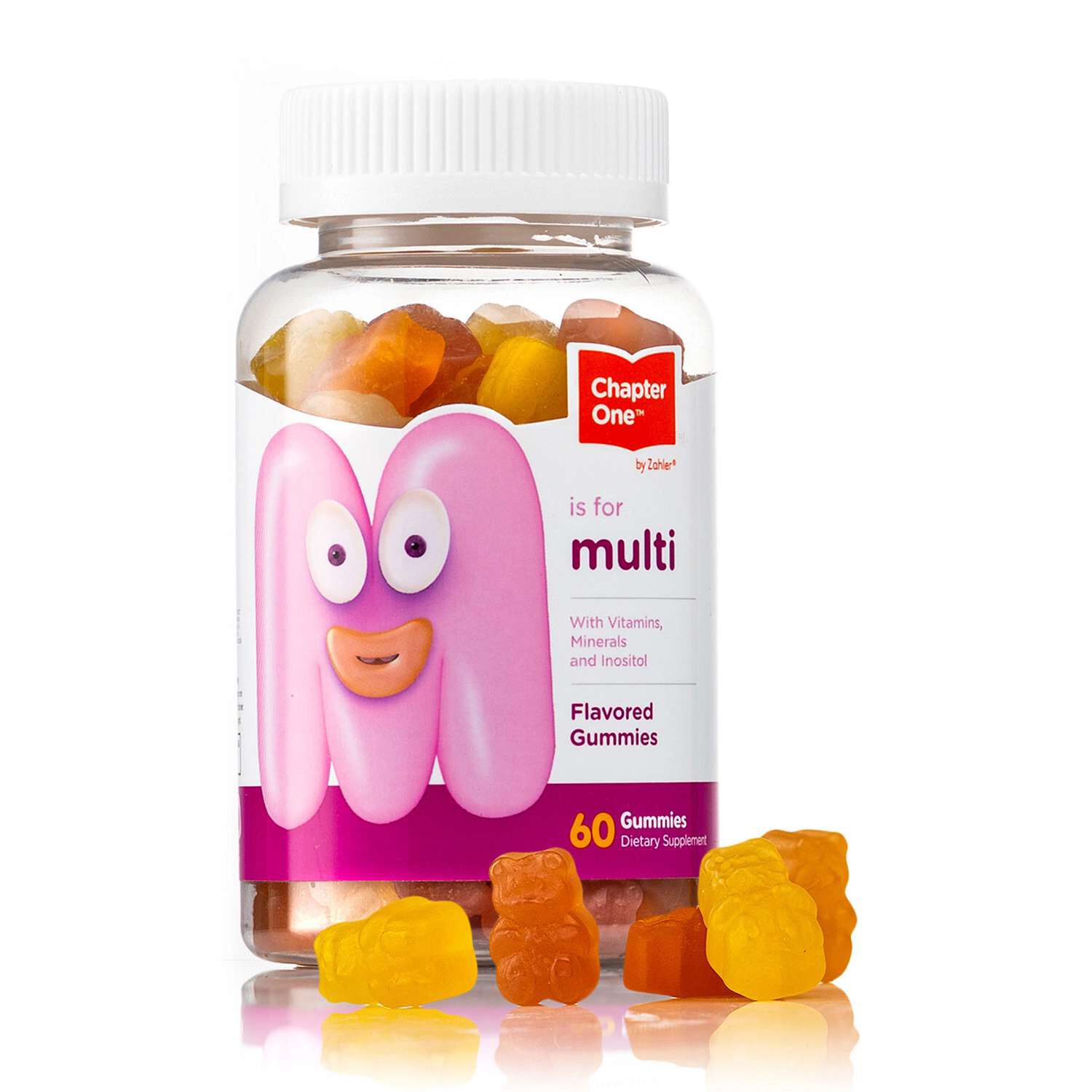
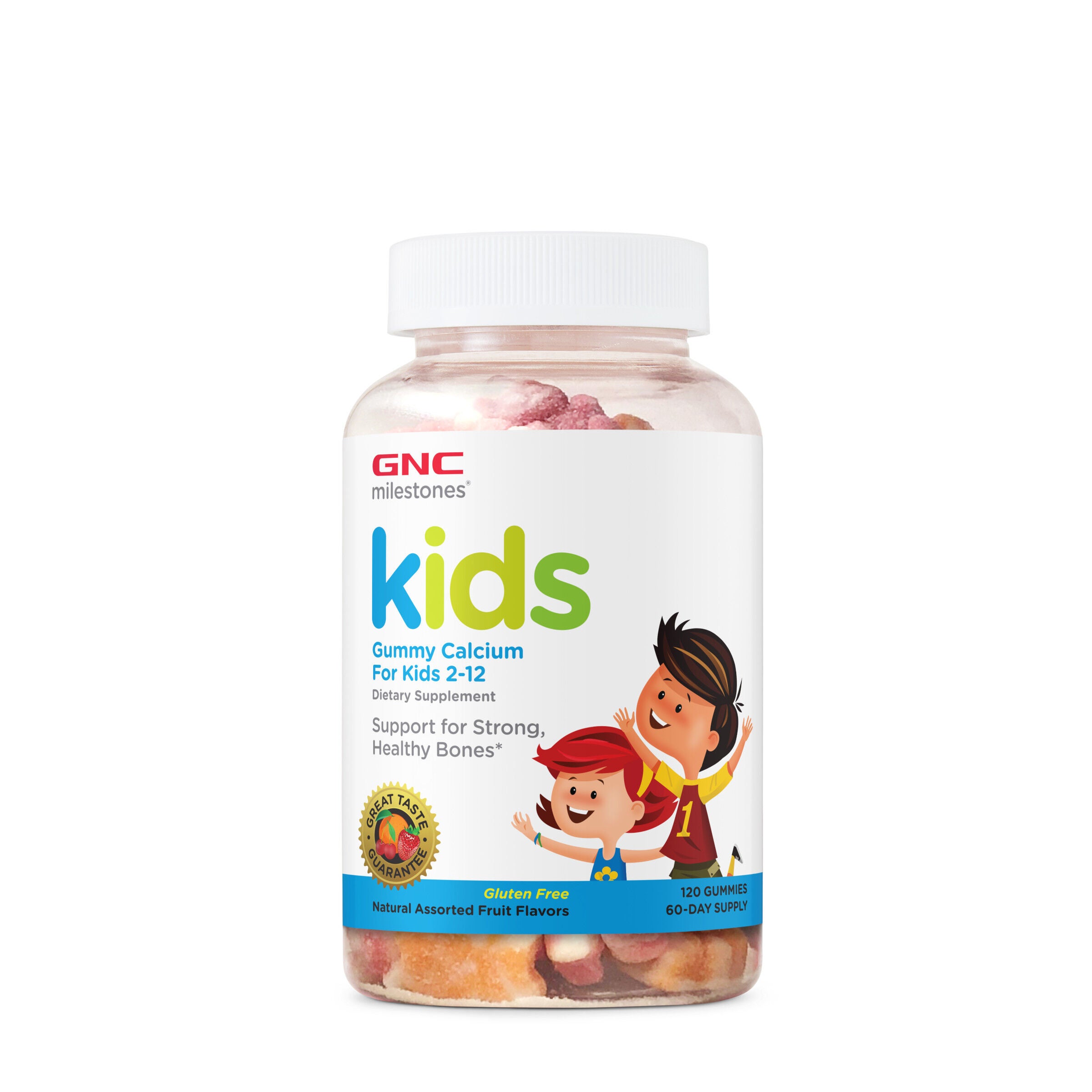
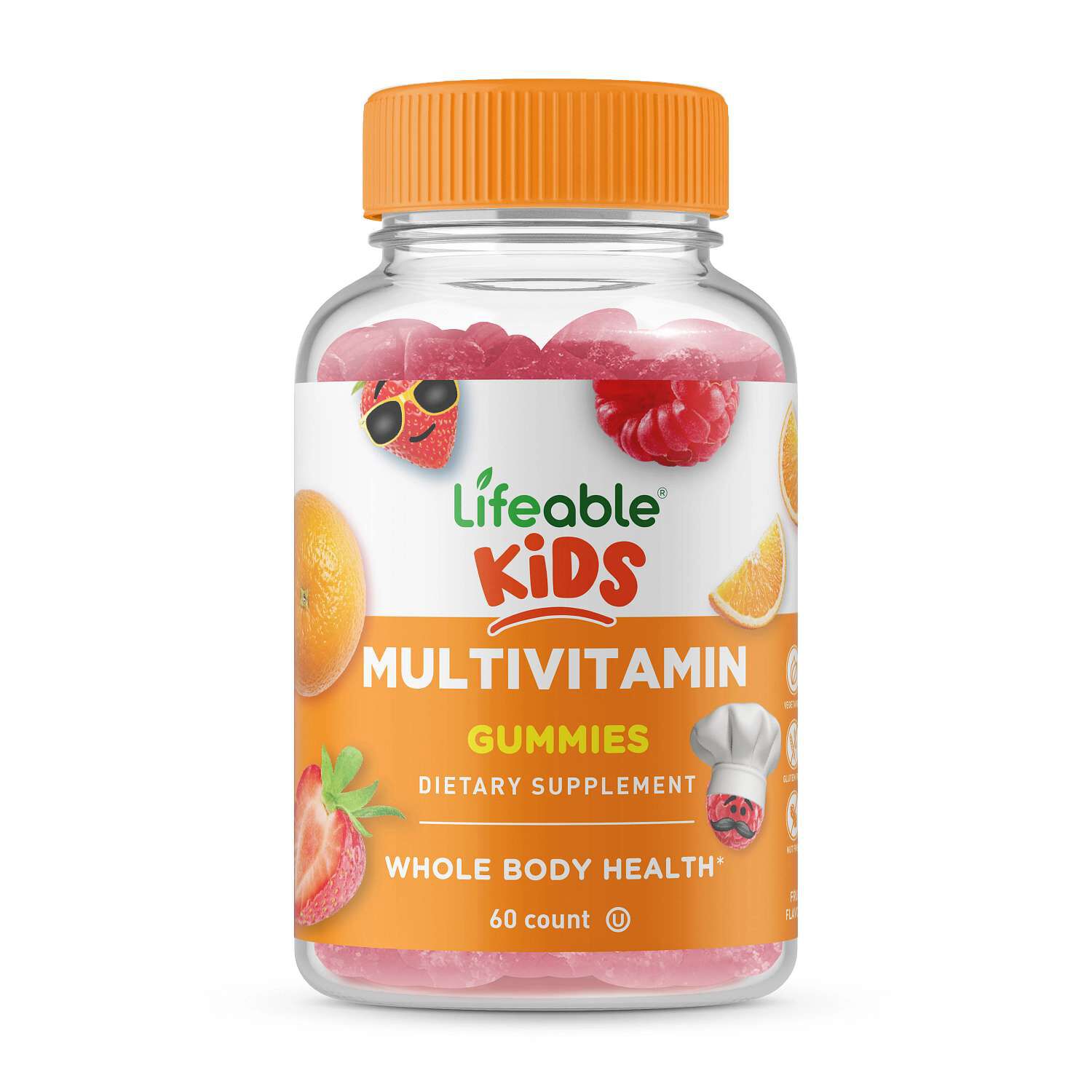
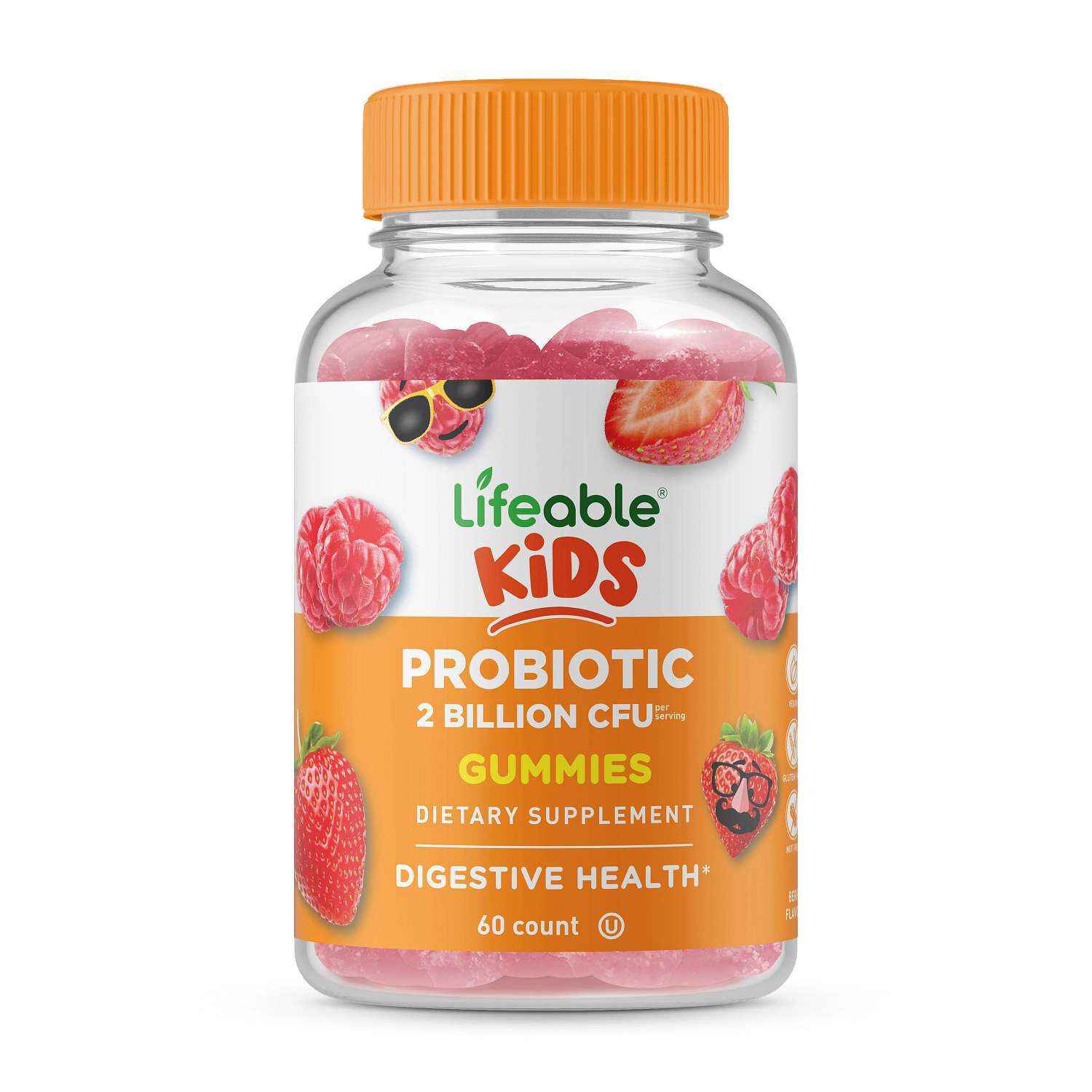
Kids wellness gummies are chewable dietary supplements made for children, with formulas that may complement everyday nutrition in a format that fits a family’s routine. The category includes multivitamin gummies with several vitamins and minerals, as well as formulas featuring a narrower selection of ingredients. Common label entries include vitamins A, C, D, and E, several B vitamins, and minerals such as zinc or iodine, although the combination varies by formula. Other children’s gummies feature ingredients such as probiotics or omega-3s. These categories are not interchangeable: a multivitamin and a gummy centered on one ingredient can have different purposes, serving sizes, and age directions. The most useful starting point is the package itself, including the intended age range, Supplement Facts panel, ingredient list, and directions for use. A colorful shape or familiar fruit flavor describes the experience of taking a gummy, not the nutritional contents inside it. For parents and caregivers comparing children’s wellness gummies, that distinction matters more than a playful bottle design. A formula intended for one age group may have different amounts per serving than one intended for another, even when the gummies look similar. Children also have different eating patterns, preferences, and daily schedules, so there is no single format that suits every household. Gummies may offer a convenient supplement format for some families, but they are not substitutes for varied meals and snacks. Their place is alongside ordinary food routines, whether that means oatmeal before school, a packed lunch, or dinner around the kitchen table. Looking at a formula as one part of that larger routine keeps the comparison grounded in its actual contents and intended use. It also makes differences between bottles easier to understand, particularly when one label emphasizes a broad nutrient selection and another focuses on just a few ingredients. The category name is a starting point; the individual label supplies the details that distinguish one formula from another.
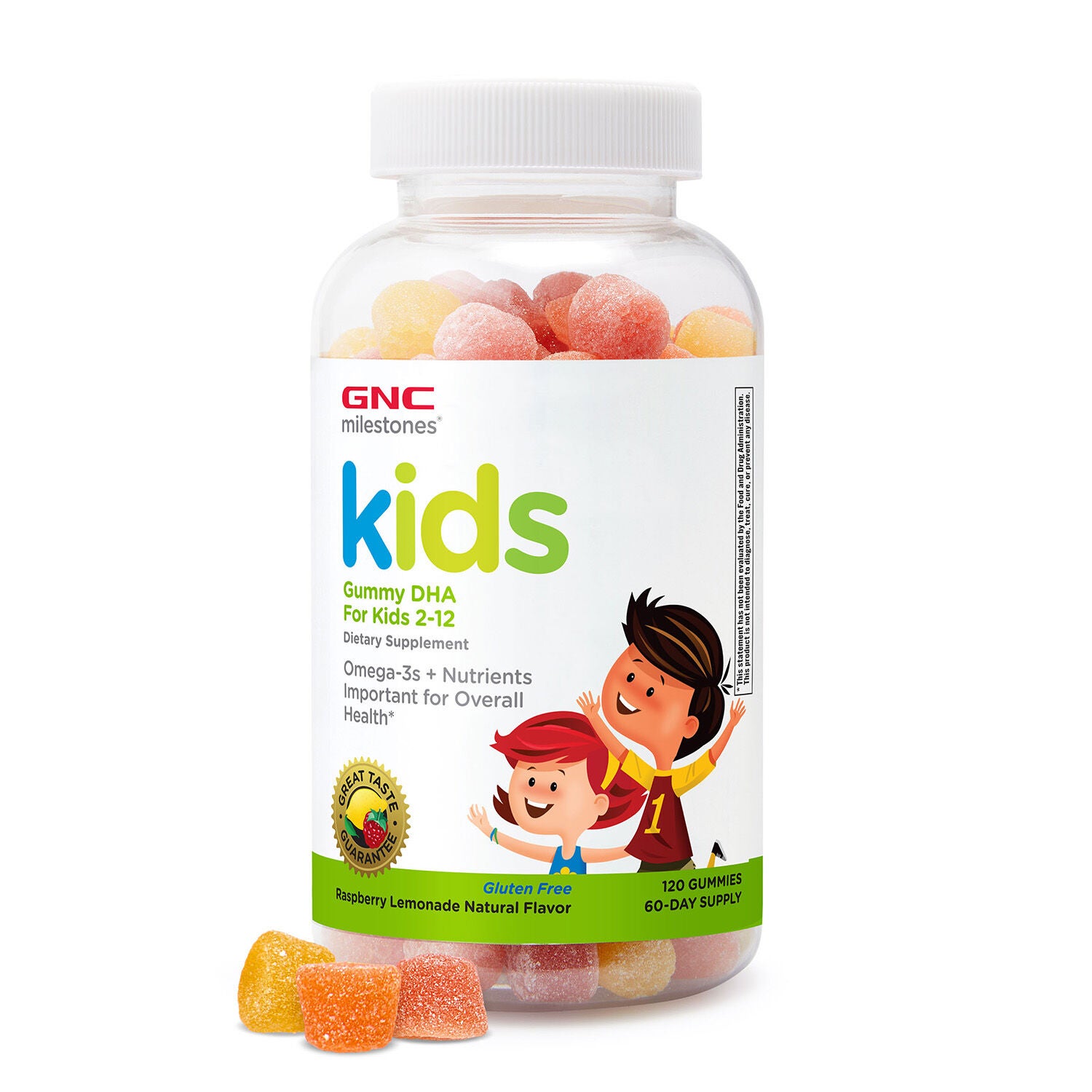
Flavor, texture, and ingredient sourcing add another layer to the selection of kids wellness gummies. Fruit-inspired flavors can range from berry and citrus to peach or mixed fruit, while textures may be soft, springy, or noticeably chewy. A child who enjoys a smooth, softer texture may have different preferences from one who favors a firmer chew, and the shape alone does not reveal that difference. Pectin and gelatin are two common ingredients used to give gummies their structure. Pectin comes from plants, while gelatin is animal-derived, making the ingredient list relevant for households with vegetarian preferences. The presence of pectin by itself does not establish that every ingredient in a formula is plant-based; other ingredients and any dietary designation on the package still matter. Sweeteners, colors, flavors, and coatings also vary. Some formulas contain cane sugar or glucose syrup, while others use different sweetening ingredients, and the Nutrition or Supplement Facts information provides context for the amount in a serving. Comparing the stated serving rather than assuming that one gummy equals one serving helps make those differences clearer. An ingredient amount printed prominently on a label may refer to several gummies, not a single piece. Allergen statements and manufacturing disclosures deserve their own attention, separate from flavor names or front-label descriptions. For omega-3 formulas, the stated source may be fish or algae; for probiotic formulas, labels may identify particular strains and give storage directions specific to the formulation. These are meaningful distinctions even when two packages share similar fruit imagery. Families browsing related formats can also explore Child Friendly Health Gummies with the same attention to age labeling, ingredients, and serving information. Across the category, a thoughtful comparison goes beyond counting how many nutrients appear on the front of the bottle. It considers what each serving contains, how the gummy is made, and whether its labeled characteristics align with the household’s preferences. A shorter ingredient list is not automatically a better match, just as a longer nutrient list does not automatically make a formula more suitable.
Everyday practicality matters, too, especially when a supplement becomes part of a busy household’s schedule. A bottle that stays at home involves different handling considerations from one that travels between caregivers or accompanies a family on an overnight trip. Packaging, closure design, storage directions, and the printed date all provide useful context for how the gummies are meant to be kept. Heat and moisture can change a gummy’s texture, so a sunny windowsill, a steamy bathroom, or a bag left in a warm car may not match the conditions stated on the label. Some formulas have additional storage requirements, making the directions on each package more informative than a general assumption about gummies. The original container also keeps age guidance, serving information, and ingredient details together, which is particularly relevant when more than one adult manages the household routine. In a home with children of different ages, similar-looking gummies can have different directions; matching each bottle to its intended user is a practical consideration rather than a matter of flavor preference. These are supplements, not candy, and their fruit shapes do not change their intended use or the importance of adult oversight. Package size is another useful comparison point. The number of gummies in a bottle and the number in a labeled serving together determine how many servings the package contains, which may differ from the impression given by the bottle’s size. During the cooler months, when school bags, extra layers, and weekend travel can crowd the family schedule, straightforward packaging and readable directions may be especially useful. The same considerations apply throughout the year: an appropriate age designation, clearly described ingredients, a texture that suits the intended user, and storage requirements that fit the household. Kids wellness gummies bring those details together in a chewable format, giving parents and caregivers a category to browse by more than flavor alone. A close look at the label keeps the focus on the formula, its intended use, and its place within an ordinary, food-centered family routine.

 Chewable Tablets_Front.jpg?sw=305&sh=305&sm=fit "ChildCalm - 60 Chewable Tablets (30 Servings) | GNC")