Kids Wellness Tablets
(0 Results)
Ensuring your child's health and well-being is a top priority, and kids wellness tablets could be an excellent addition to their daily routine. These specially formulated tablets are designed to support the unique nutritional needs of growing children. With a variety of vitamins, minerals, and other beneficial ingredients, kids wellness tablets may help fill nutritional gaps and promote overall wellness. Explore our selection to find the perfect fit for your child's health journey.
-
 Chewable Tablets_Front.jpg?sw=305&sh=305&sm=fit "ChildCalm - 60 Chewable Tablets (30 Servings) | GNC")
-
_Front.jpg?sw=305&sh=305&sm=fit "Junior Multi - 180 Tablets - 180 Tablets (180 Servings) | GNC")
-
_Front.jpg?sw=305&sh=305&sm=fit "Junior Multi - 90 Tablets - 90 Tablets (90 Servings) | GNC")
-

-

-
 Orange_Front.jpg?sw=305&sh=305&sm=fit "Junior C - 180 Tablets (180 Servings) | GNC")
-
 Orange_Front.jpg?sw=305&sh=305&sm=fit "Junior C - 90 Tablets (90 Servings) | GNC")
-
 Orange_Front.jpg?sw=305&sh=305&sm=fit "Junior C - 500 Tablets (500 Servings) | GNC")
-

-
_Front.jpg?sw=305&sh=305&sm=fit "Kidophilus Plus - Berry - 90 Tablets (90 Servings) | GNC")
-

-

-
 10$17.99
-
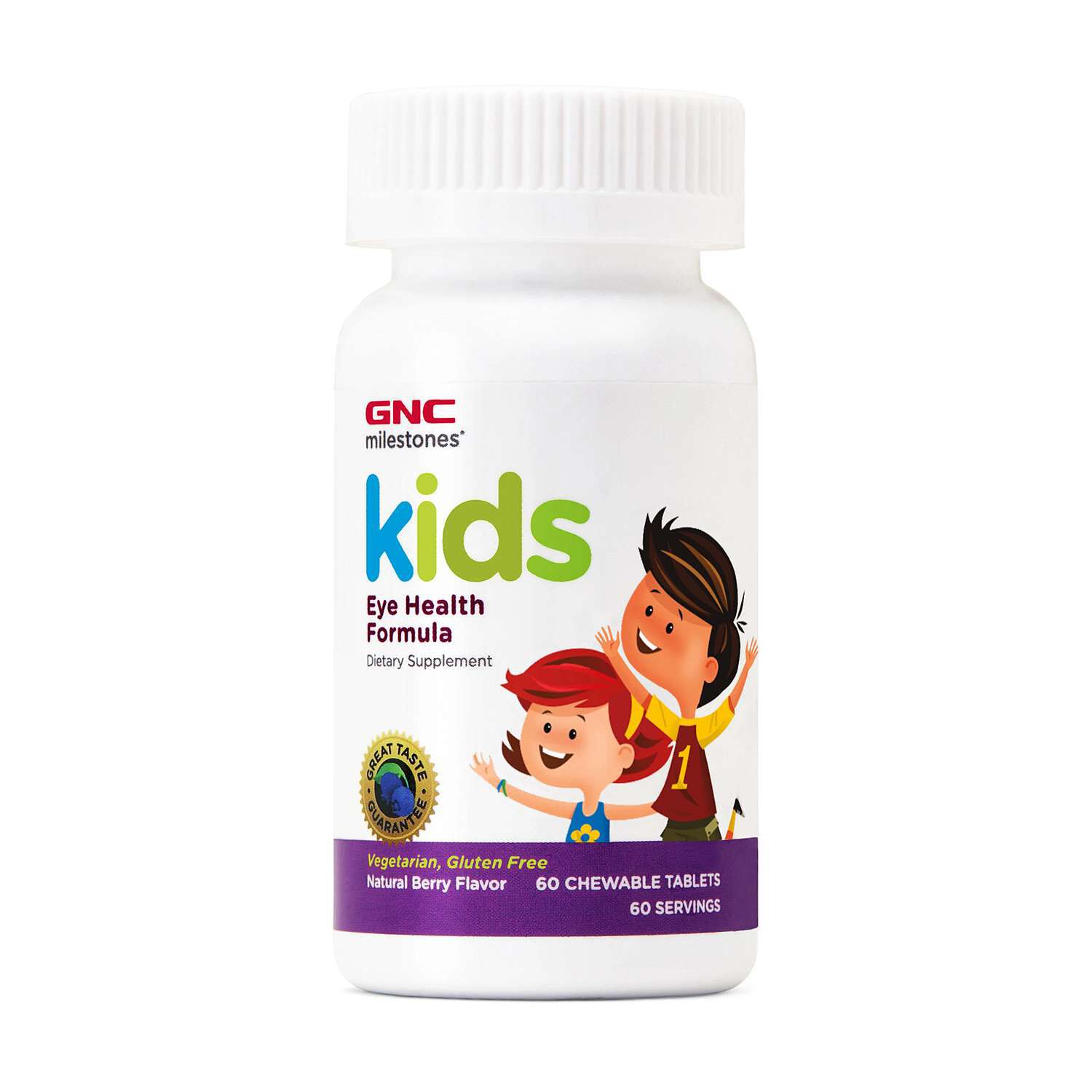
Kids wellness tablets are tablet-format dietary supplements formulated for children, with options that can include multivitamins, individual vitamins or minerals, and formulas containing probiotic cultures. Their defining features are the intended age range, the ingredients inside each serving, and the way the tablet is meant to be taken. A children’s multivitamin brings several nutrients into one formula, while a single-nutrient tablet centers on a particular vitamin or mineral. Probiotic tablets contain cultures identified on the label, sometimes alongside other ingredients. These categories serve different purposes, so the phrase “kids wellness” is a starting point for comparison rather than a description of one standard formula. Ingredients such as vitamin C, vitamin D, B vitamins, calcium, or zinc may appear in different combinations and amounts. Beyond those ingredients, tablets can contain components that provide structure, hold the formula together, or contribute flavor and color. The Supplement Facts panel and ingredient list offer a more detailed picture than a fruit illustration or a broad description on the front of a bottle. They also distinguish the amount in a serving from the amount in a single tablet, which is not always the same. Children’s formulas are generally positioned for age-specific use, and the intended audience can differ from one label to another. A tablet labeled for older children is not interchangeable with every other children’s formula simply because the packaging looks similar. For parents and caregivers, the category may offer a compact supplement format that fits alongside familiar household routines. Its intended role is supplemental, not as a substitute for meals or a varied eating pattern. Breakfast at the kitchen table, a packed lunch, and an afternoon snack remain separate parts of a child’s everyday food routine. Understanding what a formula contains, whom its label identifies as the intended user, and how its tablet format is described gives this broad category useful definition without assigning the same purpose to every bottle.
The physical details of kids wellness tablets matter as much as the wording on the front label. Chewable tablets are designed to be chewed, while tablets intended to be swallowed have different directions; the two formats should not be treated as equivalent. Shape, dimensions, texture, and flavor all contribute to the experience of a tablet, particularly for children who have strong preferences about unfamiliar foods or textures. A smooth, round tablet and a larger, chalkier chewable can feel quite different, even when both fall under the same general category. Berry, grape, orange, and other fruit flavors describe taste rather than the nutritional composition of a formula. Sweeteners, flavoring ingredients, and colors may also vary, making the ingredient list relevant for households with particular dietary preferences. Information about allergens and manufacturing practices belongs in that comparison as well, with the exact label providing the product-specific details. A parent comparing tablets for two siblings may notice different labeled age ranges, different serving sizes, and different directions despite similar flavor descriptions. That is a practical reason to distinguish each child’s intended formula rather than choosing by appearance alone. Tablet count also has a different meaning from serving count: a bottle containing a certain number of tablets does not necessarily contain that same number of servings. Package size, closure style, and label readability are additional considerations, especially when more than one adult manages household purchases. Clearly printed directions and an easy-to-find ingredient panel can make comparisons less cumbersome. For probiotic formulas, the label may identify cultures by genus, species, and strain, while vitamin and mineral formulas typically list nutrient amounts and applicable Daily Values. Those details describe the composition more precisely than flavor names or decorative packaging. A useful comparison keeps the format, intended age range, serving information, and ingredients together, rather than allowing any one feature to stand in for the others.
Packaging and care are another part of choosing kids wellness tablets for everyday use. Tablets are made to retain their intended form within the storage conditions specified on the package, but they are not meant to withstand any environment simply because they are solid. Moisture, handling, and unsuitable storage can affect a tablet’s texture or condition, and different formulas may carry different storage directions. The original container keeps the ingredient information, age guidance, directions, lot information, and expiration date connected to its contents. That connection is particularly useful in a household where several family members have their own supplements. Loose tablets in an unmarked container lose that context, while a labeled bottle makes it easier to identify what belongs to whom. Storage directions and child-access precautions are part of the package information, not details supplied by a tablet’s color or flavor. A bottle intended for adult-managed use has a different place in the household from snacks, candy, or lunchbox food. For families considering tablets alongside other formats, the broader Child Wellness Products category provides context for comparing children’s supplements by form and intended use. Tablets, gummies, powders, and liquids have different textures, packaging needs, and directions, so familiarity with one format does not establish suitability for another. A caregiver who values a compact bottle may view tablets differently from someone whose child prefers a liquid texture, and neither preference changes the information printed on the label. Practical details can also matter during visits with relatives or other changes in the household routine: recognizable packaging, legible directions, and a clear distinction between siblings’ formulas keep the product information accessible. Kids wellness tablets are therefore best understood through the combination of their formulation, labeled audience, physical format, and care requirements. Flavor may be the feature a child notices first, but the facts panel, directions, and packaging tell the fuller story for the adult making the purchase. Those details provide a grounded way to compare children’s tablet supplements without assuming that similar names, colors, or shapes mean identical contents or intended uses.