Children's B Vitamins
(0 Results)
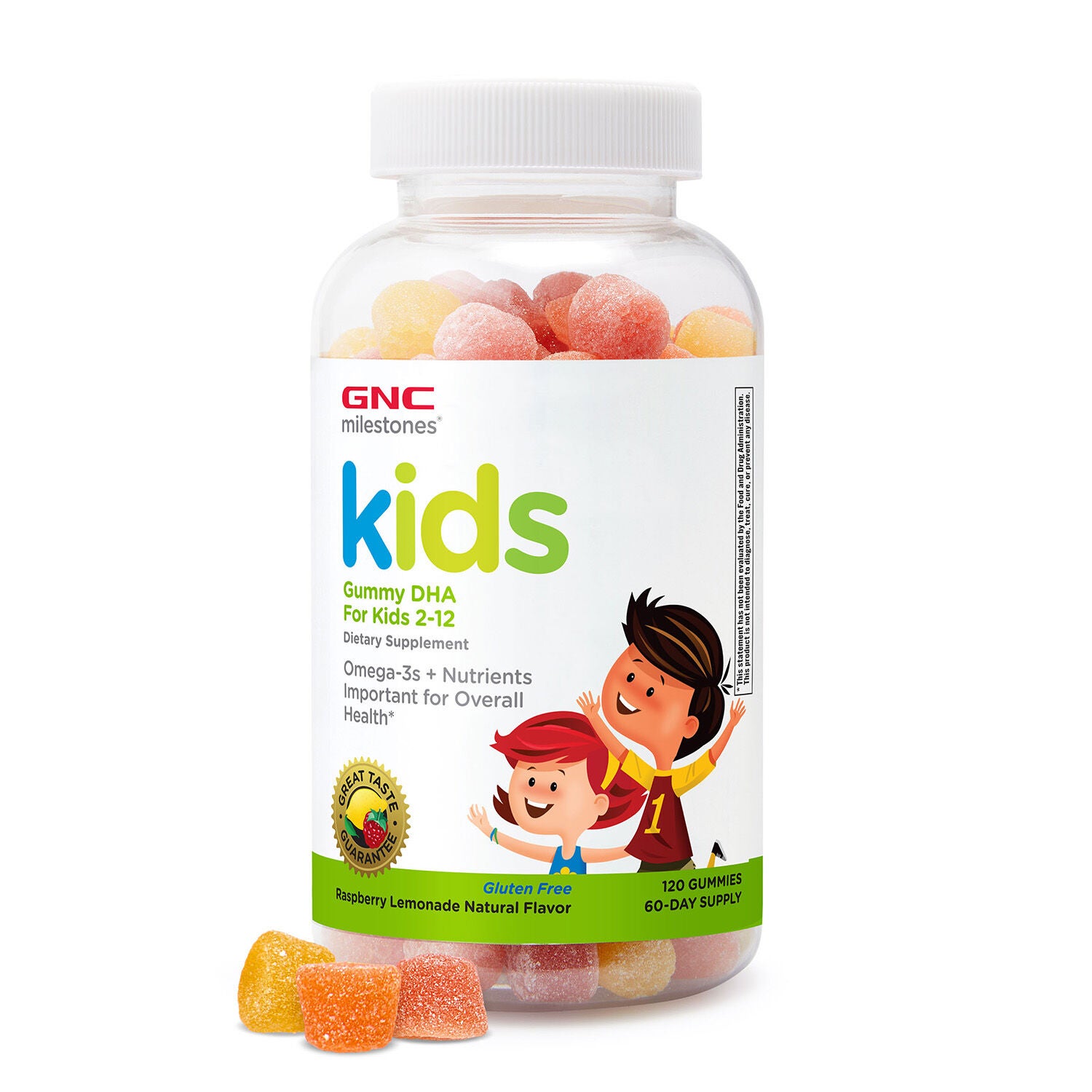
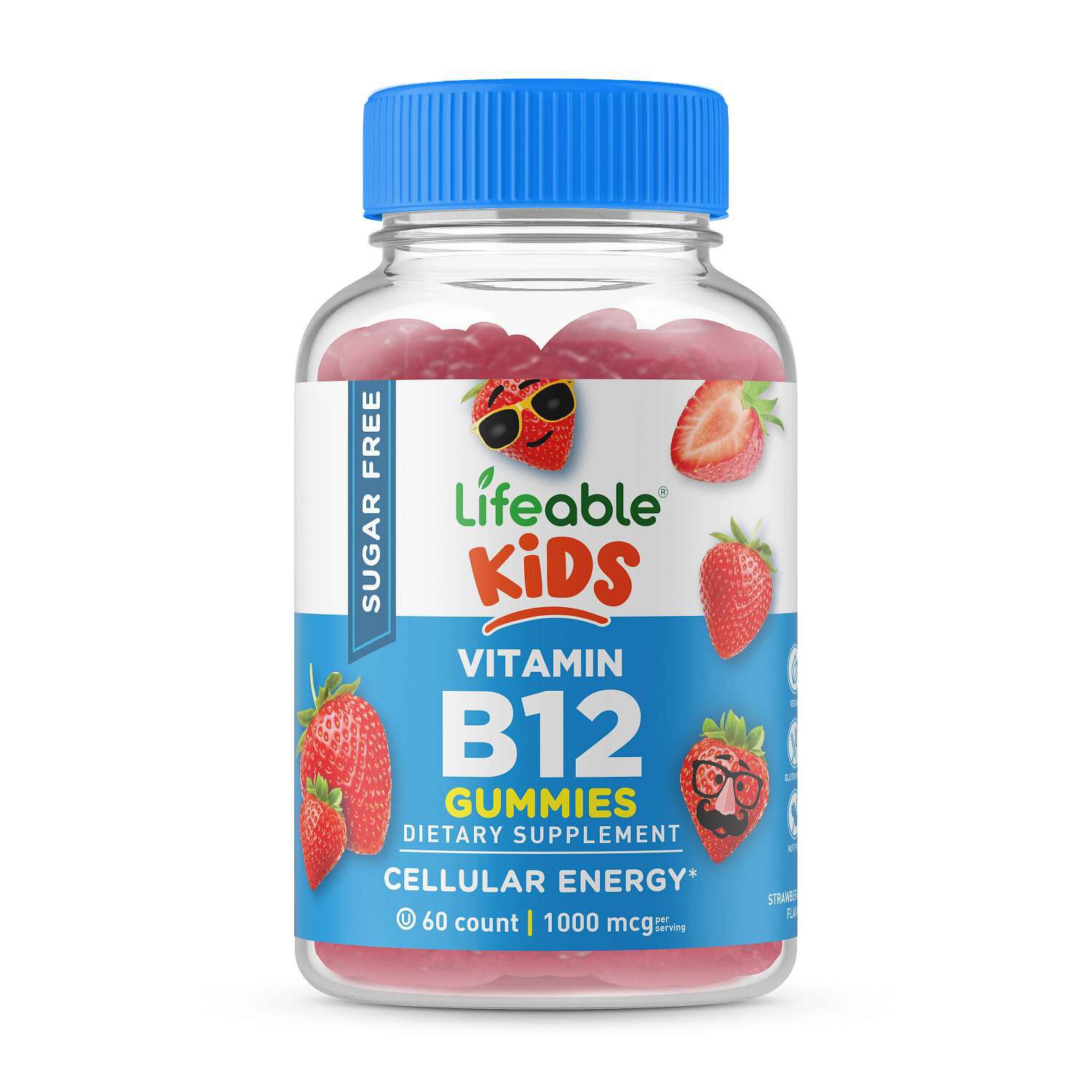
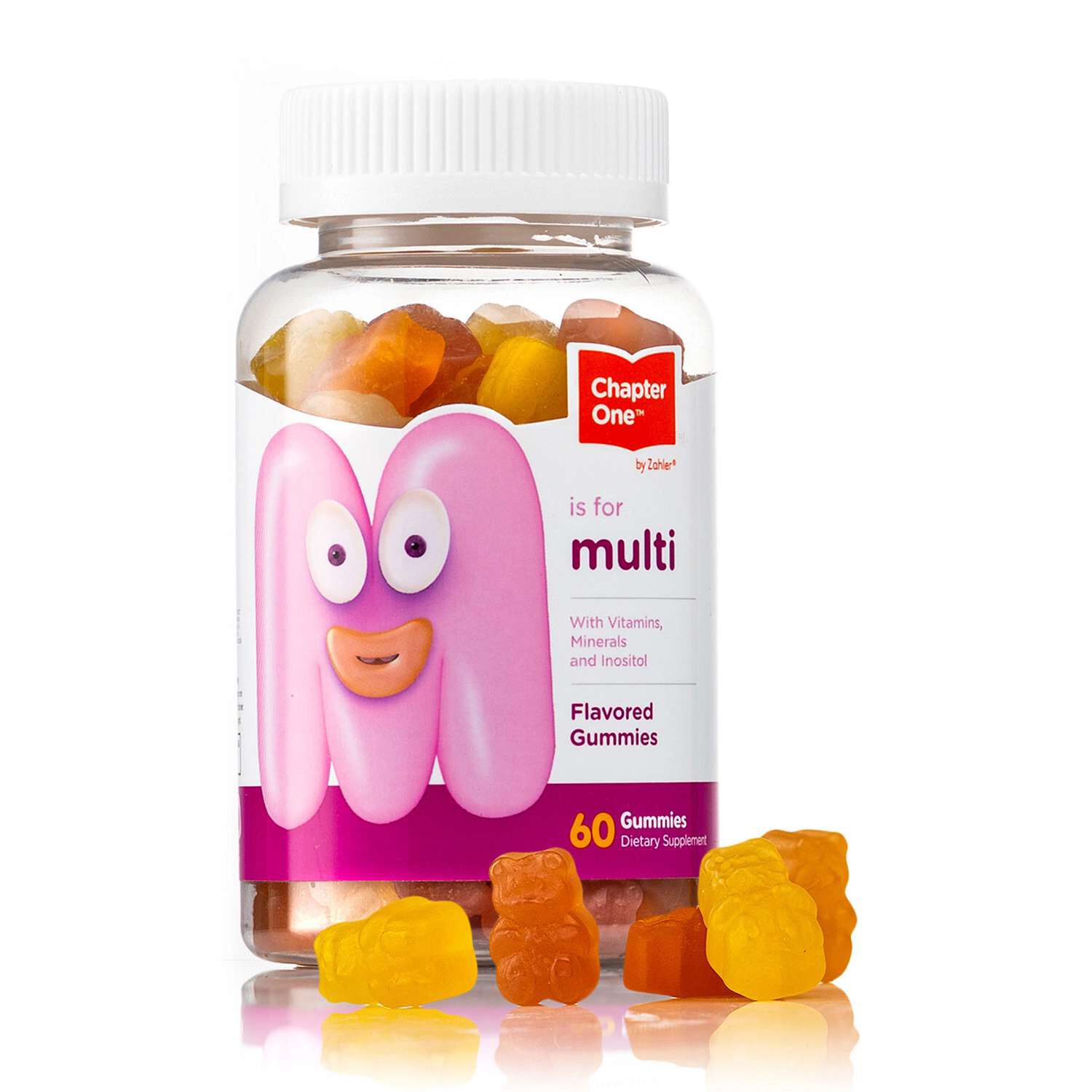
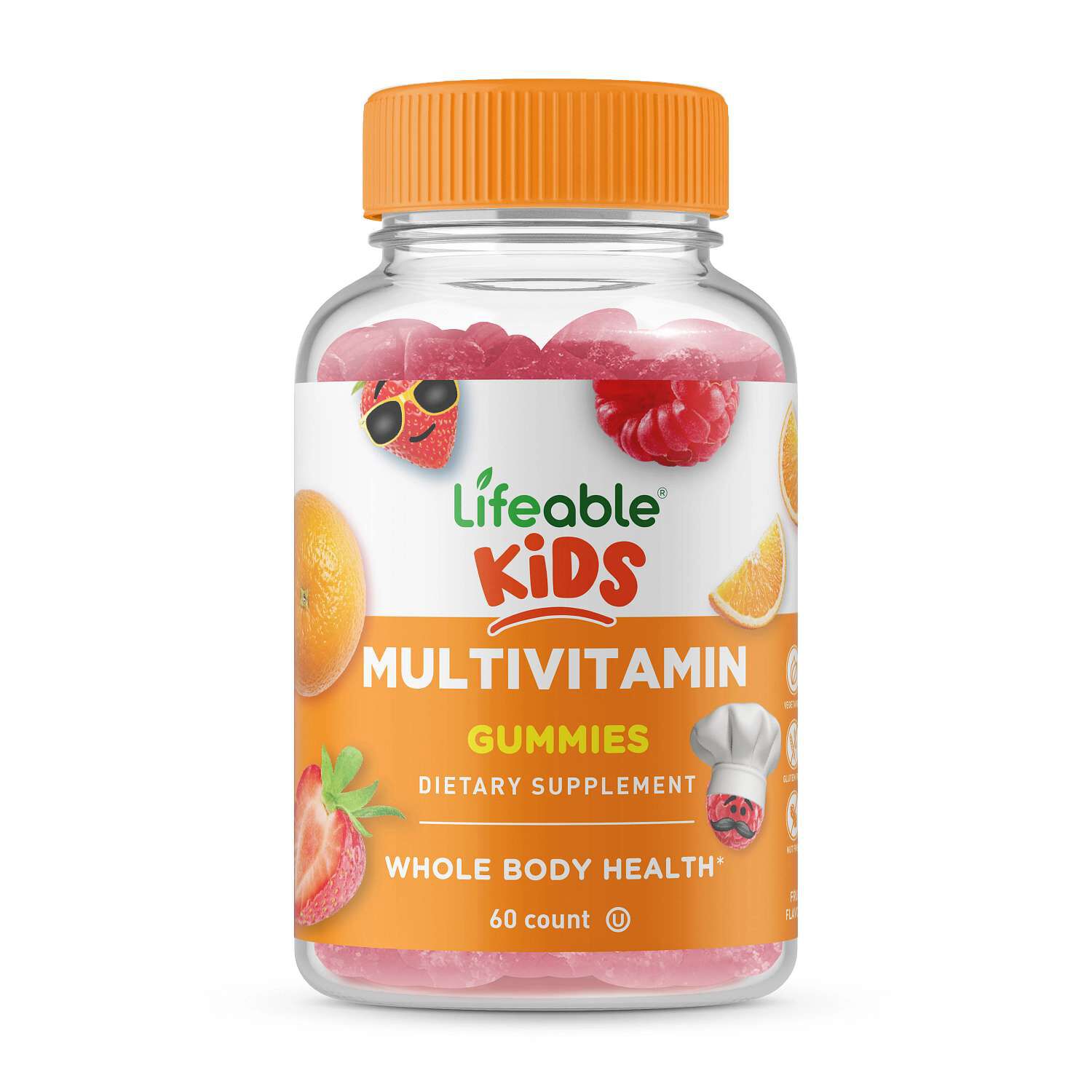
Children's B vitamins could play a crucial role in supporting the overall health and well-being of your little ones. These vital nutrients may contribute to energy production, brain development, and healthy metabolism, setting the stage for growth and learning. With a range of options available, parents might find it easier to ensure their children receive the necessary daily intake of these important vitamins. Explore the potential benefits that children's B vitamins might offer for nurturing a vibrant and active lifestyle.
-
 10$17.99
 -

-
 $14.99
 -

-
 $15.99
 -
-
-
 $17.99
 -
_Front.jpg?sw=305&sh=305&sm=fit "Junior Multi - 180 Tablets - 180 Tablets (180 Servings) | GNC")
-
_Front.jpg?sw=305&sh=305&sm=fit "Junior Multi - 90 Tablets - 90 Tablets (90 Servings) | GNC")
-

-

-
-

-

-
-

-
 $15.99
 -
 $14.99

Children’s B vitamins may be a practical addition to a child’s daily routine when food preferences, busy schedules, or dietary choices make it harder to enjoy a broad variety of foods. This group includes thiamin (B1), riboflavin (B2), niacin (B3), pantothenic acid (B5), vitamin B6, biotin (B7), folate (B9), and vitamin B12. Together, these nutrients may help the body convert nutrients from food into usable energy, while certain B vitamins may also support normal nervous-system function, red blood cell formation, and cognitive development. Children may receive B vitamins from poultry, fish, eggs, dairy foods, beans, bananas, leafy greens, fortified grains, nuts, seeds, and other everyday foods. A supplement could be considered for selective eaters, children with limited food preferences, or families following plant-based eating patterns, though it may not be needed for every child. A varied eating pattern remains a helpful foundation, and a caregiver may wish to speak with a pediatric professional before introducing a new supplement, especially when a child follows a restricted eating plan, takes medication, or has a known health concern. For families exploring age-appropriate options, the selection of Young Children's Vitamins may also offer a useful place to browse. Since children’s nutritional needs differ by age, look for products labeled for the child’s specific age range and follow the serving directions carefully. More is not necessarily better, and products intended for adults may not be suitable for young children. Keep all supplements stored out of reach, just as you would with other household items, and make the daily routine easy for a caregiver to supervise.
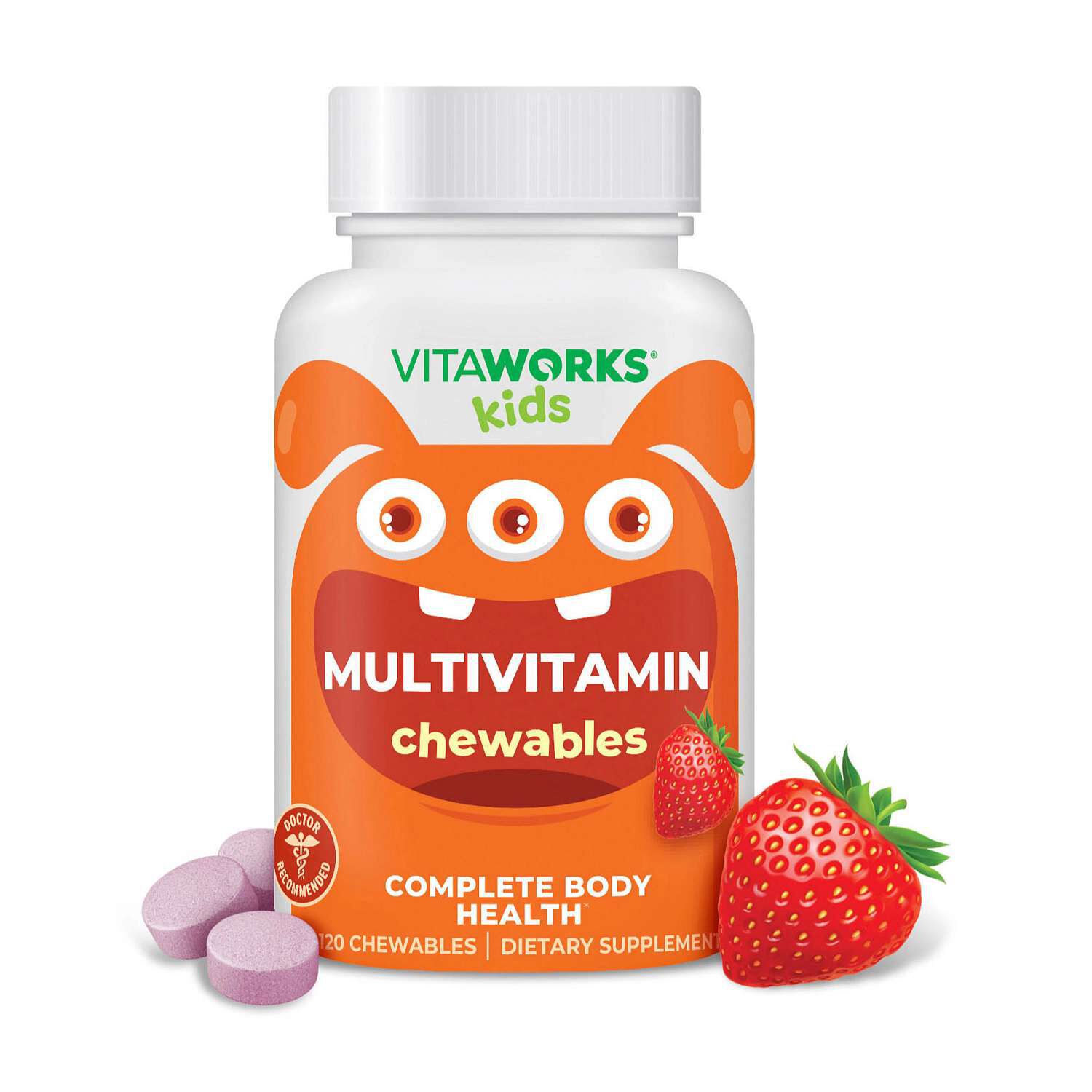
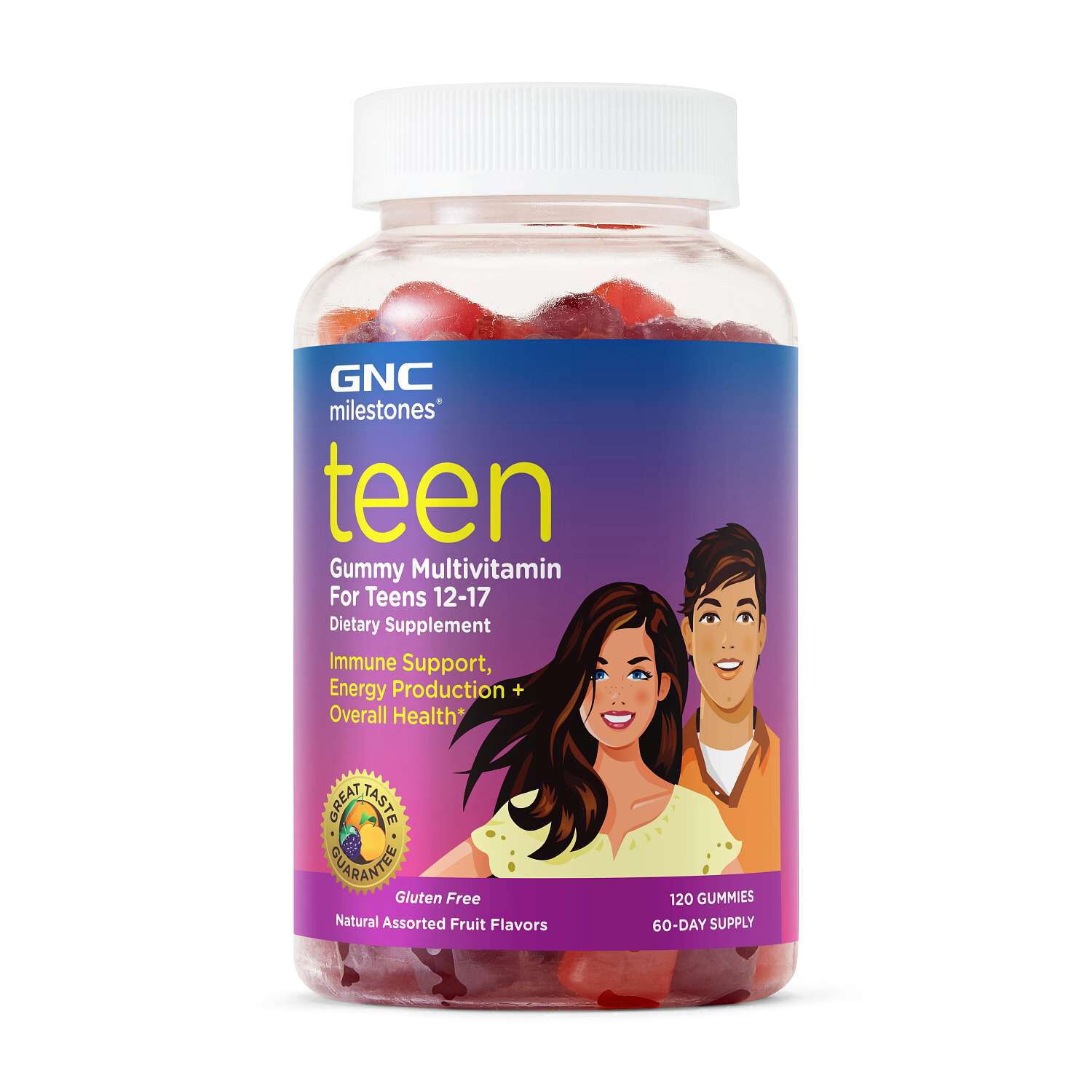
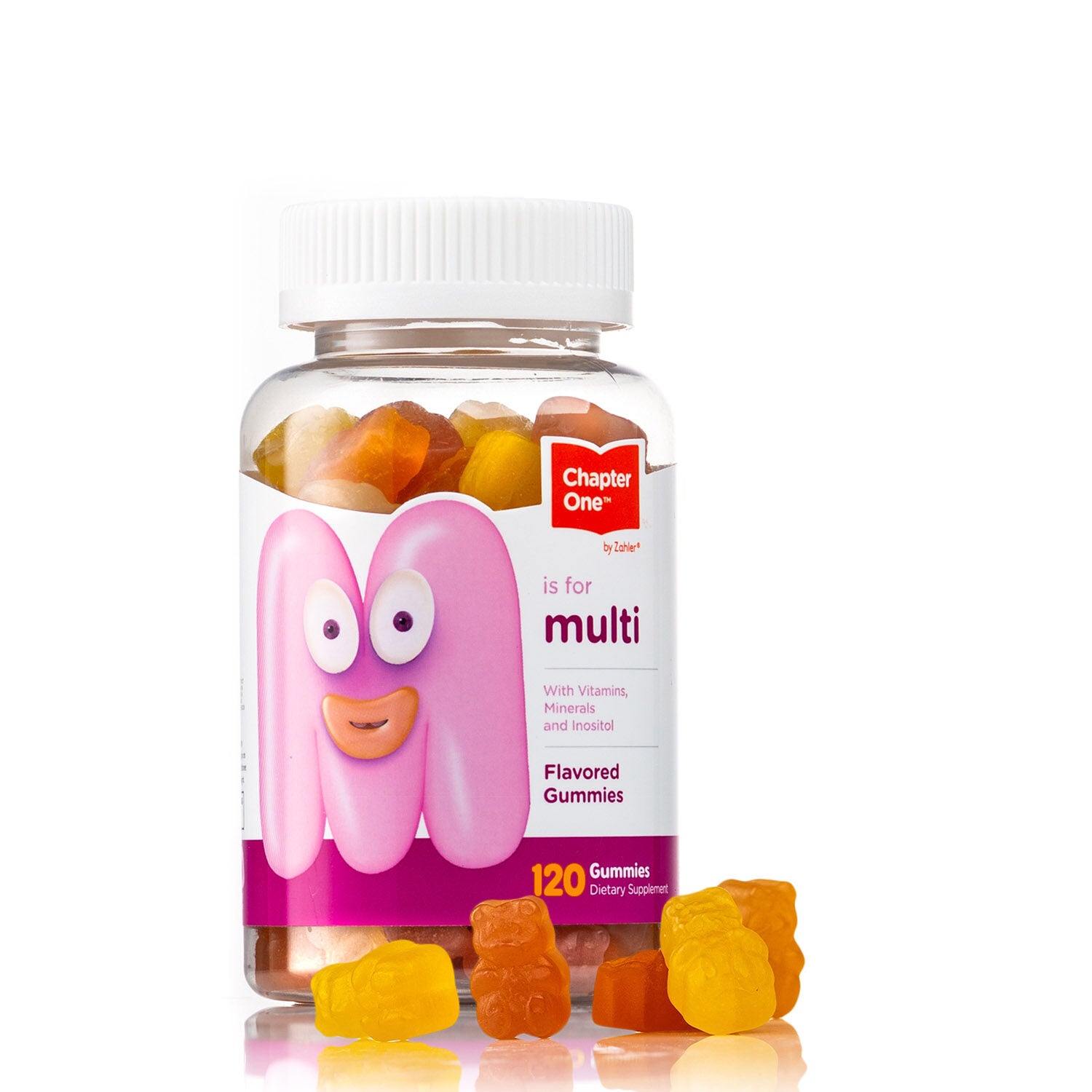
When choosing children’s B vitamins, format can matter nearly as much as the nutrient list. Chewables may suit children who are comfortable chewing tablets, while liquid options could work well for families who prefer to measure a serving into a spoon or beverage according to the label directions. Gummies may feel familiar and enjoyable, but caregivers may want to review the serving size, sweetener content, and texture before making a choice. A small tablet may be convenient for an older child, while a younger child may benefit from a format designed specifically for early childhood. Read the Supplement Facts panel to compare the B vitamins included, the amount per serving, suggested age range, serving size, and any added ingredients. Families may also want to look for clear information about flavors, colors, sweeteners, dietary preferences, and common ingredients that do not fit their household routine. Packaging can be especially helpful during the cooler months, when school mornings, indoor activities, travel, and changing schedules may make consistency more challenging. A supplement could be placed beside a regularly used item, such as a breakfast bowl or lunch-packing station, so the routine feels familiar rather than like another task to remember. Children may enjoy choosing between a few age-appropriate formats or flavors, while adults can keep the final decision grounded in the label and the child’s needs. Children’s B vitamins may also make a thoughtful addition to a back-to-school care package, a birthday wellness basket, or a seasonal gift for a family with young children, particularly when paired with practical items such as a water bottle, lunch container, or colorful toothbrush. The most suitable option may be the one that fits naturally into the child’s day, matches their age and eating pattern, and makes it easier for caregivers to follow the directions consistently.