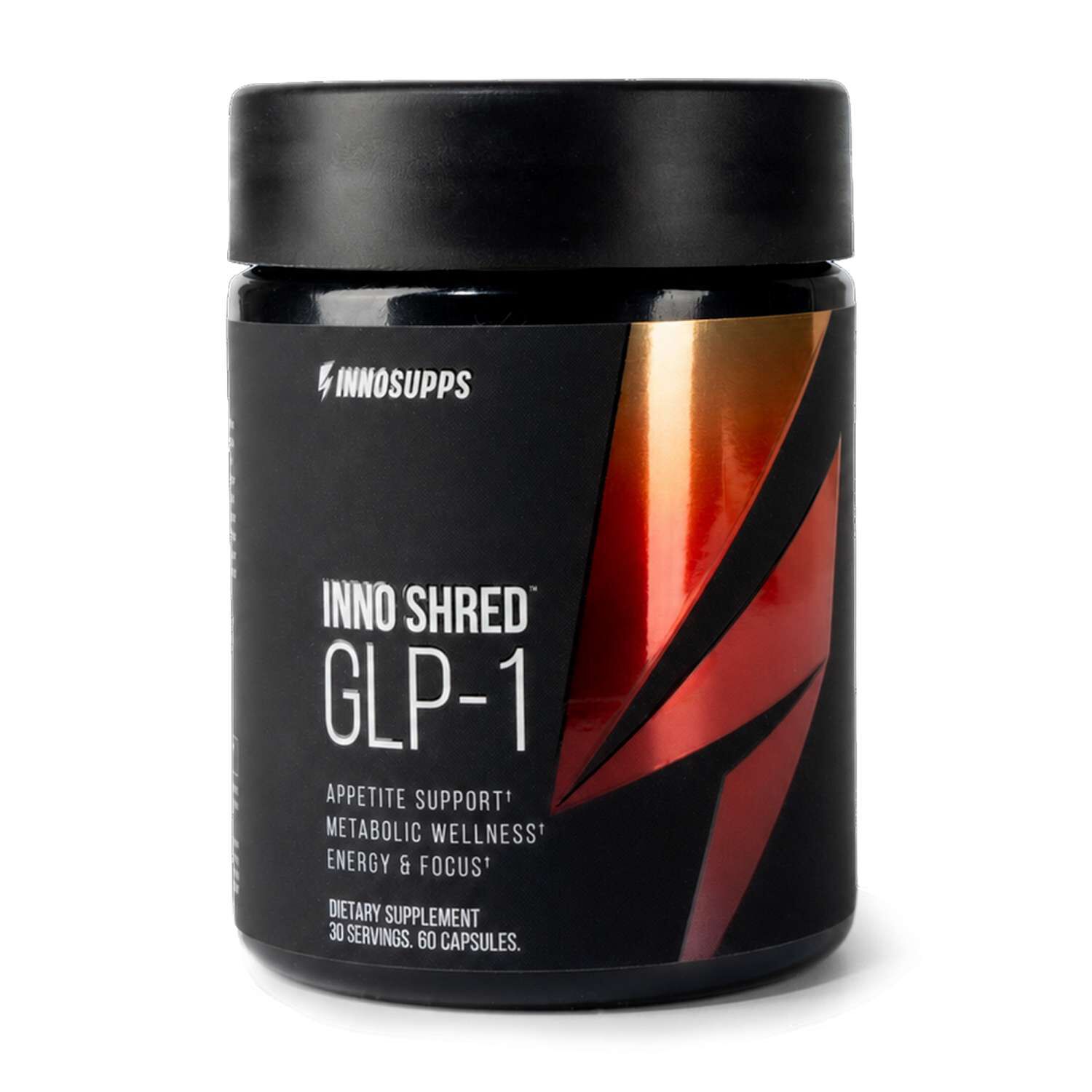
Chromium Capsules For Fat Metabolism
(0 Results)
Looking to support your body's natural fat metabolism? Chromium capsules for fat metabolism might be just what you need. These supplements could help you on your wellness journey by potentially enhancing your metabolic processes. Explore a variety of high-quality options that may assist in reaching your health goals. Elevate your routine with chromium capsules designed for those seeking to optimize their body's efficiency in managing fats.
-

-

-

-
 $44.99


Chromium capsules for fat metabolism are trace mineral supplements commonly marketed for their potential role in the way the body processes fats, carbohydrates, and protein. They may support normal nutrient metabolism, but that purpose is different from producing a measurable change in body fat. Research on chromium supplementation for meaningful weight loss or fat reduction remains limited and inconsistent, making clear product information more useful than dramatic body transformation language. Chromium occurs in foods as well as supplements, and capsules offer a measured serving in a compact format without the preparation associated with powders or drink mixes. For adults comparing mineral supplements, the most relevant differences often include the form of chromium, the amount per serving, the capsule material, and whether the formula contains chromium alone or additional ingredients. Chromium picolinate is one form shoppers may encounter; other forms use different compounds to carry the mineral. A familiar ingredient name does not, by itself, establish that a formula will produce a particular result. Likewise, a larger amount on the front of a bottle is not evidence of greater usefulness. The Supplement Facts panel provides a clearer starting point because it identifies the chromium amount and the serving used to calculate that amount. Chromium is typically listed in micrograms, abbreviated mcg, so the unit deserves attention alongside the number. Someone comparing two bottles with similar front labels may discover that one lists its amount per capsule while the other lists an amount for a serving of more than one capsule. That distinction matters when comparing the products on equal terms. This category is most relevant to shoppers interested in a mineral supplement for an established nutrition routine, rather than those expecting a capsule to change body composition on its own. A useful comparison keeps the focus on formula details, intended use, and realistic expectations.
Capsule construction is another practical consideration, especially for shoppers with dietary preferences or ingredient restrictions. Shells may be made from gelatin or plant-derived materials such as cellulose, and the source is worth checking rather than assuming from the capsule’s appearance. A clear shell does not establish that a product is suitable for a vegetarian eating pattern, just as a colored shell does not tell the whole story about its ingredients. The other-ingredients list identifies shell components and formulation aids, including ingredients used during manufacturing to help powders move consistently through equipment. These details can distinguish otherwise similar chromium capsules without implying that one formula is universally preferable. Allergen statements and clearly described dietary attributes also deserve a place in the comparison. For someone who checks every packaged food label, that same ingredient-by-ingredient attention can carry over naturally to supplements. Capsule dimensions, where provided, offer another concrete point of comparison for people who have a preferred size. Bottle photographs alone are less useful for judging size because image proportions vary. The amount of chromium is also not a reliable indicator of capsule dimensions: the shell contains a formulated mixture, not simply a visible portion of the mineral. Single-mineral formulas may appeal to shoppers who want a straightforward ingredient list, while combination formulas bring several ingredients together in one product. Neither approach removes the need to read the serving information carefully. A combination formula can include vitamins, other minerals, amino acids, or botanical ingredients, each with its own listed amount or blend designation. Ingredient names, amounts, and serving sizes reveal more than broad language printed across the front label. Manufacturing information and independently verified testing, when documented, can add context about identity and quality, but they should not be read as evidence of a body composition outcome. A thoughtfully chosen format reflects the shopper’s preferences and the product’s actual specifications, not just the prominence of a particular number or phrase on the package.
Everyday practicality matters when choosing chromium capsules, particularly for someone who already keeps several nutrition products in a kitchen cabinet or designated supplement drawer. A clearly printed label, an easy-to-read serving size, and packaging that retains the ingredient information make a bottle simpler to reference over time. Shoppers who already use a multivitamin or another mineral formula can compare the labels to see whether chromium appears in more than one place; a product described as a single mineral and a broader nutrition formula may share that ingredient. This kind of comparison is about understanding what each bottle contains rather than treating every addition as a separate category. For those interested in a combination format, Metabolic Health Capsules With Chromium and Taurine offers a related category to explore while keeping both ingredient identities and serving amounts in view. The presence of taurine makes it a different formulation, not an interchangeable version of chromium alone. Storage and packaging deserve similar attention. The manufacturer’s storage directions, expiration date, and closure information are more relevant to the condition of a supplement than the appearance of the bottle on a shelf. Keeping the original container preserves access to the Supplement Facts panel, ingredient list, and lot information. A bottle carried in a work bag or packed for travel still needs storage consistent with its label, and the closure should remain secure between uses. Unlike clothing or equipment, capsules are consumable products, so the useful comparison centers on packaging integrity, labeled shelf life, and suitability for the intended routine rather than long-term physical durability. For an adult who prefers capsules to flavored nutrition products, this format may fit neatly into an existing routine without mixing or measuring a powder. The strongest basis for choosing within the category remains straightforward: a clearly identified chromium form, transparent serving information, suitable capsule materials, and expectations grounded in the limited evidence for changes in body fat.