

Chromium Supplements
(0 Results)
Discover a key mineral essential for overall health with our selection of Chromium Supplements. Known for its role in supporting metabolism and blood sugar levels, chromium is a popular choice for those looking to maintain a healthy lifestyle. Explore our range of chromium supplements to find a product that fits seamlessly into your wellness routine.
-

-
 GNC Preventive Nutrition23$34.99 $44.99

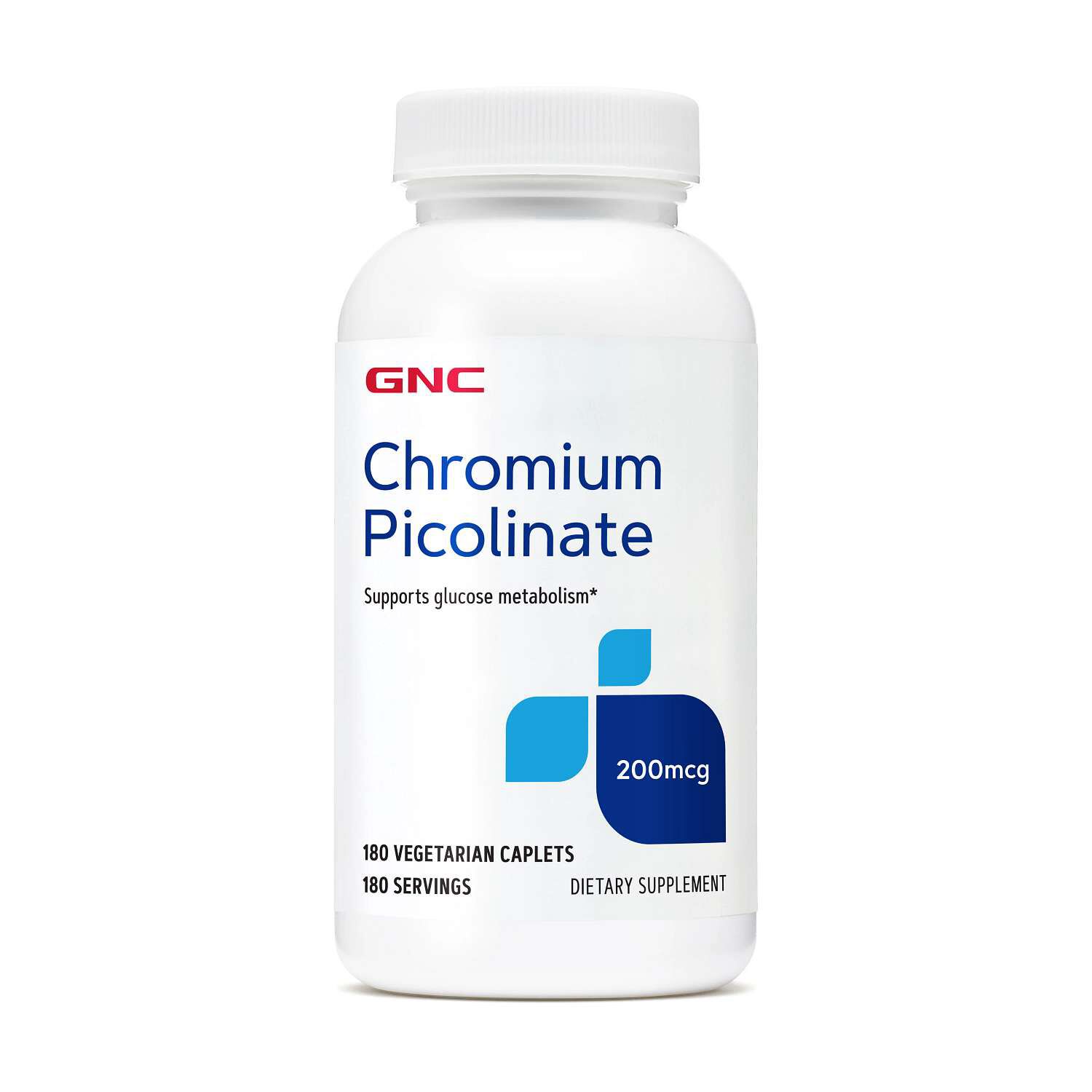
Chromium supplements are dietary supplements that contain chromium, a trace mineral found in foods such as meats, whole grains, and some vegetables. The term “trace mineral” refers to the small quantities associated with human nutrition; it does not describe the size of a capsule or the number of ingredients in a formula. In supplement form, chromium appears in several ingredient types, including chromium picolinate, chromium chloride, and chromium nicotinate. These names identify the form of chromium used, making them useful details when comparing otherwise similar bottles. Chromium picolinate, for example, consists of chromium paired with picolinic acid. A front label may feature that ingredient name prominently, while the Supplement Facts panel lists the amount of chromium per serving. Chromium supplements come in stand-alone formulas as well as combinations with other minerals, vitamins, or additional ingredients. A stand-alone formula centers on chromium, whereas a combination formula brings several nutrients into the same serving. Neither format tells the whole story on its own: the amount per serving, serving size, ingredient list, and directions distinguish one formula from another. For shoppers who have already chosen chromium as part of their supplement routine, these details provide a practical basis for comparing formats without relying on a bottle’s appearance or a broad product description. The category is relevant to adults looking for a particular mineral ingredient, those comparing capsule and tablet formats, and those seeking an ingredient list that matches established dietary preferences. A familiar mineral name does not mean every formula is interchangeable. Even two bottles featuring chromium picolinate can differ in their serving amounts, capsule materials, and additional ingredients. Those distinctions are especially useful when a shopper wants to match an existing routine rather than introduce a different combination of nutrients. Understanding what the category contains starts with the mineral itself, but a satisfying product match also depends on the everyday details of the finished supplement.
The most useful comparison point for chromium supplements is often the Supplement Facts panel. Chromium amounts are generally expressed in micrograms, abbreviated as mcg, rather than milligrams, abbreviated as mg. One milligram equals 1,000 micrograms, so keeping the units in view matters when reading mineral labels. The chromium amount listed in the panel refers to chromium itself, not the entire weight of the compound that supplies it. When a label lists chromium with “as chromium picolinate” in parentheses, the parenthetical wording identifies the source form. Serving size deserves the same attention as the listed amount. A serving may consist of one capsule or more than one, and the nutrient quantities in the panel apply to that stated serving. Likewise, the number of capsules or tablets in a bottle is not necessarily the same as its number of servings. A larger numeral on the front of a package therefore does not, by itself, explain how that bottle compares with another. The percent Daily Value offers another label reference, but it is not a personalized target or a measure of product quality. Beyond the nutrient panel, the other ingredients list describes components used to make the finished capsule or tablet. Capsule shells may contain gelatin or plant-derived materials such as hypromellose, while tablets may include binders, coatings, and ingredients used during manufacturing. These materials can matter to shoppers with vegetarian preferences or particular ingredient requirements. A plant-derived capsule shell describes the shell, not automatically every ingredient inside it, so the full formula remains relevant. Similarly, a short ingredient list and a broader combination formula represent different approaches rather than a universal ranking. Someone comparing a stand-alone mineral with a multivitamin containing chromium will find the clearest distinction in the full nutrient panel. The latter includes other nutrients that belong in the comparison, even when chromium is the ingredient that initially brought the shopper to the category.
Capsules and tablets offer different physical formats for chromium supplementation, with variations in shape, dimensions, coating, and serving size. Capsules typically enclose powdered ingredients in a shell, while tablets compress ingredients into a solid form. Neither format alone establishes how suitable a supplement is for a particular person, and the form of chromium cannot be determined simply by looking at the capsule or tablet. For a shopper who already prefers capsules, Chromium Capsules For Fat Metabolism provides a related category to explore, with the individual labels remaining the source for formulation and intended-use details. Everyday preferences can be quite specific: one person may value a clearly labeled bottle that is easy to distinguish from other supplements, while another may focus on a plant-derived shell or a formula containing chromium without an extended list of additional nutrients. Packaging also matters after a purchase. A readable label, an intact closure, and accessible storage directions make a bottle easier to keep organized over time. Unlike a durable accessory, a supplement has a dated shelf life and product-specific storage requirements. A dry cabinet away from sink splashes and shower steam is a different environment from a bathroom shelf, and the package directions establish the appropriate conditions for the particular formula. Original packaging keeps the ingredient list, serving information, lot number, and date together, which can be useful when comparing a later purchase with a previous bottle. For households with several supplement routines, keeping those identifying details visible also reduces confusion between similar-looking containers. Chromium supplements are generally a personal purchase rather than a casual gift, since ingredient preferences and intended use are individual. Their role in a shopping routine is best understood through the concrete features of the formula: which chromium form it contains, how much is listed per serving, what else is included, and how the format fits the purchaser’s preferences. Those details give this mineral category substance beyond the front label and make comparisons more meaningful.