





Chromium Picolinate No Dairy Supplements
(0 Results)
Discover a range of chromium picolinate no dairy supplements designed for those who prefer to avoid dairy ingredients in their wellness routine. These options may be suitable for individuals with dietary preferences or sensitivities, offering flexibility as you explore your supplement choices. Browse through various forms and strengths of chromium picolinate no dairy supplements to find an option that aligns with your lifestyle and nutritional goals.
-
-
 GNC Preventive Nutrition23$44.99
-
-
-
 $44.99

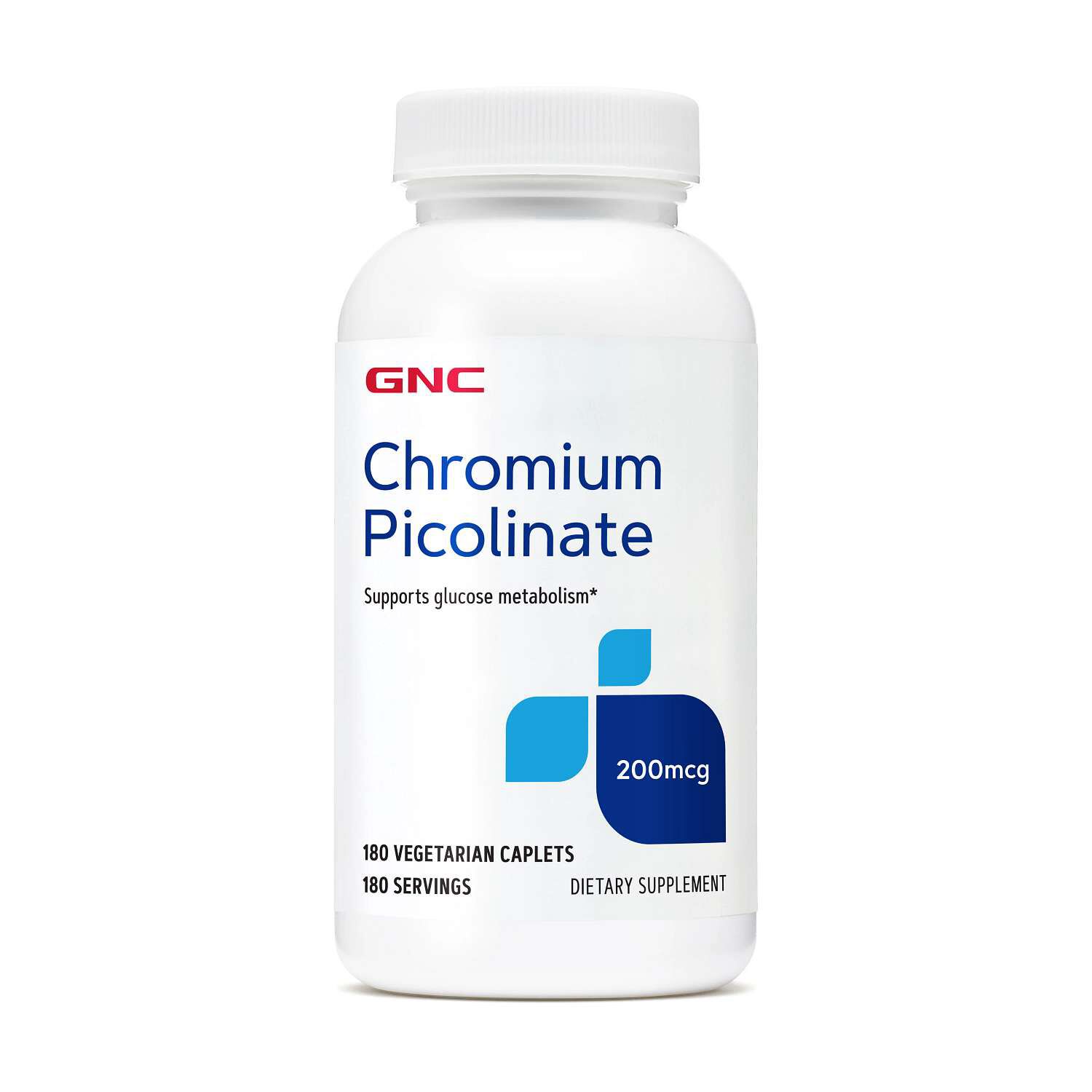
Chromium picolinate supplements formulated without dairy pair a specific mineral form with a dietary ingredient preference. Chromium picolinate is chromium bound to picolinic acid; “no dairy” describes the formulation rather than a different kind of chromium. For shoppers who avoid milk-derived ingredients, an explicit no-dairy statement on the label provides useful context alongside the ingredient list and any milk-related labeling. Chromium itself is a mineral, but a finished supplement can contain capsule materials, binders, coatings, and other ingredients beyond its featured nutrient. The mineral name alone therefore does not establish whether a formula fits a dairy-avoiding routine. Milk ingredients can appear under names such as whey, casein, caseinate, milk solids, or lactose. A statement about lactose addresses one component of milk and should not be read as a statement about every milk-derived ingredient. Likewise, a vegetarian designation does not by itself establish that a supplement contains no dairy, since vegetarian formulations can include milk ingredients. A plant-based capsule shell describes the shell, not necessarily everything inside it. Vegan labeling offers another point of reference, while the full formula and its dairy statement remain important. Information about shared equipment or facilities describes manufacturing conditions and is distinct from the ingredient list. When packaging does not clearly address a particular dietary requirement, manufacturer information can provide details that a front-label description leaves out. This distinction matters when two bottles look similar from the front yet carry different ingredient statements on the back. For someone whose pantry includes oat beverages and foods selected without milk ingredients, the supplement label deserves the same close reading. A familiar format, a simple-looking label, or a short ingredient list does not independently establish a no-dairy formulation. The relevant details are the stated dietary designation, the ingredients used throughout the formula, and the manufacturing information provided for that supplement.
Capsules and tablets offer different formats within the chromium picolinate category, and their construction is worth considering separately from their mineral content. Capsule shells may use gelatin or plant-derived materials such as hypromellose, while tablets often include ingredients that hold the tablet together or form its outer coating. Neither format automatically indicates the presence or absence of dairy. A capsule with a plant-derived shell may still contain other ingredients that require a closer look, and a tablet’s coating may have its own ingredient components. The Other Ingredients section identifies these supporting materials, while the Supplement Facts panel identifies the declared nutrient amount and serving size. Chromium amounts are generally expressed in micrograms, abbreviated mcg. Numbers such as 200 mcg and 500 mcg describe different labeled amounts, not different capsule dimensions or an indication that one format is a better fit for everyone. In a Supplement Facts panel, the chromium entry identifies the amount of chromium per serving, with chromium picolinate named as its source. This is different from describing the weight of the entire chromium picolinate compound. Serving size also matters when comparing labels: an amount listed for one capsule is not the same comparison as an amount listed for a serving containing more than one capsule. Bottle count and serving count can differ for the same reason. Formulas centered on chromium alone also differ from multinutrient formulas that include chromium alongside other vitamins or minerals. That distinction is useful for shoppers seeking a straightforward ingredient profile rather than a broader combination. Other dietary preferences remain separate considerations. A no-dairy statement does not, by itself, establish whether a formula meets preferences concerning soy, gluten, gelatin, or animal-derived ingredients. Comparing those details individually gives a more accurate picture than treating one dietary designation as shorthand for every other one. Even small differences in coatings, capsule materials, and serving size can distinguish otherwise similar-looking formulations.
A practical fit also involves how the supplement is packaged and where its label information will remain accessible. Someone who keeps supplements beside a breakfast setting may value a clearly printed serving size and an easy-to-read ingredient panel. Someone who carries a bottle between home and a gym bag may pay closer attention to the closure and the container’s storage directions. For shoppers exploring that broader routine, Chromium Picolinate Supplements for Active Lifestyles offers a related category to consider alongside dairy preferences and format. An active schedule does not change what a no-dairy designation means, and the formulation details remain relevant whether the bottle sits in a kitchen cabinet or travels in an overnight bag. Original packaging provides a reference for the ingredient statement, serving directions, lot information, and printed date. Those details are less visible when capsules or tablets are transferred to an unmarked container, especially in a household where several supplements have a similar appearance. Storage requirements belong to the individual formula, so the directions on its container take precedence over assumptions based on another bottle. A dry location away from sinks and shower steam may be consistent with some labels, but the package remains the reference for any particular storage conditions. Capsule color, tablet shape, and bottle design are useful visual details, not substitutes for the formulation information. The same attention applies to repeat selections: familiar wording on the front does not replace reviewing the ingredient statement on a new container. For adults who prefer supplements made without milk-derived ingredients, the most relevant comparison brings together the chromium form, declared amount, serving size, capsule or tablet construction, and explicit dairy information. These concrete details describe what the supplement contains and how it is presented, making the category easier to assess without relying on broad assumptions about minerals, vegetarian capsules, or dietary labels.

