





Cinnamon Bark Capsules For August Wellness
(0 Results)
Cinnamon bark capsules for August wellness could be a thoughtful addition to your daily routine as you focus on your well-being this season. Known for their warm, aromatic qualities, these supplements may offer a convenient way to incorporate cinnamon into your lifestyle. Whether you are looking to support your overall health or simply enjoy the benefits that cinnamon bark might provide, explore a range of options designed to fit seamlessly into your August wellness journey.
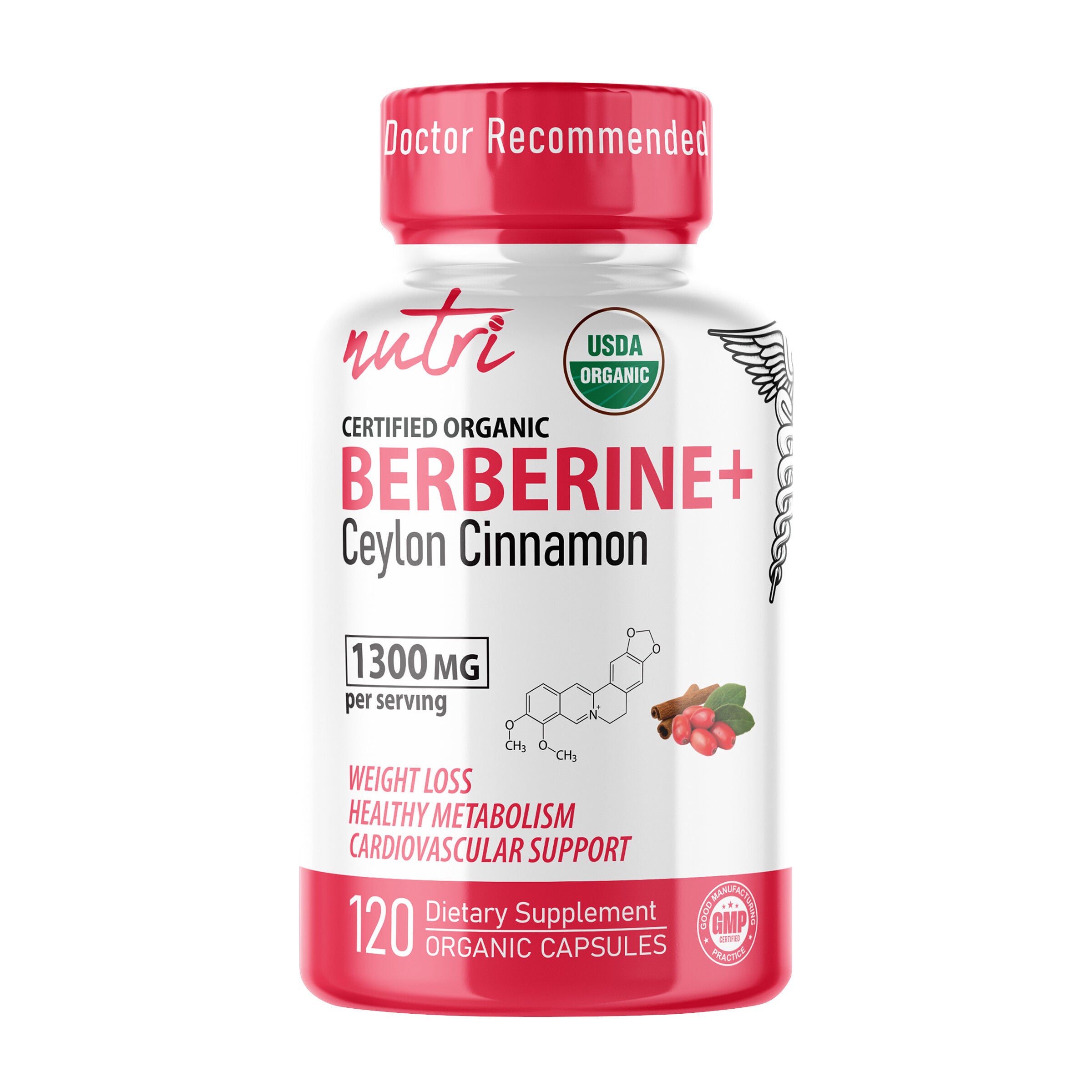
Cinnamon bark capsules are a packaged herbal supplement format for adults considering a late-summer wellness routine. Cinnamon comes from the inner bark of trees in the Cinnamomum genus, but the familiar spice name does not identify a single botanical source. Ceylon cinnamon is commonly labeled Cinnamomum verum, sometimes with the botanical synonym Cinnamomum zeylanicum, while cassia refers to other cinnamon types. Those names matter when comparing labels because the word “cinnamon” alone leaves part of the ingredient’s identity unstated. The plant part matters, too: a bark capsule is distinct from a formula identified as containing cinnamon leaf or another botanical material. Inside the capsule, the ingredient may be dried bark that has been ground into powder, an extract made from bark, or a combination described on the label. Powder and extract are different preparations, so matching milligram amounts do not necessarily describe equivalent ingredients. An extract label may include a ratio or information about particular plant constituents, while a bark powder label may simply identify the botanical and its weight per serving. Neither format can be understood from the front-panel number alone. Serving size adds another distinction: the amount shown in the Supplement Facts panel may refer to more than one capsule. Looking at the botanical name, plant part, preparation, and serving size together creates a more useful comparison than looking only at capsule count. A single-botanical formula centers on cinnamon, whereas a blend includes additional ingredients that deserve their own consideration. These capsules belong to the dietary supplement category rather than the kitchen spice rack, even though the plant itself is familiar from oatmeal, baked apples, and cinnamon toast. That difference in intended use is worth keeping in view when comparing a culinary ingredient with a packaged supplement. For shoppers drawn to recognizable botanicals, the most informative starting point is a clearly described formula, not an assumption based on cinnamon’s long history as a food ingredient.
The capsule shell and supporting ingredients are another part of choosing a format that fits personal preferences. Some shells use gelatin, while others use plant-derived materials such as cellulose; a vegetarian preference calls for attention to the finished formula rather than the cinnamon ingredient alone. The other ingredients section may identify materials used in the shell, ingredients that help the powder move through manufacturing equipment, or substances included to maintain consistency within the capsule. These details explain more about the product’s construction than the botanical name by itself. Shoppers with particular ingredient preferences may find clear labeling especially useful, including information about the shell, added colors, and any additional botanicals. An organic designation concerns the applicable production and certification requirements; it does not, by itself, describe the serving size, preparation method, or every other aspect of a capsule. Similarly, a short ingredient list and a longer ingredient list describe different formulations, not an automatic ranking of quality. Comparing cinnamon bark capsules within the broader Cinnamon Supplements category is an opportunity to distinguish these features without treating every cinnamon format as interchangeable. Capsule dimensions may also matter to someone who has a strong preference about supplement size, although a photograph alone may not communicate those dimensions accurately. Package information is a better reference when measurements are provided. Bottle count deserves the same careful reading: a larger number of capsules does not necessarily represent more servings if the labeled serving sizes differ. For someone organizing a crowded kitchen cabinet or packing for a summer trip, bottle dimensions, readable labeling, and a secure closure are practical details alongside the formula itself. A compact package might suit a small storage space, while a clearly printed label could make later reference easier. These are everyday considerations, but they help distinguish a thoughtfully chosen supplement format from one selected only because the front label looks familiar.
Care and storage are part of evaluating cinnamon bark capsules, particularly when a late-summer schedule includes overnight visits, road trips, or days spent away from home. The package’s storage directions are the relevant reference, since formulas and containers can differ. Heat, moisture, and repeated exposure to unsuitable conditions could affect capsule quality, making a sunny windowsill, a damp bathroom shelf, or a parked car poor default storage locations. The bottle is functional packaging, not merely a display container: its closure, seal, and label each have a role in keeping the product identified and handled as intended. Leaving capsules in their labeled packaging preserves access to the ingredient list, serving information, lot identification, and date information. Transferring them into an unmarked jar removes that context, which becomes especially inconvenient when several supplements look similar. For travel, keeping the relevant packaging information with the capsules may make organization simpler without relying on memory or appearance. A tightly arranged bag also brings practical concerns such as a cap rubbing against other belongings or a bottle being left where moisture collects. Packaging deserves attention before a trip rather than only after it has spent time in a tote beside a water bottle. At home, a designated storage spot away from children and pets is another straightforward part of handling adult supplements. Date markings are worth noting when organizing a cabinet, but they should be read alongside the stated storage conditions rather than as a stand-alone measure of condition. The same thoughtful approach applies when choosing cinnamon bark capsules for an established personal routine: identify the botanical, understand the preparation, account for the capsule materials, and keep the label accessible. Cinnamon’s recognizable name may draw initial interest, but the details behind that name give the category its useful distinctions. A clearly identified bark ingredient, understandable serving information, and packaging suited to everyday handling provide a grounded basis for comparing options with different formats and ingredient profiles.
Best Sellers
-
 GNC Herbal Plus
-
 GNC Herbal Plus
-
 GNC Herbal Plus
Related Pages
Top Collections
- Active Supplements
- Chronic Fatigue Supplements
- Supplements For Yoga Joint Flexibility
- Joint Mobility Supplement Packs
- Zinc Supplements | Top Brands at Great Prices | GNC
- Supplements For Anxiety Relief Support
- Zinc Supplements For Men
- Vitamins For Hair Loss
- Capsule Supplements For Energy And Stamina
- Metabolism Boost For Weight Loss