Citrulline Malate Powders For Adults
(0 Results)
Discover a wide selection of citrrulline malate powders for adults, designed to fit seamlessly into your daily wellness routine. Whether you're looking to support your fitness journey or simply want to explore new supplement options, these powders offer a convenient way to incorporate citrrulline malate into your regimen. Browse through various options to find the perfect addition to your supplement lineup and elevate your wellness goals.
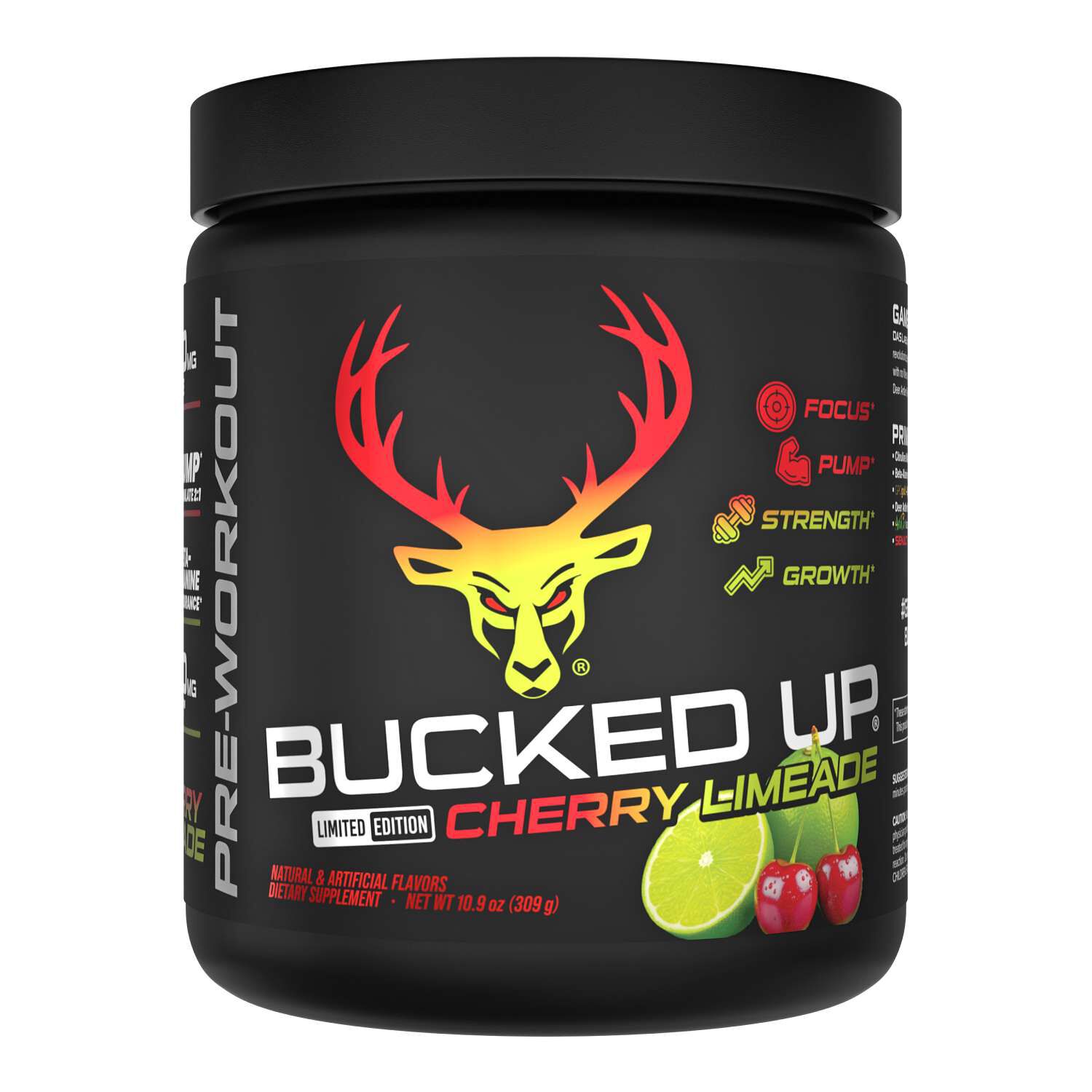
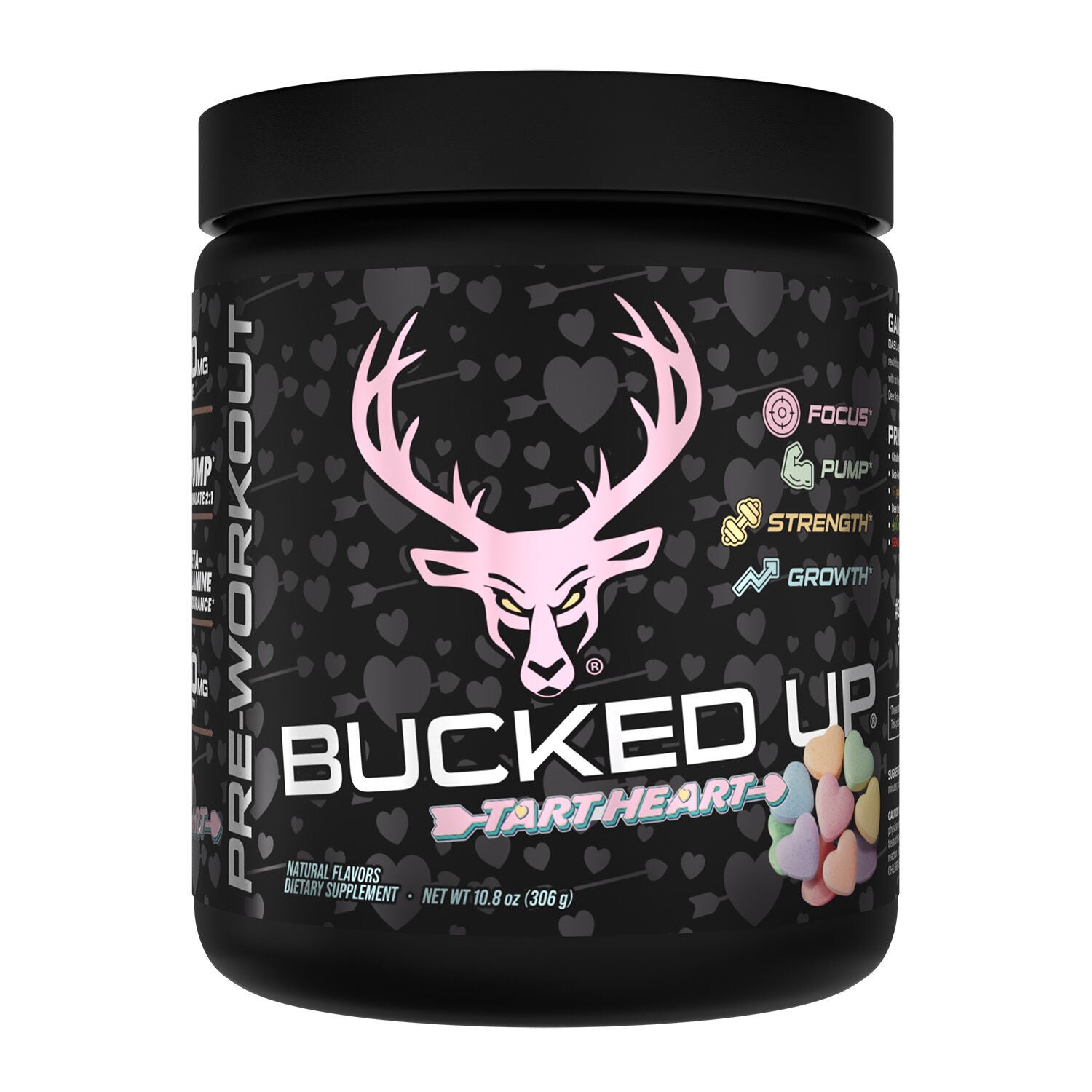
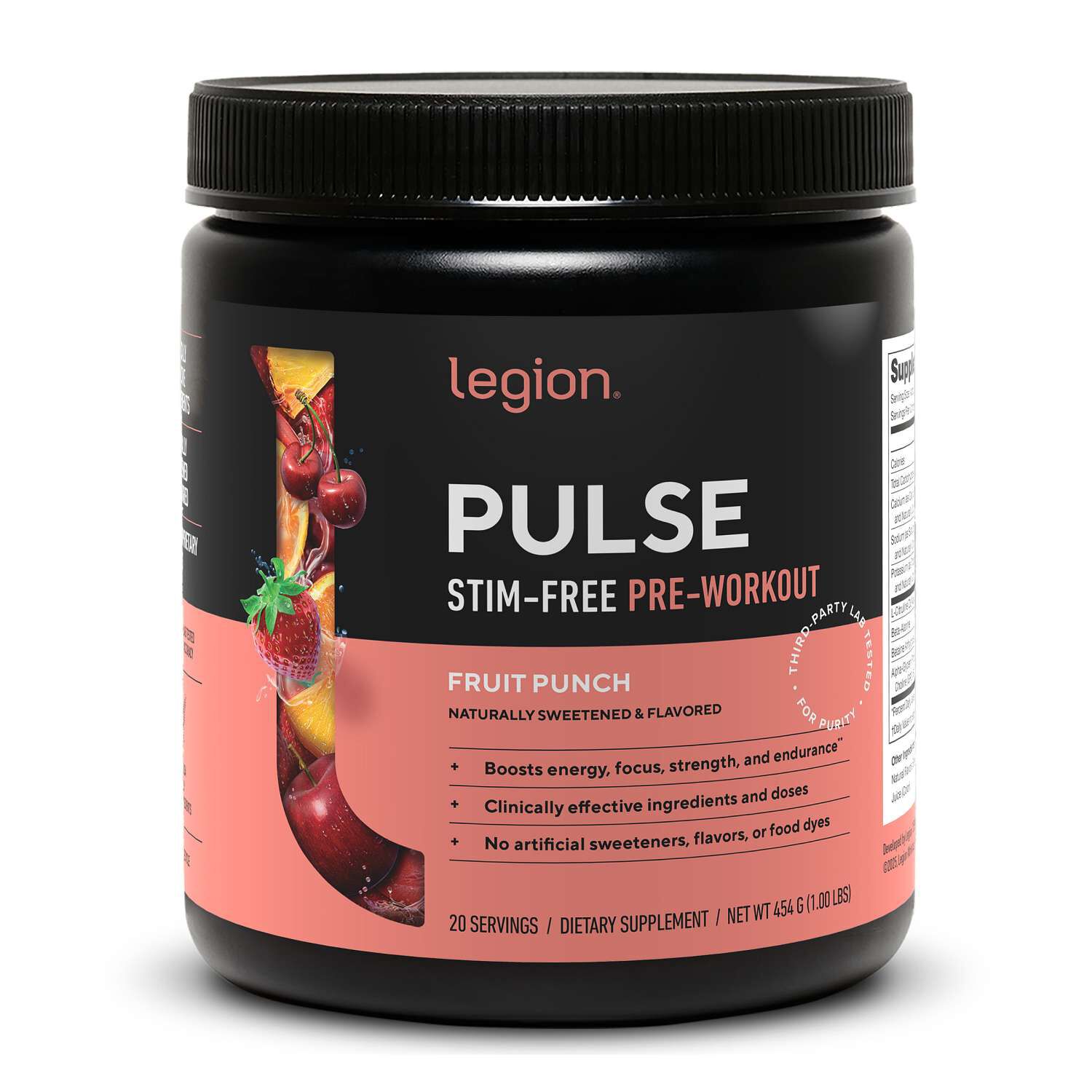

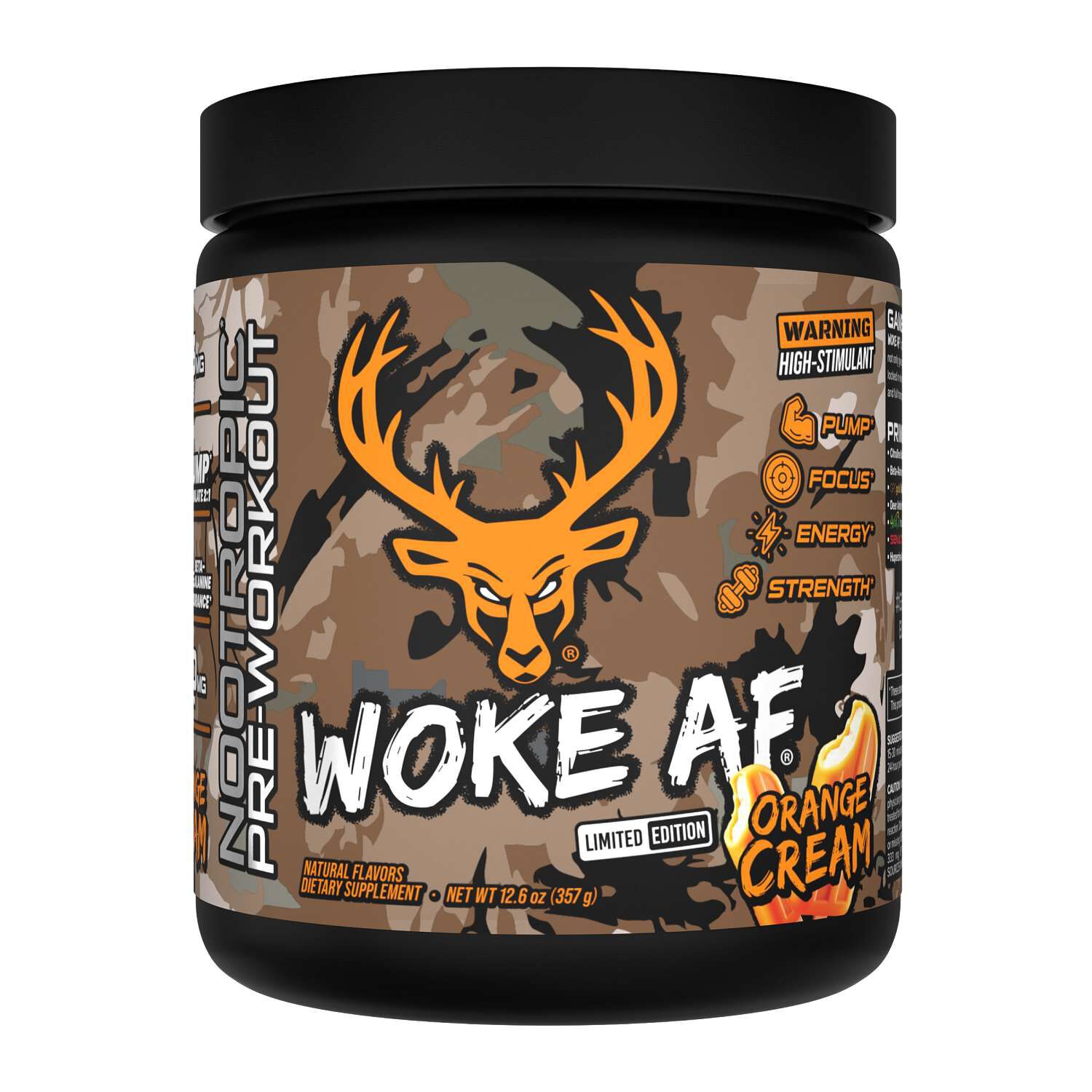
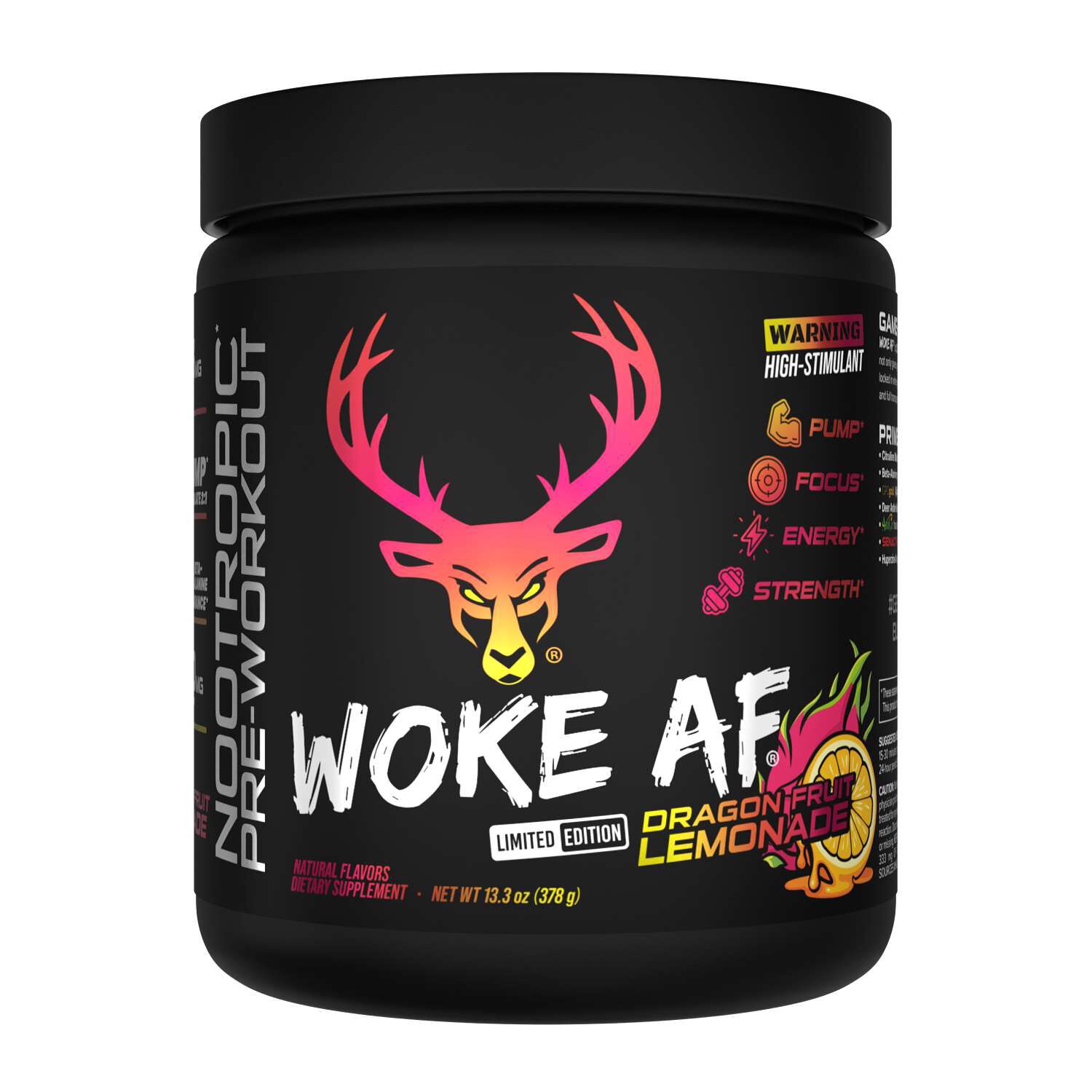
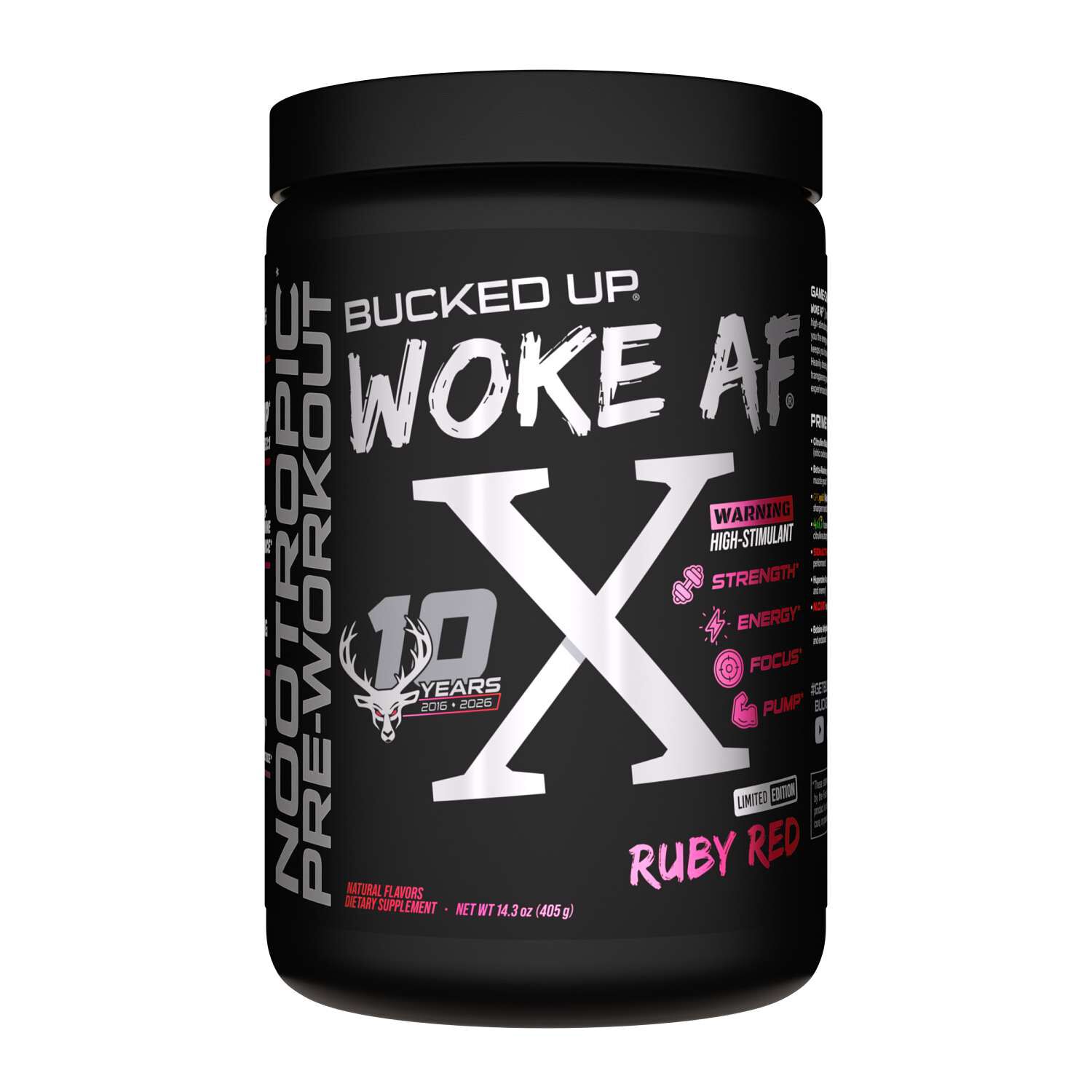

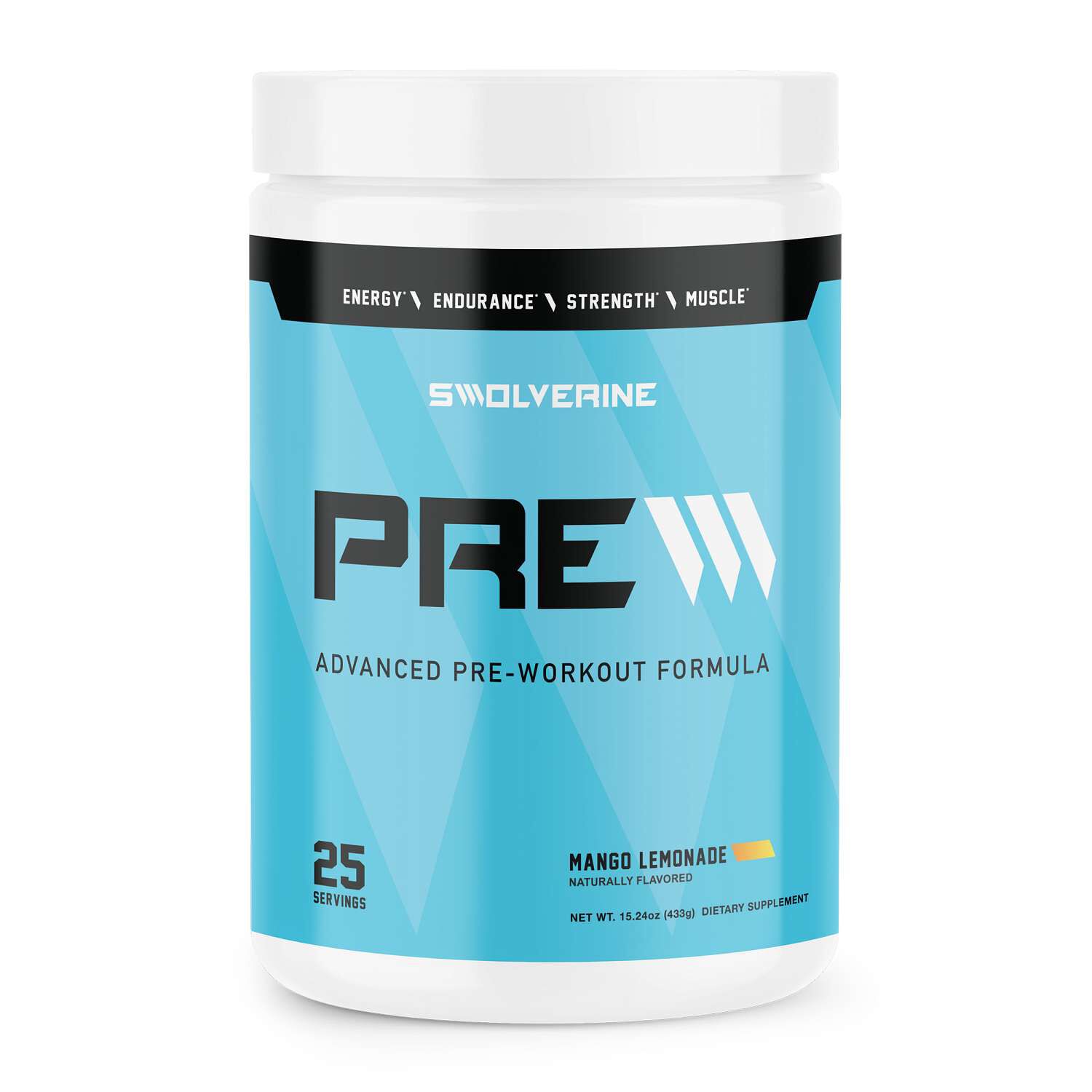

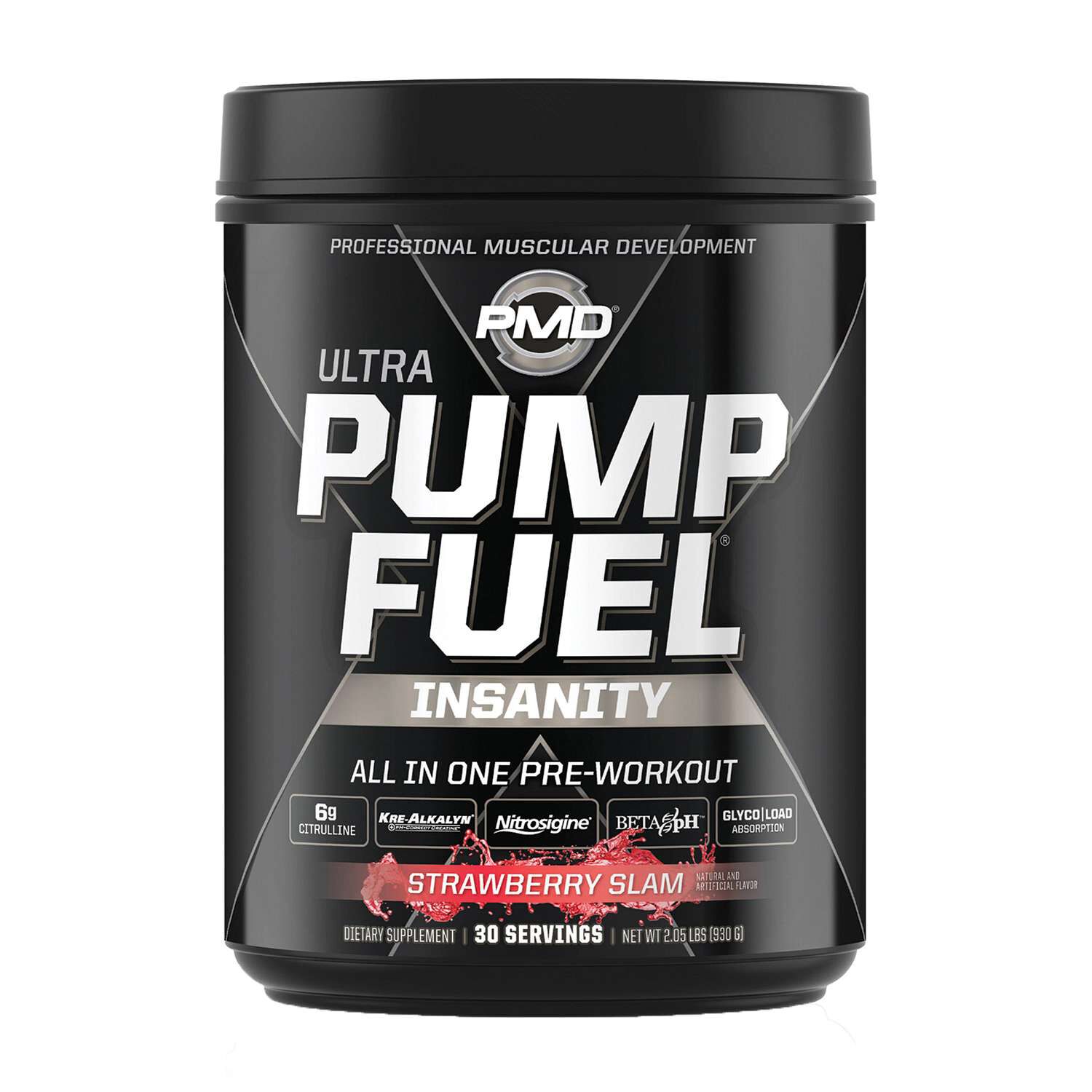
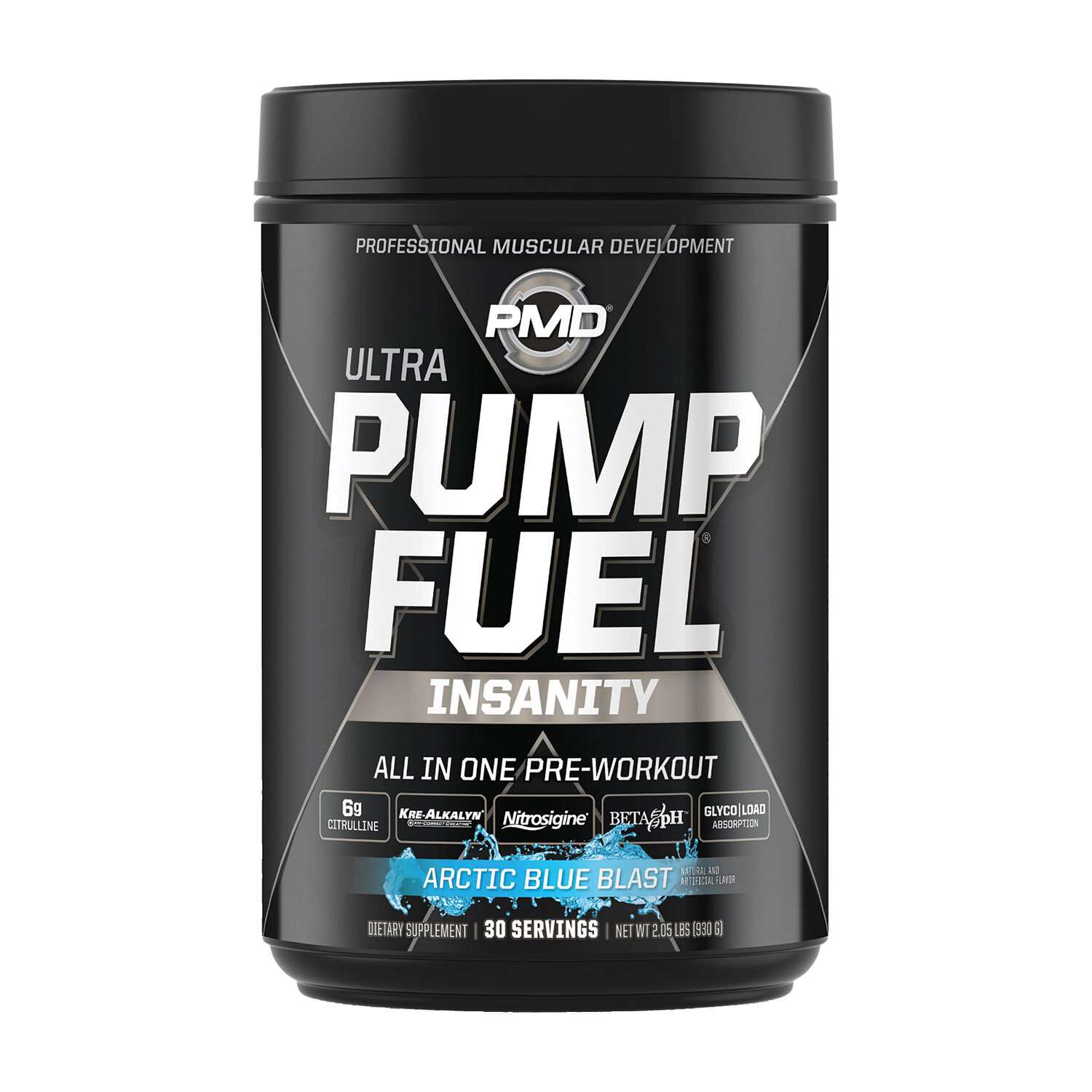
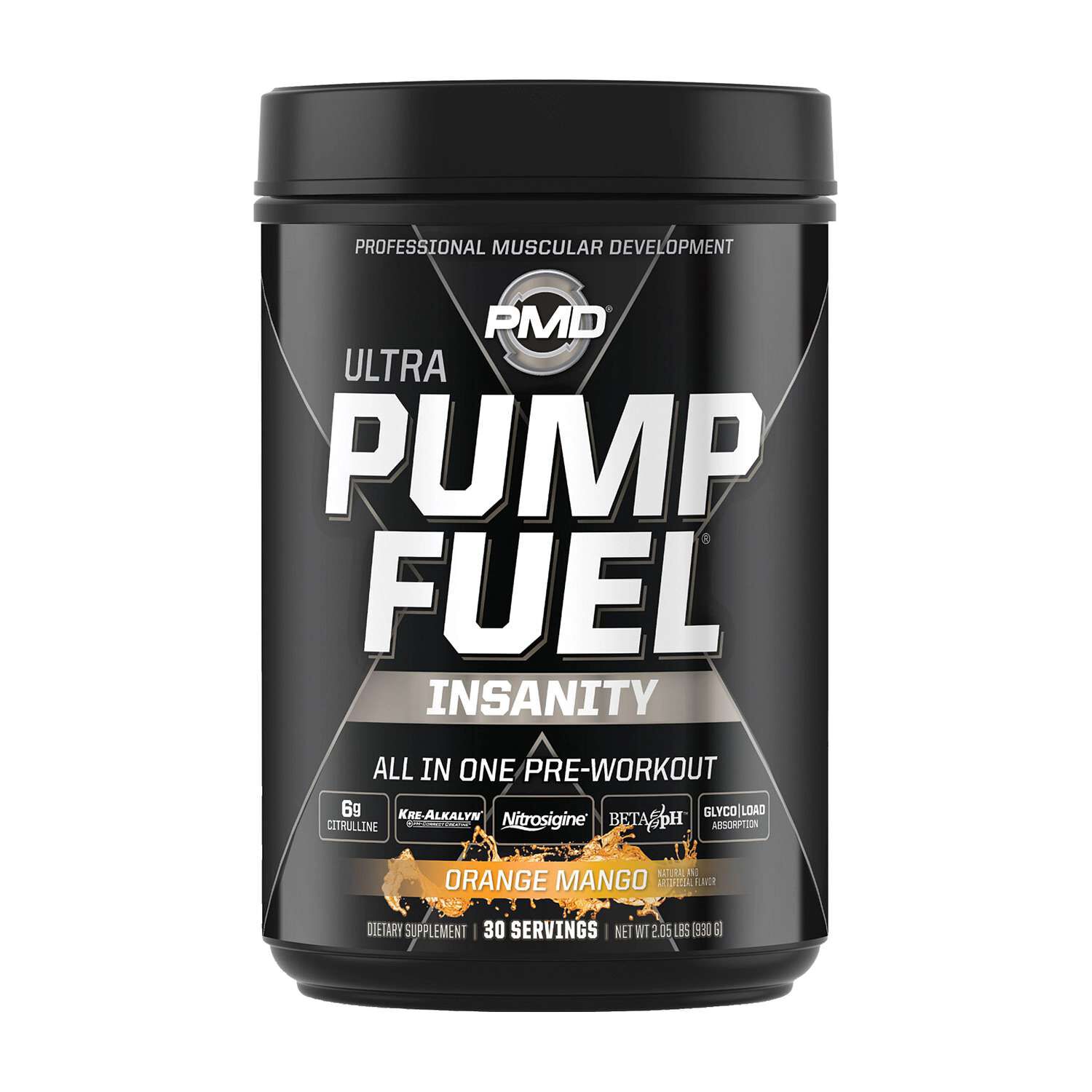

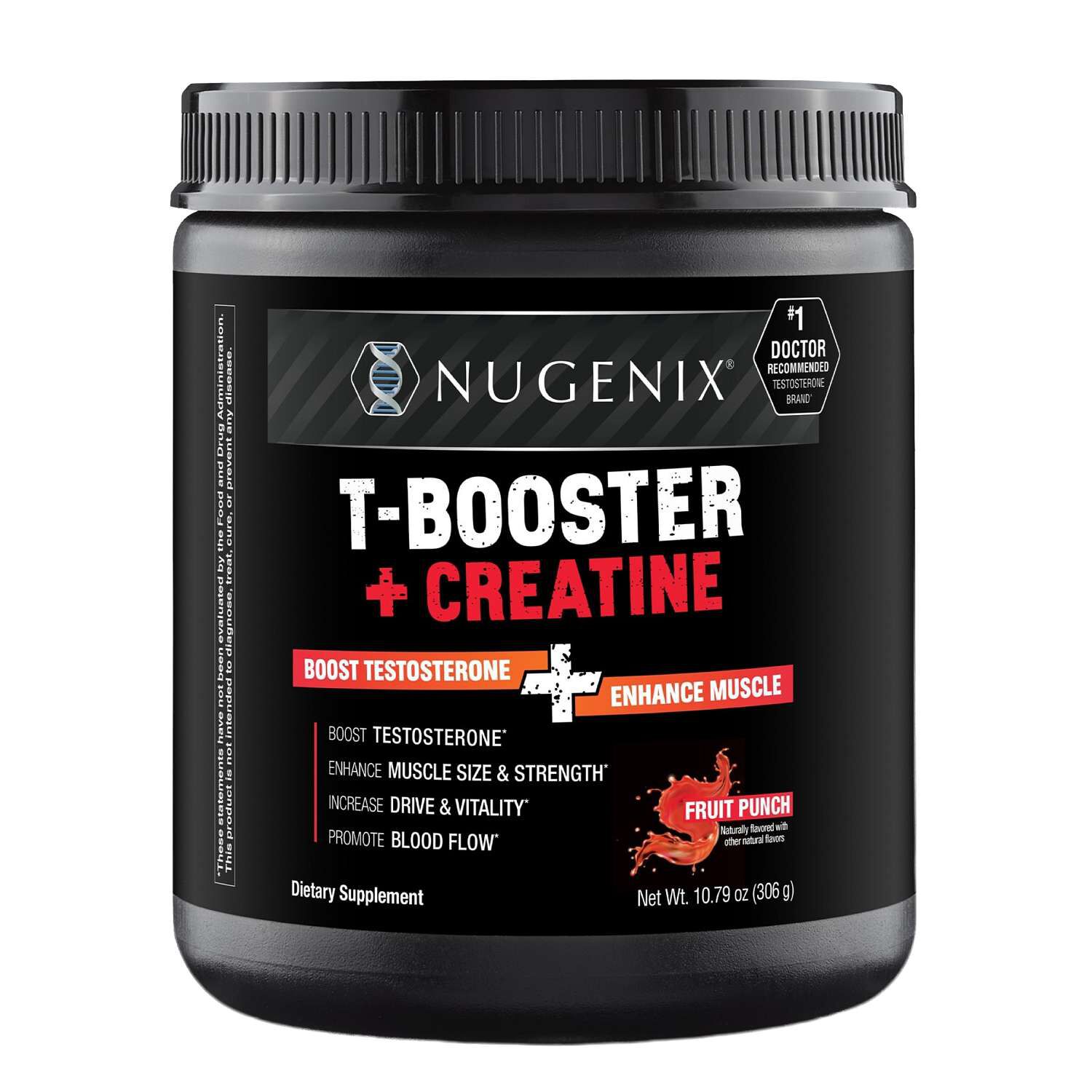
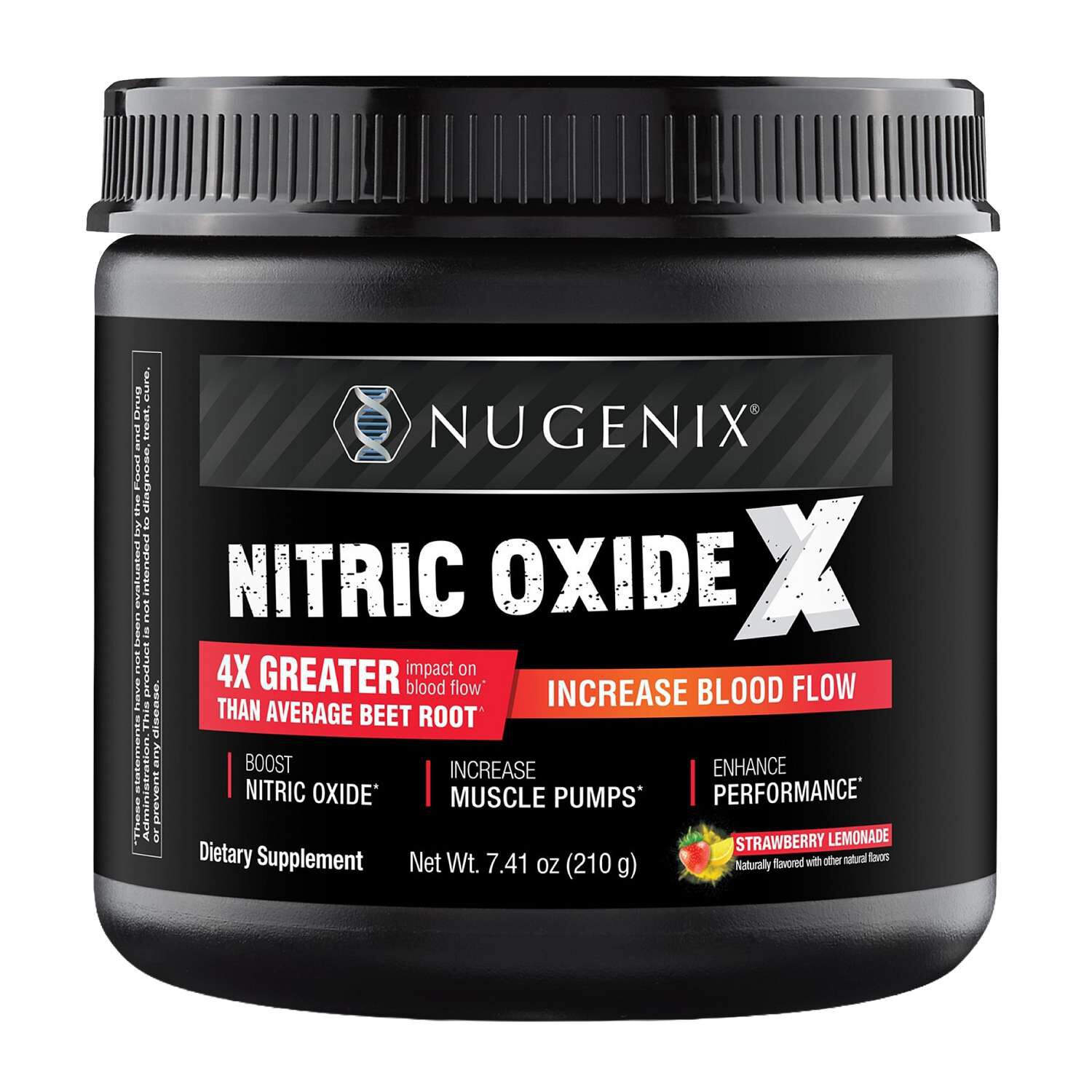

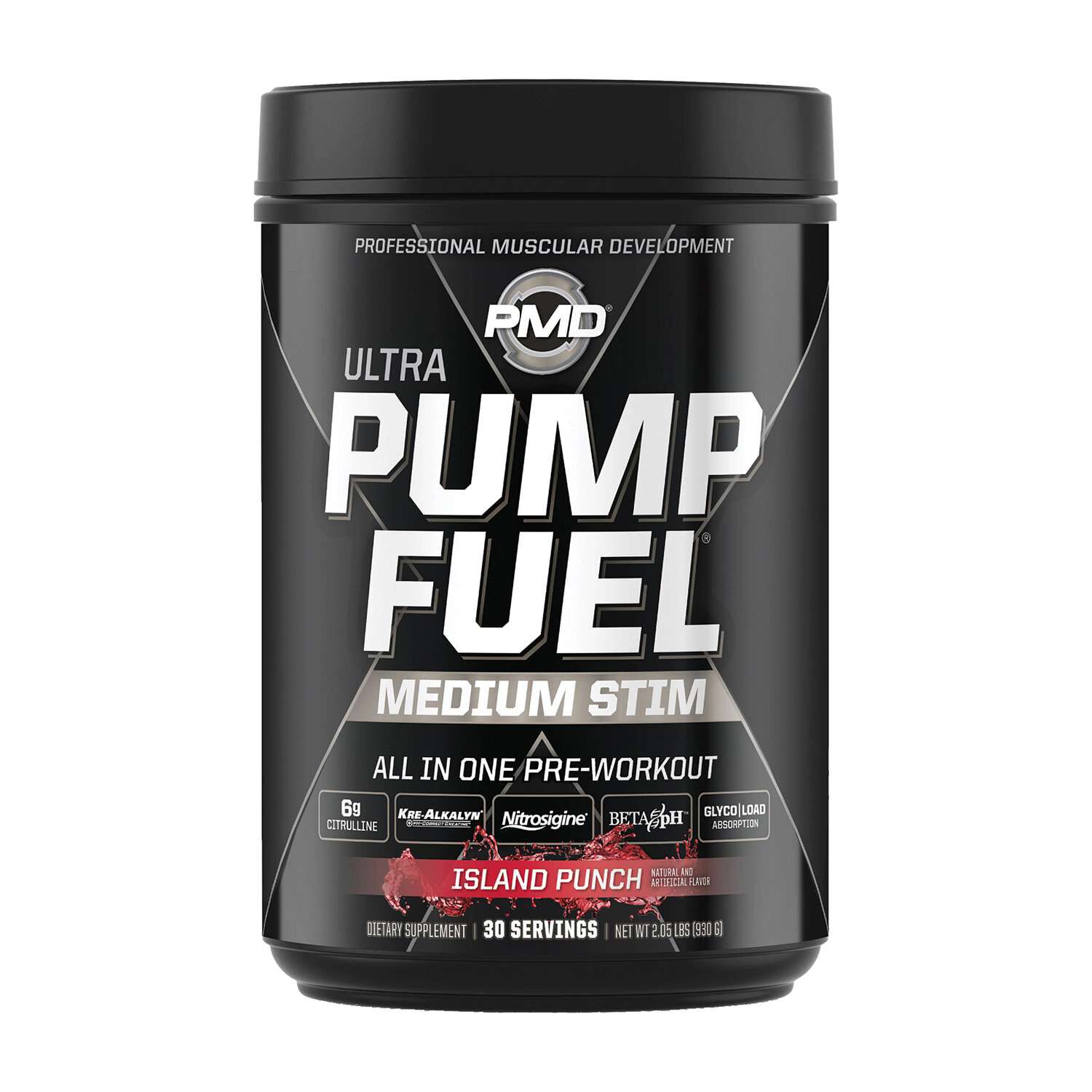
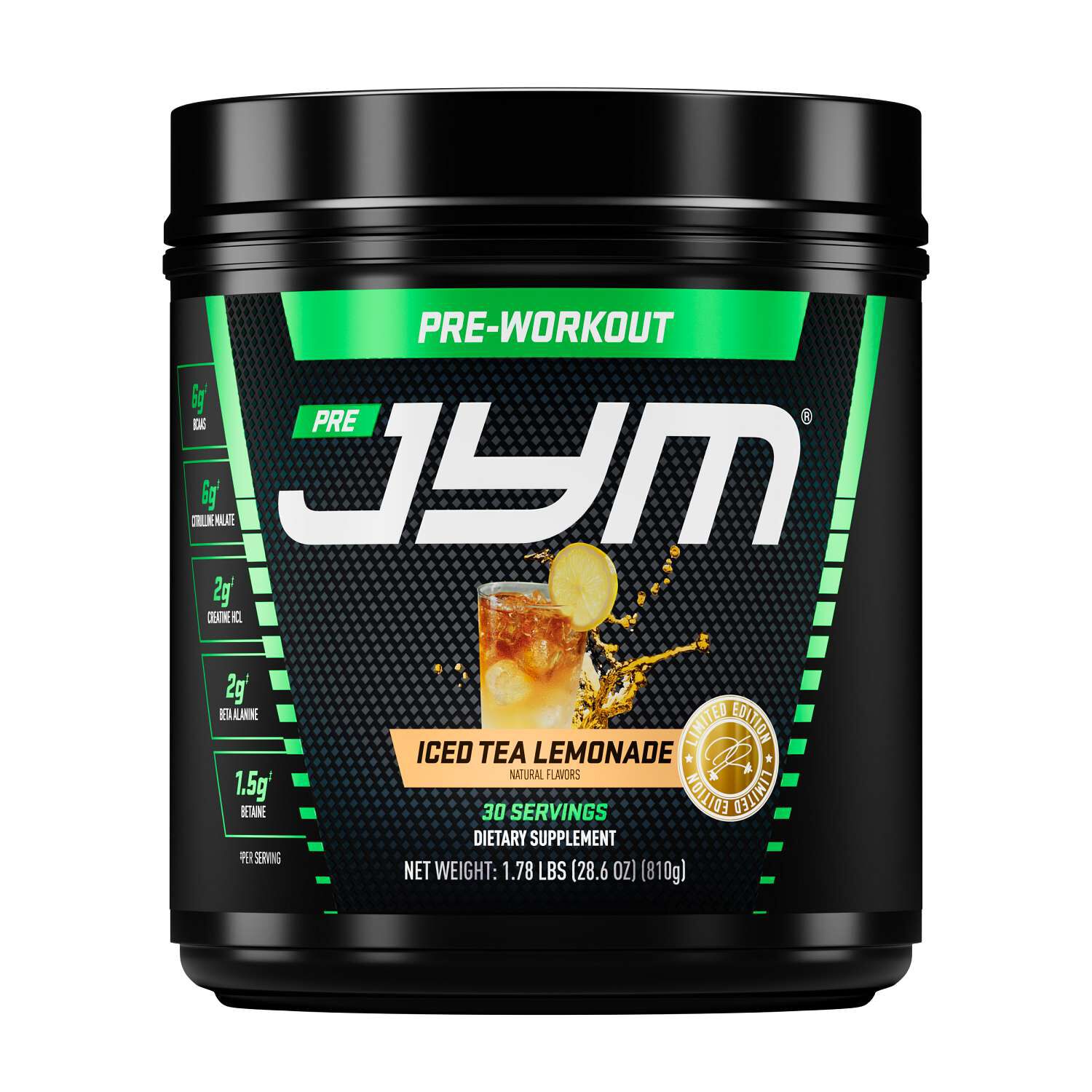
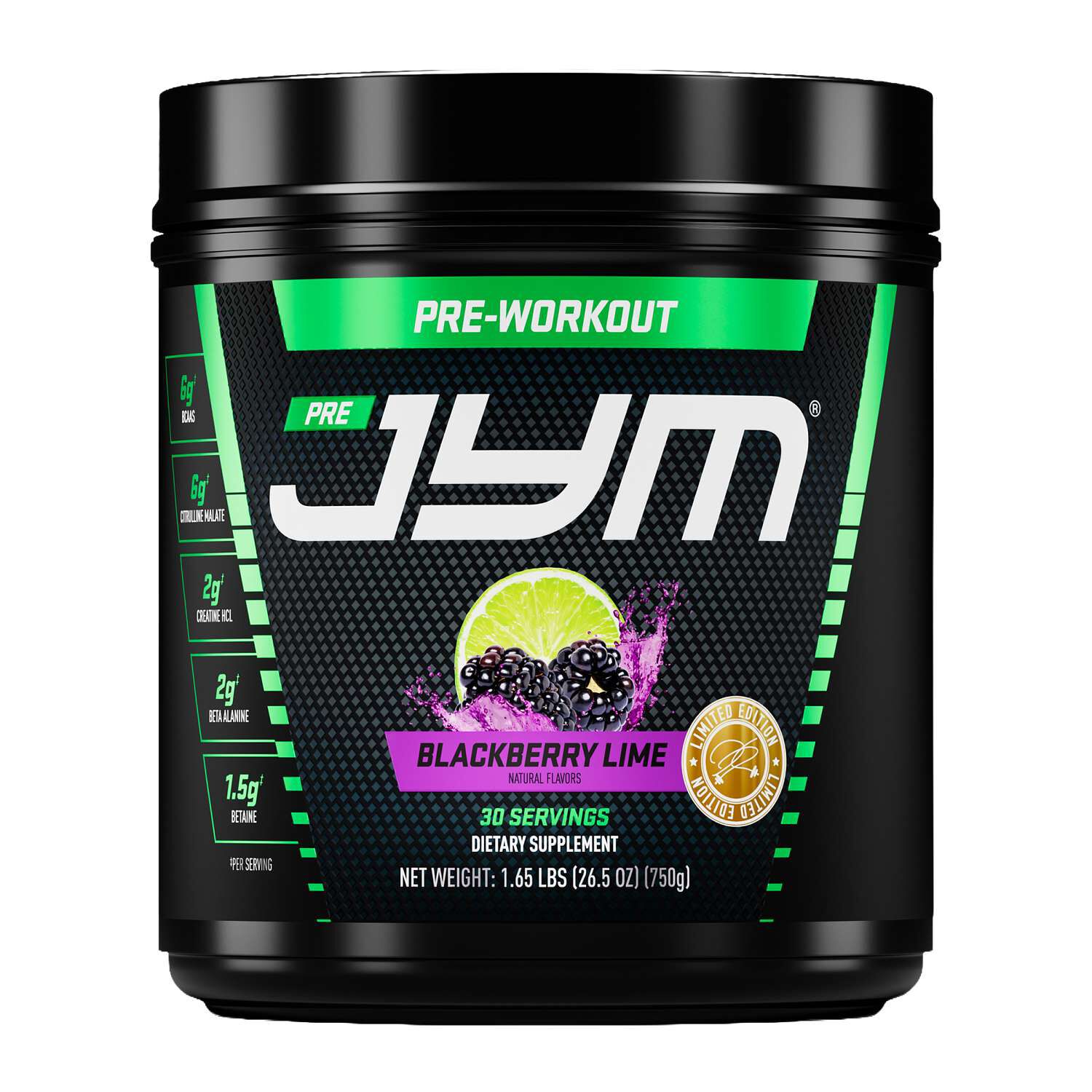
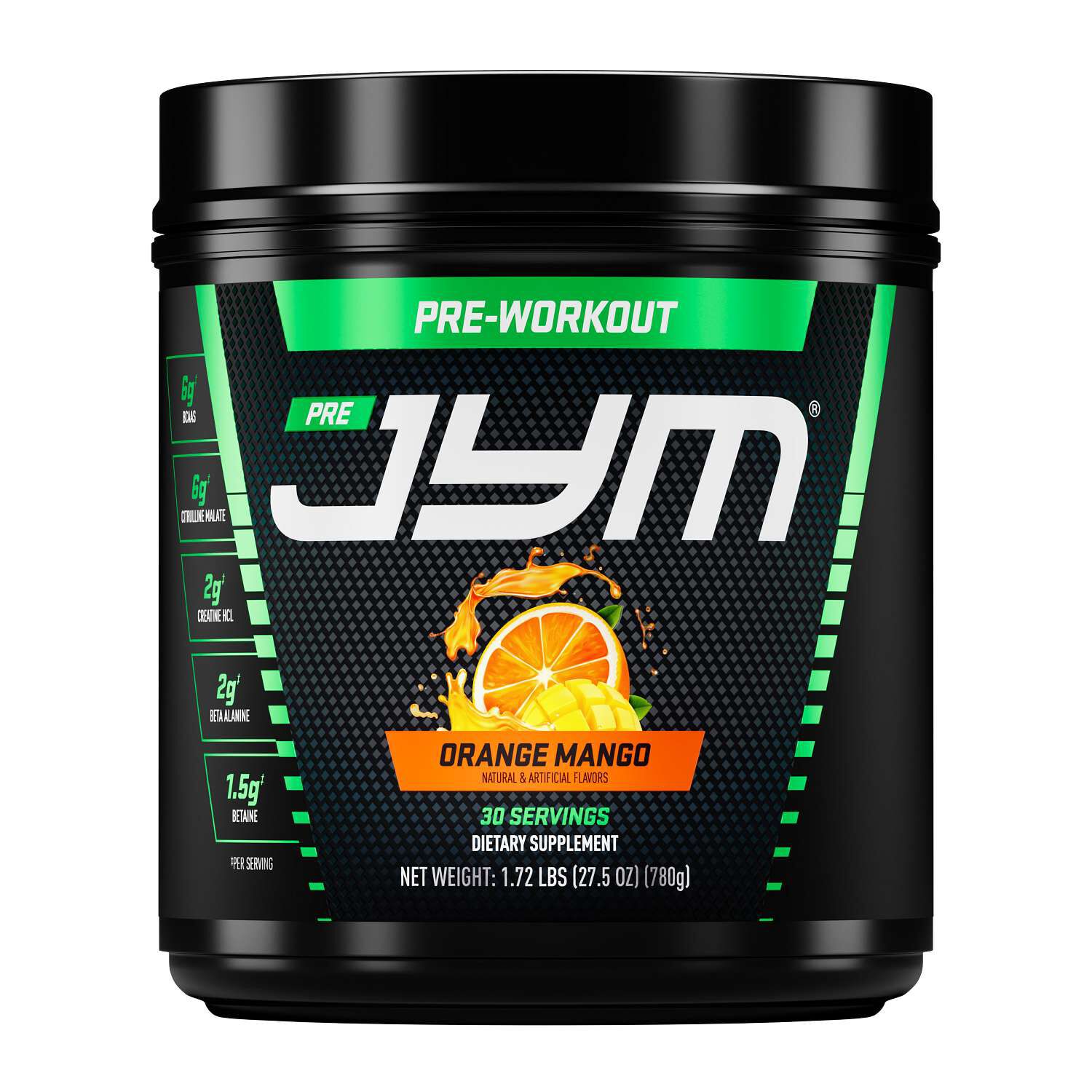

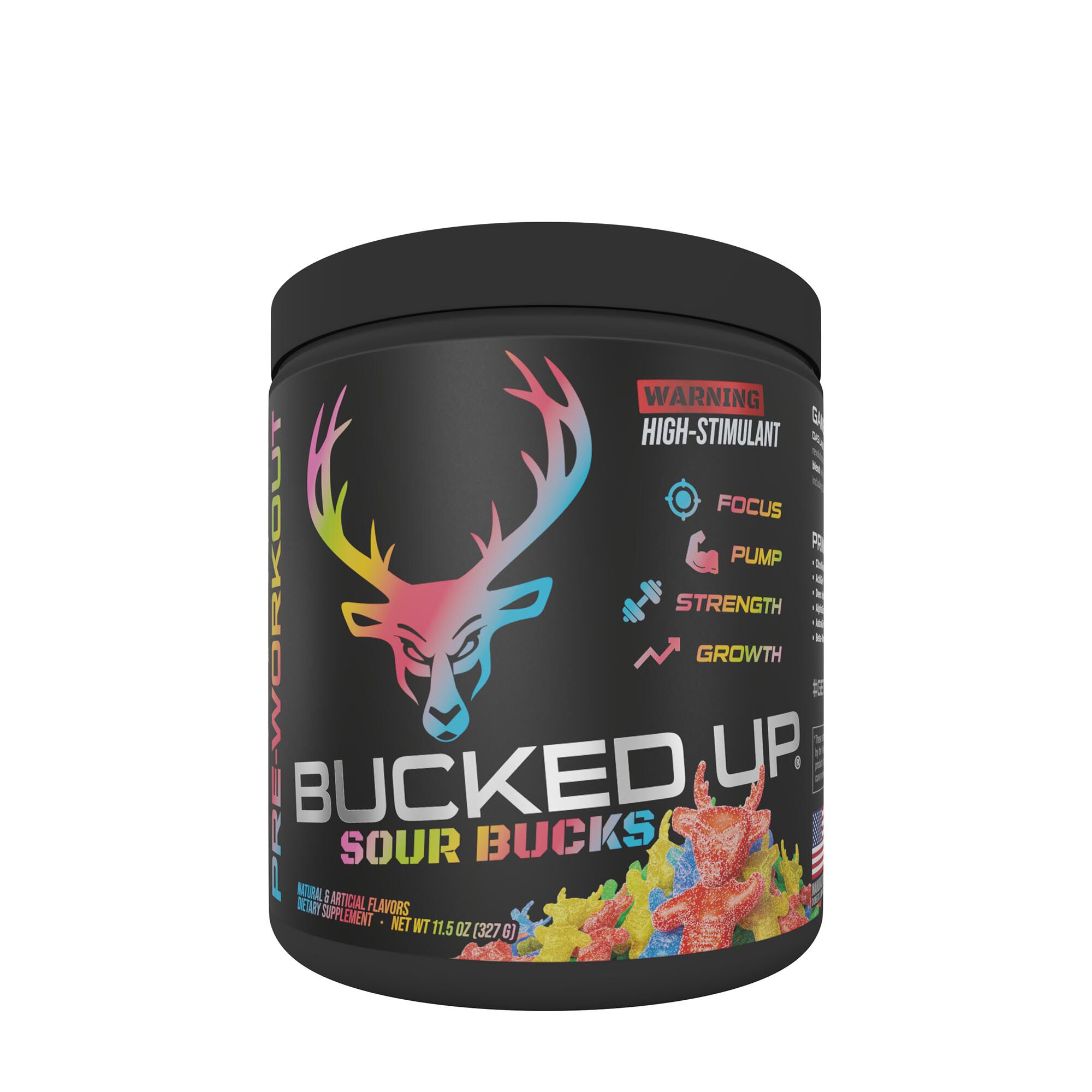
Citrulline malate powders for adults bring a familiar sports nutrition ingredient into a scoopable format suited to established workout routines. Citrulline malate combines L-citrulline, an amino acid, with malate, a form of malic acid. Although the names often appear together on supplement labels, citrulline malate and standalone L-citrulline are not interchangeable descriptions. A serving of citrulline malate includes both components, so the stated weight of the blend is not necessarily the amount of L-citrulline alone. That distinction matters when comparing labels across the broader Citrulline Supplement Powder category. Some labels list a ratio, such as 2:1, to describe the relationship between citrulline and malate. When that ratio is expressed by weight, it indicates two parts citrulline to one part malate; it does not describe the serving size or the amount of every ingredient in the container. Other formulations present their composition differently, making the ingredient panel and serving information more useful than the front label alone. Adults interested in resistance training, cycling, rowing, or other exercise routines may find this category relevant to their sports nutrition preferences. The appeal may be a straightforward ingredient list, a drinkable format instead of capsules, or a formulation that fits an existing approach to workout nutrition. Some powders feature citrulline malate as the sole listed ingredient, while others combine it with flavoring, sweeteners, or additional sports nutrition ingredients. Those differences shape the character of the product as much as the ingredient name does. Citrulline malate itself is not caffeine, although a combination formula may contain caffeine from another ingredient. A label that identifies each ingredient and its amount provides a clearer picture of the formula than broad workout language on the package. For shoppers comparing adult-oriented powders, the useful details are concrete: the form of citrulline, the amount per serving, the stated ratio when provided, and everything else included in the blend.
Flavor and texture are another part of choosing a citrulline malate powder, especially for adults who already have a preferred workout drink. Malic acid is associated with a tart taste, and a citrulline malate formula may have a noticeably tangy character even without added flavoring. An unflavored designation does not necessarily mean a powder has no taste; it generally refers to the absence of an added flavor profile. Flavored options may lean toward fruit-inspired combinations, while sweeteners and other ingredients vary by formula. For someone who prefers a simple drink with water, those differences may be especially noticeable. For someone whose routine includes another powdered beverage, the compatibility of flavors may matter more than the name printed on the front of the tub. Mixing instructions also vary, including the recommended liquid amount and whether the powder is intended for water or another beverage. A larger volume of liquid may produce a less concentrated taste, while the label remains the reference for the serving itself. Solubility and mouthfeel differ among formulations, and a small amount of settling does not by itself explain the composition or quality of a powder. Ingredient lists may include substances used for flavor, sweetness, texture, or handling, so a short list and a flavored blend offer different experiences rather than a simple better-or-worse comparison. Labels also distinguish a serving measured in grams from the scoop used to portion it. Scoop dimensions are not standardized across containers, and a scoop from another supplement is not a reliable substitute for the one associated with the product. Serving information therefore deserves attention alongside flavor descriptions and package size. A container’s net weight, listed serving size, and number of servings describe different aspects of its contents. Read together, those details offer a more practical basis for comparison than container dimensions, which reveal little about how a powder fits an adult’s usual routine.
Everyday handling matters with powdered supplements, whether the container stays in a kitchen cabinet or travels in a gym bag. Powder packaging ranges from wide-mouth tubs to resealable pouches, with differences in how the opening, closure, and included measuring utensil fit into a routine. A tub may suit a dedicated preparation space beside a shaker bottle, while a pouch may occupy less room among other packaged nutrition products. The most convenient format depends on where the powder is kept, how often the container is opened, and whether preparation happens at home or elsewhere. Storage directions on the package account for the particular formulation and packaging, including any guidance about moisture, light, and closure. Dry utensils and a securely closed container may help limit moisture exposure during ordinary handling. Clumping alone does not establish whether a supplement is suitable to use, and changes in appearance or condition deserve attention alongside the package’s date information and storage directions. Keeping the original packaging also preserves access to the ingredient list, allergen statements, serving directions, and lot information. For adults who take a shaker to the gym, the distinction between transporting dry powder and carrying a prepared beverage is relevant; preparation and storage directions may differ once liquid is added. These practical details belong alongside formulation preferences, not as an afterthought. A powder that suits a home-based routine may not be the preferred format for someone who prepares drinks away from a kitchen. Likewise, an adult who enjoys a tart, flavored beverage may have different preferences from someone seeking a simpler ingredient list. Citrulline malate powders are part of a broader sports nutrition routine, not a replacement for food or beverages consumed throughout the day. A considered selection brings together clear labeling, an appropriate adult-use designation, a preferred flavor profile, and packaging suited to regular handling. The result is a choice grounded in the actual formula and the way it may fit into an established routine, rather than assumptions based on the ingredient name alone.