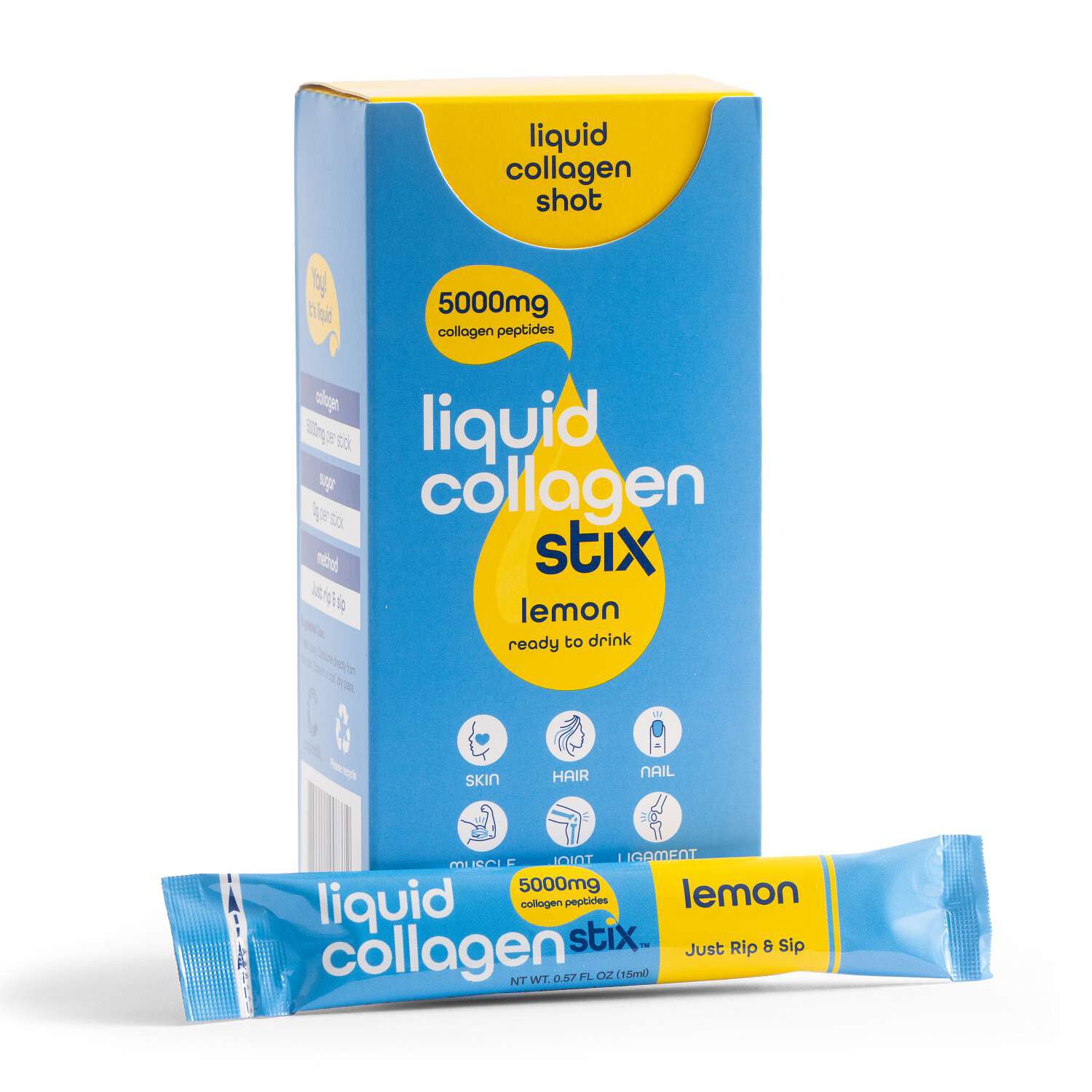
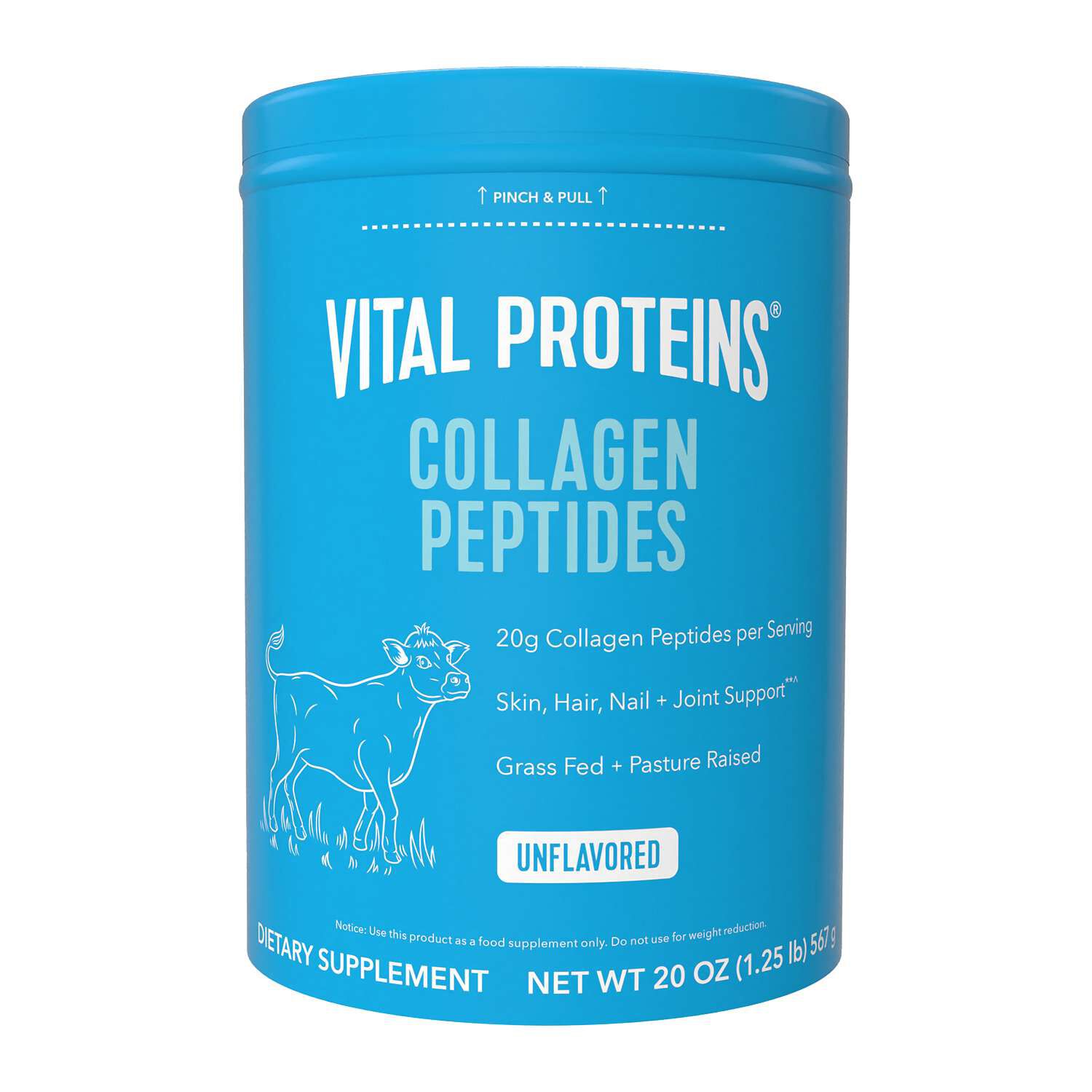
Collagen Magnesium Supplements For Protein Intake
(0 Results)
Collagen magnesium supplements for protein intake offer a convenient way to support your wellness goals. These unique blends combine collagen and magnesium, which may play a role in supporting an active lifestyle. Whether you are looking to add variety to your daily routine or seeking options that fit into your nutritional plan, collagen magnesium supplements for protein intake could be a versatile addition to consider. Explore different forms and flavors designed to fit a range of preferences and routines.
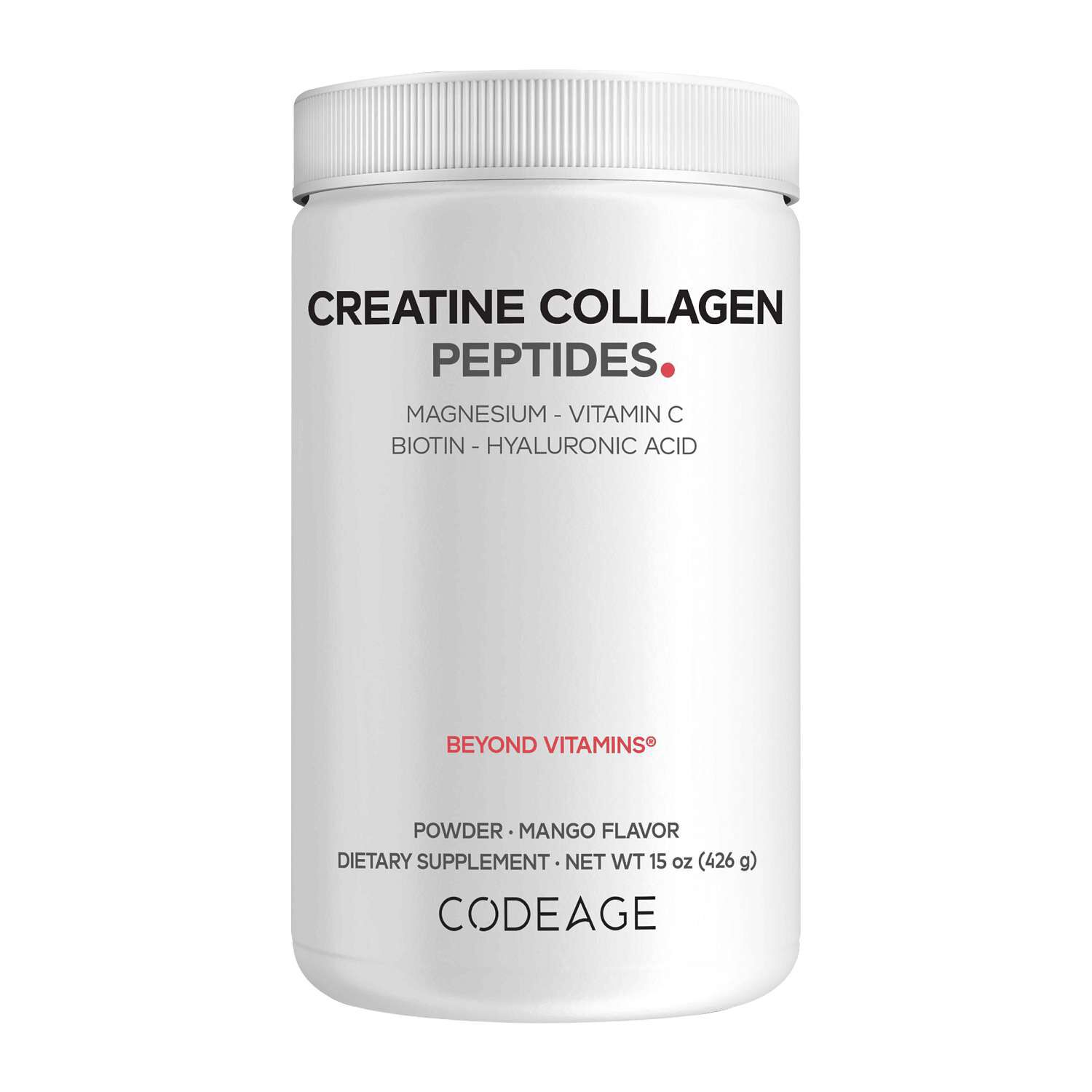
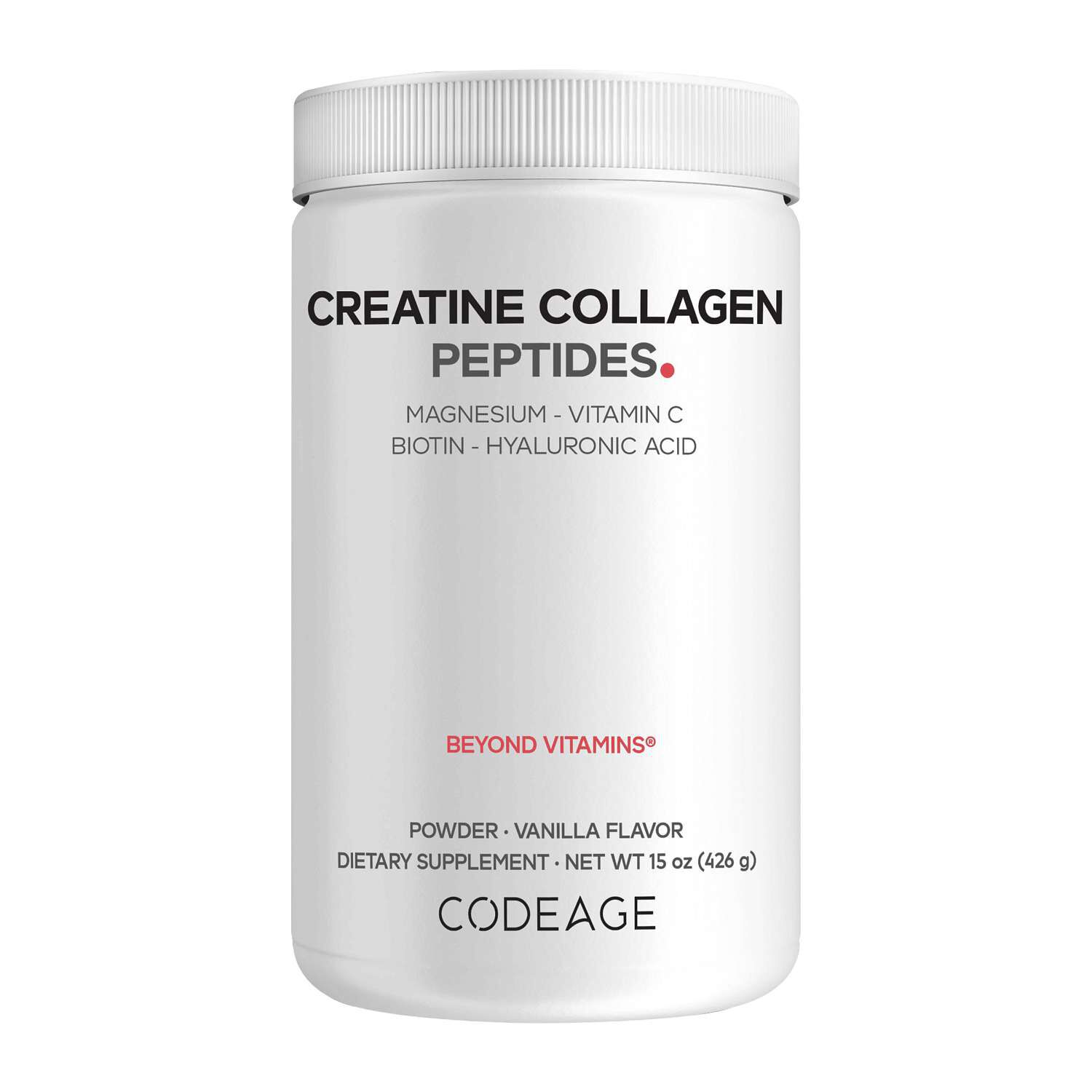
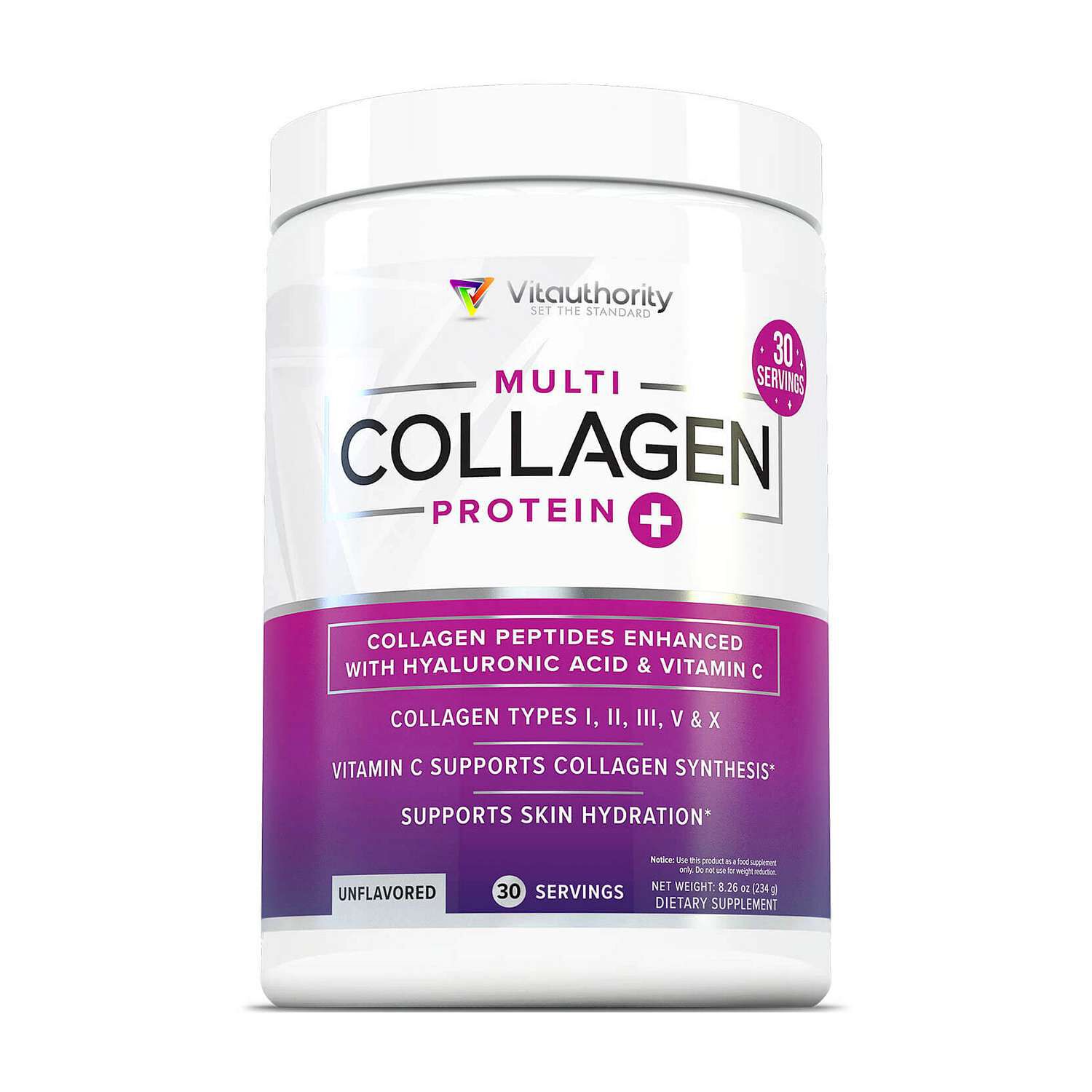
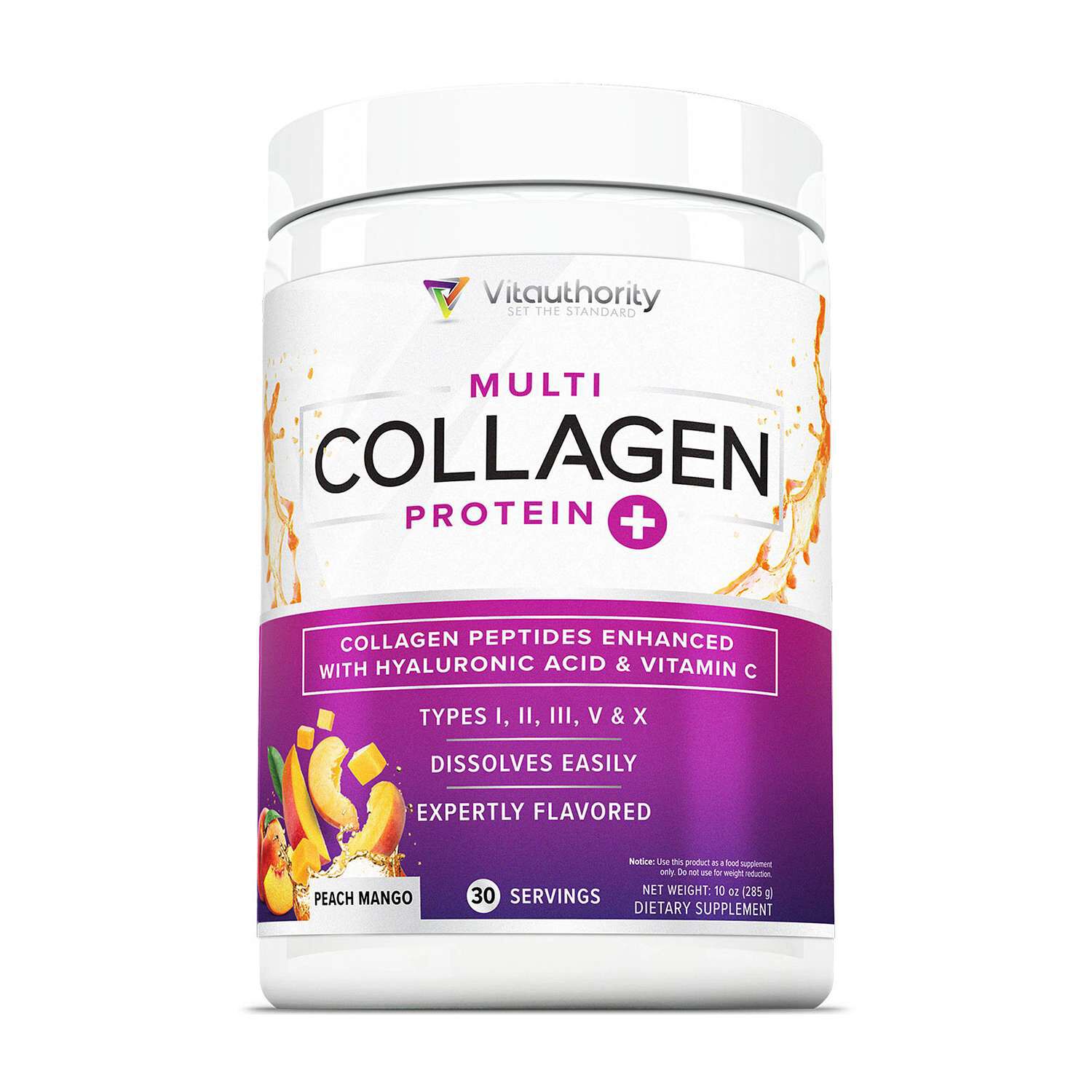
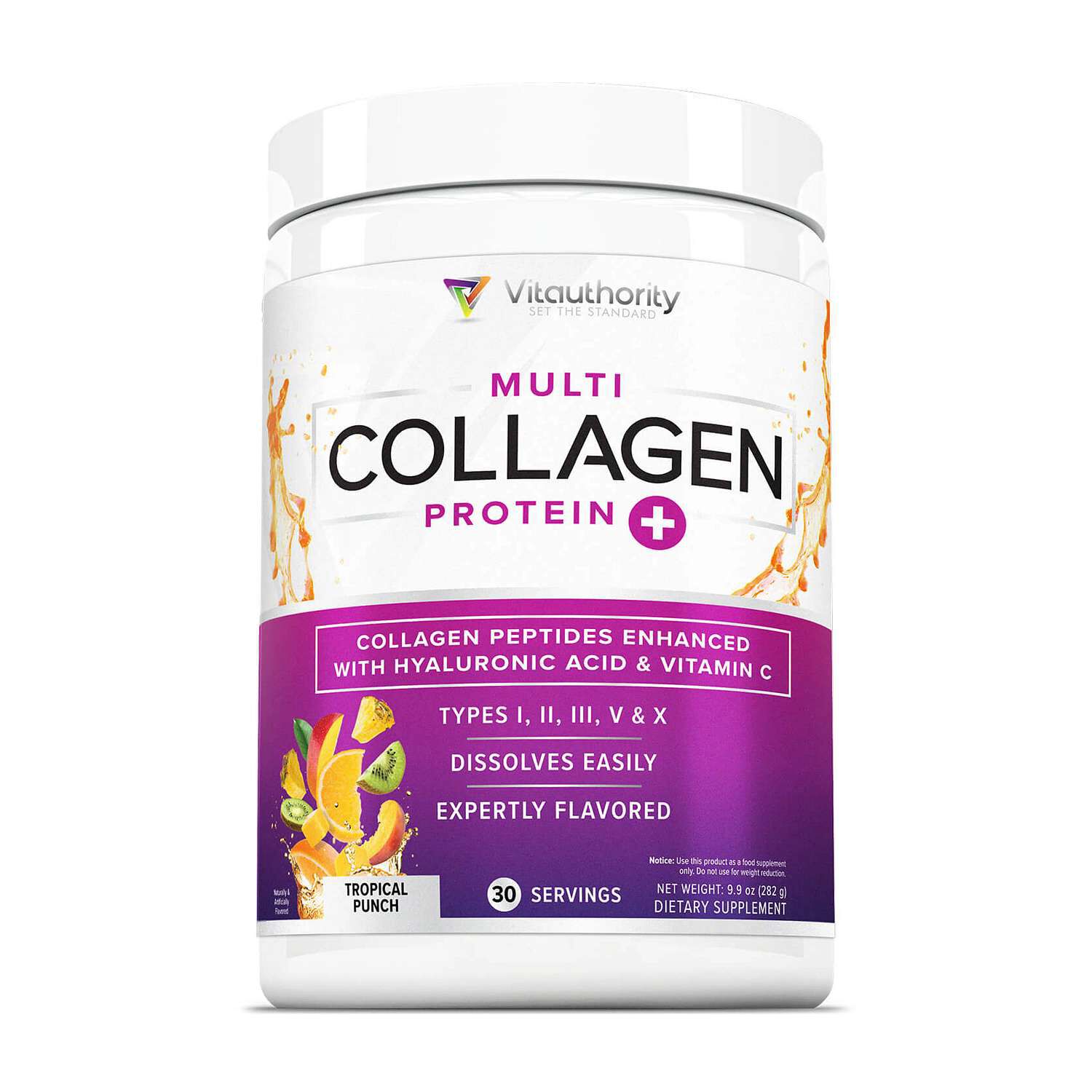

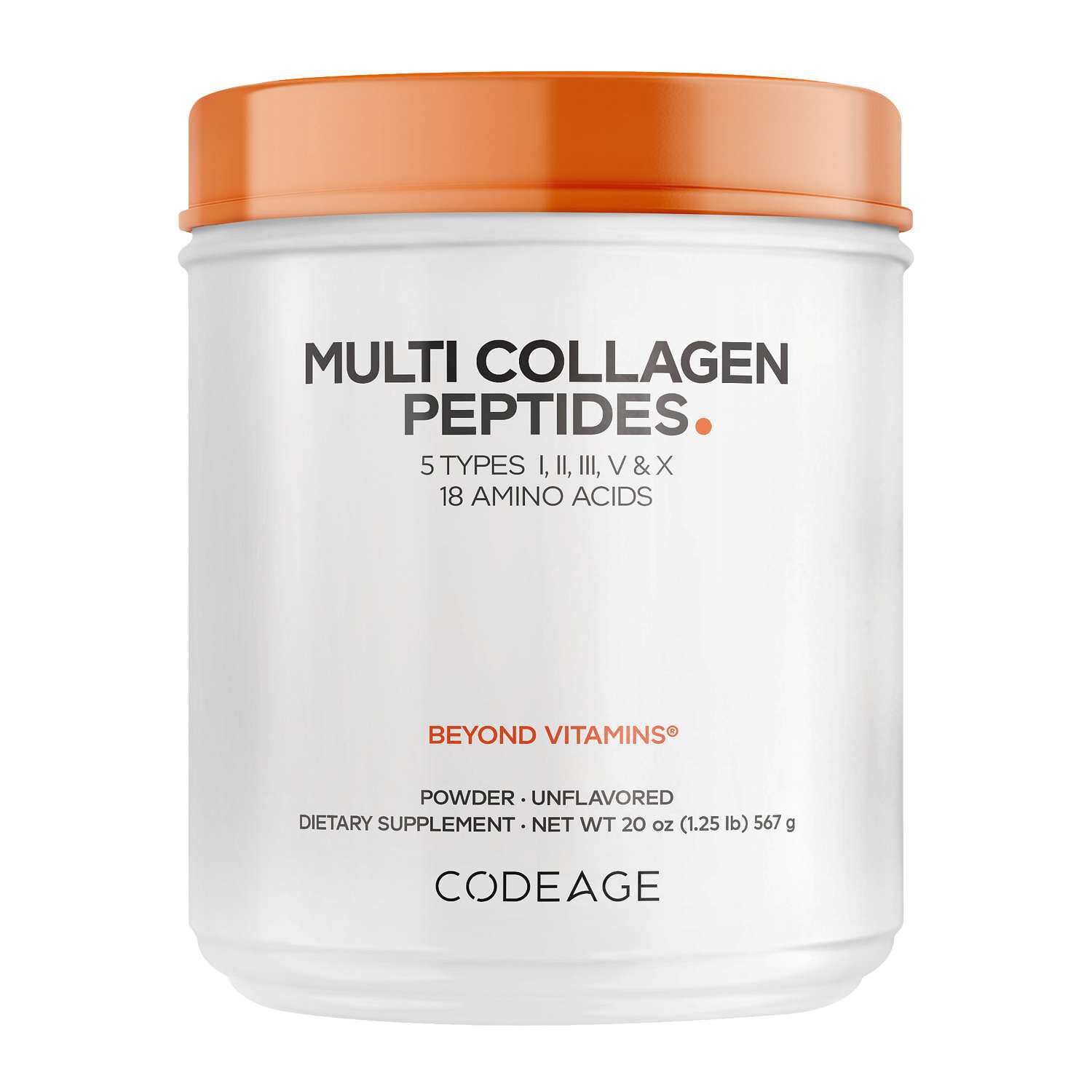

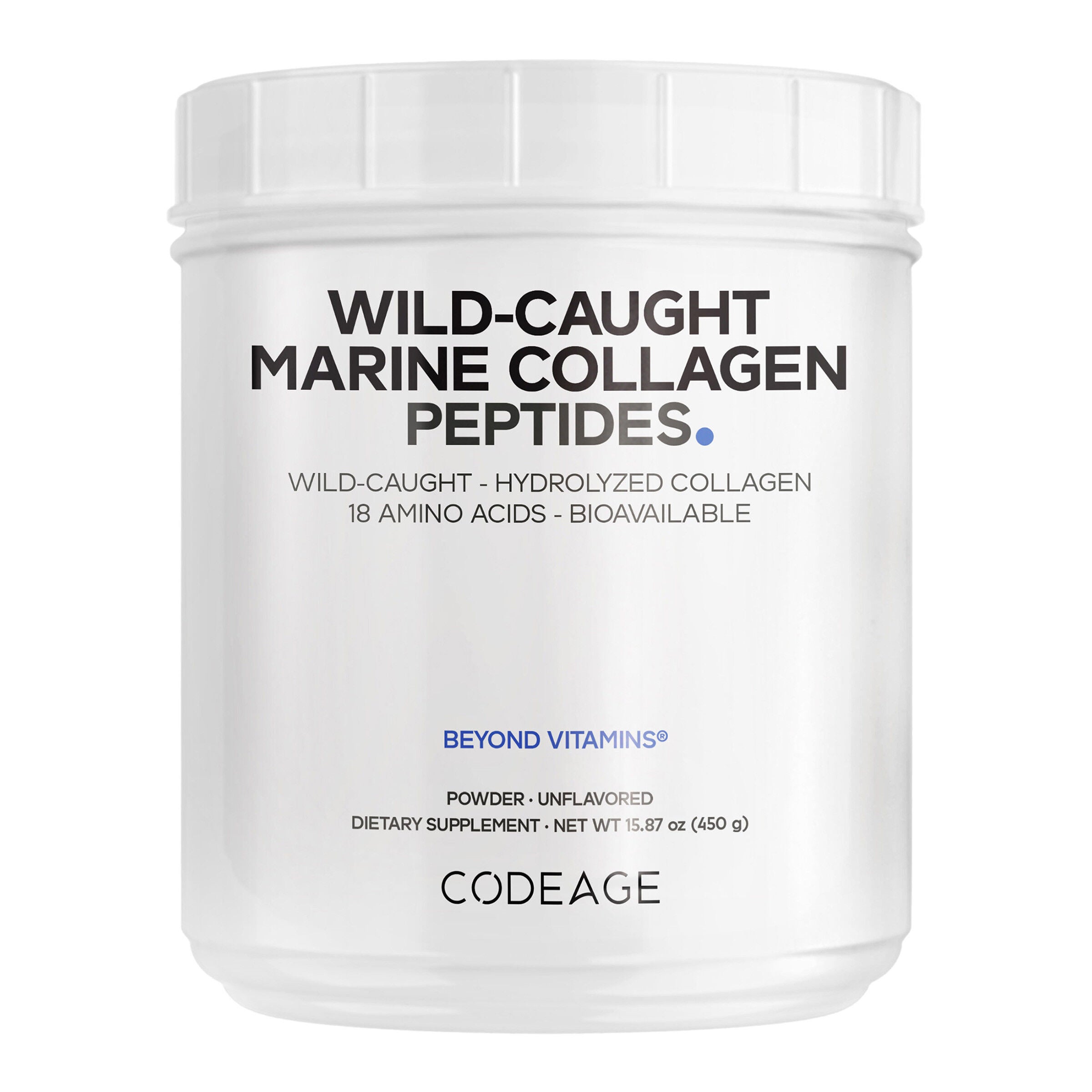
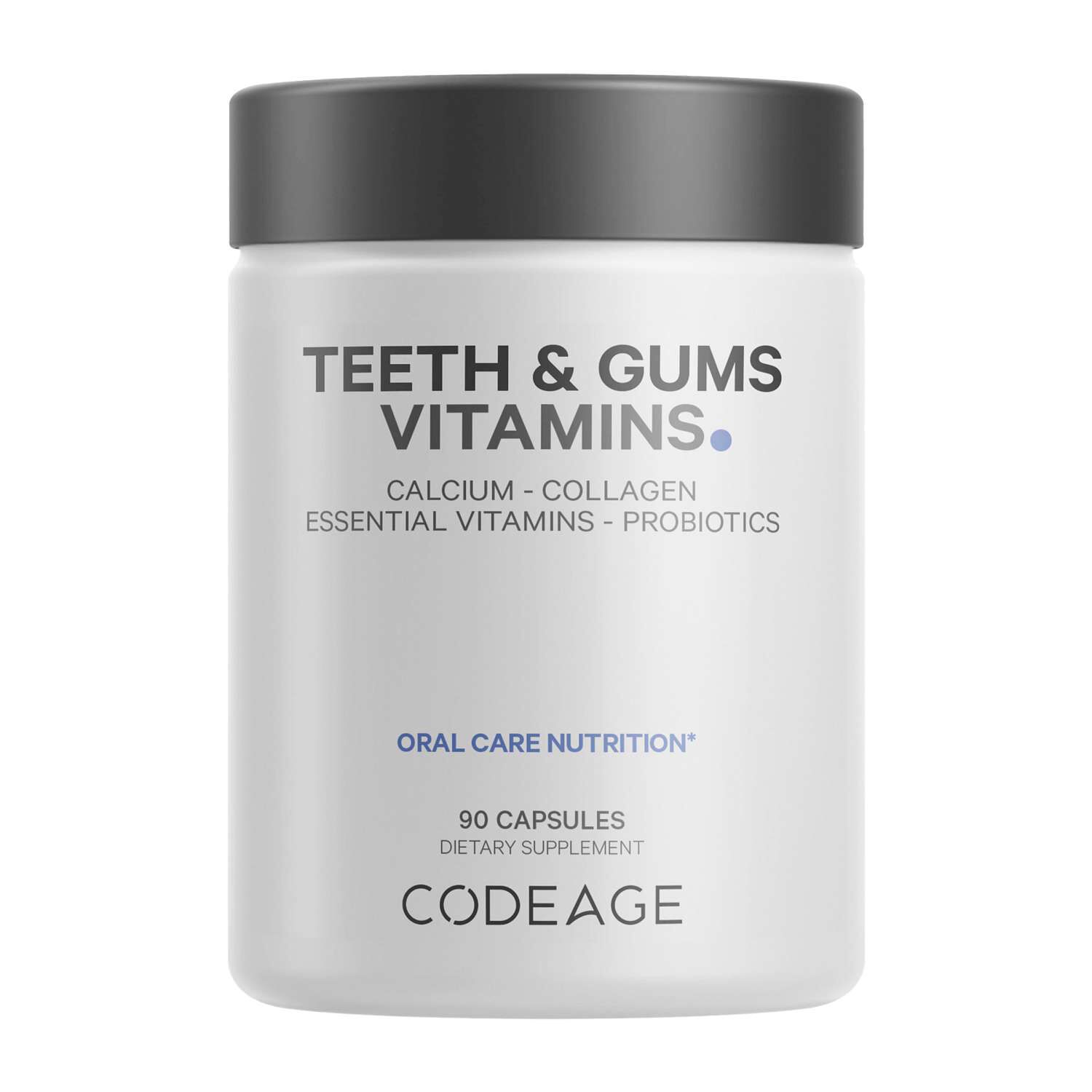
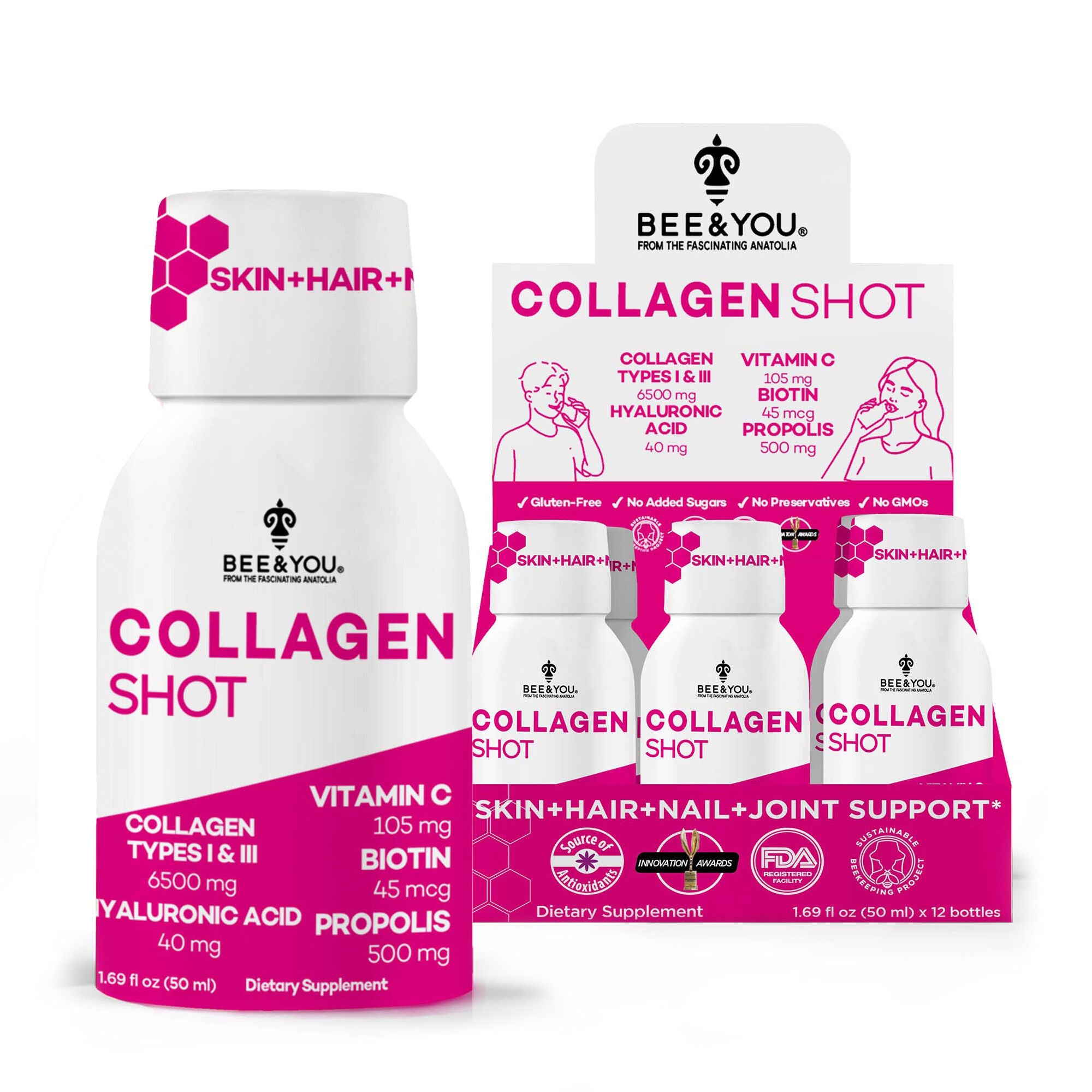
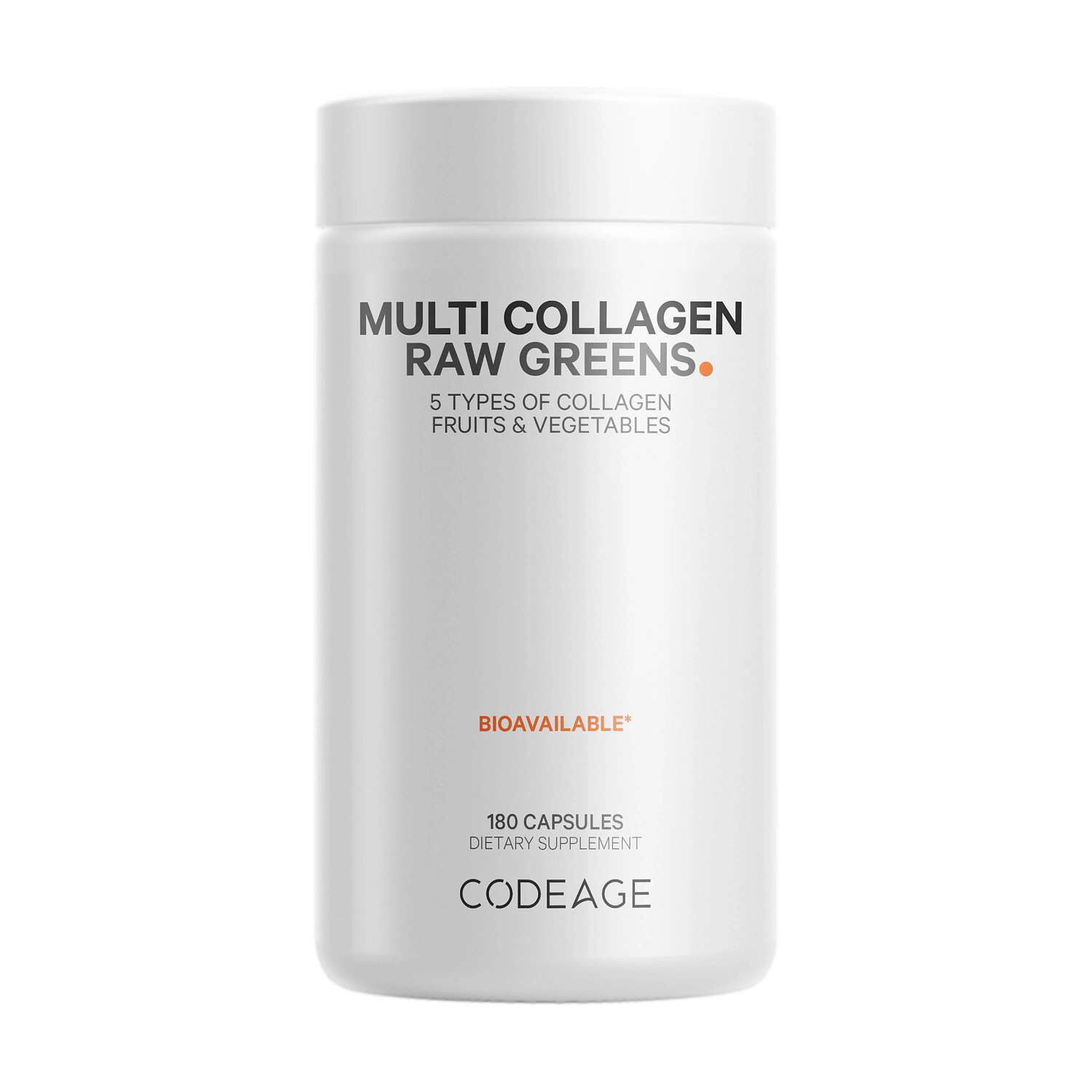
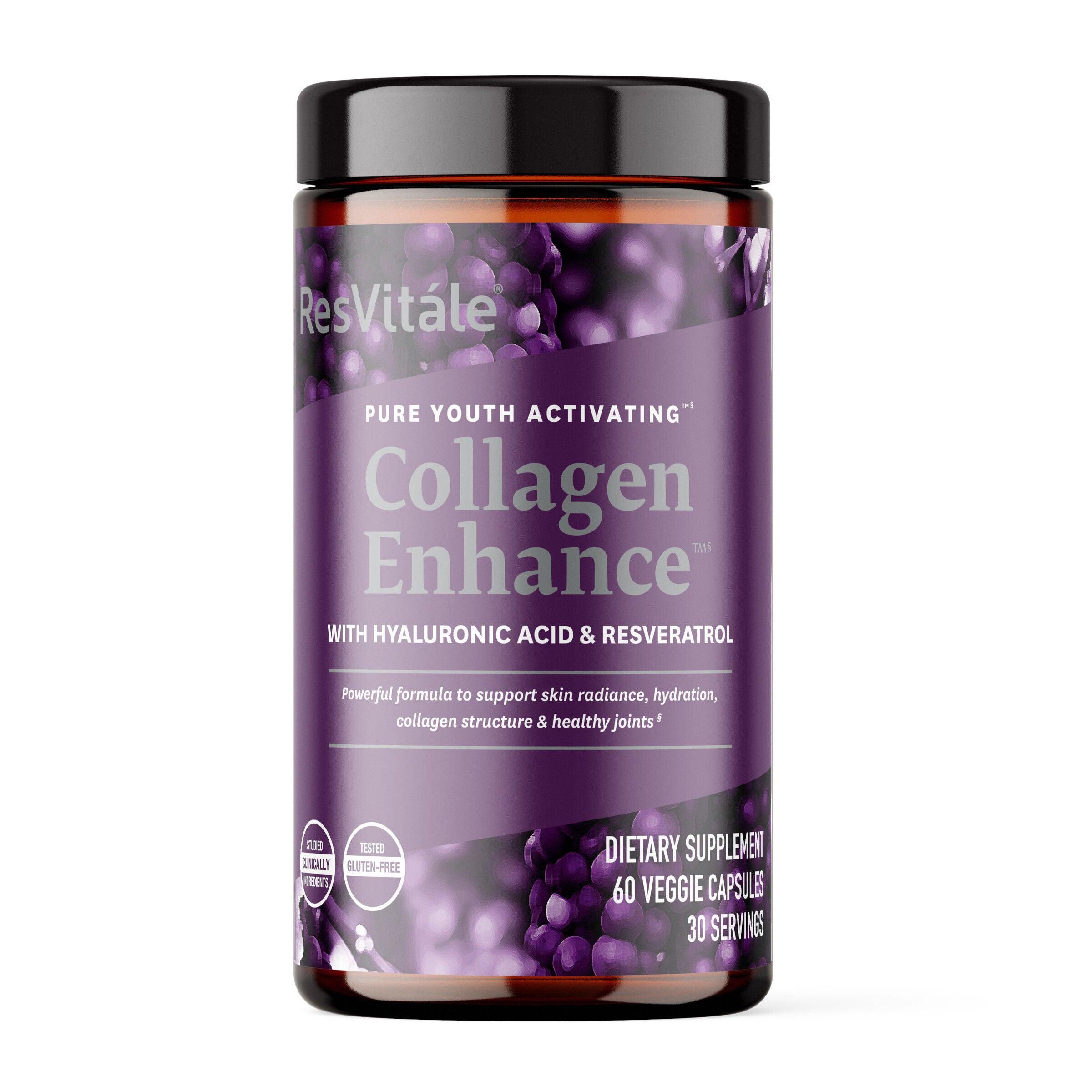

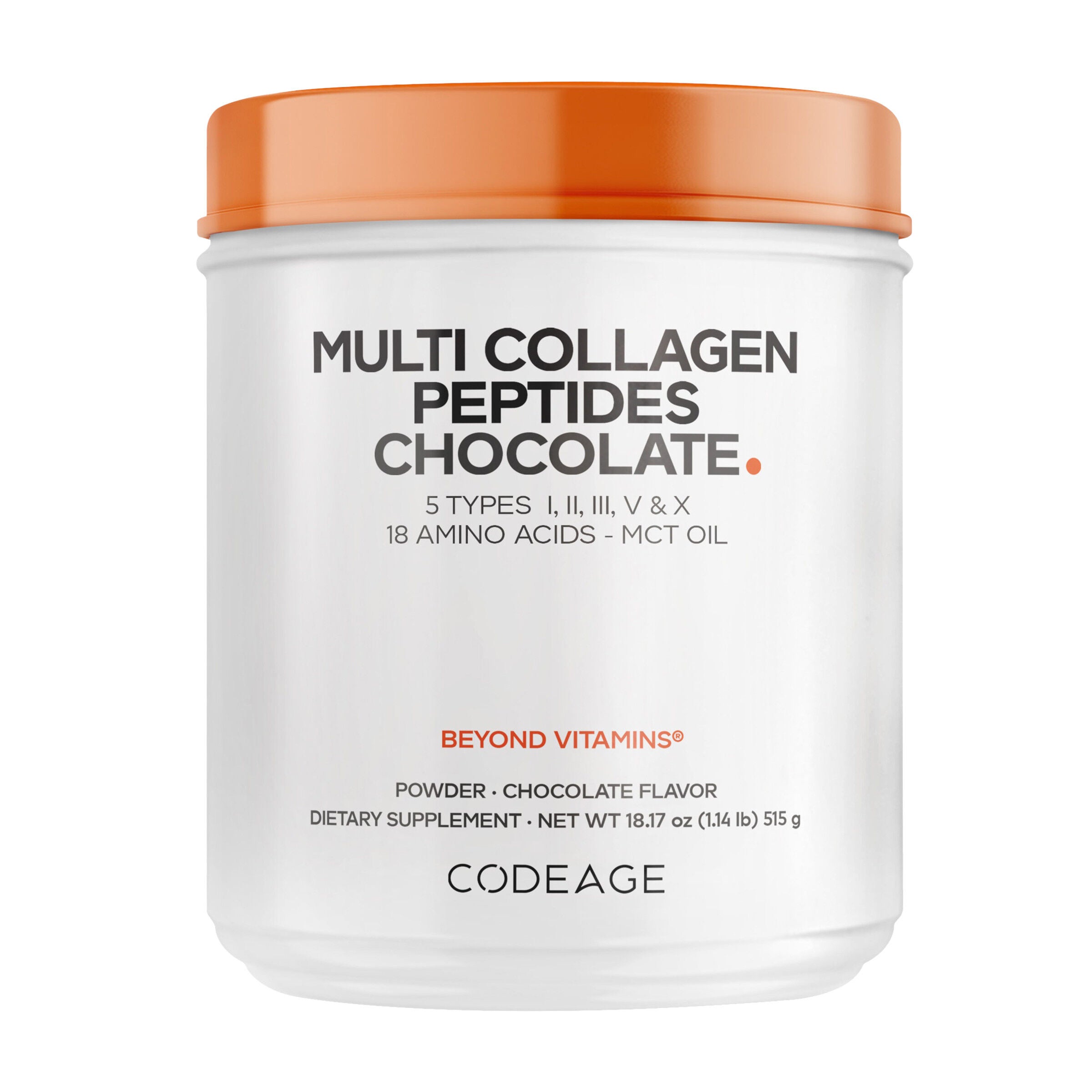
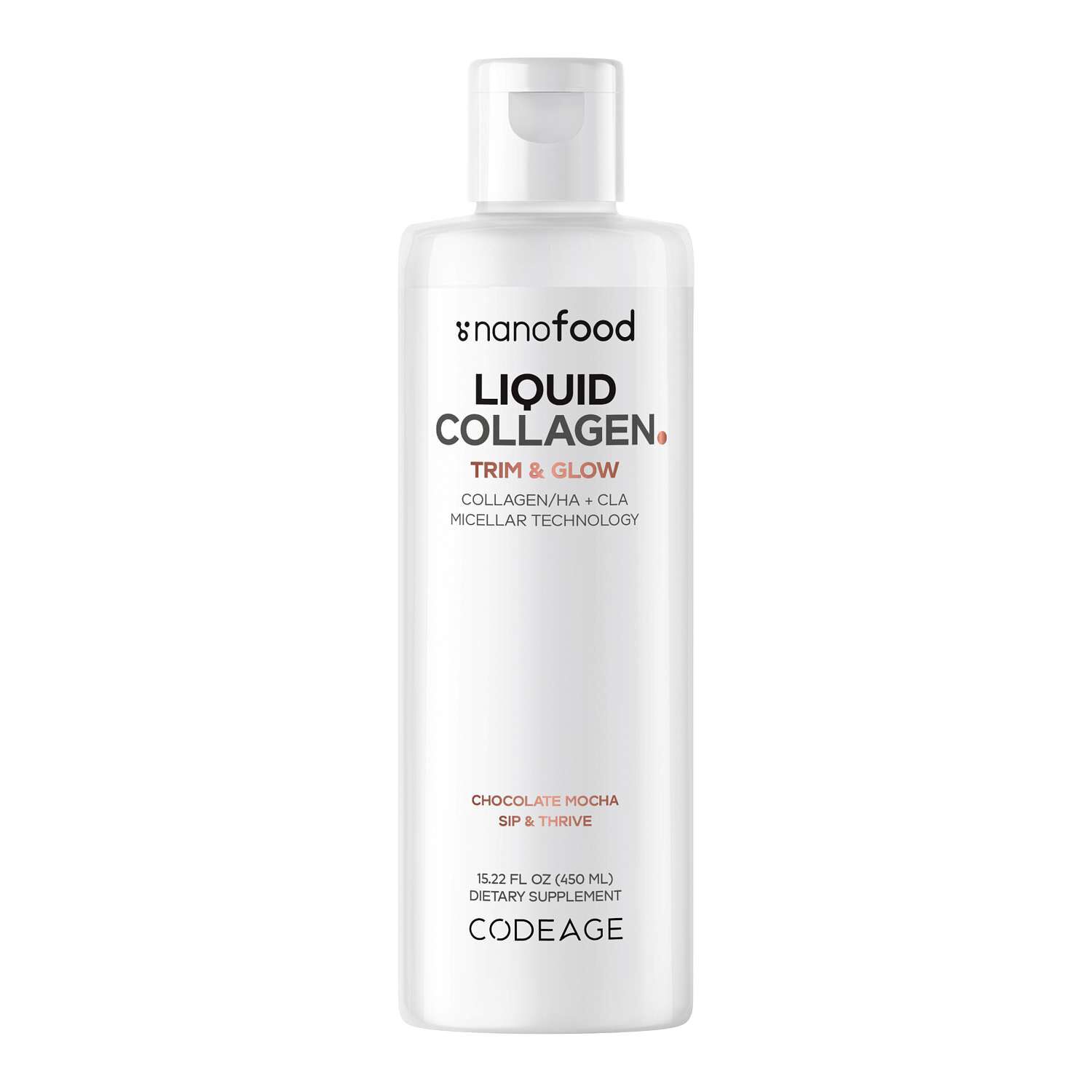


Collagen and magnesium supplements bring two distinct nutrition categories into the same routine: collagen is an animal-derived protein, while magnesium is a mineral that supplies no protein on its own. That distinction matters when comparing collagen magnesium supplements for protein intake. A formula containing both ingredients should be evaluated by its listed protein grams, not by the combined weight of its collagen, magnesium, and other ingredients. Collagen contains amino acids, particularly glycine, proline, and hydroxyproline, but its amino acid profile differs from proteins found in eggs, milk, soy, meat, and other foods. It generally contains little or no tryptophan and relatively modest amounts of leucine compared with many other protein sources. For that reason, collagen is not nutritionally interchangeable with every other protein powder, even when the serving sizes look similar. Its place is better understood within the broader mix of foods and beverages someone consumes, rather than as a substitute for a varied protein intake. For an adult who already enjoys yogurt at breakfast, beans at lunch, or fish at dinner, collagen powder may offer another way to add protein to a familiar drink or recipe. Someone comparing powders for a particular daily protein target will find the protein amount per serving more informative than the size of the scoop or the prominence of collagen on the front label. Magnesium belongs in a separate part of that comparison because its quantity is expressed in milligrams rather than grams of protein. A higher magnesium amount does not mean a higher-protein serving. Browsing Collagen Protein Powders For Daily Nutrition may be useful for comparing collagen-focused formats alongside a broader supplement routine. The most meaningful differences are often straightforward: the source of the collagen, the protein listed per serving, the other ingredients included, and how the format fits an ordinary meal or beverage.
Ingredient details give this category much of its variety. Collagen commonly comes from bovine, porcine, or marine sources, making the source relevant to dietary preferences and ingredient restrictions. Because collagen is animal-derived, it does not fit a vegan eating pattern, regardless of whether the powder is flavored or unflavored. Hydrolyzed collagen, also called collagen peptides, has been processed into smaller protein fragments; that description identifies the ingredient form rather than establishing a particular result from using it. Magnesium also appears in different forms, including citrate, glycinate, and oxide. The form name and the declared magnesium amount are separate label details, and neither changes the protein contribution of the collagen. On a Supplement Facts panel, the magnesium amount generally refers to elemental magnesium rather than the weight of the entire magnesium-containing compound. Powder, capsule, tablet, and chewable formats can also differ substantially in serving size. A capsule serving should not be assumed to contain the same protein quantity as a scoop of powder simply because both labels mention collagen. For a protein-focused comparison, the amount actually declared per serving remains the clearest starting point. Flavor and formulation deserve similar attention. An unflavored powder may suit someone who wants to keep a coffee or smoothie close to its usual taste, while a flavored powder may suit a simpler preparation with water or milk. Sweeteners, added sugars, dairy ingredients, and fish-derived ingredients are details that may influence that choice. Some formulas contain several additional vitamins or minerals, so comparing the full ingredient list gives a clearer picture than comparing the featured ingredients alone. Third-party testing information, when provided, adds another point of comparison. Different programs examine different attributes, such as ingredient identity, specified contaminants, or substances restricted in sports. The scope of the testing matters more than a broad impression created by a seal, and testing does not establish that a supplement will deliver a particular physical result. Clear source information, readable serving directions, and transparent nutrition labeling make a formula easier to evaluate on its actual contents.
Everyday use often comes down to texture, preparation, and a format that suits the space where a supplement will be kept. A powder intended for beverages may fit naturally beside a blender or coffee maker, while individually portioned formats may be more practical for a desk drawer or gym bag. Neither format is automatically a better protein choice; the serving information determines that comparison. In a smoothie made with milk or soy beverage, the drink’s protein comes from more than the collagen alone, so the base ingredients matter when calculating the amount in the finished serving. The same applies to yogurt bowls, oatmeal, and other foods used as a mixing base. Plain water adds no protein, while other ingredients can change both the nutrition and the consistency. Mixing directions are worth noting because powders differ in how readily they disperse. Some stir into a beverage with a spoon, while others may blend more evenly with a shaker or blender. Unflavored also does not necessarily mean undetectable: source ingredients, serving size, and the food or drink used can influence taste, aroma, and mouthfeel. A creamy smoothie and a simple glass of water present very different settings for the same powder. Storage is another practical consideration, particularly for a container that will be opened repeatedly. A tightly closed lid, a dry scoop, and storage according to the label may help limit moisture exposure and preserve the intended texture. Packaging dimensions and the number of servings also affect whether a container fits comfortably into a kitchen cabinet or a travel routine. For someone who already uses a separate magnesium supplement, a combined formula introduces another magnesium amount to account for alongside the rest of the routine. A collagen-only powder and a collagen-plus-magnesium formula therefore deserve separate label comparisons, even if their flavor descriptions sound alike. Across these options, the strongest match is not necessarily the longest ingredient list. It is the format whose protein content, collagen source, magnesium amount, taste, and preparation requirements align with the shopper’s stated preferences and everyday eating habits.
Best Sellers
-
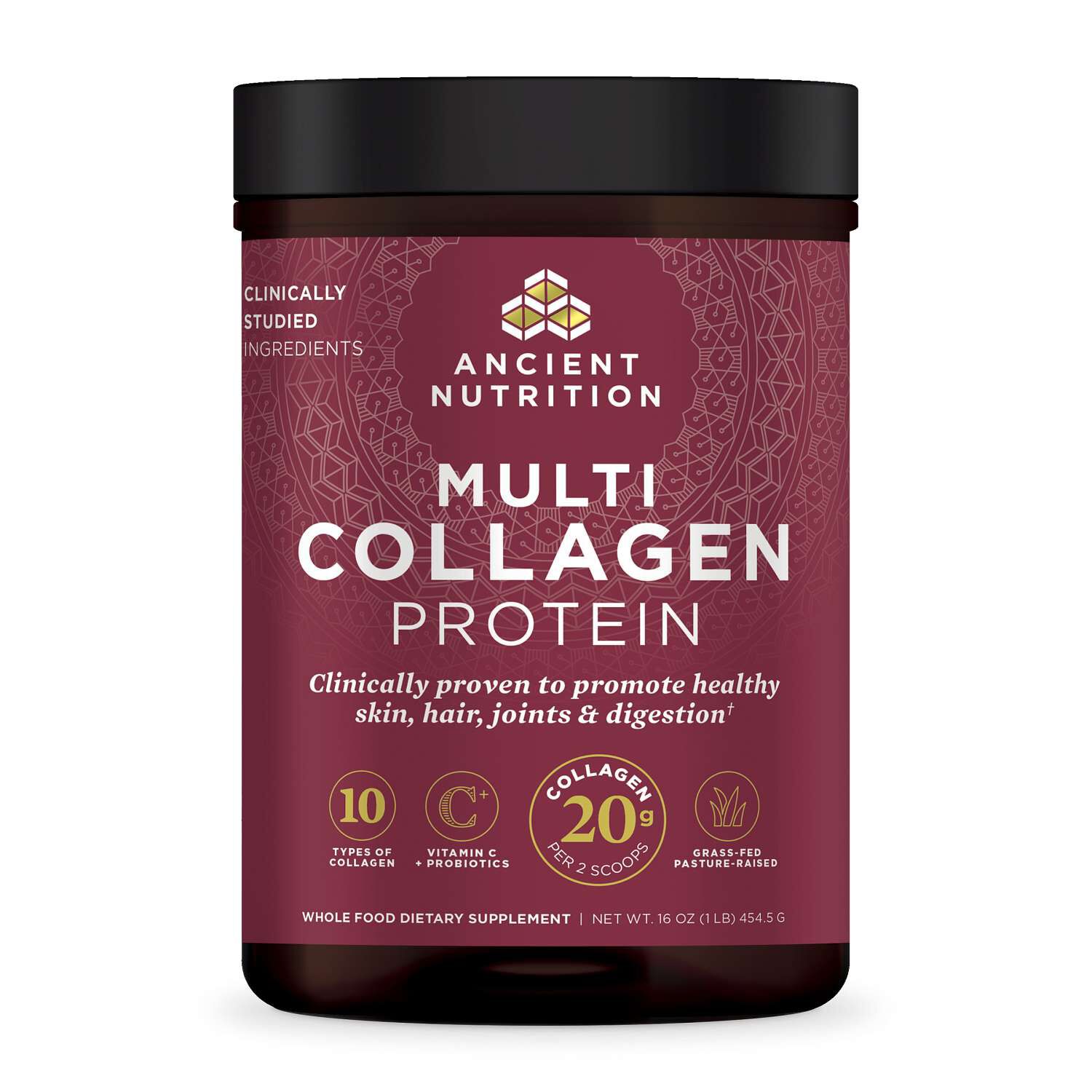 Ancient Nutrition
-
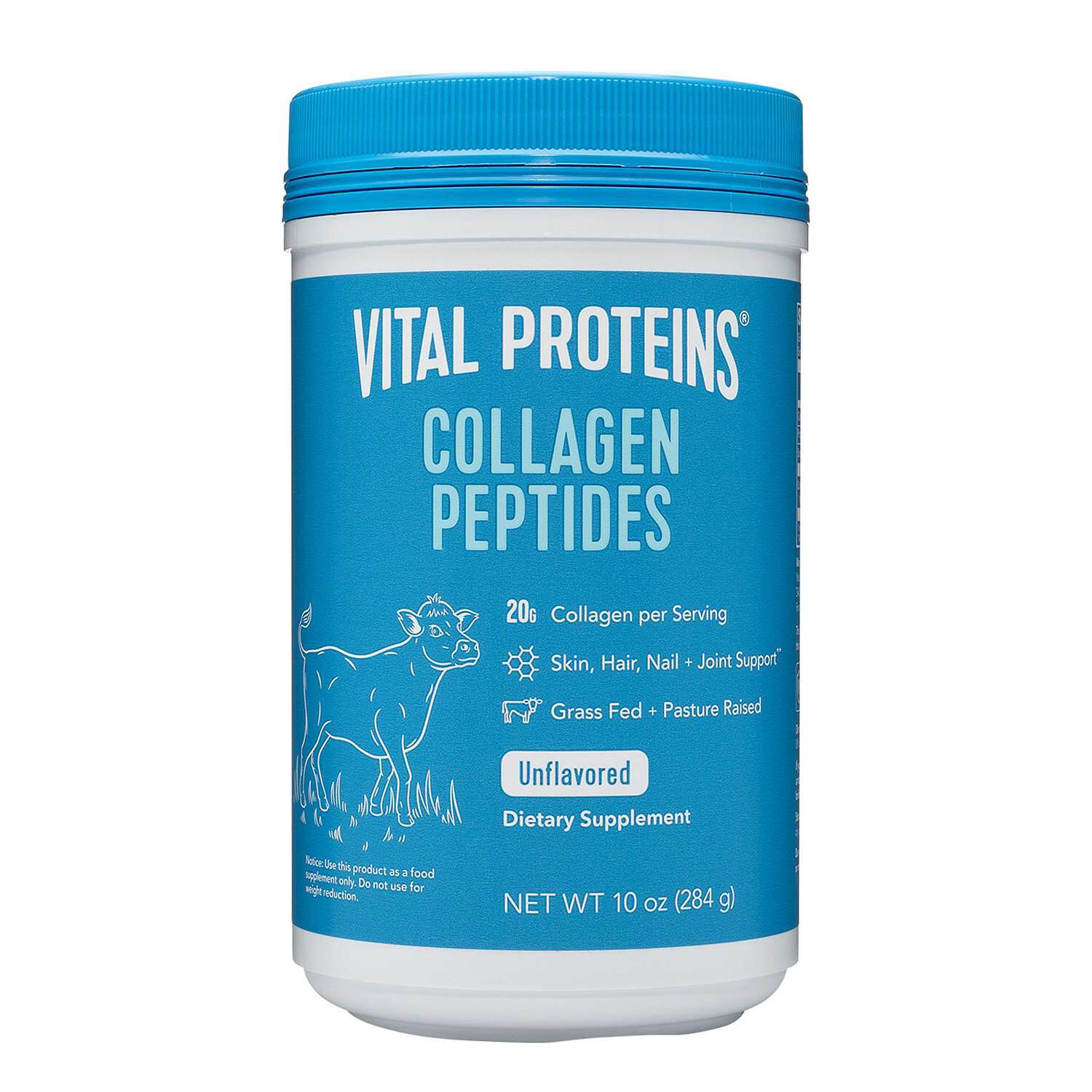 Vital Proteins