Corn Free Vitamins And Supplements
(0 Results)
Looking for vitamins and supplements that are free from corn-derived ingredients? You've come to just the right place! Our selection of corn-free vitamins and supplements is perfect for individuals with corn allergies or sensitivities, as well as those looking to avoid corn-based additives in their daily health regimen. Whether you're searching for a specific vitamin, mineral, or supplement without corn fillers, colors, or preservatives, we have a variety of options to support your overall wellness goals. Shop our collection of corn-free products and take another step towards a healthier you today.
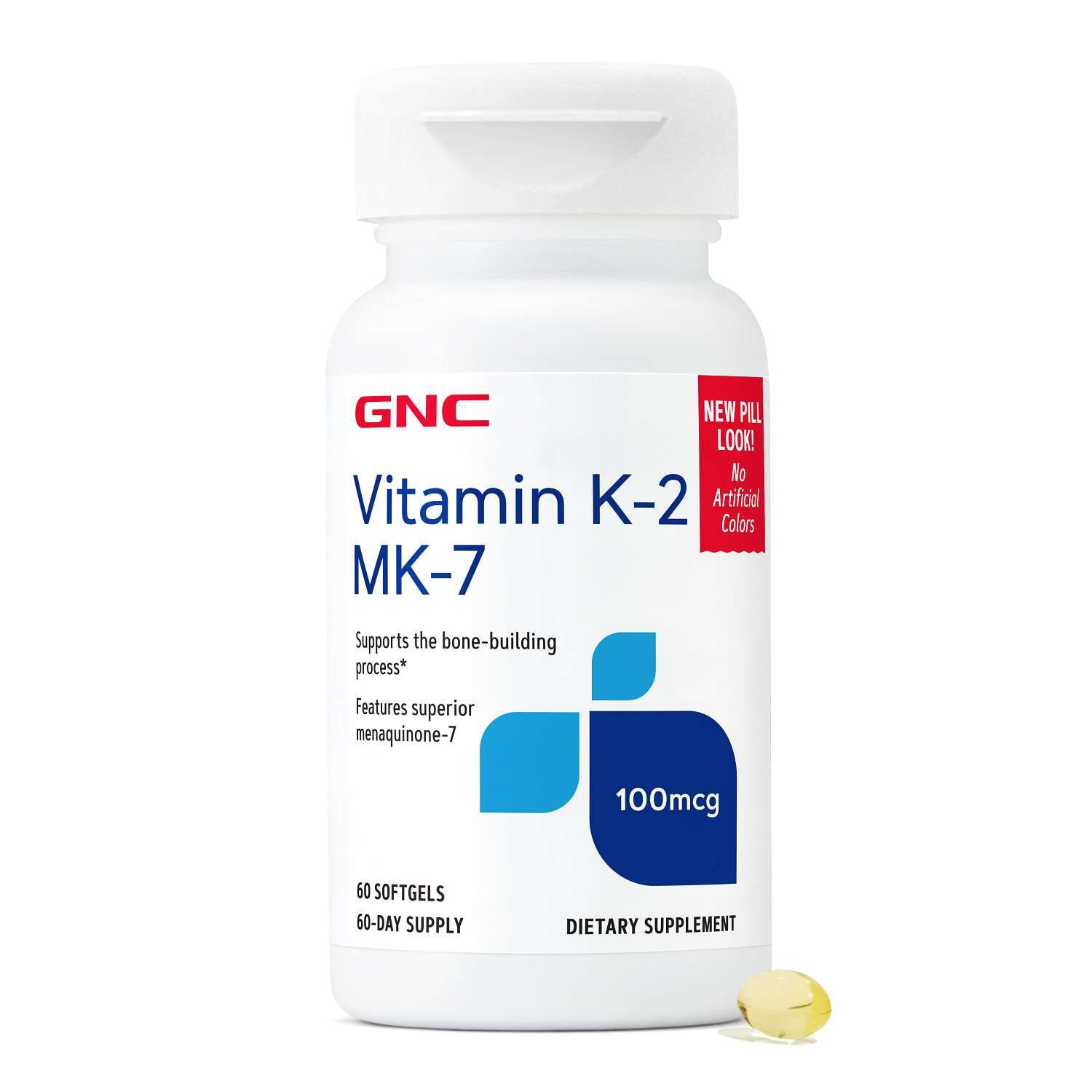


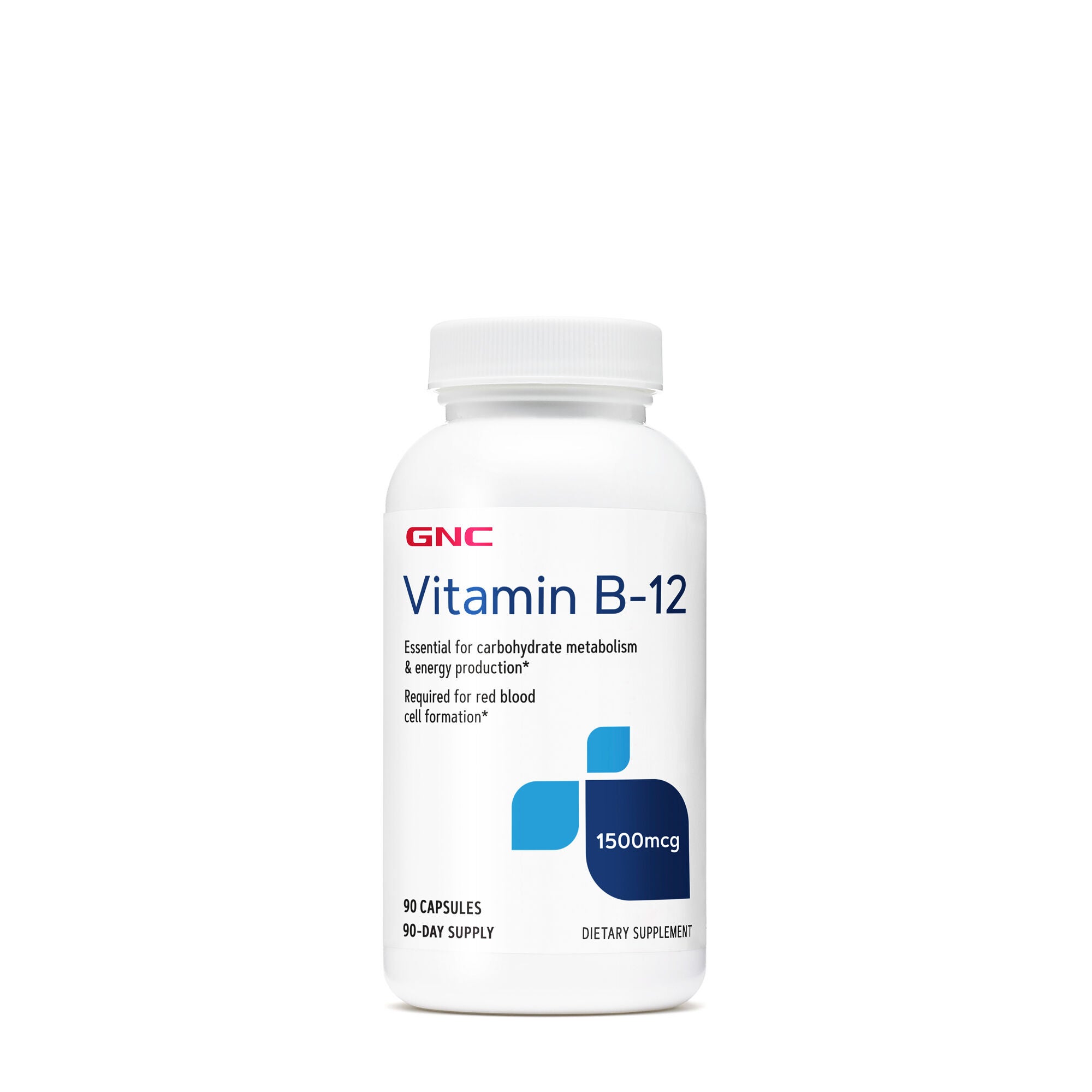
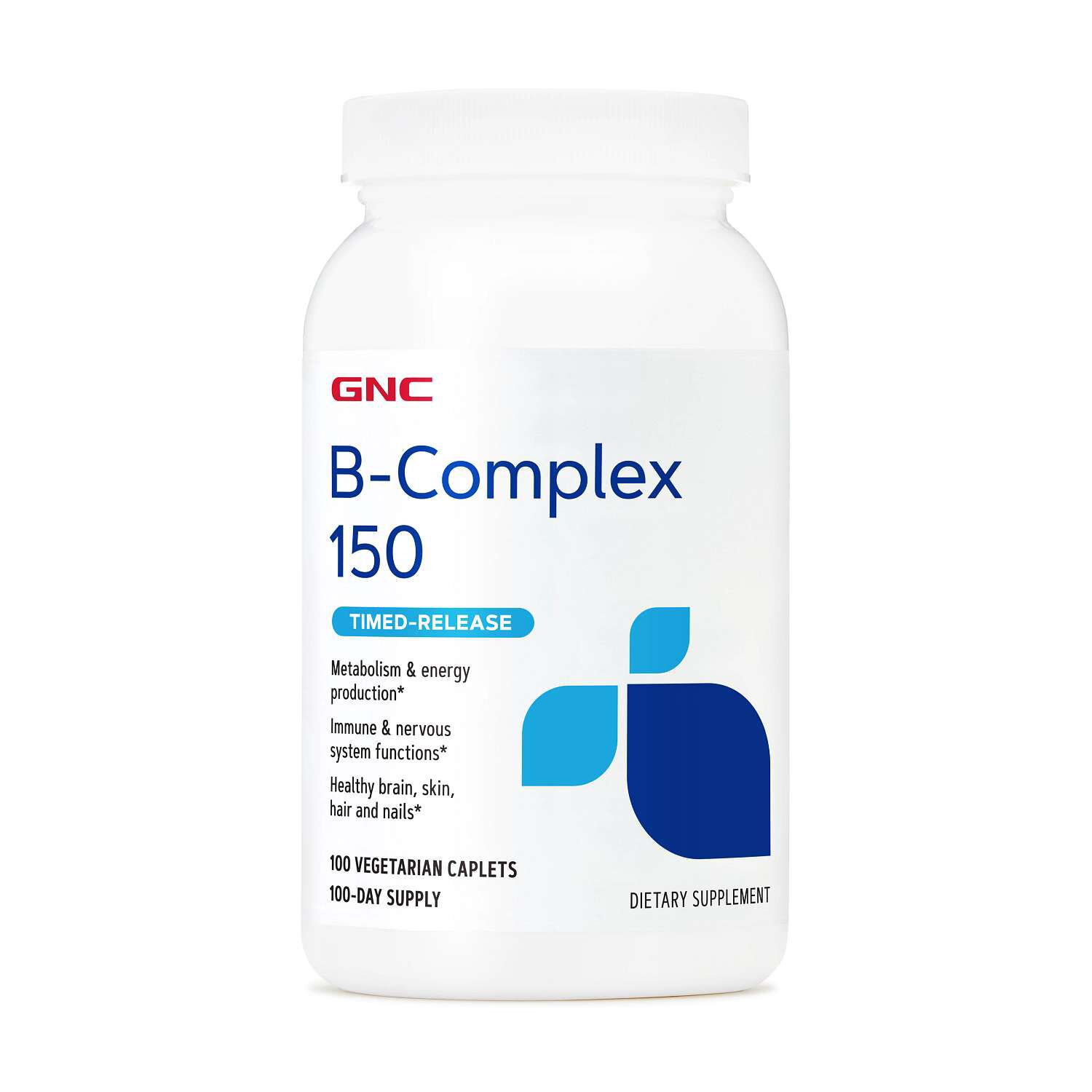


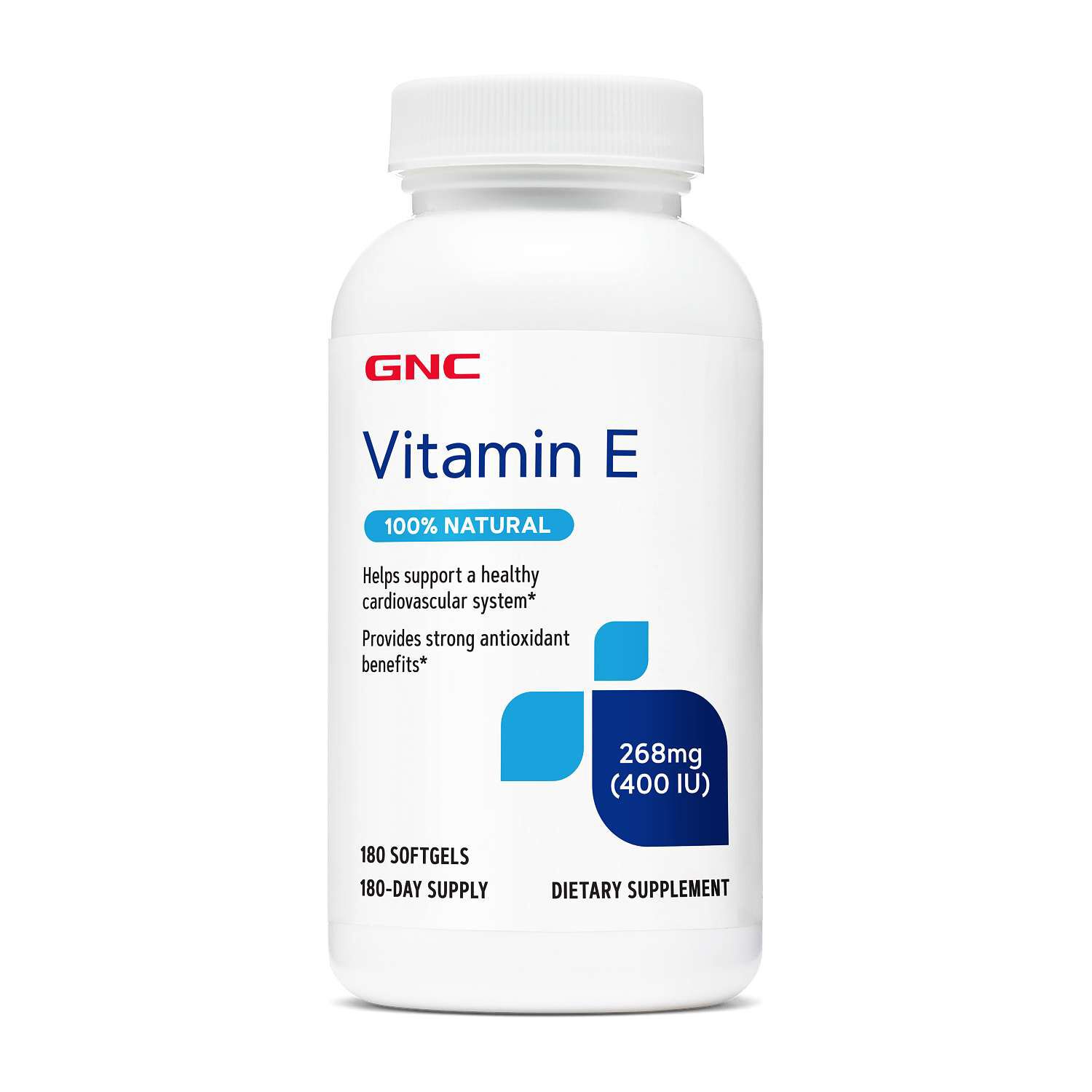


Vitamins and supplements made without corn are intended for shoppers who want to leave corn and corn-derived ingredients out of their supplement routine. That preference involves more than looking for the word “corn” on a bottle. A formula contains its named vitamins, minerals, or other dietary ingredients, along with ingredients used to form a tablet, fill a capsule, create a flavor, or keep a powder evenly blended. Corn can be a source for some of those ingredients, but an ingredient’s name does not always identify its agricultural origin. Maltodextrin, for example, can come from corn or another starch source, while the starting materials used to manufacture certain vitamins may also vary. Ascorbic acid identifies a form of vitamin C; the name alone does not establish whether corn was involved in making it. Citric acid and some sweeteners likewise call for sourcing information beyond the front label when corn avoidance is a priority. Cellulose should not automatically be treated as corn-derived, either, because it can originate from different plant materials. These distinctions make ingredient transparency a meaningful part of comparing supplements made without corn. The Supplement Facts panel describes dietary ingredients and amounts per serving, while the other ingredients list provides additional details about the finished formula. Neither necessarily explains every raw material or processing step. A clear statement from the manufacturer about corn sourcing offers different information from a short ingredient list or a general plant-based description. For someone comparing a daily multivitamin with a single-nutrient capsule, the relevant details include both the nutrient composition and the ingredients surrounding it. A capsule with only a few listed ingredients may be easier to review, but a shorter list does not, by itself, establish that the formula was made without corn. The most useful product information connects the ingredient names on the package with a specific explanation of their sources.
Format adds another layer to the comparison because tablets, capsules, gummies, liquids, and powders have different construction and handling needs. Tablets often include binders, coatings, and ingredients that help the mixture move through manufacturing equipment. Capsules have a shell as well as the contents inside, so shell composition belongs in the ingredient review alongside any added filling materials. Gummies commonly include sweeteners, flavorings, colors, and a gelling ingredient, each with its own sourcing considerations. Liquids can contain carriers, preservatives, or flavor blends, while powders range from simple unflavored formulas to blends with several added ingredients. No format is inherently made without corn, and a familiar texture or an unflavored label is not a substitute for sourcing details. Everyday preferences still matter once those details are established. Someone who keeps supplements in a kitchen cabinet may prefer a compact bottle, while someone who routinely packs a work bag may value a tightly closing container and clearly printed serving directions. A powder introduces mixing and measuring into the routine; a liquid may have storage instructions that differ before and after opening. Serving size also deserves attention because the amount listed in the Supplement Facts panel may refer to more than one capsule, tablet, or gummy. Comparing the stated serving rather than a single piece makes the package information easier to interpret. For shoppers choosing among multivitamins, individual vitamins, minerals, or other supplement categories, the intended use and labeled audience are additional points of distinction. An adult formula and a children’s formula should not be treated as interchangeable simply because both have a similar corn-related statement. Packaging condition, the printed date, and storage directions matter as well. The original container keeps the ingredient list, lot number, and directions together, which is especially useful when a sourcing question comes up after purchase. Following the package’s handling instructions may help preserve the product’s intended quality, and keeping the label accessible makes later comparisons more straightforward.
Corn avoidance can overlap with other ingredient preferences, but those preferences need separate confirmation. A vegan description concerns animal-derived ingredients, not whether corn was used, and an organic designation does not establish the absence of corn. Similarly, a statement about wheat or dairy does not answer a question about a corn-derived carrier or sweetener. Shoppers also comparing vitamins made without dairy can review each requirement independently rather than assuming that one ingredient exclusion covers another. This is particularly relevant when several people in a household use different supplements or when similar-looking bottles sit beside one another. A clearly labeled container and a formula that matches the intended user’s preferences are more useful than a broad impression that a product is “simple” or “natural.” For corn-related questions, manufacturer information is most informative when it distinguishes between intentionally added ingredients, the sources of compound ingredients, and manufacturing practices. A statement that corn is not added directly does not necessarily explain whether a vitamin raw material, flavor carrier, or processing aid has a corn origin. Information about shared equipment addresses a different part of production and should not be read as an ingredient list. When the label leaves those distinctions unclear, a product name and lot number give the manufacturer a concrete starting point for a sourcing inquiry. Written information tied to the specific formula is more relevant than assumptions based on another supplement in the same category. Ingredient sources and formulations can change, so a familiar bottle still merits a fresh look at the printed details when it is replaced. For someone restocking a pantry shelf or organizing a daily routine, that review can become a practical part of comparing products rather than relying on memory. Vitamins and supplements made without corn are best understood through this combination of nutrient information, ingredient origins, format, and documented production details. Together, those details provide a more grounded basis for selecting a supplement that fits a shopper’s stated preferences and everyday habits.