





Iron Supplements Without Corn
(0 Results)
Finding iron supplements without corn may be important for those with dietary sensitivities or specific preferences. Explore a variety of options that are formulated to help support your daily wellness routine while aligning with your needs. Iron supplements without corn could be a suitable choice for anyone looking to avoid certain ingredients as part of their supplement regimen. Discover convenient ways to add iron to your day and choose products designed with your lifestyle in mind.
-

-

-
-

-
-

-
-
-
-
-
 $16.99
-
 $17.99
-
 $15.99

Iron supplements without corn bring ingredient sourcing into focus, alongside the form and amount of iron in each serving. For shoppers who avoid corn, the relevant details extend beyond the mineral named on the front of the bottle. A finished supplement includes an iron source and may also contain capsule materials, binders, coatings, flavorings, or other supporting ingredients. Those ingredients help give a product its shape, texture, or consistency, and their origins matter when corn is excluded from a personal eating routine. Corn starch is a recognizable label entry, but names such as maltodextrin, modified food starch, dextrose, or citric acid do not always identify the starting material. Depending on the ingredient and manufacturing process, different sources may be used. The presence of one of these names alone does not establish that an ingredient comes from corn, just as an unfamiliar ingredient name does not establish that corn is absent. This distinction makes a clearly stated corn exclusion more informative than assumptions based on a short ingredient list. The Supplement Facts panel identifies the iron amount and serving size, while the Other Ingredients section describes additional components of the finished formula. Both panels contribute to understanding the product, although neither necessarily explains every sourcing detail. Manufacturer information can add context about raw materials, capsule shells, processing aids, and production practices when the package leaves questions unanswered. Statements about ingredients and statements about shared manufacturing equipment also address different concerns; one does not automatically answer the other. Even familiar packaging deserves a fresh look when replacing a bottle, since ingredient sources and formulas can change. For this category, a useful product description connects the stated corn exclusion to the exact formula rather than relying on broad language about simplicity or purity. That specificity gives shoppers a more practical basis for comparison than appearance, capsule color, or the number of ingredients alone.
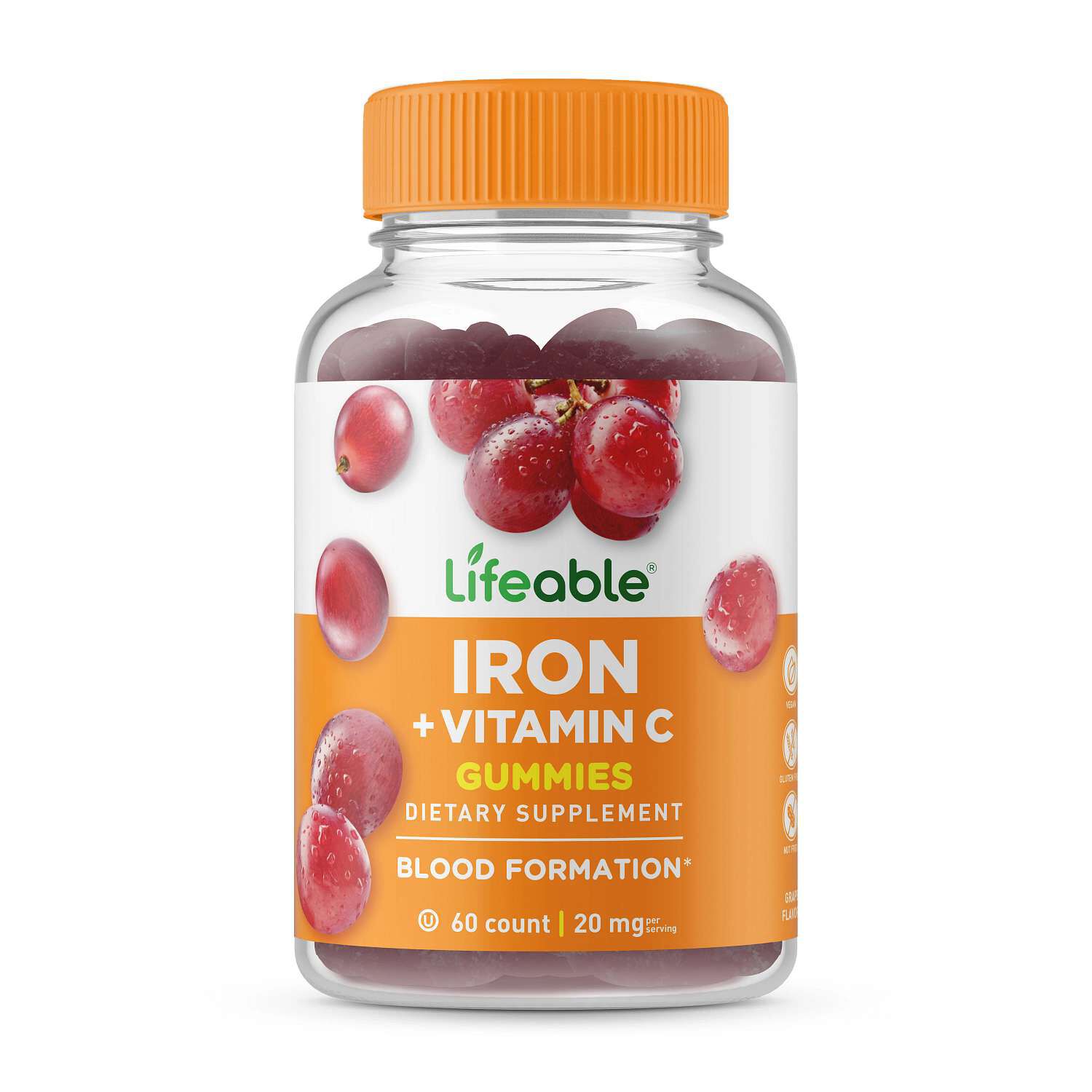
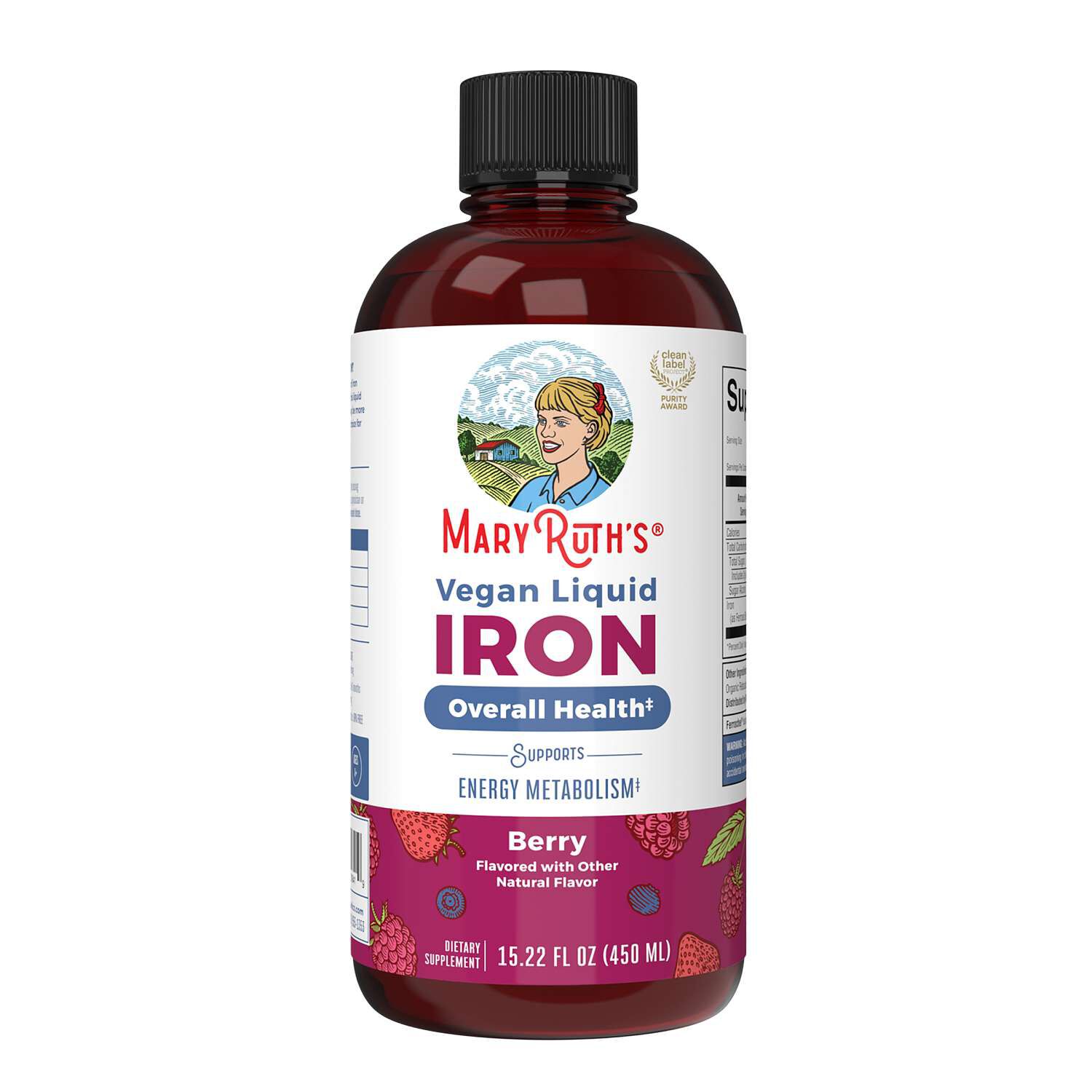
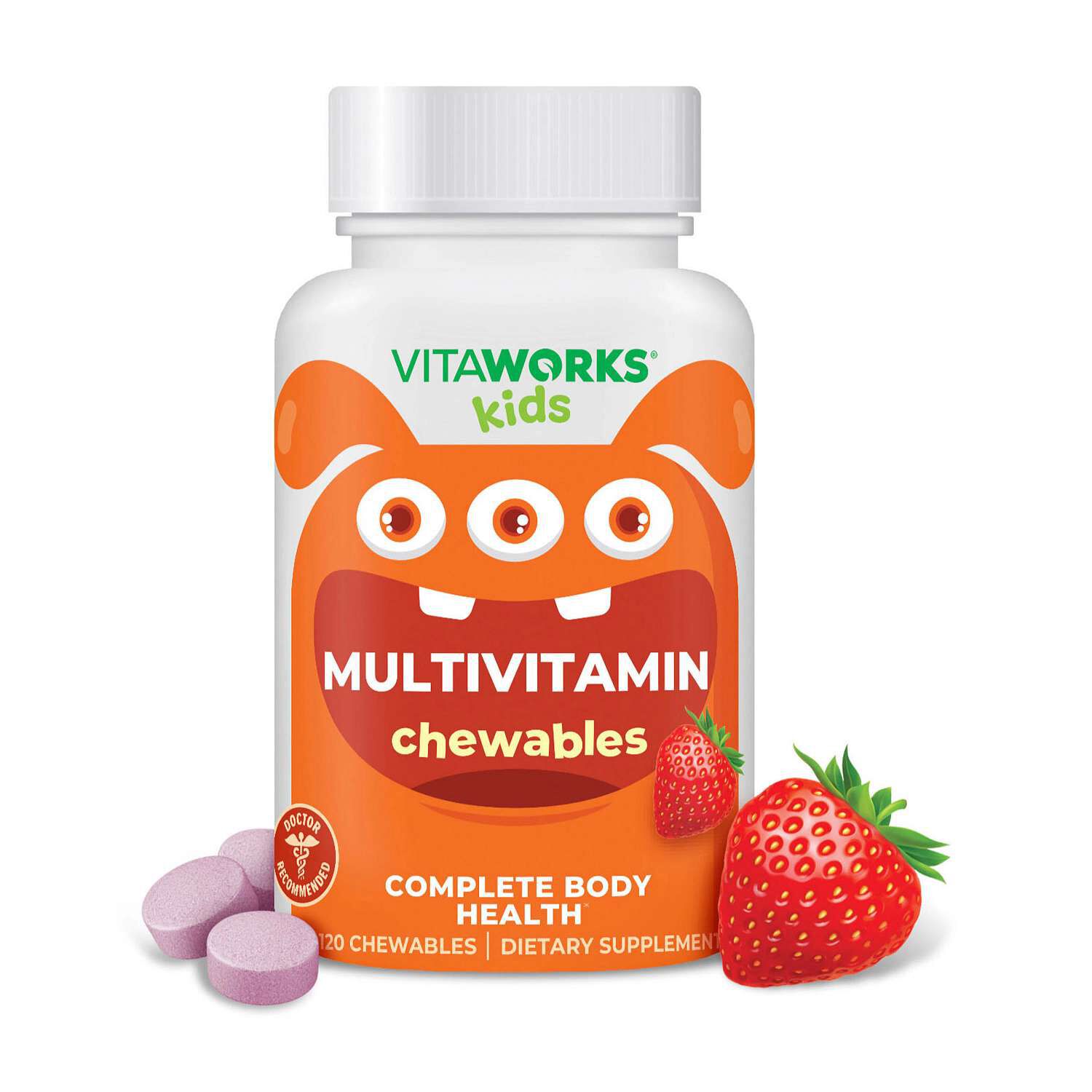
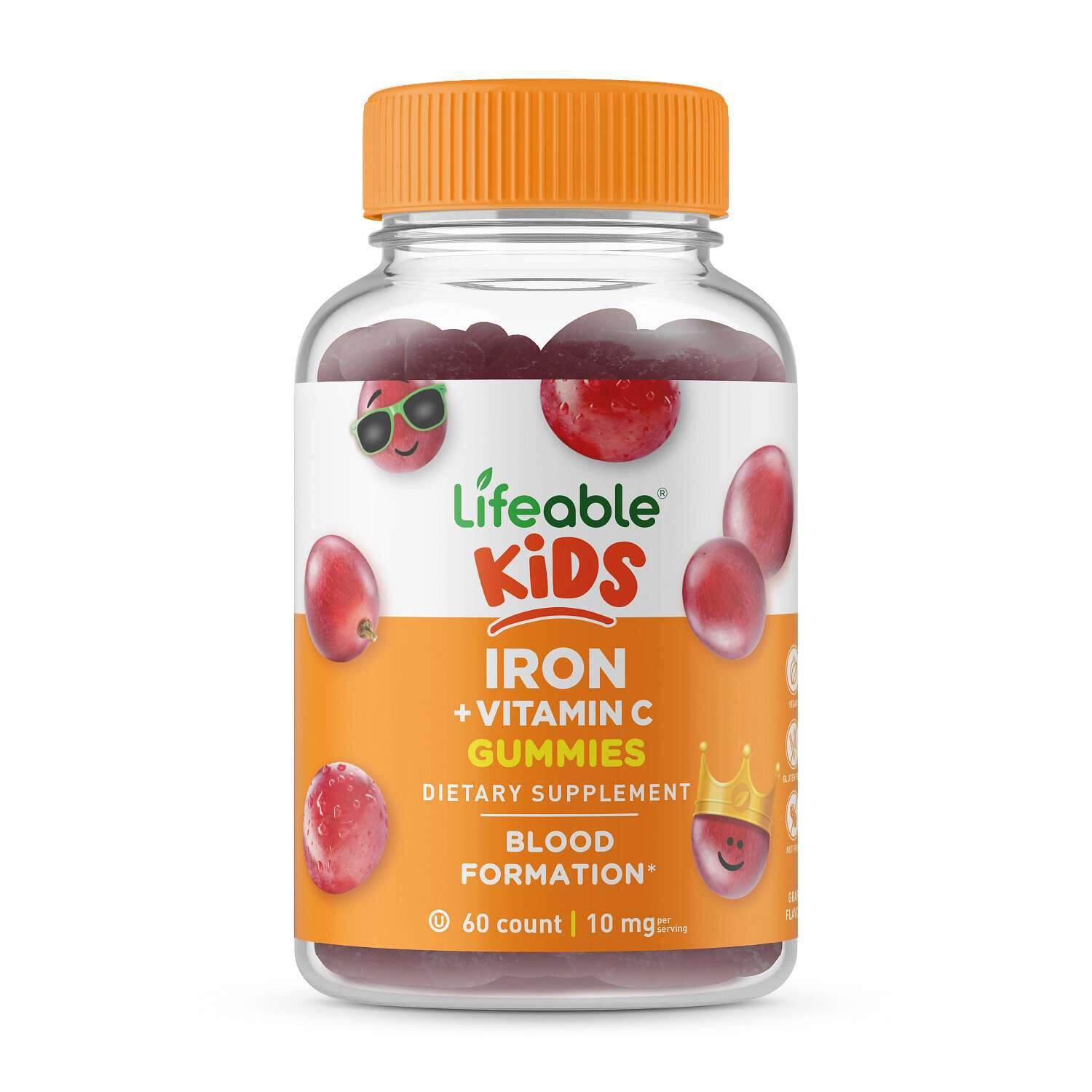
Iron supplements come in capsules, tablets, liquids, powders, and chewable formats, each with a different physical design. A capsule holds its contents inside a shell, while a tablet uses compressed ingredients and may have an outer coating. Liquid formulas include a liquid base and may contain flavoring or ingredients that help maintain consistency. Powders vary in texture and serving method, and chewable formats often include ingredients for taste and structure. None of these formats establishes corn exclusion by itself. A small vegetable capsule can still contain ingredients whose sources require clarification, and a tablet should not be ruled out solely because it uses binders. The iron source is another separate point of comparison. Names such as ferrous sulfate, ferrous fumarate, ferrous gluconate, and iron bisglycinate describe different iron compounds; they do not describe the origin of every other component in the formula. The labeled amount of iron per serving provides a common reference across these forms, while the serving size shows whether that amount corresponds to one capsule, more than one tablet, or a measured portion of liquid or powder. A larger number on the front label is not, by itself, a measure of product quality. Physical details matter as well: capsule dimensions, tablet shape, serving utensils, bottle openings, and closure styles all affect how a product fits into an established routine. Someone who prefers a compact capsule has different format preferences from someone accustomed to measuring a liquid. A powder introduces considerations such as the supplied scoop, mixing directions, and storage after opening. Adults who already include iron in their supplement routines may compare these details alongside corn sourcing, vegetarian or vegan labeling, and other ingredient preferences. Single-nutrient formulas keep iron as the main nutritional focus, while combination formulas include additional nutrients that make the ingredient panel longer. A shorter panel can be easier to read, but clarity about ingredient origins remains more useful than ingredient count alone.
Corn exclusion is also distinct from other dietary attributes. A formula described as vegan addresses a different set of criteria from one described as made without corn, and the absence of artificial colors does not establish the source of starches, sweeteners, or capsule ingredients. Shoppers comparing both attributes can also explore Iron Supplements Without Artificial Colors, with the understanding that each preference needs its own supporting label information. Similar distinctions apply to certification marks: their value depends on what the certification actually evaluates. A mark covering one dietary standard or testing category should not be treated as evidence for a separate corn-related statement. Specific, readable labeling makes these comparisons less dependent on guesswork. It also helps distinguish a statement about the finished supplement from a statement about selected ingredients. Beyond the formula, packaging and storage details deserve attention because they remain relevant throughout everyday use. The original container keeps the ingredient list, serving directions, lot information, and date marking together. A firmly closing lid and a storage location consistent with the package directions matter more than a bottle’s decorative appearance. Moisture, light, and handling requirements differ among formats, so the instructions for a liquid may not match those for a capsule or powder. Transferring servings into an unmarked container removes the sourcing details that informed the original selection, while retaining the package preserves a reference for later comparisons. These practical considerations suit a category in which careful ingredient review is often part of the shopping experience. The most relevant distinctions are concrete: the stated corn exclusion, the origin of ingredients when disclosed, the iron form, the amount per labeled serving, the physical format, and the directions on the package. Together, those details describe how an iron supplement fits an existing routine without treating one label attribute as a substitute for the rest.
Best Sellers

Related Pages

Top Collections
- Joint Mobility Supplement Packs
- Daily Collagen Supplements | Top Brands & Deals | GNC
- Supplements For Yoga Joint Flexibility
- Zinc Supplements | Top Brands at Great Prices | GNC
- Supplements For Balance
- Capsule Supplements For Energy And Stamina
- Chronic Fatigue Supplements
- Adult Mobility Supplements
- Vitamins For Hair Loss
- Blood Pressure Support Supplements