





Creatine Recovery Powders With Electrolytes
(0 Results)
Creatine recovery powders with electrolytes offer a convenient way to support your post-workout routine. Designed for athletes and fitness enthusiasts alike, these formulas combine creatine and essential electrolytes to help you stay on track with your training goals. Explore a range of options that could fit seamlessly into your daily regimen, whether you're focused on muscle recovery, hydration, or overall performance. Find the right creatine recovery powders with electrolytes to complement your active lifestyle.
-
-
-

-

-

-

-
 Nature's Fusions$29.99
-
-

-
-
-
-
-
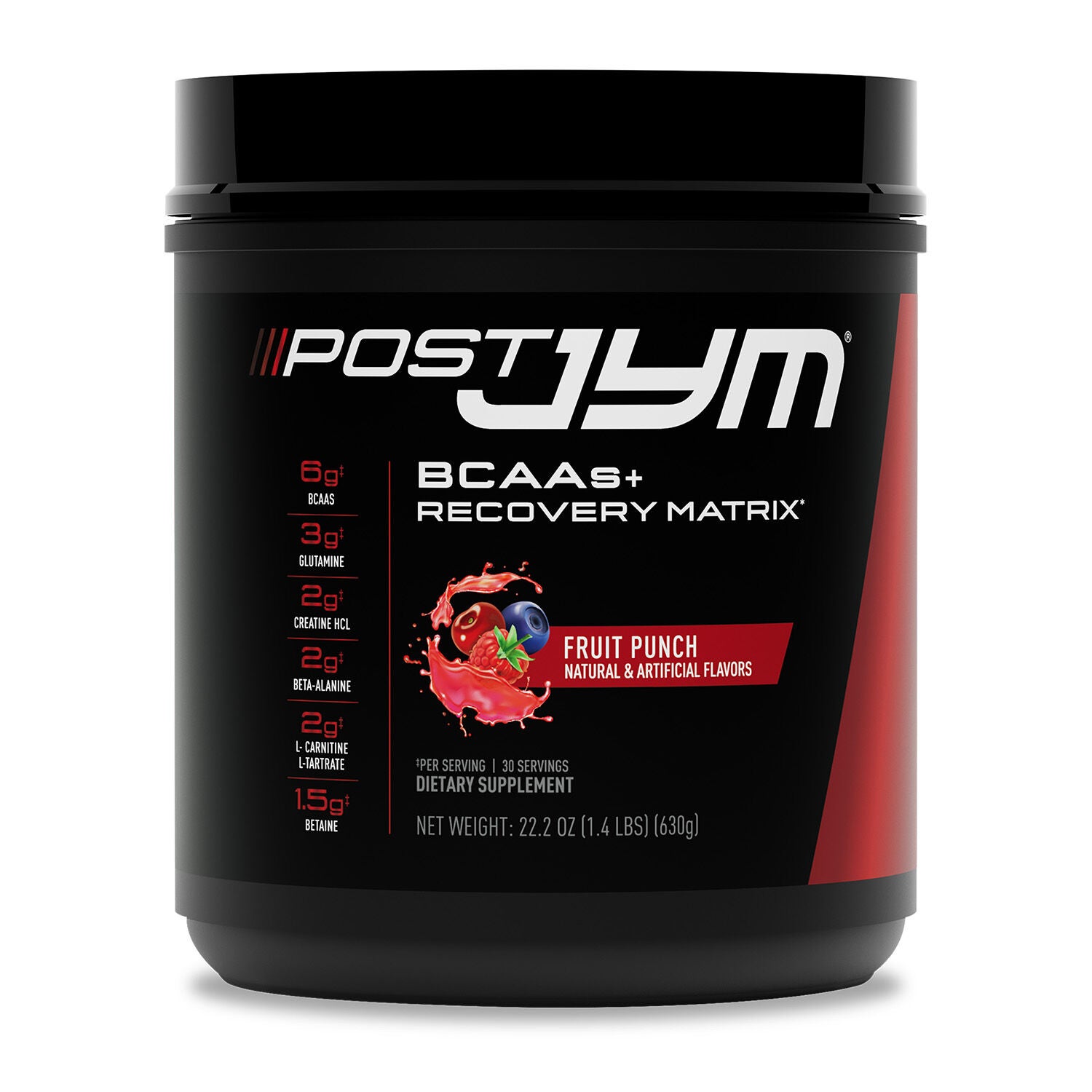
-

-
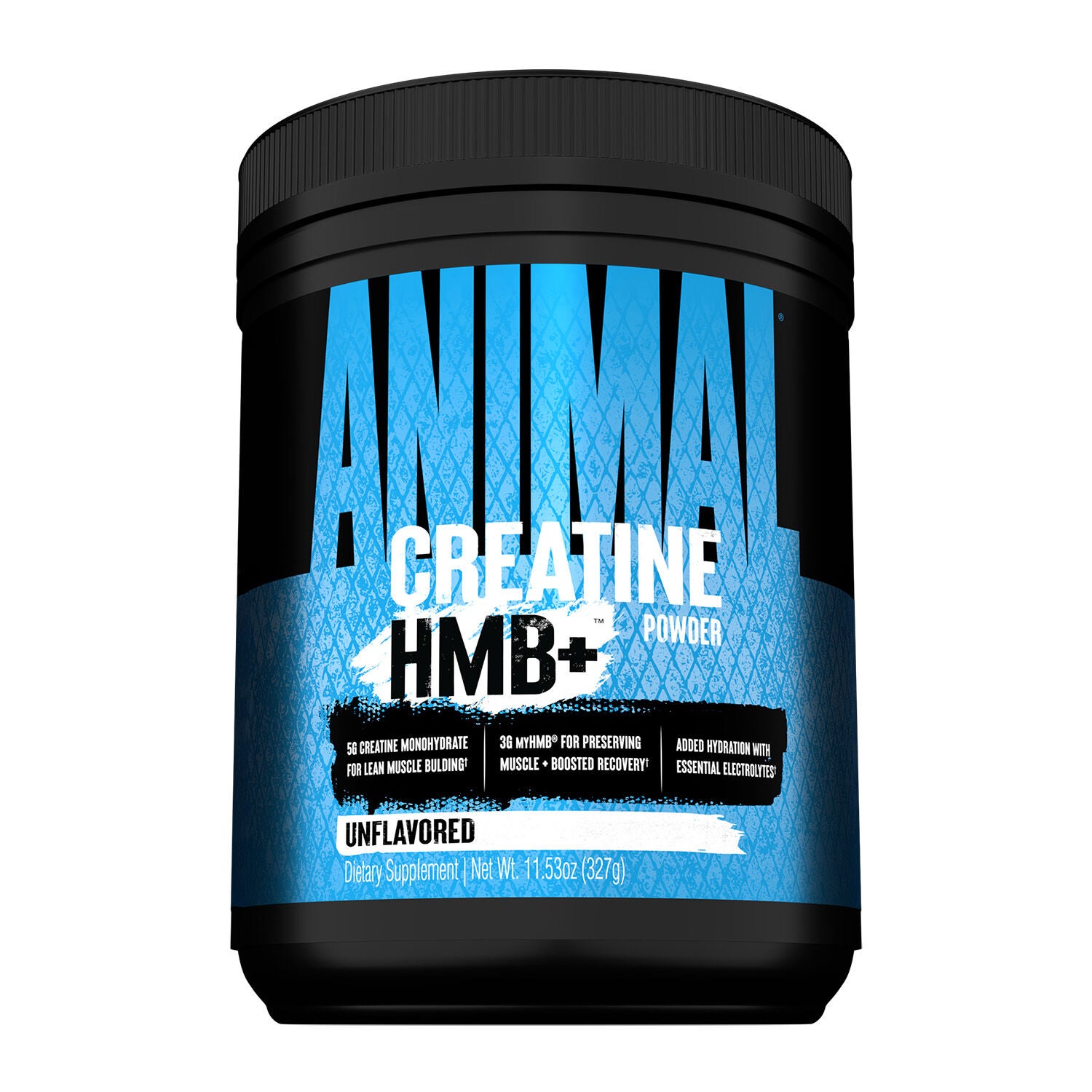
-
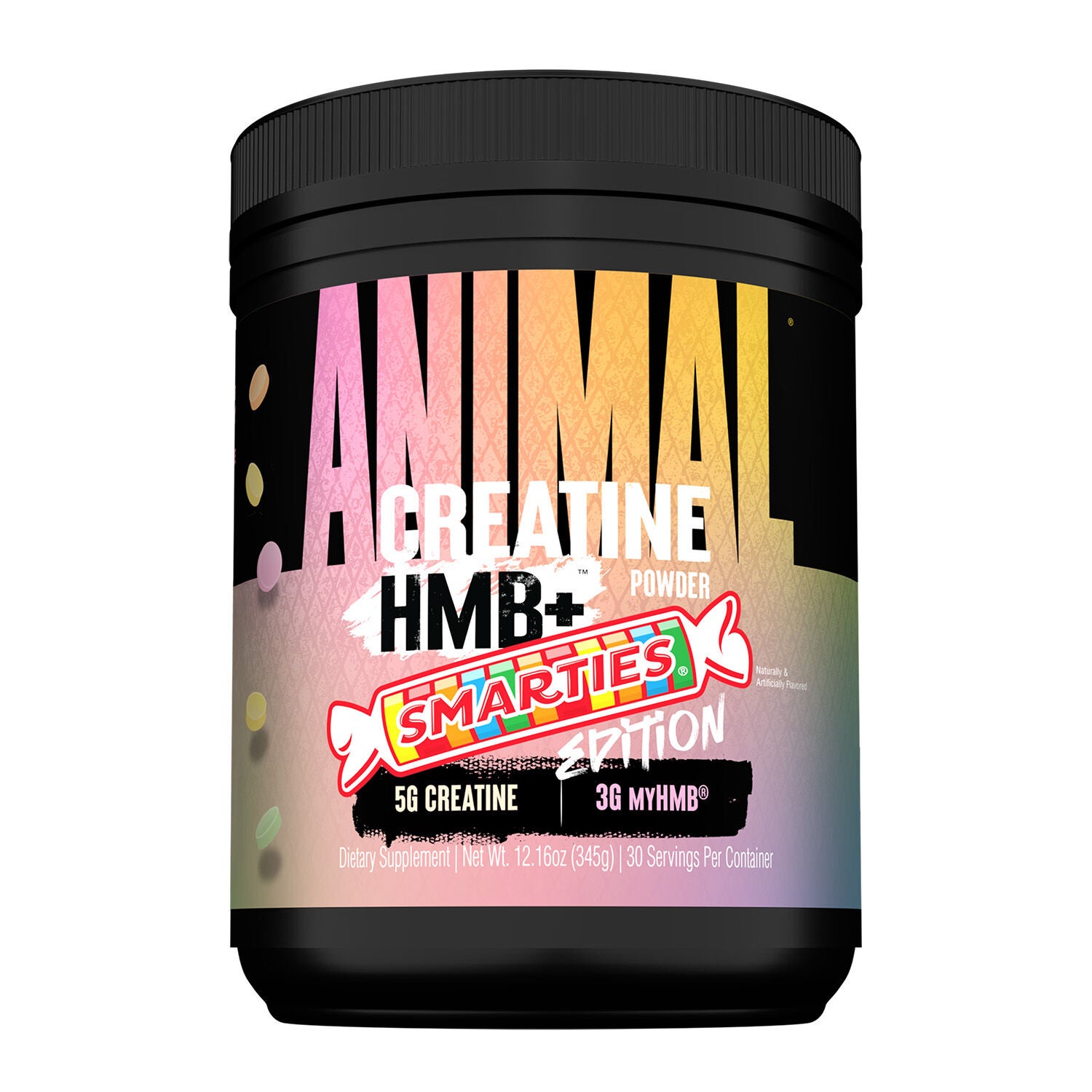
-
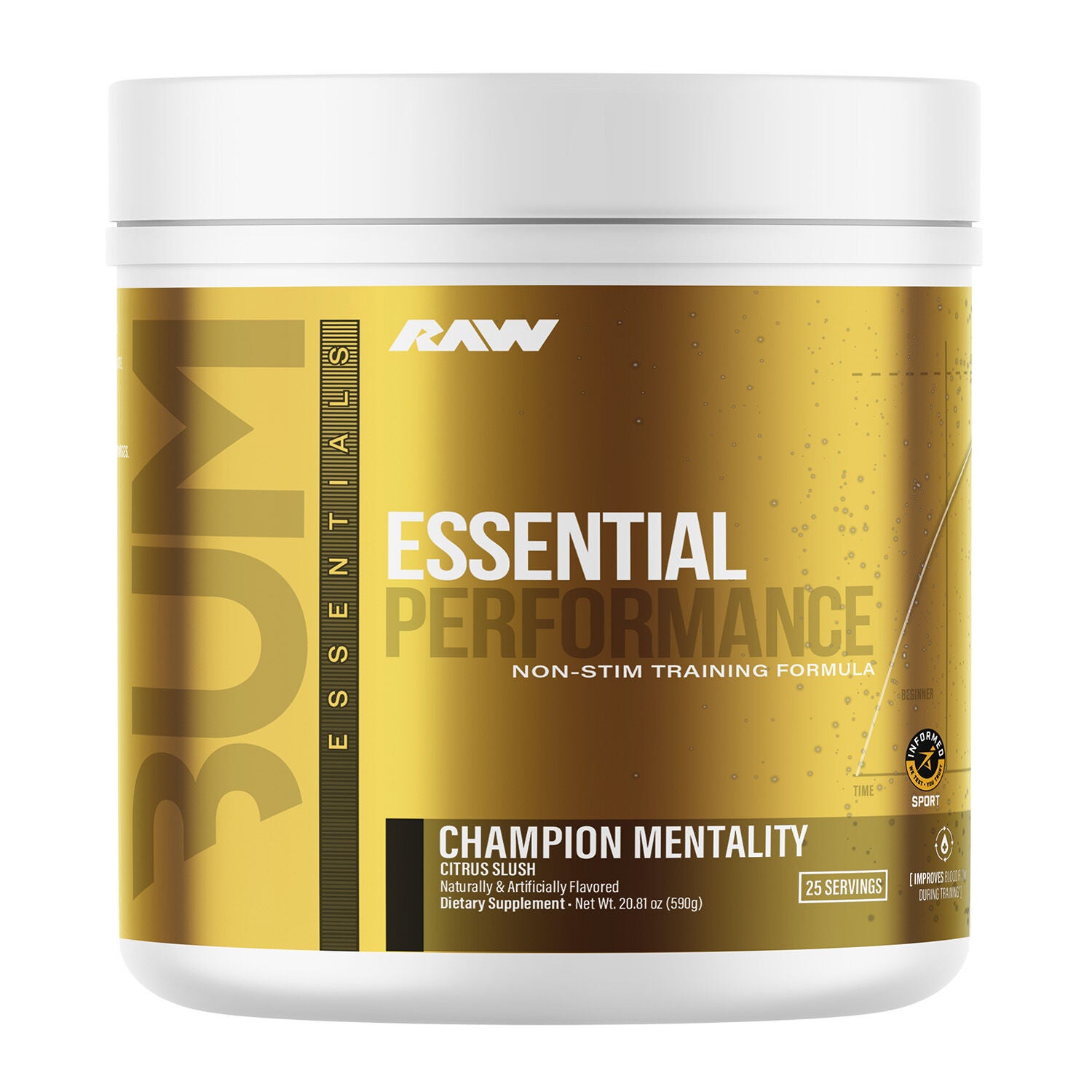 69$39.99
-

-

-
-

-
-
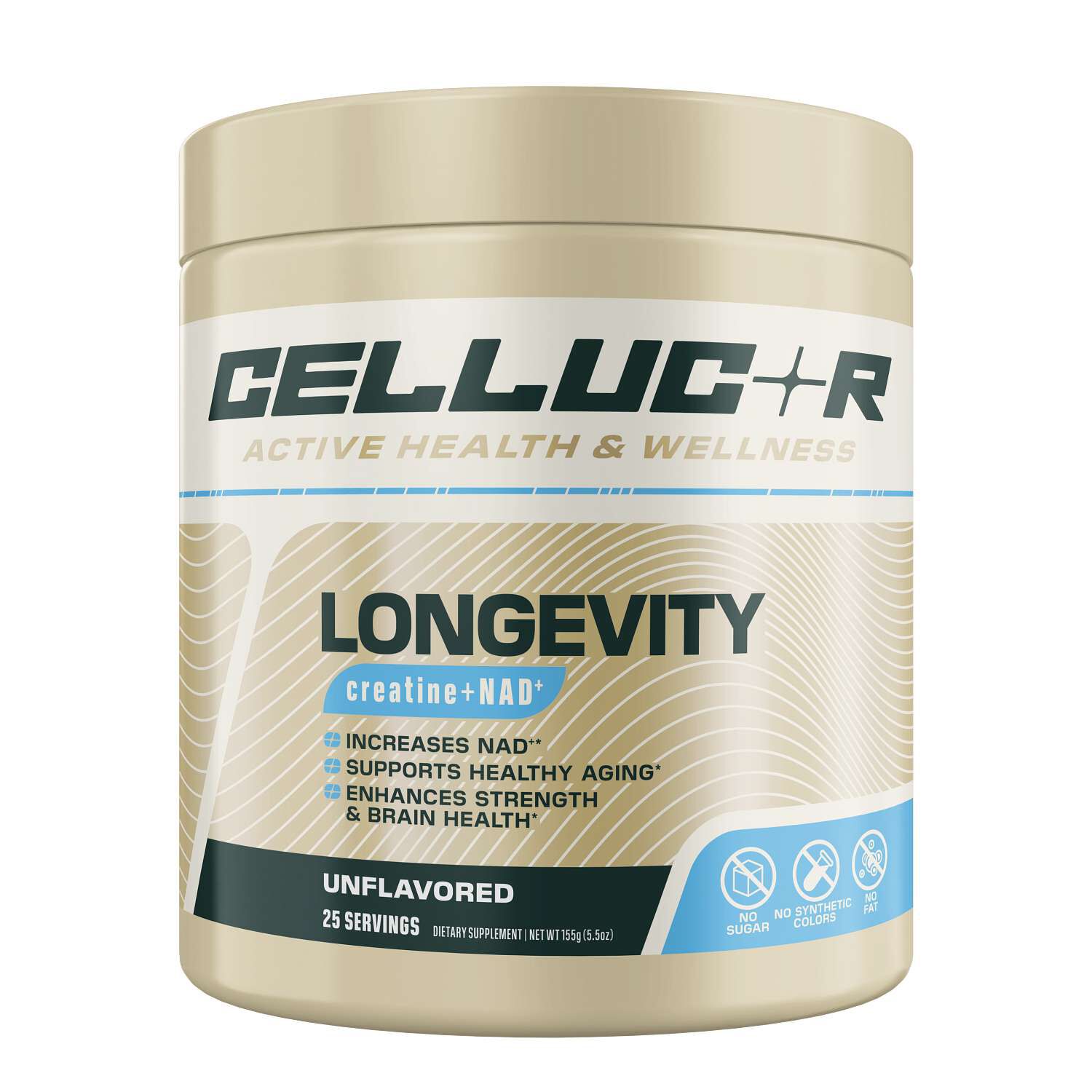
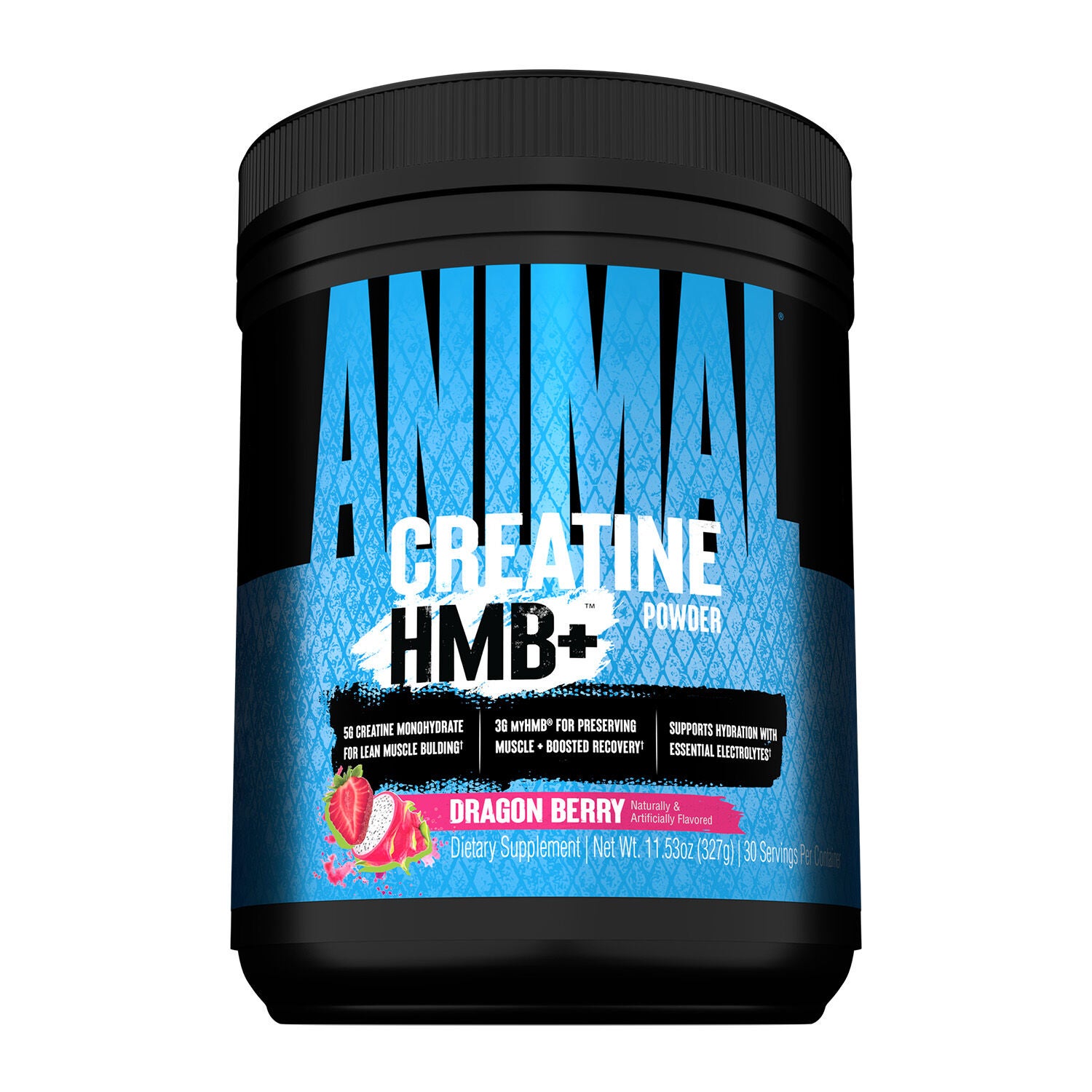
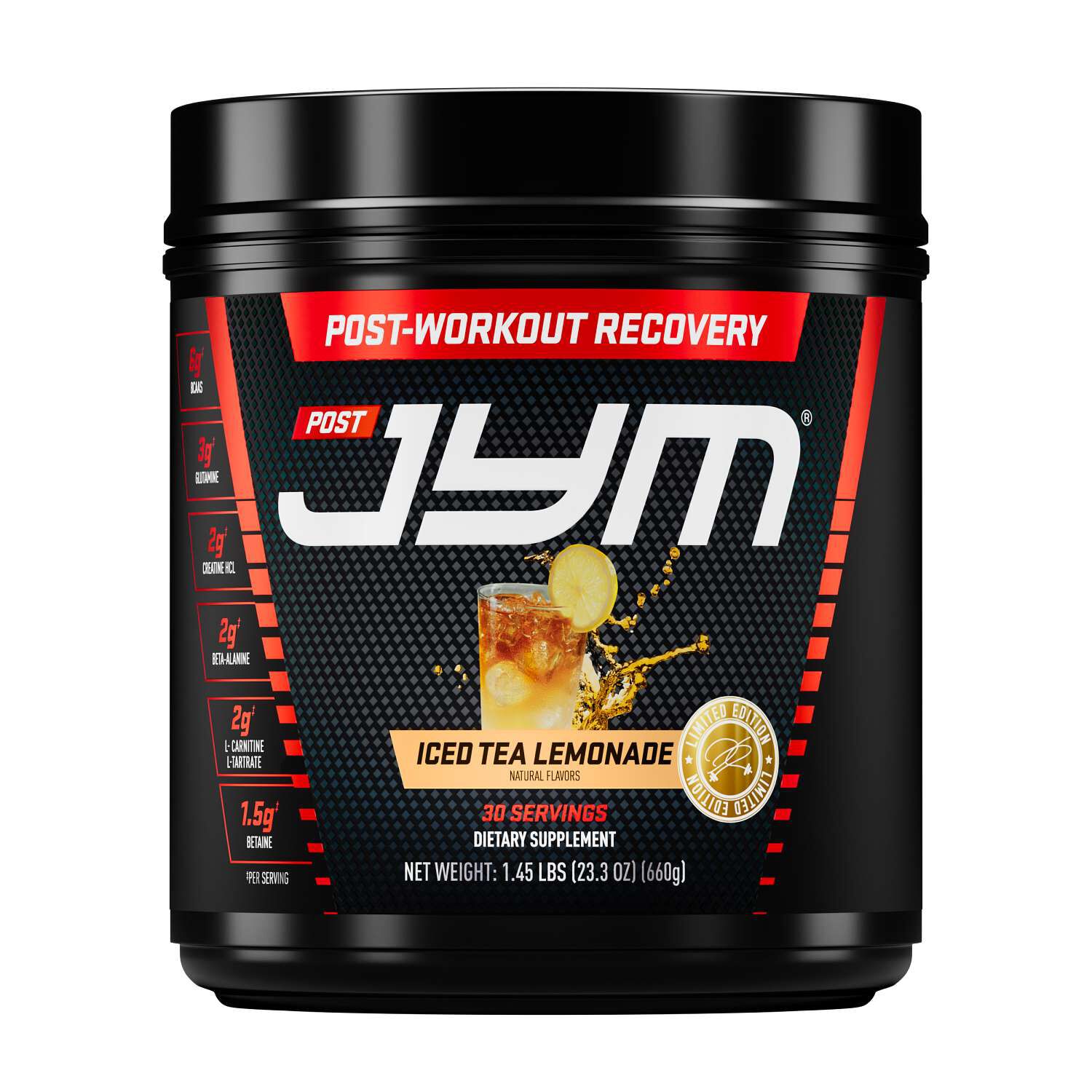
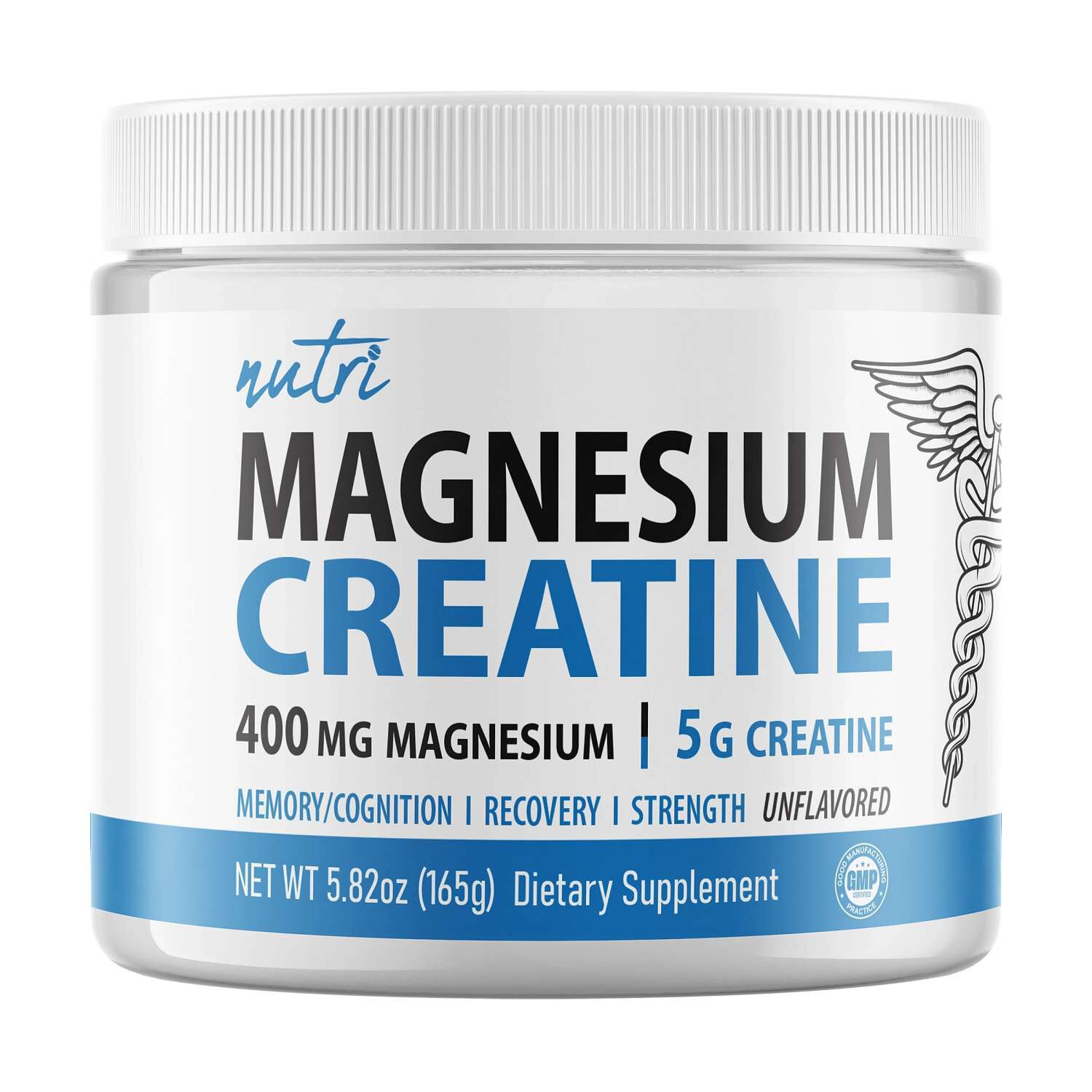
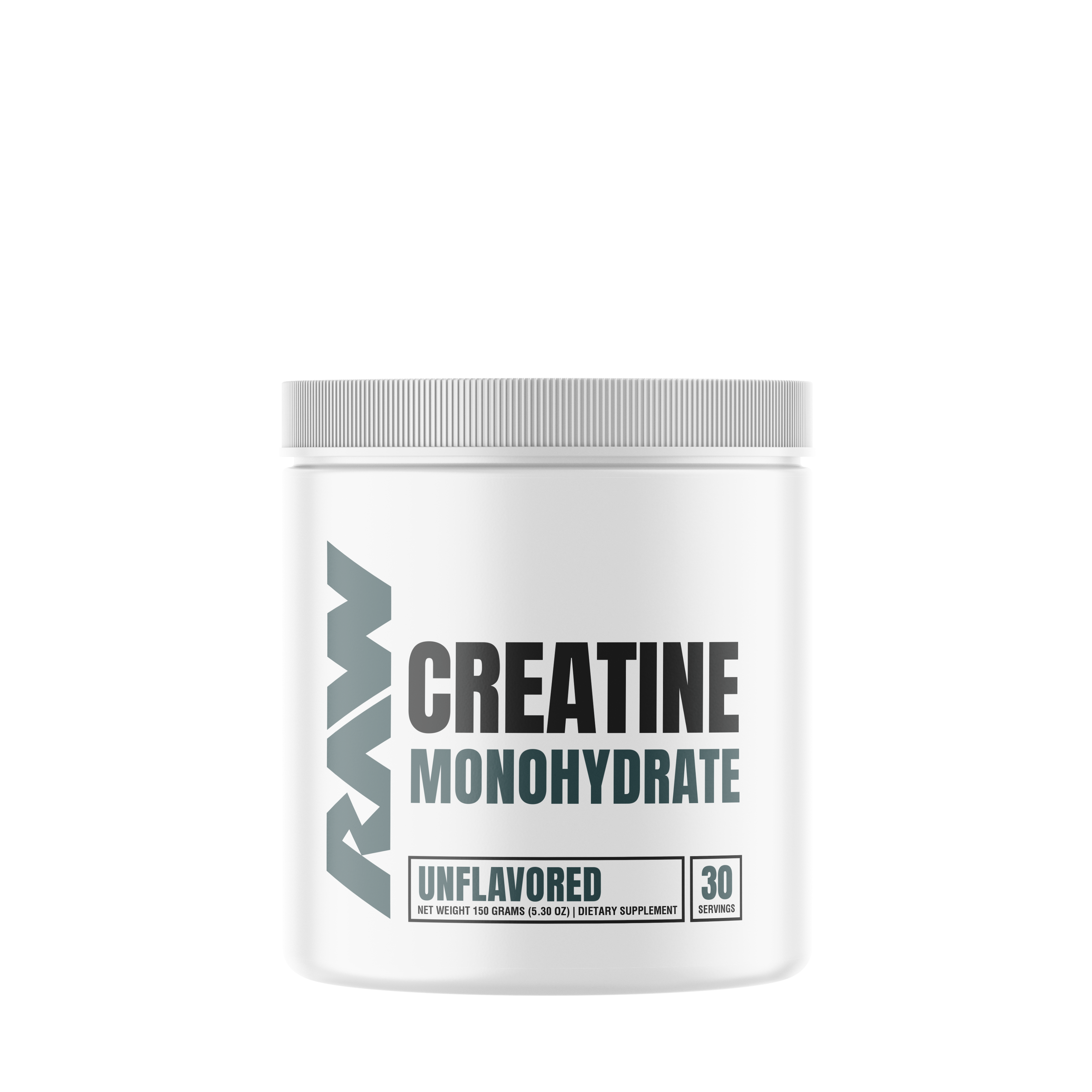
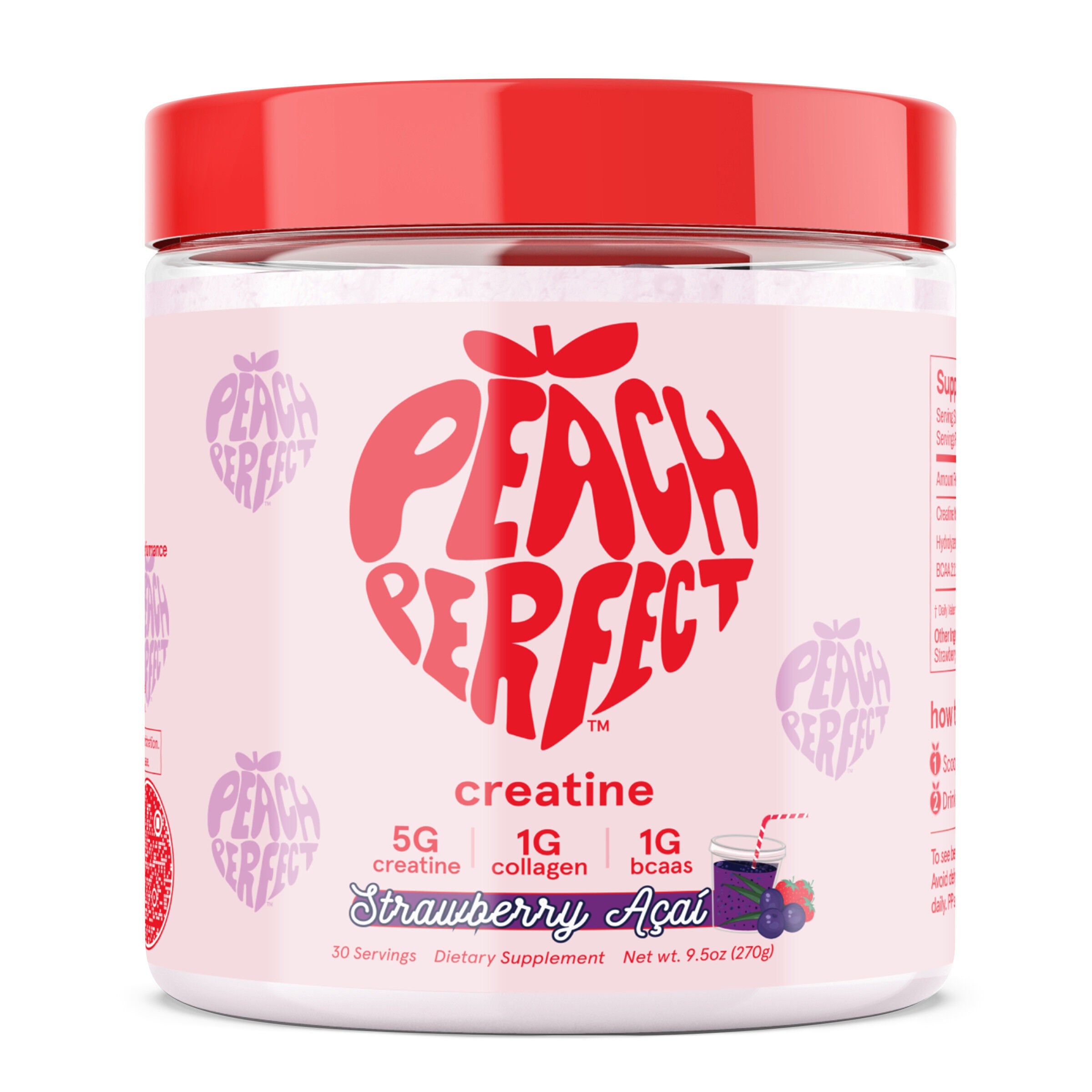
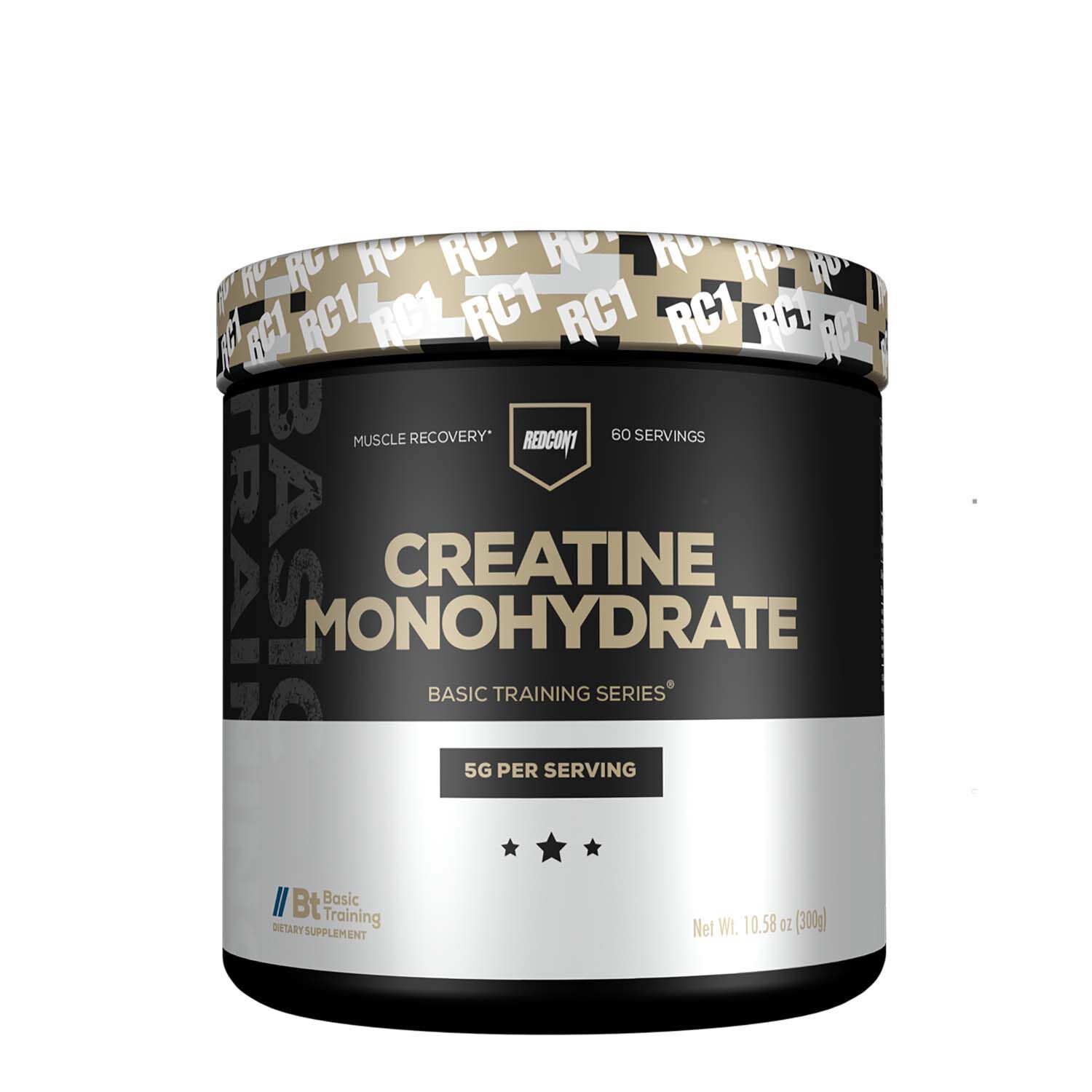
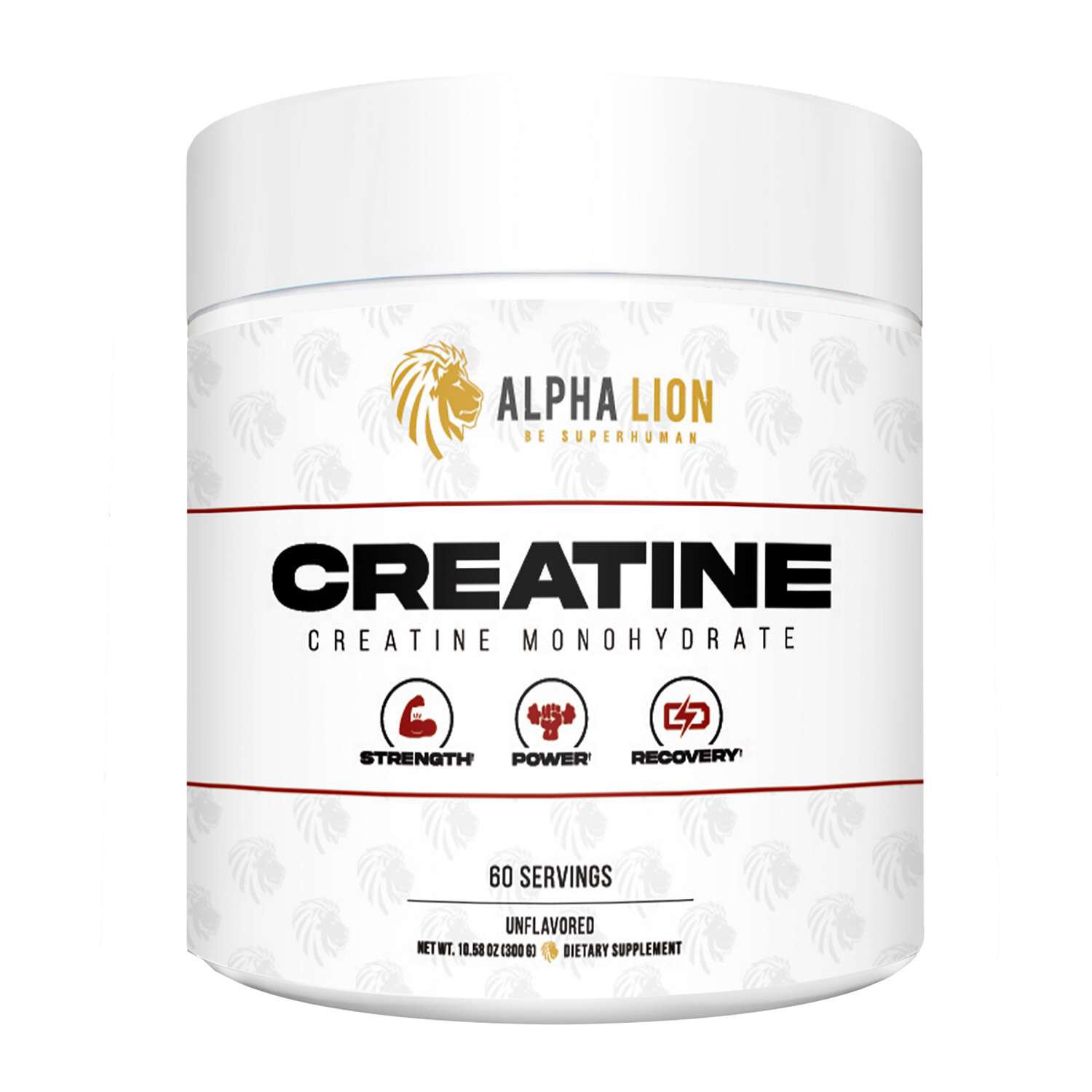
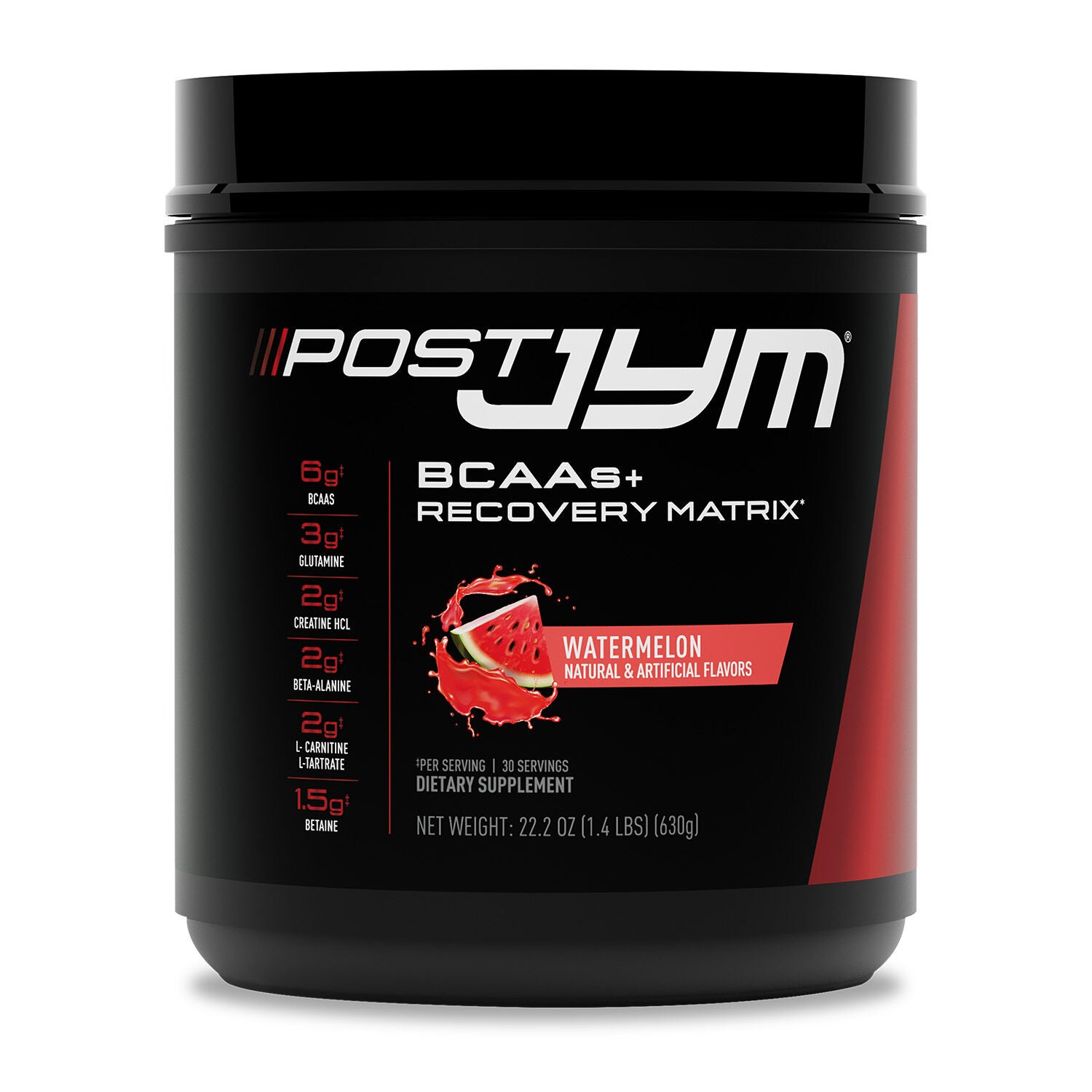
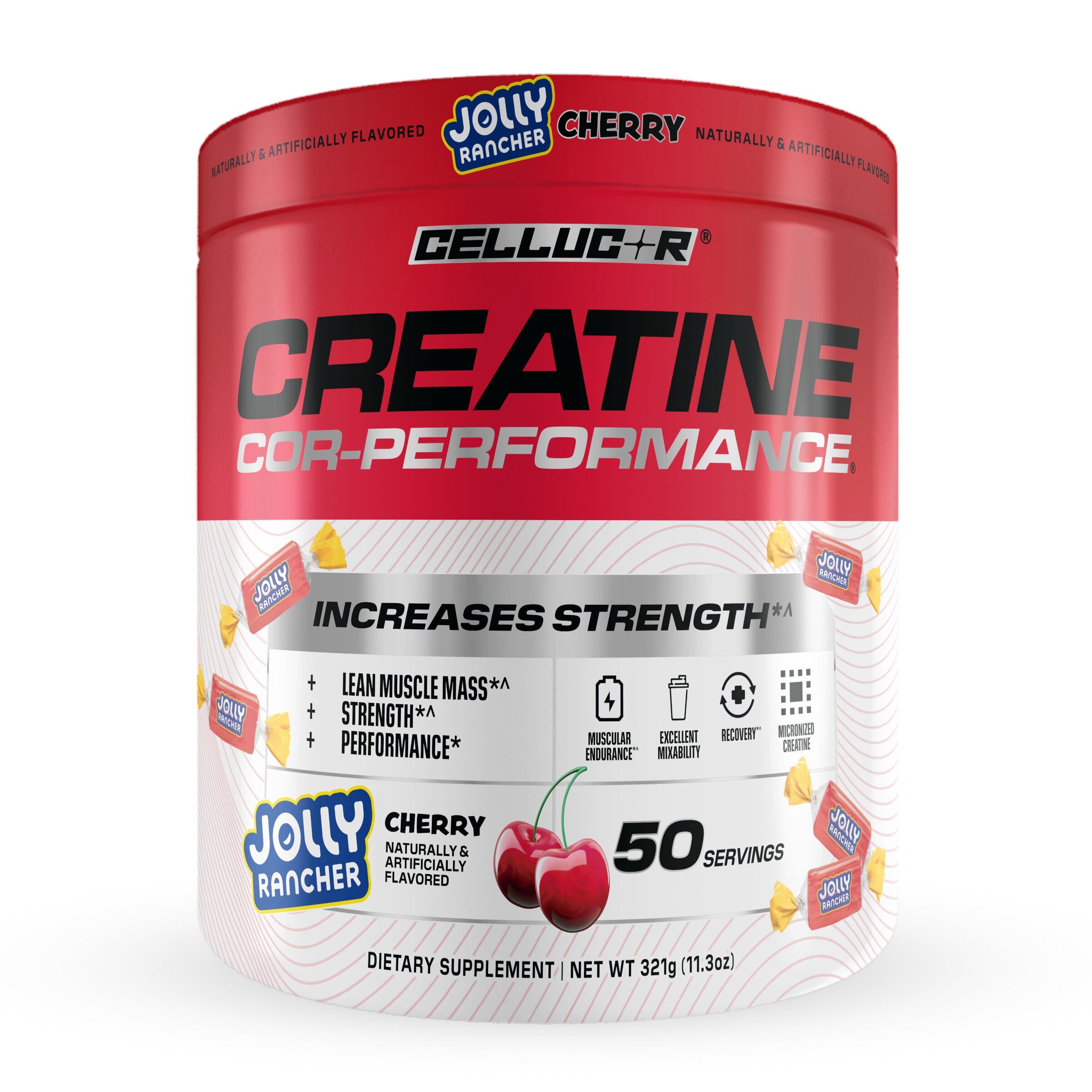
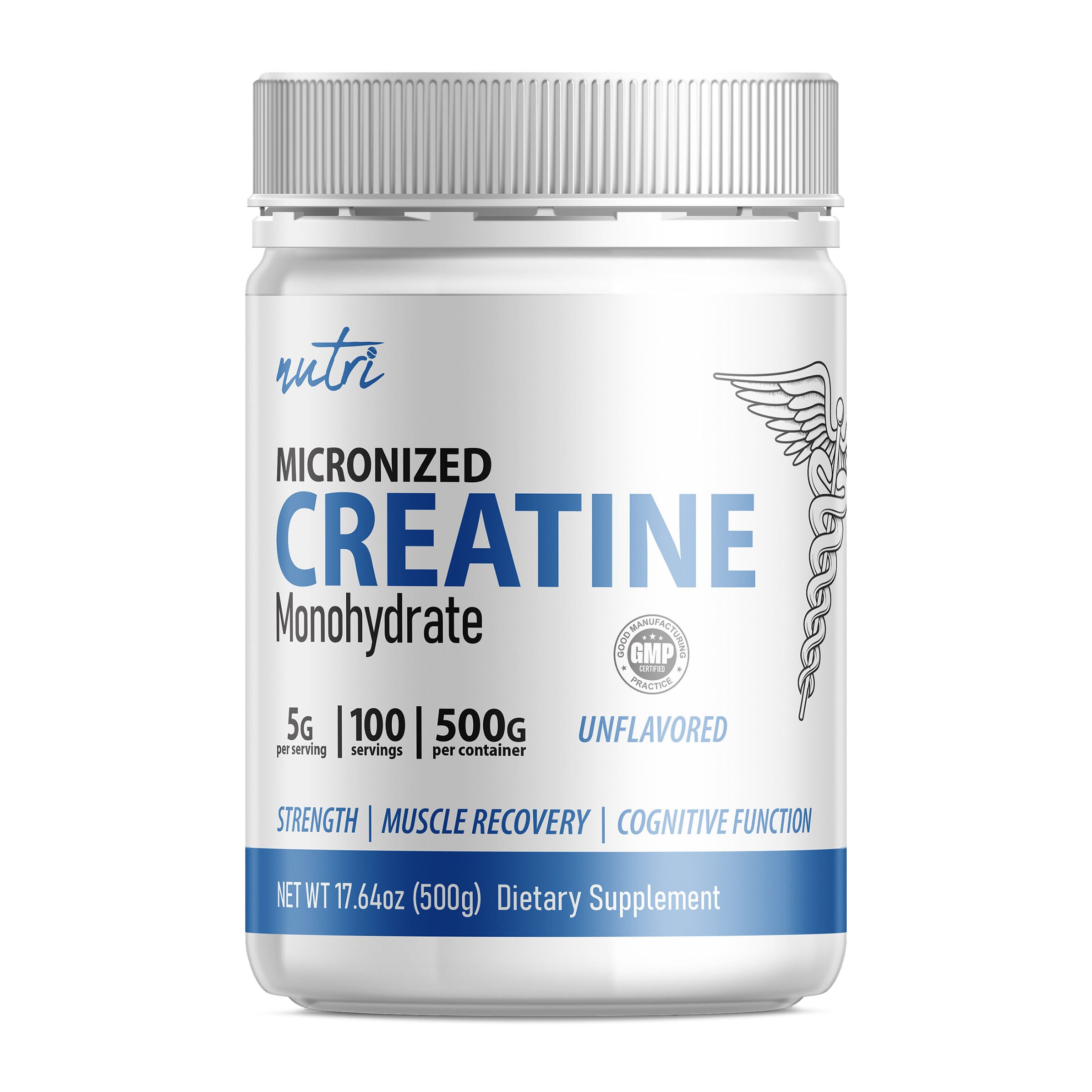
Creatine recovery powders with electrolytes combine creatine with minerals such as sodium, potassium, and magnesium in a powder designed to mix with water. These blends may support hydration and exercise recovery while bringing two familiar parts of a workout routine into the same drink. The category includes different creatine forms, electrolyte combinations, flavors, and serving formats, so the ingredient panel matters more than a name alone. Creatine monohydrate is a common form, while creatine hydrochloride appears in some formulas. Micronized creatine refers to creatine processed into smaller particles; that description concerns particle size rather than a separate ingredient. Electrolytes are minerals, and their amounts and proportions differ from one formula to another. Some blends include calcium alongside sodium, potassium, or magnesium, while others use a shorter mineral list. Neither a longer ingredient panel nor a larger scoop establishes a better match for every shopper. For someone who spends workout time moving between a squat rack, dumbbells, and short conditioning intervals, a combined powder may fit an established post-workout routine. Recreational athletes, regular gymgoers, and people returning to a familiar training schedule may also appreciate comparing creatine and electrolyte ingredients together rather than choosing separate powders. Creatine may support performance during repeated, high-intensity efforts, and an electrolyte blend may support hydration around exercise. Those potential benefits are distinct from the role of dietary protein. A creatine recovery powder is not automatically a protein shake, a carbohydrate drink, or a caffeinated pre-workout, even when its flavor or packaging resembles those categories. Protein, carbohydrates, caffeine, and other added ingredients need their own place in the comparison. The most useful starting point is a clear picture of what the powder contains, how much appears in a labeled serving, and whether that combination suits the intended workout routine.
Flavor, texture, and mixing characteristics shape the everyday experience of creatine recovery powders with electrolytes. Fruit-inspired flavors, citrus profiles, and unflavored options offer different ways to fit a powder into a familiar drink routine. An unflavored formula is not necessarily without taste, since minerals and other ingredients can contribute their own character. Sweeteners, acids, flavoring ingredients, and the amount of water used can influence whether a drink tastes light, tart, or more concentrated. A flavor that sounds appealing on the label may feel different in a small shaker than in a larger bottle, making the preparation directions a useful point of comparison. Serving size deserves the same attention. Scoop dimensions vary, and the amount of powder in one serving does not reveal the amount of creatine without a closer look at the Supplement Facts panel. Labels that identify creatine and electrolyte quantities separately make those comparisons more straightforward. Sugar content, carbohydrate content, and added vitamins are also relevant when the powder will sit alongside other workout supplements or familiar beverages. For shoppers with dietary preferences, ingredient lists, allergen statements, and certification details provide more meaningful information than flavor names or package design. Mixing texture can vary with the creatine form, particle size, mineral ingredients, and preparation method. A shaker bottle, a spoon, and a wide-mouth water bottle each offer a different mixing experience, and a formula’s directions should determine the intended preparation. Some powders may leave visible particles or settle after standing, so an immediately clear drink is not the only useful measure of a formula. Single-serving packets and scoopable containers also serve different routines. Packets may suit a gym bag or a workday that ends at the fitness center, while a tub may fit a regular preparation spot at home. Package format, serving count, and the amount of water specified on the label are practical details worth considering together, especially when the same bottle needs to fit a bag pocket or cup holder.
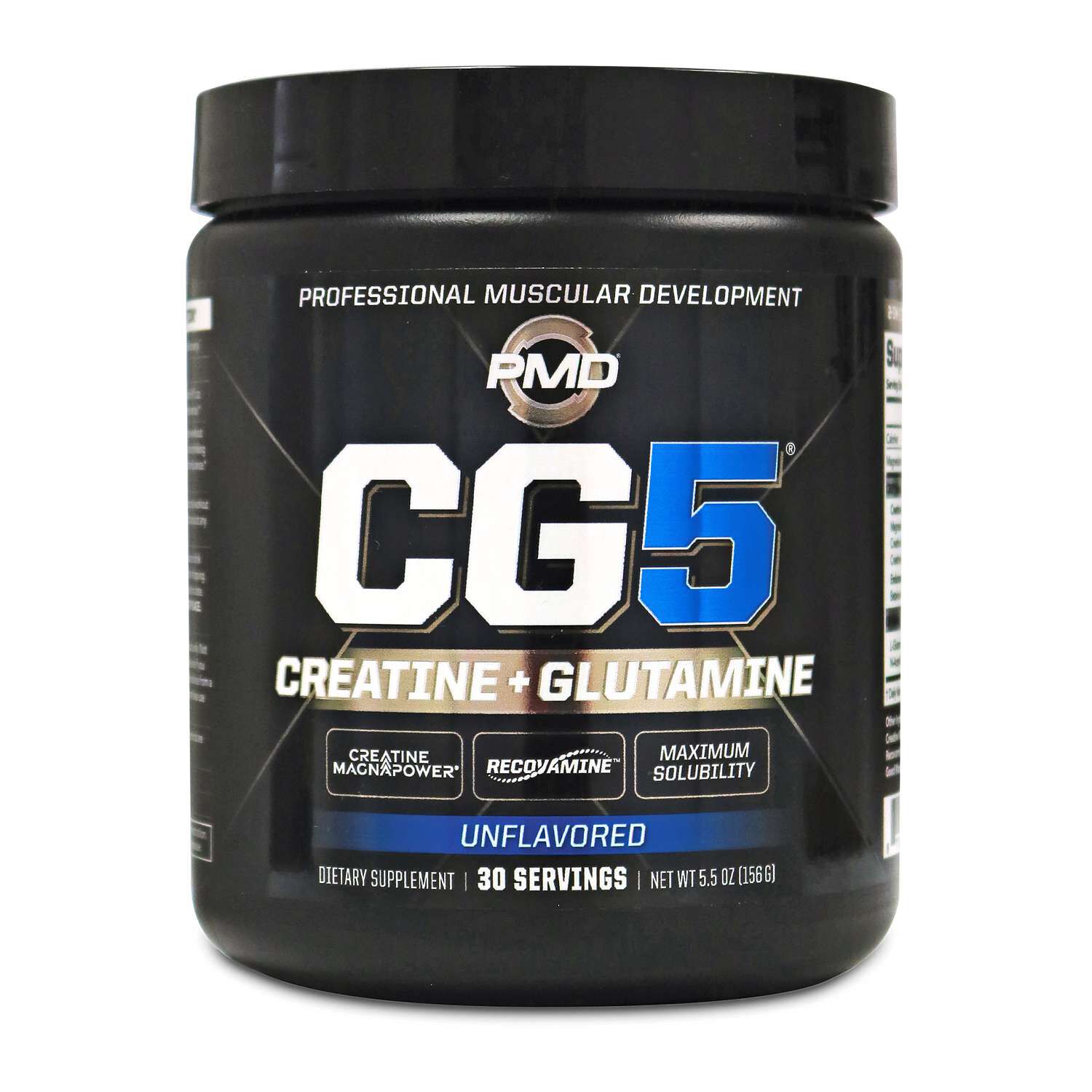
Intended use extends beyond the moment a workout ends. A creatine-and-electrolyte powder may fit a routine built around lifting sessions, interval training, recreational sports, or other repeated exercise, but the preferred format often comes down to ordinary logistics. Someone heading from the office to the gym may value a sealed portion that stays separate from a water bottle until mixing, while someone training at home may prefer a container stored beside a clean shaker. A label’s suggested use is more relevant than assuming every recovery powder belongs at the same point in the day. Likewise, a formula selected for its creatine content may have a different electrolyte profile from one selected primarily for its mineral ingredients. Reading both parts of the label keeps those distinctions visible. Storage and container care matter, too, particularly for powders that are opened frequently. A dry scoop, a firmly closed lid, and storage according to package directions may help limit moisture exposure and preserve the powder’s intended texture. Leaving a damp scoop inside a container introduces moisture, while keeping powder separate from a recently washed bottle until preparation may make everyday handling tidier. Reusable shakers also need care according to their manufacturer’s directions, including attention to lids, seals, and mixing inserts. For a workout partner or fitness-minded gift recipient, flavor preferences, dietary preferences, and familiar supplement habits are more useful considerations than choosing the most elaborate ingredient list. Related categories offer another way to compare formulation styles: Creatine Glutamine Powders For Faster Recovery features a different ingredient pairing from electrolyte-focused blends. Across these options, the meaningful differences remain concrete: the form and amount of creatine, the minerals included, the serving format, the taste profile, and any additional ingredients. Together, those details give creatine recovery powders with electrolytes their individual character and provide a grounded basis for choosing a powder that fits an established exercise routine.
Best Sellers
-
 Create Wellness

Related Pages

Top Collections
- Joint Mobility Supplement Packs
- Daily Collagen Supplements | Top Brands & Deals | GNC
- GLP 1 Support For Adults
- Zinc Supplements | Top Brands at Great Prices | GNC
- Supplements For Yoga Joint Flexibility
- Supplements For Balance
- Capsule Supplements For Energy And Stamina
- Adult Mobility Supplements
- Chronic Fatigue Supplements
- Vitamins For Hair Loss