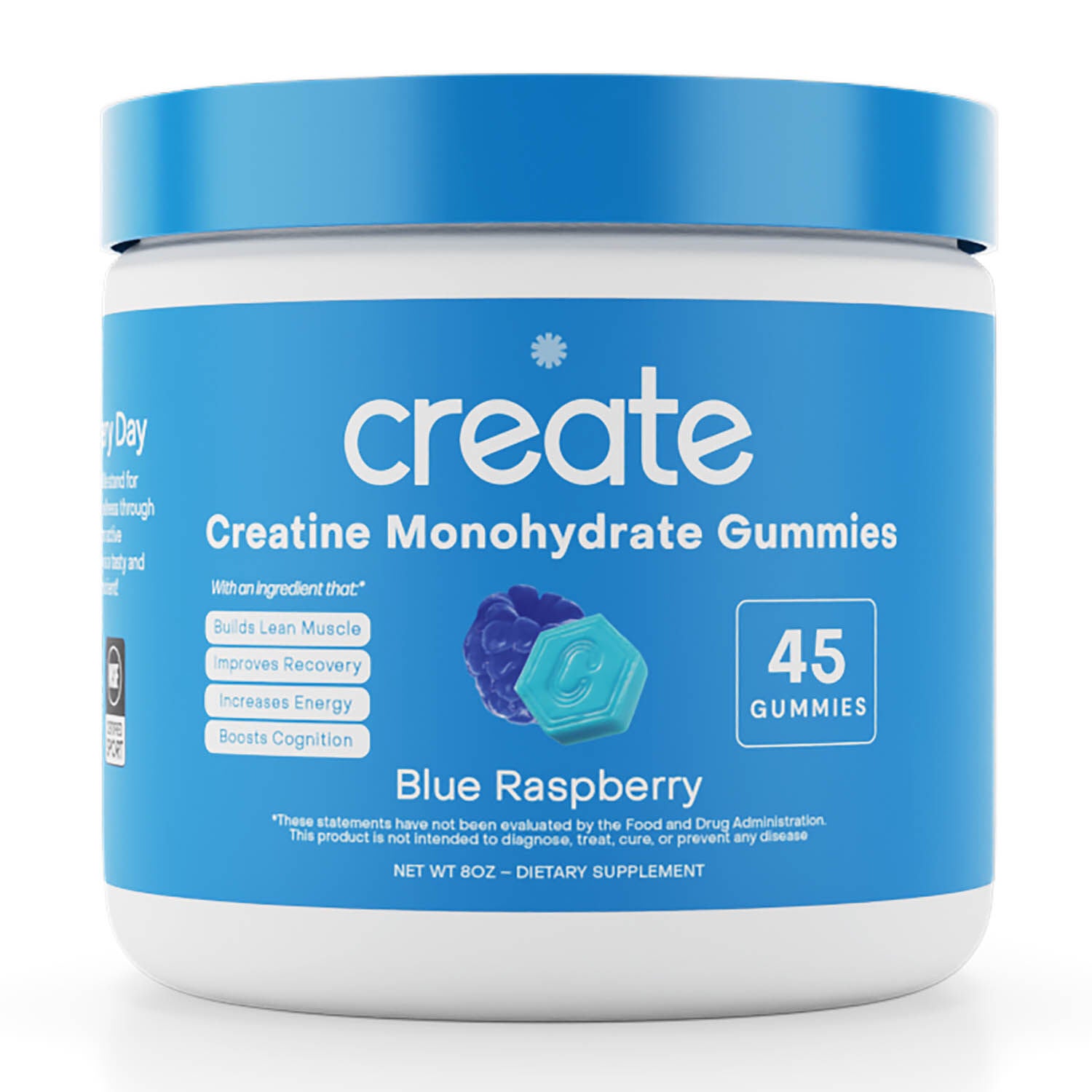
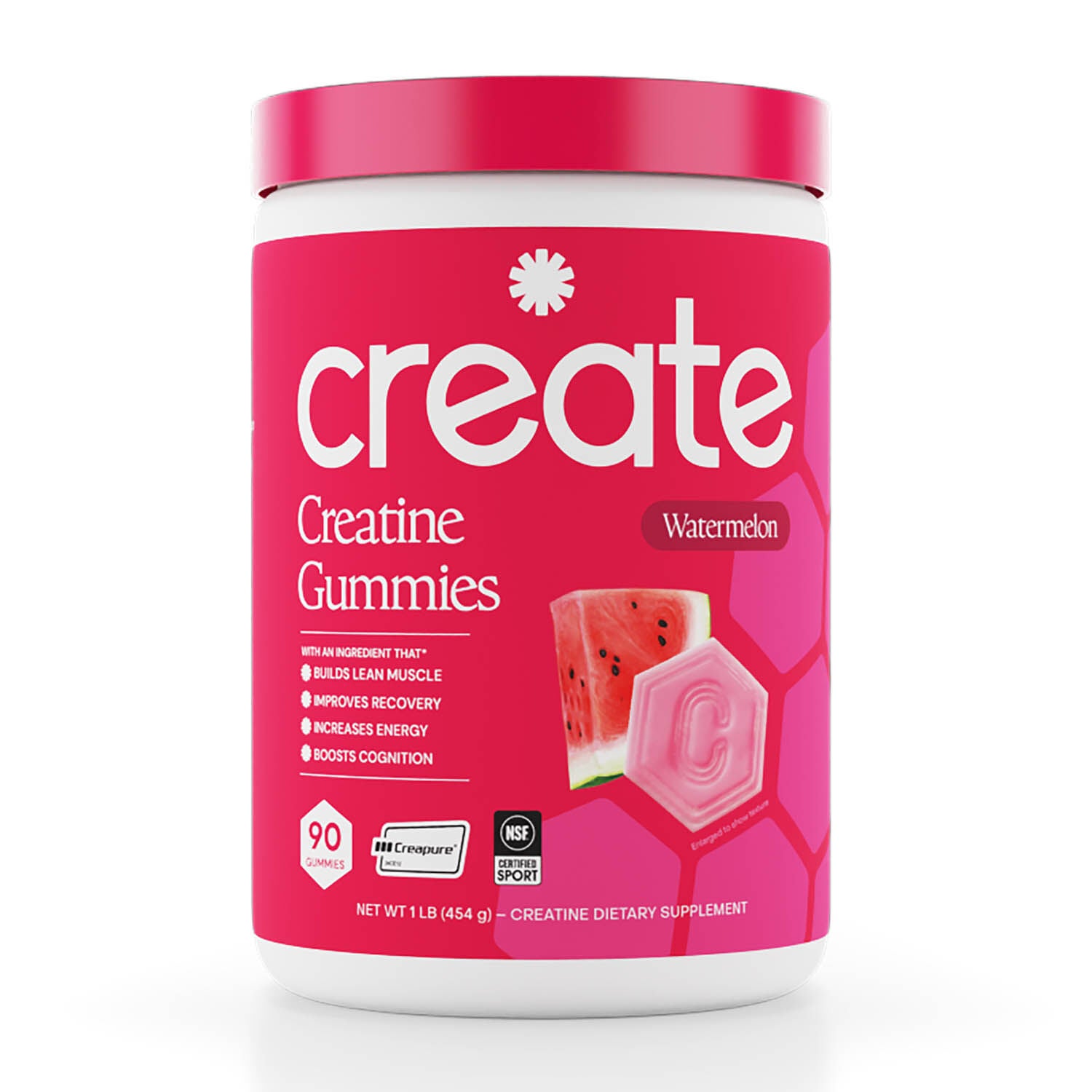
Creatine Glutamine Powders For Faster Recovery
(0 Results)
Elevate your fitness routine with creatine glutamine powders for faster recovery. These popular supplements are designed for athletes and active individuals who want support as they push their limits in the gym or on the field. With a variety of blends and flavors to choose from, creatine glutamine powders may fit seamlessly into your wellness regimen, helping you stay on track with your goals. Explore options that could complement your training and discover how these supplements might support your recovery journey.


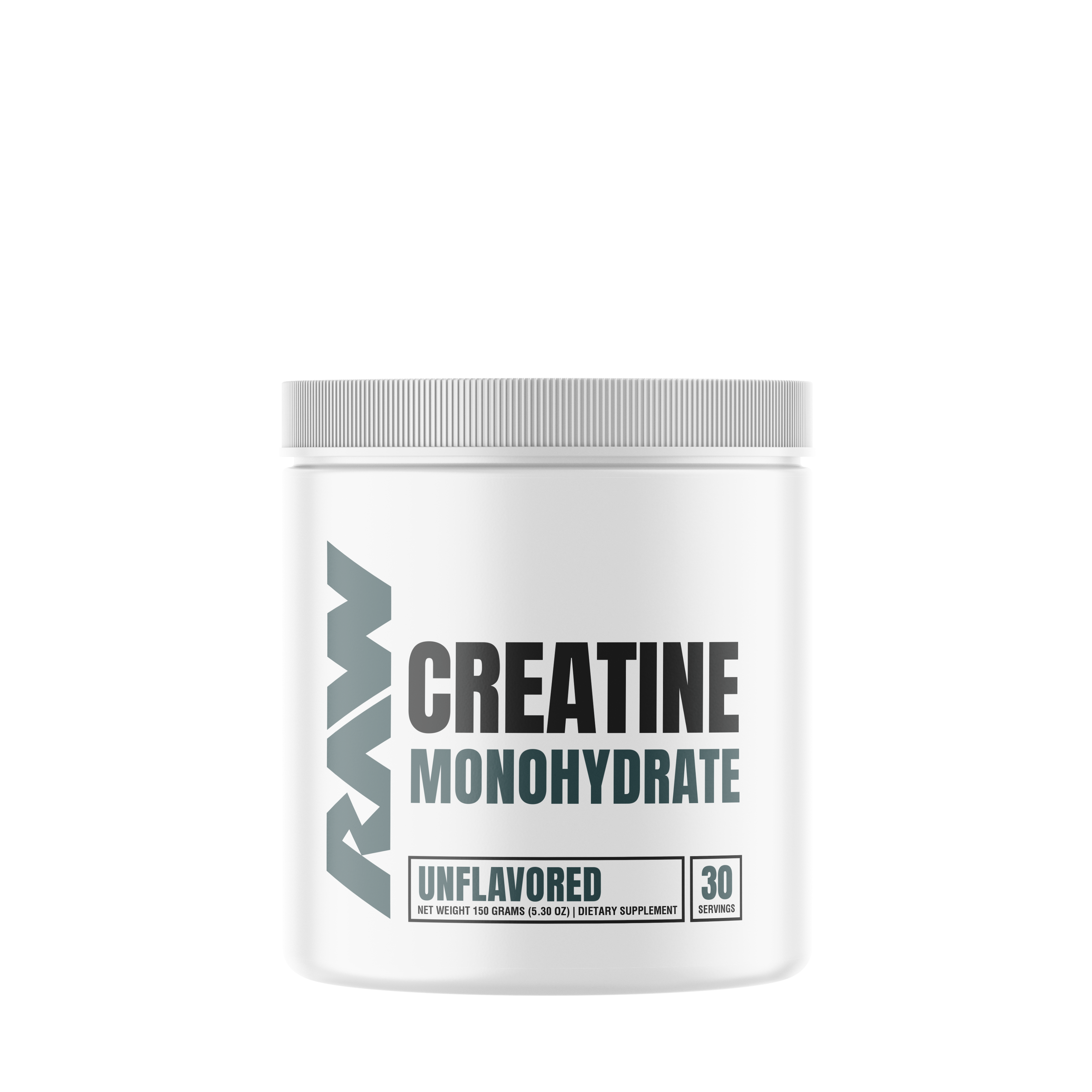

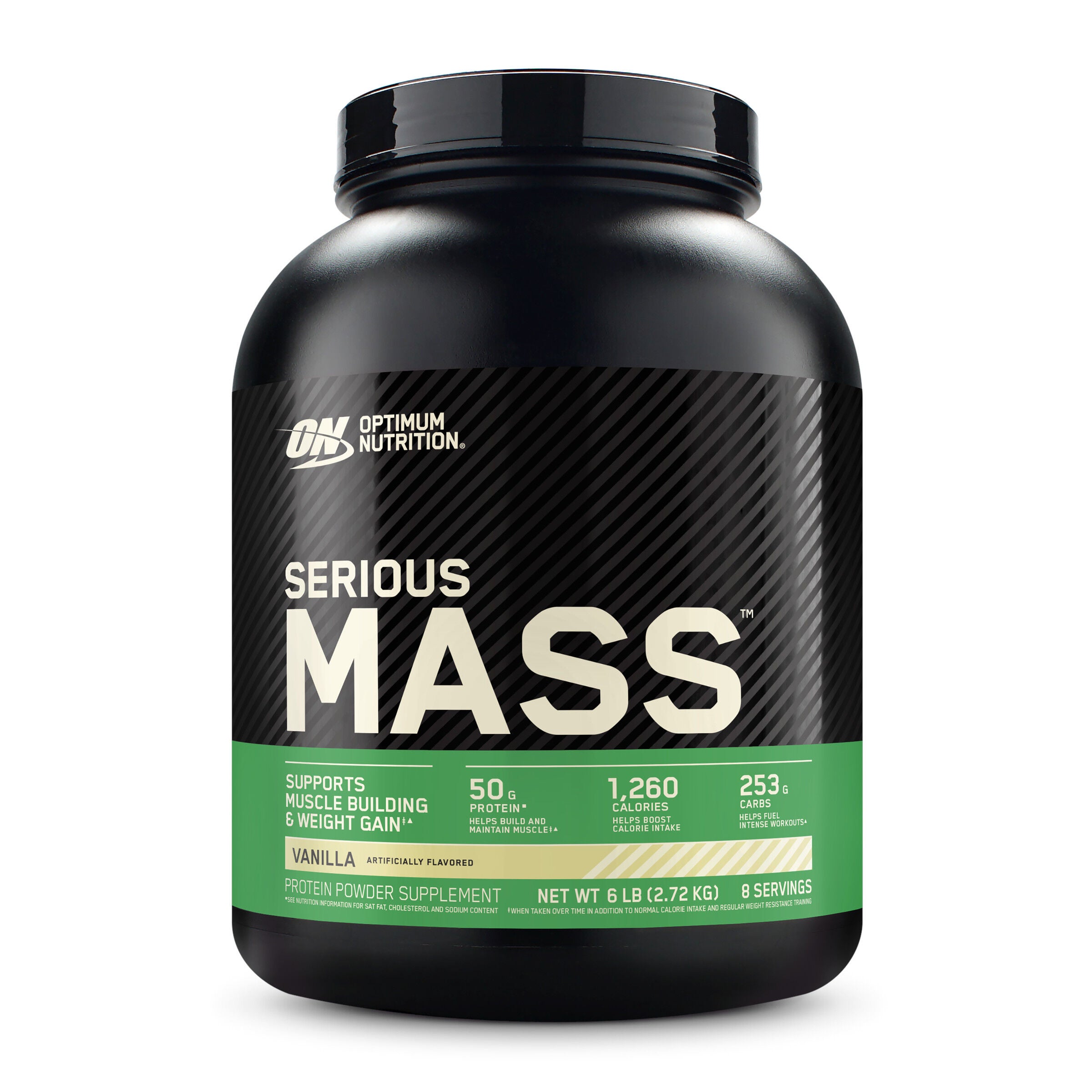
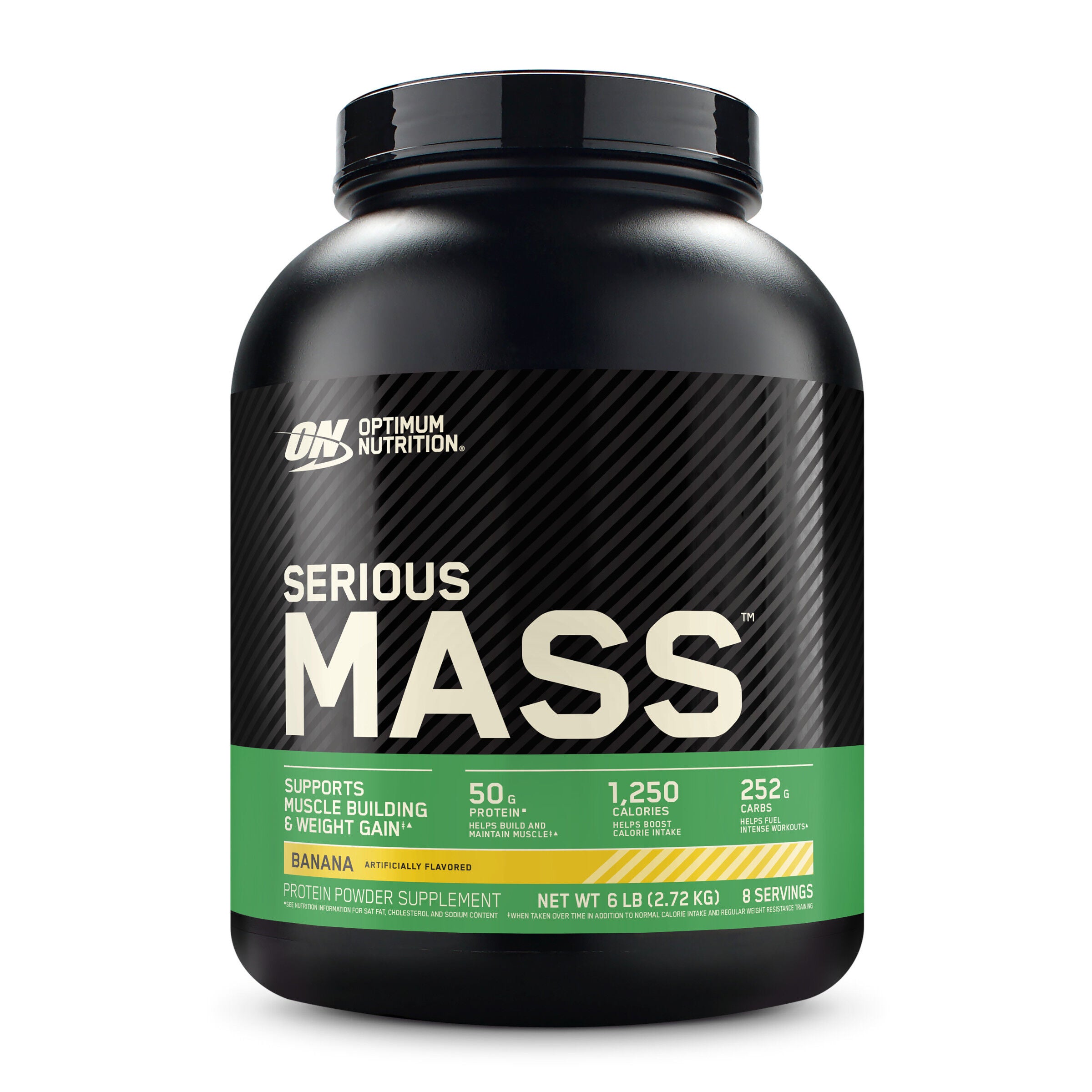

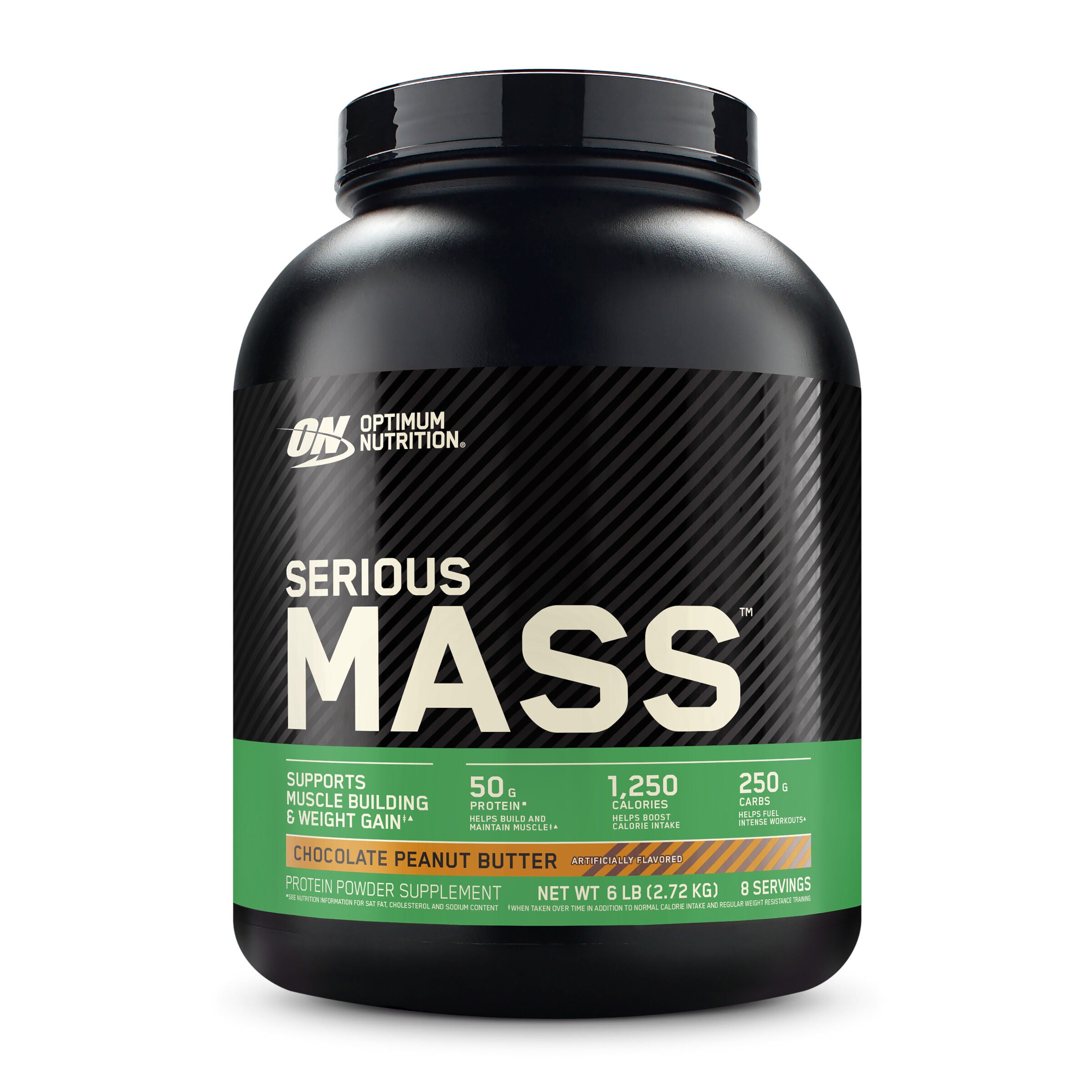


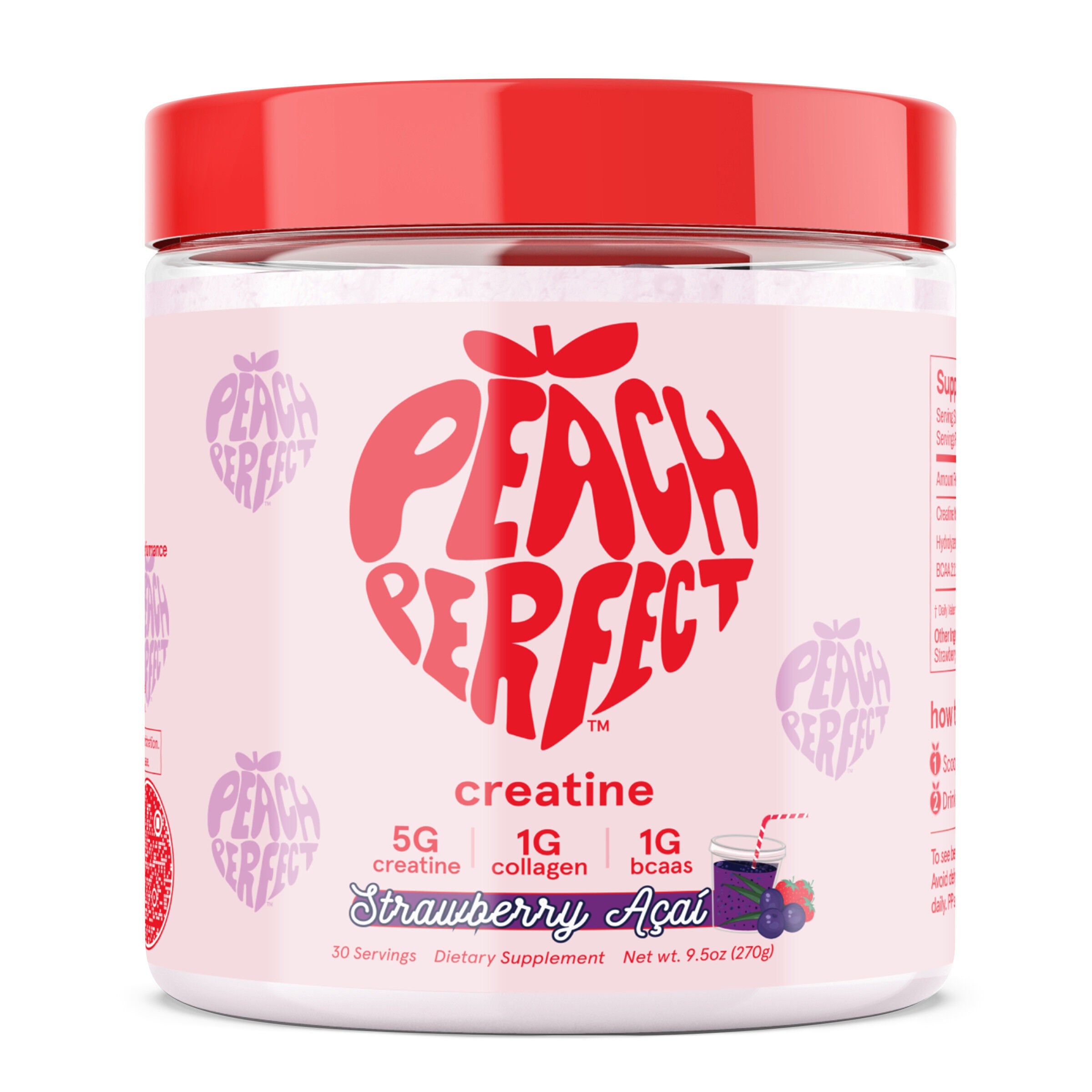

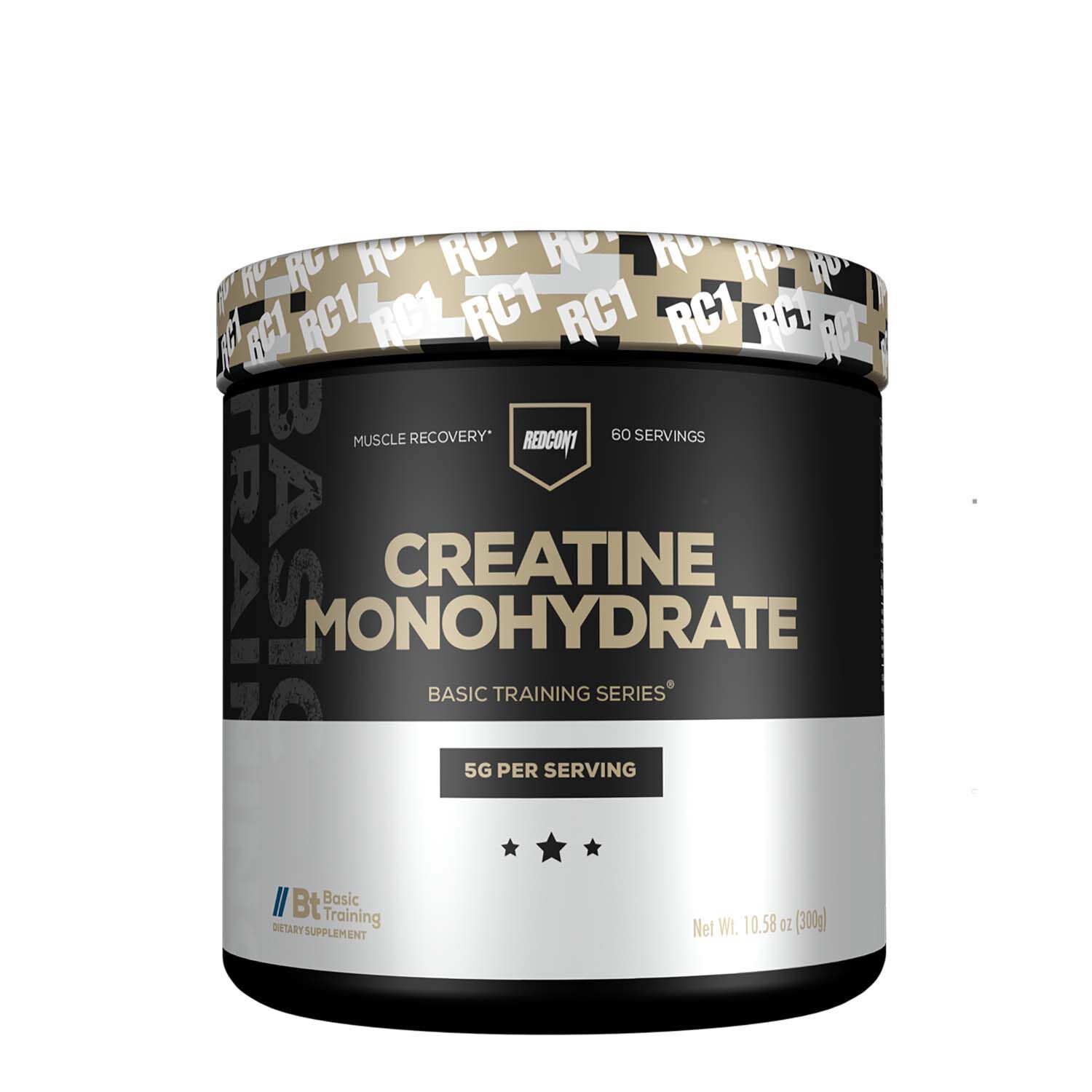


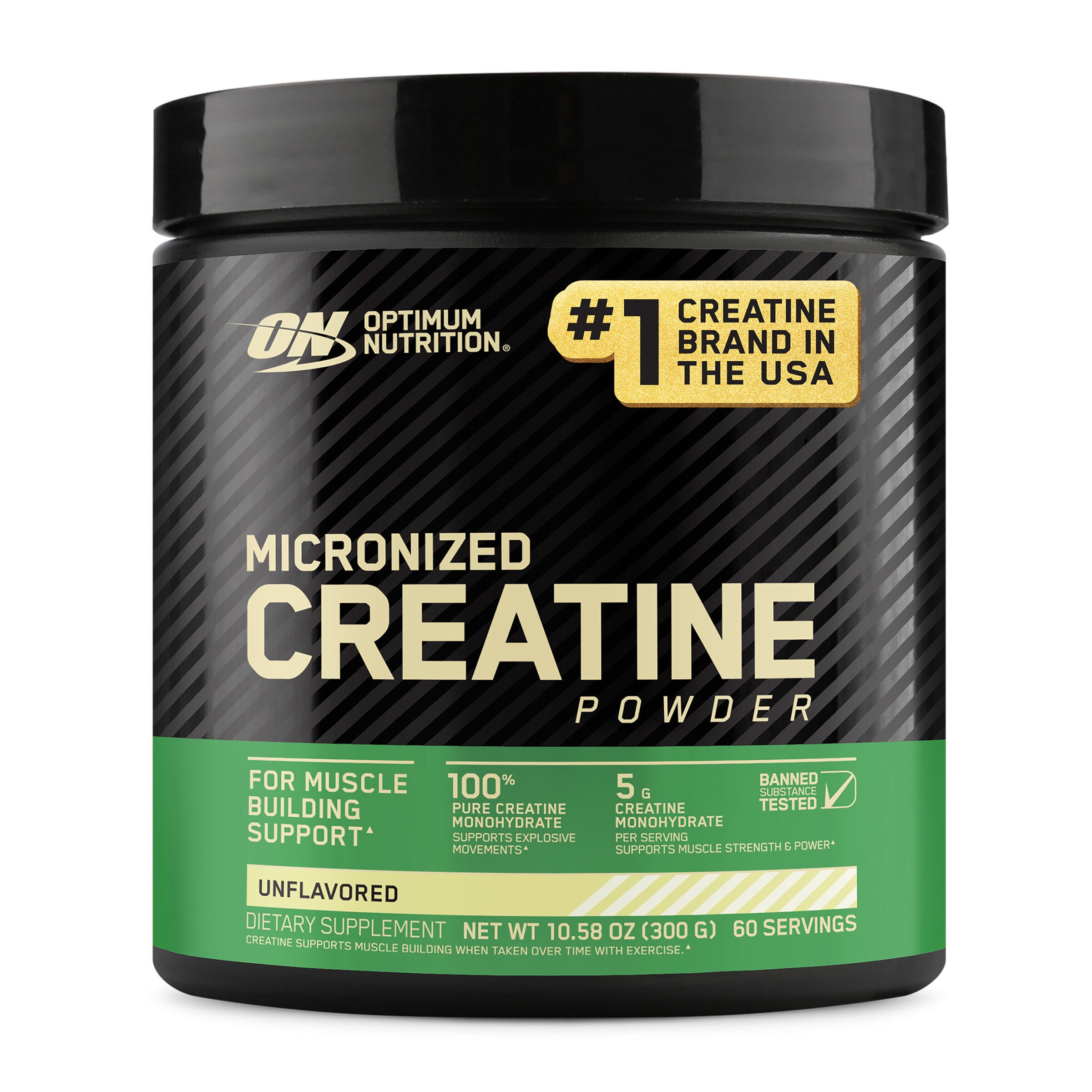
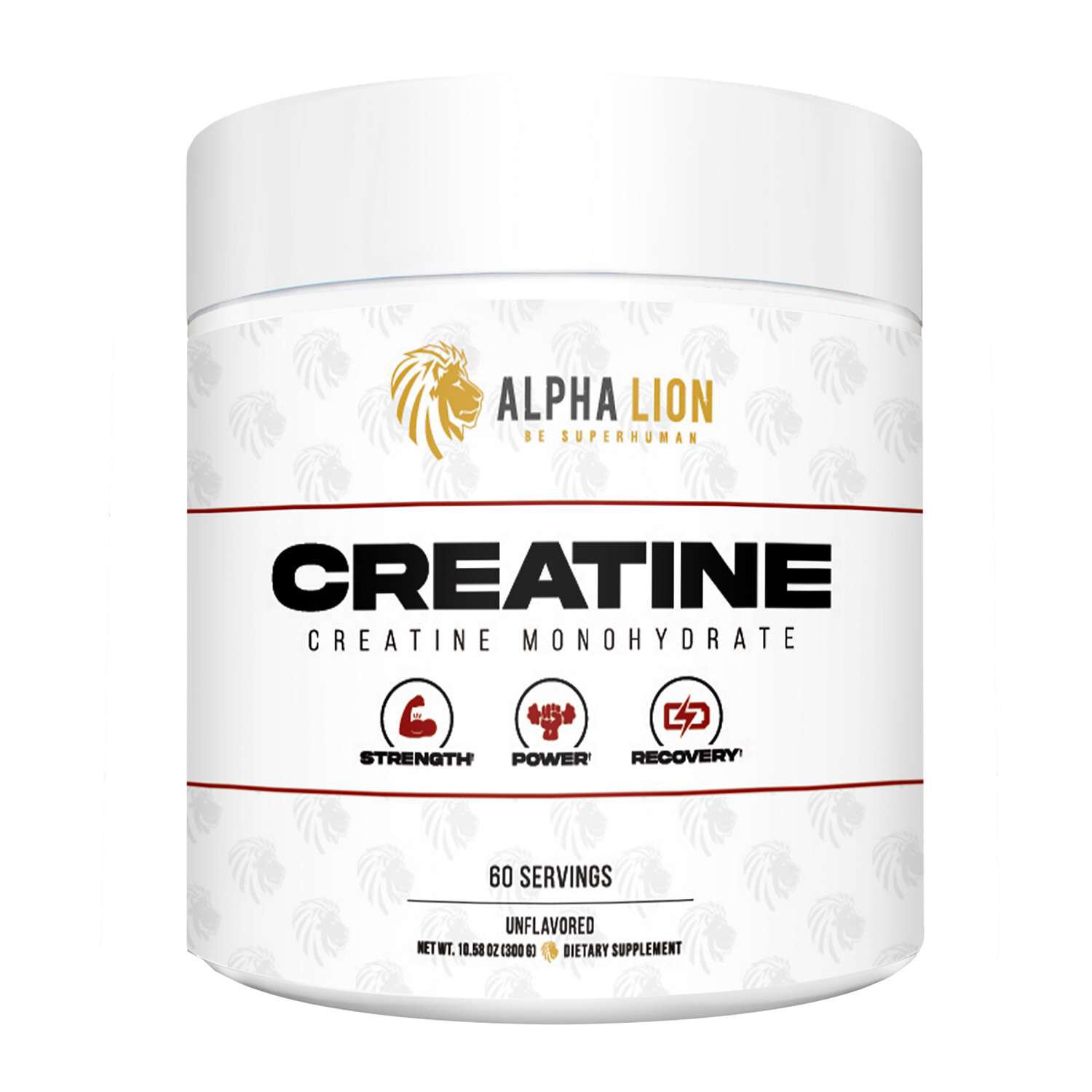
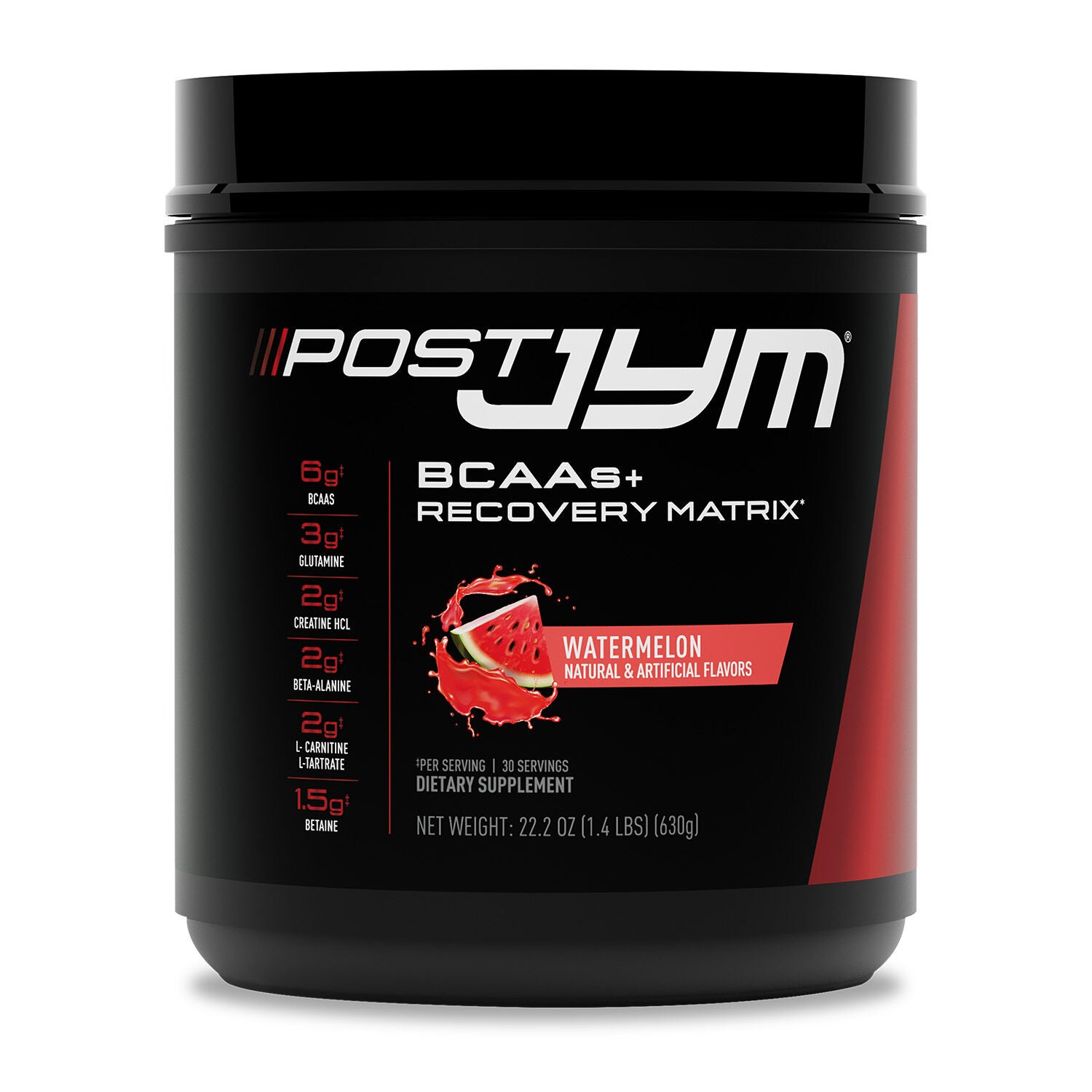
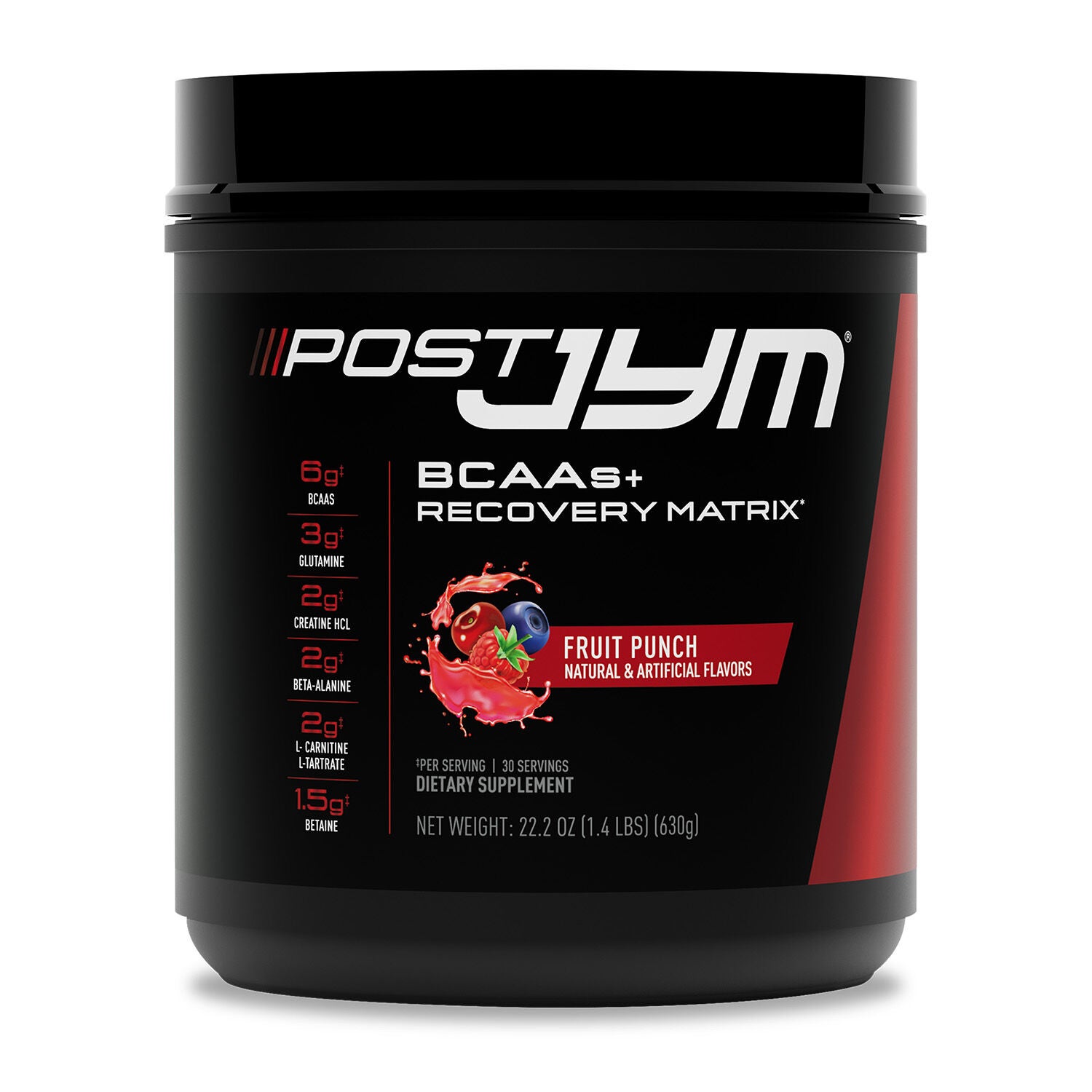


Creatine and glutamine powders are sports nutrition supplements often considered for post-workout routines, strength training, and repeated high-intensity exercise. Creatine may support performance during short, demanding efforts, while glutamine is an amino acid naturally present in muscle tissue and many dietary protein sources. Although the two ingredients frequently appear together in recovery-focused collections, they are different compounds rather than interchangeable versions of the same supplement. Creatine monohydrate is a familiar form of creatine, and L-glutamine is a common ingredient name on glutamine powder labels. Neither ingredient is a protein powder, and a serving should not be assumed to contain the protein found in a shake or meal. For someone finishing a series of squats, working through sprint intervals, or balancing several training sessions each week, these distinctions matter when comparing formulas. A combined powder puts both ingredients in one formula; separate powders allow each serving to be measured according to its own label. The right format depends on the shopper’s intended use, existing nutrition routine, and preference for a simple formula or a broader blend. Recovery itself involves more than the contents of a shaker bottle. Training demands, meals, hydration, and rest all belong in the picture, and combining creatine with glutamine does not establish that the time needed between workouts will be shorter. Evidence for creatine’s role in repeated high-intensity performance is more established than evidence that supplemental glutamine leads to faster exercise recovery in otherwise healthy, well-nourished adults. That distinction gives this category useful context without treating every recovery-focused formula as equivalent. Recreational lifters, experienced strength athletes, and adults returning to a consistent gym schedule may all encounter these powders while comparing sports nutrition options. A familiar ingredient name is a starting point, but the serving information and the rest of the formula provide a clearer picture of what is actually in the container.
When comparing creatine and glutamine powders for a recovery routine, the ingredient panel deserves as much attention as the wording on the front of the package. A single-ingredient powder, a two-ingredient combination, and a multi-ingredient workout blend are different formats, even when their names emphasize similar goals. The amount of creatine and glutamine per serving is more useful for comparison than the size of the scoop, since scoop dimensions and serving weights vary. A blend that lists several ingredients together without individual amounts also presents a different amount of detail than a label that identifies each ingredient’s quantity. Other label considerations include flavoring, sweeteners, carbohydrates, sodium, and any additional amino acids. These details are particularly relevant when the same routine already includes a protein shake, an electrolyte drink, or another workout supplement. Looking at those labels together makes overlapping ingredients easier to recognize. Texture and preparation are practical considerations, too. Unflavored powders may suit someone who prefers to use an existing beverage, while flavored formulas have their own taste profile to account for. The finished drink’s texture depends on the formula, the amount of liquid, and the preparation method; some powders may leave a little sediment rather than producing a perfectly clear drink. Label directions provide the appropriate reference for mixing and serving size, rather than assuming every powder behaves alike. Dietary preferences also deserve a close look at the ingredient and allergen statements, including any information about milk, soy, or shared manufacturing equipment. For competitive athletes, clearly identified third-party sport certification is another comparison point, separate from the formula’s ingredient amounts or flavor. These details make a difference in everyday use: a powder that fits comfortably into an existing routine is a different purchase from one that requires a separate drink, extra measuring, or a flavor combination the shopper does not enjoy.
Intended use also shapes how a creatine and glutamine powder fits into the day. Someone who trains before work may prefer a straightforward preparation that fits beside breakfast, while an evening lifter may already have a familiar meal and beverage planned after the gym. Neither scenario requires treating the minutes immediately after a workout as the only relevant moment for nutrition. With creatine, consistent use may matter more than choosing a narrow post-workout window, and the product’s directions remain the reference for its intended schedule. A recovery-focused powder may fit alongside a regular meal, but it should not be mistaken for the meal itself. Protein foods, carbohydrate sources, and beverages remain separate parts of the daily eating pattern, even when a supplement contains several sports nutrition ingredients. The distinction is especially useful after a demanding session, when a scoop in water and a substantial lunch serve different purposes. Packaging and storage are worth considering as well. A resealable container, a readable serving panel, and a scoop that stays dry are practical details for repeated use. Keeping powder in its original, tightly closed container according to label storage directions preserves access to the ingredient list and preparation information. For a gym bag or travel routine, securely closed packaging helps contain the powder, while leaving it loose in an unlabeled container creates avoidable confusion about the contents and serving size. Shoppers comparing recovery goals with workout performance can also explore Creatine Glutamine Powders For Muscle Performance for a related collection. Across these options, the most meaningful comparisons remain concrete: which ingredients are included, how much each serving contains, how the formula is prepared, and whether its intended use matches the existing routine. Those details offer a more useful basis for choosing than expecting the same recovery experience from every powder with similar wording on its label.
Best Sellers
-
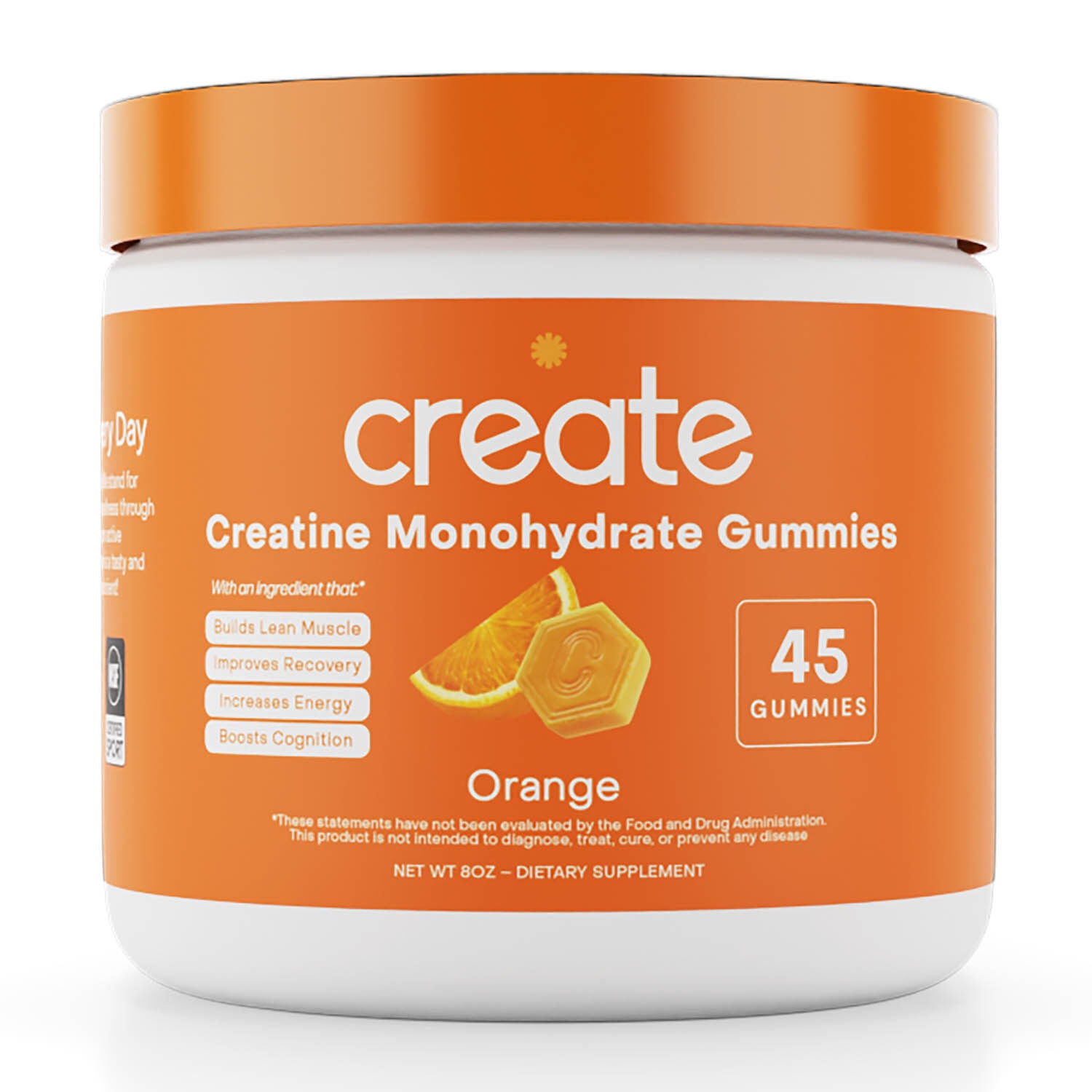 Create Wellness