





Daily Health Packs
(0 Results)
Explore the convenience and potential benefits of daily health packs, designed to simplify your wellness routine. These thoughtfully curated packs may offer a balanced blend of vitamins, minerals, and supplements to support overall well-being. Whether you're looking to support energy, immune health, or general vitality, daily health packs could provide an easy solution for maintaining a consistent supplement regimen. Embrace the ease of having all your nutritional needs in one convenient package, tailored to fit various lifestyle requirements.
-

-

-
-
-
-

-
-
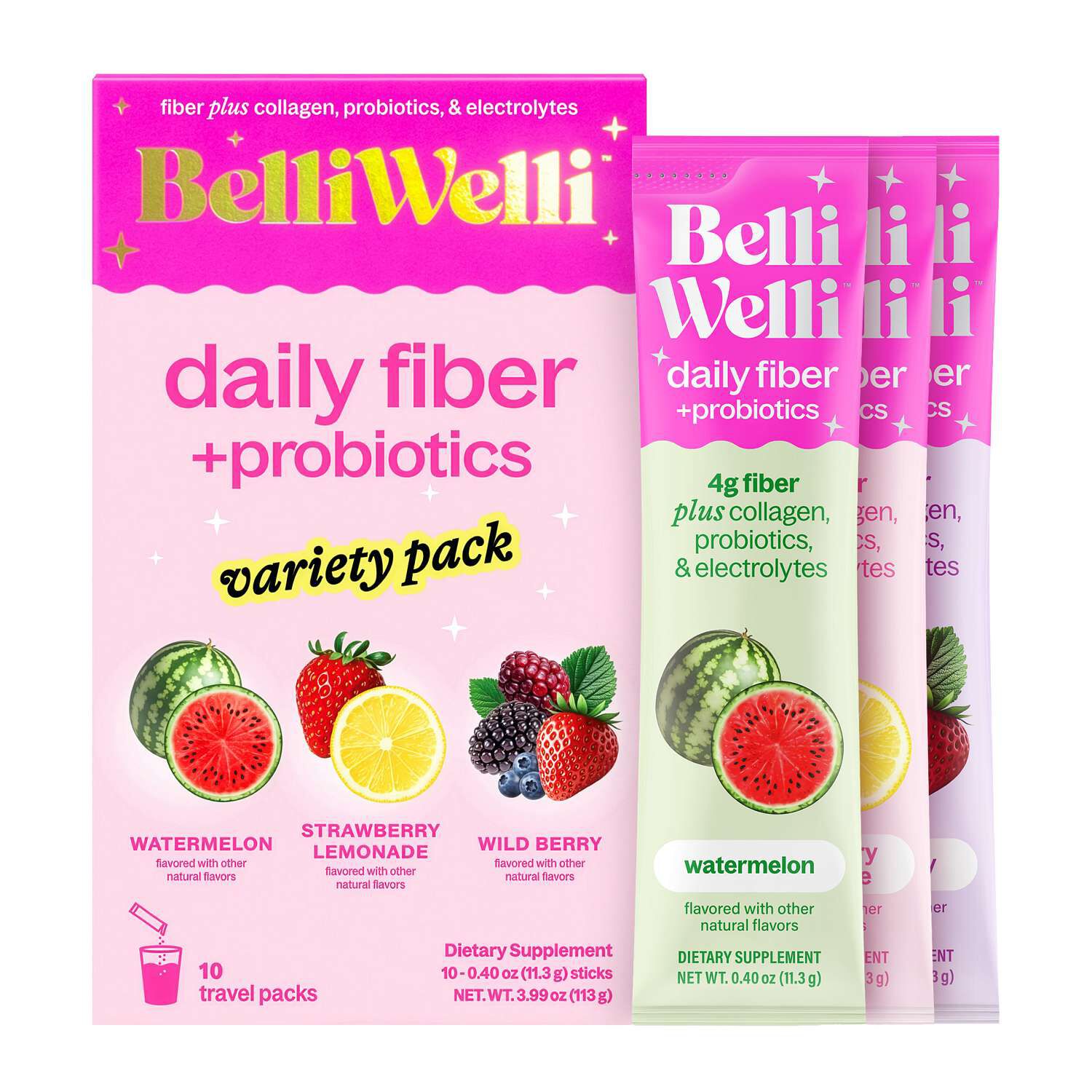 $17.97
-

-
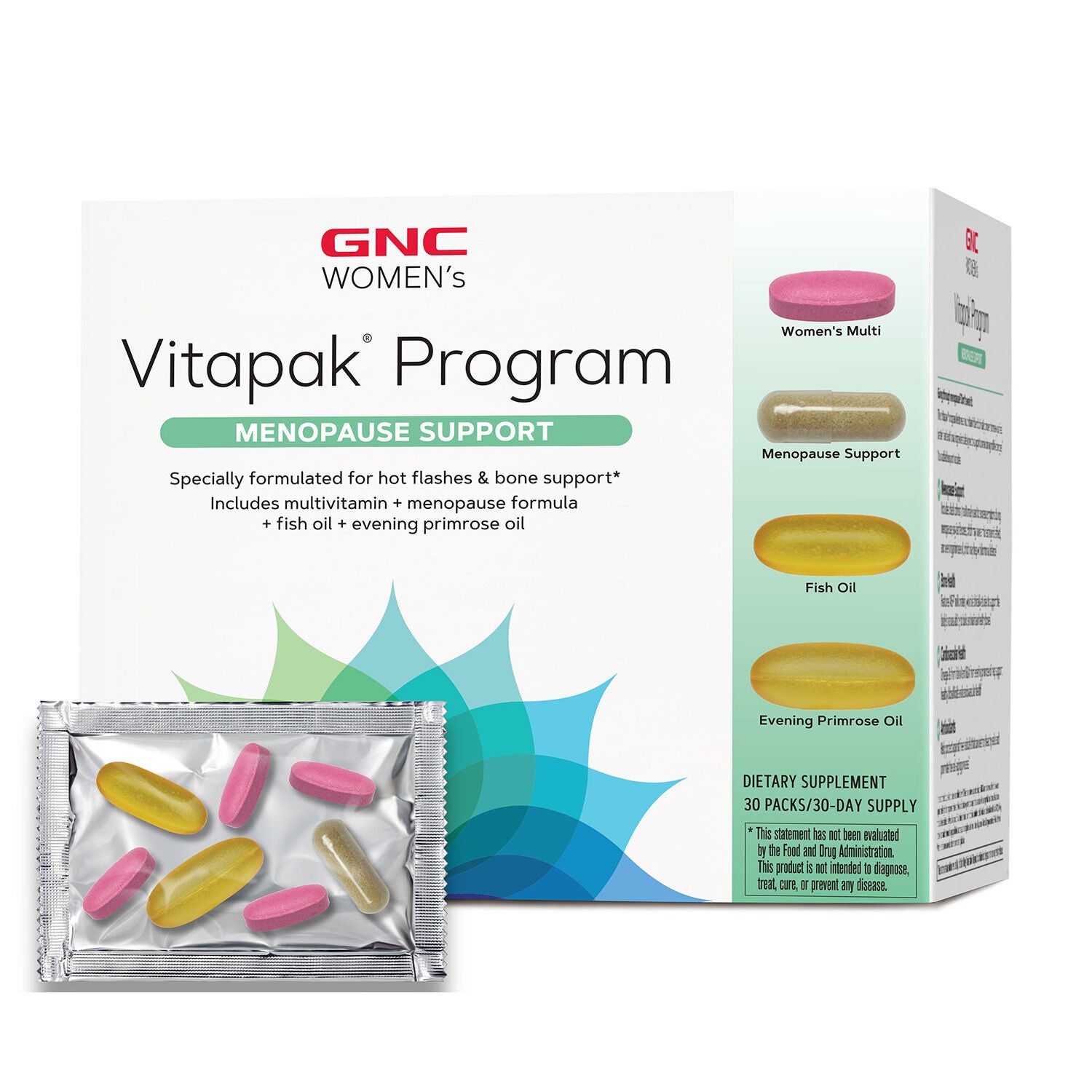
-

-
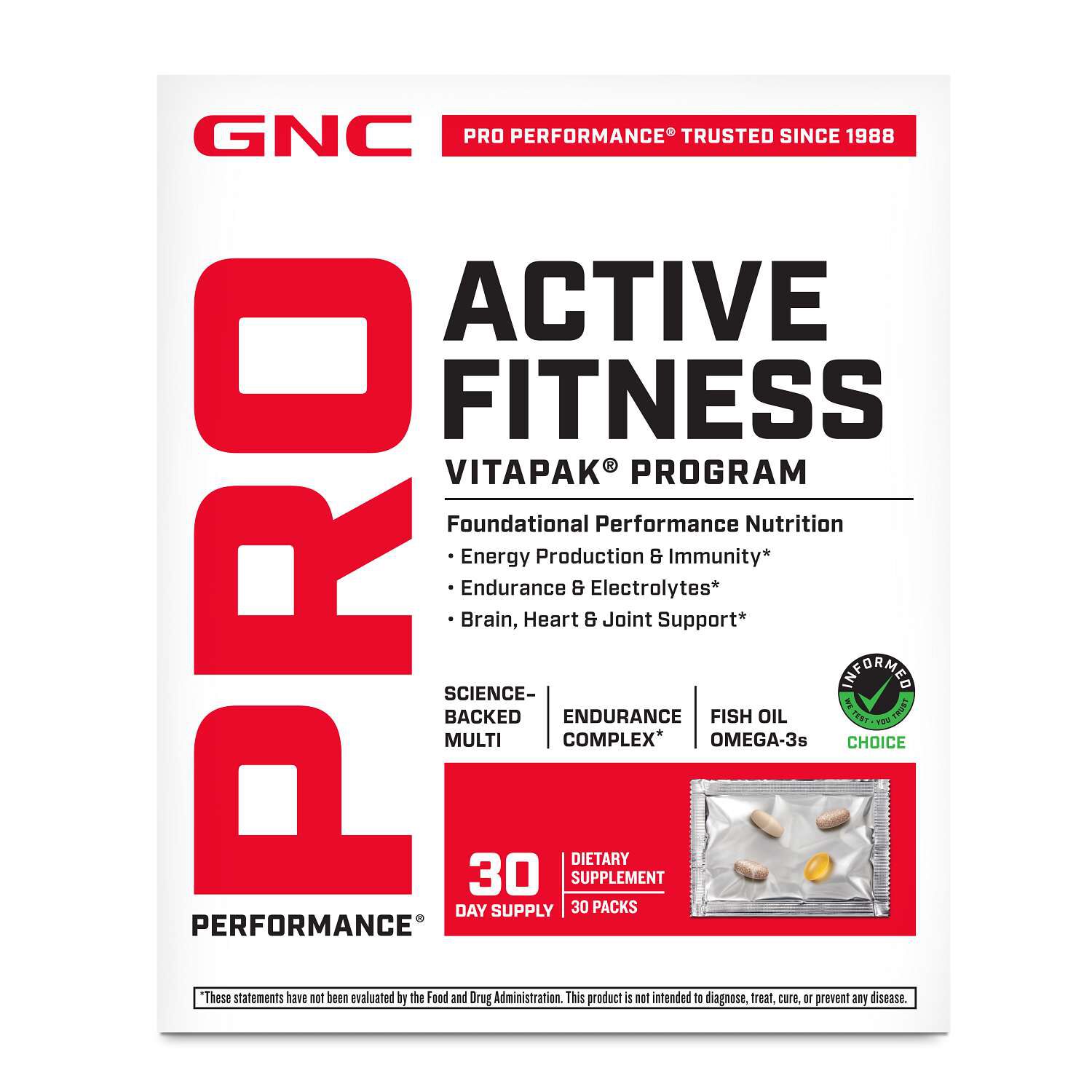 GNC Pro Performance$39.99
-
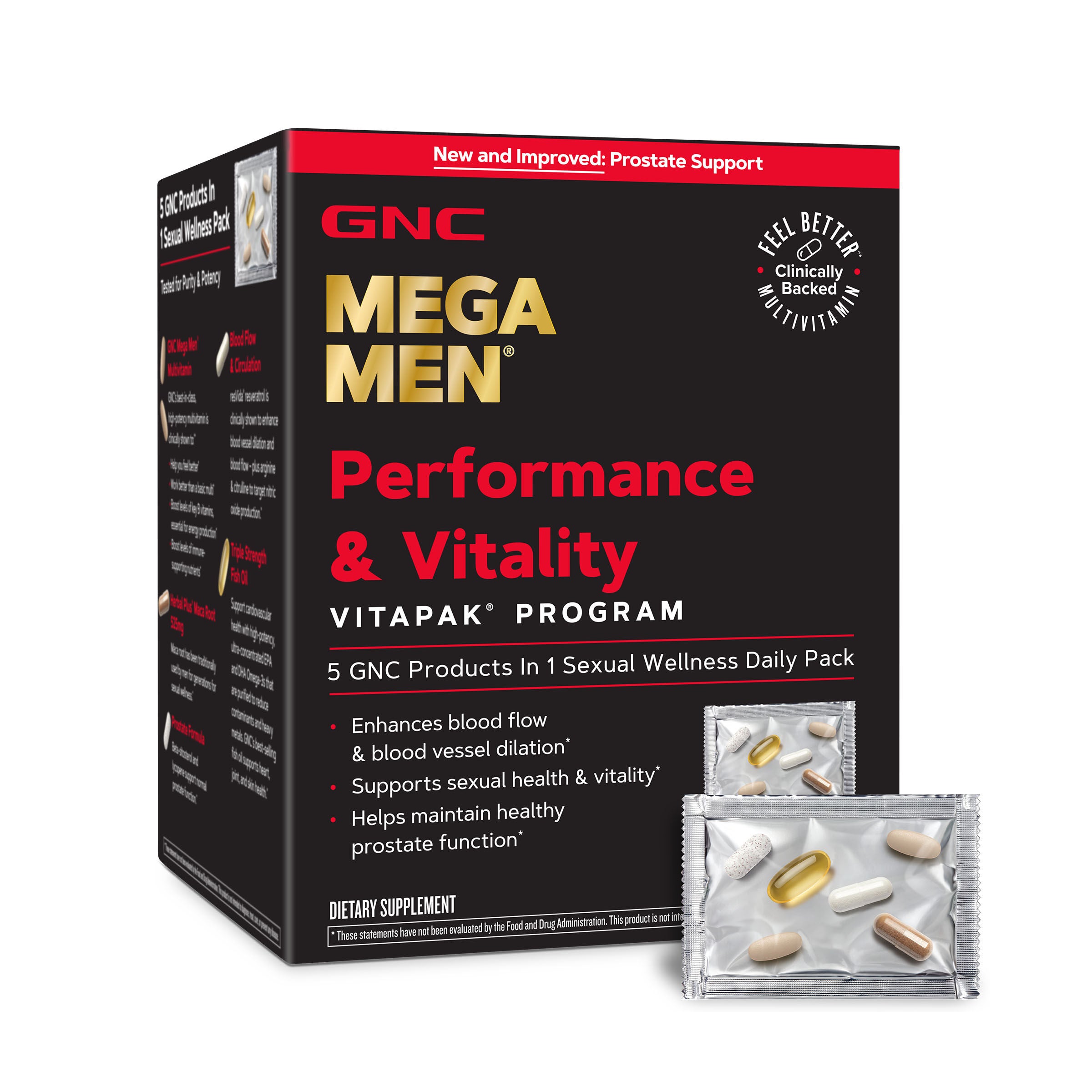
-

-
-
-
-

-

-

-

-
-
-
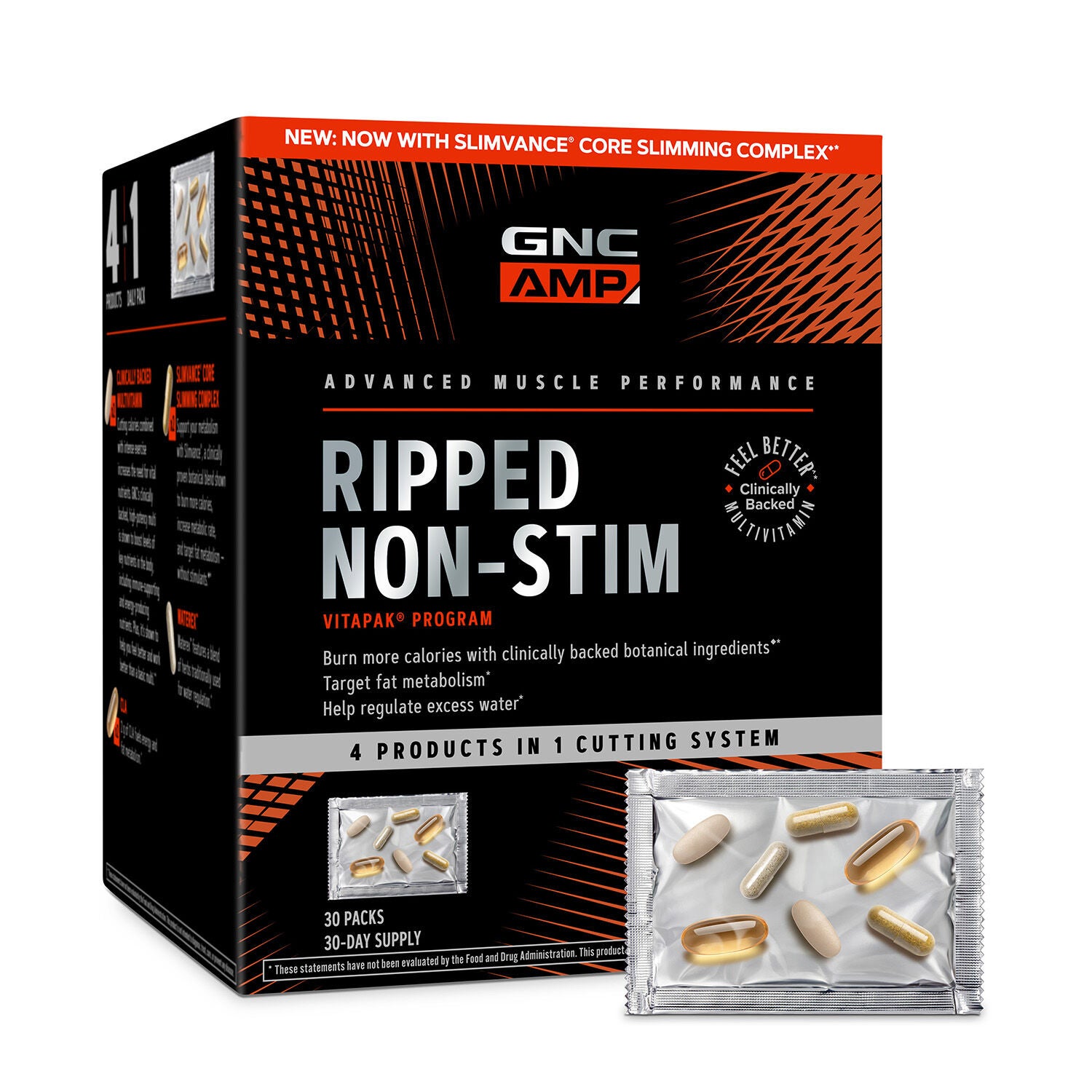
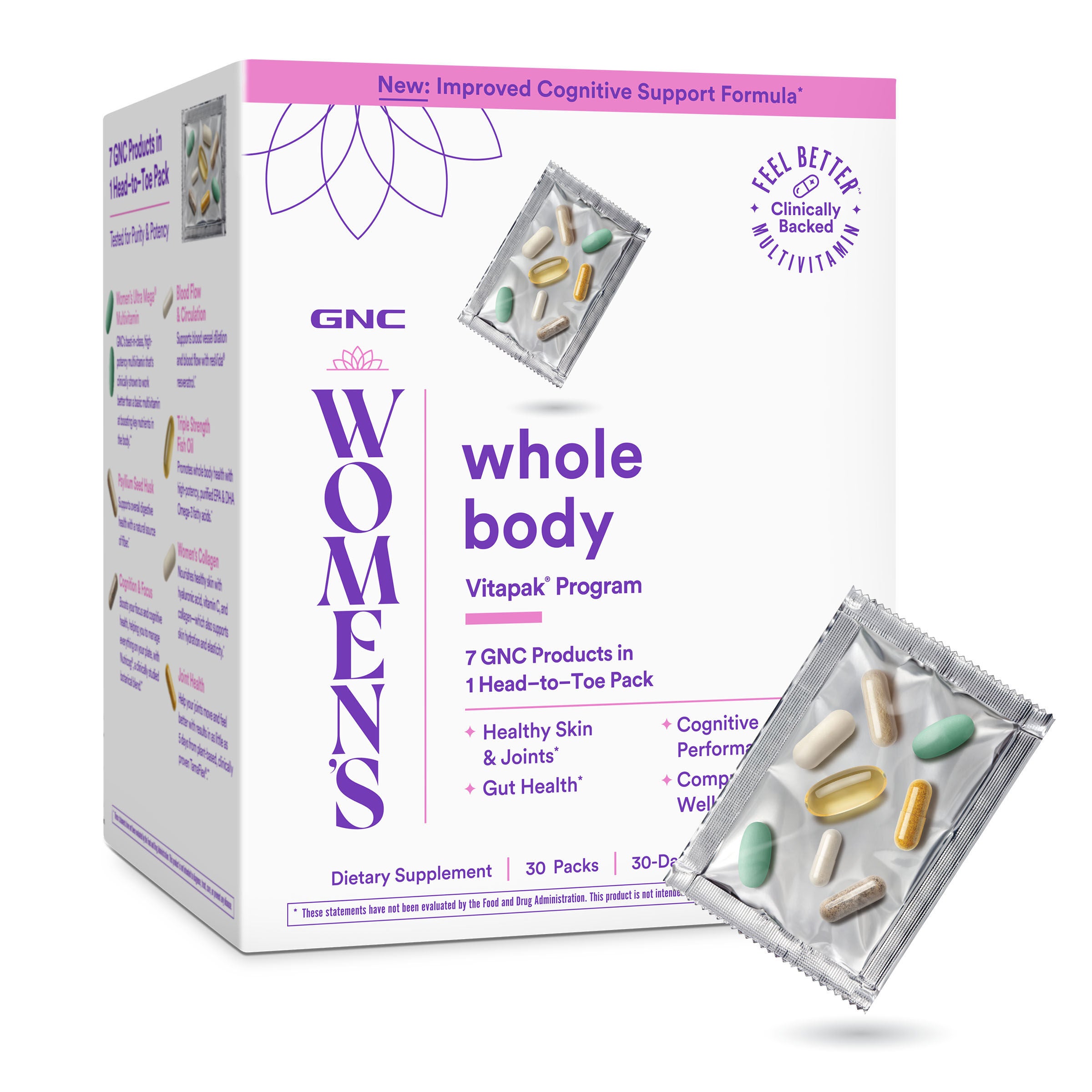
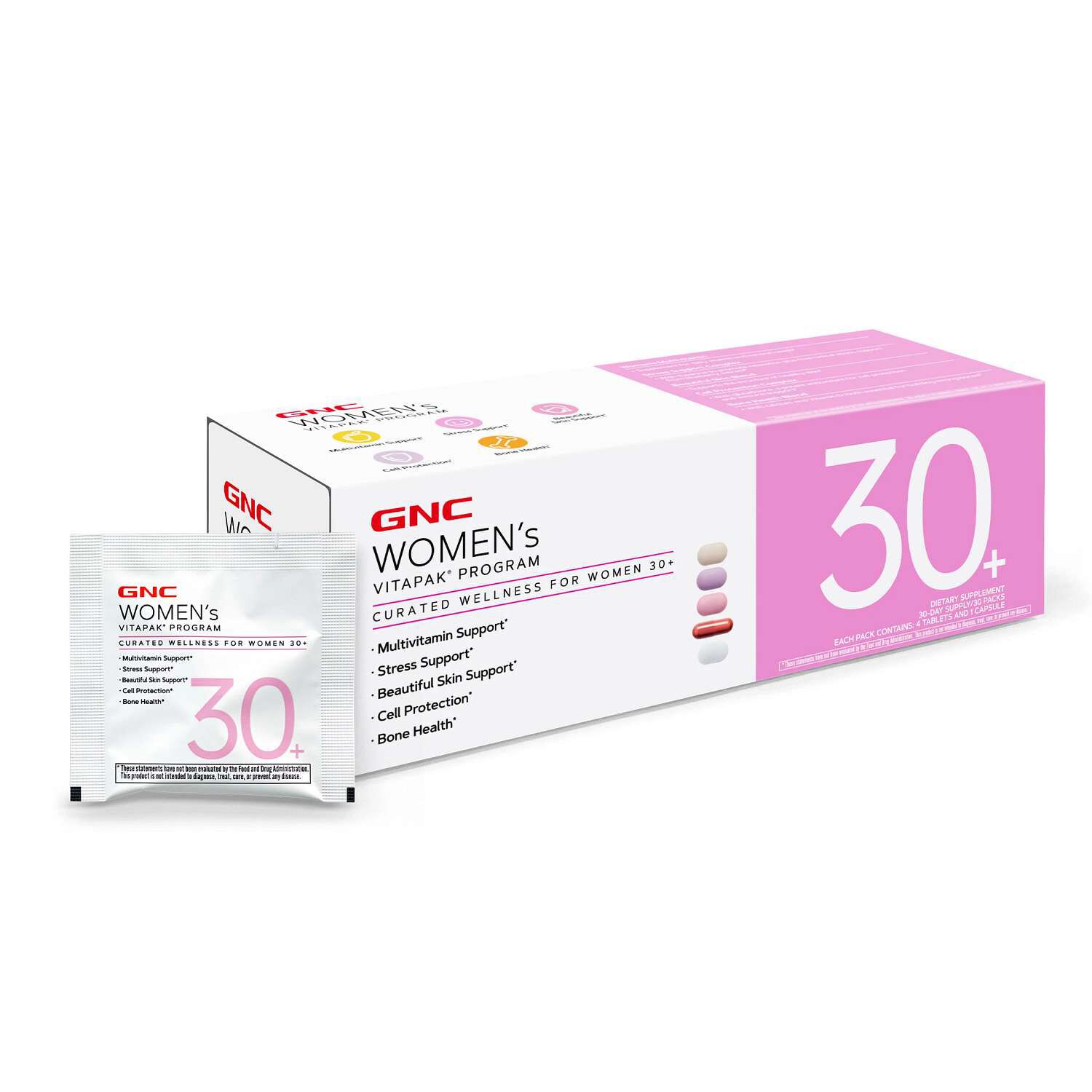
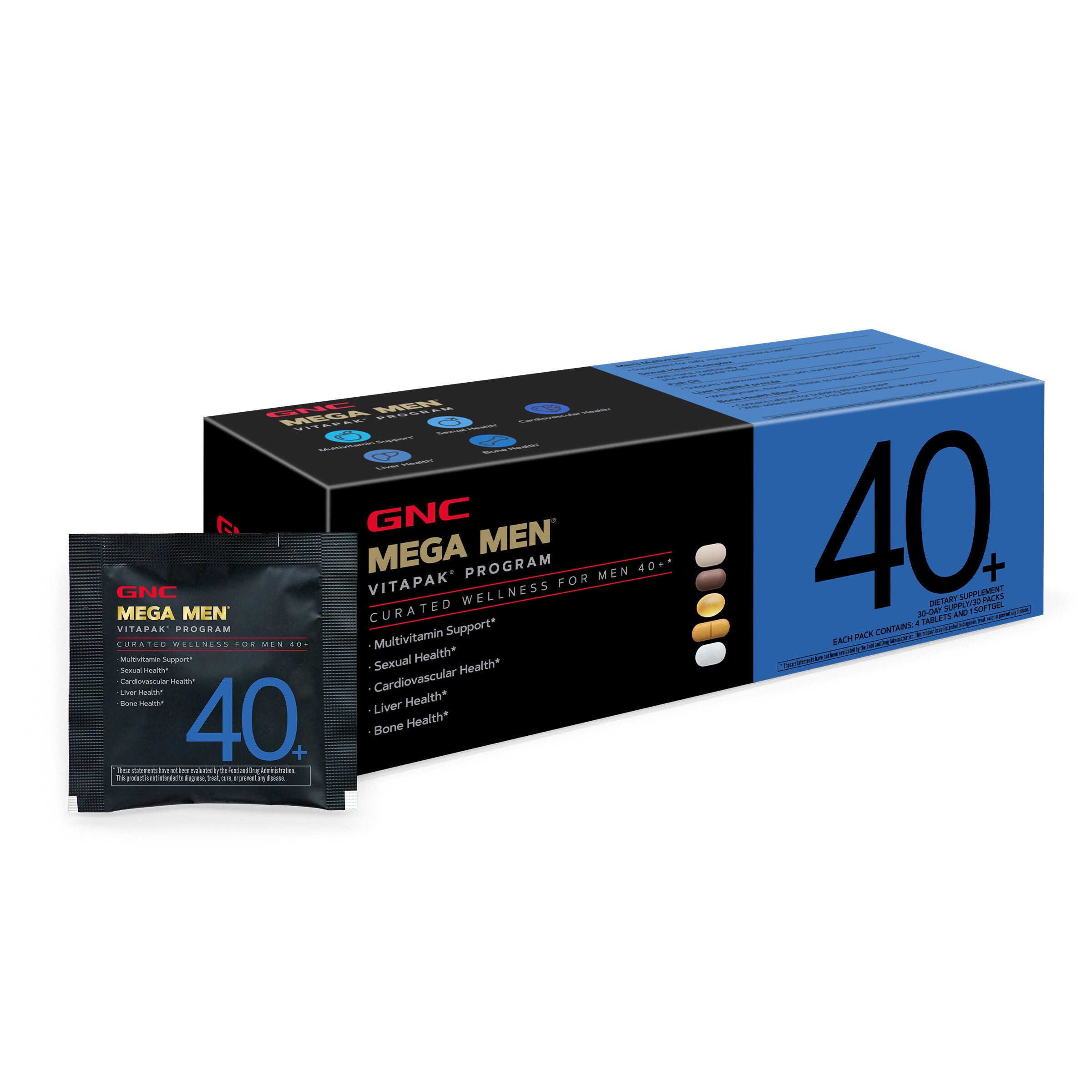
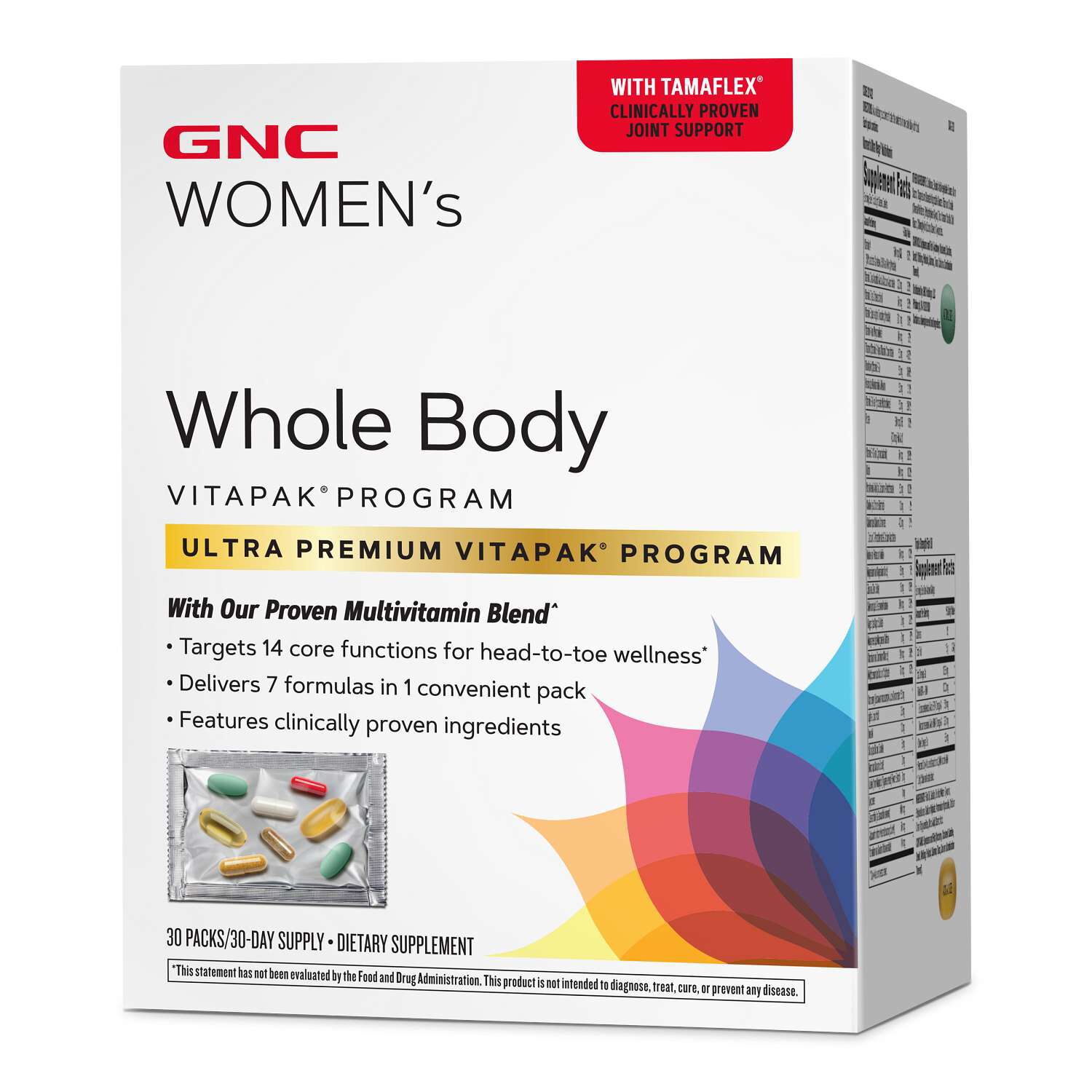
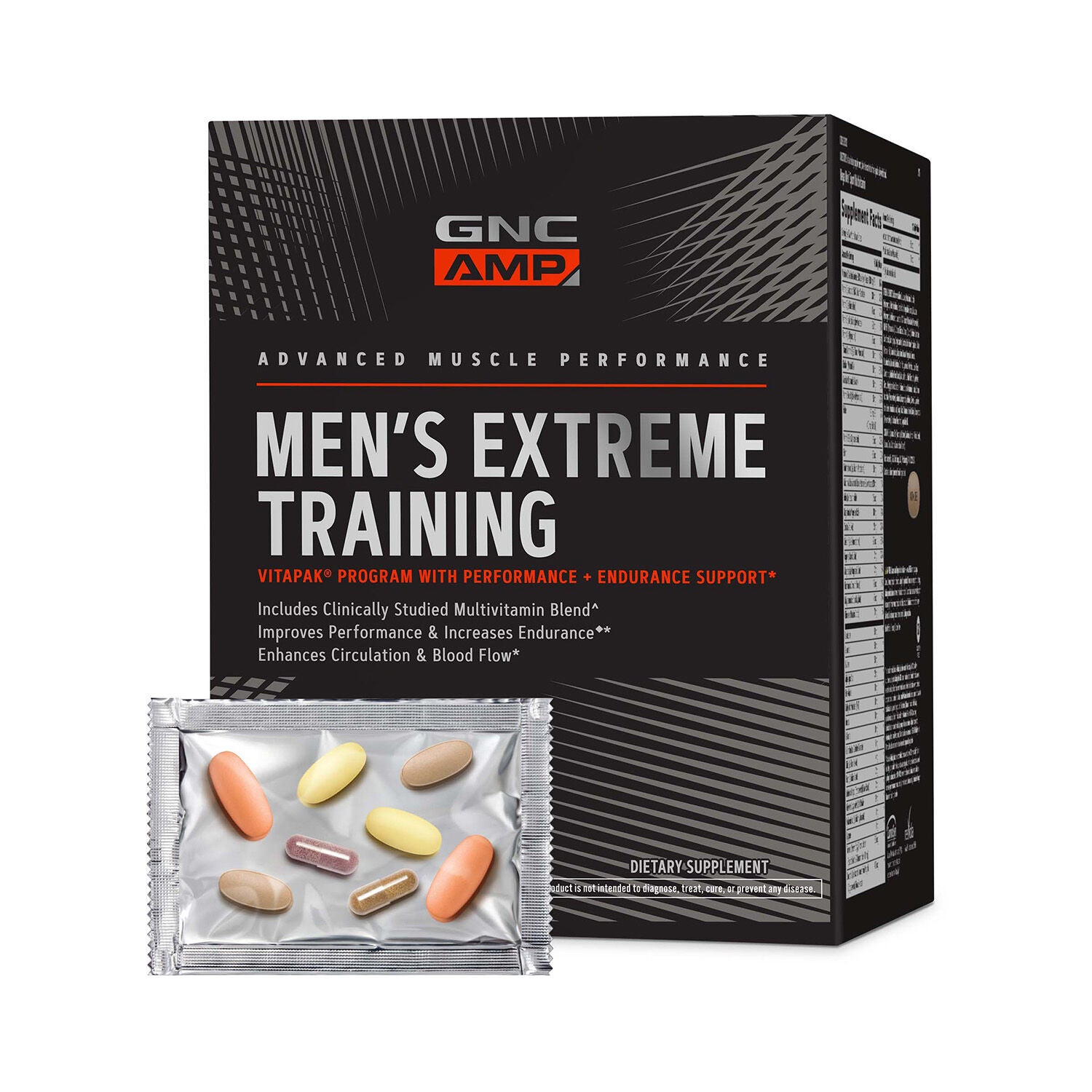
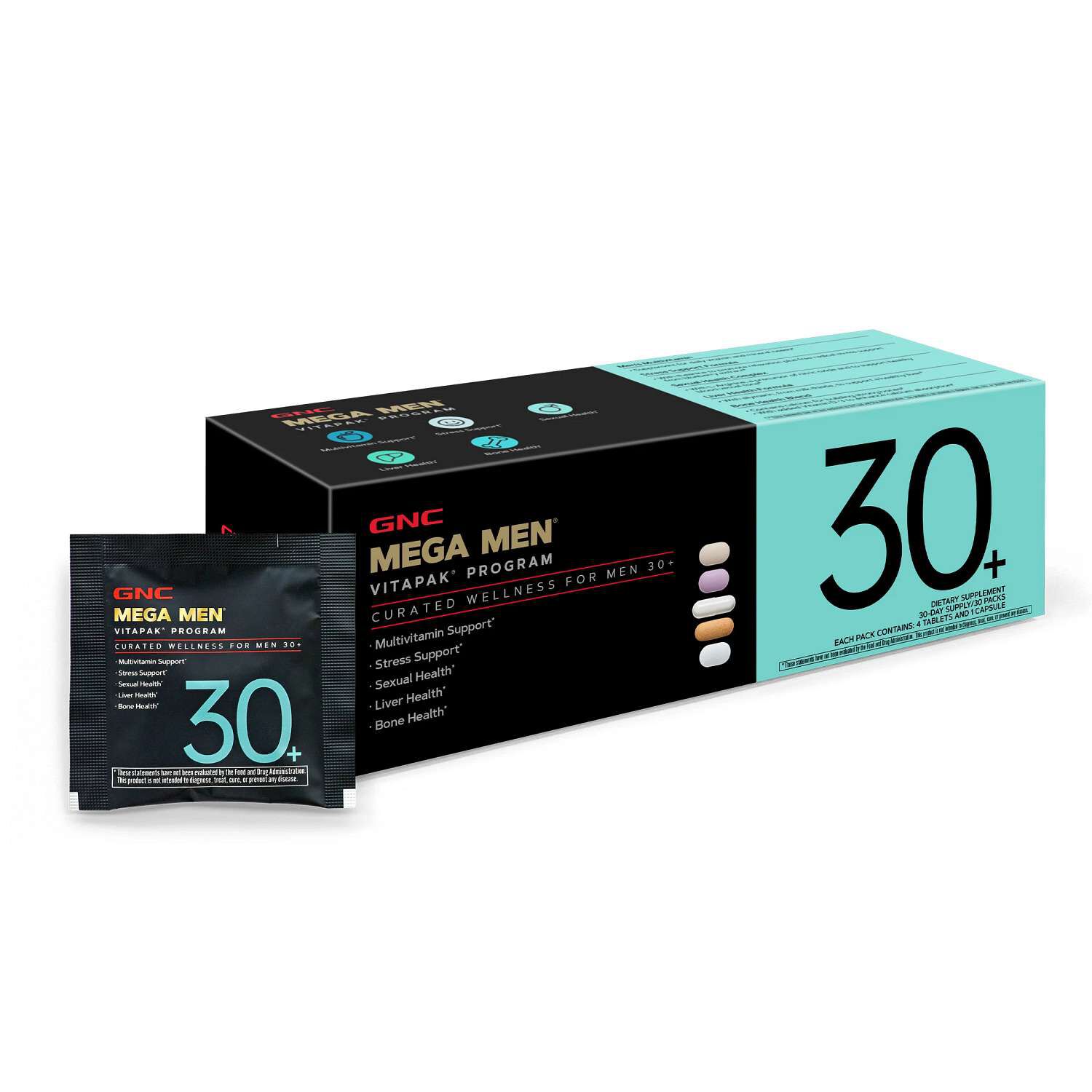
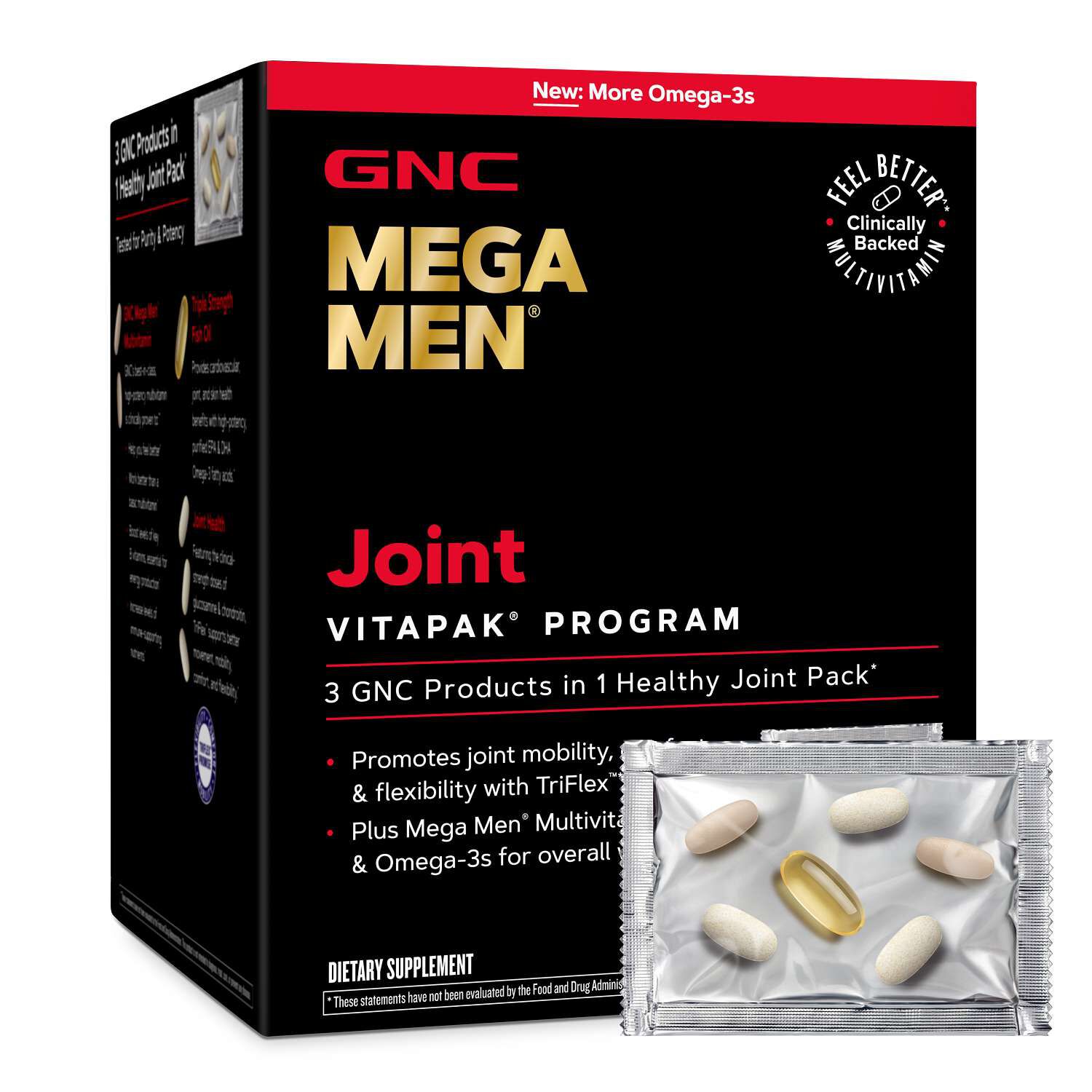
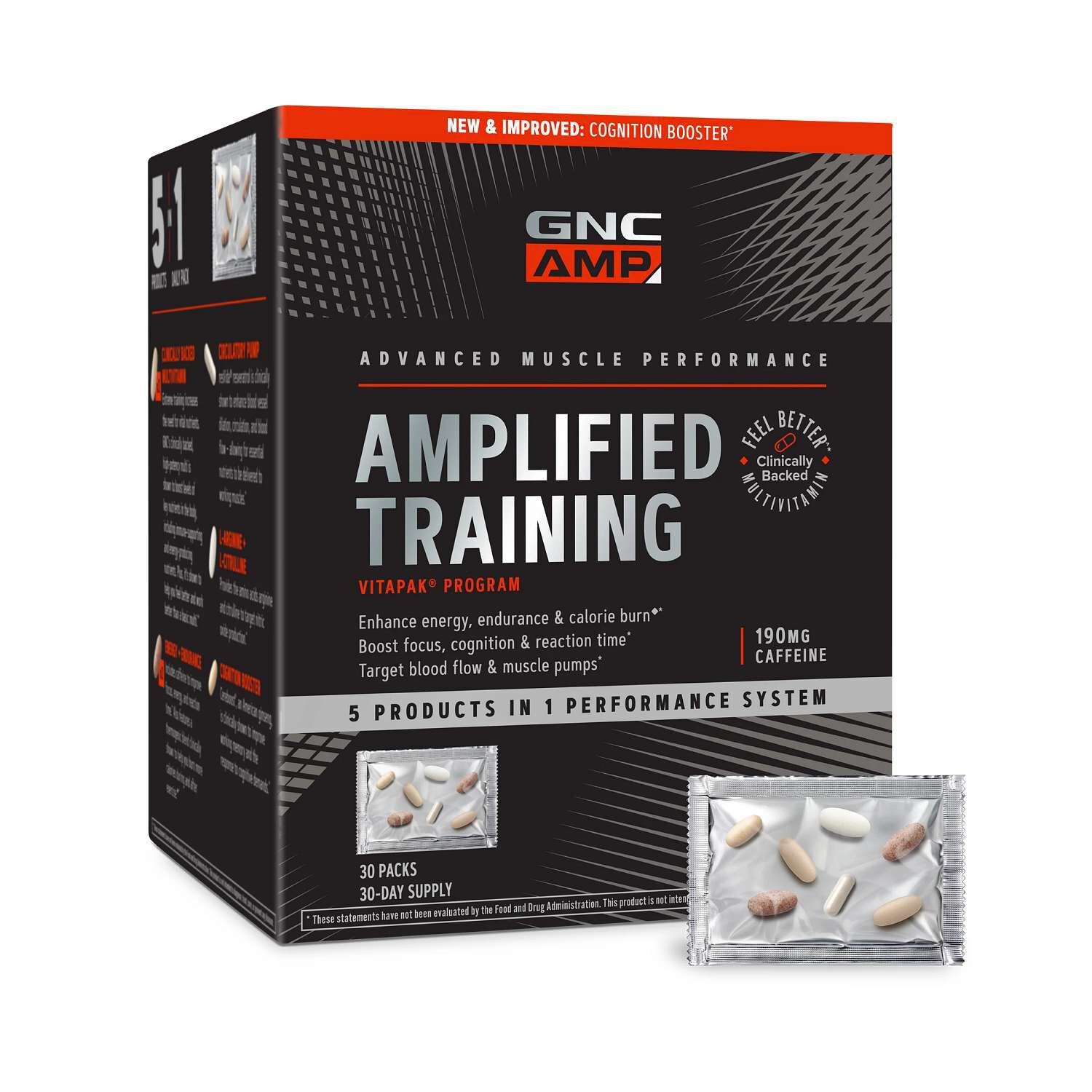
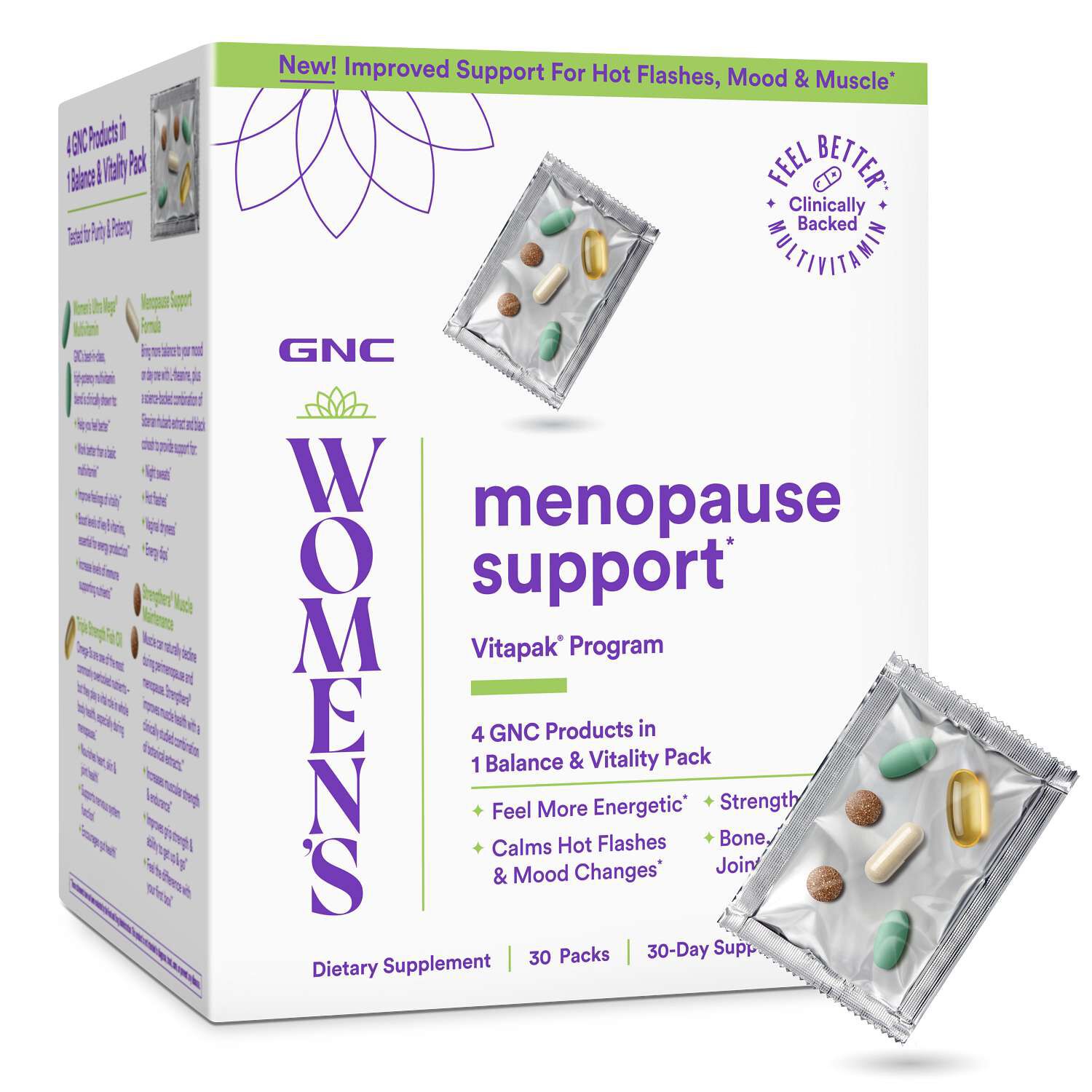
Daily health packs bring vitamins, minerals, and other supplement ingredients together in individual packets intended for a daily routine. Rather than being a single tablet, a pack may contain a combination of tablets, capsules, and softgels, with each component listed on the package. Some assortments center on a multivitamin and minerals, while others include omega-3 fatty acids, plant extracts, or additional specialty ingredients. The contents vary by formula, so the category name alone does not describe everything inside. For adults who prefer a packaged assortment over several separate containers, daily vitamin packs may offer a more organized approach to keeping supplements together. A packet tucked beside a breakfast place setting or packed with lunch could fit naturally into an established routine, provided its use matches the label directions. That convenience is distinct from the nutritional composition: two boxes with similar packet counts can contain very different ingredients, serving amounts, and dosage forms. A daily health pack is also not necessarily a one-pill serving. One pouch might hold several pieces, and some formulas divide their contents into separately labeled portions. The number of packets in a box, the number of packets per serving, and the directions for use all contribute to understanding what the package contains. These details matter when comparing a straightforward vitamin-and-mineral assortment with a more extensive combination. Daily supplement packs are intended to supplement food choices, not replace meals or serve as substitutes for a varied eating pattern. Their appeal is partly about format: the ingredients come grouped together rather than requiring a separate selection from each bottle. For someone managing an early commute, a changing work schedule, or a bag packed for an overnight trip, that arrangement may be a practical preference. The right comparison begins with the actual contents and intended use, rather than the size of the box or the number of pieces inside each pouch.
The Supplement Facts panel provides a closer look at the composition of daily health packs, including named nutrients, amounts per serving, and percent Daily Value where applicable. Multivitamin components commonly combine several vitamins and minerals, while accompanying capsules or softgels can introduce other ingredients. An assortment containing fish oil, for example, differs from one centered on vitamins and minerals alone, both in its ingredient sources and in the types of pieces inside the packet. Where a pack includes more than one formula, its labeling may present those components separately. Ingredient names, serving sizes, and the amount supplied by each component are more informative than a broad description on the front of the carton. Formulas marketed for different adult audiences can also vary in composition, making the stated age range and intended user relevant shopping details. A daily pack selected for a recreational athlete, a frequent traveler, or someone who simply prefers pre-portioned supplements need not have the same assortment. Activity-based packaging does not, by itself, describe every ingredient or its amount. Physical format deserves attention as well. Tablets, two-piece capsules, and softgels have different shapes, sizes, textures, and outer materials, and a pouch containing several forms may feel different from a familiar single-tablet routine. Capsule shells and softgels may contain gelatin or use other materials; vegetarian or vegan preferences depend on the full formula, not just one component. Fish, milk, soy, and wheat are examples of sources that can appear in ingredient or allergen information. Flavorings, colors, coatings, and other ingredients are additional points of distinction, even when the main nutrient lists look similar. For shoppers already purchasing separate supplements, ingredients shared across those products and a daily pack are another useful comparison. A clear view of the entire assortment may make the choice more straightforward than focusing on one prominent ingredient. The label brings those details together, showing what is included without requiring assumptions based on a packet’s appearance.
Packaging and storage are part of the everyday experience of daily health packs. Individually sealed pouches may be convenient for carrying a labeled portion, but the outer carton often holds directions, ingredient details, and other information that does not appear in full on every packet. Keeping that information accessible is especially relevant when portions are separated from the box for travel or a workday. Packet dimensions, the opening method, and the number of pieces inside are practical details for anyone fitting supplements into a small bag or a crowded kitchen cabinet. A compact pouch may take up less room than several bottles, although its exact size depends on the assortment. Seal condition, expiration dating, and the package’s storage instructions are also part of comparing and caring for these products. A daily pack is not automatically suited to every place it can physically fit; the printed storage directions remain the reference for where it belongs between uses. Consistent labeling can matter just as much as compact packaging, particularly when a formula uses separate portions with different directions. For households where more than one adult uses supplements, distinct cartons and clearly marked packets may make individual assortments easier to identify. Shoppers comparing formats can also explore Daily Health Powders, a related category for those who prefer a mixable format. Powders and packs are not interchangeable simply because both are intended for daily use: their ingredient lists, serving measurements, preparation, and directions can differ. Packs generally group solid dosage forms into a pouch, while powders involve measuring or opening a portion and mixing as directed. Neither format determines the suitability of every formula within it. A thoughtful selection comes down to the intended adult user, the listed ingredients, the serving arrangement, and the handling involved. Whether the packet sits beside a morning meal or travels in an overnight bag, daily health packs offer a distinct way to organize a supplement assortment around the details of an established routine.
Best Sellers
-
Universal Nutrition
-
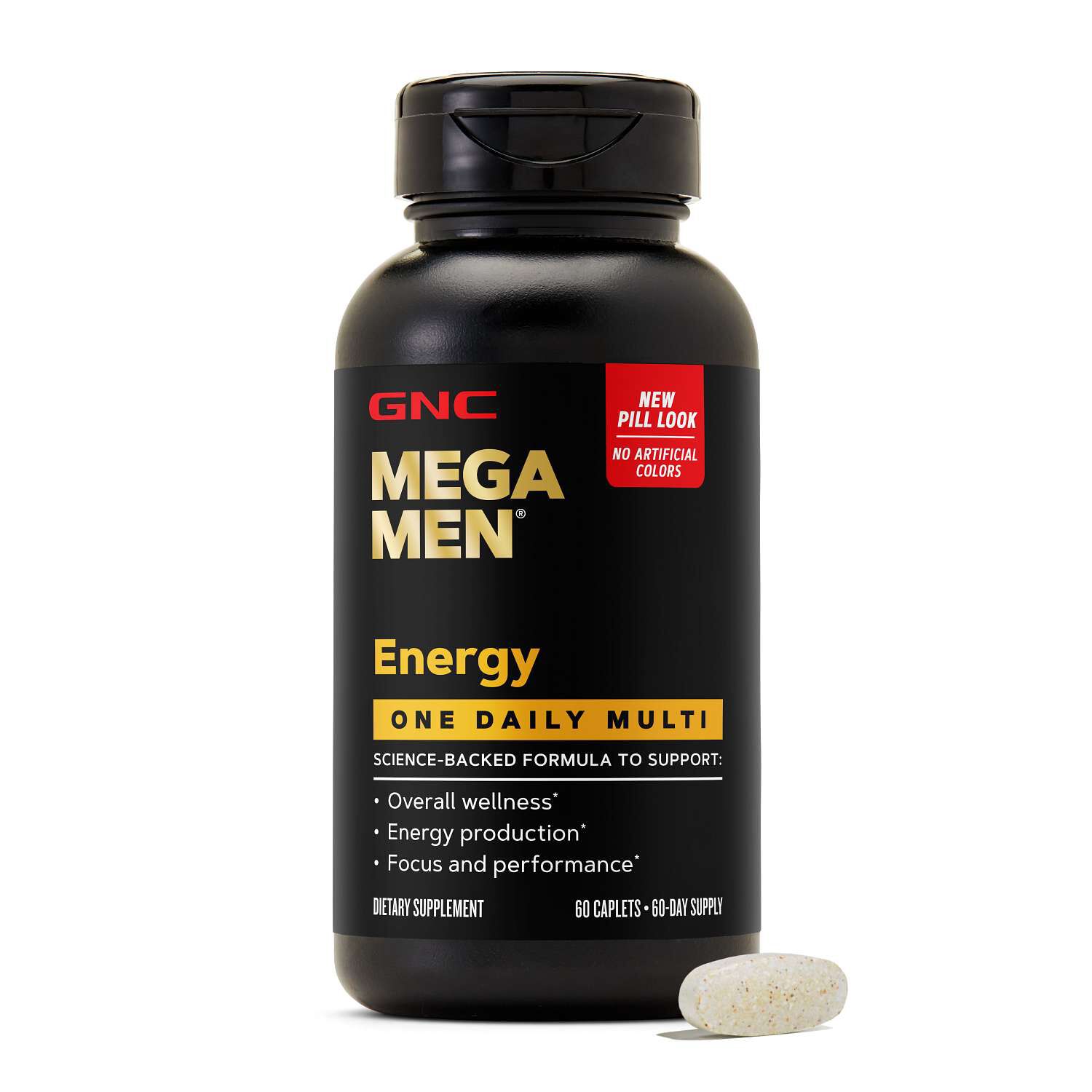 GNC Mega Men
-
GNC Mega Men

Top Collections
- GLP 1 Support For Adults
- Supplements For Yoga Joint Flexibility
- Supplements For Balance
- Joint Mobility Supplement Packs
- Zinc Supplements | Top Brands at Great Prices | GNC
- Capsule Supplements For Energy And Stamina
- Supplements For Anxiety Relief Support
- Chronic Fatigue Supplements
- Zinc Supplements For Men
- Iron Supplements