Daily Probiotic Supplements
(0 Results)
Support your digestive health with our daily probiotic supplements, designed to promote a healthy balance of beneficial bacteria in your gut. Our carefully formulated probiotics are packed with live cultures to help support your immune system and overall well-being. Whether you're looking to maintain a healthy gut flora or support your digestive system, our daily probiotic is here to help you feel your best every day.
-

-

-

-
_Front.jpg?sw=305&sh=305&sm=fit "BioDophilus60 - 30 Capsules (30 Servings) | GNC")
-
_Front.jpg?sw=305&sh=305&sm=fit "BioDophilus60 - 60 Capsules (60 Servings) | GNC")
-
_Front.jpg?sw=305&sh=305&sm=fit "BioDophilus25 -120 Capsules (120 Servings) | GNC")
-
_Front.jpg?sw=305&sh=305&sm=fit "BioDophilus25 - 60 Capsules (60 Servings) | GNC")
-

-
 1$14.99
 -
 You Matter Wellness$49.99
 -

-
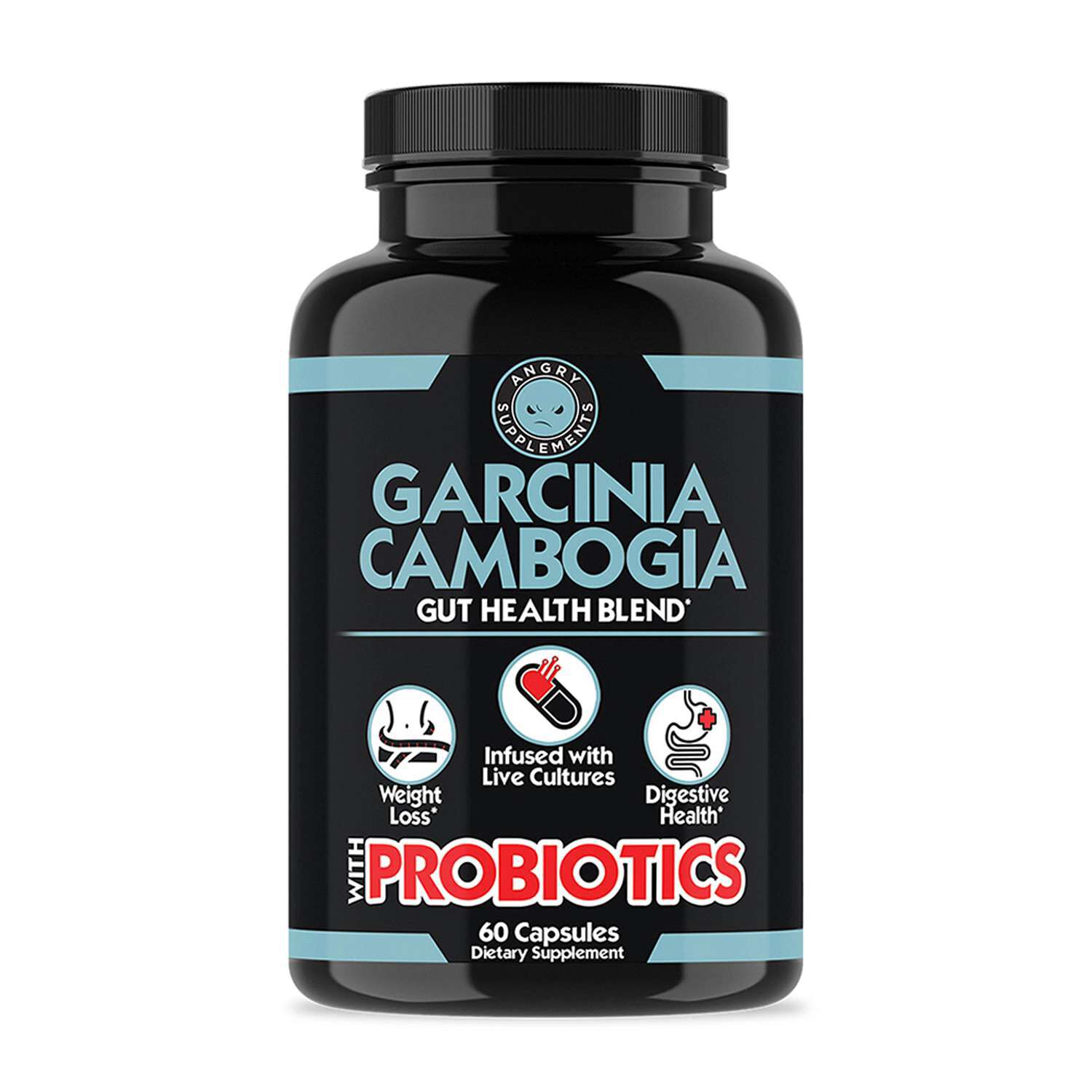

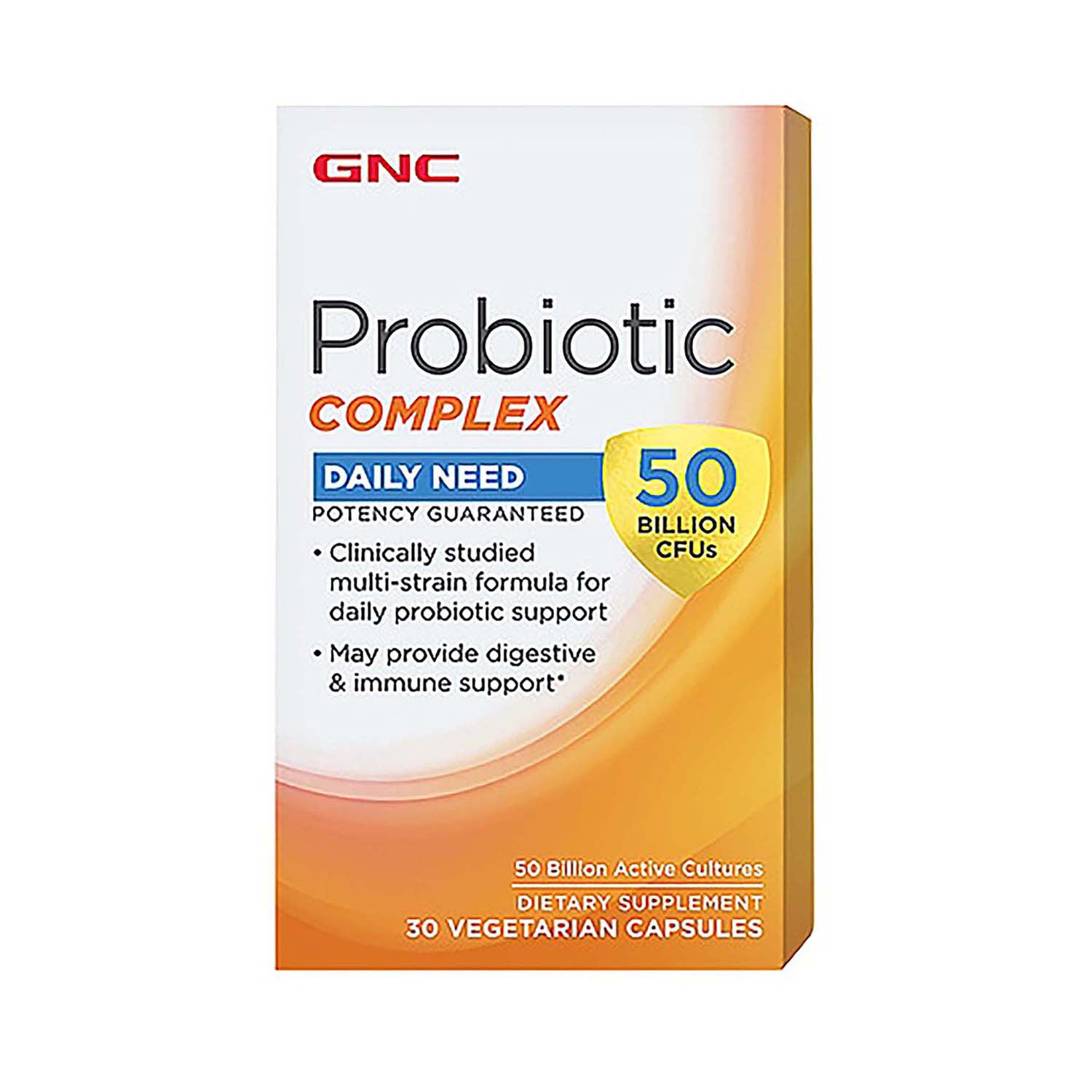

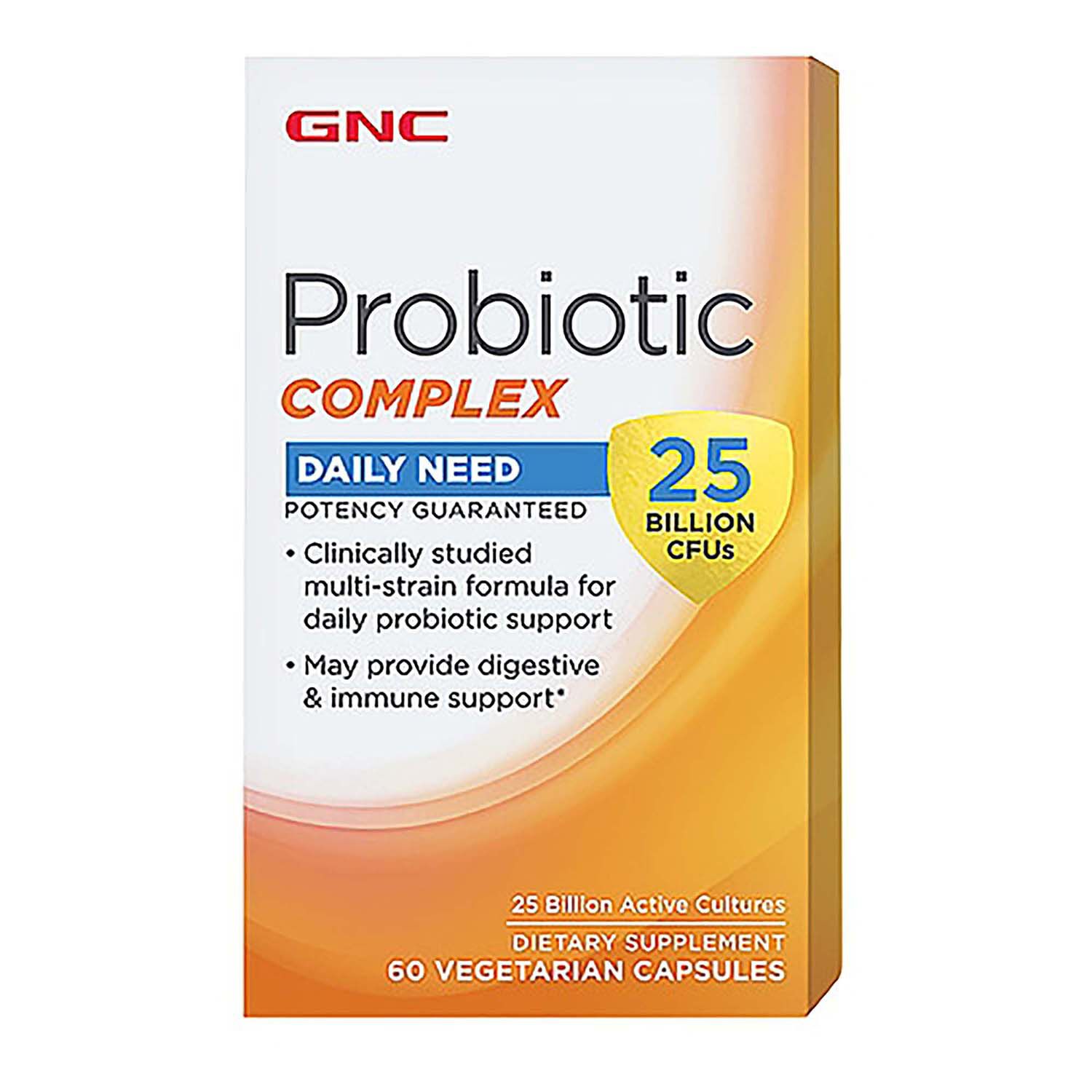





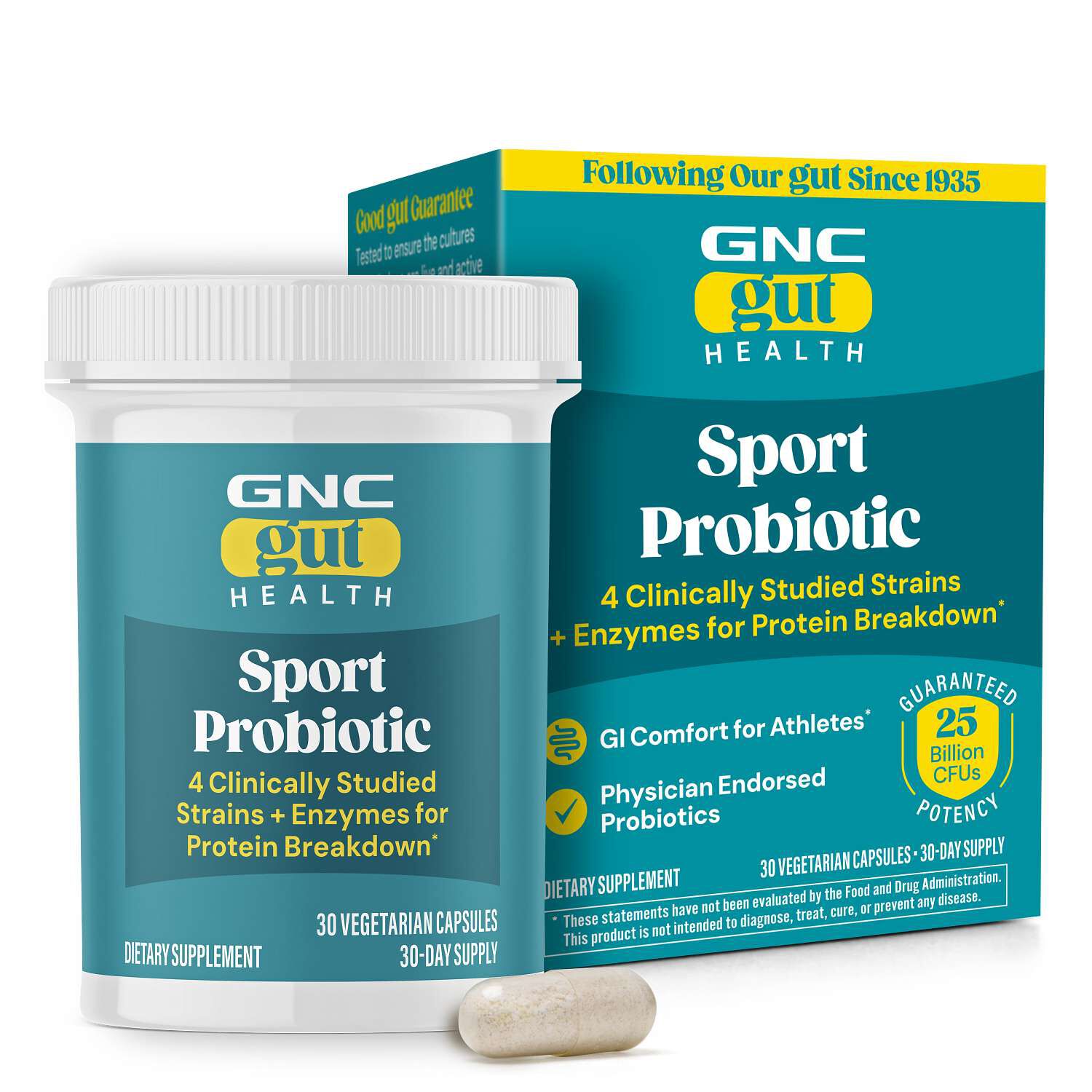
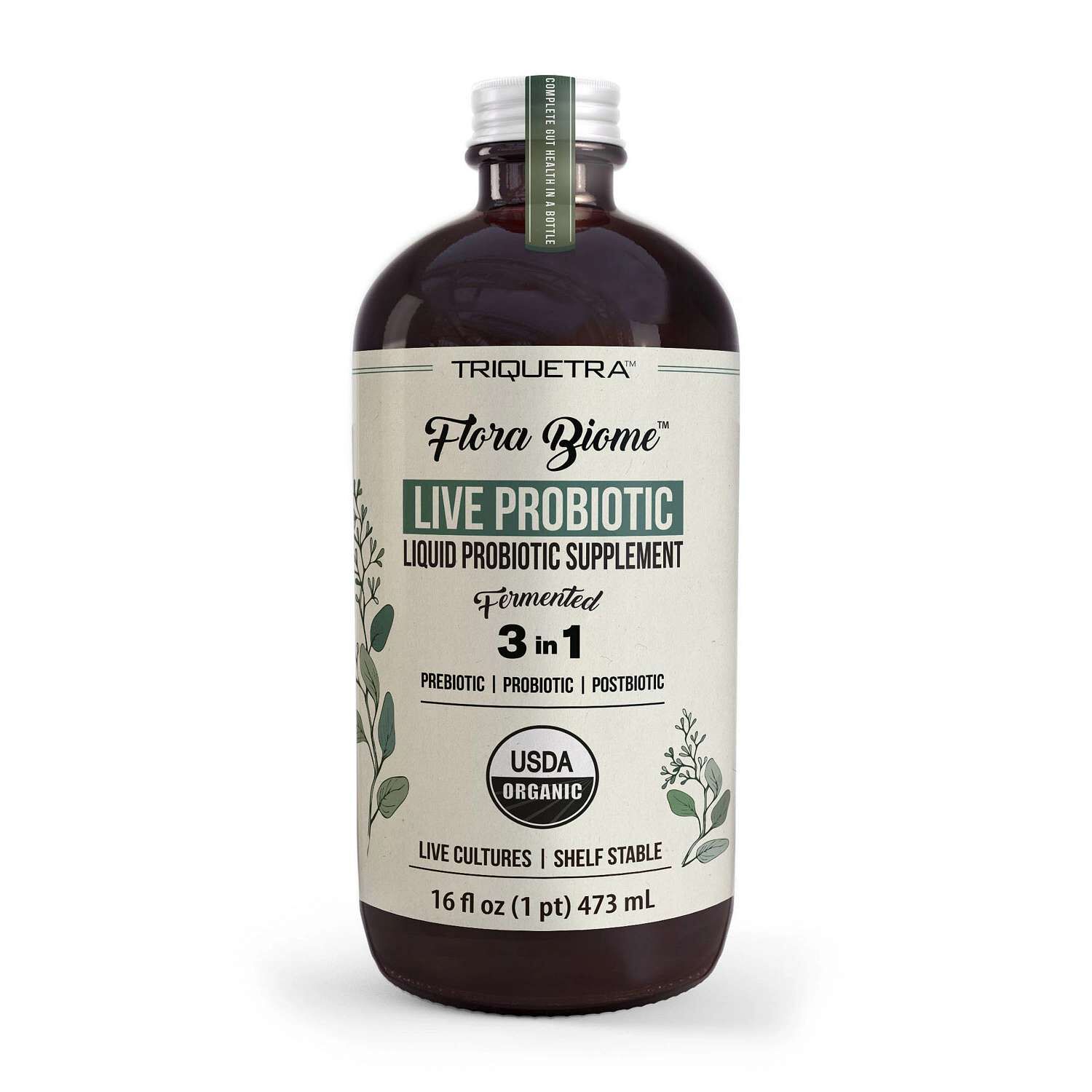
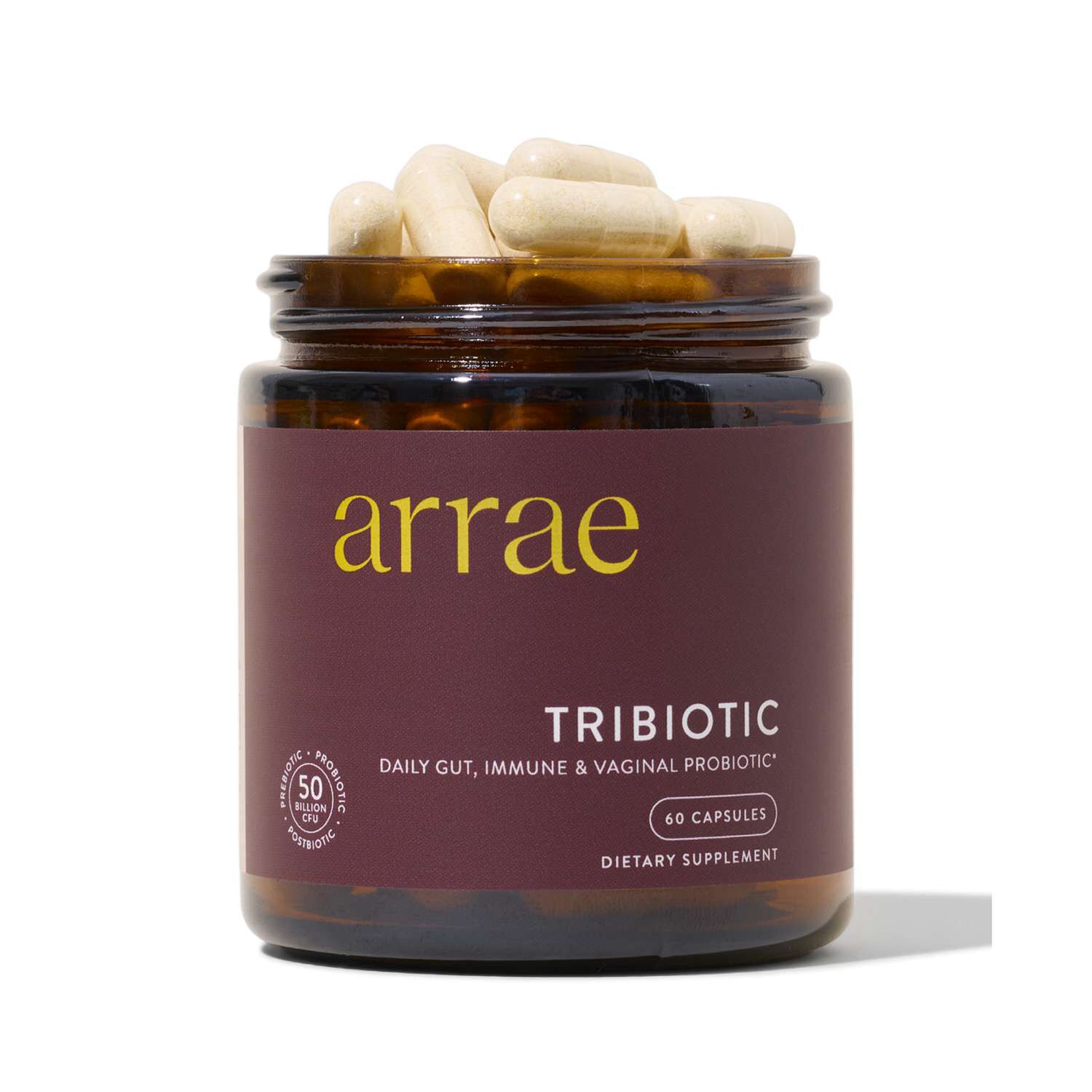
Daily probiotic supplements contain live microorganisms, such as certain bacteria or yeasts, and are intended for regular use according to their label directions. They come in several forms, including capsules, tablets, chewables, gummies, and powders, giving shoppers different ways to incorporate them into an everyday routine. The differences extend beyond format: microorganism identity, serving size, additional ingredients, and storage requirements all help distinguish one formula from another. A useful starting point is the organism information on the label. Probiotic names can include a genus, species, and strain designation, with the strain identifying a more specific type within the species. Two formulas that share a species name are not necessarily interchangeable, especially when their strains, amounts, or other ingredients differ. Some formulas contain a single strain, while others combine several. A longer list does not, on its own, establish that a formula is a better match for a particular shopper. Another common label feature is the CFU count, short for colony-forming units, which describes the quantity of viable microorganisms capable of forming colonies under testing conditions. That number deserves context rather than attention in isolation. The serving size, named strains, storage directions, and timing of the stated count matter alongside it. A count stated at manufacture describes a different point in the product’s life than a count stated through its expiration date. Daily probiotic supplements may complement a personal wellness routine, but a high number on the front of a package is not enough to predict an individual experience. For shoppers comparing options, clear labeling offers a more useful basis for selection than a single prominent number. Looking at the full Supplement Facts panel and accompanying directions brings the practical details into view, including how many capsules, chewables, or scoops make up one serving. Those details help distinguish a formula that fits comfortably into a familiar schedule from one that requires more preparation or storage planning.
Format is often where a daily probiotic supplement becomes a practical choice rather than just a label comparison. Capsules offer a measured serving without mixing, while powders involve a beverage or food and may require a scoop or an individually portioned packet. Chewables and gummies bring flavor and texture into the decision, making sweetness, serving size, and ingredients especially relevant. Someone who prefers a simple breakfast routine might value a capsule format; someone who already prepares a morning drink might prefer a powder, provided its directions suit that preparation. Temperature matters with some formulas, so mixing instructions deserve attention before a powder goes into a steaming mug or warm bowl. The physical details are worth considering, too. Capsule dimensions, tablet texture, package opening style, and the readability of directions can influence how convenient a format feels in everyday use. Beyond the microorganisms themselves, probiotic supplements may contain capsule materials, binders, flavorings, sweeteners, or ingredients used to maintain the formula during storage. Capsule shells can differ in composition, and flavored formats can have a longer ingredient list than unflavored alternatives. Shoppers with dietary preferences can compare the ingredient list, allergen statements, and relevant certifications rather than drawing conclusions from the format alone. Some probiotic formulas also include prebiotic ingredients, which are distinct from the live microorganisms. Prebiotics are substrates used by certain microorganisms; they are not another name for probiotics, and the two should not be confused when comparing labels. The amount and type of any added ingredient are part of the formula’s overall composition. Intended audience is another meaningful distinction, with labels identifying age groups or other use parameters. An adult formula and a children’s formula should not be treated as the same purchase simply because both are described as daily probiotics. For an adult buying for personal use, the most relevant comparisons are often straightforward: the labeled audience, preferred form, serving directions, ingredient preferences, and how the package will fit into the day.
Storage and handling are particularly important considerations because daily probiotic supplements contain living organisms. Unlike a durable household accessory, a probiotic formula has a dated shelf life and specified storage conditions. Some labels call for refrigeration, while others allow storage at room temperature within stated conditions. Room-temperature storage does not mean a package belongs anywhere in the house: a sunny windowsill, a humid bathroom, or a vehicle exposed to changing temperatures may not match the label’s requirements. A kitchen shelf away from the stove may be more practical for a formula labeled for cool, dry storage, while a refrigerated formula needs an appropriate place in the refrigerator. Keeping the original container also keeps the strain information, serving directions, lot identification, and expiration date together. Bottle closures, blister packaging, and individual packets have different handling requirements, so package instructions matter after opening as well as before. Travel adds another layer to the comparison. A weekend bag or a crowded carry-on can make compact packaging appealing, but the expected temperatures and storage instructions still matter more than convenience alone. Daily use also does not automatically mean one unit per day; a serving can consist of more than one capsule or chewable, and directions may specify use with food or another preparation detail. Label instructions, rather than a general habit associated with supplements, establish the intended use of that formula. During the cooler months, when household schedules and travel plans may shift, these practical distinctions remain relevant without requiring a different approach to every purchase. Shoppers exploring the broader category can also compare Probiotic Digestive Supplements while keeping strain identification, format, and storage needs in focus. The most informative comparison brings those details together instead of relying on package size, the number of strains, or the largest printed CFU count. A clearly labeled formula with a suitable format and manageable storage requirements may fit more naturally into a consistent daily routine, whether that routine centers on breakfast at home, lunch at the office, or packing for time away.
Best Sellers
-
 Physician's Choice