





Live Probiotic Supplements
(0 Results)
Discover a wide selection of live probiotics designed to support your gut health and overall well-being. Our range of probiotic supplements features various strains to help maintain a healthy balance of beneficial bacteria in your digestive system. With options suitable for different dietary preferences and lifestyles, finding a probiotic that fits seamlessly into your daily routine has never been easier. Explore our assortment of live probiotics to find a supplement that aligns with your wellness goals and helps you feel your best from within.
-

-
-
 Portions Master$39.99
-
 Portions Master$69.99
-
_Front.jpg?sw=305&sh=305&sm=fit "BioDophilus25 - 60 Capsules (60 Servings) | GNC")
-
_Front.jpg?sw=305&sh=305&sm=fit "BioDophilus60 - 30 Capsules (30 Servings) | GNC")
-
_Front.jpg?sw=305&sh=305&sm=fit "BioDophilus60 - 60 Capsules (60 Servings) | GNC")
-
-
_Front.jpg?sw=305&sh=305&sm=fit "BioDophilus25 -120 Capsules (120 Servings) | GNC")
-
_Front.jpg?sw=305&sh=305&sm=fit "Kidophilus Plus - Berry - 90 Tablets (90 Servings) | GNC")

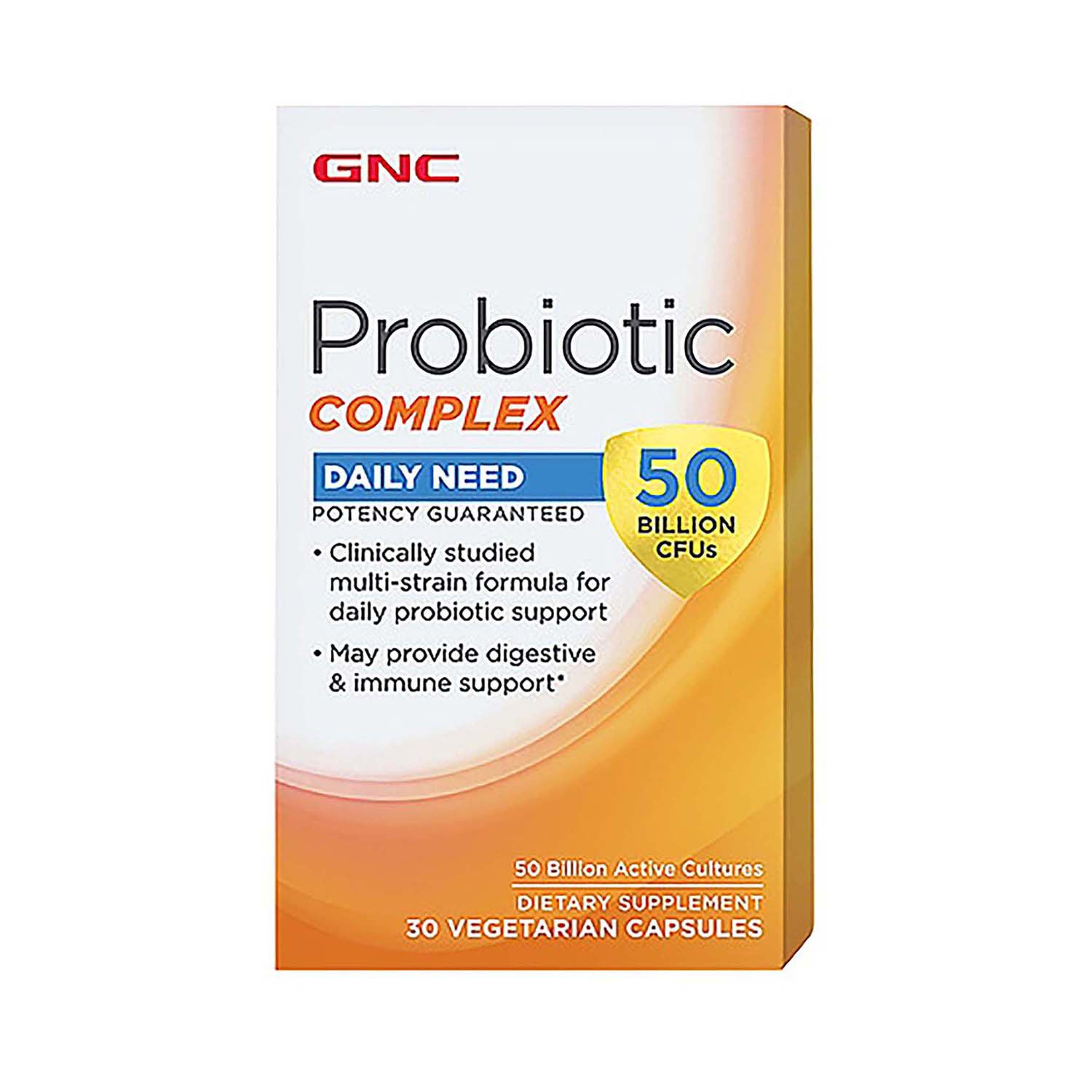


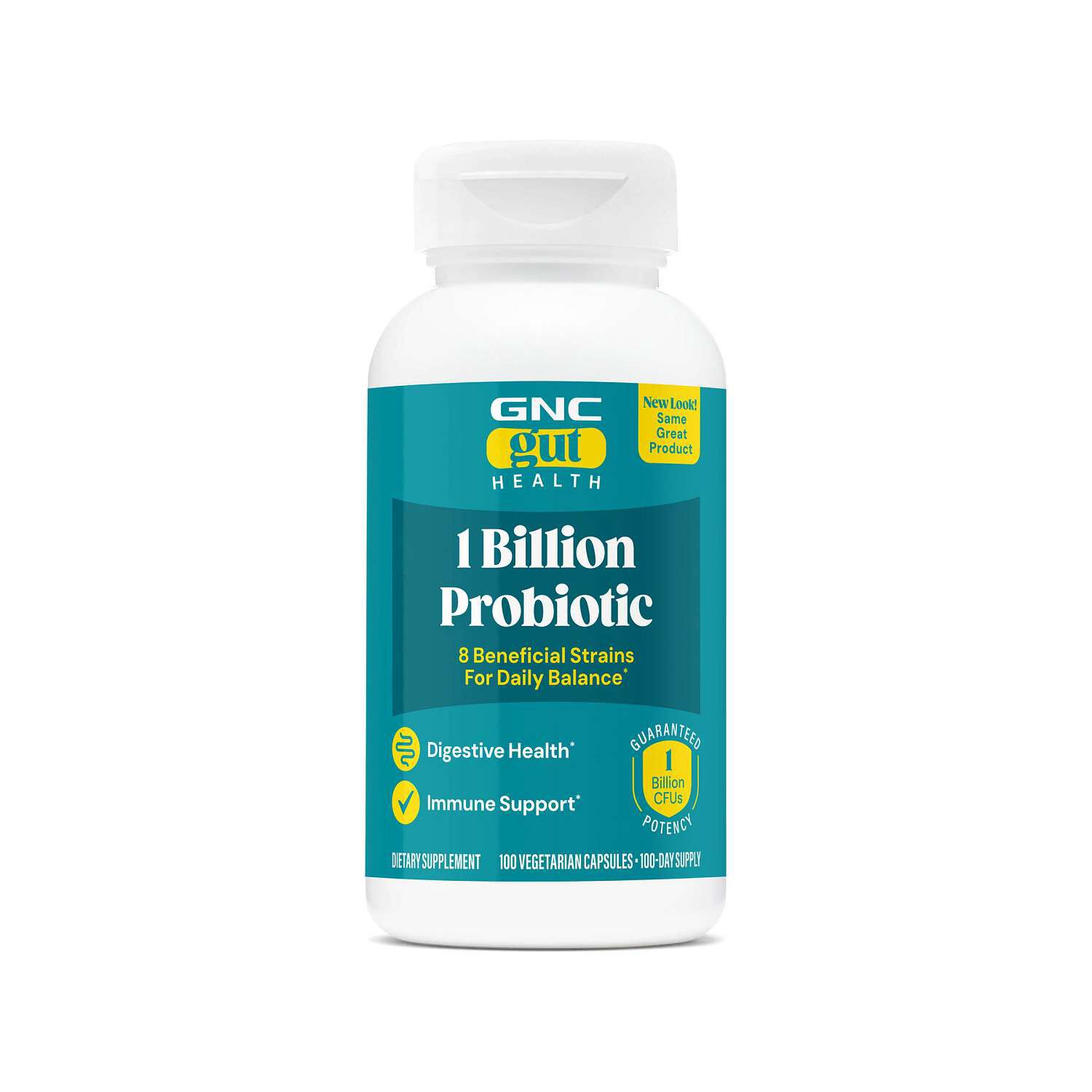
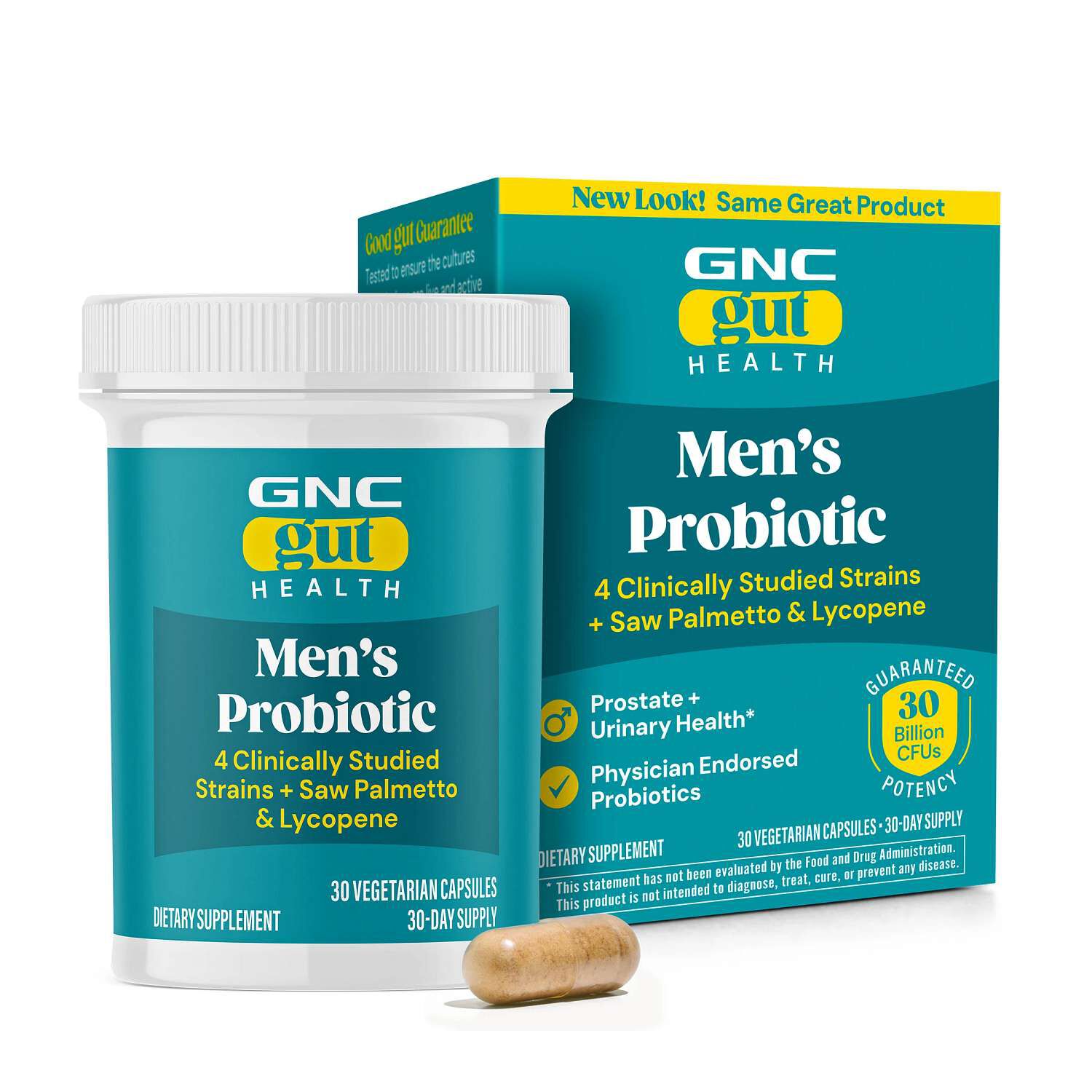


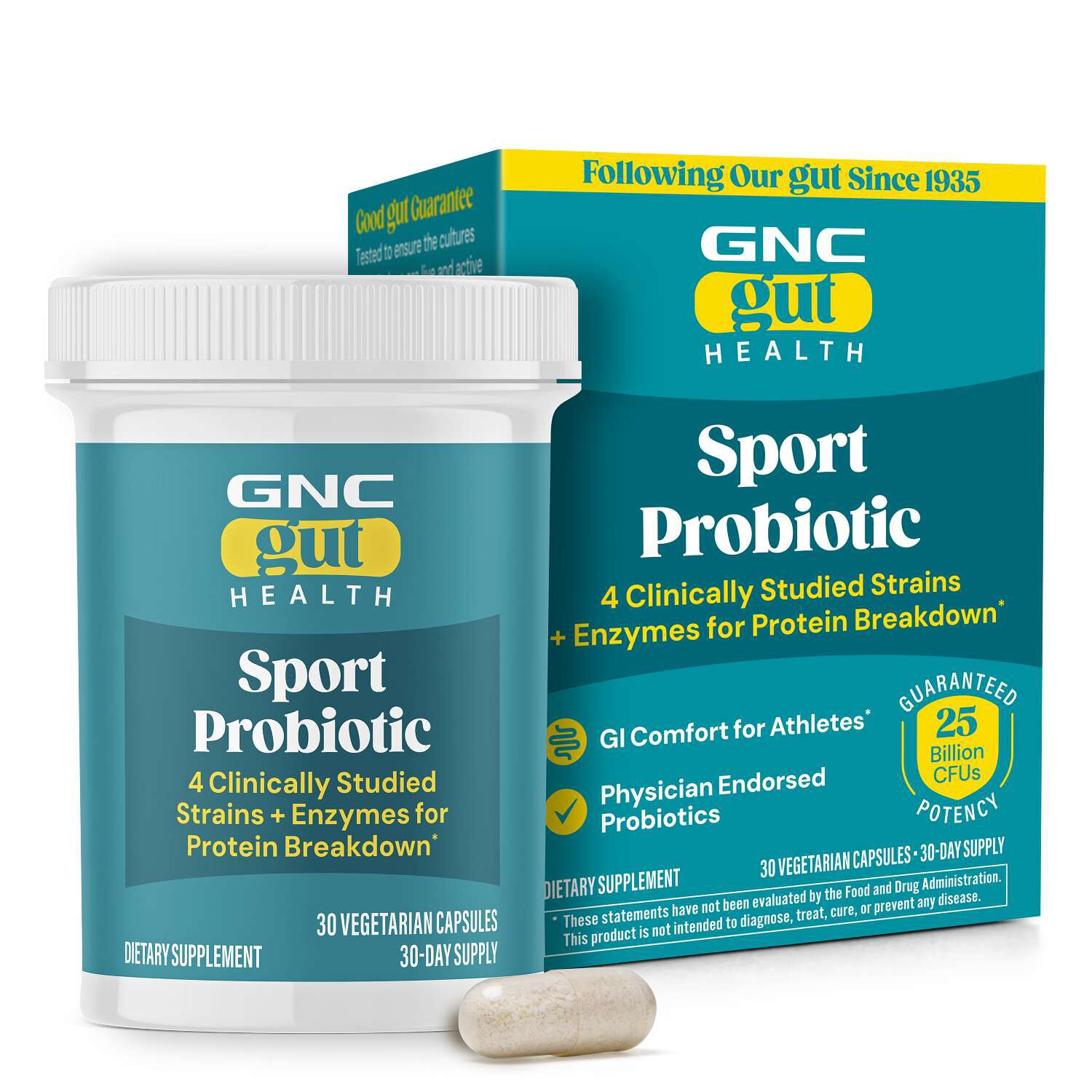
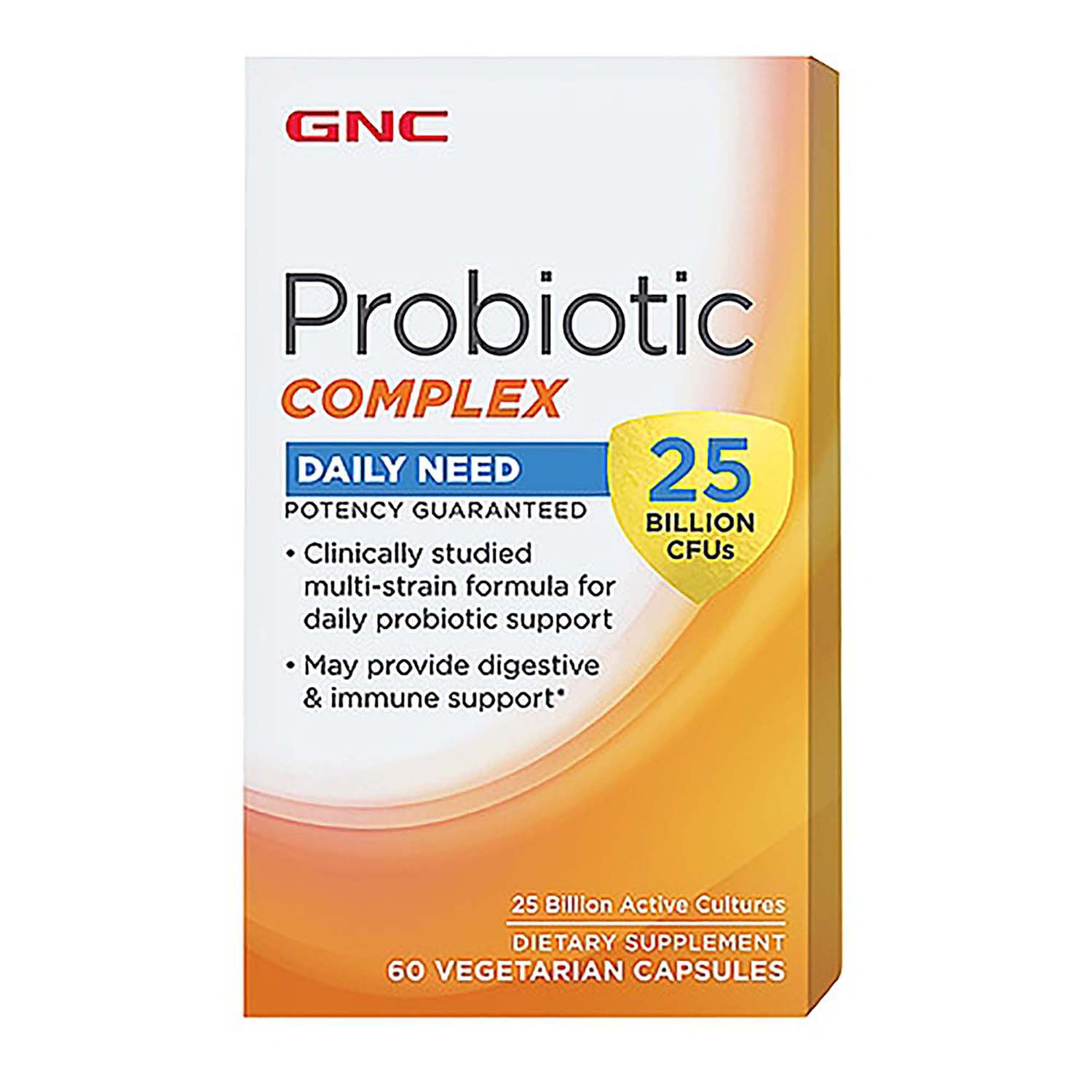
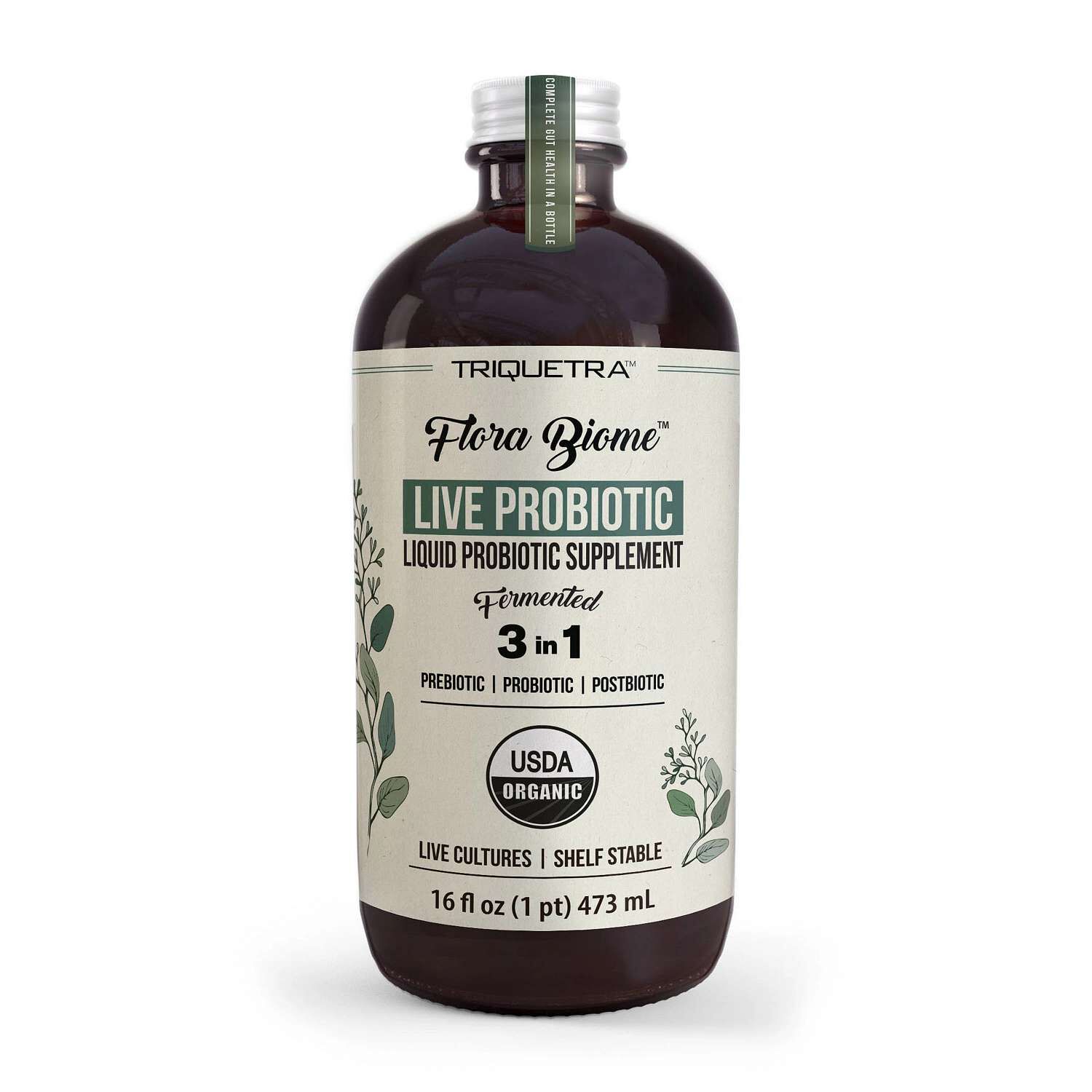
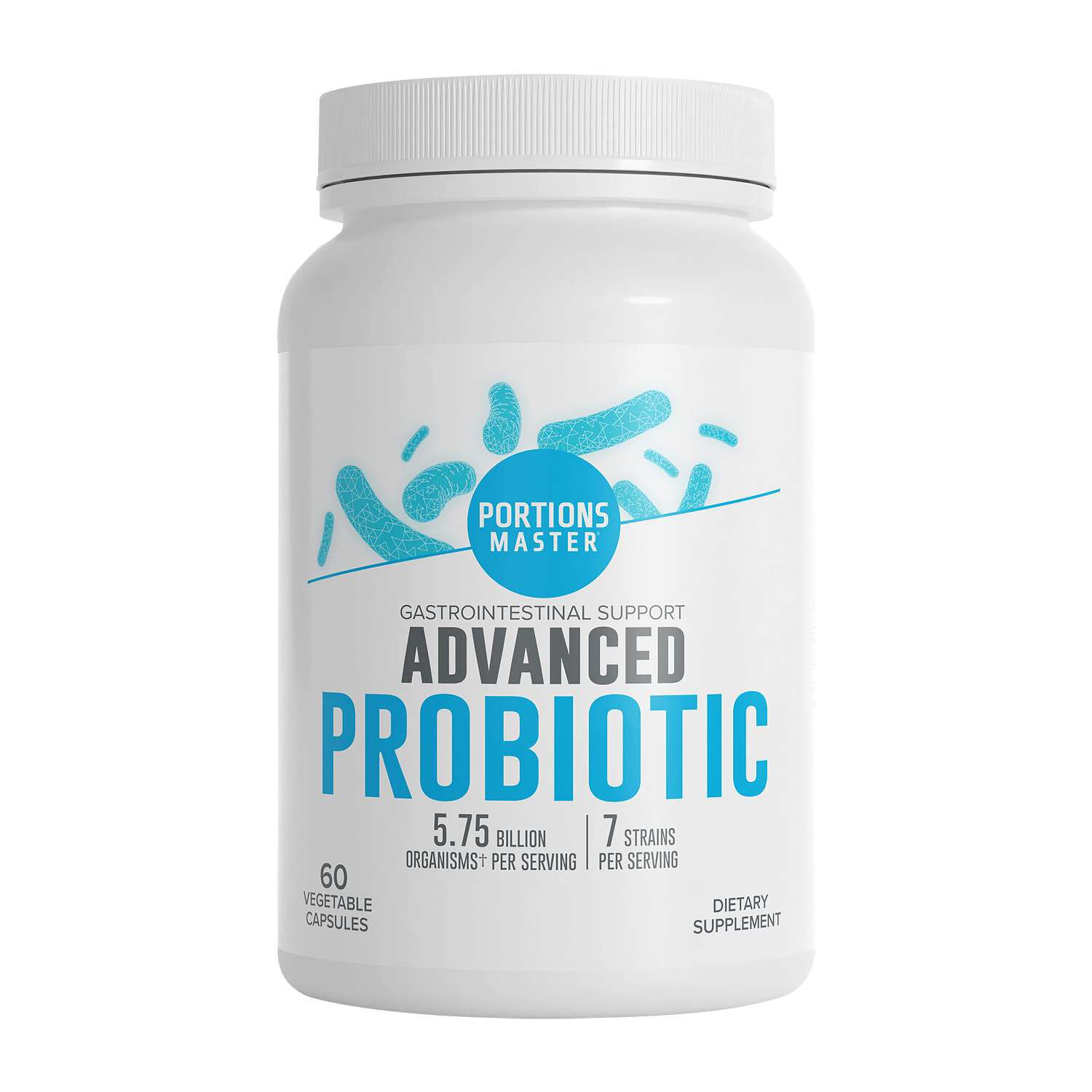
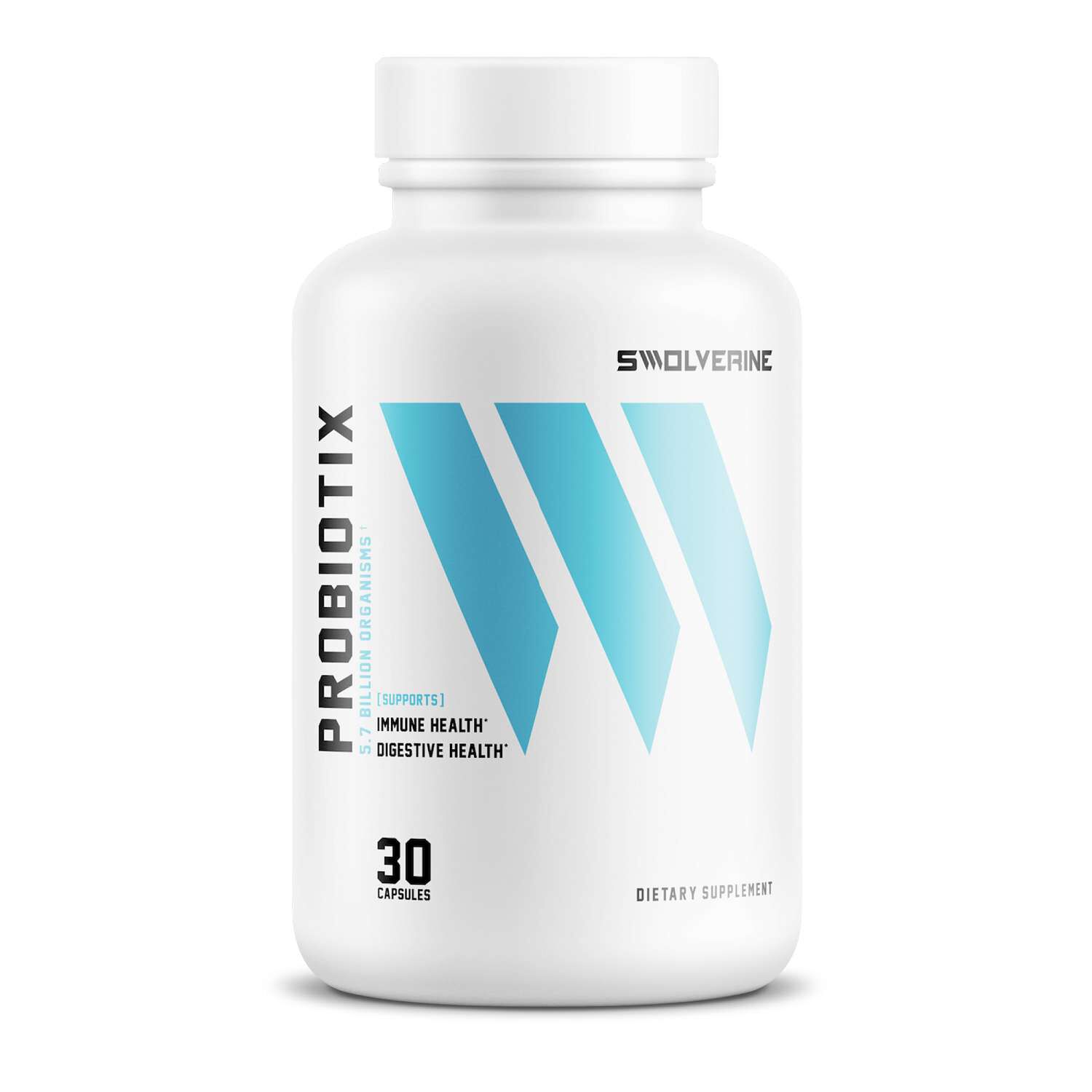
Live probiotic supplements are dietary products made with live microorganisms, most commonly selected bacteria and, in some formulas, yeast. They come in capsules, tablets, chewables, gummies, and powders, with differences in serving size, culture count, ingredients, and storage requirements. The gut microbiome refers to the community of microorganisms living in the digestive tract; a probiotic supplement contains particular cultures rather than representing that entire community. Names such as Lactobacillus acidophilus and Bifidobacterium lactis identify organisms commonly listed on probiotic labels, while an additional letter-and-number designation identifies a particular strain. That strain designation matters because information about one strain does not necessarily apply to another, even when their names look similar. A formula containing several strains is different from a single-strain formula, but the number of strains alone does not establish which is the better choice. Clear labeling makes those differences easier to understand: the organism names, strain identifiers, serving size, and culture count each describe a separate part of the formula. Probiotics also differ from prebiotics and postbiotics. Prebiotics are substances used by certain microorganisms, while postbiotic ingredients involve preparations of inanimate microorganisms or their components. A product can combine these ingredient types, so a label mentioning a blend does not necessarily mean every ingredient is a live culture. Fermented foods belong to a related but distinct category; fermentation by itself does not establish that a food contains identified probiotic strains in a stated amount. Within the broader Probiotic Digestive Supplements category, the defining feature of live probiotic supplements is the inclusion of living cultures. Looking beyond a large number on the front of a package reveals the details that distinguish one formula from another, including the identity of those cultures and how their quantity is described. Those distinctions give the category more depth than a simple comparison of capsule counts or the number of organisms named on a label.
Culture counts are commonly expressed as colony-forming units, or CFUs, which estimate the number of viable microorganisms capable of forming colonies under specified testing conditions. Labels often express these counts in billions per serving. A serving might consist of one capsule, several capsules, or a measured amount of powder, so the serving information provides important context for the number displayed on the package. Some labels use active fluorescent units, or AFUs, which come from a different counting method; CFU and AFU figures are not directly interchangeable. A larger stated count is not, by itself, evidence that a formula is better suited to a particular person. The identified strains, amount per serving, and basis for the count all contribute to a more meaningful comparison. Timing matters, too: a count stated at manufacture describes a different point in the product’s life than a count stated through its expiration date under the specified storage conditions. Live cultures require attention to packaging and care, and refrigeration requirements vary by formula. Some products require refrigerated storage, while others are labeled for storage outside the refrigerator. A formula’s storage directions remain relevant after opening, including instructions about closing the container and limiting exposure to moisture or excessive heat. Original bottles and individually sealed packaging serve different practical purposes, especially for someone choosing between a container kept at home and portions carried in a bag. A bottle stored beside a steamy shower or left in a hot car presents different conditions from those described on many labels. Shelf life, the expiration date, and any directions for use after opening are therefore part of the product’s intended handling, not just fine print. Capsule construction is another point of distinction. Some formulas use conventional shells, while others use delayed-release or enteric-coated designs that may release their contents differently during digestion. Those design features describe the delivery format; they do not replace clear information about the cultures inside.
The most practical format often comes down to the details of an ordinary day. Capsules may suit an adult who prefers a measured serving without mixing, while a powder may fit a routine that already includes preparing a drink or another food permitted by the label. Individual packets may be convenient for carrying a measured portion, provided their storage requirements fit the trip. Gummies and chewables offer different textures and flavors, but their ingredient lists can also include sweeteners, colors, and other components absent from some capsule formulas. Format does not determine culture count, and a compact capsule is not necessarily equivalent to a larger chewable serving. Capsule shells can contain gelatin or plant-derived materials such as cellulose, making the shell relevant to dietary preferences as well as the contents. Milk-derived ingredients, soy ingredients, added sugars, and other label details may also influence which formula fits a household’s preferences. A product containing prebiotic fiber has a different composition from one containing cultures alone, even when the packaging looks similar. For someone who wants a straightforward routine, the number of pieces per serving and the labeled frequency may matter as much as flavor or package size. A powder’s mixing directions deserve the same attention: the suggested preparation method, portion measurement, and any restrictions on mixing into hot foods or beverages describe how that particular formula is intended to be used. Products labeled for adults and those labeled for children also have different intended users; a smaller-looking serving should not be treated as interchangeable across age groups. For a shared household, clearly marked containers and readable directions may make it easier to keep those distinctions visible. Live probiotic supplements are personal-use purchases, with selection shaped by dietary preferences, age labeling, storage space, and the willingness to follow a particular preparation routine. A useful comparison brings those everyday considerations together with the strain information and culture count, rather than treating any single package claim as the deciding factor.
Best Sellers
-
 Physician's Choice

Related Pages


Top Collections
- Zinc Supplements | Top Brands at Great Prices | GNC
- Cortisol Supplements
- NAD+ Supplement Tablets
- Top Rated Collagen | Shop Customer Favorites | GNC
- Best Brand of Magnesium Glycinate
- Peptide Supplements
- Iron Supplements
- Protein Powders For Muscle Growth Support
- Vitamins That Help Support Weight Gain
- Peptide Supplements for Muscle Growth