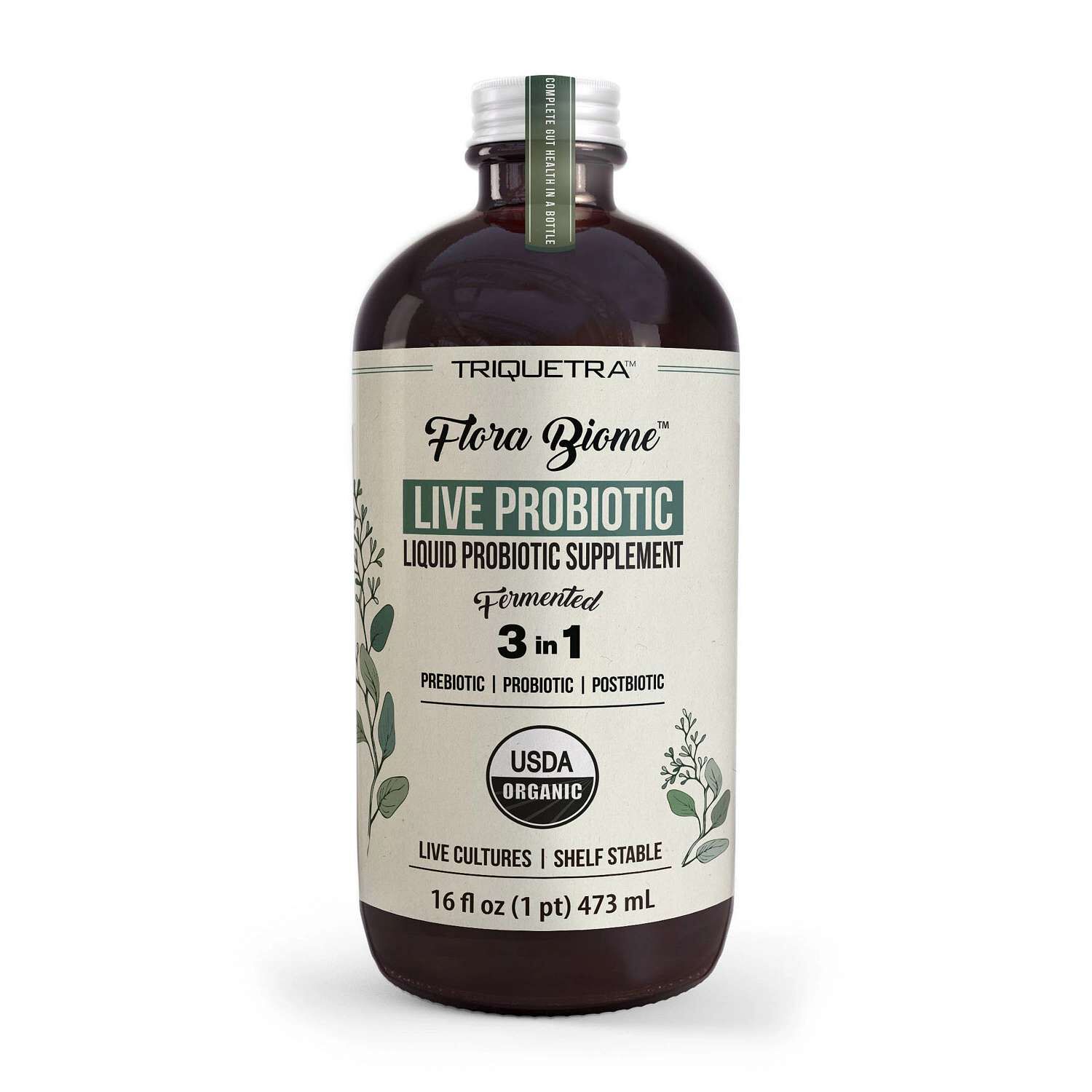
Pure Probiotics Supplements
(0 Results)
Boosting your wellness routine with high-quality probiotics could be a game-changer for your digestive health. Pure Probiotics may offer a natural way to support gut balance and overall well-being. These supplements might help maintain a healthy digestive system, potentially enhancing nutrient absorption and immune function. Whether you're looking to support your digestive tract or seeking to improve overall vitality, incorporating probiotics into your daily regimen could be the key to unlocking a healthier lifestyle. Dive into the world of probiotics and discover how they might contribute to your wellness journey.
-

-

-
_Front.jpg?sw=305&sh=305&sm=fit "BioDophilus60 - 30 Capsules (30 Servings) | GNC")
-
_Front.jpg?sw=305&sh=305&sm=fit "BioDophilus60 - 60 Capsules (60 Servings) | GNC")
-
_Front.jpg?sw=305&sh=305&sm=fit "BioDophilus25 -120 Capsules (120 Servings) | GNC")
-
_Front.jpg?sw=305&sh=305&sm=fit "BioDophilus25 - 60 Capsules (60 Servings) | GNC")
-
 1$14.99
 -
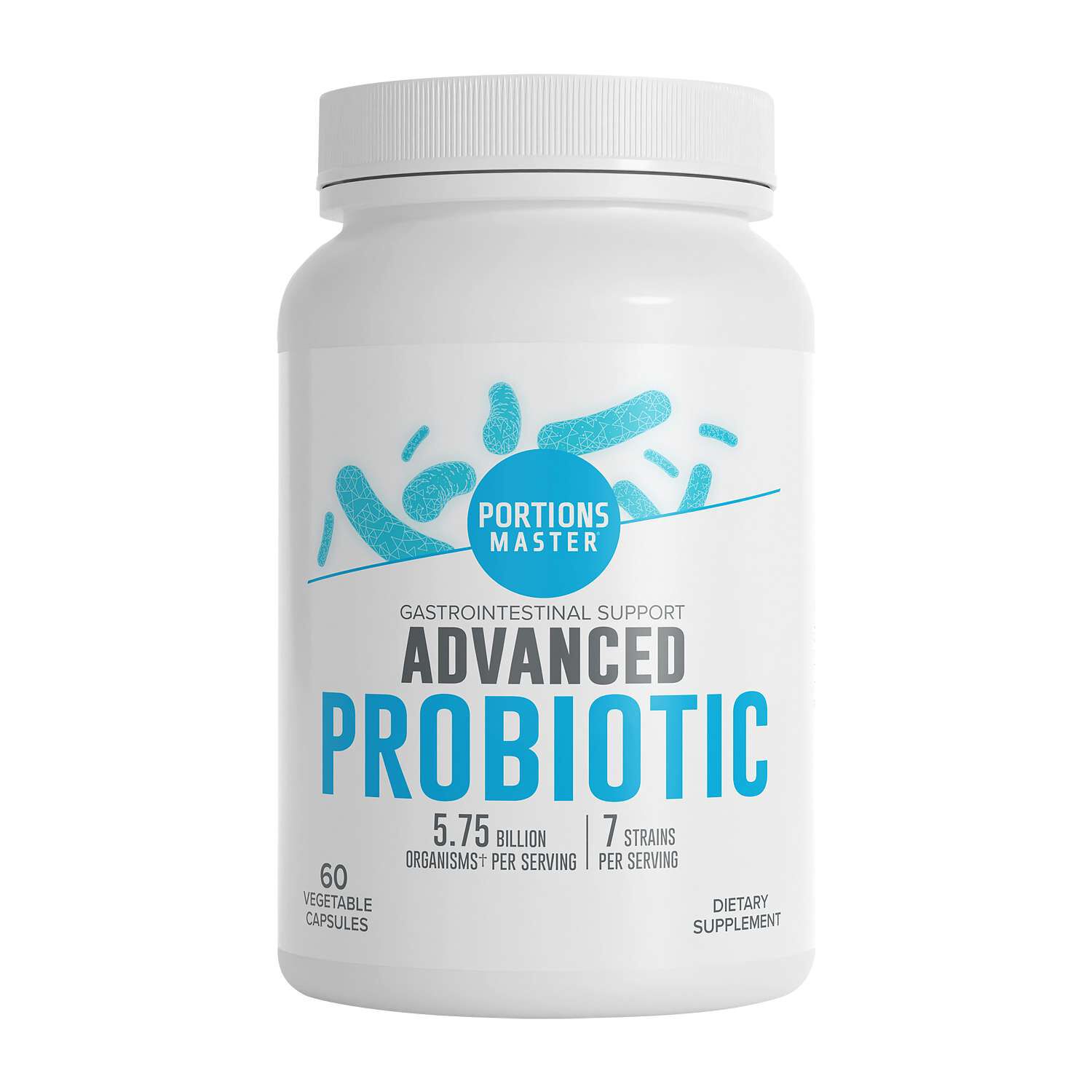 Portions Master$39.99
 -
 Portions Master$69.99
 -

-

-


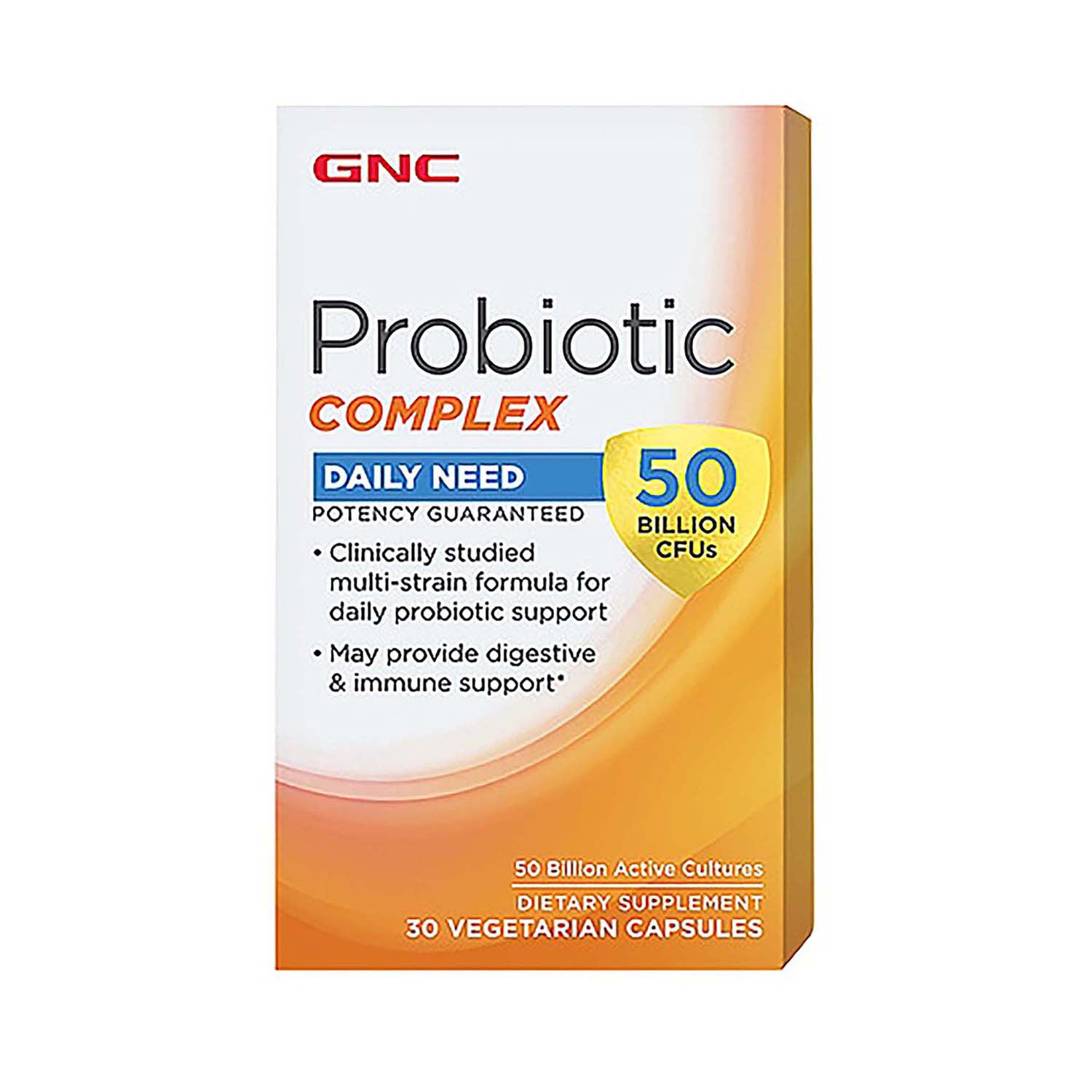

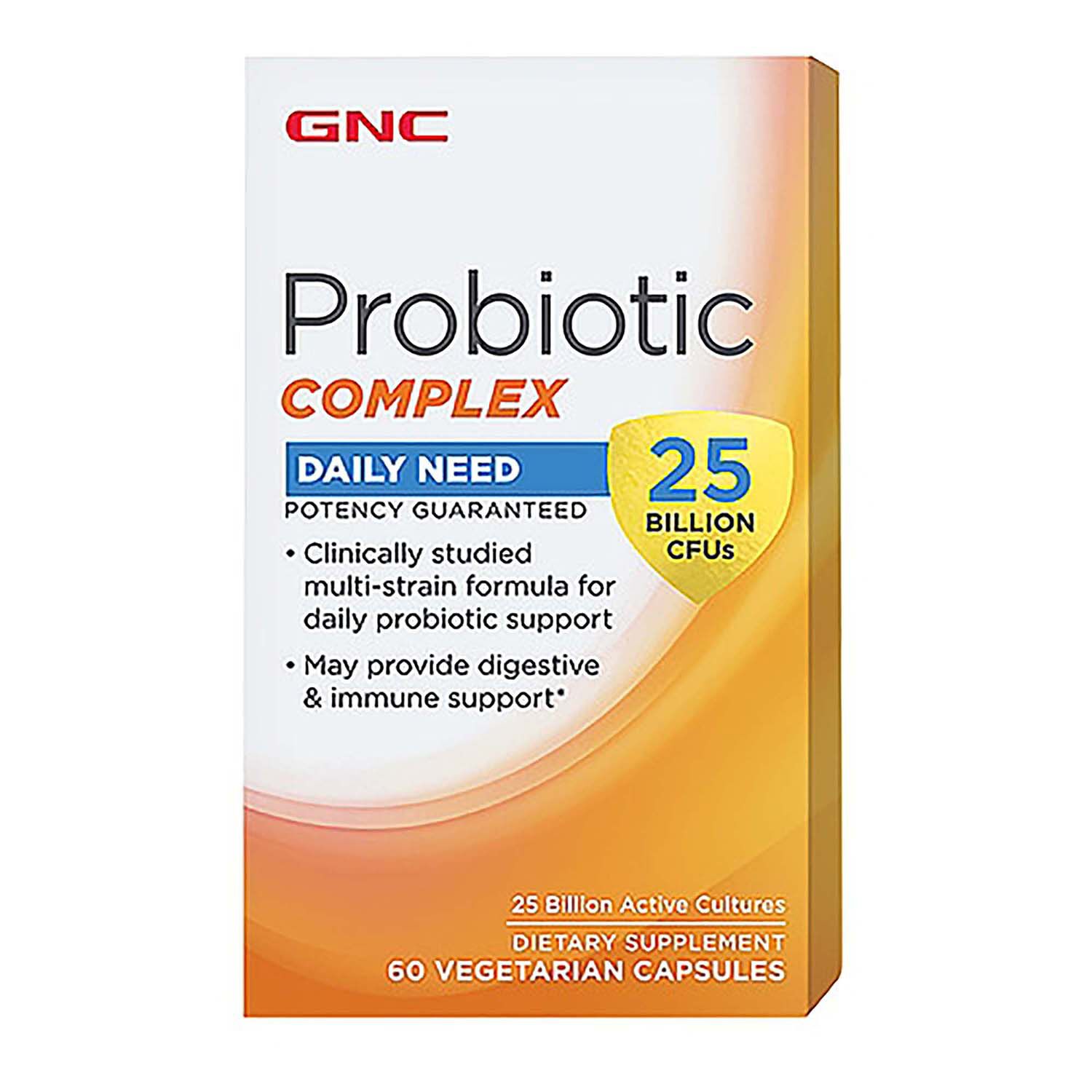

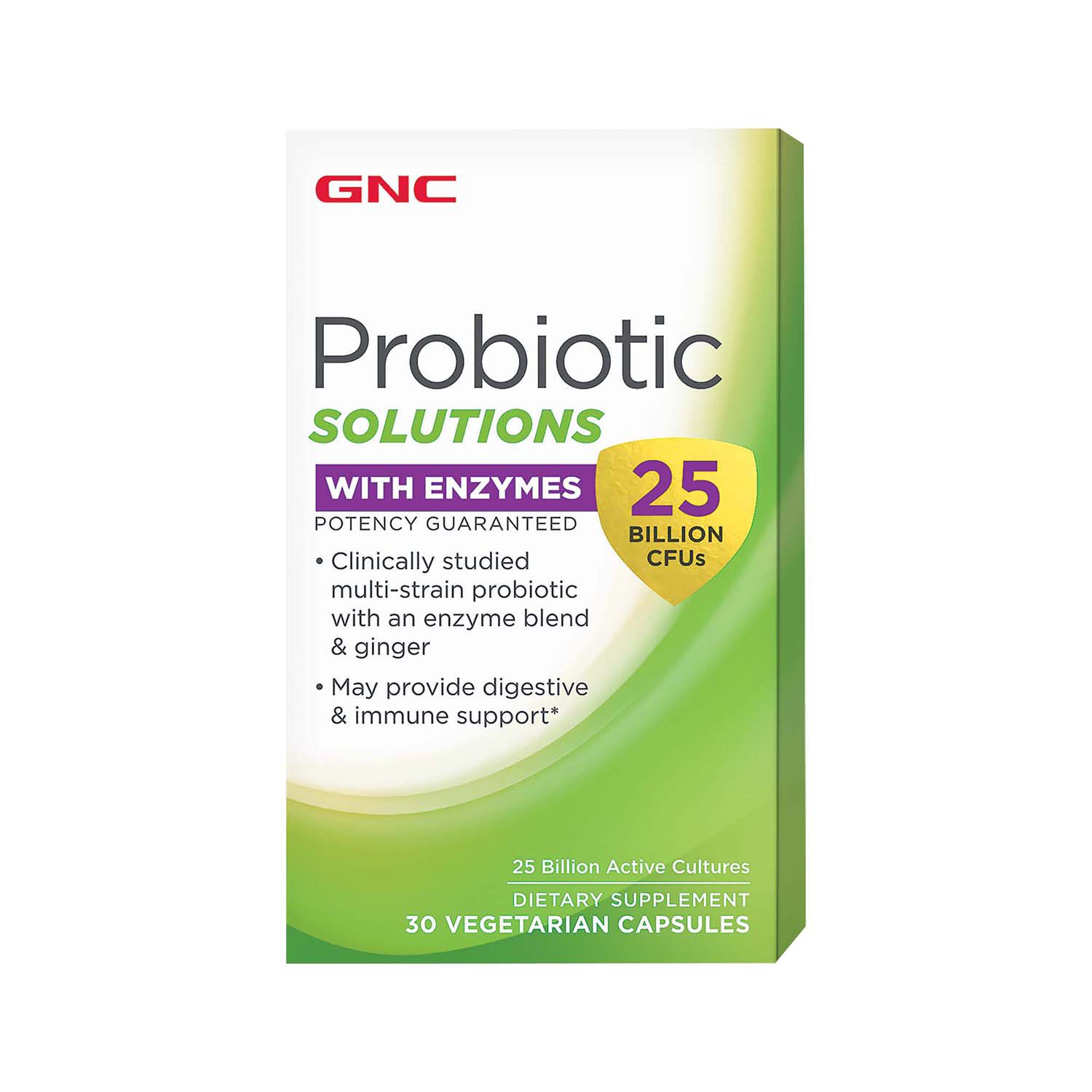


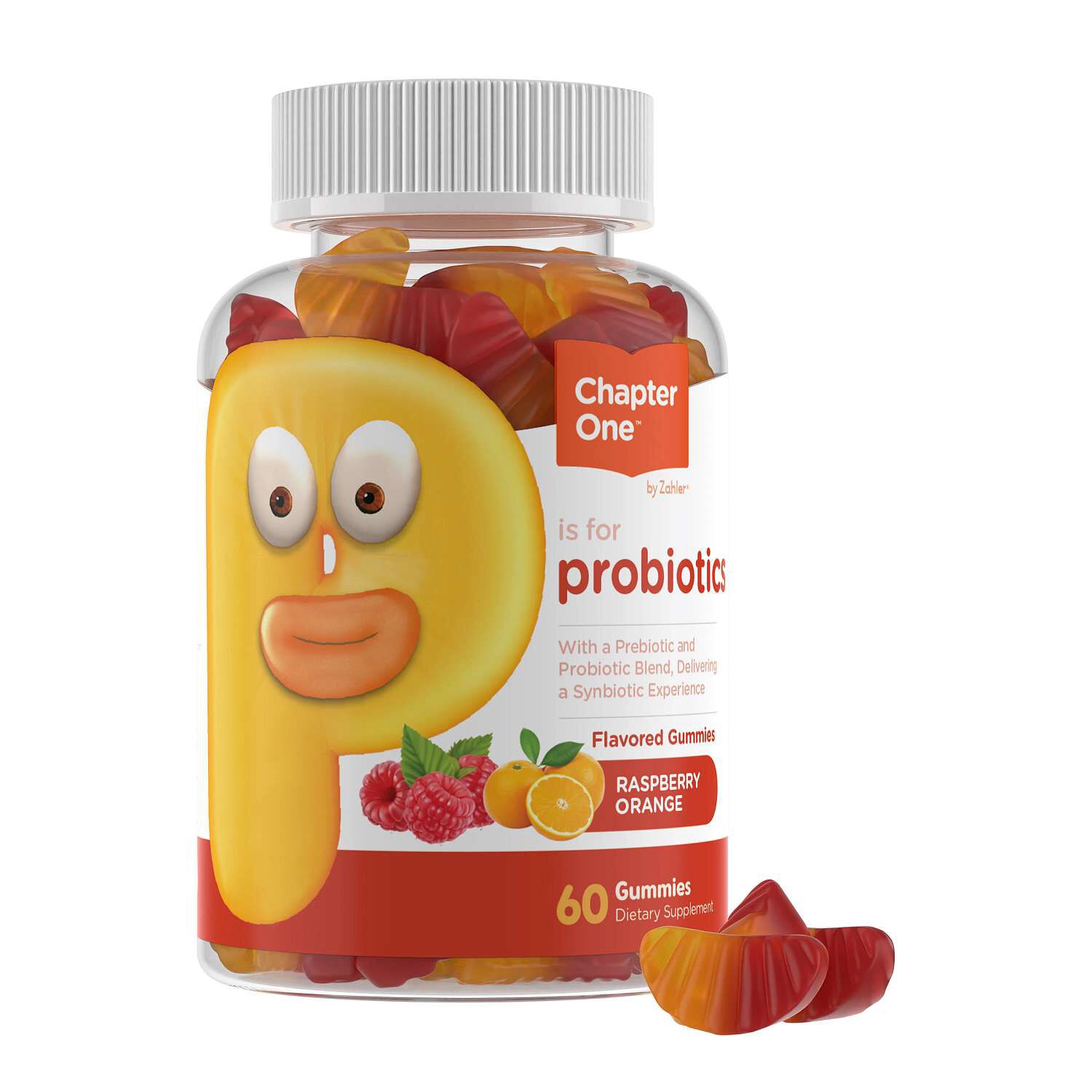
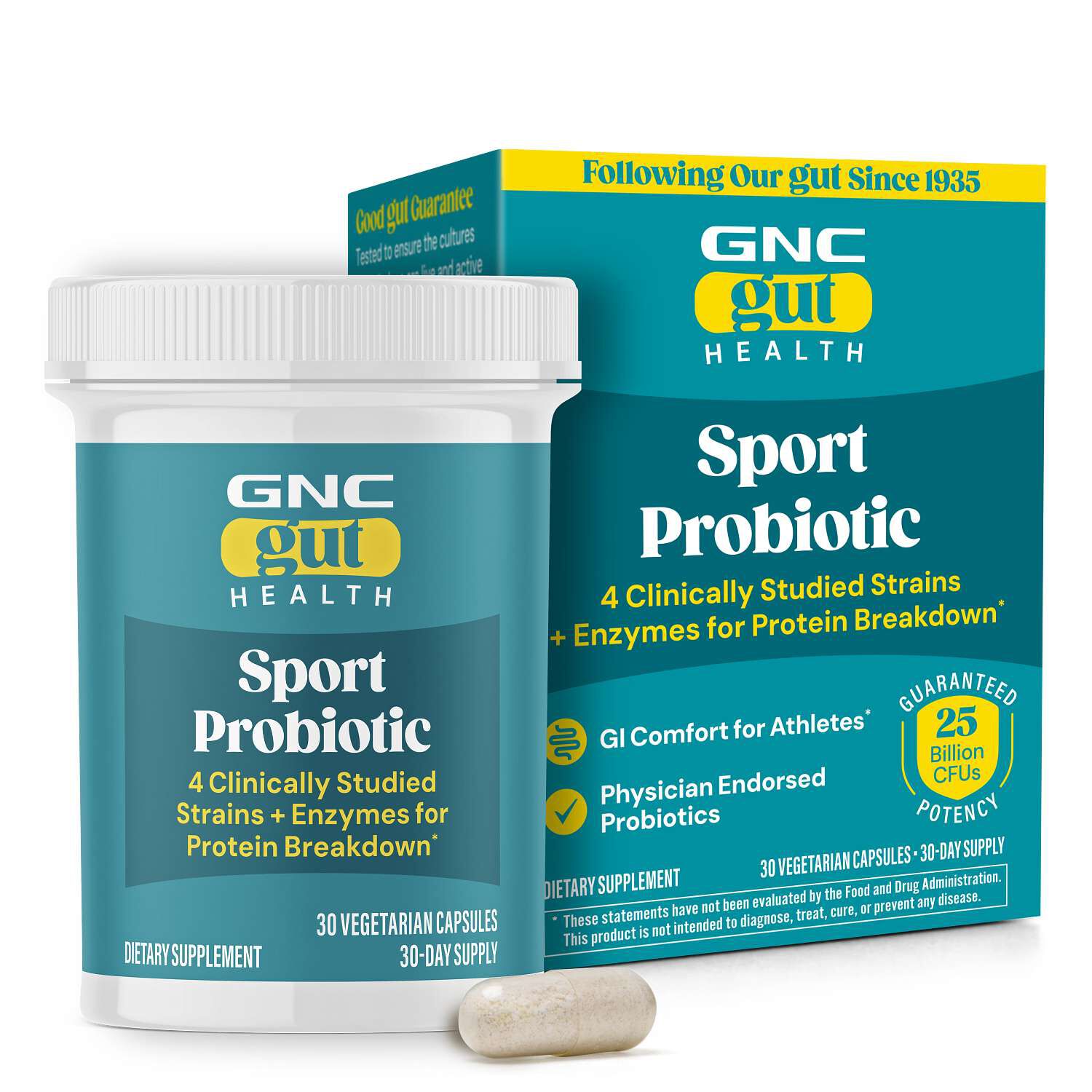

Pure probiotics supplements bring attention to the details that distinguish one probiotic formula from another: the microorganisms listed on the label, the amount per serving, the capsule ingredients, and the storage requirements. Probiotics are live microorganisms, and supplement labels often identify them by genus, species, and strain. Those names matter because two formulas with similar front labels can contain different organisms. Lactobacillus and Bifidobacterium are familiar names in this category, although some labels use updated scientific names for particular bacteria. A strain designation, often a combination of letters and numbers following the organism’s name, adds another layer of specificity. For shoppers comparing pure probiotics supplements, that information provides a more useful starting point than a broad description alone. The word “pure” does not, by itself, explain a formula’s composition, testing, or suitability for a particular person. A closer look at the Supplement Facts panel and other ingredients section reveals what is actually in the serving, including any capsule material, carriers, or added ingredients. Some probiotic formulas contain a single strain, while others combine several strains in one serving. Neither arrangement tells the whole story on its own; the identity of the organisms and the product’s labeled purpose remain important distinctions. The gut microbiome is the community of microorganisms living in the digestive tract, and it is the broader context behind much of the interest in this supplement category. Probiotic supplements are distinct from fermented foods, which vary in their microorganisms and preparation methods. They are also different from prebiotics, which are substances that certain microorganisms use as nourishment. A formula may include both, but the terms are not interchangeable. Adults browsing this category may be looking for a clearly documented formula, a particular capsule type, or an option that fits an established supplement routine. Detailed labeling makes those comparisons more concrete without relying on a name or a large number on the bottle.
One of the most visible numbers on a probiotic label is the CFU count. CFU stands for colony-forming units, a measurement used to describe viable microorganisms capable of forming colonies under specified testing conditions. Counts may be stated per capsule or per serving, so the serving size deserves a careful look alongside the number itself. A bottle listing two capsules per serving is not directly comparable to a one-capsule serving unless that difference is taken into account. The timing associated with the CFU statement matters, too: a count stated at manufacture and a count stated through the expiration date refer to different points in the product’s life. A larger CFU number is not, by itself, a measure of how well a formula might suit an individual. Strain information, serving instructions, and storage conditions add context that the count alone cannot provide. Beyond the microorganisms, capsule construction and supporting ingredients can shape a shopper’s preferences. Capsules may use gelatin or plant-derived materials, and powders may contain ingredients that help maintain their texture or support the formulation. Vegetarian preferences, ingredient exclusions, and familiarity with a particular format are all practical reasons to read the full label. Statements about dairy, soy, wheat, or other ingredients should come from the specific package rather than assumptions about the category. Manufacturing statements and ingredient lists also describe different things, so one should not stand in for the other. Added fibers, flavorings, or sweeteners are worth noting when present, especially for someone seeking a straightforward capsule rather than a flavored powder. Package count offers another useful comparison, but the number of labeled servings is often more informative than the number of capsules. For a person organizing a small kitchen cabinet or packing a work bag each evening, the difference between a compact bottle and a box of individually packaged servings is tangible. These ordinary details help distinguish formats without treating every probiotic supplement as interchangeable. Clear labeling connects the formula inside the package with the way it is intended to be used.
Storage and packaging deserve particular attention with probiotics because these products contain living microorganisms. Some formulas are labeled for room-temperature storage, while others call for refrigeration; the package instructions, not the capsule’s appearance, establish the appropriate conditions. Room-temperature storage does not mean a bottle belongs on a sunny windowsill, beside a stove, or in a car through changing weather. Heat, moisture, and time are relevant to the care of these products, and expiration dates should remain easy to find. Unlike a durable accessory, a probiotic supplement has a dated shelf life, making packaging condition and storage history meaningful considerations. Keeping the label with the product preserves access to its serving directions, ingredient information, and care requirements. Original bottles and individual packets also differ in how they fit into a routine. A bottle may suit someone who keeps supplements in a designated place at home, while individually packaged formats may appeal to a traveler who values clearly labeled portions. Travel still requires attention to the stated temperature conditions, including the time spent in transit rather than just the destination. During the cooler months, indoor heating and packed luggage can create conditions quite different from the outdoor air. For active adults, the practical fit may involve an early commute, a gym visit after work, or a weekend away, rather than a different expectation of the formula itself. The related collection of Probiotic Supplements For Active Adults offers another way to browse this category around that everyday context. Personal supplement preferences are often specific, so probiotics are generally a more considered purchase than an impromptu gift. Knowing someone’s preferred format is not the same as knowing their ingredient requirements or intended use. For individual shoppers, the most meaningful distinctions remain visible on the package: named strains, CFU information with a stated timing basis, serving size, capsule or powder composition, and storage directions. Together, those details give pure probiotics supplements a clearer identity beyond the front label and make it easier to compare formulas thoughtfully.
Best Sellers
-
 Physician's Choice