Digestive Health For Adults
(0 Results)
Explore a range of options that might support digestive health for adults. Whether you're seeking supplements that could promote gut balance or vitamins that may aid nutrient absorption, this collection offers various choices to consider. Embrace the potential of improved digestion and overall wellness with products designed to align with your lifestyle needs. From probiotics to fiber-rich supplements, discover what might work best for you on your journey to enhanced digestive well-being.
-

-

-

-

-

-

-

-
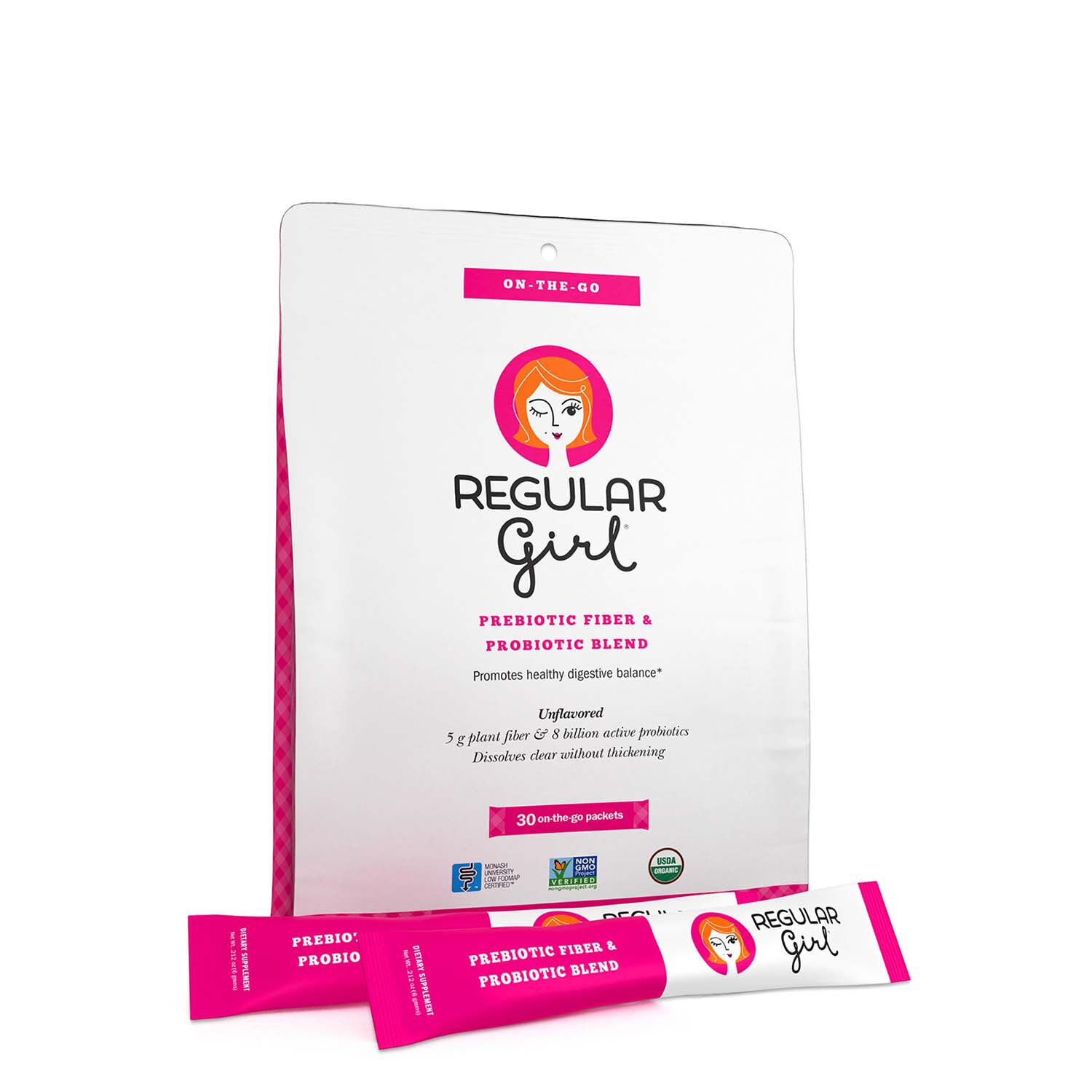 205$34.99
 -

-

-

-

-

-

-










Digestive health for adults brings together everyday food choices, personal routines, and supplements intended for digestive wellness. Within this category, probiotics, prebiotics, fiber supplements, and digestive enzyme formulas represent different approaches rather than interchangeable options. Probiotic supplements contain live microorganisms and may support a balanced gut microbiome, the community of microorganisms found in the digestive tract. Prebiotics are substances that certain gut microorganisms use as nourishment; some formulas feature ingredients such as inulin or other fermentable fibers. Fiber supplements provide dietary fiber in formats such as powders, capsules, and chewables, while digestive enzyme supplements contain enzymes selected for their roles in breaking down food components. The distinction matters when comparing labels: a probiotic formula is not another version of a fiber powder, and an enzyme blend has a different composition from either. Some formulas combine categories, making the ingredient list more informative than the name on the front of the package. These products may appeal to adults who want a supplement that fits alongside an established eating routine, whether that means breakfast at home, lunch packed for work, or meals shared with family. The broader context still includes varied foods and everyday habits. Whole grains, beans, vegetables, fruit, nuts, and seeds are food sources of fiber, while yogurt and other fermented foods bring a different set of ingredients to the table. Fermentation alone does not mean a food contains live cultures when eaten; preparation and processing matter. Supplements belong alongside that food-based context rather than standing in for varied meals. For shopping purposes, a useful starting point is the kind of formula being considered, followed by its ingredients, serving format, and intended adult use. That approach keeps attention on meaningful differences between digestive health supplements instead of treating every package with similar wording as the same choice. It also leaves room for personal preferences, such as an unflavored powder for a familiar drink or a capsule format that needs no mixing.
The details on a digestive supplement label tell a more specific story than broad category language. For probiotics, genus, species, and strain information describe the microorganisms in the formula. Labels may also list colony-forming units, often abbreviated as CFU, along with storage requirements and information about how the listed amount relates to the product’s shelf life. A larger number by itself does not establish how well a formula might suit an individual. Strain identification, serving size, and package directions provide additional context for a comparison. With fiber supplements, the source and grams of dietary fiber per serving are useful distinctions. Psyllium, inulin, and wheat dextrin are different ingredients, and powders made with them can differ in texture, flavor, and mixing instructions. A serving measured with a scoop is not necessarily equivalent to a serving of capsules or chewables. Enzyme labels may name individual enzymes, identify their sources, and express activity using units specific to each enzyme. Milligram amounts alone do not describe every aspect of these formulas. Across the category, the Supplement Facts panel and other ingredient list can also reveal sweeteners, flavorings, capsule materials, and ingredients used to shape or bind a serving. Those details are particularly relevant for adults whose preferences extend beyond the featured ingredient. Someone who enjoys a plain morning drink may prefer a format without added flavor, while another person may find a flavored powder better suited to a designated mixing bottle. Adults choosing plant-based formulas can explore Vegan Digestive Support For Adults and compare both the featured ingredients and the capsule or chewable composition. Capsule shells may contain gelatin or plant-derived materials, and enzyme sources can vary as well. Vegan labeling and allergen information describe different attributes, so each deserves its own look. Clear labeling makes these distinctions easier to understand without assuming that similar-looking formats have the same composition or intended use.
A digestive wellness supplement also needs to fit the practical details of an adult’s day. Format, preparation, packaging, and storage can influence whether a purchase feels manageable beyond the first serving. For an early commuter, a powder that requires careful measuring and mixing creates a different routine from a capsule taken according to its label. For someone who eats breakfast at a kitchen table each morning, keeping the designated scoop with a tightly closed container may be straightforward. A shared household adds another consideration: a clearly labeled original package keeps serving directions, ingredient information, and storage details together. Powder texture deserves attention, too. Depending on the ingredient, a mixture may be smooth, grainy, or thicker after standing; package directions explain the intended liquid amount and preparation method. Taste preferences are equally personal, and an unflavored formula can still have a noticeable texture or mild ingredient taste. Serving size also affects the experience, since one listed serving may involve more than one capsule or chewable. Storage is part of the comparison rather than an afterthought. Some probiotic formulas require refrigeration, while others are labeled for room-temperature storage. Heat, moisture, and time can affect product quality, making a steamy bathroom or a car parked outdoors a poor substitute for the conditions stated on the package. A container’s closure, moisture protection, and readable date marking are more relevant here than durability in the usual sense of a reusable household item. Travel adds practical questions about refrigeration, container size, and access to mixing supplies, all of which can be assessed before choosing a format. During cooler months, when work schedules, trips, and family meals may change familiar routines, those everyday details remain useful points of comparison. Digestive health products are personal purchases, with ingredient preferences and eating patterns often mattering more than gift presentation. A thoughtful comparison centers on what the formula contains, how it is meant to be used, and what its care requirements involve. Together, those details offer a grounded way to browse adult digestive supplements as one part of a broader approach to everyday wellness.
Best Sellers
-
 Physician's Choice