

Supplements For Elderly Digestive Health
(0 Results)
Supplements for elderly digestive health could offer support for a balanced and comfortable digestive system as the body ages. With age, the digestive process may change, prompting many to seek options that may help maintain regularity and overall wellness. Explore a wide range of supplements for elderly digestive health that might address unique nutritional needs and support your daily routine. Discover solutions designed with your well-being in mind, so you can continue enjoying the foods and activities you love.
-
-
-

-
 205$34.99
 -
-

-

-

-

-

-

-












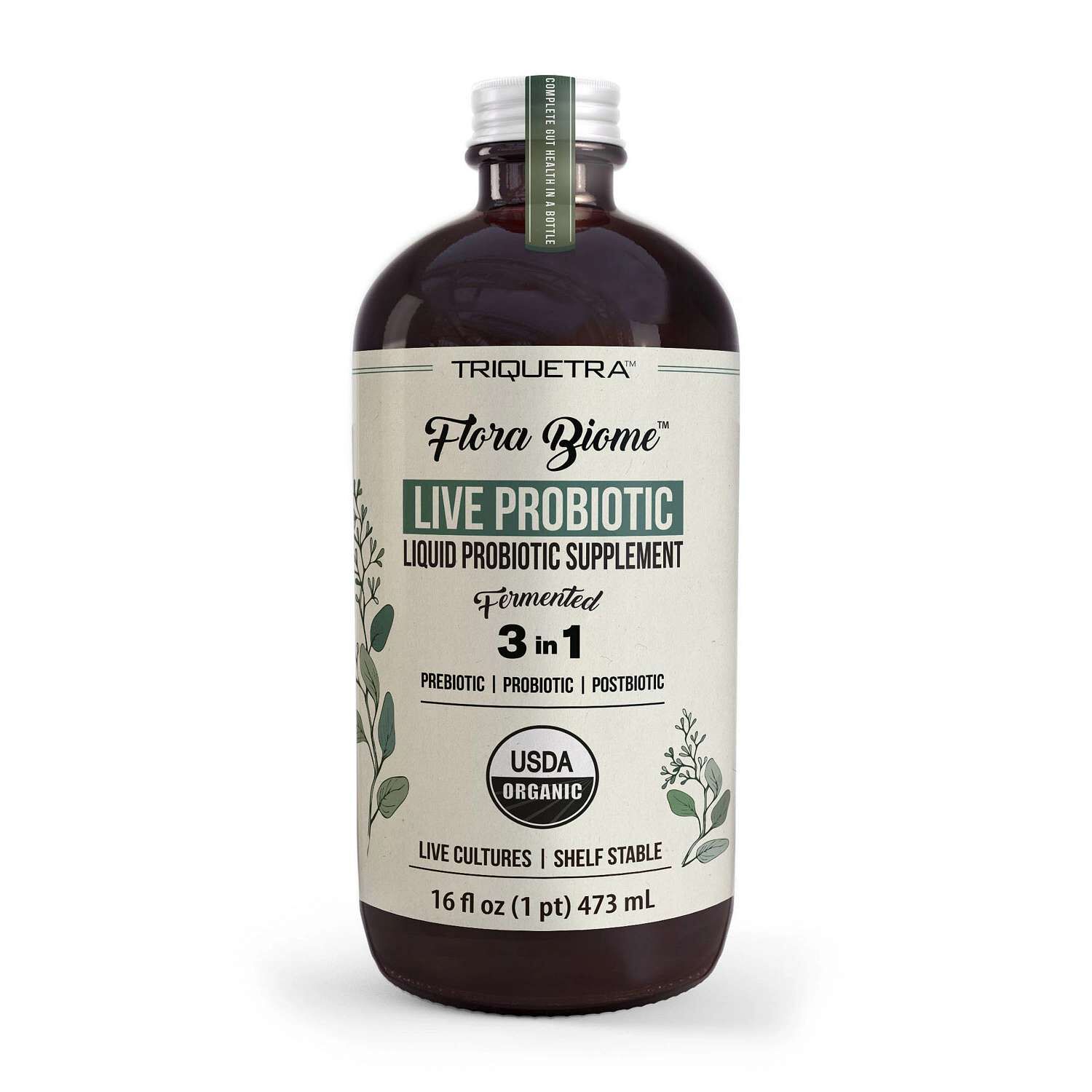
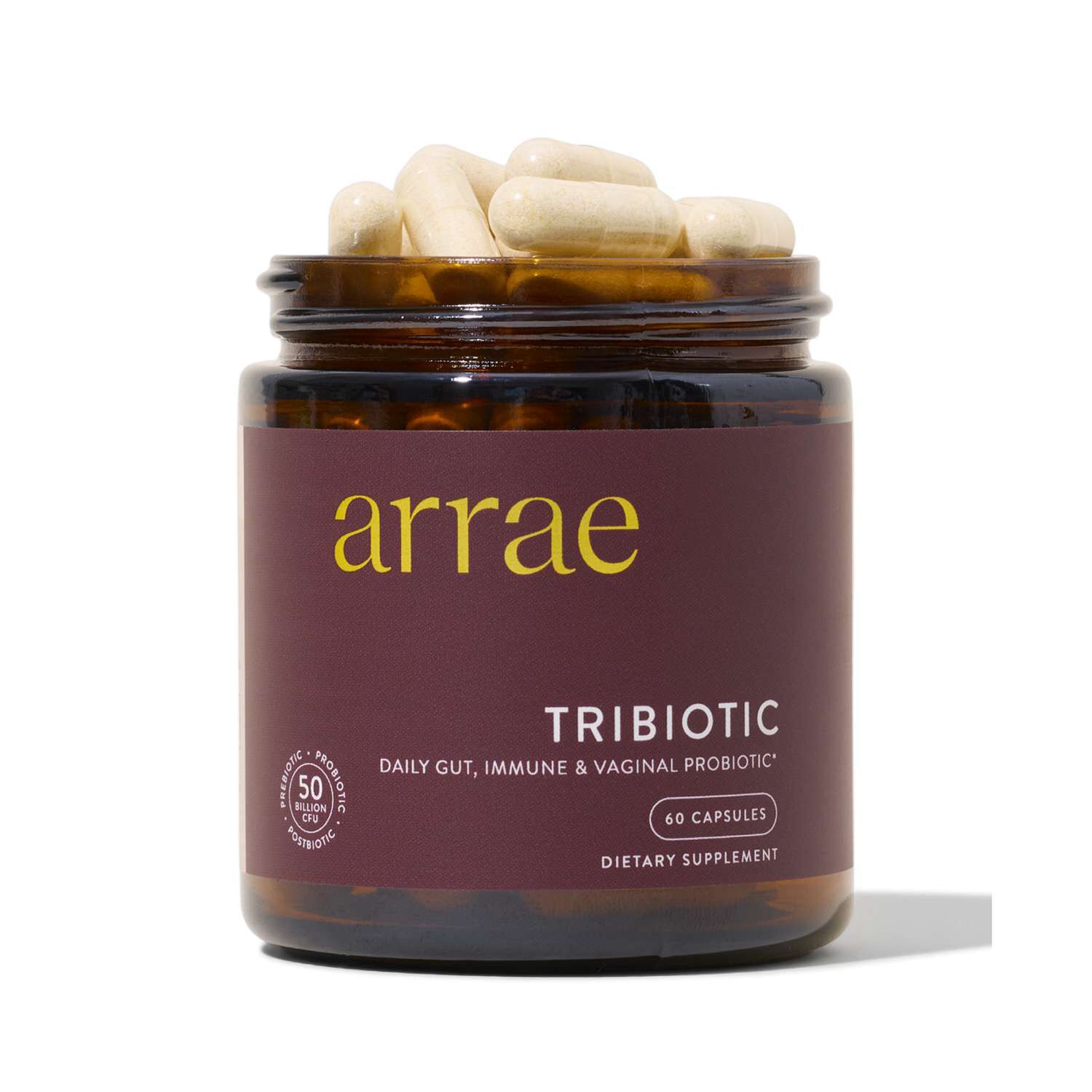
Supplements for elderly digestive health include fiber, probiotics, prebiotics, and digestive enzyme formulas in formats suited to different preferences and everyday routines. These categories offer distinct ingredients and intended uses, rather than interchangeable approaches to digestive wellness. Fiber supplements may support regularity and provide additional dietary fiber alongside foods such as oats, beans, vegetables, and fruit. Common fiber ingredients include psyllium husk, methylcellulose, and wheat dextrin, with differences in source, texture, and preparation. Probiotic supplements contain live microorganisms identified on labels by genus, species, and sometimes a specific strain designation; certain formulations may support a balanced digestive environment. Prebiotic ingredients, including inulin and other selected fibers, may support beneficial gut bacteria. Digestive enzyme supplements feature individual enzymes or blends formulated around different food components, such as carbohydrates, proteins, and fats. Their intended use is separate from that of a fiber powder or probiotic capsule, making the ingredient panel more informative than a broad digestive wellness description alone. For older adults, a practical comparison also includes the serving format, preparation involved, and how the product fits an established eating routine. Someone who enjoys a leisurely breakfast at home may prefer a powder that can be prepared according to its label, while someone who spends much of the day away from home may value a compact capsule container. Age alone does not establish a need for any particular supplement, and products intended for seniors can vary considerably in composition. A label that clearly identifies ingredients, serving size, and intended audience provides a useful starting point for understanding those differences. Supplements are an addition to a varied eating pattern, not a replacement for meals or a reason to assume that every older adult needs the same daily routine. The most relevant distinctions are often straightforward: what the formula contains, how it is taken, how much preparation it requires, and whether its format matches the preferences of the person who will use it.
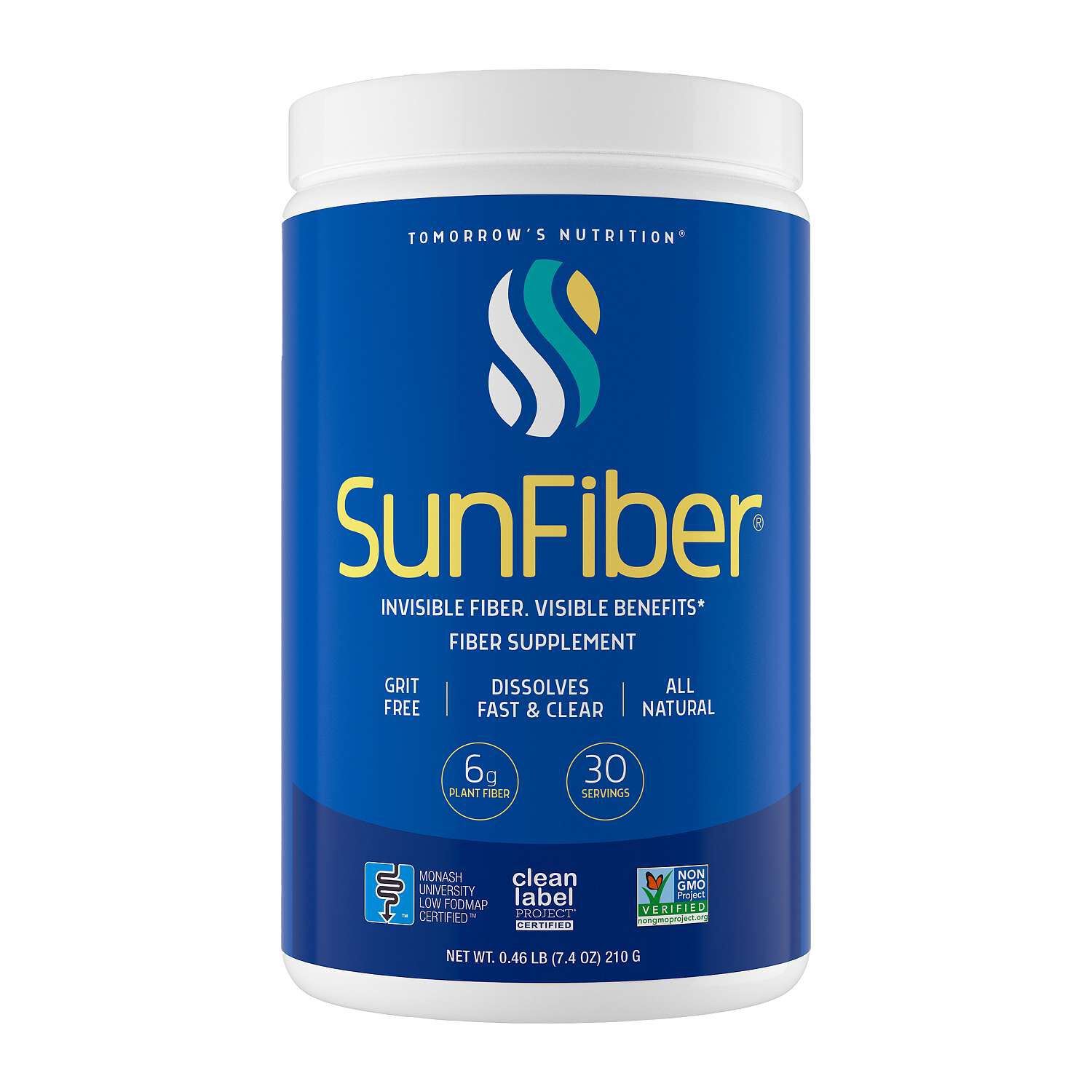
Fiber powders, capsules, chewables, and probiotic blends each bring different details to the comparison. With a fiber powder, the amount of dietary fiber per serving matters alongside the size of the scoop and the amount of liquid specified in the directions. A larger scoop does not necessarily contain more fiber than a smaller serving of another formula, since flavorings and other ingredients also contribute to the contents. Psyllium-based powders can develop a thicker texture when mixed, while other fiber ingredients have different mixing characteristics. Flavor, sweetness, and texture can be meaningful considerations for someone who prefers a familiar breakfast beverage or dislikes strongly flavored supplements. Unflavored does not necessarily mean tasteless, and the full ingredient list can reveal sweeteners, colors, or added ingredients that are not obvious from the front label. Capsule formats avoid mixing, but a listed serving may consist of more than one capsule. Chewable options have their own serving sizes, textures, and ingredient profiles, so format alone does not establish nutritional equivalence. For probiotics, strain identification and the stated microorganism count offer more detail than a general description of the blend. A higher count is not, by itself, a reason to consider a formula more suitable for every shopper. Storage directions and any explanation of how the count relates to the labeled date are also relevant product details. Some formulas combine probiotics with prebiotic ingredients, while others keep these categories separate. Enzyme blends likewise differ in the enzymes included and the activity measurements shown on the label. These distinctions make side-by-side label comparisons more useful than comparing the number of ingredients alone. Clearly stated milk, soy, wheat, or other ingredient sources can matter to shoppers with established dietary preferences or restrictions. A short ingredient list may appeal to someone seeking a simpler formula, whereas a combination product may appeal to someone who prefers fewer separate containers. Neither approach makes every product within that category equivalent in composition or intended use.
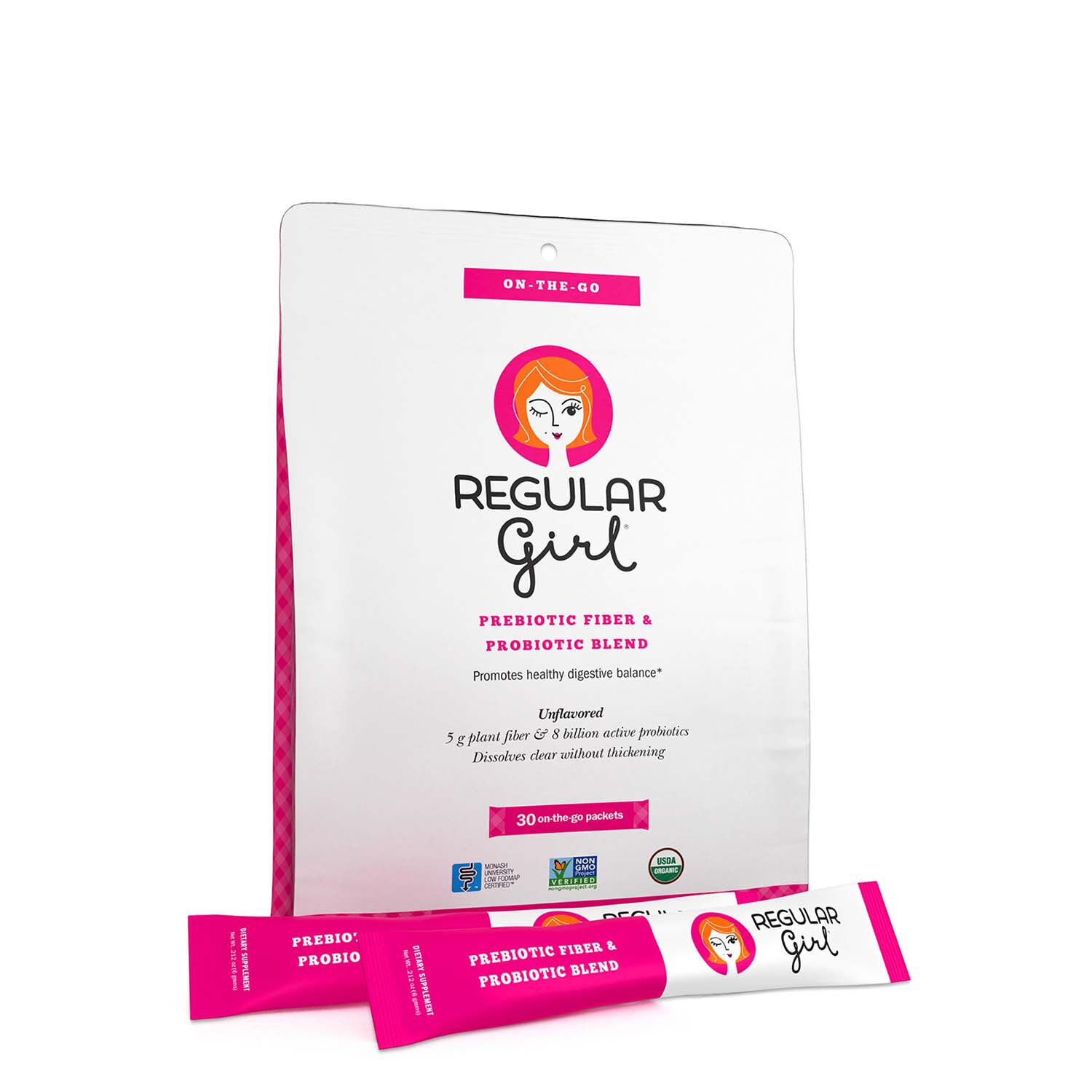
Everyday usability deserves as much attention as the supplement category itself. For an older adult who prefers a tidy breakfast setup, a container with legible directions and a clearly marked scoop can make the preparation process easier to understand. Individually packaged powder servings offer a different handling experience from a larger tub, particularly when packing an overnight bag or organizing supplies for time away from home. Packaging materials, closure design, and container shape affect handling and storage rather than the nutritional role of the ingredients. A wide opening, readable print, and distinct serving information can be useful features for people who find small labels or narrow containers inconvenient. Storage requirements also vary: some probiotic formulas call for refrigeration, while other supplements have different labeled conditions. Keeping the original packaging preserves access to ingredient information, directions, and the printed date, details that can be lost when contents are transferred into an unmarked jar. Package size is another practical consideration, especially when the person using the supplement has not previously tried that flavor or format. For a family member or caregiver helping with shopping, the intended user’s existing preferences matter more than assumptions about age. A familiar texture, manageable preparation process, and clearly identified formula can be more relevant than an elaborate assortment of supplements. These products are personal purchases, so a requested format is generally more thoughtful than an unexpected wellness gift. Adult children shopping alongside a parent may find it useful to distinguish between senior-oriented formulas and broader adult collections, including Digestive Supplements for Men Over 40, while recognizing that collection names do not replace the details on an individual label. Across digestive supplements for older adults, the central shopping considerations remain the ingredient category, serving information, dietary compatibility, packaging, and intended use. Attention to those concrete details keeps the comparison grounded in the product itself and in the daily habits of the person choosing it.
Best Sellers
-
 Physician's Choice