





EAA Drinks
(0 Results)
Elevate your fitness journey with EAA drinks, which may provide essential amino acids to support muscle recovery and overall performance. These refreshing beverages could be a convenient way to fuel your body before, during, or after workouts. Packed with nutrients that might help enhance endurance and reduce fatigue, EAA drinks are designed for those who seek to optimize their training regimen. Explore the potential benefits of incorporating EAA drinks into your daily routine and take a step towards achieving your health and fitness goals.
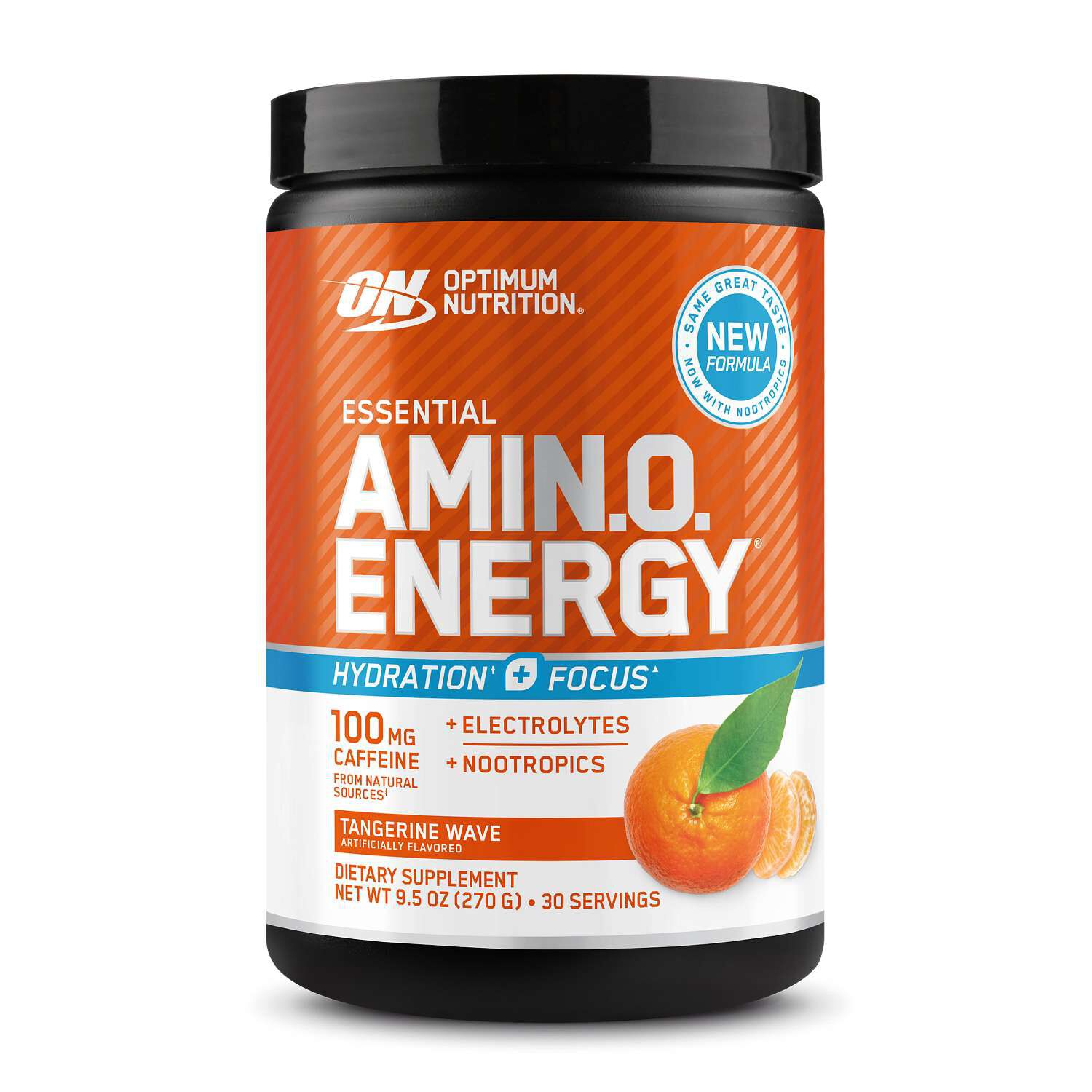
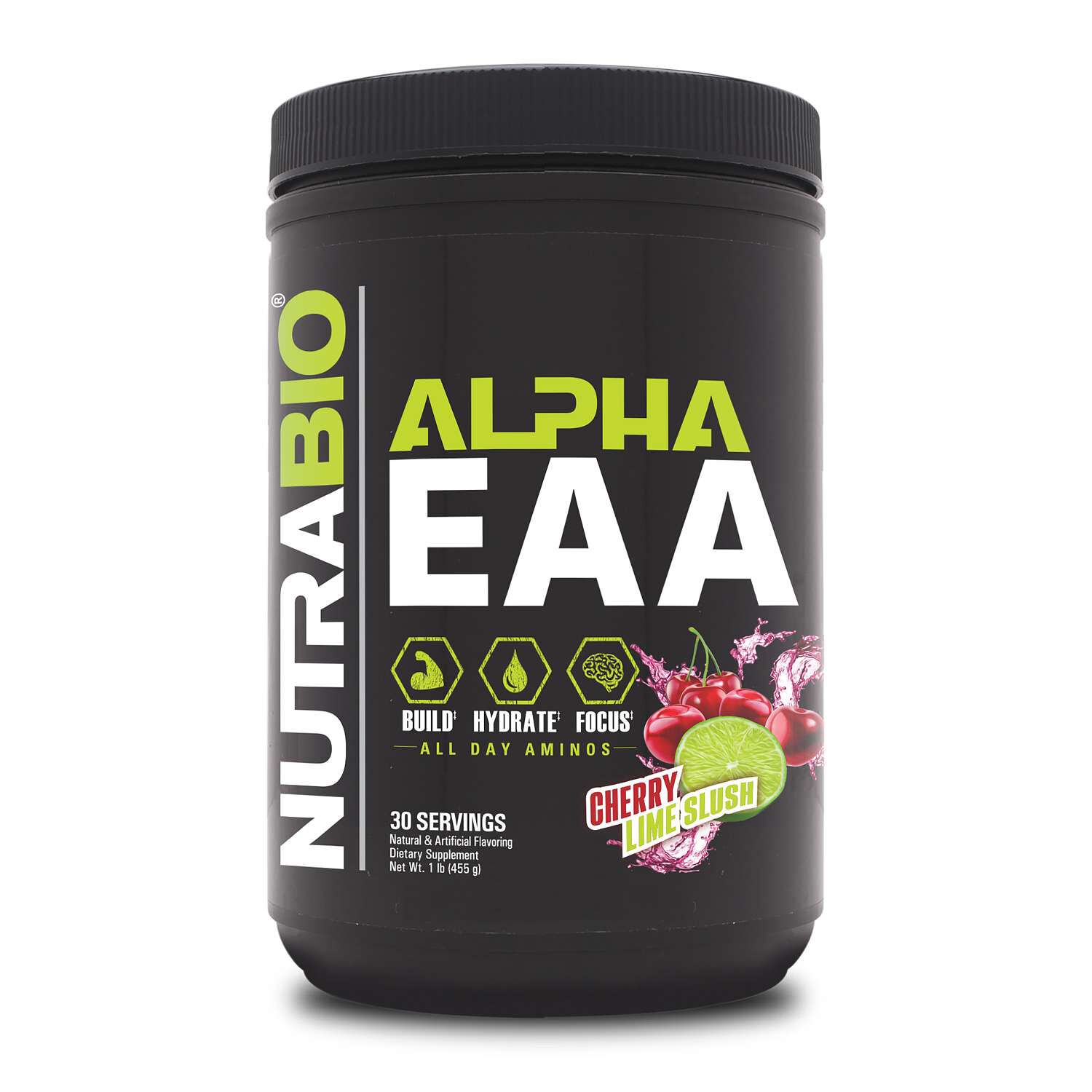

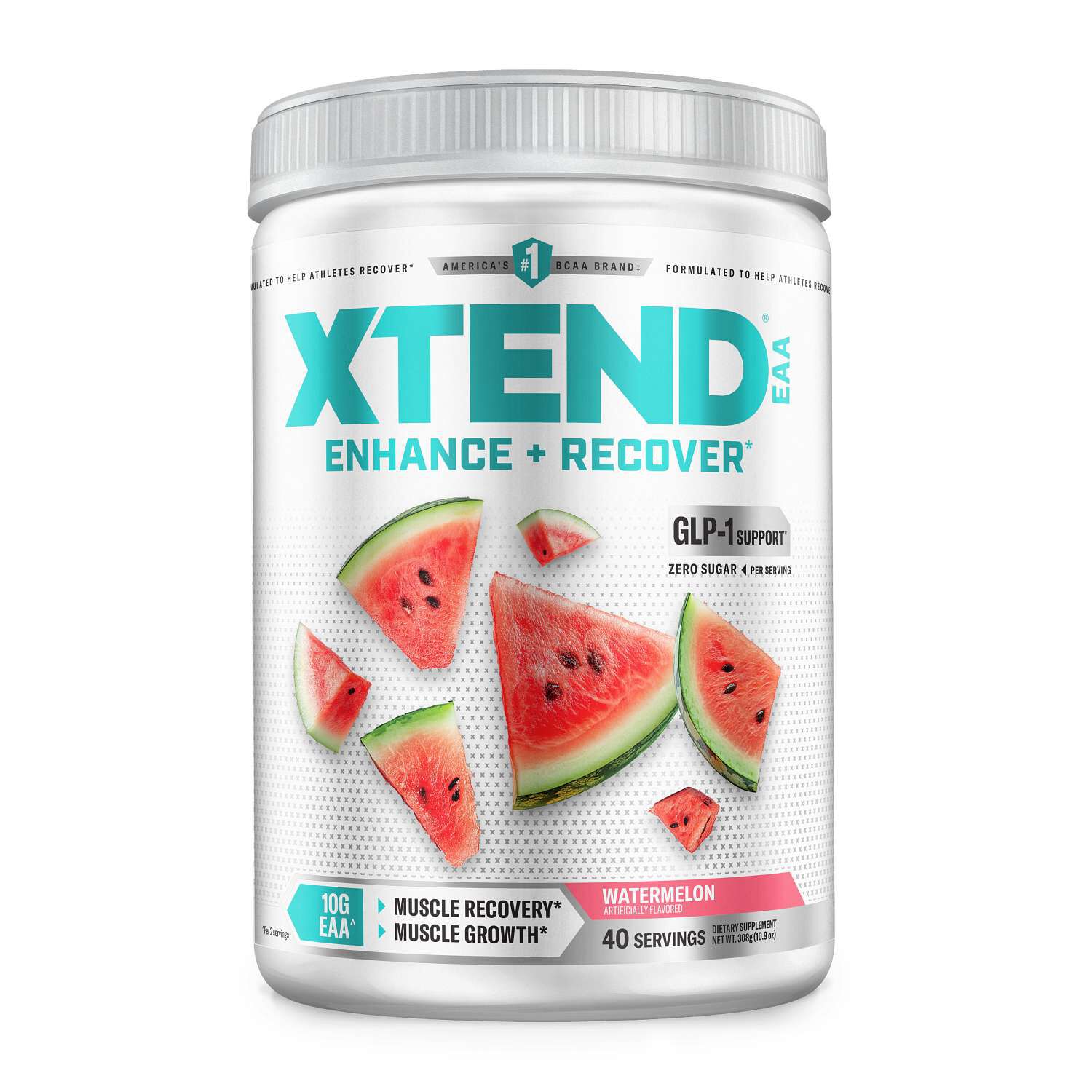
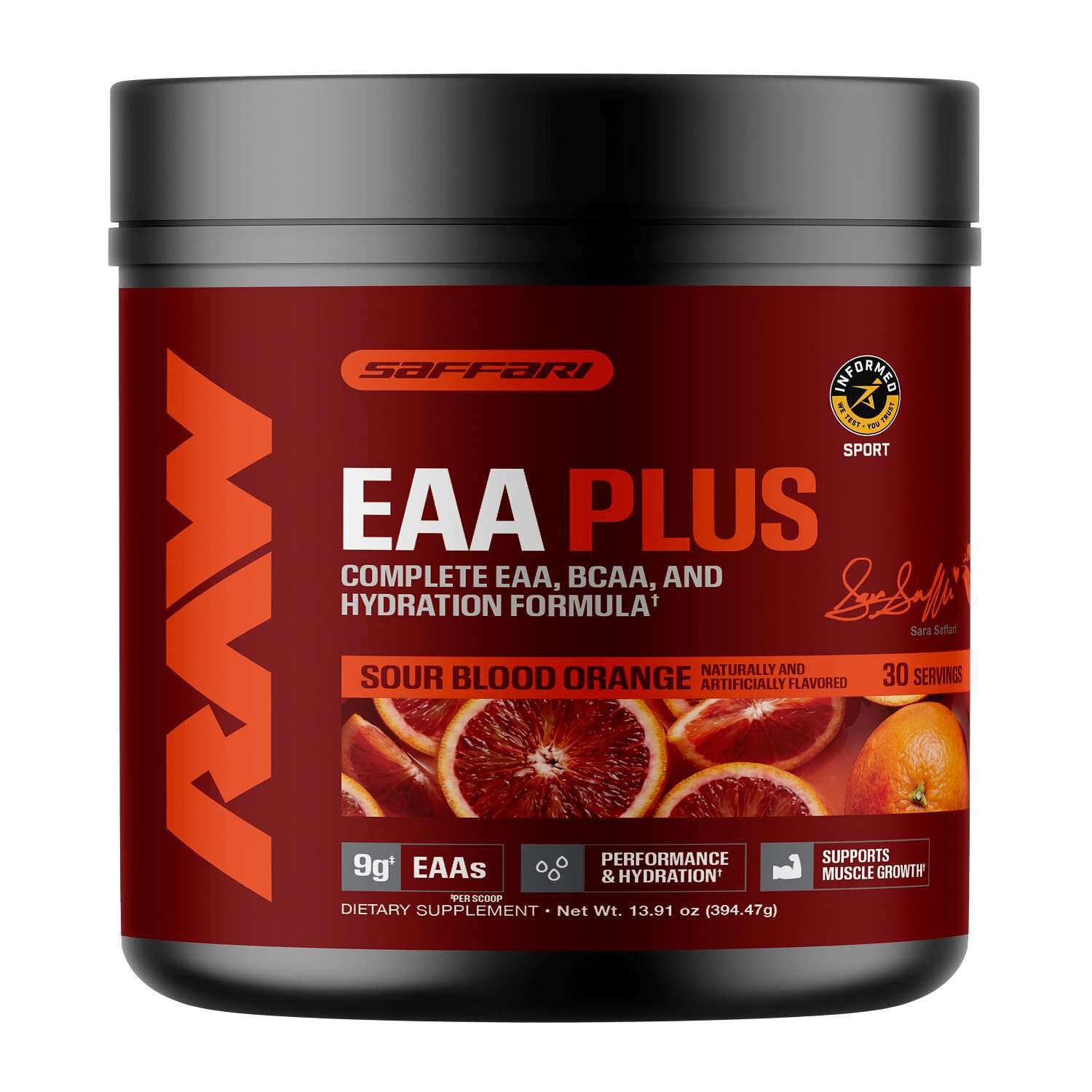
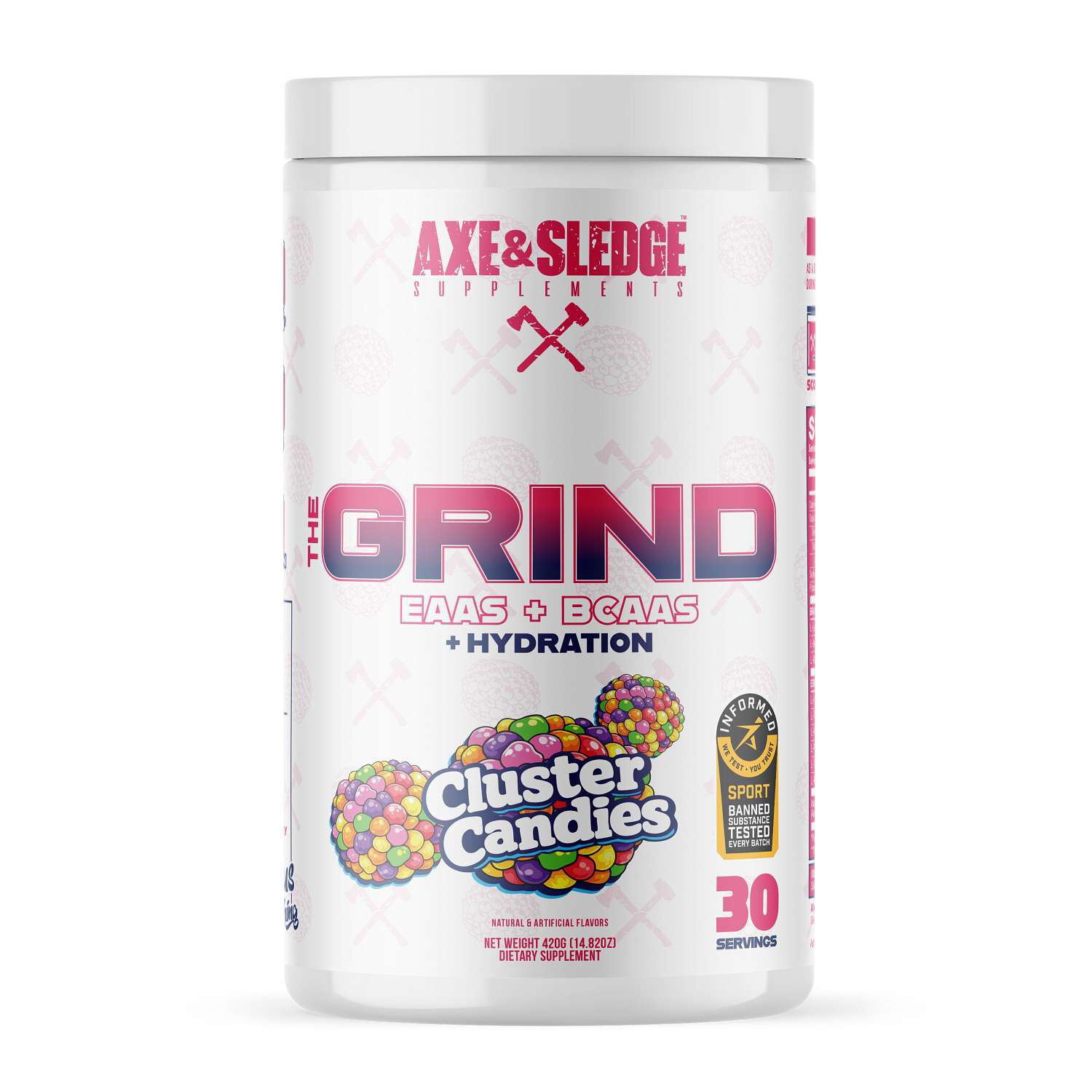


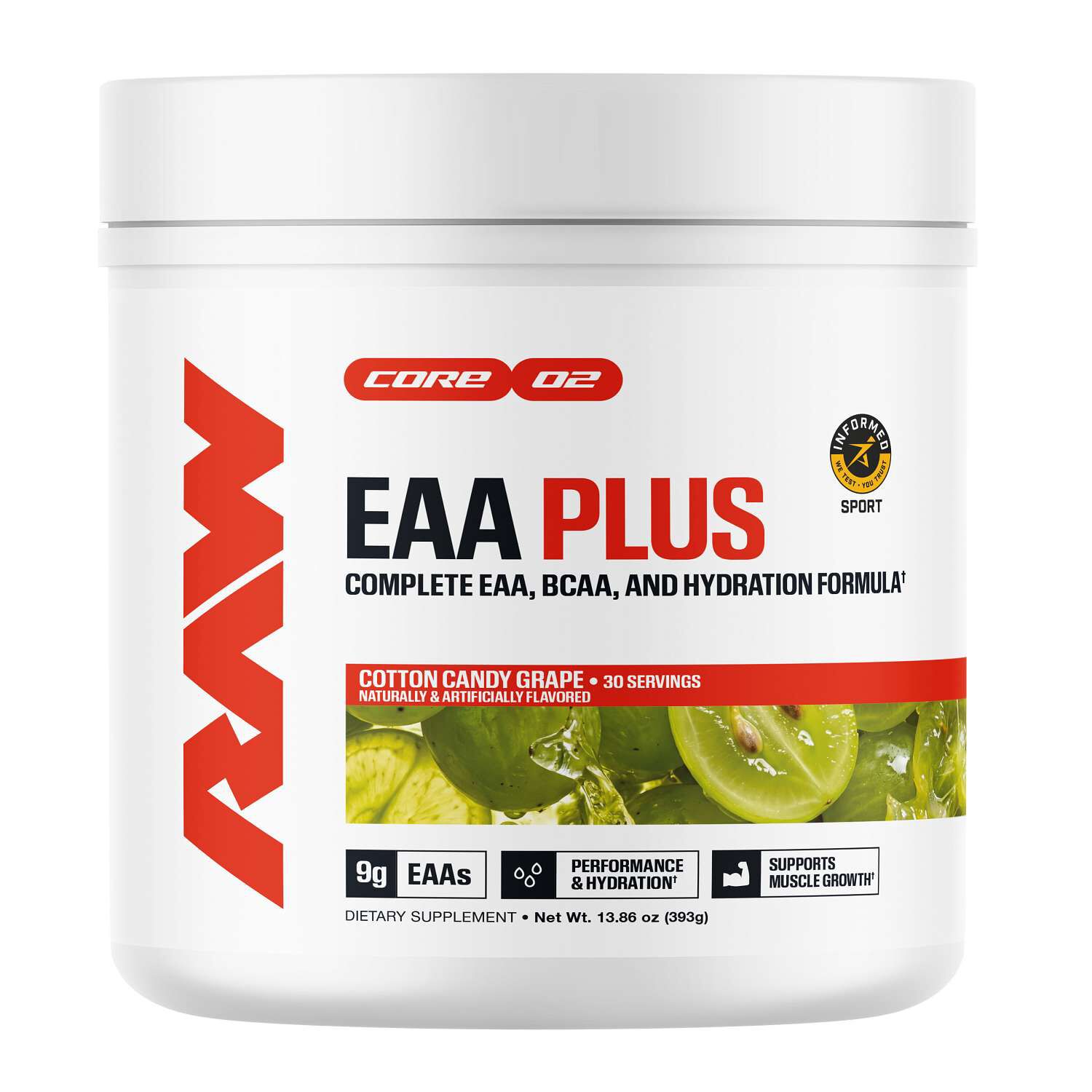
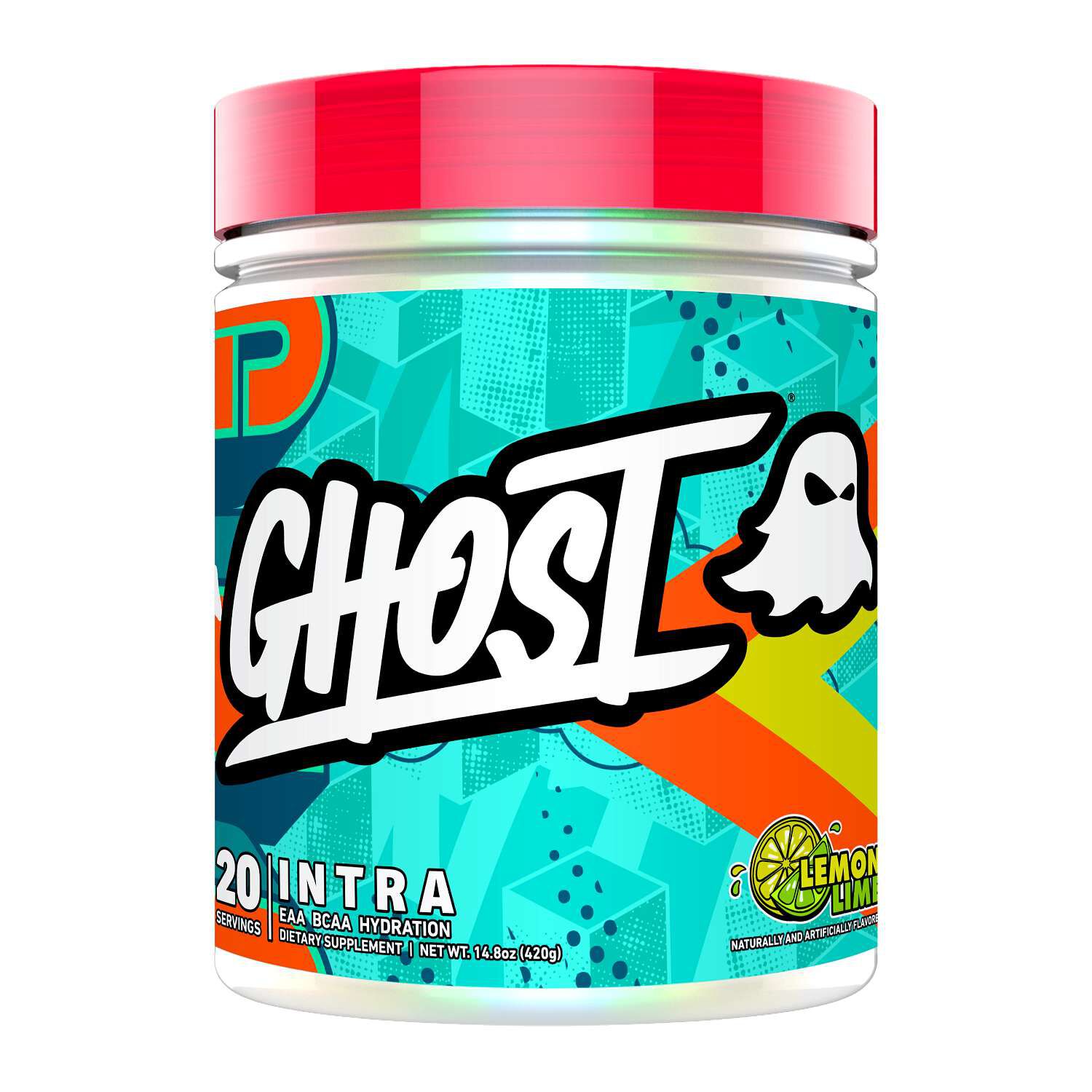
An EAA drink is a dietary supplement beverage formulated with the nine amino acids the body needs to get from the diet. It often starts as a flavored powder mixed with water, although EAA drinks also come in ready-to-drink bottles. The nine amino acids are histidine, isoleucine, leucine, lysine, methionine, phenylalanine, threonine, tryptophan, and valine. Amino acids are the building blocks of protein, and these nine occur in everyday foods such as eggs, fish, dairy, and soy. The difference between an EAA drink and a BCAA drink comes down to which amino acids are in the formula. BCAA stands for branched-chain amino acids, the group made up of leucine, isoleucine, and valine. Those three are already part of the group of nine. A drink formulated only with BCAAs contains that trio, while an EAA drink includes the other six as well. Seeing leucine on a label, then, doesn’t by itself tell which type of blend is in the bottle. The Supplement Facts panel is useful for comparing formulas: some labels give the amount of each amino acid, while others list the amino acids and give one amount for the blend. Comparing amounts per labeled serving puts those figures on the same footing, since a scoop or a bottle doesn’t always equal one serving. An EAA drink is also different from a protein shake. A shake generally starts with a protein ingredient such as whey or soy and lists grams of protein, while an EAA drink is formulated around individual amino acids. A fruit-flavored mix in a water bottle and a creamy shake in a blender cup might both fit into a gym routine, but the labels describe different things.
People commonly drink EAAs before, during, or after exercise. On a label, “intra-workout” simply means during exercise: a bottle beside the bench for a few sips between sets, or one tucked into the cup holder on a stationary bike. Timing often comes down to when it’s convenient to mix, carry, and drink something. Someone heading to a training session straight from work may prefer a sealed, ready-to-drink bottle over carrying a tub and finding a place to mix the powder. Someone who already brings a reusable bottle and has a refill station nearby may prefer to mix a drink on the spot. With powder, the amount of water in the mixing directions gives a useful reference for how the drink is meant to taste. The same mix can taste much stronger in a small shaker than in a larger bottle filled to the brim. A bottle with volume markings makes it possible to measure the water without a separate cup, while a wide opening leaves more room to add powder without dusting the rim. For a drink that rides in a gym bag alongside shoes and a change of clothes, a cap that closes securely may matter more than a mixing insert. A bottle that comes apart easily is also simpler to rinse after a session, especially around the lid and threads where residue can collect. The care details differ by format: a dry scoop and a firmly closed lid keep stray moisture out of a powder container, while a prepared drink or an opened bottle may have separate directions for refrigeration and storage. Those directions are worth checking when a drink is mixed at home and packed for later rather than made just before a workout.
Flavor and the rest of the ingredient list can make two EAA drinks with similar amino acid blends feel like different choices. Citrus, berry, and tropical flavors are common, but one citrus mix may taste light and tart while another may be sweeter or leave a more noticeable aftertaste. That difference is easy to miss in a single sip and easier to notice over the course of a training session. Some formulas include electrolytes such as sodium, potassium, or magnesium, and some also contain B vitamins. Sweeteners, colors, and caffeine vary by formula; none is implied simply by the term EAA. The ingredient list and facts panel provide more detail than the flavor name about which sweeteners are used, whether the drink contains caffeine, and how much added sugar it lists. Those details matter in everyday situations, like packing a drink for an evening lifting session and wanting to know whether it contains caffeine, or looking for a mix labeled vegan rather than assuming where the ingredients came from. Flavor also matters alongside whatever else is packed for the gym. A tart mix might be more appealing to someone who already brings a sweet snack, while a milder drink might suit someone who plans to sip it a little at a time between sets. Shoppers comparing beverages with other amino acid formats can browse EAA Rich Supplements for a broader look at the category. For drinks specifically, the differences that matter on paper are the amino acids and other ingredients listed per serving. The differences that matter in a gym bag are more practical: whether the drink needs mixing, how well the bottle travels, and whether the flavor is one that still appeals by the last sip.
Best Sellers

Related Pages
Top Collections
- Chronic Fatigue Supplements
- Vitamins For Hair Loss
- Capsule Supplements For Energy And Stamina
- Supplements For Yoga Joint Flexibility
- Zinc Supplements For Men
- Best Brand of Magnesium Glycinate
- Cortisol Supplements
- Supplements For Energy And Wellness
- Joint Mobility Supplement Packs
- Peptide Supplements