

EAA Rich Supplements
(0 Results)
Explore the potential benefits of EAA-rich supplements, which could support your fitness and wellness journey. These supplements, packed with all nine of the body's indispensable amino acids, might be a great addition to your daily regimen. Whether you're aiming to optimize muscle recovery, support endurance, or simply maintain overall health, EAA-rich supplements may offer a versatile solution. Discover how these powerful amino acid blends could help you reach your health and fitness goals with ease and efficiency.
-

-

-

-

-
-

-

-

-

-

-
-

-

-
 GNC Pro Performance19$39.99
 -

-

-
-

-

-
-
-

-
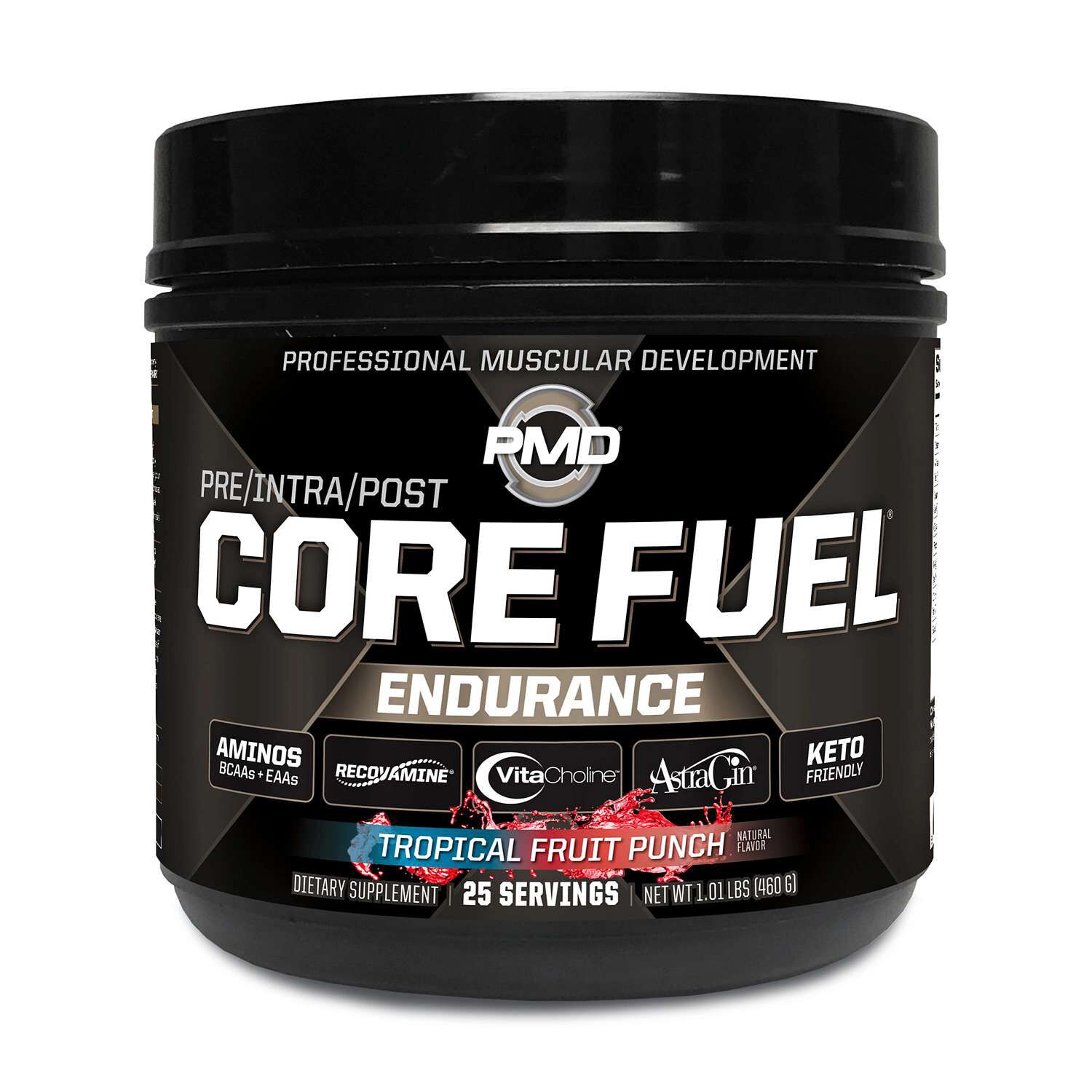
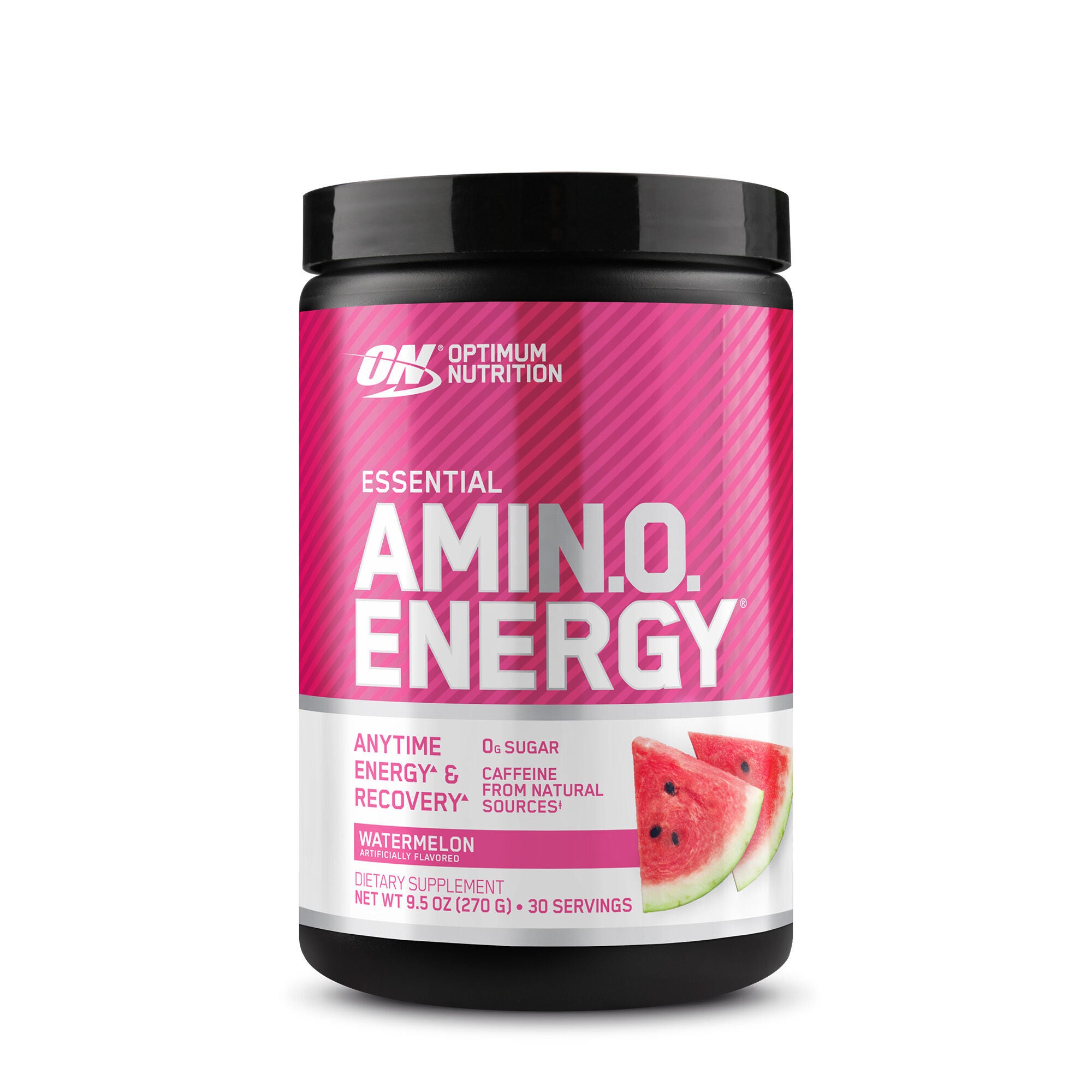
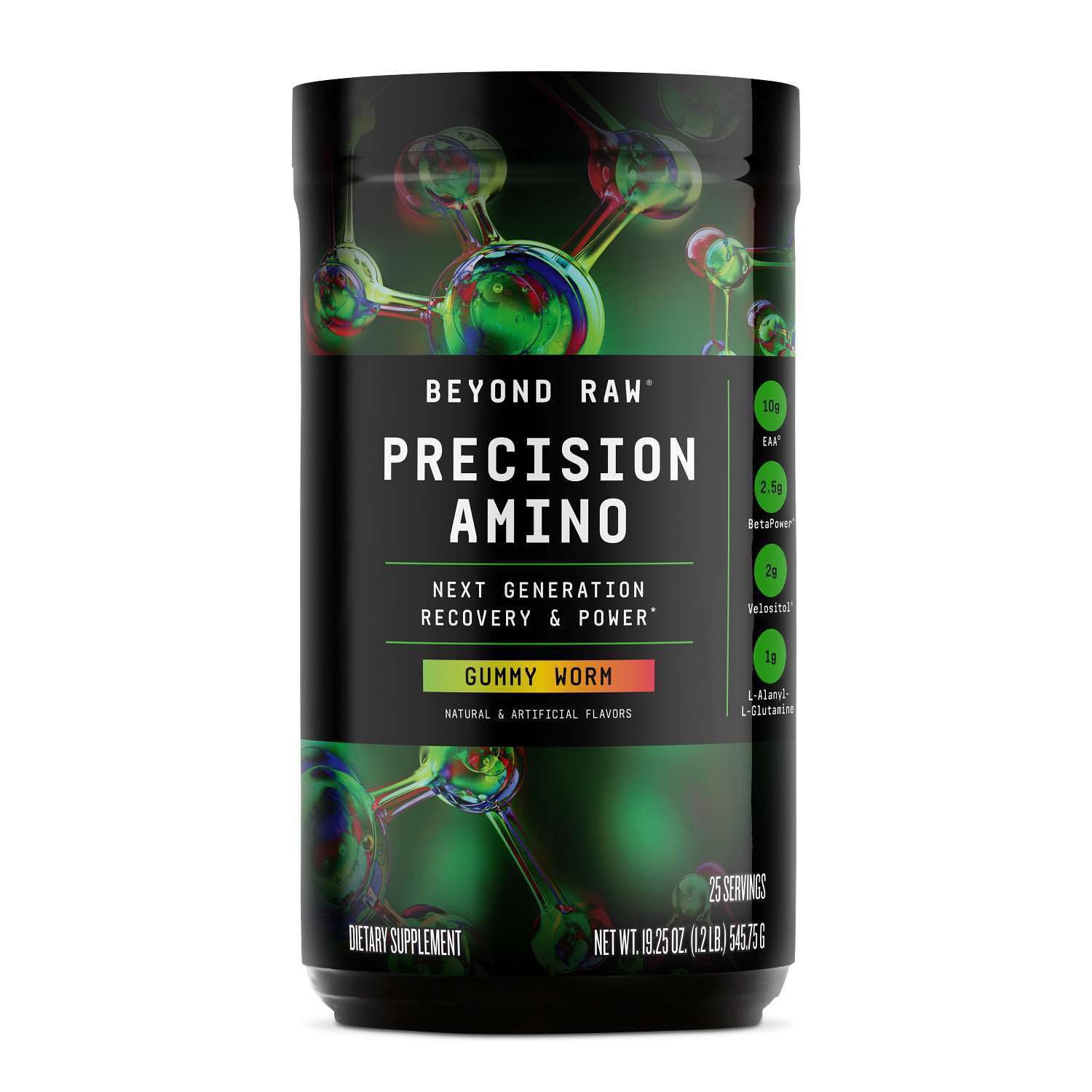
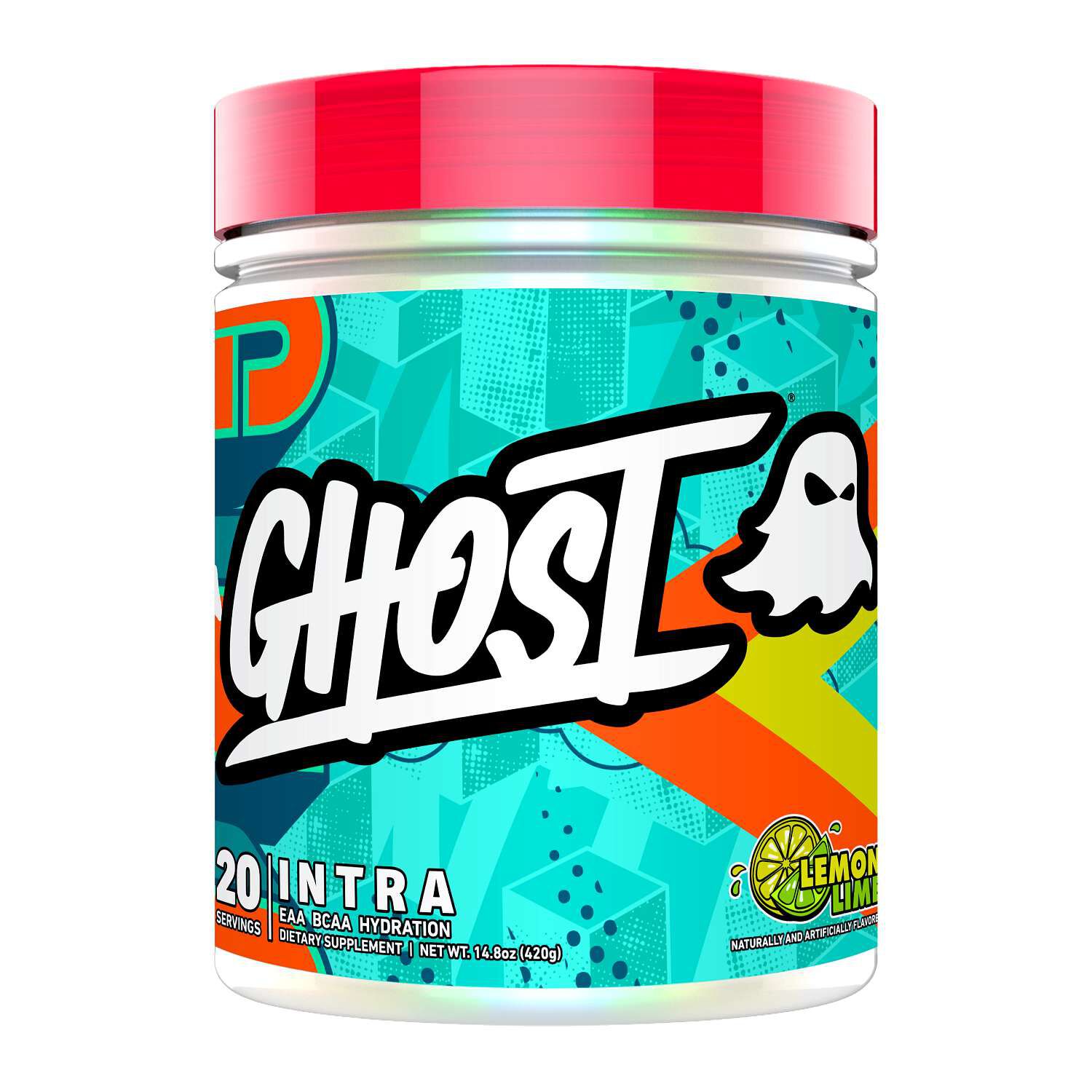
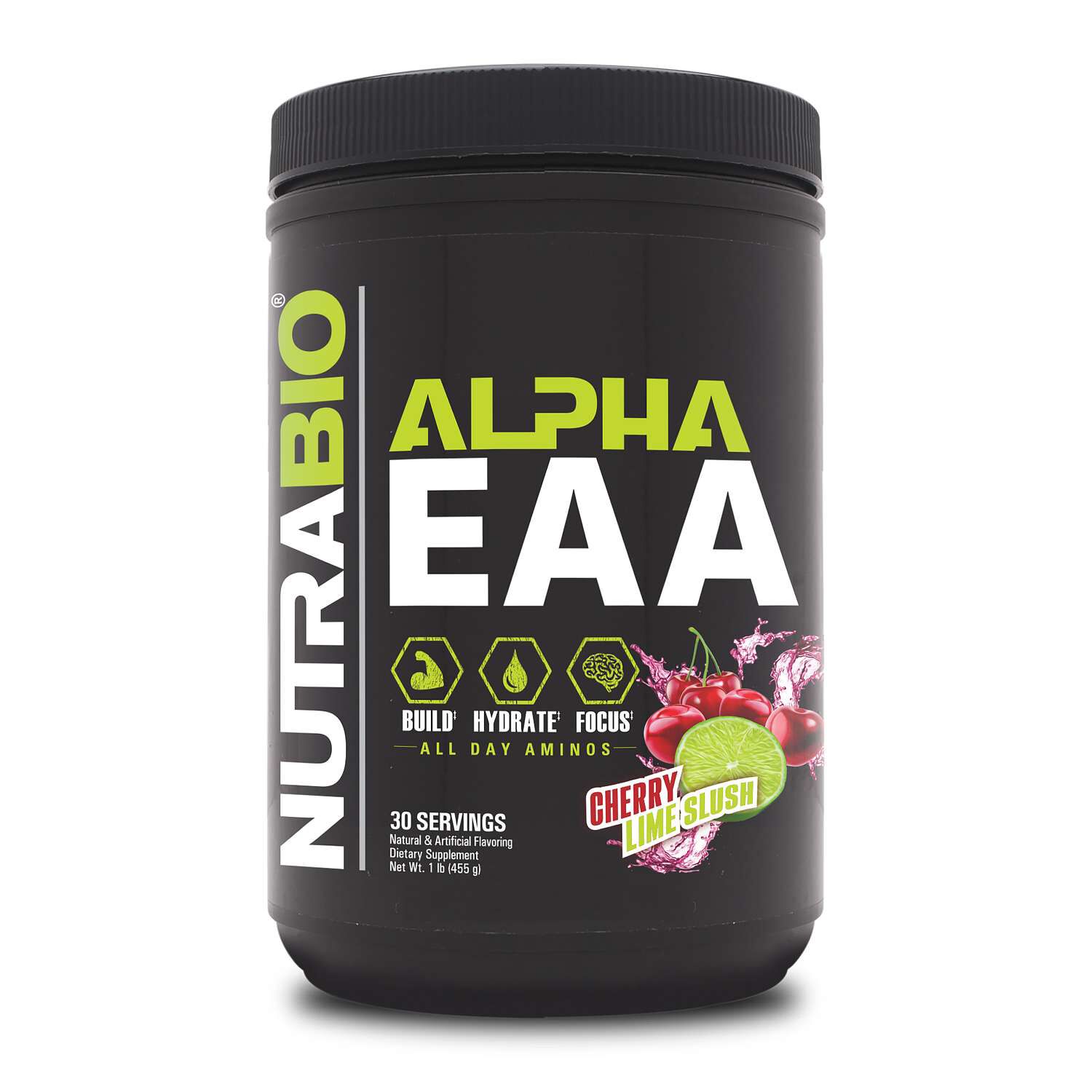
EAA-rich supplements bring together amino acids commonly featured in sports nutrition formulas, with options suited to different training schedules, flavor preferences, and everyday routines. The EAA category centers on nine amino acids that the body cannot make in sufficient amounts and obtains through food: histidine, isoleucine, leucine, lysine, methionine, phenylalanine, threonine, tryptophan, and valine. Amino acids are building blocks of proteins, and EAA supplements may support muscle recovery alongside regular exercise and a varied diet. Their makeup distinguishes them from branched-chain amino acid supplements, often called BCAAs, which focus on leucine, isoleucine, and valine. Those three belong to the larger group of nine, so an EAA formula and a BCAA formula are not interchangeable descriptions. Protein powders also differ from dedicated amino acid formulas: whey, soy, and other dietary proteins contain amino acids within protein structures, while many EAA formulas list individual amino acids as ingredients. These distinctions give shoppers a clearer way to compare products without relying on a flavor name or a front-label description alone. An EAA-rich supplement might appeal to adults who lift weights, spend weekends cycling, attend fitness classes, or prefer an amino acid drink as part of their exercise routine. Some shoppers want a flavored powder to mix in a shaker bottle; others prefer capsules or tablets without a beverage to prepare. The intended use matters as much as the format. A drink carried to an evening gym session presents different practical considerations from capsules stored at home, especially when taste, water access, and bag space come into play. These supplements are additions to a food-based nutrition routine, rather than replacements for meals or dietary protein. For shoppers comparing the category, the most useful background is straightforward: look beyond the EAA name to the listed amino acids, the amounts disclosed per serving, and the other ingredients that distinguish one formula style from another.
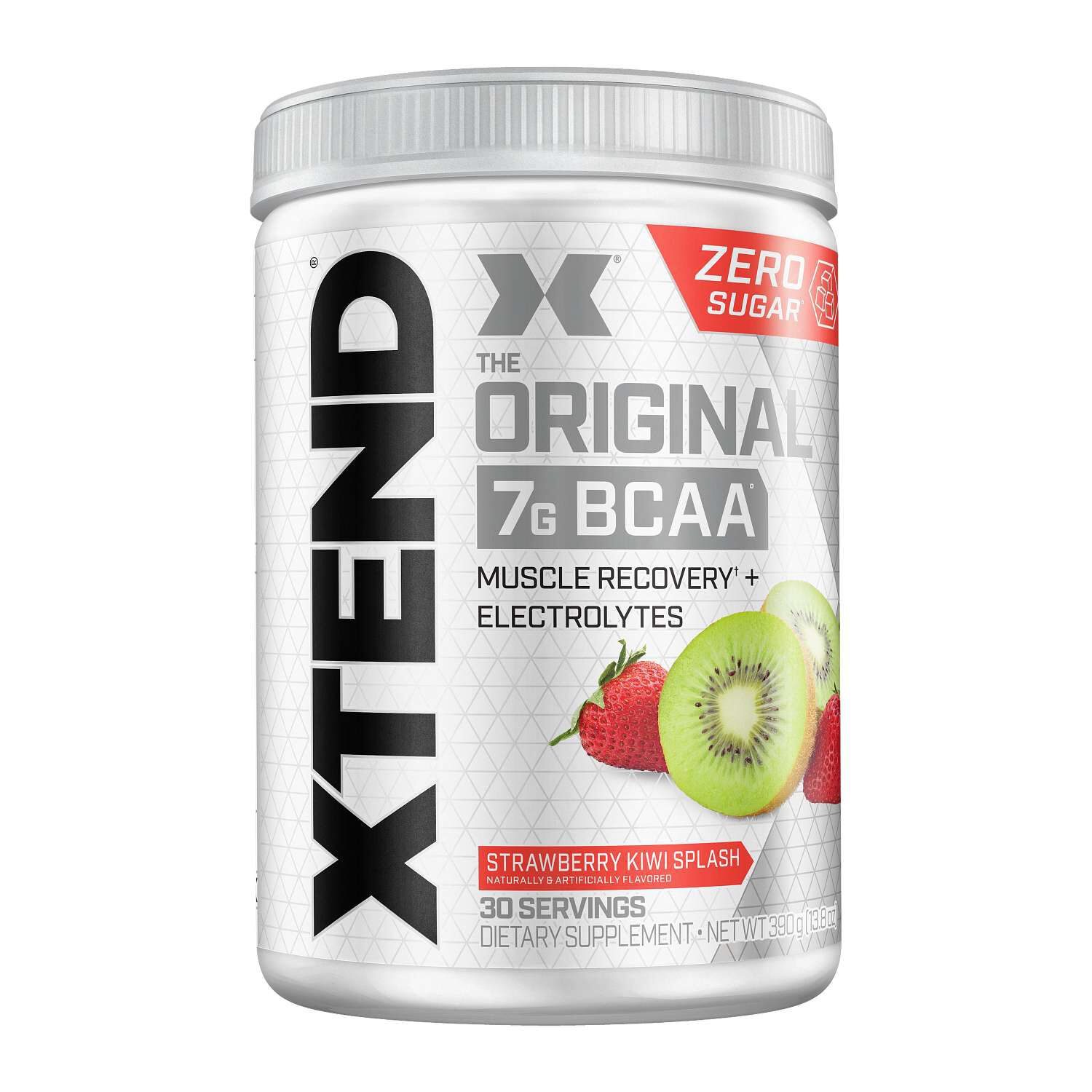
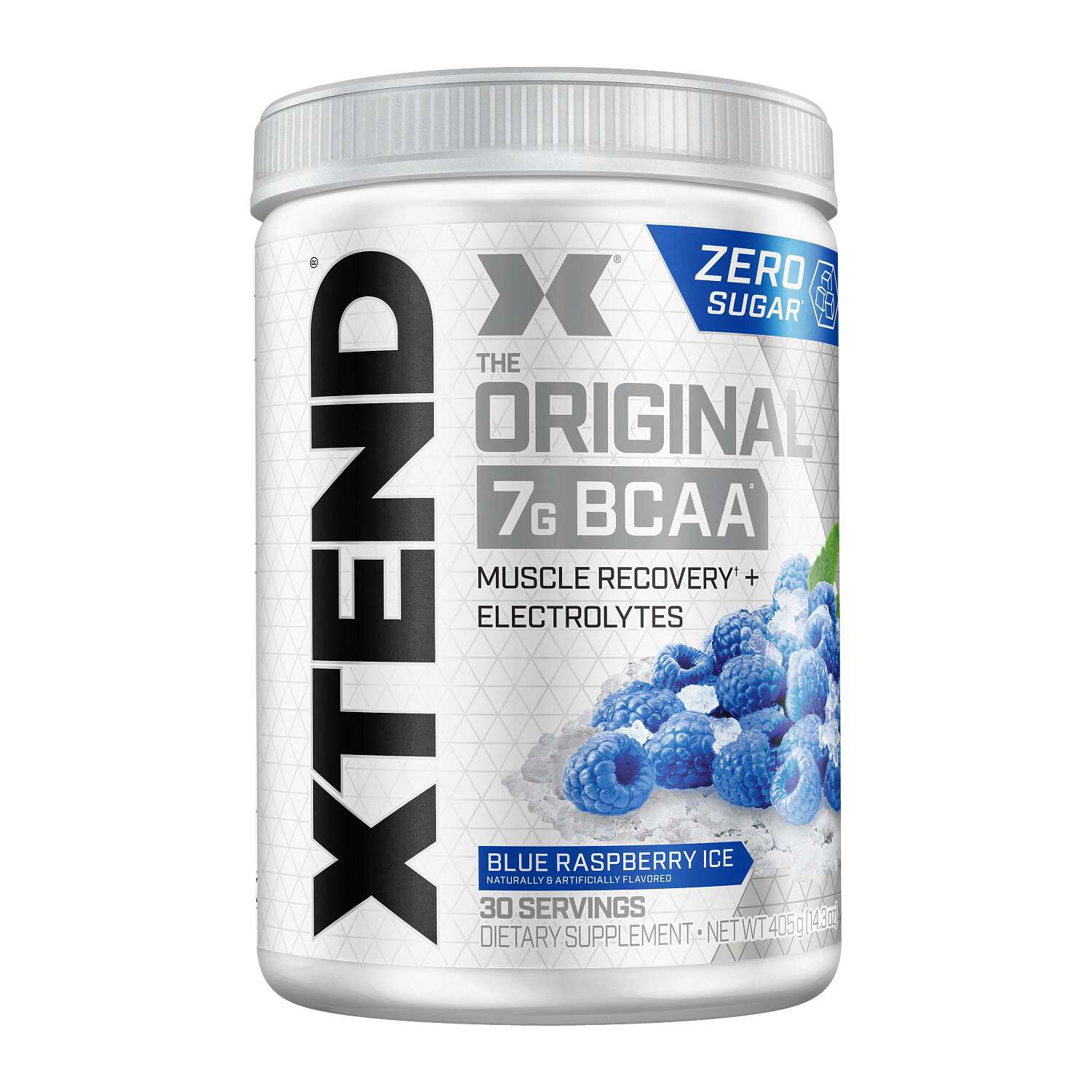
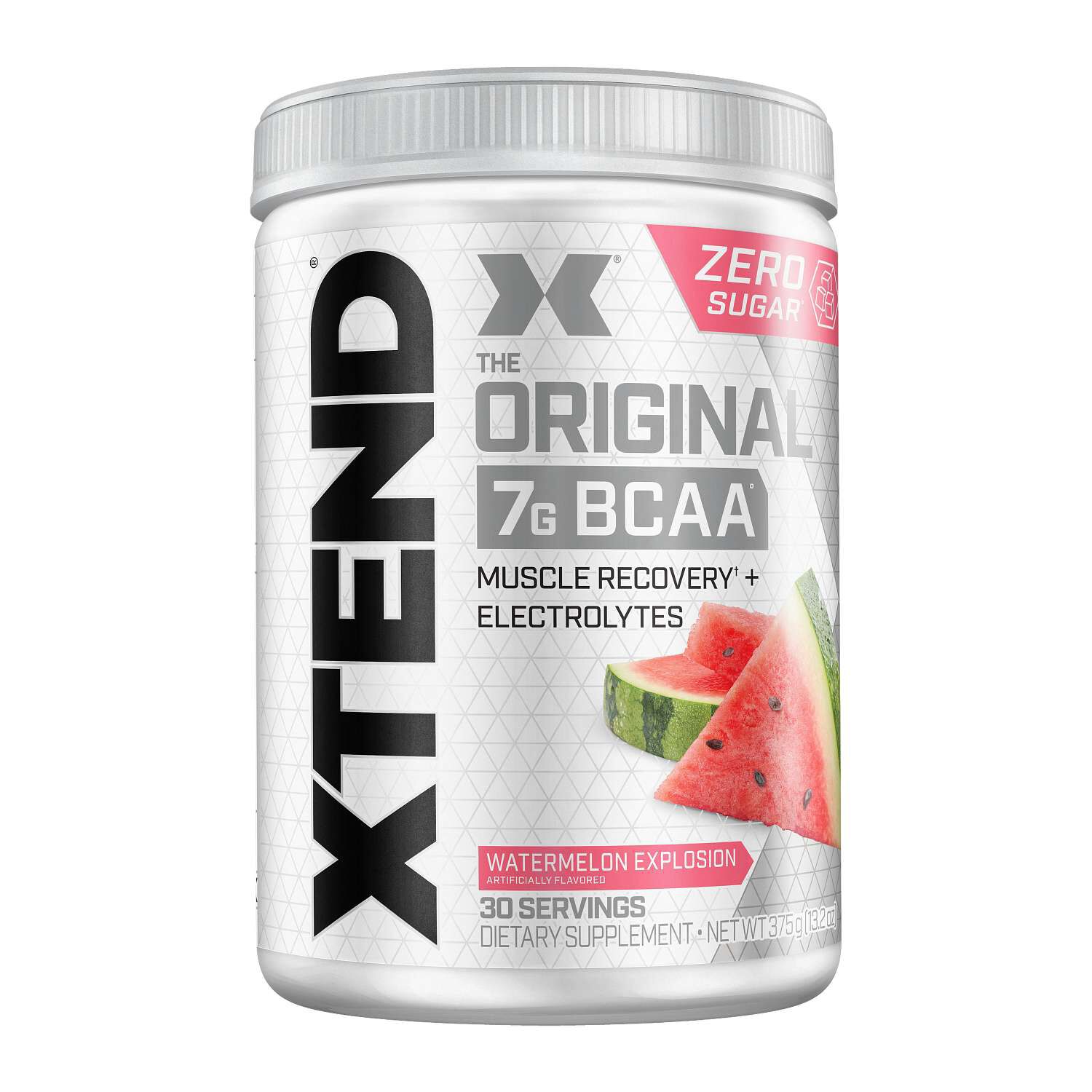
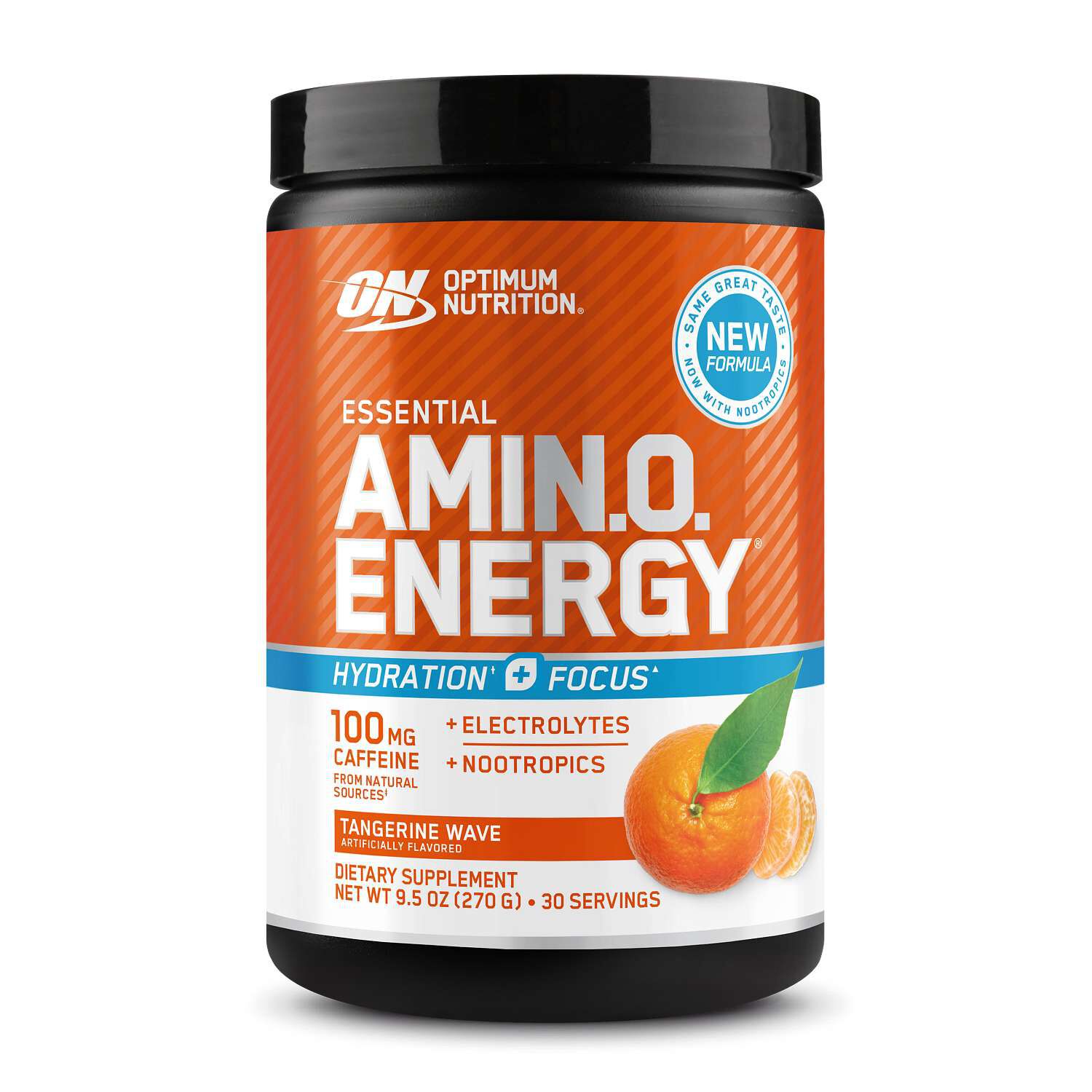
Powders offer considerable variety in flavor, serving size, and ingredient combinations, making the experience in the bottle an important part of choosing among EAA-rich supplements. Citrus, berry, and tropical flavor profiles can range from softly flavored to noticeably tart, and sweetness depends on both the formula and the amount of water specified on the label. Someone who enjoys sipping a fruit-flavored drink through a long workout may have different preferences from someone who wants a small serving with a milder taste. Texture and mixing instructions also deserve attention. Some powders call for shaking, while others specify stirring; the label’s water amount provides a useful reference for the intended concentration. A shaker with a secure lid is a practical match for a gym bag, while a wide-mouth bottle may make powder easier to add at a kitchen counter. Individually packaged servings and larger containers offer different approaches to storage and transport, where those formats are offered. For a closer look at this format, EAA Supplement Powders For Adults brings the focus to powdered options for adult routines. Capsules and tablets, by comparison, remove flavor selection and mixing from the experience, though the number needed for a labeled serving can vary. A serving is not necessarily one capsule, one tablet, or one scoop across the category. The Supplement Facts panel provides the basis for comparing amounts, and a disclosed blend weight does not necessarily show the amount of every amino acid within it. Some formulas include electrolytes, carbohydrates, caffeine, or additional vitamins and minerals, while others keep the ingredient list focused on amino acids. These additions change the composition and intended use, so two containers bearing similar EAA language may represent different choices. For an evening exerciser, the presence of caffeine may be an important distinction; for someone carrying another flavored sports drink, overlapping ingredients may matter more. Ingredient amounts and serving directions provide a more meaningful comparison than the size of the container or scoop.
Dietary preferences, packaging, and day-to-day handling round out the details that make an EAA supplement a practical match for a particular shopper. Amino acid sources, capsule materials, flavorings, sweeteners, and allergen statements can all matter when comparing formulas. A plant-based preference is best matched to an explicit label statement rather than an assumption based on the words “amino acids.” Capsule shells may use gelatin or plant-derived materials, and powdered formulas can contain additional ingredients unrelated to the amino acid blend itself. Shoppers who prefer fewer added ingredients may gravitate toward a simpler composition, while those who enjoy a flavored workout drink may place more weight on taste and mixing format. Care is mainly a matter of following the package’s storage directions: keeping the closure secure, using a dry scoop, and storing the container in the conditions specified on its label. A humid locker room, an open bottle compartment, or a damp scoop introduces different storage concerns than a dry cabinet at home. Container sturdiness and closure design are particularly relevant when a supplement travels between home, work, and the gym. Readable serving information and an expiration date also remain useful long after the outer packaging is opened. During the cooler months, when routines may shift between outdoor activity and indoor training, the right format often comes down to familiar habits rather than a new schedule. Powder may suit the person who already fills a shaker before leaving home; capsules may suit someone who prefers no mixing step. As a gift for an adult fitness enthusiast, an amino acid supplement is a more personal choice than a shaker bottle or gym towel because flavor preferences and ingredient requirements vary. A familiar format and an explicitly requested formula style make a more thoughtful match than guessing from someone’s workout alone. Across EAA-rich supplements, the strongest points of comparison remain the amino acid profile, clearly stated serving amounts, accompanying ingredients, and a format that fits the intended routine. Those details keep the choice grounded in what the label actually describes and how the supplement would fit into everyday life.