





EAA Supplements For Athletes
(0 Results)
EAA supplements for athletes might offer support for those looking to optimize their training routines and recovery strategies. Packed with essential amino acids, these supplements could be a convenient addition to an active lifestyle, whether you’re pushing through intense workouts or striving to maintain peak performance. Explore a range of options designed for athletes who want to prioritize their nutrition and fuel their fitness goals.
-
-
-
-
-
-
-
-
-

-

-

-

-

-
-
 GNC Pro Performance19$39.99
-
-

-

-
-

-
-

-
-

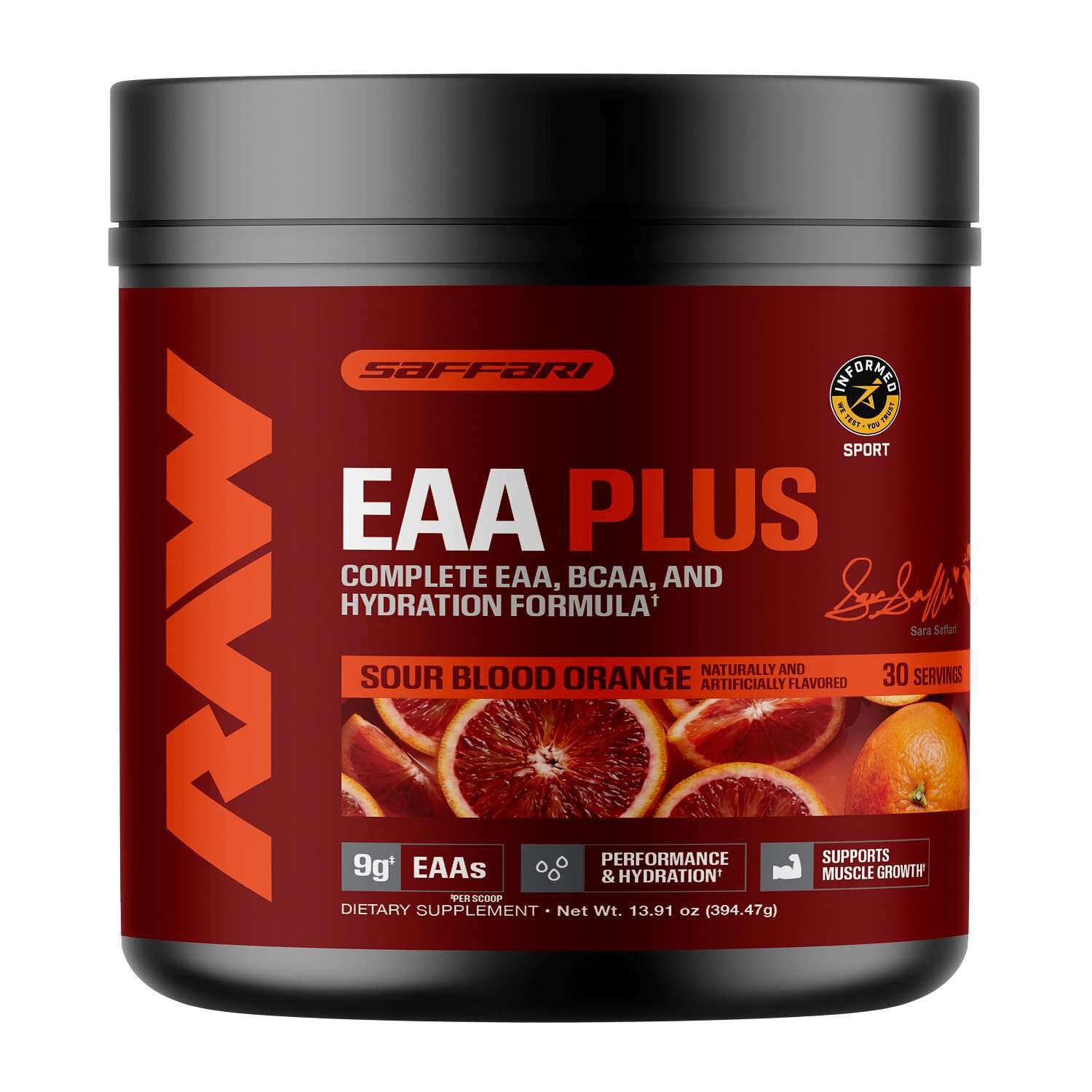
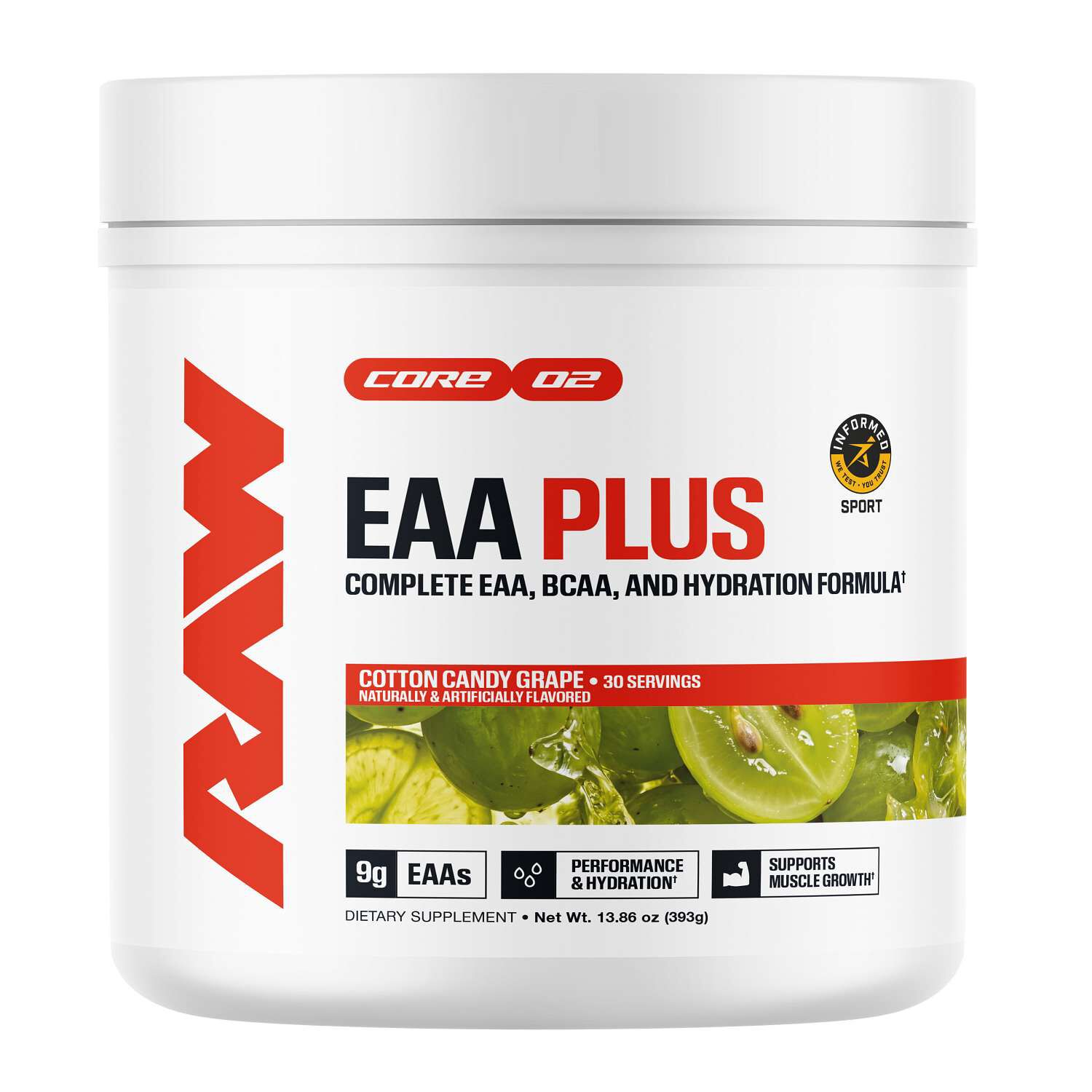
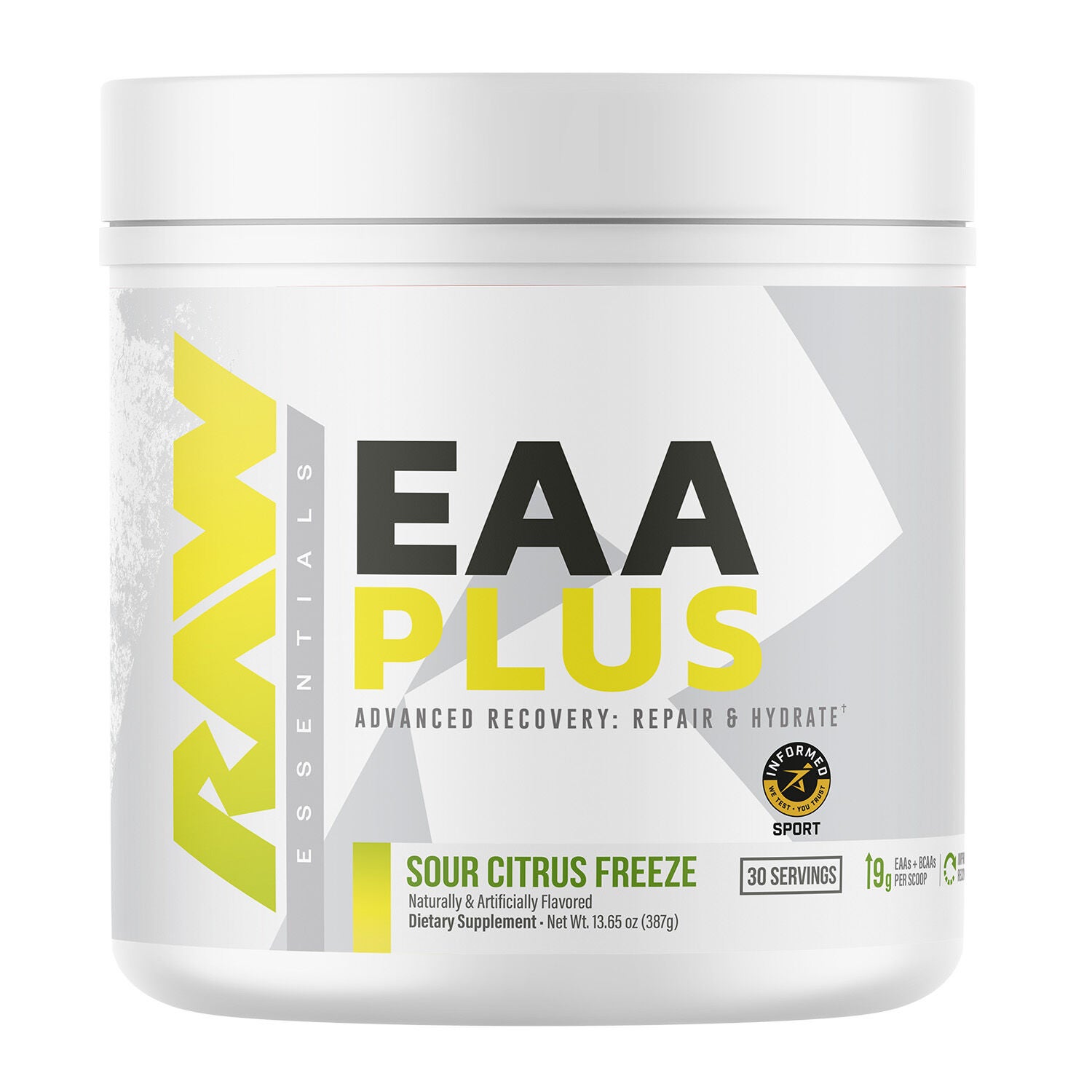
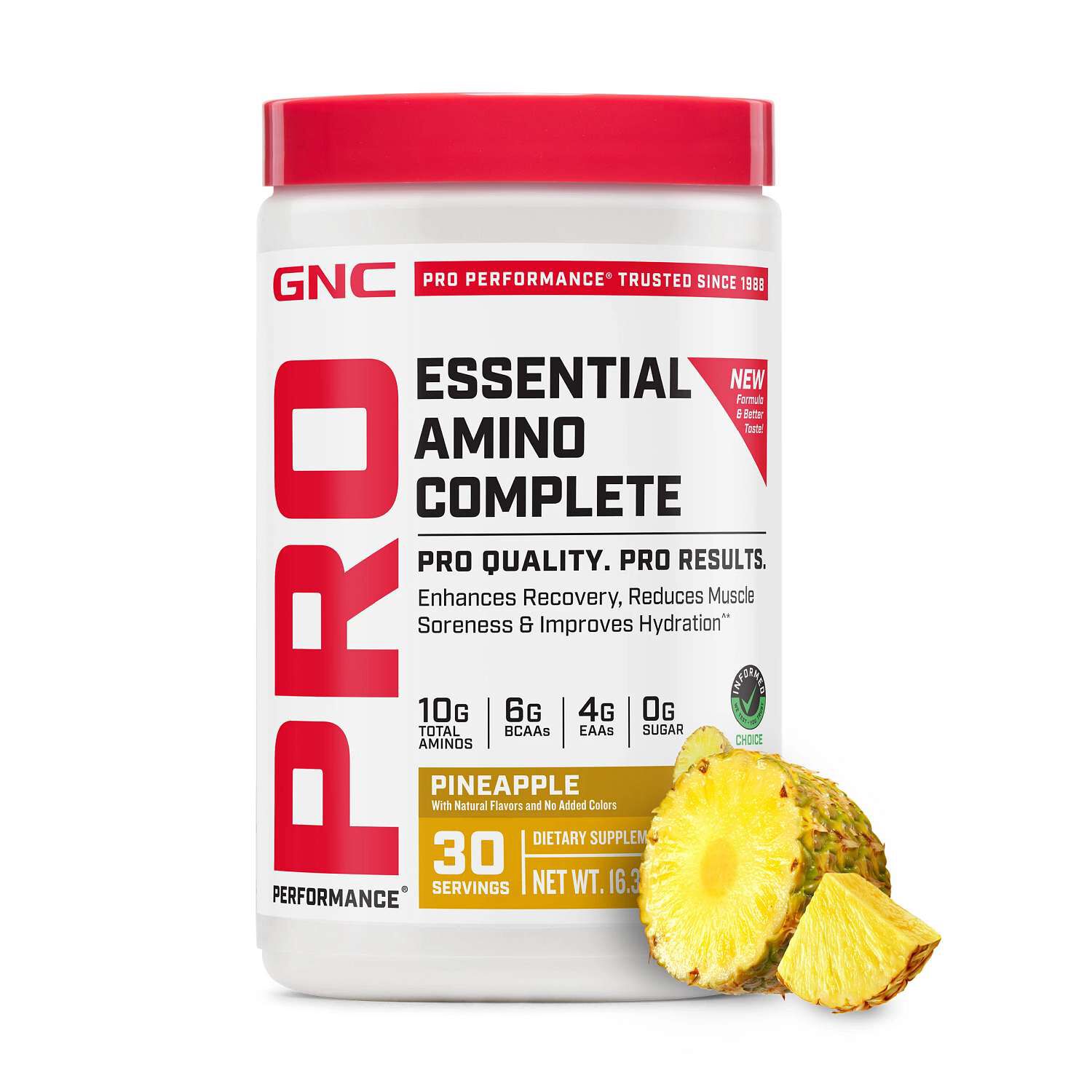
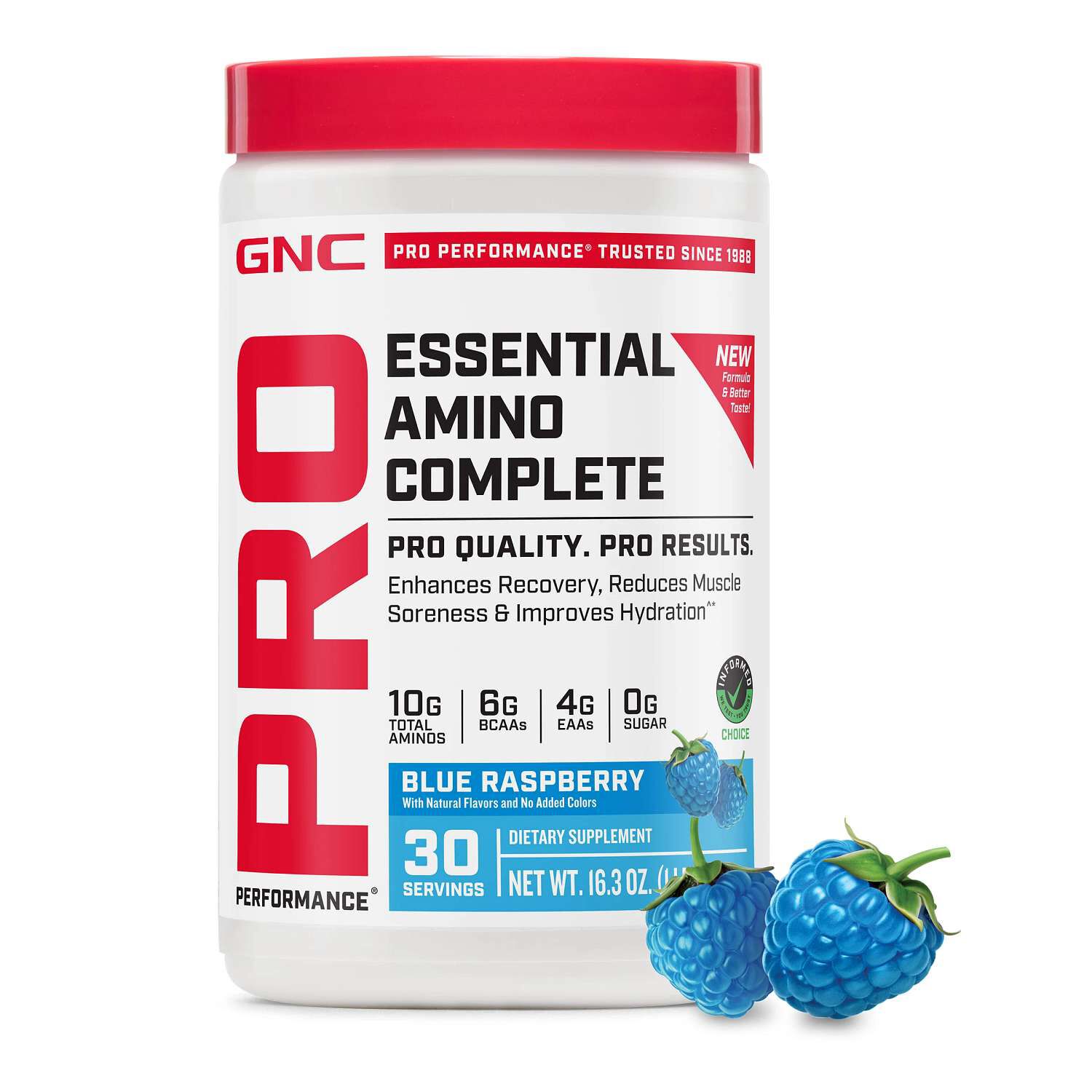
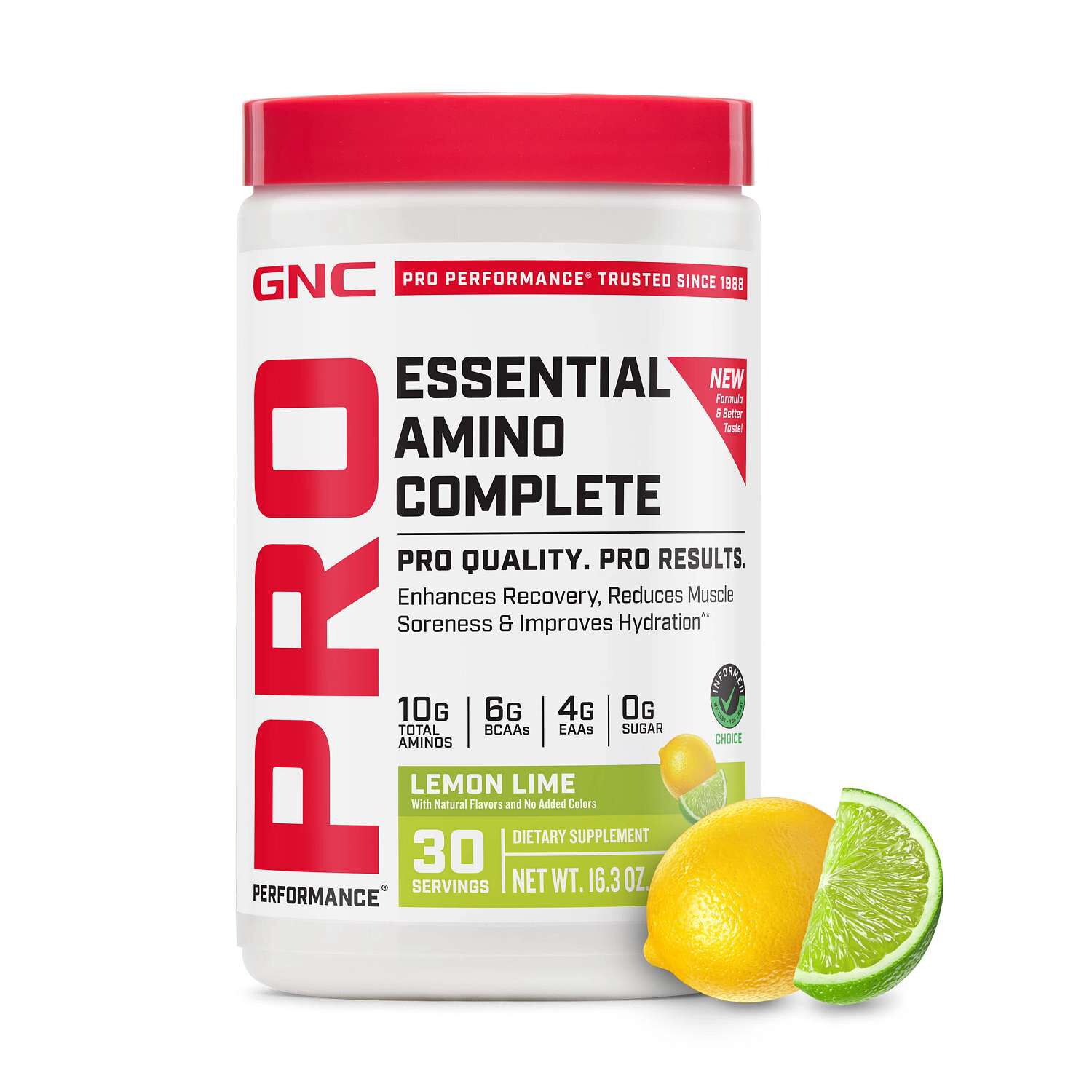
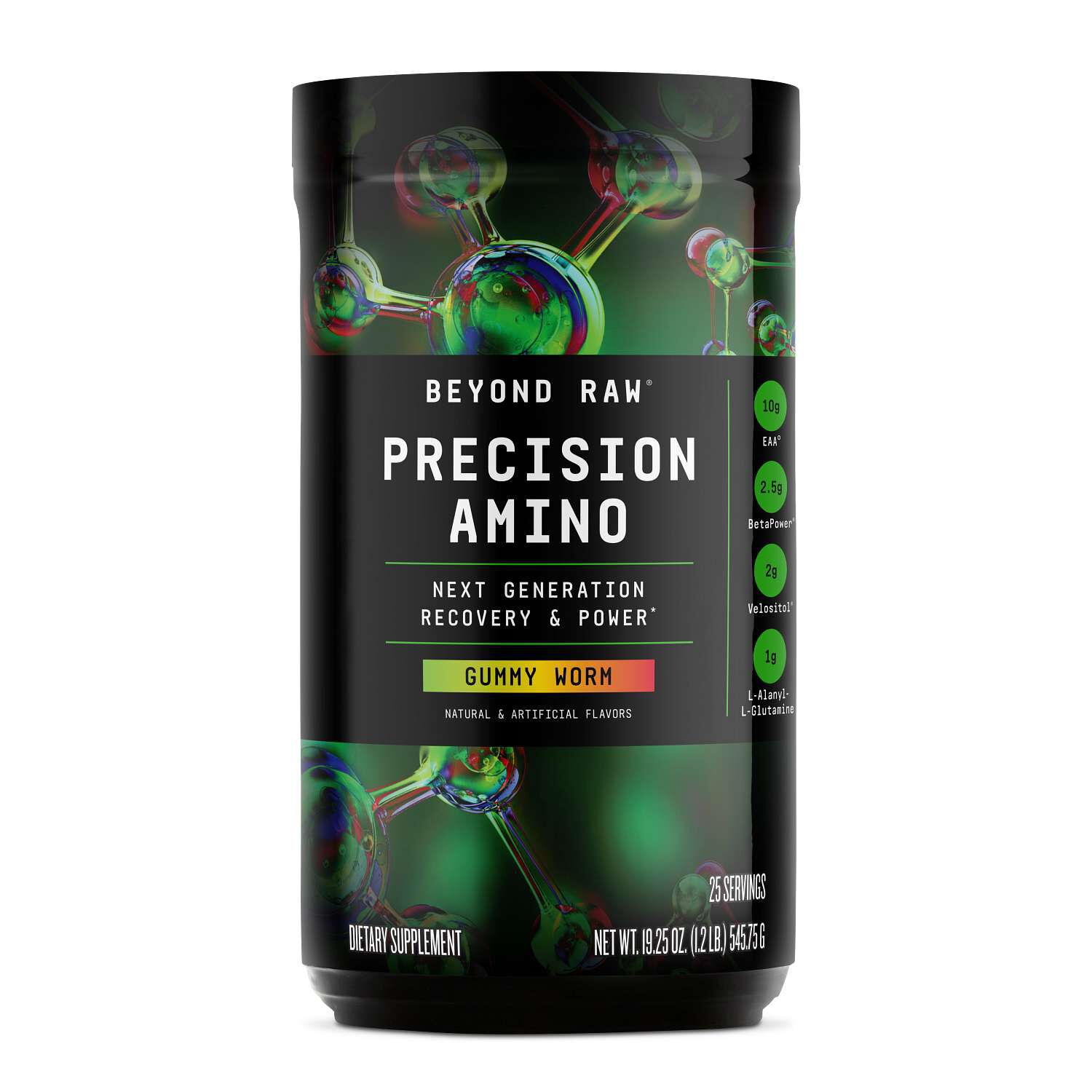
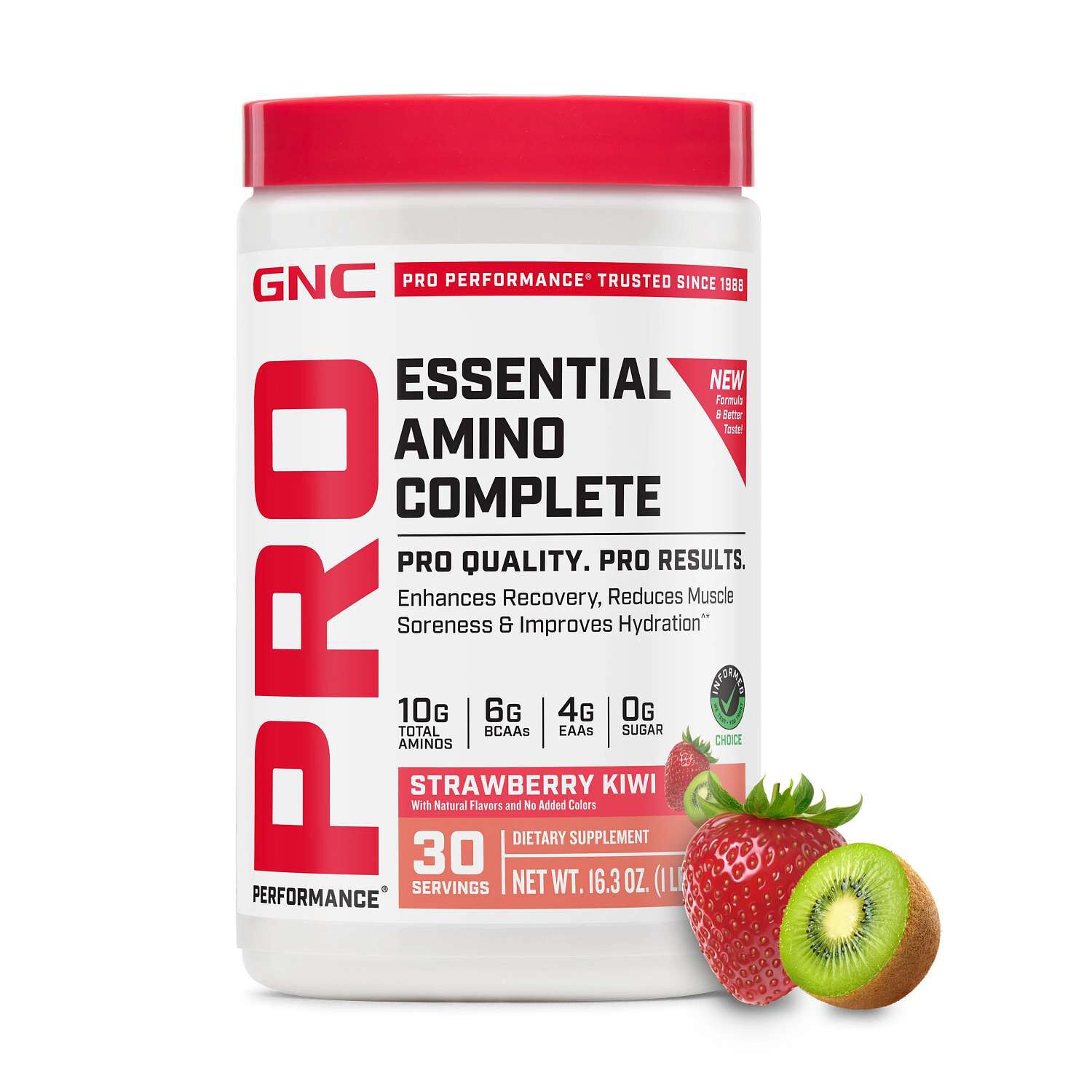
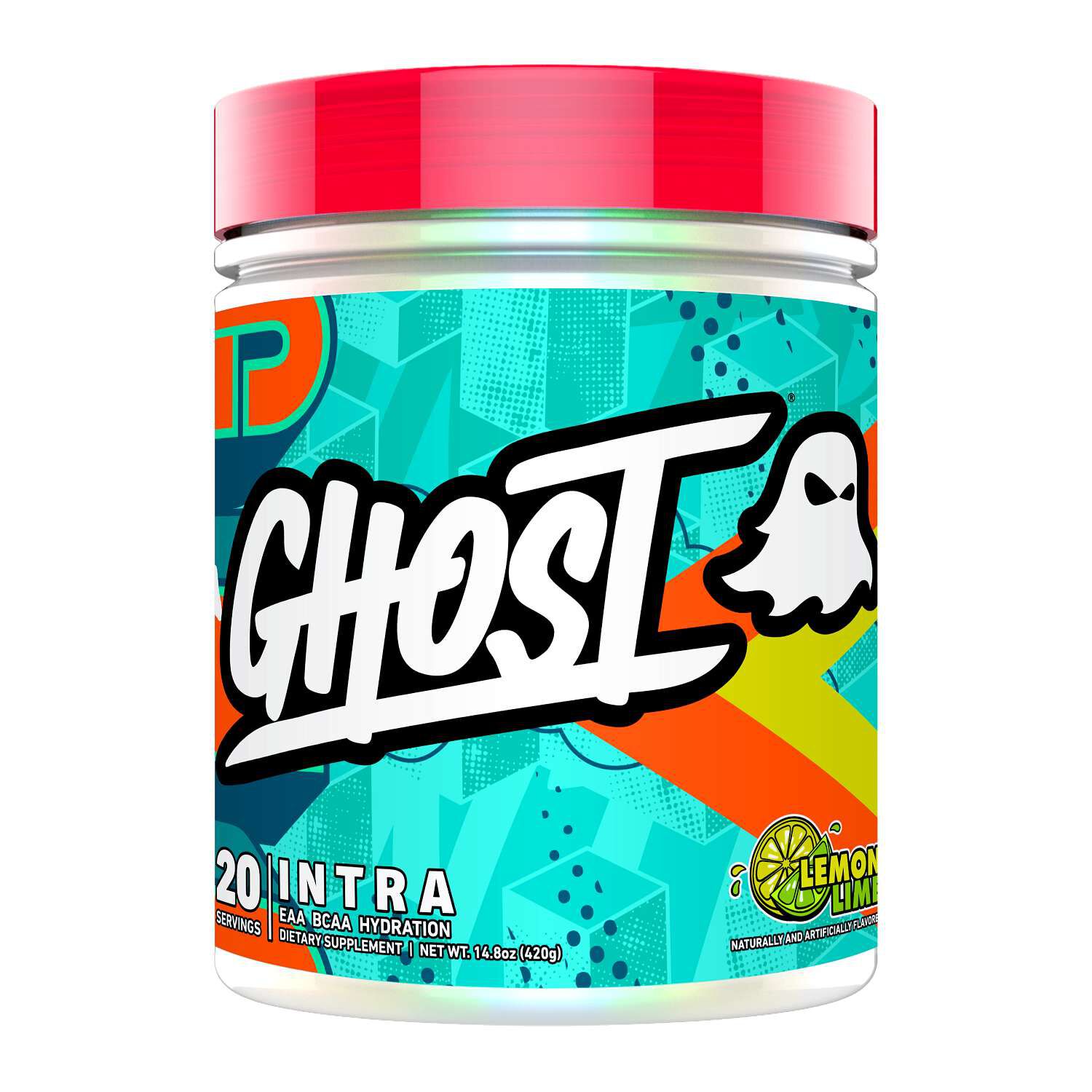
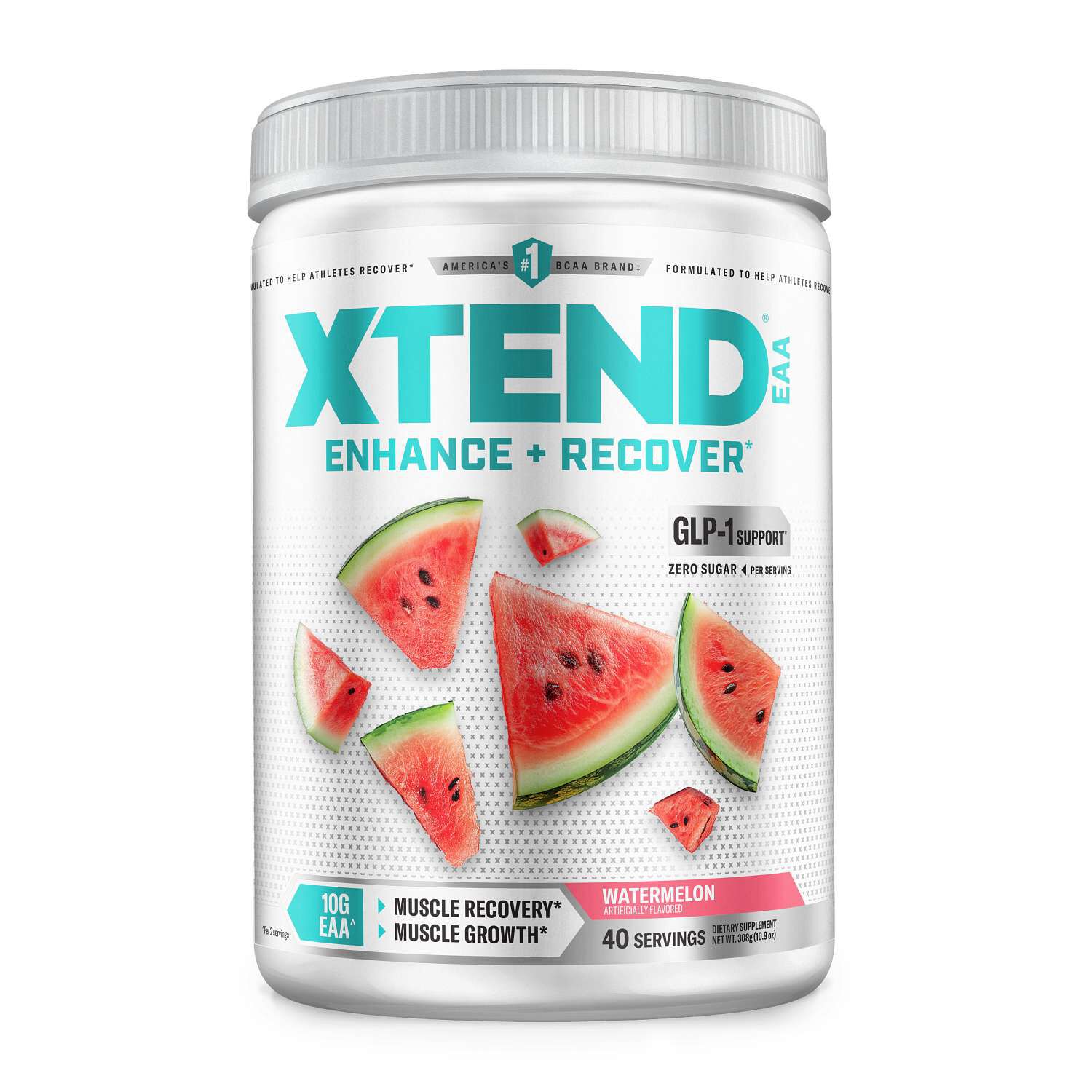
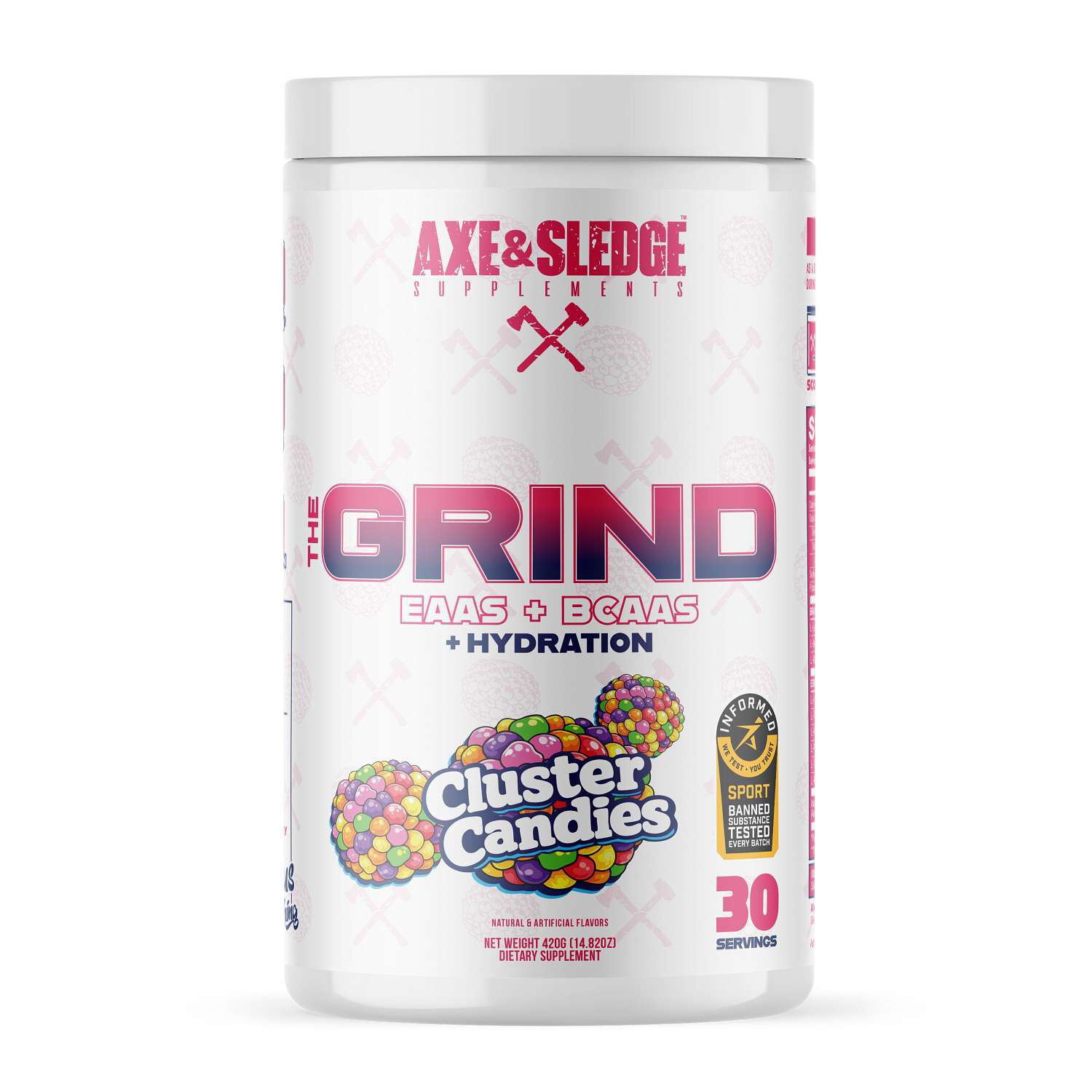
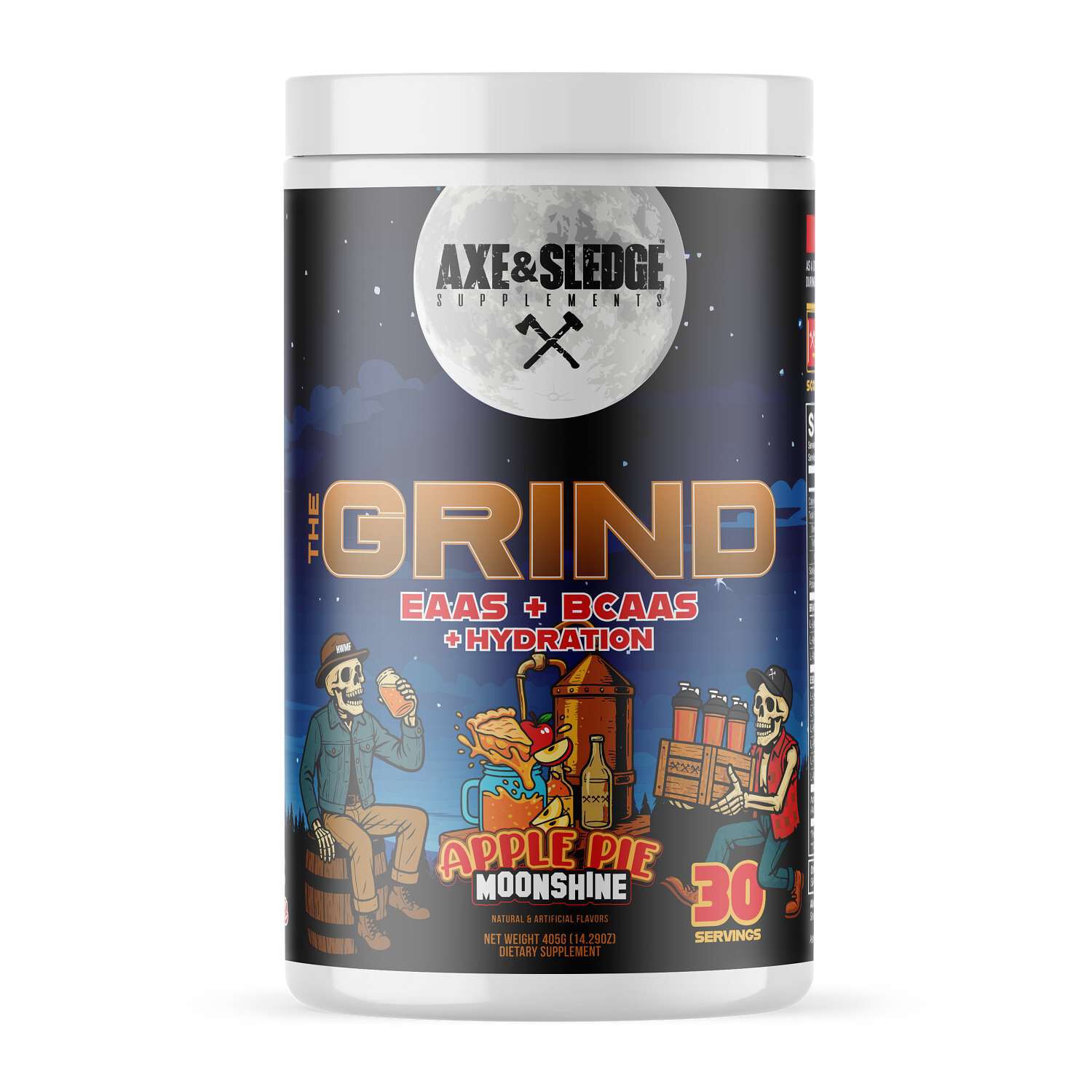
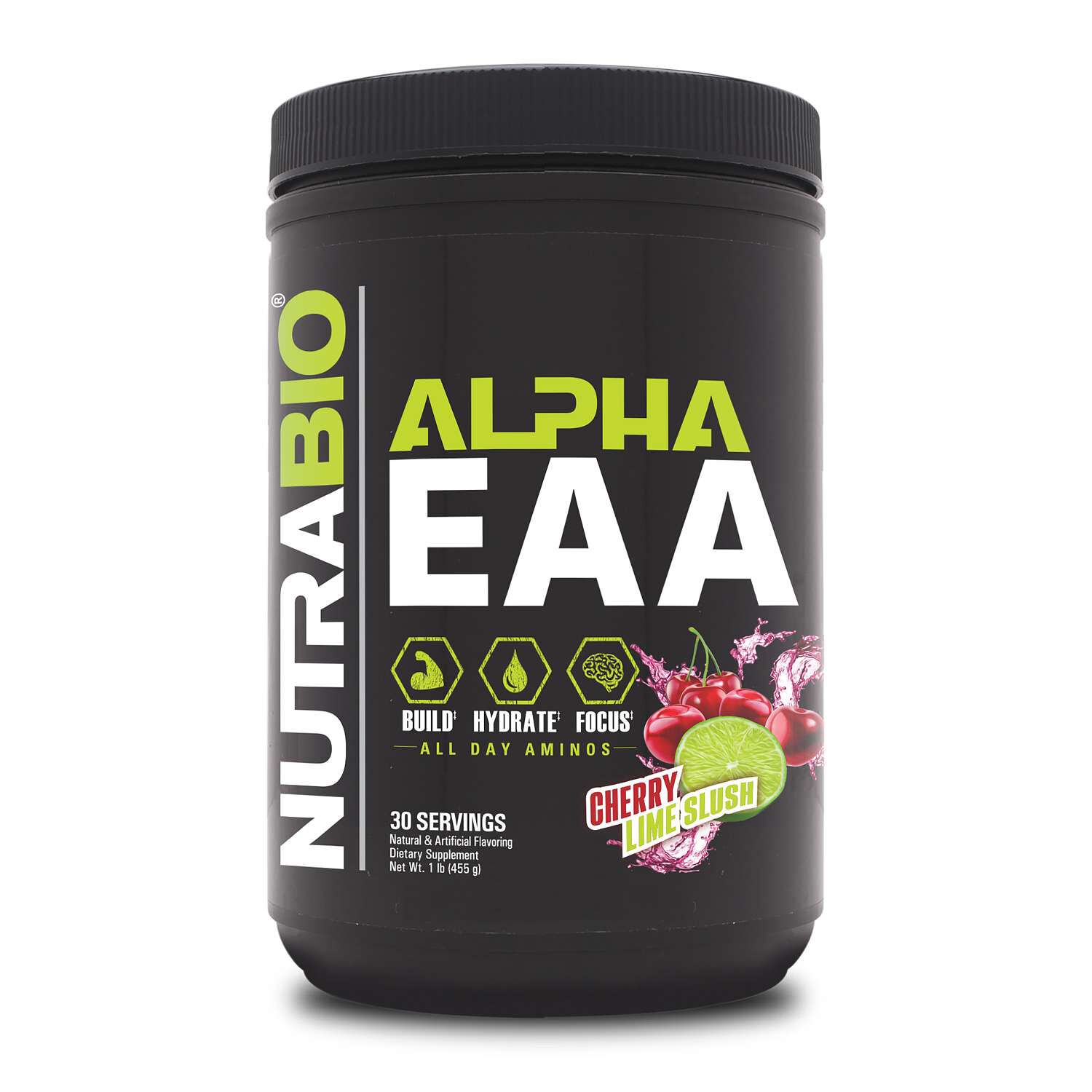
EAA supplements for athletes are amino acid products intended to complement a protein-containing diet and an established training routine. The EAA group consists of nine amino acids that the body cannot produce in sufficient amounts on its own: histidine, isoleucine, leucine, lysine, methionine, phenylalanine, threonine, tryptophan, and valine. These amino acids are components of dietary protein, and foods such as eggs, dairy, meat, fish, and soy can supply all nine. EAA supplements may support muscle protein synthesis, the process through which the body builds muscle proteins, and may support muscle recovery after exercise. Their usefulness depends partly on the athlete’s overall eating pattern rather than the workout alone. Someone already consuming adequate protein throughout the day may have less reason to add a standalone amino acid supplement than someone whose routine makes consistent meals difficult. A strength athlete heading from the office to the weight room, a runner with a packed training schedule, and a recreational athlete fitting practice around family commitments may have different reasons for considering the category. Those differences make intended use an important part of comparing formulas. EAA supplements also differ from BCAA supplements: leucine, isoleucine, and valine are the three branched-chain amino acids, while the EAA group includes those three plus six others. A clearly stated nine-amino-acid profile makes that distinction easier to recognize on a label. Leucine content is one consideration, but the presence and amounts of the other amino acids matter when comparing an EAA formula with a BCAA-focused blend. Protein powders belong in the comparison, too, because many provide all nine EAAs along with a larger serving of dietary protein. An amino acid supplement is not nutritionally interchangeable with a meal, and a flavored EAA drink does not necessarily provide the calories, carbohydrates, fats, or other nutrients found in food. The most relevant choice is one that fits the athlete’s existing nutrition habits rather than duplicating them without a clear purpose.
Formula details distinguish EAA supplements beyond the name on the front of the container. Powdered formats are intended for mixing with liquid, while capsules offer a different format for athletes who prefer not to prepare a flavored drink. Serving size deserves attention in either case: one scoop or one capsule does not represent a standard amount across the category. Comparing amino acid quantities per labeled serving gives a clearer picture than comparing container size alone. Individual amino acid amounts, blend descriptions, and the number of servings per package can also make similar-looking formulas easier to tell apart. Some EAA supplements include electrolytes such as sodium, potassium, or magnesium. Depending on their composition and intended use, these formulas may support hydration during exercise, but the presence of electrolytes does not make every amino acid drink equivalent to a sports drink. Carbohydrate content is a separate consideration, particularly for athletes comparing an amino acid formula with a beverage intended to supply fuel during extended activity. Other formulas contain caffeine or additional workout-oriented ingredients, so the full ingredient list matters more than a single callout. An athlete who already uses a caffeinated pre-workout may prefer an EAA formula without added caffeine to avoid overlapping ingredients. Sweeteners, added sugars, colors, and flavoring ingredients are also practical comparison points. A bright fruit flavor might appeal during a gym session, while a milder drink may be more appealing when carried through a longer practice. Mixing directions help set expectations for concentration, since a serving prepared in a small shaker can taste different from the same serving diluted in a larger bottle. Ingredient sources, capsule materials, and allergen statements deserve a look when vegetarian preferences or other dietary requirements shape the purchase. The EAA Rich Supplements collection offers another way to explore related formulas while keeping amino acid content, format, and intended use at the center of the comparison.
Everyday handling and sport-specific requirements round out the picture. For athletes who compete under supplement rules, independent certification can be a meaningful purchasing consideration. Programs such as NSF Certified for Sport and Informed Sport have defined testing requirements, and their directories allow shoppers to check certification details rather than relying only on broad testing language on packaging. Testing programs differ in scope, and certification should not be confused with evidence of a particular training outcome. For a competitive swimmer packing a meet bag or a team-sport athlete traveling for a tournament, clearly labeled packaging also makes serving directions and ingredient information easier to keep with the supplement. Container design matters in ordinary routines as well. A securely closing lid, readable serving information, and a scoop that can be kept dry are practical features for a powder used repeatedly. Where offered, individually packaged portions may suit travel or a crowded locker, while a larger container may fit a routine centered around one training location. Capsules have their own serving directions and storage needs, including the number required for a labeled serving. Powders generally belong in their original, tightly closed packaging, stored according to the label and protected from moisture. Using a dry scoop and closing the container after each use are sensible handling habits; leaving an open tub beside a damp gym towel is less suitable. Timing is another point of personal fit rather than a reason to overlook the rest of the label. Some formulas are intended for use before, during, or after exercise, but the directions for the chosen format remain the relevant reference. A drink carried between sets, a capsule serving packed with lunch, and a powder mixed after practice represent different routines, not evidence that one timing pattern suits everyone. For EAA supplements for athletes, useful distinctions come down to a readable amino acid profile, ingredients that fit dietary preferences, an appropriate format, and a place within an eating and training routine that is already being managed consistently.
Best Sellers

Related Pages
Top Collections
- Zinc Supplements | Top Brands at Great Prices | GNC
- Joint Mobility Supplement Packs
- Daily Collagen Supplements | Top Brands & Deals | GNC
- Cortisol Supplements
- Supplements For Yoga Joint Flexibility
- NAD+ Supplement Tablets
- Iron Supplements
- Best Brand of Magnesium Glycinate
- Chronic Fatigue Supplements
- Peptide Supplements