





Protein Supplements With EAAs
(0 Results)
Looking to support your fitness goals and optimize muscle recovery? Protein supplements with EAAs (EAA stands for "essenital amino acids") might be the key to unlocking your potential. These supplements are designed to provide a balanced blend of protein and all nine EAAs, which could be crucial for muscle growth and repair. Whether you're an athlete, bodybuilder, or simply looking to maintain a healthy lifestyle, incorporating protein supplements with EAAs into your routine may help you achieve your desired results. Explore a variety of options that cater to different dietary preferences and fitness needs.
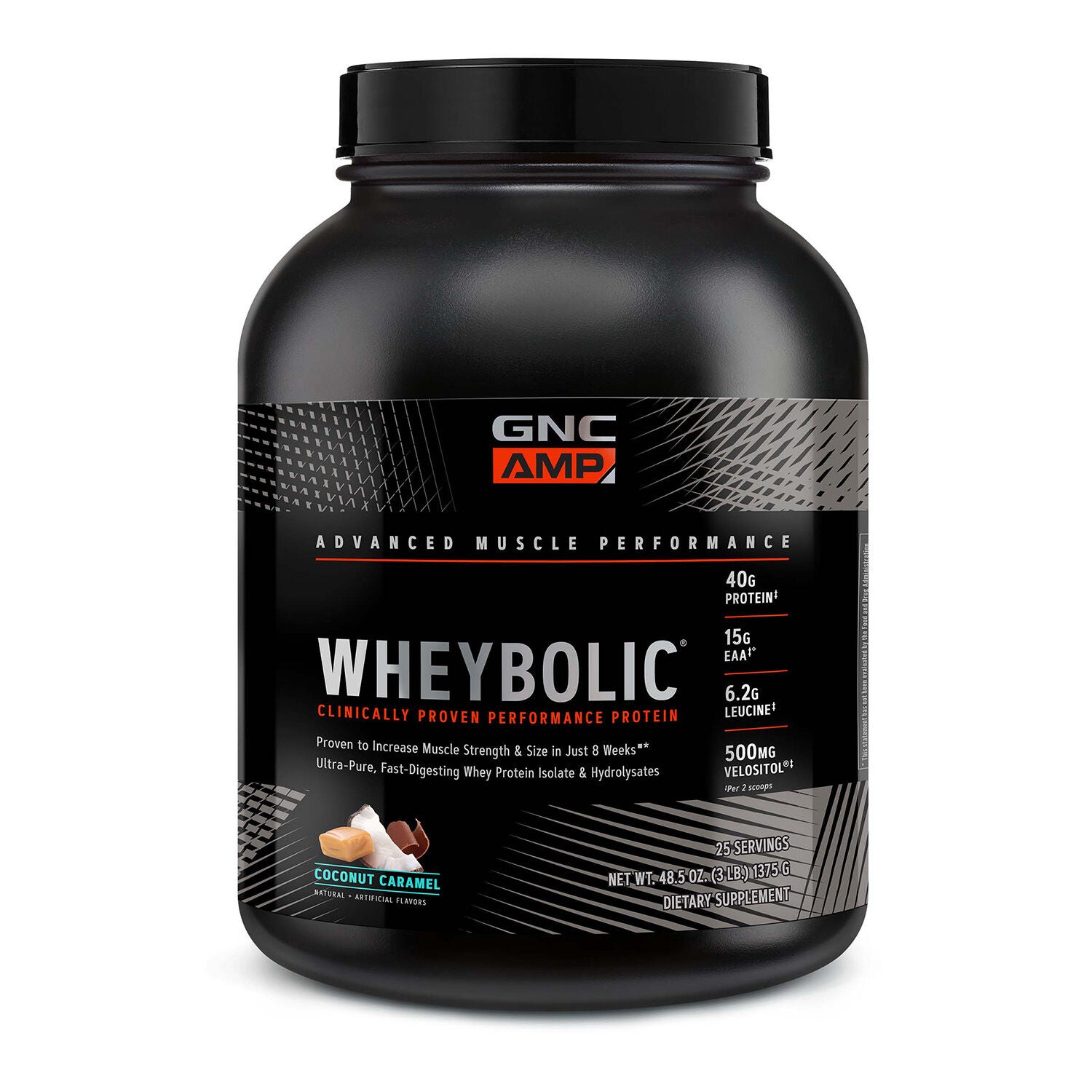


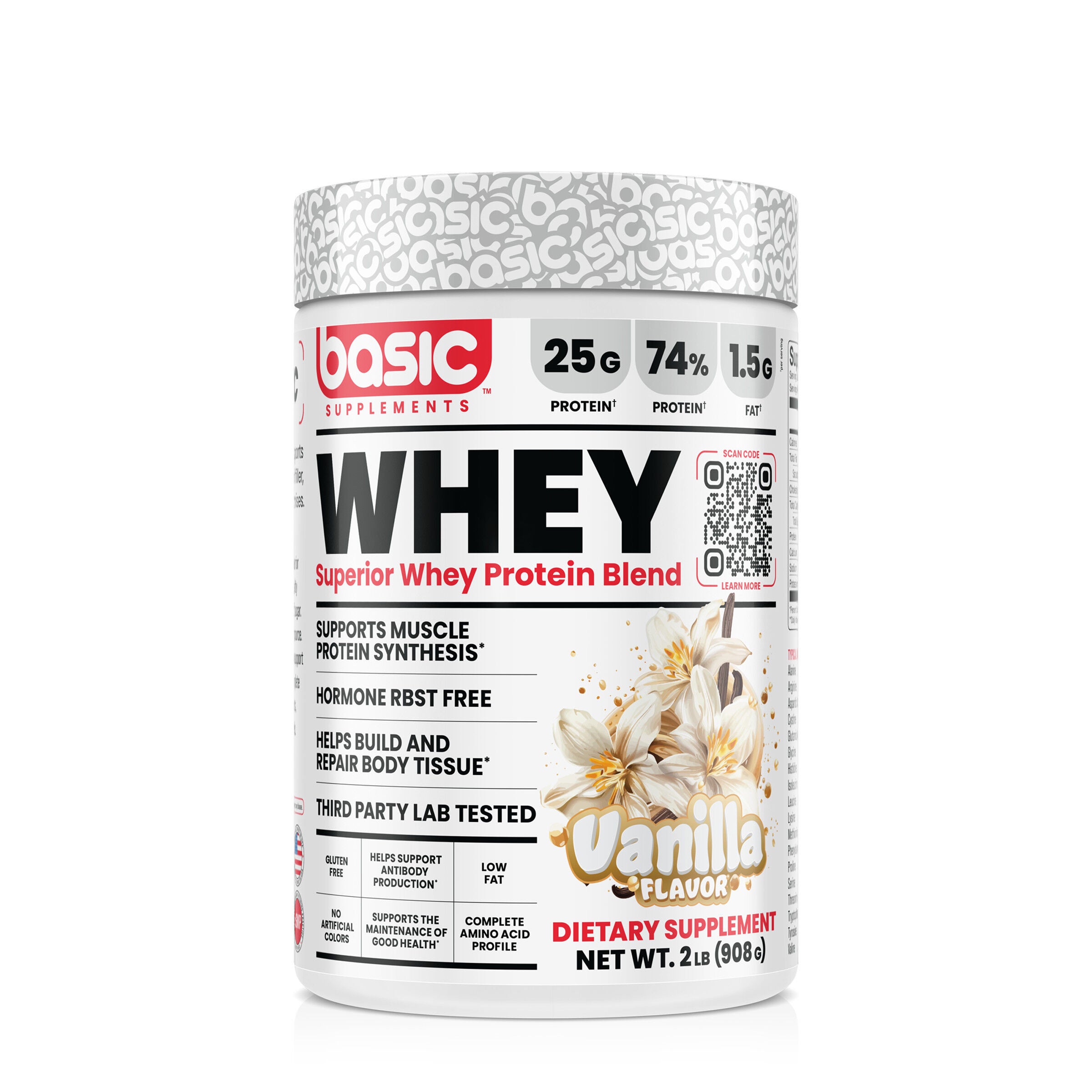

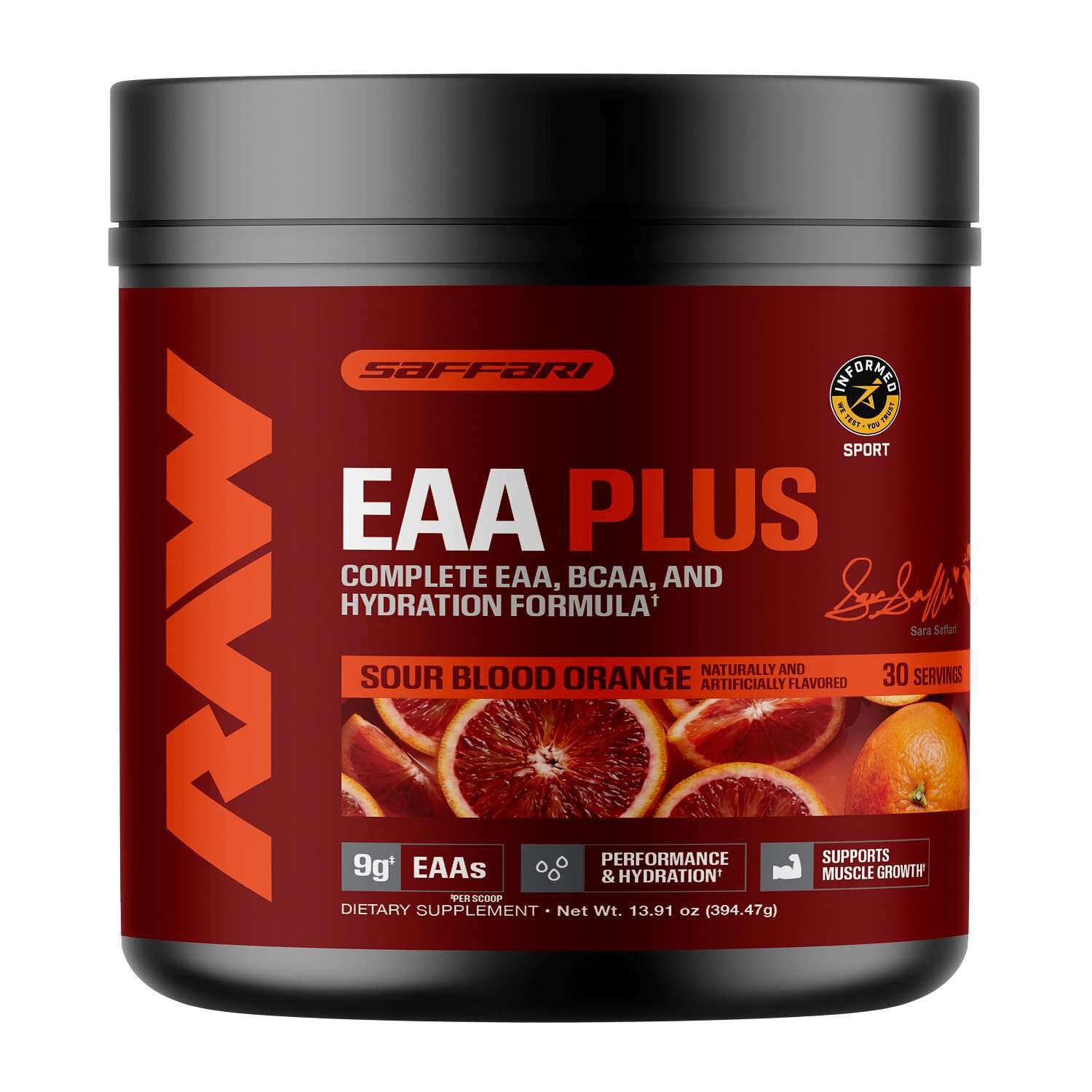
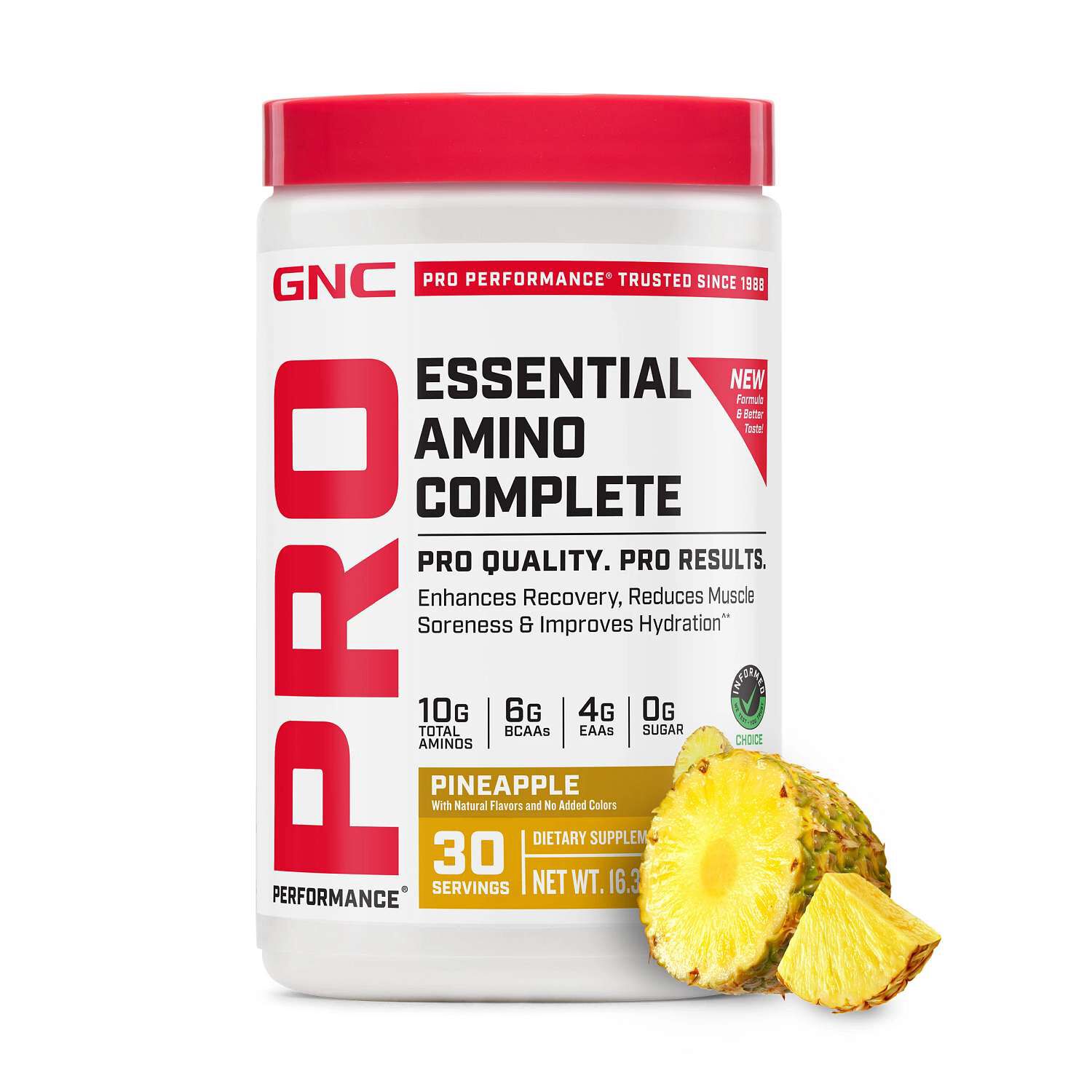
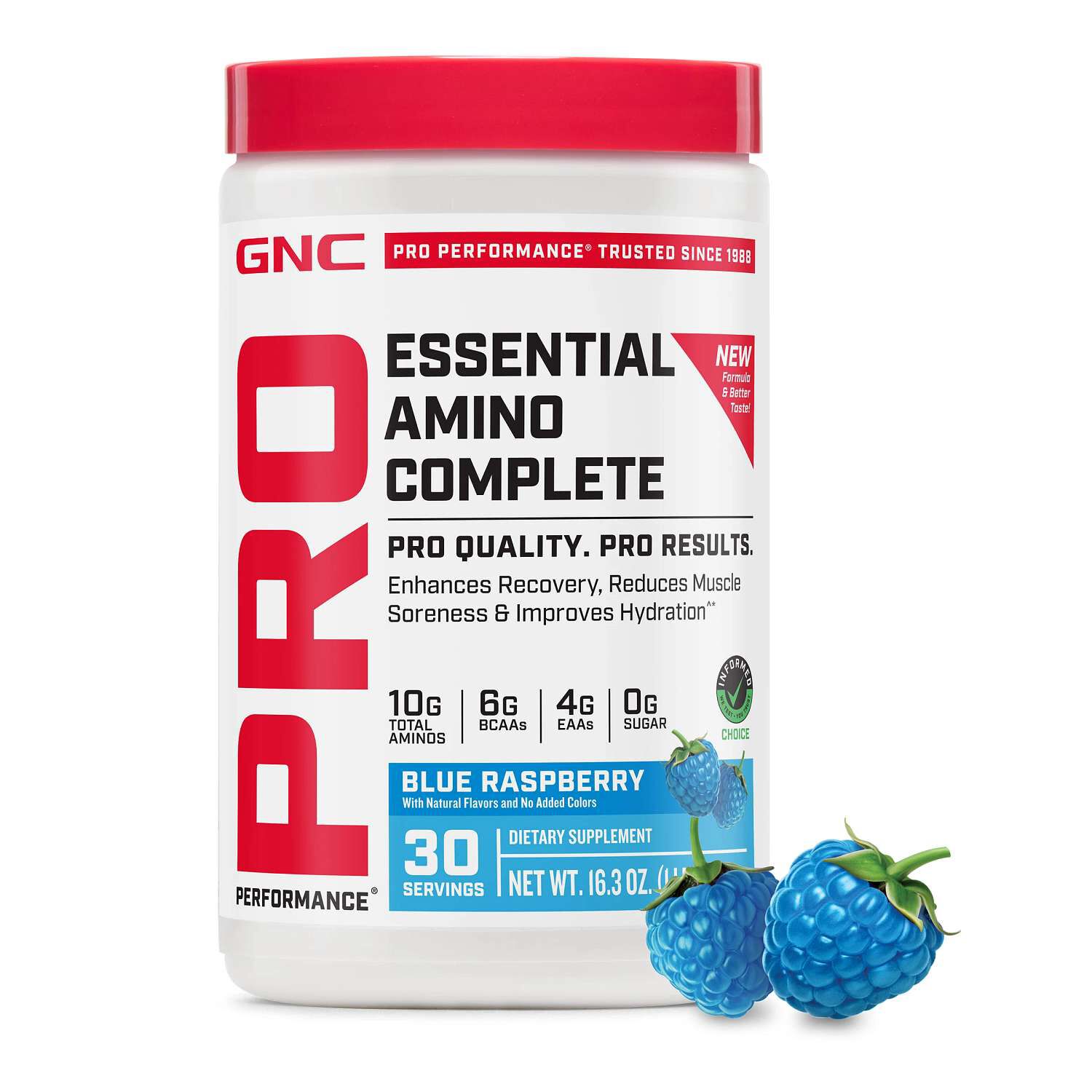


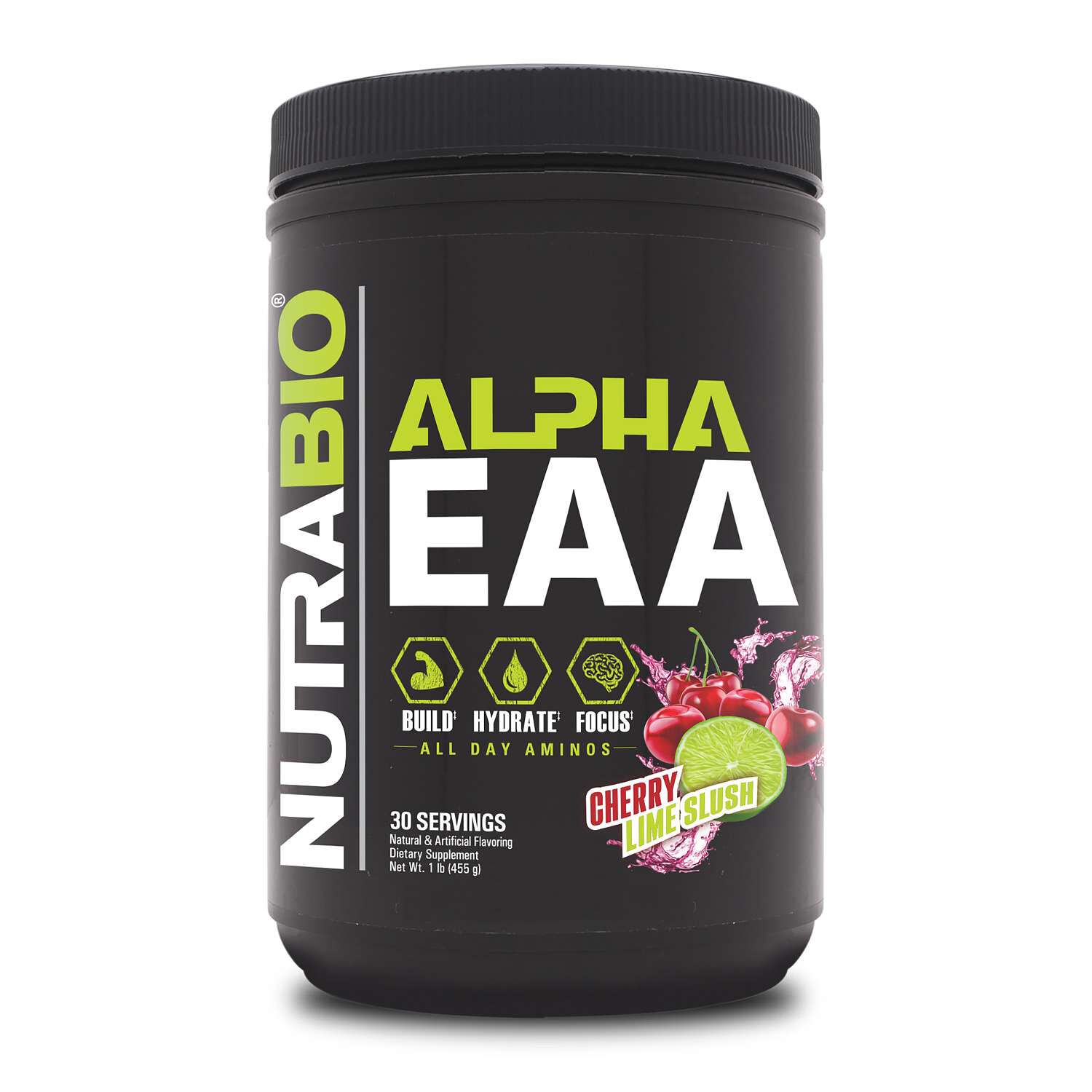


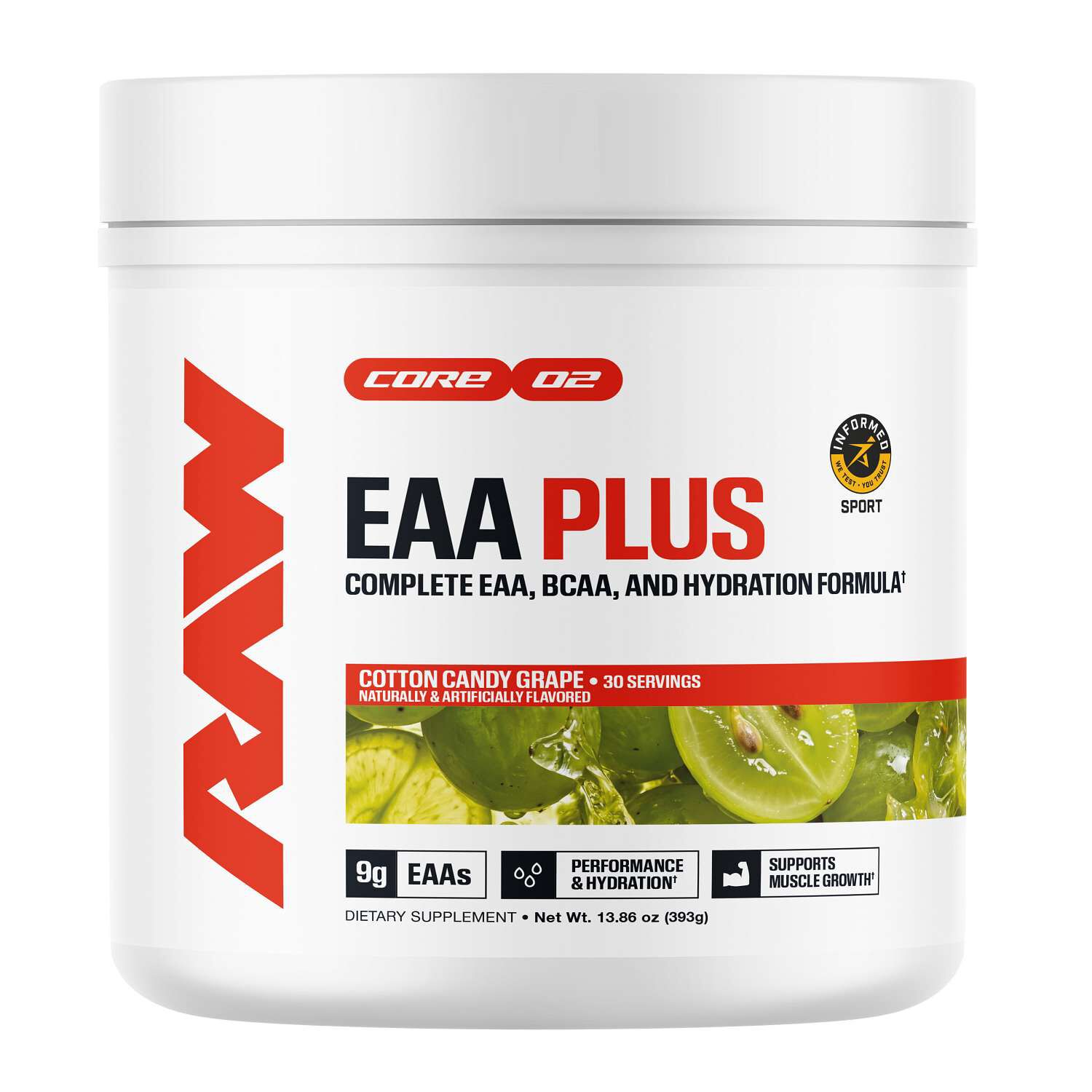
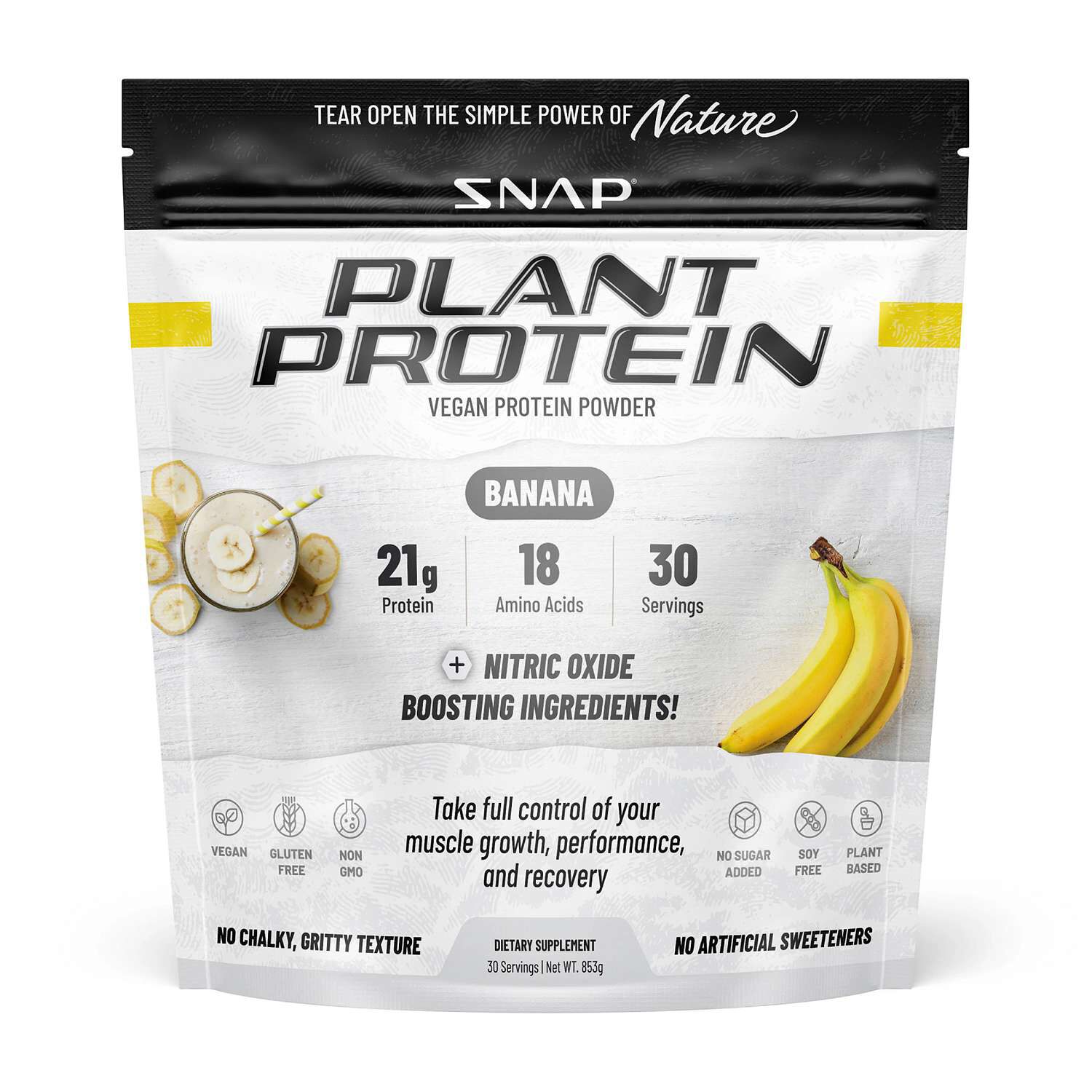
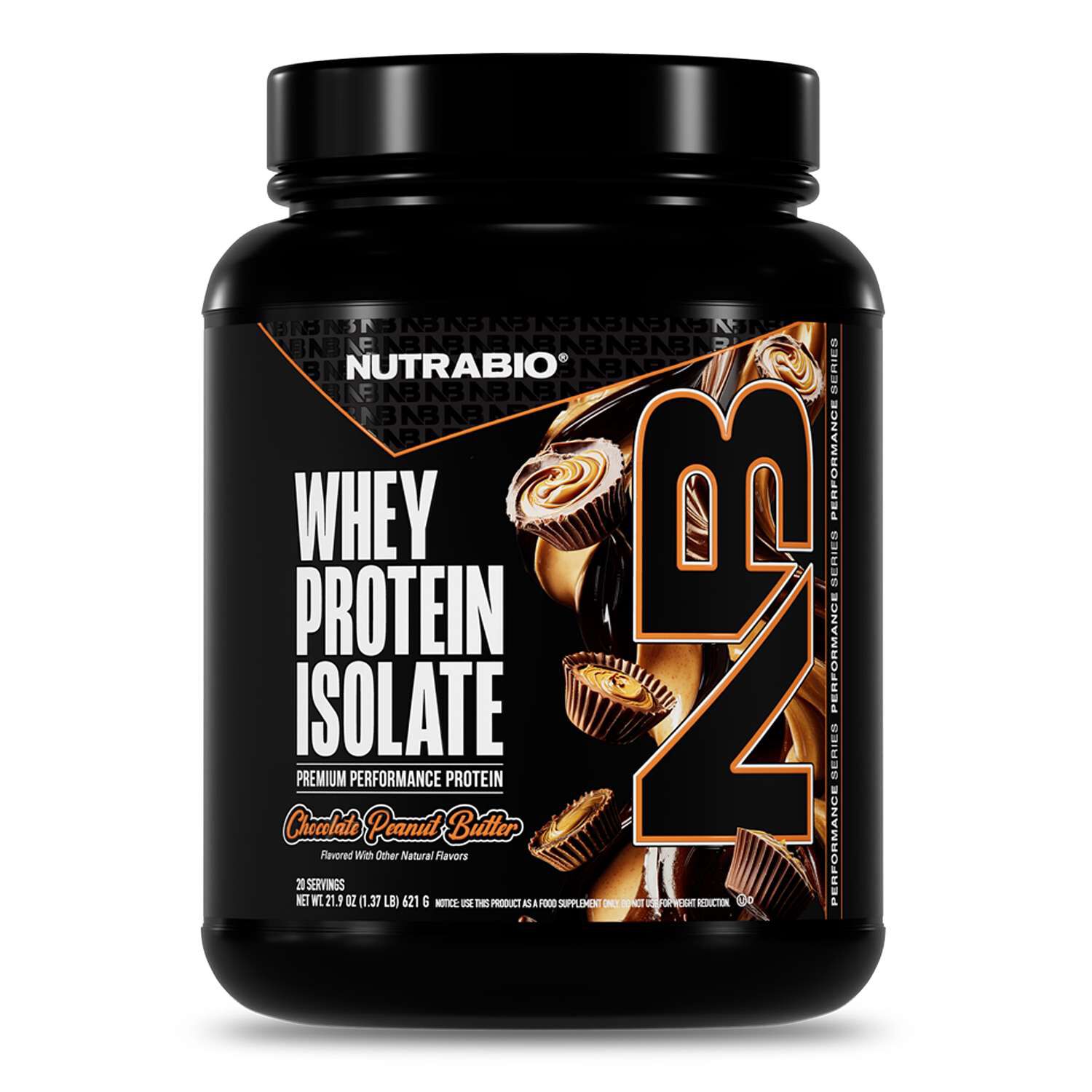
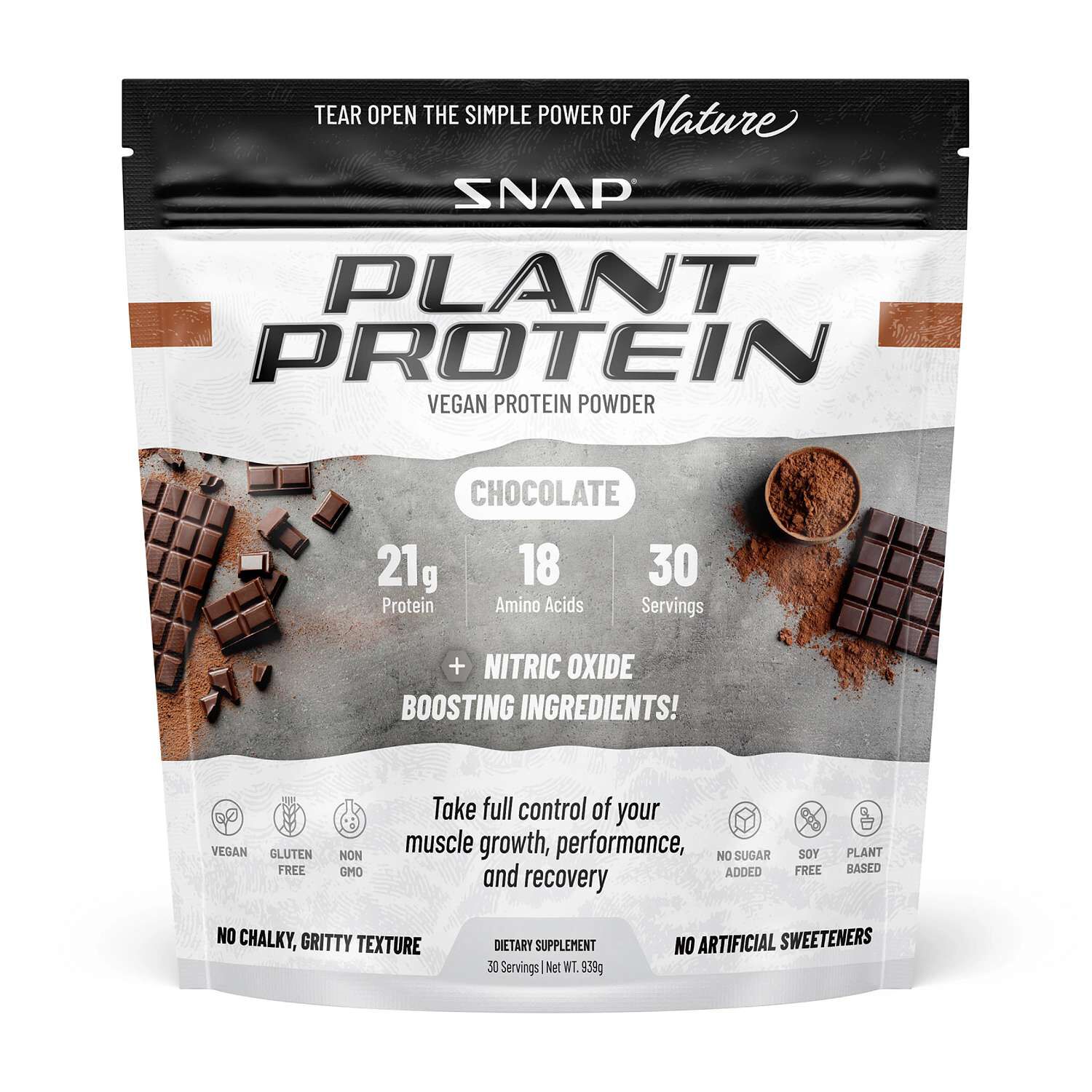
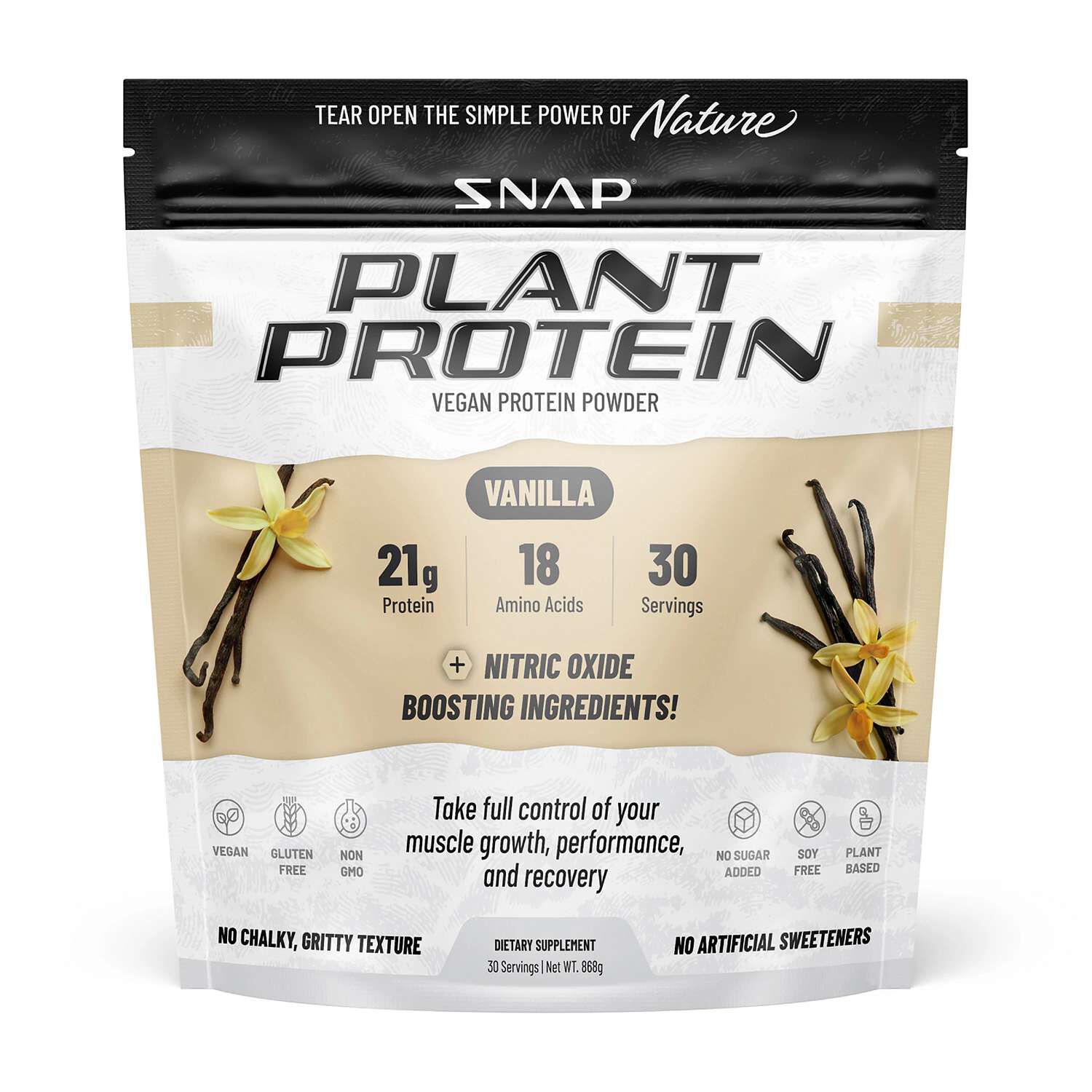
Protein supplements with EAAs put the focus on both dietary protein and the amino acids that make it up. EAAs are the nine amino acids the body must obtain through dietary sources because it cannot make them on its own. The group includes leucine, isoleucine, valine, histidine, lysine, methionine, phenylalanine, threonine, and tryptophan. The three amino acids described as BCAAs—leucine, isoleucine, and valine—are part of that larger group, rather than another name for all nine. This distinction matters when comparing a protein powder with an amino acid drink mix: similar flavor names and shaker-friendly formats do not necessarily mean similar nutritional content. Some protein formulas feature amino acids naturally present in their ingredients, while others may include separately listed amino acids. The ingredient list, protein amount per serving, and any disclosed amino acid information offer more context than the front of the package alone. Whey, casein, egg, soy, pea, and rice are among the sources used in protein supplements, with some formulas combining more than one source. Dairy-based and plant-based options have different ingredient profiles, and a blend of plant proteins may have a different amino acid balance than a powder made from a single plant source. For shoppers focused on exercise nutrition, a protein supplement with EAAs may support muscle recovery after training while fitting into an established eating routine. That intended use does not make every formula interchangeable. A powder chosen for an afternoon shake, a ready-to-drink format carried to the gym, and a blend stirred into breakfast each have different practical considerations. Serving size deserves particular attention because scoop dimensions vary, and a serving may call for more than one scoop. Comparing the stated grams of protein alongside the actual serving amount gives a clearer picture of what goes into each preparation. The same close reading applies to amino acid amounts: a disclosed amount may describe the full protein serving, an added blend, or another portion specified on the label.
Taste and texture deserve as much attention as the nutrition panel when a supplement is part of a regular routine. Chocolate, vanilla, and fruit-inspired flavors suit different preferences, while an unflavored powder may offer more flexibility for recipes with their own distinct ingredients. A vanilla blend may pair well with oats and cinnamon, while a chocolate formula may complement a banana-based smoothie. Sweeteners, cocoa, flavorings, and thickening ingredients all belong in the comparison, especially for someone who prefers a less sweet drink or a thinner texture. Preparation also changes the experience. Water is a straightforward mixing liquid, while milk or a plant-based beverage contributes its own nutrients and flavor. Depending on the formula, those choices may produce a lighter drink or a creamier shake. A blender with fruit and ice is a different setup from a shaker bottle used between the gym and the office, so mixing directions and suggested liquid amounts are useful details. Some powders may disperse well with a brief shake; others may need more vigorous blending for the preferred consistency. For cooking and baking, intended-use directions matter because a powder designed primarily for beverages may behave differently in pancake batter, oatmeal, or yogurt. Packaging is another practical consideration. A larger tub calls for cupboard space and regular measuring, while individually portioned packets offer a different packing arrangement for a work bag or travel bag. Resealable closures, readable serving instructions, and a scoop that stays dry are small details worth considering for repeated use. Storage directions remain important after opening, including any instructions about moisture, sunlight, and refrigeration. Prepared shakes and dry powders have different storage requirements, and ready-to-drink formats may have additional directions once opened. Milk, soy, egg, and other ingredient disclosures also deserve careful reading when shopping around dietary preferences or restrictions. A familiar flavor name is not a substitute for checking the ingredients in the actual formula.
The most relevant format often comes down to where protein fits into an ordinary day. Someone heading from a resistance-training session to a commute may prefer a portable drink, while someone preparing breakfast at home may prefer a powder measured into a smoothie. A recreational runner, a regular weight-room visitor, and an adult managing a busy schedule may approach the same category with different priorities. For one shopper, the deciding detail is a short ingredient list; for another, it is a plant-based protein source, a particular texture, or clear amino acid disclosure. Protein supplements with EAAs may complement those routines, but the label still needs to match the intended use. A formula with carbohydrates and fats has a different nutritional profile from one centered more narrowly on protein, even when both feature EAAs. Considering the entire serving helps distinguish between a substantial shake and a smaller addition to food already being eaten. These supplements are intended to complement a varied eating pattern rather than replace the variety found across everyday meals. Training schedules, food preferences, and preparation habits provide useful context without making the choice more complicated than it needs to be. Shoppers comparing options around exercise can also explore Protein Supplements For Athletes for a related training-focused category. Athletes participating under team or competition rules may also consider documentation of independent testing and any sport-specific screening information provided with a formula. Clear labeling matters more than an impressive-sounding blend name, particularly when the amount of each ingredient is a deciding factor. Flavor preferences, portion sizes, storage space, and access to a shaker or blender are equally practical parts of the decision. Taken together, those details make it easier to compare protein supplements with EAAs as foods and routines actually demand: by what is in the serving, how it is prepared, and how comfortably it fits into daily life.
Best Sellers


Related Pages


Top Collections
- Chronic Fatigue Supplements
- Vitamins For Hair Loss
- Capsule Supplements For Energy And Stamina
- Supplements For Yoga Joint Flexibility
- Zinc Supplements For Men
- Best Brand of Magnesium Glycinate
- Cortisol Supplements
- Supplements For Energy And Wellness
- Joint Mobility Supplement Packs
- Peptide Supplements